Japanese beauty explained
Japanese Skincare Product Types Explained: Lotion, Essence, Emulsion, Milk and More
If you have ever picked up a Japanese skincare product and thought “wait, this lotion is a toner?” you are not alone. Japanese product naming follows completely different conventions than Western skincare, and the translation gap trips up even experienced skincare shoppers.
The confusion is real: Japanese “lotion” is not moisturizer. “Milk” is not body lotion. “Essence” could mean three different things depending on the brand. And once you get into subcategories like “milky lotion” or “skin conditioner,” the labels stop making any intuitive sense at all.
This guide breaks down every major Japanese skincare product type, explains what each one does, and shows where it fits in a routine. No jargon, no guessing. If you also want help reading the actual kanji and katakana on Japanese packaging, see our label reading guide.
Why Japanese Product Names Are Confusing
Japanese skincare has its own classification system that developed independently from Western skincare. When these products get exported or translated, the Japanese category names are translated literally into English, and those literal translations collide with what those words already mean in Western skincare.
The biggest offender: 化粧水 (kesho sui), which translates directly to “lotion” or “cosmetic water.” In Western skincare, lotion means a lightweight moisturizer. In Japanese skincare, it means a watery, hydrating liquid that goes on right after cleansing. Functionally, it is closest to what Western brands call a toner or hydrating toner, but it is usually more moisturizing and less astringent than traditional Western toners.
This naming disconnect affects almost every product category. So rather than trying to match Japanese terms to Western equivalents (which only sort of works), it helps to learn each type on its own terms.
Lotion (化粧水) and Skin Conditioner
What it is: A lightweight, watery liquid that hydrates and preps the skin right after cleansing.
Japanese name: Kesho sui (化粧水). Sometimes labeled “skin conditioner,” “skin lotion,” or “conditioning lotion.” All the same thing.
What it does: Delivers hydration to freshly cleansed skin, softens the outer layer so subsequent products absorb more effectively, and restores the skin’s moisture balance after cleansing strips it away. Japanese lotions are typically loaded with hydrating ingredients like hyaluronic acid, ceramides, or fermented extracts.
How it differs from Western toner: Western toners historically focused on removing residue and controlling oil, often with astringent ingredients like witch hazel or alcohol. Japanese lotions skip all of that. They are purely hydrating. Some newer Western toners have moved toward this hydrating approach too, but the Japanese category has been hydration focused from the start.
How to use it: Apply right after cleansing (and any exfoliating acids). Pour into your hands or a cotton pad and press into the skin. Many people apply 2 to 3 thin layers for deeper hydration, a technique called “lotion masking” or layering.
Popular examples:
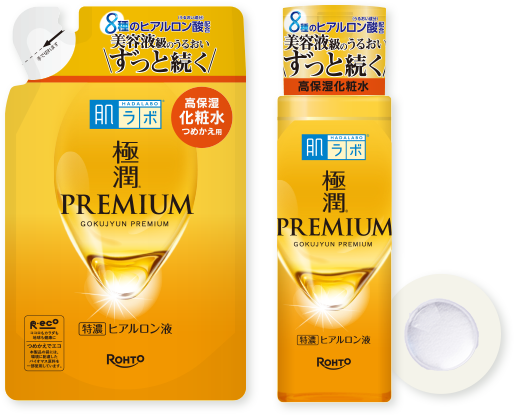
- Hada Labo Gokujyun Premium Lotion is probably the product that confuses Western buyers most often. It says “lotion” on the bottle, but it is a hydrating toner with seven types of hyaluronic acid. Thick, viscous texture despite being a “lotion.”
- Hada Labo Gokujyun Hyaluronic Lotion Moist is the lighter version of the same line, with a more traditional watery consistency.
- Kiku-Masamune Sake Brewing Skin Care Lotion High Moist is a cult favorite known for its enormous 500ml bottle and fermented sake extract. It feels like water but delivers serious hydration.
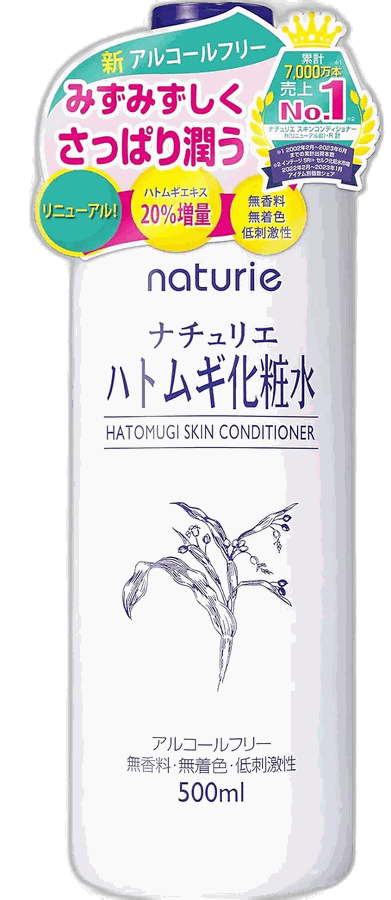
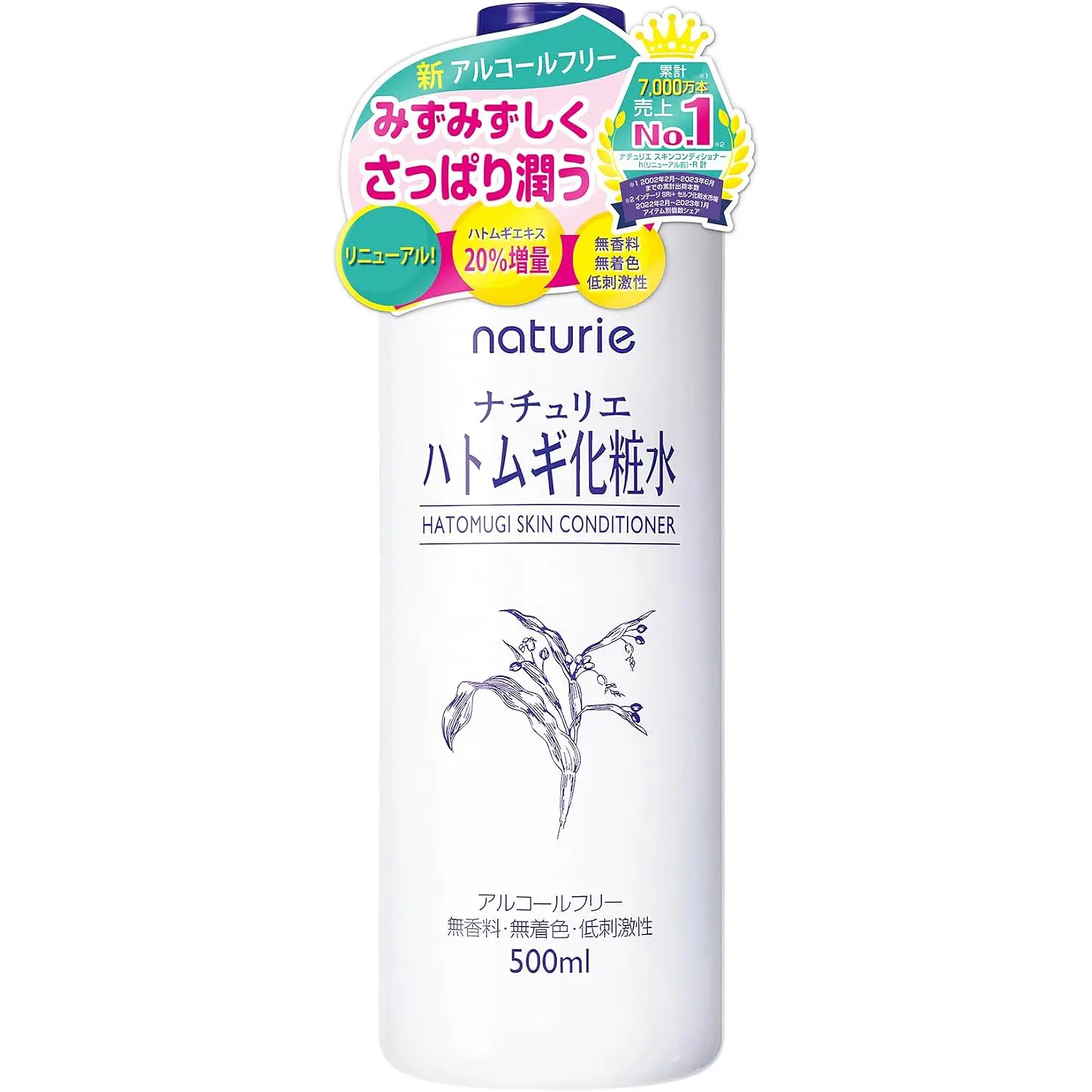
- Naturie Hatomugi Skin Conditioner is labeled “skin conditioner” rather than “lotion,” but it is the same product type. Contains job’s tears extract and works as an affordable daily hydrating toner.
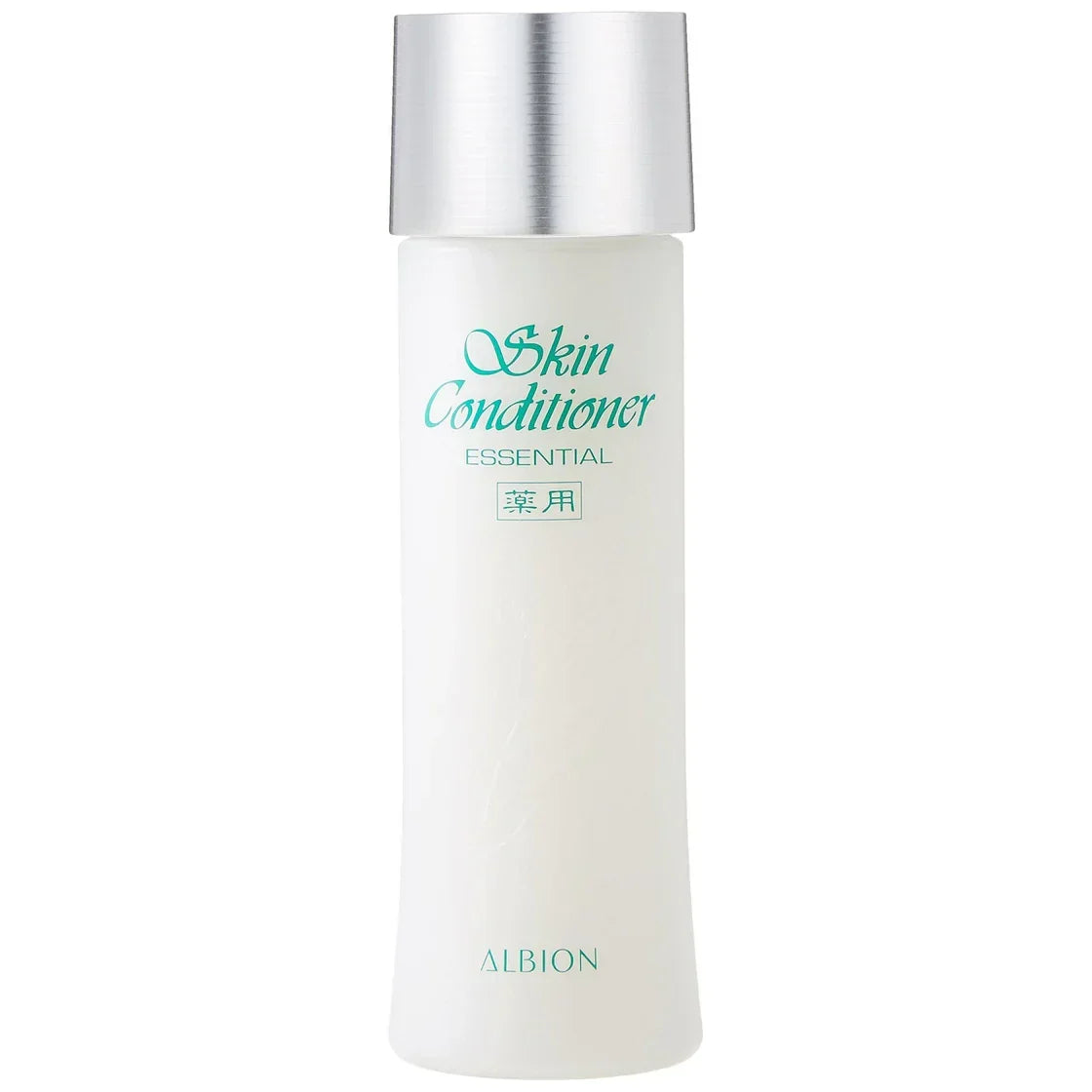
- Albion Skin Conditioner Essential Toner is a classic on the luxury end. Albion calls it a “skin conditioner,” further proving these names are interchangeable.
- Cezanne Skin Conditioner High Moist is a budget option with ceramides and hyaluronic acid that performs well above its price point.

For a deeper look at this product type, including application techniques and a full product roundup, see How to Use Japanese Lotion (Toner) and Best Japanese Toner.
Essence (美容液 or エッセンス)
What it is: A concentrated treatment product that targets specific skin concerns.
Japanese name: Biyoueki (美容液) is the broader Japanese term for all treatment serums and essences. “Essence” (エッセンス) is the English loanword some brands use for their versions.
What it does: Delivers active ingredients in a lightweight, easily absorbed format. Essences target concerns like dullness, fine lines, uneven texture, or pigmentation. They sit between the hydrating lotion step and the moisturizing emulsion/cream step.
The confusing part: “Essence” means different things depending on the brand and product. Some essences are watery and light (close to a lotion in texture), some are thicker and closer to what Western brands call a serum, and some are entirely their own format. There is no single standard.
Here is how to parse it:
- Watery essences feel similar to lotions but contain more active ingredients. They absorb quickly and add a treatment layer without much texture.
- Serum type essences are thicker, more concentrated, and closer to what Western brands sell as serums. Same function, different name.
- Treatment essences are a category popularized by SK-II. These are used like a lotion (applied after cleansing as a first treatment step) but contain concentrated fermented ingredients.
Popular examples:
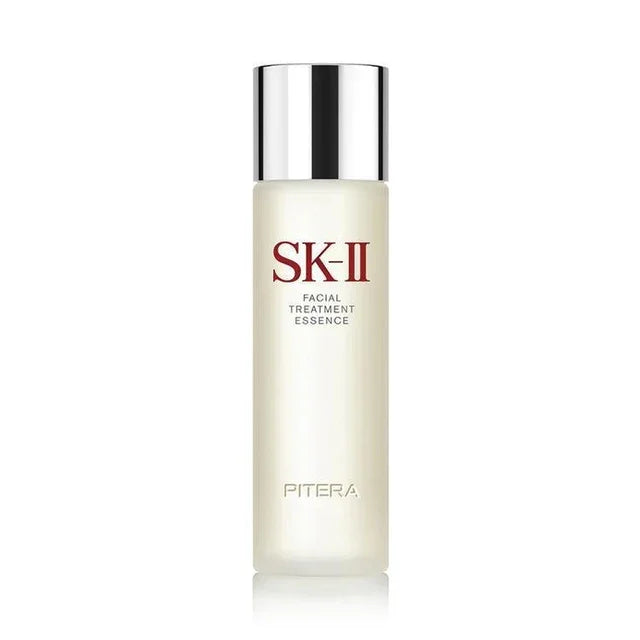
- SK-II Facial Treatment Essence (Pitera Essence) is the most famous essence in Japanese skincare. It is a clear, watery liquid used right after cleansing. Despite the name “essence,” it functions more like a first treatment lotion. The core ingredient is Pitera, a fermented yeast extract.
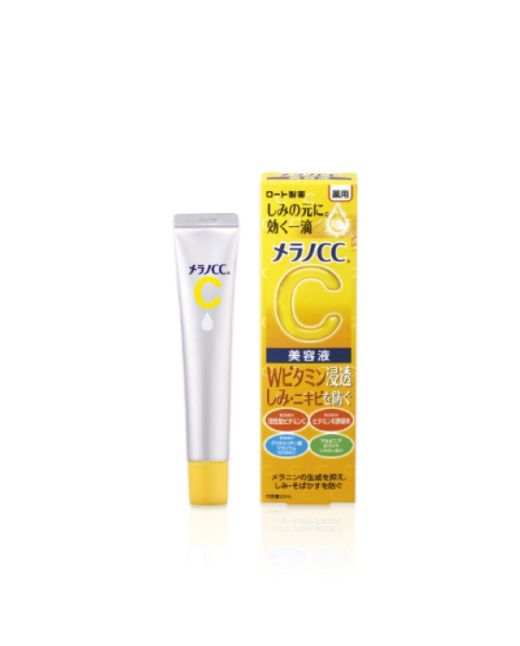
- Melano CC Premium Brightening Essence is labeled “essence” but has a serum like texture. It is a vitamin C treatment for dark spots and uneven tone.
- Hada Labo Gokujyun Premium Hyaluronic Acid Essence sits between Hada Labo’s lotion and their cream in the routine. Thicker than their lotion, lighter than a cream.
- SK-II GenOptics Infinite Aura Essence is a brightening treatment in the serum category.
- Transino Whitening Essence EXⅡ targets hyperpigmentation and is a classic Japanese pharmacy product.
SK-II
13 retailersSee retailers →
See SK-II Facial Treatment Essence Review for a detailed breakdown of the most iconic Japanese essence.
Serum (セラム or 美容液)
What it is: Functionally the same as essences in most cases. Both fall under the Japanese umbrella term 美容液 (biyoueki).
Why the overlap: Japanese brands increasingly use “serum” (セラム) as a product name because it is immediately understood by international shoppers. A product labeled “serum” and a product labeled “essence” in the same brand’s lineup usually differ only in texture or concentration, not in when they go in your routine.
General rule: If a brand sells both an essence and a serum, the essence is typically lighter and goes first, and the serum is more concentrated and goes after. But this is not universal. Always check the brand’s recommended order.
Popular examples:
- POLA Wrinkle Shot Serum N is a targeted wrinkle treatment with POLA’s proprietary NEI-L1 ingredient. Thick, concentrated texture.
- Obagi C25 Serum NEO delivers 25% vitamin C in a potent serum format. A serious active treatment.
- ONE BY KOSE Serum Shield is a ceramide serum focused on strengthening the moisture barrier.
Emulsion (乳液) and Milk (ミルク)
What it is: A lightweight, milky moisturizer that seals in the hydrating layers applied before it.
Japanese name: Nyuueki (乳液), which literally means “milky fluid.” Brands use “emulsion,” “milk,” and “milky lotion” more or less interchangeably for this product type.
What it does: Provides a light layer of moisture and occlusion to prevent the water based products underneath (lotion, essence) from evaporating. Think of it as a lighter, more fluid version of a moisturizing cream. In humid climates or for oily skin types, an emulsion can replace a cream entirely.
How it differs from cream: Emulsions are thinner, absorb faster, and leave less residue than creams. They contain water and oil (hence “emulsion,” an oil in water mixture), but the ratio favors water. Creams flip that ratio, with more oil and a thicker texture.
When to use cream vs. emulsion: Oily or combination skin in warm weather often does fine with just an emulsion. Dry skin or cold, dry climates usually need a cream on top of (or instead of) the emulsion. Some routines use both: emulsion first, cream on top of dry areas.
Popular examples:
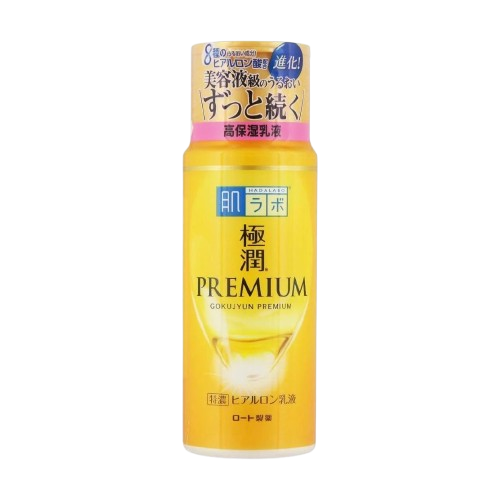
- Hada Labo Gokujyun Premium Milky Lotion is labeled “milky lotion” but it is an emulsion. Light, hydrating, and pairs well with the Gokujyun lotion underneath.
- Sana Soy Milk Moisture Emulsion NC uses soy isoflavones and is a straightforward, affordable emulsion.
- IHADA Medicated Emulsion is a medicated emulsion from Shiseido for sensitive, irritated skin. Contains anti inflammatory ingredients.
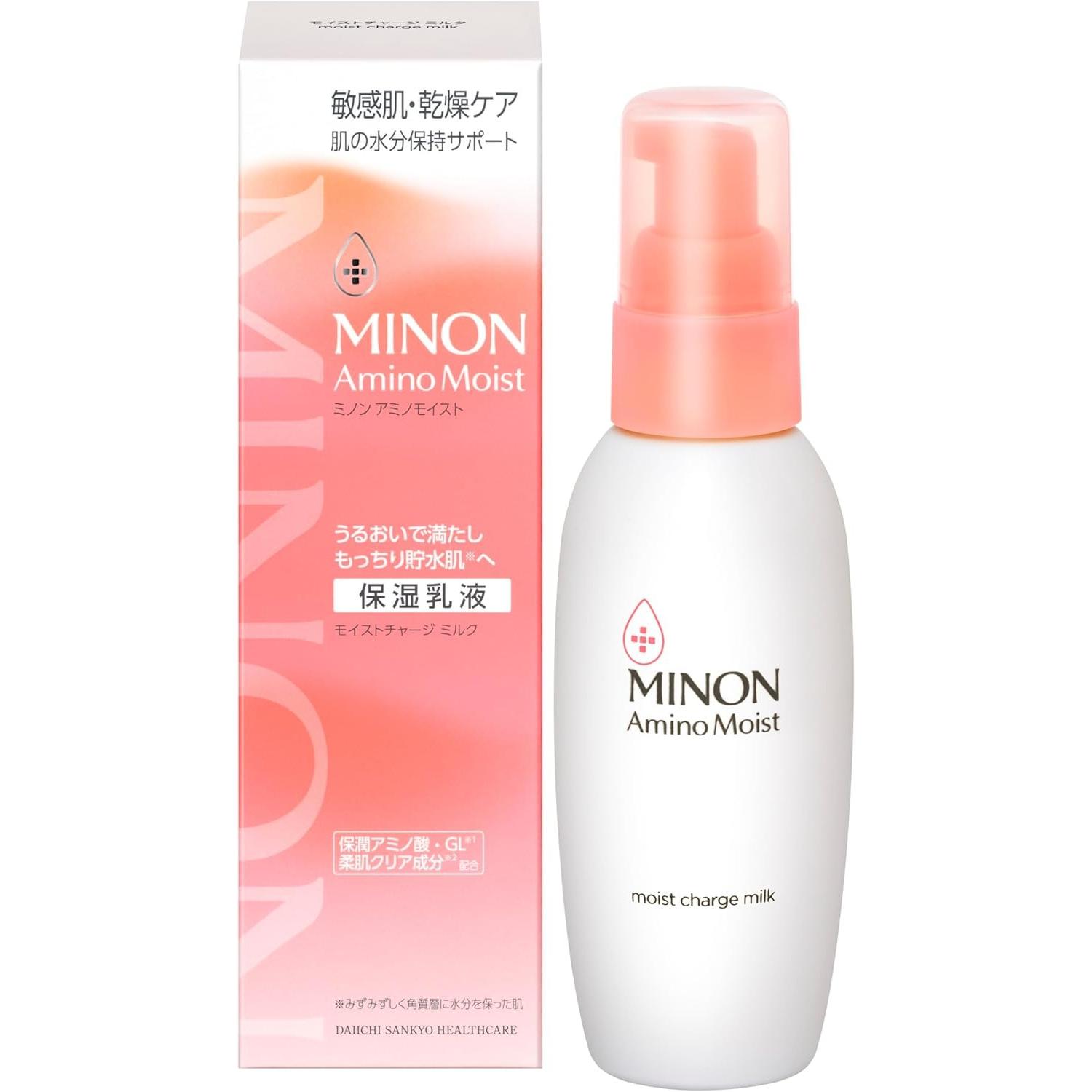
- Minon Amino Moist Charge Milk is labeled “milk” but functions as an emulsion. Designed for dry, sensitive skin with amino acid based hydration.
- Albion Exage Moist Advance Milk II Emulsion for Normal Skin is an interesting case. Albion’s method has you apply their milk/emulsion BEFORE the lotion, which reverses the standard order. This is unique to Albion and a few other brands.
- Chifure Milky Lotion Moisture Emulsion demonstrates the naming chaos perfectly: it is called “milky lotion” but categorized as an emulsion.
- Muji Sensitive Skin Moisturizing Milk is a simple, fragrance free option for those who want a no fuss emulsion step.

Cream (クリーム)
What it is: A richer, heavier moisturizer that locks everything in as the last skincare step before sunscreen (AM) or the final step (PM).
Japanese name: Kuriimu (クリーム). This one translates the same way in both Japanese and Western skincare.
What it does: Provides occlusion and deeper moisturization. Creams have a higher oil content than emulsions and create a more substantial barrier to prevent moisture loss. They also often contain richer active ingredients.
Who needs it: People with dry or dehydrated skin, anyone in a cold or dry climate, and anyone whose skin still feels tight after lotion + emulsion. Oily skin types may skip this entirely or use it only at night.
Popular examples:
- Cosme Decorte Liposome Advanced Repair Cream is a rich, plumping cream using multi layer liposomes. On the heavier side. Won @cosme 2025 Best Face Cream award.
- Naturie Hatomugi Skin Conditioning Gel is a lightweight, oil free gel that almost behaves like water, good for combination skin that wants hydration without heaviness.
- Curel Intensive Moisture Facial Cream uses synthetic ceramides and is formulated specifically for sensitive, dry skin. Fragrance free.
- Cosme Decorte Liposome Advanced Repair Cream is a luxury option with liposome technology for deep hydration and anti aging benefits.
- Shiseido Vital Perfection Uplifting and Firming Cream is an anti aging cream in Shiseido’s premium line.
Gel (ジェル) and All in One Gel
What it is: A lightweight, water based moisturizer with a bouncy, jelly like texture.
What it does: Hydrates without any oily feel. Gels are popular in Japan’s humid summers because they absorb completely and sit well under sunscreen and makeup. “All in one” gels combine the lotion, essence, and cream steps into a single product for minimalists.
Popular examples:
- Naturie Hatomugi Skin Conditioning Gel is a massive, affordable gel moisturizer with hatomugi (job’s tears) extract. Light enough for oily skin, hydrating enough for layering.
- Aqualabel Special Gel Cream (Moist) is an all in one gel from Shiseido’s budget line. Combines lotion, essence, cream, and mask functions.
- Chifure Moisture Gel (Uruoi Gel) is a no frills all in one gel at a very low price point.
For a deep dive into this category, see our guide to the best Japanese all in one gel creams.
Cleansing Products: Oil, Balm, and Foam
Japanese cleansing follows the double cleanse method: an oil based cleanser first to dissolve sunscreen and makeup, then a water based cleanser to clean the skin itself.
Cleansing Oil (クレンジングオイル) and Cleansing Balm
What it is: An oil based (or balm based) first cleanser. Applied to dry skin, massaged in, then emulsified with water and rinsed off.
What it does: Dissolves oil based impurities: sunscreen, makeup, sebum, and pollution residue. Japanese sunscreens in particular are often formulated to be highly water resistant, making an oil cleanser important for thorough removal.
Oil vs. balm: Same function, different format. Oils are liquid and dispensed with a pump. Balms are solid at room temperature and melt into oil on contact with skin. Balms are often preferred for travel since they do not spill.
Popular examples:
- DHC Deep Cleansing Oil is the original Japanese cleansing oil that popularized the category. Olive oil based, effective, and widely available.
- Shu Uemura Ultime8∞ Sublime Beauty Cleansing Oil is the luxury benchmark. Contains eight plant oils and has a silky, thorough cleansing feel.
- FANCL Mild Cleansing Oil is preservative free and designed for sensitive skin. Dissolves makeup effectively without irritation.
- Kose Softymo Speedy Cleansing Oil is a budget workhorse that removes even heavy makeup quickly.
- DUO The Cleansing Balm 5-in-1 Aging Care is a popular balm format cleanser that also works as a massage balm and treatment.
- Bifesta Cleansing Balm Deep Clear is an affordable balm cleanser with a pore clearing focus.

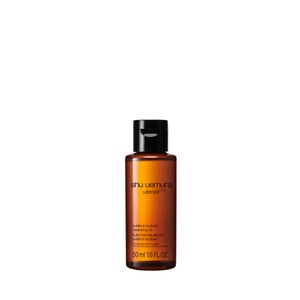
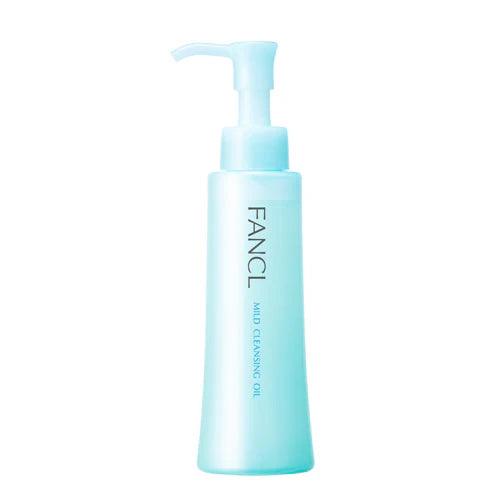
For a full comparison, see Best Japanese Cleansing Oil and DHC vs Shu Uemura vs Attenir vs FANCL.
Cleansing Foam (洗顔フォーム)
What it is: A water based second cleanser. The “foam” name comes from the fact that most Japanese face washes are designed to be whipped into a rich foam before application, either by hand or with a foaming net.
What it does: Removes water based impurities (sweat, dirt, remaining residue from the first cleanse) and leaves skin clean for the rest of your routine.
Popular examples:
- Hada Labo Gokujyun Hyaluronic Acid Cleansing Foam cleanses without stripping, thanks to hyaluronic acid in the formula.
- d program Essence In Cleansing Foam is for sensitive skin and comes out as a ready made foam from the pump.
For more options, see Best Japanese Face Wash.
Sunscreen Types: UV Milk, UV Essence, UV Gel
Japanese sunscreens come in multiple textures, and the product name tells you which format to expect. The sun protection is the same across formats (SPF50+/PA++++ is standard). The difference is how the sunscreen feels and finishes on your skin.
UV Milk (UVミルク)
A lightweight, fluid sunscreen with a milky, slightly matte finish. Milk sunscreens tend to leave less shine and work well under makeup. They shake before use (the formula separates).
- Anessa Perfect UV Sunscreen Skincare Milk SPF50+/PA++++ is the gold standard Japanese sunscreen. Extremely water resistant, light texture, matte finish. A shaking milk format.
UV Essence (UVエッセンス)
A hydrating, slightly dewy sunscreen that feels more like a lightweight moisturizer. Essences absorb smoothly and are popular with people who find milks too drying.
- Biore UV Aqua Rich Watery Essence SPF50+/PA++++ (Japanese Version) is one of the most popular sunscreens in the world. Lightweight, hydrating, almost watery texture. Sets with a slight sheen.
- Skin Aqua Tone Up UV Essence SPF50+/PA++++ adds a lavender tone up effect for brightness.
UV Gel (UVジェル)
A water heavy, gel texture sunscreen that absorbs quickly and leaves almost no residue. Gels are the lightest option and popular for body use or for people who dislike any sunscreen feel on their skin.
- Canmake Mermaid Skin Gel UV SPF50+/PA++++ doubles as a makeup primer with its smooth, lightweight gel texture.
- Biore UV Aqua Rich Watery Gel SPF50+/PA++++ is the gel sibling of the Watery Essence, in a larger bottle designed for face and body use.
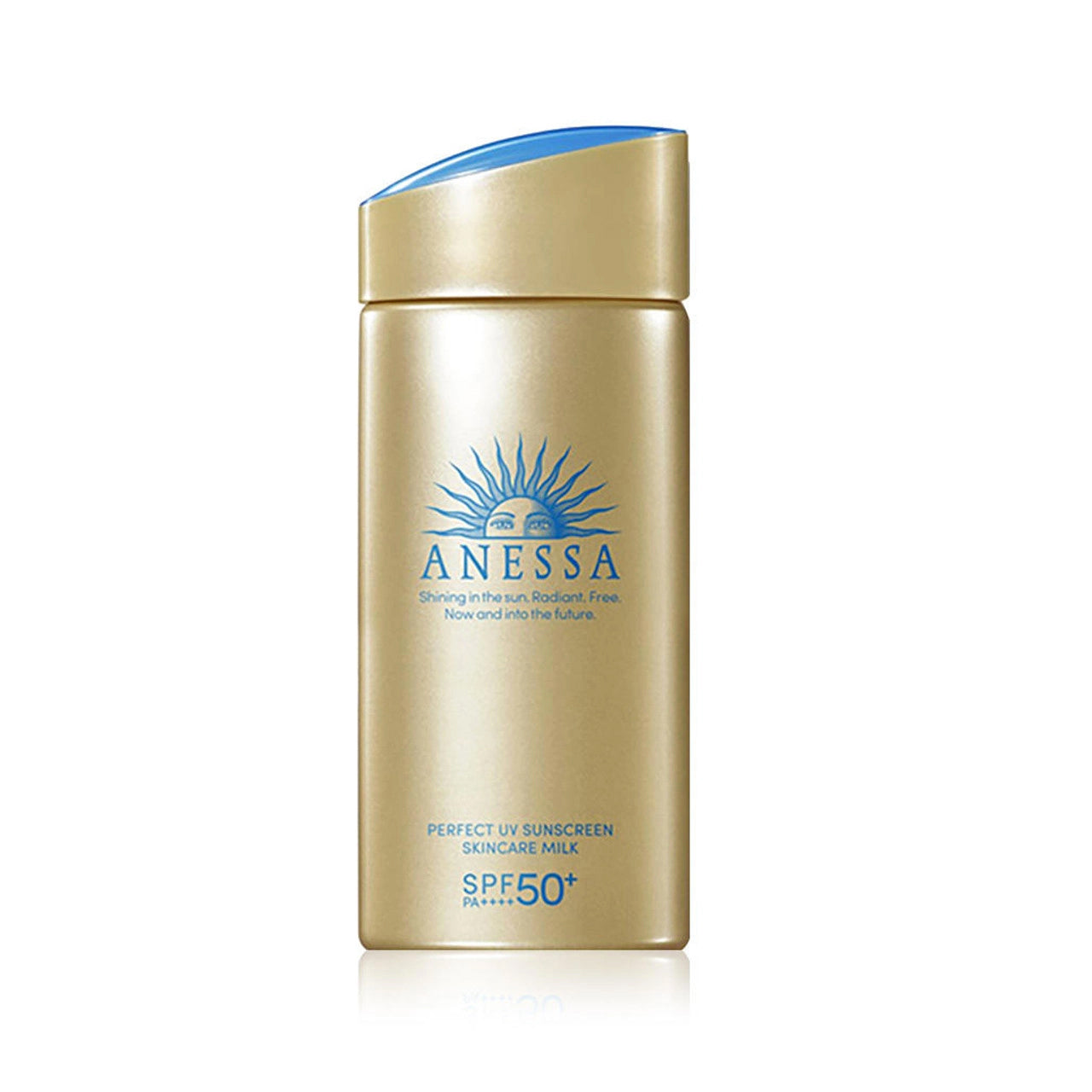

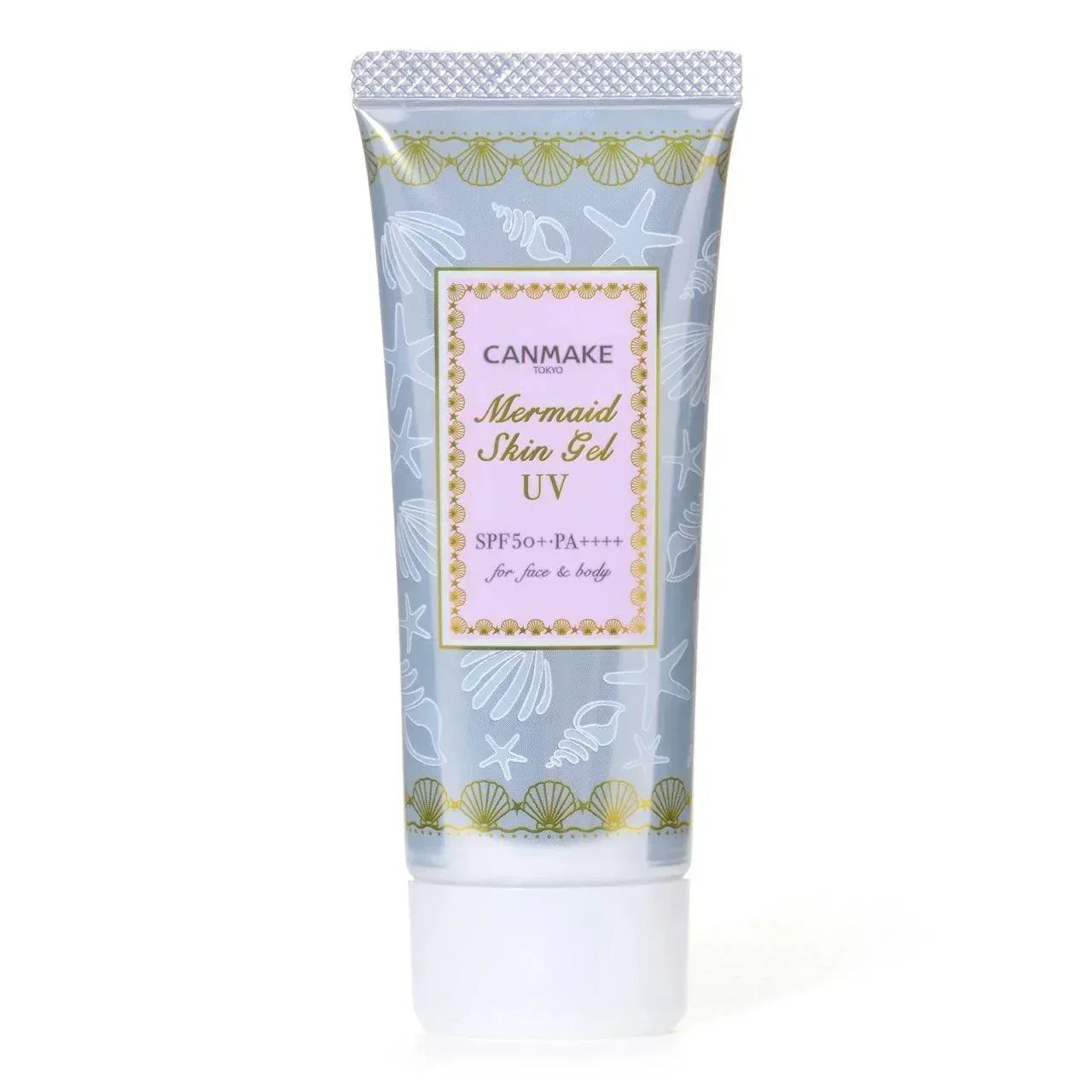
For full sunscreen comparisons, see Best Japanese Sunscreen, Anessa Milk vs Gel vs Mild, and Skin Aqua vs Biore.
The Complete Routine Order (Cheat Sheet)
Here is where every product type fits in a Japanese skincare routine, from first step to last. You do not need every step. Build the routine that suits your skin. For a detailed walkthrough of each step with specific product picks, see our layering guide.
Morning:
- Cleanser (foam or gentle wash)
- Lotion / Skin Conditioner (hydrating toner)
- Essence or Serum (treatment, if using)
- Emulsion / Milk (lightweight moisturizer)
- Cream (richer moisturizer, skip if skin is oily)
- Sunscreen (UV milk, essence, or gel)
Evening:
- Cleansing Oil or Balm (first cleanse, removes sunscreen/makeup)
- Cleansing Foam (second cleanse)
- Lotion / Skin Conditioner (hydrating toner)
- Essence or Serum (treatment)
- Emulsion / Milk (lightweight moisturizer)
- Cream (richer moisturizer)
The golden rule: apply products from thinnest to thickest texture. Watery products go first, oil based products go last. If you are ever unsure where a product fits, check its texture and slot it in accordingly.
For a full walkthrough with product picks at each step, see Japanese Skincare Routine for Beginners and Morning vs Night Routine.
FAQ
Is Japanese lotion the same as toner?
Functionally, yes. Japanese lotion (化粧水) is a hydrating liquid applied after cleansing, which is the same step where Western toners go. The difference is that Japanese lotions are almost always hydrating rather than astringent. If you are used to Western “toner” meaning something that strips or tightens the skin, Japanese lotion is a different experience. Products like Hada Labo Gokujyun Premium Lotion look and feel nothing like traditional Western toners.
Do I need both an essence and a serum?
Usually not. Both are treatment products that go in the same part of your routine. Using one is enough for most people. If a brand sells both (like SK-II’s Facial Treatment Essence plus a separate serum), the essence tends to be a lighter, broader treatment and the serum targets a specific concern. You can layer them, but it is not necessary.
Can I skip the emulsion and just use cream?
Yes. The emulsion step is optional. If you have dry skin and prefer a richer cream, go straight from essence to cream. If you have oily skin, you might use only an emulsion and skip cream entirely. The lotion + emulsion combination is the minimum two step moisturizing routine in Japanese skincare.
What is a “milky lotion”?
A milky lotion is an emulsion. The name combines “milky” (indicating a thin, milky fluid) with “lotion” (borrowing from the hydrating connotation), but the product itself is a lightweight moisturizer, not a hydrating toner. Hada Labo Gokujyun Premium Milky Lotion is a classic example. Do not confuse it with Hada Labo Gokujyun Premium Lotion, which is the watery hydrating toner.
Why do some brands put emulsion before lotion?
A few brands, notably Albion, recommend applying their milk/emulsion first, then lotion. This is called the “emulsion first” method, and the theory is that the emulsion’s oils soften the skin and allow the watery lotion to penetrate more deeply afterward. It is the exception, not the rule. Unless a specific brand instructs you otherwise, follow the standard order: lotion first, then emulsion.