Japanese beauty explained
How to Use Japanese Lotion: The Toner That Confuses Everyone
You ordered a Japanese “lotion” expecting a moisturizer and got what looks like water. That confusion is so common it deserves its own article.
In Japanese skincare, “lotion” (化粧水, keshouisui) means toner. It’s a lightweight, water based product that goes on right after cleansing to prep your skin for everything that follows. Once you understand what it does and how to use it, the rest of the routine clicks into place.
What Is Japanese Lotion?
Japanese lotion is a hydrating toner. The name comes from the Japanese word 化粧水, which literally translates to “skin water.” It’s the foundation of the Japanese skincare philosophy: layers of lightweight hydration rather than one heavy cream.
Unlike many Western toners that focus on exfoliation or astringency, Japanese lotions prioritize hydration. They tend to be pH balanced, alcohol free (or low alcohol), and loaded with humectants like hyaluronic acid, ceramides, or plant extracts. The texture ranges from completely watery to slightly viscous, depending on the formula.
The key difference: Western toners often strip or “prep” in an active sense. Japanese lotions add something back. They deliver hydration directly to freshly cleansed skin while it’s still damp and most receptive.
How Japanese Lotion Differs from Western Toner
The biggest distinction is purpose. Western toners historically existed to remove leftover cleanser residue and adjust skin pH. Many contain chemical exfoliants like AHAs, BHAs, or witch hazel. They’re meant to do something to your skin.
Japanese lotions are meant to give something to your skin. They flood the outer layers with moisture so that serums and creams applied afterward can absorb more effectively. Think of it like watering soil before planting: damp skin accepts ingredients better than dry skin.
A few practical differences:
Texture. Japanese lotions are thinner. Some feel like plain water. Western toners range from watery to gel consistency, and many have a slightly tacky feel from active ingredients.
Ingredients. Japanese lotions lean heavily on humectants (hyaluronic acid, glycerin, amino acids) and soothing ingredients (rice ferment, sake extract, Job’s tears). Western toners more commonly feature acids, niacinamide, or retinol.
Application. Japanese lotions are applied with hands (patting into skin), while Western toners are typically swiped on with a cotton pad. Both methods work for Japanese lotions, though patting wastes less product.
Volume. Japanese lotions come in large bottles (170ml to 500ml) because you’re meant to use them generously. Western toners tend toward smaller, more concentrated bottles.
How to Apply Japanese Lotion
There’s no single correct method. Different techniques work for different skin types and preferences. Here are the main approaches, starting with the most common.
The Pat Method (Most Popular)
Pour a coin sized amount into your palm, rub your hands together briefly, and press into your face. Don’t rub or drag. Just gently pat and press the product into your skin, working from the center of your face outward.
Repeat two to three times until your skin feels plump and hydrated. Your face should feel slightly damp but not dripping.
This method works best for: most skin types, especially dry or sensitive skin. You waste less product than cotton pads and the pressing motion helps absorption.
The Cotton Pad Method
Soak a thin cotton pad (Japanese cotton pads like Shiseido’s facial cotton work best because they don’t fall apart) and swipe gently across your face. This method gives a light physical exfoliation and works well if your skin can handle the slight friction.
This method works best for: oily or combination skin, or anyone who likes the feeling of a clean sweep after cleansing.
The Lotion Mask (ローションパック)
This is a popular Japanese technique where you soak cotton pads in lotion and leave them on your face for three to five minutes. It creates a DIY sheet mask effect, delivering a concentrated dose of hydration.
How to do it:
- Soak three to four cotton pads completely with lotion
- Split each pad into thinner layers (most Japanese cotton pads peel apart)
- Place them on your cheeks, forehead, chin, and nose
- Leave for three to five minutes (no longer, or the cotton will start pulling moisture back from your skin)
- Remove and pat any remaining product into your skin
This method works best for: dry skin, dehydrated skin, or as a weekly treatment. It’s especially effective with high capacity lotions like Kikumasamune Sake Brewing Skin Care Lotion High Moist or Naturie Hatomugi Skin Conditioner that come in large, affordable bottles. For a complete guide to the lotion mask technique alongside actual sheet masks, see How to Use Japanese Sheet Masks.
The 7 Skin Method (Korean Influence)
Originally a Korean technique that gained popularity in Japan: apply seven thin layers of lotion, letting each one absorb before adding the next. In practice, three to five layers is usually enough. The idea is to build hydration gradually rather than relying on a single heavy application.
This method works best for: very dry or dehydrated skin, especially in winter. It takes more time but delivers intense hydration without any heavy products.
Where Japanese Lotion Fits in Your Routine
Japanese lotion goes on immediately after cleansing, before everything else. Here’s the order:
- Cleanser (or double cleanse in the evening)
- Japanese lotion ← right here
- Essence or serum (if using)
- Emulsion or milky lotion (lightweight moisturizer)
- Cream (if your skin needs it)
- Sunscreen (morning only)
The reason it goes first: freshly cleansed skin loses moisture rapidly. Applying lotion within a minute or two of washing locks in that moisture and creates a hydrated base. If you wait too long and your skin dries out completely, the lotion won’t absorb as effectively.
One common mistake: treating Japanese lotion as your only moisturizer. For most skin types, lotion alone isn’t enough. It delivers water based hydration, but you still need an emulsion or cream on top to seal that moisture in. Think of lotion as the water and your moisturizer as the lid. If terms like “emulsion,” “milk,” and “milky lotion” still feel confusing, our Japanese skincare product types guide breaks down every category.
For a full breakdown of how all these steps fit together, check out the Japanese skincare routine guide for beginners. You can also build a personalized routine based on your skin type.
Best Japanese Lotions by Skin Type
For Dry Skin
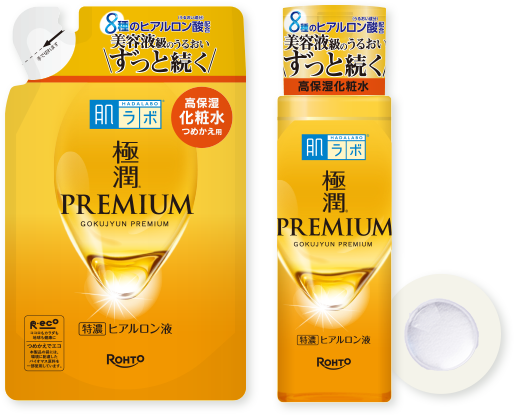
Hada Labo Gokujyun Premium Lotion is the go to recommendation for dry skin. It contains seven types of hyaluronic acid and has a thicker, almost serum like consistency that delivers serious hydration. It’s widely available outside Japan and one of the most popular Japanese skincare products worldwide.
Hada Labo
11 retailersSee retailers →
Kikumasamune Sake Brewing Skin Care Lotion High Moist is a cult favorite that comes in a massive 500ml bottle. The formula contains rice ferment filtrate (sake), ceramides, arbutin, and amino acids. It’s incredibly cost effective for the lotion mask technique because you can use it generously without worrying about the price. Trying to decide between this and Hada Labo? See the Kikumasamune vs Hada Labo comparison.

Kiku-Masamune
6 retailersSee retailers →
For Oily or Combination Skin
Hada Labo Gokujyun Hyaluronic Lotion Moist is the lighter version of the Premium. It hydrates without any heaviness or residue, and the thin, watery texture absorbs almost instantly. A good choice if thicker lotions make your skin feel greasy.

Hada Labo
7 retailersSee retailers →
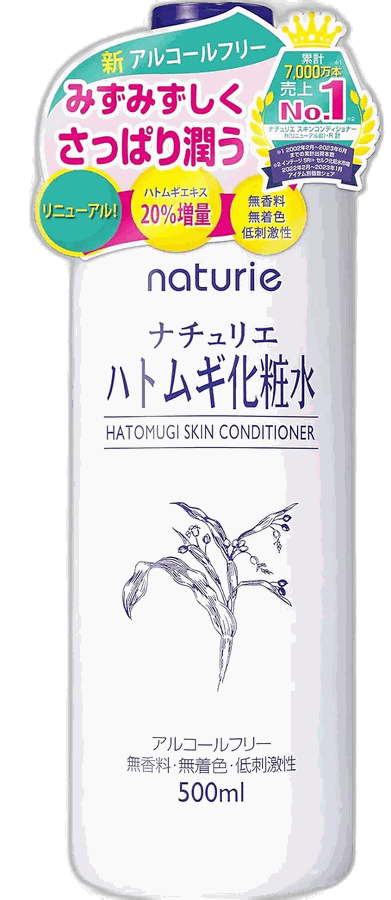
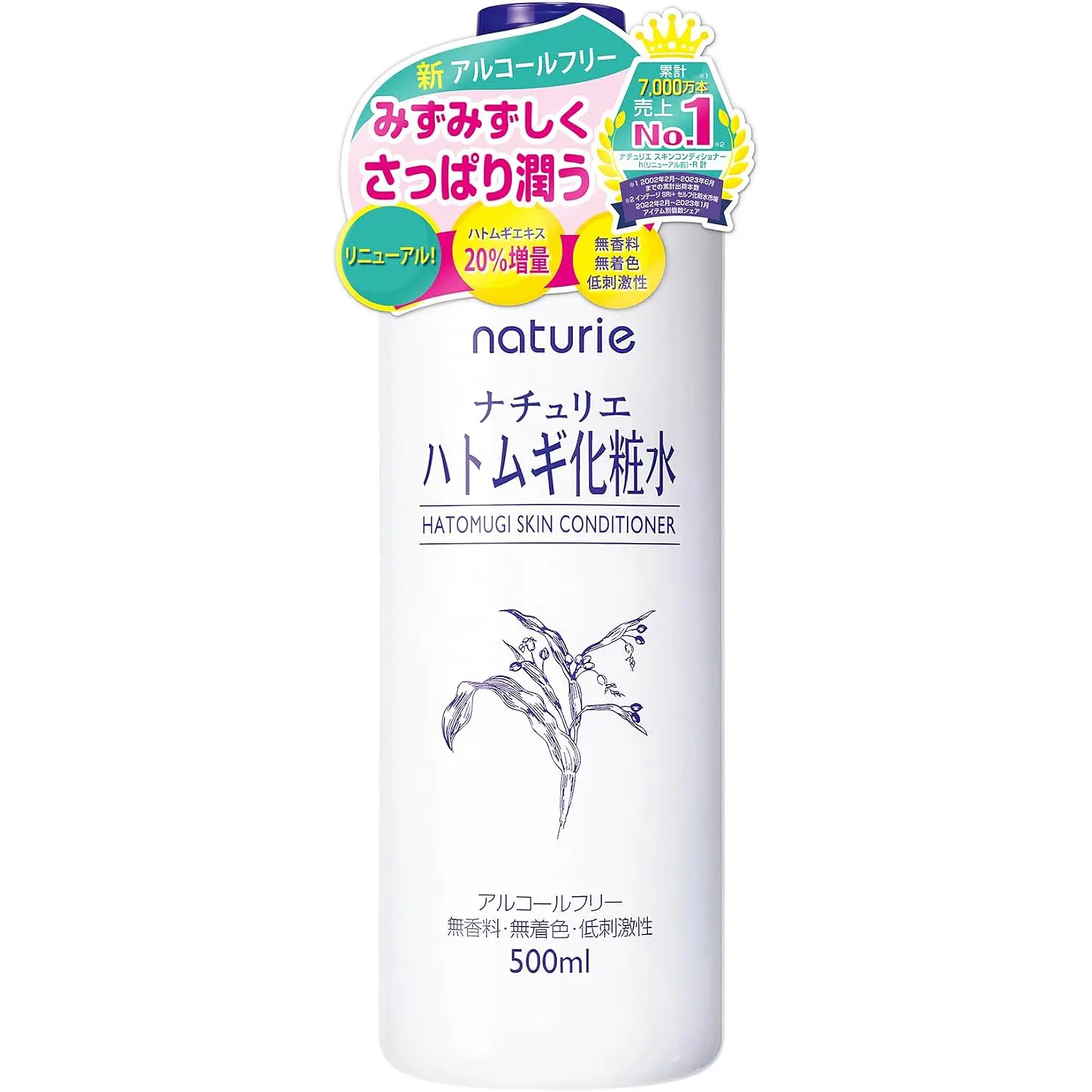
Naturie Hatomugi Skin Conditioner is another lightweight option. It contains Job’s tears (hatomugi) extract and has a completely water like consistency. The 500ml bottle makes it ideal for cotton pad application or lotion masks without the richness that oily skin doesn’t need.
Naturie
12 retailersSee retailers →
For Sensitive Skin
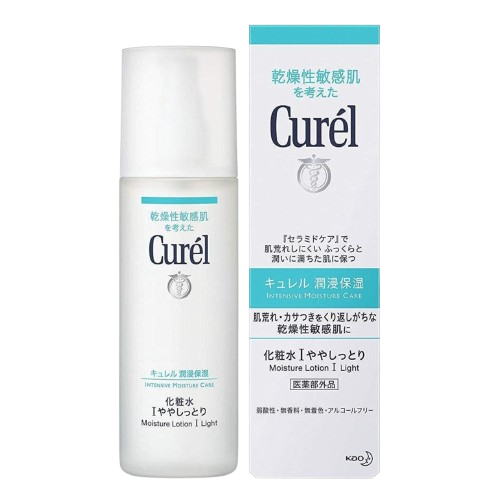
Curel Moisture Facial Lotion Enrich is formulated specifically for sensitive, dry skin. Curel’s line centers on synthetic ceramides that support the skin barrier without common irritants. It’s fragrance free and alcohol free.
Curel
0 retailersSee retailers →
For a lighter option in the Curel range, the Intensive Moisture Care Facial Lotion works well for sensitive skin that doesn’t need the richer “Enrich” formula.
For Brightening
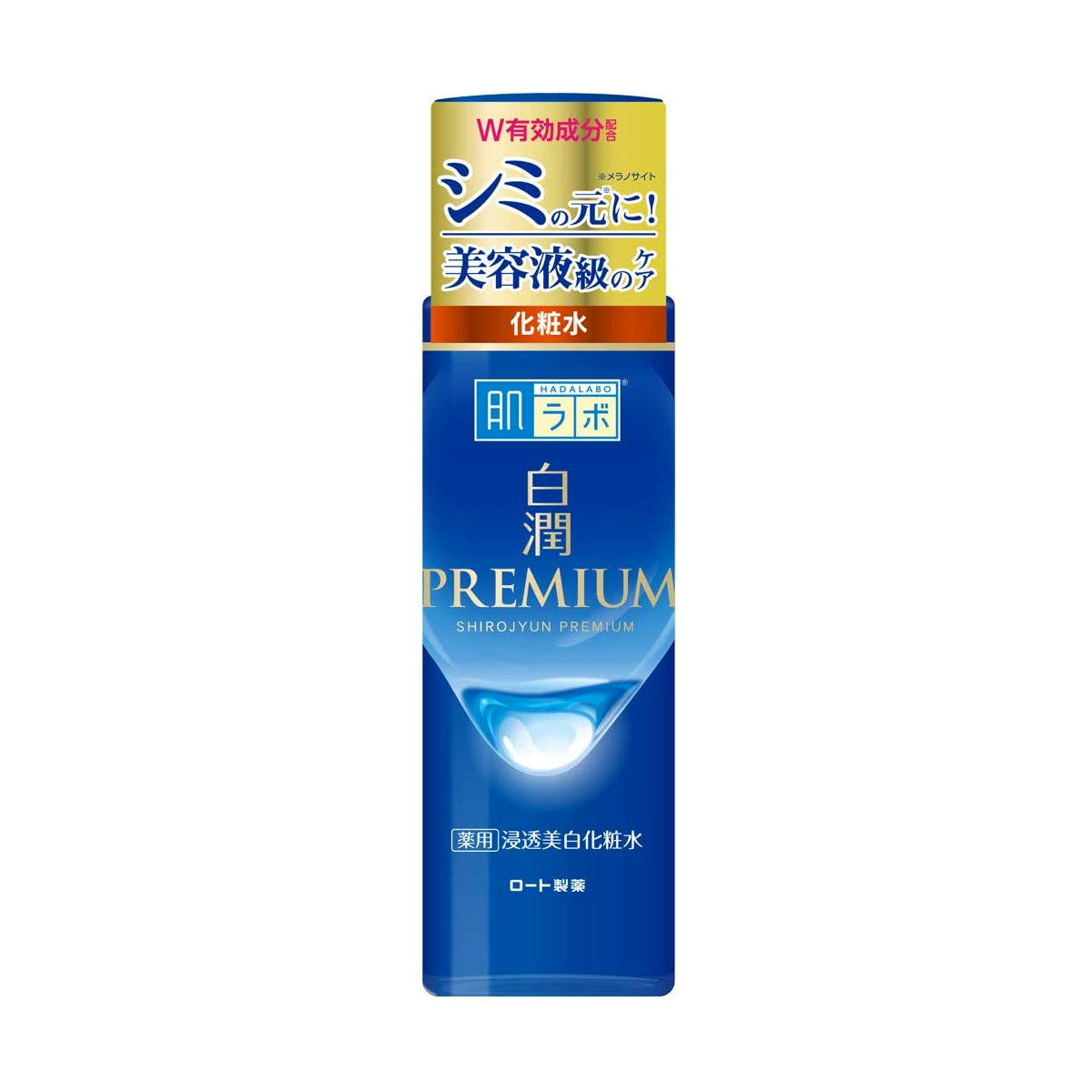
Hada Labo Shirojyun Premium Whitening Lotion uses tranexamic acid to address dullness and uneven tone. It follows the same hydrating philosophy as the Gokujyun line but adds a brightening active. For a deeper comparison of brightening options, see Hada Labo Shirojyun vs Melano CC.
Hada Labo
2 retailersSee retailers →
For the Splurge
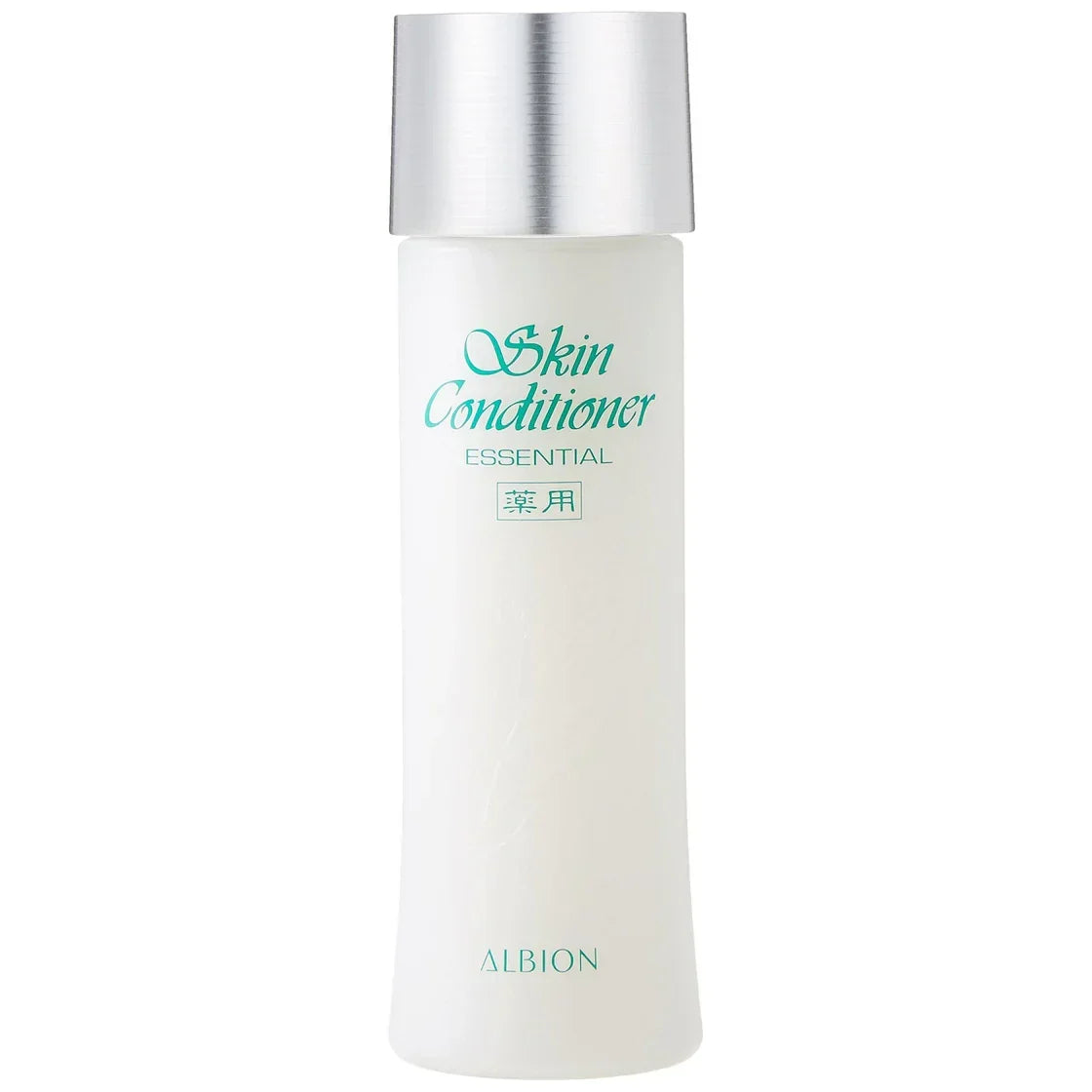
Albion Skin Conditioner Essential Toner has been a Japanese beauty counter staple for decades. It contains Job’s tears extract and has a unique, refreshing texture. It’s significantly more expensive than drugstore options, but it has a devoted following. Worth noting: Albion’s recommended routine applies emulsion before lotion, which is the opposite of how most brands suggest layering. Our Albion Skin Conditioner review explains this method in detail.
Cezanne Skin Conditioner High Moist isn’t a splurge at all, but it often gets compared to the Albion because both are “skin conditioner” style lotions. At a fraction of the price, it’s a smart starting point if you want to try the category without the investment.
FAQ
Can I use Japanese lotion without the rest of the routine?
You can, but it works best with at least a moisturizer on top. Japanese lotion delivers water based hydration that evaporates quickly without something to seal it in. If you only use lotion, your skin may actually feel drier as the water evaporates. At minimum, follow it with an emulsion or cream.
How much Japanese lotion should I use per application?
About a coin sized amount per layer, applied two to three times. Japanese skincare philosophy favors multiple thin layers over one thick application. You should use enough that your skin feels plump and slightly damp, but not so much that it’s dripping off your face.
Do I need to use a cotton pad?
No. Patting with your hands is the most common method in Japan and wastes less product. Cotton pads are fine if you prefer them, especially for the lotion mask technique. Use whichever method your skin responds to best.
Is Japanese lotion the same as Korean toner?
They’re similar in concept but not identical. Both are hydrating toners applied early in the routine. Korean toners tend to be slightly thicker and may include more active ingredients (niacinamide, centella). Japanese lotions lean more purely toward hydration. The routines overlap enough that you can substitute one for the other without issues.
Why are the bottles so big?
Because you’re meant to use Japanese lotion generously. Unlike concentrated Western toners where a few drops suffice, Japanese lotions work through volume. Multiple layers, cotton pad soaking, and lotion masks all require liberal application. A 500ml bottle of Kikumasamune or Naturie can last one to two months of daily use, even with generous application.