Japanese beauty explained
Kikumasamune vs Hada Labo: Which Japanese Toner Is Right for You?
These are the two Japanese toners that come up in every skincare conversation. Kiku-Masamune Sake Brewing Skin Care Lotion High Moist and Hada Labo Gokujyun Premium Lotion are both affordable, both cult favorites in the r/AsianBeauty community, and both deliver serious hydration. But they work in completely different ways.
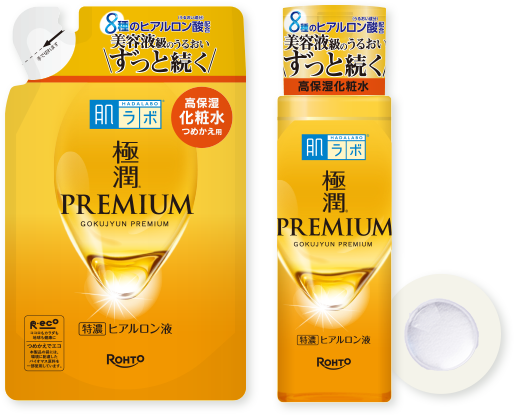
Kikumasamune is built around sake ferment filtrate (see the full Kikumasamune brand guide for the complete product line). Hada Labo is built around hyaluronic acid. One comes in a massive 500ml bottle. The other is a concentrated 170ml formula. They feel different on the skin, layer differently, and suit different routines.
Here’s how they compare.

The Core Difference: Sake Ferment vs Hyaluronic Acid
The ingredient philosophy behind these two products is nothing alike.
Kikumasamune Sake High Moist uses rice ferment filtrate (sake) as its main active. Despite the name, the product contains no ethanol or drinking alcohol. The “sake” refers to the fermentation process used to create the filtrate, not the presence of alcohol in the formula. The product is classified as alcohol free. The ferment is rich in amino acids, organic acids, and other compounds produced during the fermentation process. The formula also includes ceramide 3, ceramide 6 II, arbutin, and placental protein. It’s a multi benefit approach: hydration plus skin barrier support plus brightening in a single product.
Hada Labo Gokujyun Premium takes the opposite approach. It’s built around seven types of hyaluronic acid at different molecular weights, each designed to hydrate at a different depth. The lineup includes sodium hyaluronate for surface moisture, hydrolyzed HA (nano HA) for deeper penetration, sodium hyaluronate crosspolymer for a 3D moisture network, sodium acetylated hyaluronate (called “super HA” by the brand) for moisture retention, hydroxypropyltrimonium hyaluronate for better skin adhesion, fermented hyaluronic acid for enhanced absorption, and a penetration type hydrolyzed sodium hyaluronate. The formula also includes urea and sacran for additional hydration.
The short version: Kikumasamune gives you ferment benefits plus ceramides in a lightweight, high volume format. Hada Labo gives you concentrated, layered hyaluronic acid hydration in a smaller bottle.
Ingredients Breakdown
Kikumasamune Sake High Moist
| Ingredient | What It Does |
|---|---|
| Rice Ferment Filtrate (Sake) | Amino acids, organic acids. Softens, brightens. |
| Ceramide 3 + Ceramide 6 II | Skin barrier repair |
| Arbutin | Brightening (melanin inhibitor) |
| Placental Protein | Skin conditioning |
| Amino Acids (Glutamic Acid, Arginine, Leucine) | Hydration, skin support |
Hada Labo Gokujyun Premium
| Ingredient | What It Does |
|---|---|
| 7 types Hyaluronic Acid | Multi depth hydration |
| Hydroxyethyl Urea | Humectant, helps with moisture retention |
| Sacran (Aphanothece Sacrum Polysaccharide) | Moisture barrier formation |
| Glycosyl Trehalose | Protects against moisture loss |
| Polyquaternium 51 | Mimics cell membranes, retains moisture |
Kikumasamune has a longer, more complex ingredient list but the formula is simpler in practice: sake ferment does most of the heavy lifting, with ceramides as a secondary benefit. Hada Labo’s list is shorter but more engineered, stacking multiple forms of one ingredient for maximum effect.
Both are fragrance free in spirit, though Kikumasamune does contain added fragrance. The scent is often described as fruity and slightly fermented. Hada Labo has no added fragrance.
Texture and Feel
This is where the two products diverge the most.
Kikumasamune is thin, watery, and slightly milky. It pours like a light liquid and absorbs almost immediately. There’s very little tackiness. You can splash it on, pat it in, and move to the next step in seconds. This light texture is also why a lot of people use it on their body, not just their face.
Hada Labo Premium is noticeably thicker. It has a viscous, almost serum like consistency. You need less per application, but it takes longer to absorb and can feel tacky until it sets. In humid climates, this tackiness becomes a feature because it pulls moisture from the air. In dry climates, some people find it sits on the surface without fully sinking in unless they apply it to damp skin.
If you prefer something you can splash on and forget, Kikumasamune fits that better. If you want a product that feels like it’s actively doing something and you don’t mind a slightly longer absorption time, the Hada Labo texture delivers that.
Who Each One Works Best For
Kikumasamune is a better fit if you:
- Want a toner for both face and body (the 500ml size makes this practical)
- Prefer lightweight textures that absorb fast
- Are interested in fermented ingredients and ceramides
- Have normal, combination, or oily skin that doesn’t need heavy hydration
- Like doing multi layer lotion applications (“lotion masking”)
- Want a single product that covers hydration, barrier support, and mild brightening
Hada Labo Premium is a better fit if you:
- Need deep, concentrated hydration (dry or dehydrated skin)
- Live in a humid climate where hyaluronic acid works best
- Prefer a minimal routine where one hydrating step does the heavy lifting
- Want a fragrance free product with no added scent
- Have sensitive skin that reacts to fermented ingredients (HA is generally well tolerated)
- Like layering fewer products but getting maximum hydration from each one
One thing to flag: some people with sensitive skin react to the fermented ingredients in Kikumasamune. If you know you’re sensitive to ferments (sake, galactomyces, etc.), Hada Labo is the safer pick. On the flip side, some people find that low molecular weight hyaluronic acid in Hada Labo causes irritation, though this is less common.
Cost and Value
This isn’t even close.
| Kikumasamune Sake High Moist | Hada Labo Gokujyun Premium | |
|---|---|---|
| Size | 500ml | 170ml |
| Typical US price | $12 to $14 | $11 to $14 |
| Cost per ml | ~$0.026 | ~$0.07 to $0.08 |
Kikumasamune costs roughly a third per ml compared to Hada Labo Premium. If you’re on a budget or using your toner liberally (body application, cotton pad masks, multi layer technique), Kikumasamune wins on value by a wide margin.
That said, you use less Hada Labo per application because of how concentrated and viscous it is. Real world cost difference narrows when you account for how fast you go through each bottle.
Can You Use Both?
Yes, and a lot of people do.
The most common layering order is Kikumasamune first, then Hada Labo Premium on top. Kikumasamune goes on like water and provides a base layer of hydration with amino acids and ceramides. Hada Labo Premium follows as a concentrated hyaluronic acid layer that locks everything in.
This combination is popular enough that it shows up regularly in r/AsianBeauty routine posts. The two products complement each other because they hydrate through different mechanisms (ferment/ceramide support vs. HA water binding).
If budget isn’t a concern, try both together. If you’re picking one, the decision comes down to what your skin needs.
Other Toners Worth Considering
If neither of these feels right, a few other Japanese hydrating toners come up in the same conversations:
Cezanne Skin Conditioner High Moist is often mentioned alongside Kikumasamune and Hada Labo as the “big three” budget Japanese toners. It uses ceramides and hyaluronic acid, and comes in a 500ml bottle at a similar price point to Kikumasamune. Think of it as the middle ground: not ferment based like Kiku, not as HA concentrated as Hada Labo.
Sana Nameraka Honpo takes a soy isoflavone approach to hydration and firmness. If you want something with mild anti aging benefits at a similar price point, see Sana Nameraka vs Hada Labo.
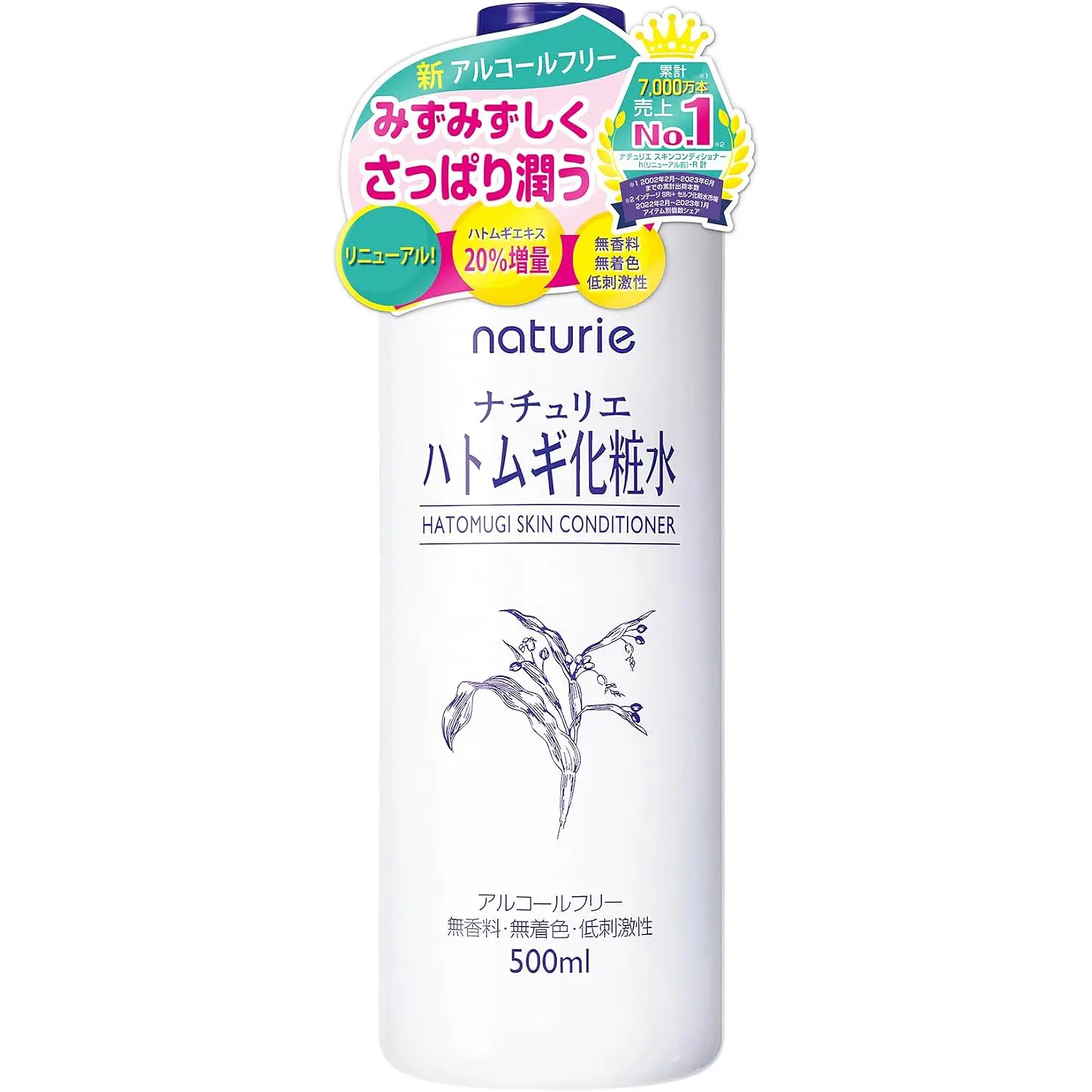
Naturie Hatomugi Skin Conditioner is even cheaper and more stripped down. It’s a lightweight, hatomugi (Job’s tears) based toner in a huge 500ml bottle. No ceramides, no hyaluronic acid. Just simple hydration. A good option if you want something extremely basic and affordable.
Hada Labo Gokujyun Hyaluronic Lotion Moist is the lighter sibling of the Premium. If you like the Hada Labo approach but find the Premium too thick, the Moist version has fewer types of hyaluronic acid and a thinner consistency.

Where to Buy Outside Japan
Both products are widely available from retailers. For a full list of verified sellers, see the product pages:
You can also explore the full Kikumasamune and Hada Labo product lines if you want to see what else each brand offers.
For more on the Kikumasamune lineup, including how to use the lotion and what to expect, see the full Kikumasamune Sake Lotion review. For a breakdown of every Hada Labo product line, check out the Hada Labo guide.
If you’re looking at Japanese toners more broadly, the best Japanese toner roundup covers additional options across different price points and skin types.
FAQ
Is Kikumasamune or Hada Labo better for dry skin?
Hada Labo Gokujyun Premium is generally better for dry skin because the concentrated hyaluronic acid formula delivers more intense hydration per application. Kikumasamune is hydrating, but its thin texture and ferment focused formula are more about multi benefit skin conditioning than deep moisture. For very dry skin, the Hada Labo Premium applied to damp skin is the more effective single step.
Can I use Kikumasamune and Hada Labo together?
Yes. Apply Kikumasamune first (it’s thinner and absorbs faster), then layer Hada Labo Premium on top. This gives you the amino acid and ceramide benefits from the sake ferment plus the concentrated hyaluronic acid hydration from Hada Labo. Many people in the r/AsianBeauty community use both in the same routine.
Does Kikumasamune contain alcohol? Is it safe for people who avoid alcohol?
The formula contains no ethanol or drinking alcohol. “Sake” in the ingredient list refers to rice ferment filtrate, which is a byproduct of the sake brewing process, not sake itself. The fermentation produces beneficial amino acids and organic acids, but the alcohol is removed during processing. For people who avoid alcohol for religious or personal reasons, opinions vary. The product is alcohol free by cosmetic standards, but it is derived from an alcoholic fermentation process and made by a sake brewery. Some communities consider ferment derived skincare ingredients permissible since the final product contains no intoxicating substance, while others prefer to avoid any connection to alcohol production entirely. This is a personal decision.
Does Kikumasamune smell like sake?
The scent is noticeable. Most people describe it as fruity with a fermented undertone. It fades after the product absorbs, but if you’re sensitive to scents, it’s worth knowing about before buying. Hada Labo has no added fragrance.
Which one is better for oily skin?
Kikumasamune tends to work better for oily skin. It’s thinner, absorbs faster, and doesn’t leave the tacky film that Hada Labo Premium can. The Moist version of Hada Labo (not the Premium) is another option if you like hyaluronic acid but want a lighter texture.
Are these products safe to use on the body?
Kikumasamune is commonly used as a body toner because of the 500ml size and low cost per ml. Apply it to damp skin after showering for all over hydration. Hada Labo Premium is concentrated enough that most people reserve it for the face, but there’s nothing in the formula that makes it unsuitable for body use. It’s just more expensive to use that way.