Japanese beauty explained
Best Japanese Toner (Lotion) for Every Skin Type
Best Japanese Toner (Lotion) for Every Skin Type
If you’ve ever tried to buy a Japanese toner and ended up confused by the word “lotion” on the bottle, you’re not alone. In Japanese skincare, what Western brands call a toner is called a 化粧水 (keshoui), which translates to “lotion.” These are not moisturizing lotions in the Western sense. They are lightweight, water based hydrating liquids applied right after cleansing.
Japanese toners sit at the heart of the J beauty routine. They prepare the skin to absorb serums and moisturizers more effectively, and many of them pack enough hydrating ingredients to serve as a treatment step on their own. This guide covers the best options across skin types, all available from verified retailers.
Best Hydrating Toners
Hydration is where Japanese toners truly stand apart from their Western counterparts. Instead of astringent, alcohol heavy formulas designed to strip oil, Japanese toners focus on delivering layers of moisture. The ingredient that shows up most often: hyaluronic acid.
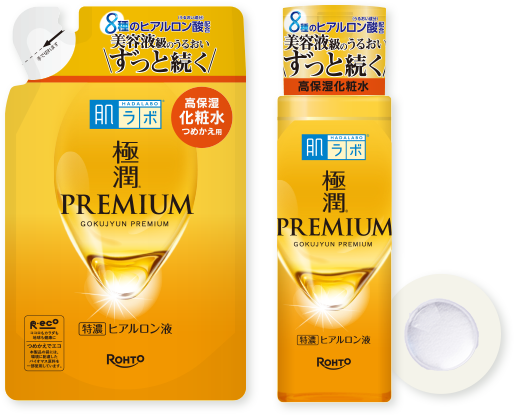
Hada Labo Gokujyun Premium Lotion
Hada Labo Gokujyun Premium Lotion is the single most popular Japanese toner available internationally, and for good reason. The formula contains five types of hyaluronic acid at different molecular weights, allowing it to hydrate at multiple skin layers. The texture is thicker than most toners, closer to a light serum, and a small amount goes a long way.
Available at 11 verified retailers, this is one of the easiest Japanese toners to find stateside. It works well for normal to dry skin types. If you find the Premium version too thick, Hada Labo also makes lighter versions in the Gokujyun line (see below).
For a deeper comparison between the formulas, read our Hada Labo Premium vs Moist vs Light breakdown.
Hada Labo
11 retailersSee retailers →
Hada Labo Gokujyun Hyaluronic Lotion Moist
Hada Labo Gokujyun Hyaluronic Lotion Moist is the lighter sibling in the Gokujyun range. It uses fewer types of hyaluronic acid and has a thinner, more watery consistency. This version absorbs faster and layers well under makeup, making it a better fit for oily or combination skin types who still want hyaluronic acid hydration without the heavier feel.
Available at 6 retailers.

Hada Labo
7 retailersSee retailers →
Kikumasamune Sake High Moist Lotion
Kikumasamune Sake Brewing Skin Care Lotion High Moist is a cult favorite for people who like to apply toner generously. The 500ml bottle is one of the largest on the market, and the sake based formula contains amino acids, arbutin, and ceramides. The price per ml makes it one of the most affordable options for daily multi-layer application.
The scent is polarizing. It smells like sake, which some people love and others find off-putting. Performance wise, it delivers solid hydration and mild brightening from the arbutin. Widely available outside Japan. For the full review, see the Kikumasamune Sake Lotion review, or read the Kikumasamune vs Hada Labo comparison if you’re deciding between the two most popular Japanese toners. There’s also a full brand guide covering every product in the Kikumasamune line.

Kiku-Masamune
6 retailersSee retailers →
Best Brightening Toners
Japanese brightening toners focus on evening out skin tone and fading post acne marks. The key ingredients to look for: arbutin, tranexamic acid, and vitamin C derivatives.
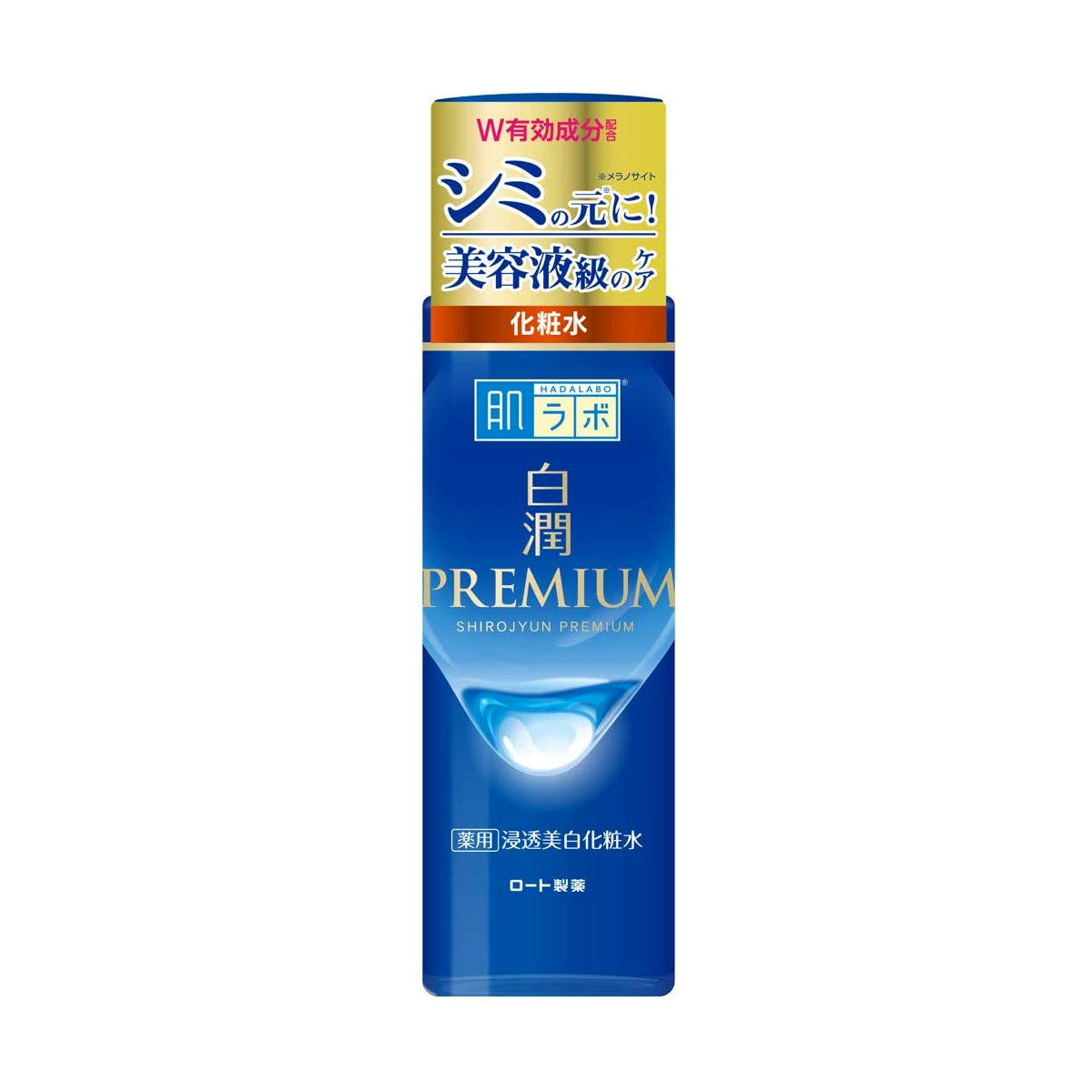
Hada Labo Shirojyun Premium Whitening Lotion
Hada Labo Shirojyun Premium Whitening Lotion combines tranexamic acid with hyaluronic acid. Tranexamic acid is a well-studied brightening ingredient that works by interrupting melanin production. The formula is lightweight and absorbs quickly, making it easy to layer.
Note on naming: “whitening” is the standard Japanese marketing term for brightening products. It does not bleach the skin. It targets dark spots and uneven tone.
For a comparison with vitamin C alternatives, check our Hada Labo Shirojyun vs Melano CC analysis. Available at 3 retailers.
Hada Labo
2 retailersSee retailers →
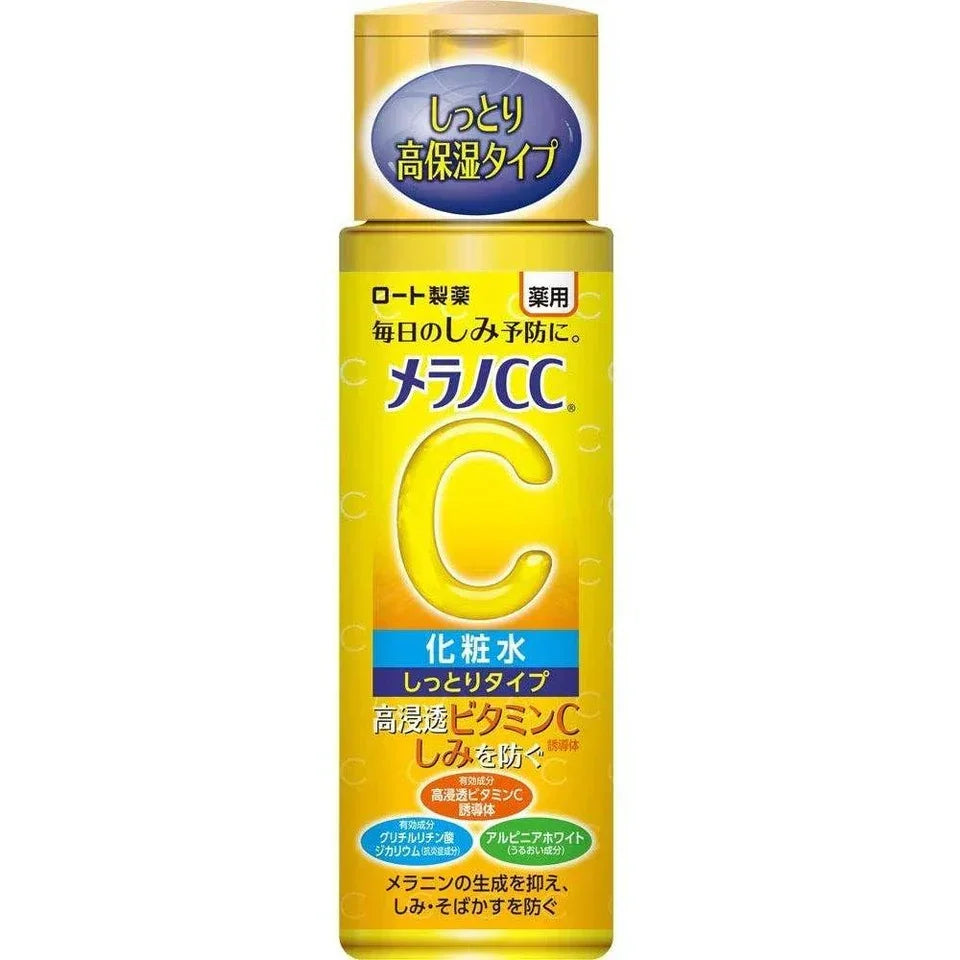
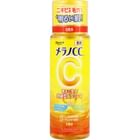
Melano CC Brightening Lotion
Melano CC makes two toner options: the Brightening Lotion Rich and the Medicated Whitening Lotion. Both contain vitamin C derivatives for brightening, but the Rich version has a more hydrating texture.
If you’re already using the popular Melano CC vitamin C serum, adding the lotion creates a brightening-focused routine. The toners help prep the skin and provide an additional dose of vitamin C derivatives before the serum step.
Best Toners for Sensitive Skin
Sensitive skin types need toners with minimal fragrance, no alcohol, and calming ingredients. Several Japanese brands specialize in exactly this.
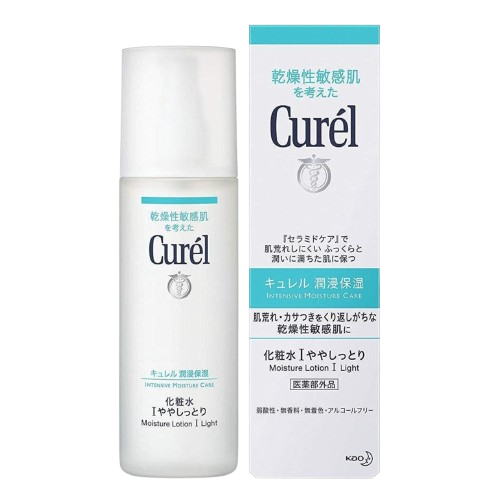
Curel Moisture Lotion
Curel Moisture Lotion is formulated specifically for dry, sensitive skin. Curel is a Kao brand built around synthetic ceramide technology (cetyl-PG hydroxyethyl palmitamide), which helps repair and maintain the skin barrier. The formula is fragrance-free, alcohol free, and has a pH-balanced, gentle texture.
For a comparison with its Western counterpart, read our Curel vs CeraVe breakdown.
Curel
4 retailersSee retailers →
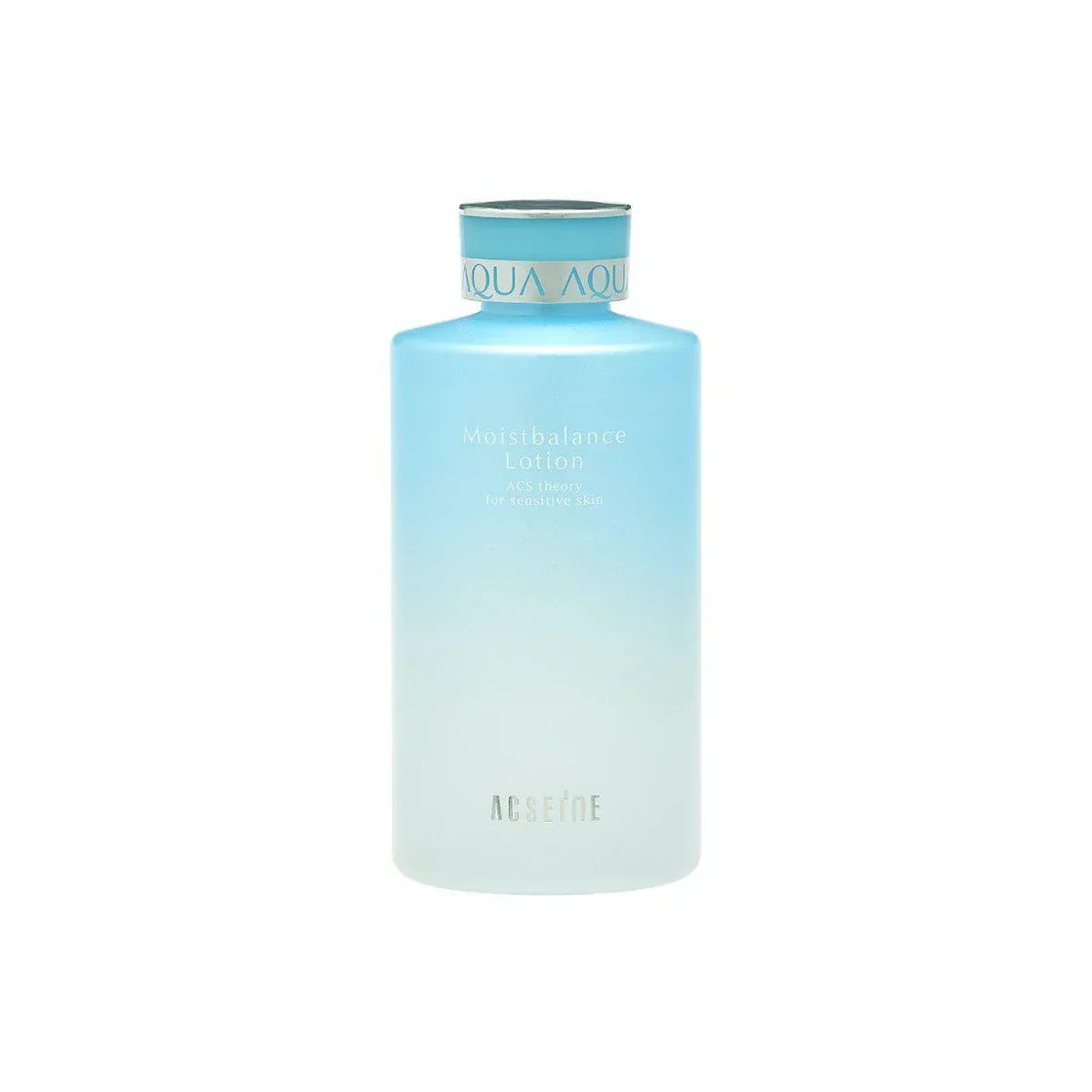
Acseine Moist Balance Lotion
Acseine Moist Balance Lotion is a dermatologist-recommended option in Japan. The 360ml bottle uses a hypoallergenic formula designed for reactive skin. It’s lightweight and absorbs without leaving residue. Acseine is less well-known outside Japan, but the brand has a strong reputation among Japanese dermatologists.
Acseine
1 retailerSee retailers →
Best Anti Aging Toners
Japanese anti aging toners tend to focus on firmness and moisture retention rather than active exfoliation. These sit in the mid range to luxury price bracket.
Elixir Bouncing Moisture Lotion
Elixir Bouncing Moisture Lotion is from Shiseido’s Elixir line, which targets skin firmness and elasticity. The formula contains collagen and hyaluronic acid to improve skin bounce and plumpness. Elixir is one of the best-selling skincare lines in Japan for women in their 30s and 40s.
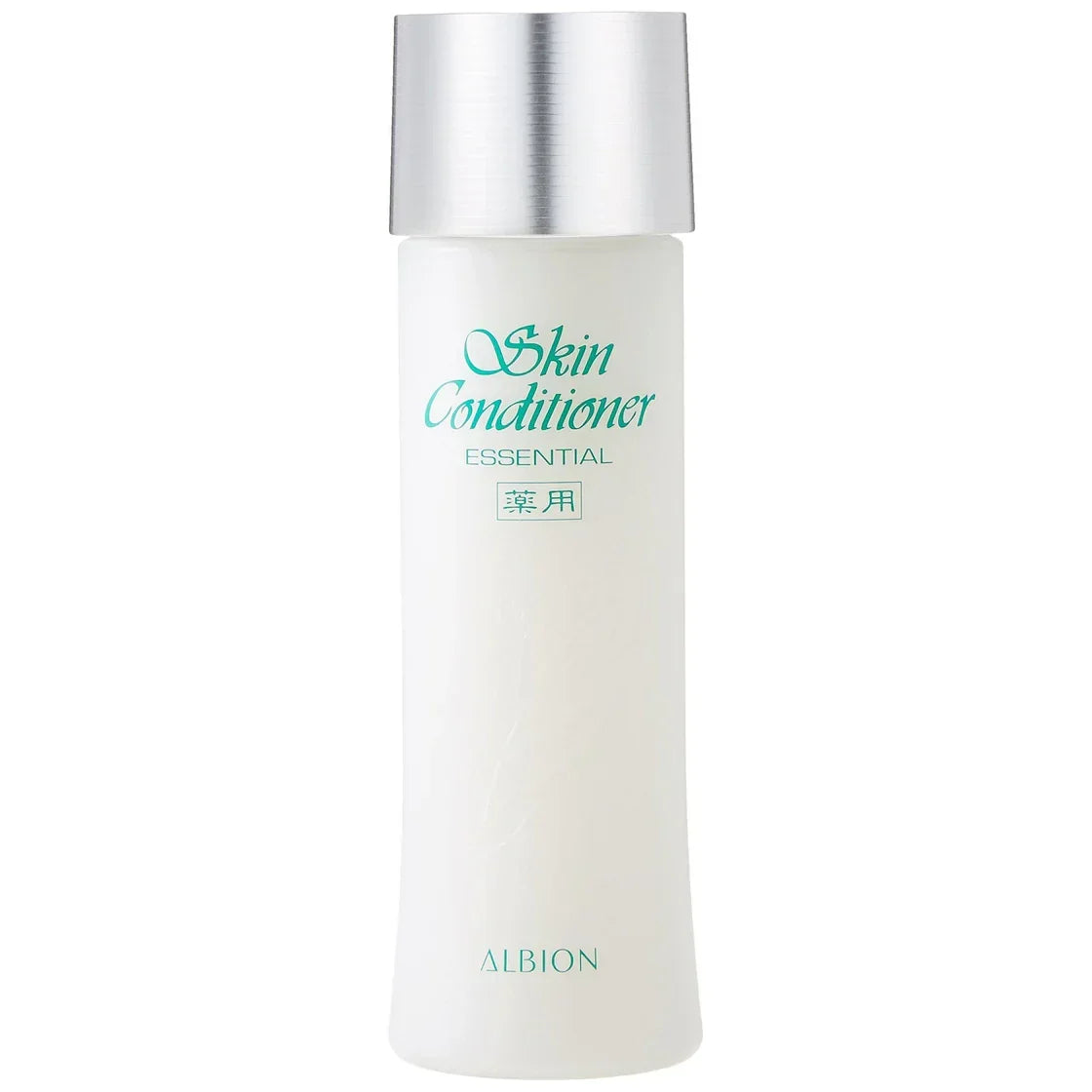
Albion Skin Conditioner Essential
Albion Skin Conditioner is a luxury Japanese toner that has been a staple in high-end J beauty routines for decades. The formula contains Job’s Tears (hatomugi) extract, the same ingredient found in budget toners like Naturie, but in a more refined formulation with additional botanical extracts.
Albion is notable for its unconventional application method: it’s designed to be applied with a cotton pad rather than patted on by hand. The brand recommends using it before emulsion, which is the reverse of most skincare routines. This “emulsion first” approach is unique to Albion and a handful of other Japanese brands. For a full breakdown of the formula and how the Albion Method works, see our Albion Skin Conditioner review.
Albion
2 retailersSee retailers →
Best Budget Toners Under $15
Japanese toners offer some of the best value in skincare. These options cost under $15 and come in generous sizes.
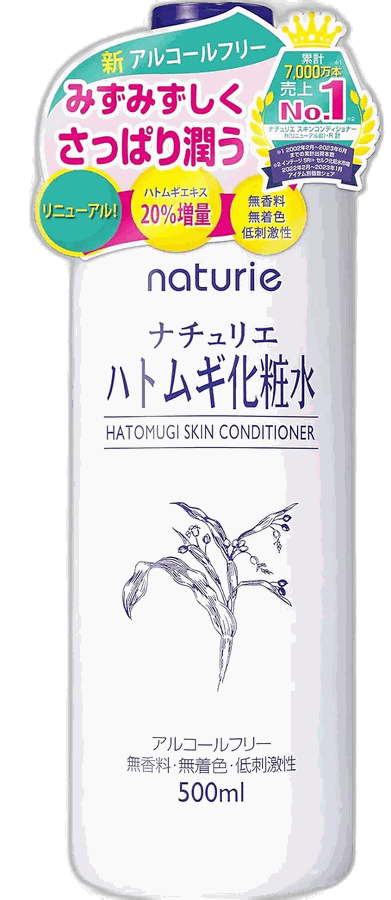
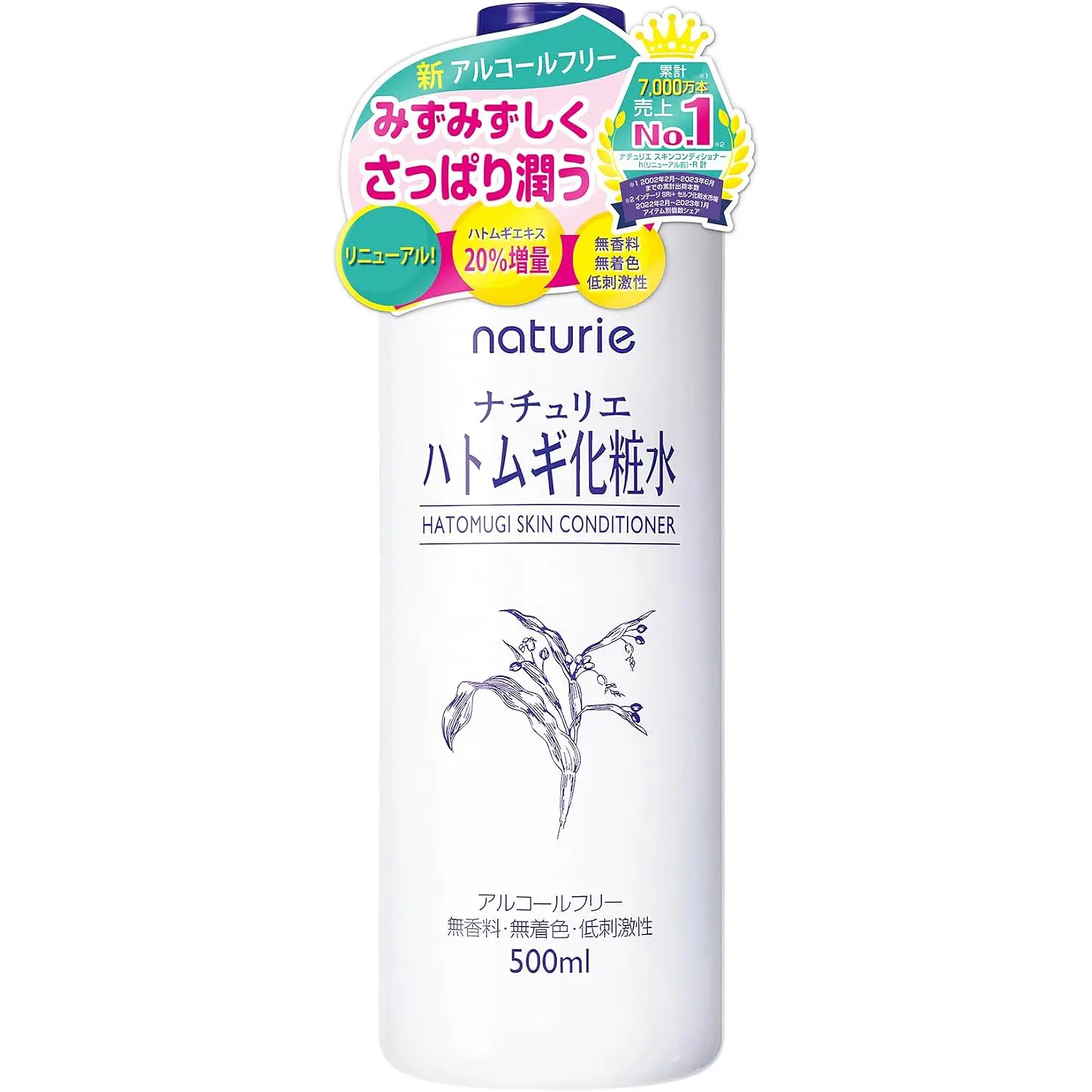
Naturie Hatomugi Skin Conditioner
Naturie Hatomugi Skin Conditioner is a no-frills, 500ml bottle of hatomugi (Job’s Tears) extract toner. It’s one of the most popular toners in Japanese drugstores and costs a fraction of most alternatives. The formula is lightweight, fragrance-free, and works well for all skin types including sensitive.
Because of the large size and gentle formula, many people use it for full-body application or as a base for DIY sheet mask soaking. For more details, read the Naturie Hatomugi Guide, or see how it compares to its closest rival in Naturie Hatomugi vs Kikumasamune.
Naturie
12 retailersSee retailers →
Cezanne Skin Conditioner High Moist
Cezanne Skin Conditioner High Moist packs ceramides, hyaluronic acid, and amino acids into an affordable 500ml bottle. Cezanne is a Japanese drugstore brand known for delivering solid formulations at budget prices. This toner is thicker than the Naturie and better suited for dry skin types who want more moisture from their toner step.
Cezanne
2 retailersSee retailers →
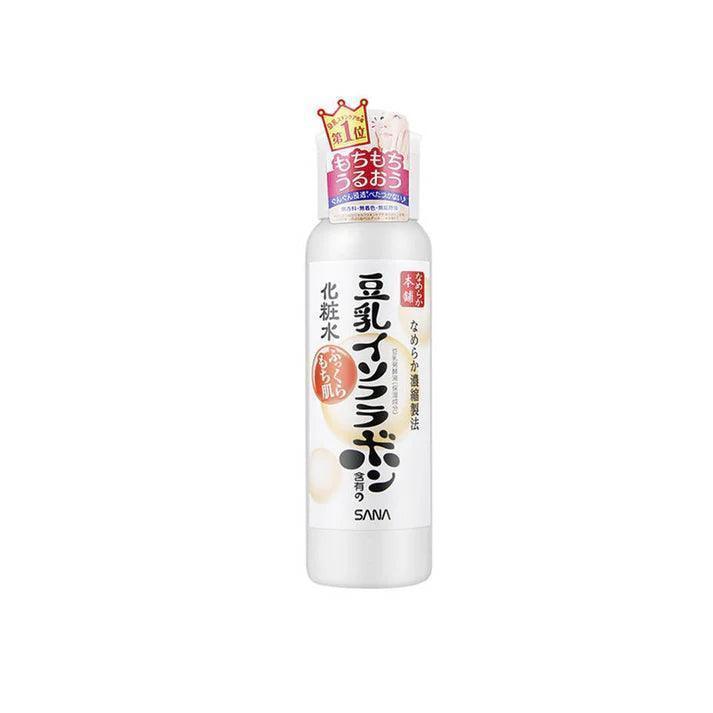
Sana Soy Milk Moisture Toner
Sana Soy Milk Moisture Toner uses soy isoflavones, which have mild estrogen-like properties that can improve skin elasticity and moisture. The formula is gentle, lightly hydrating, and has a mild soy scent. It’s a solid budget option for normal to dry skin.
Available at 2 retailers.
Sana
1 retailerSee retailers →
How to Apply Japanese Toner
Japanese toners are applied differently than Western toners. There are two main methods:
Patting method (te de tsukeru). Pour a coin sized amount into your palms, press your hands together to spread, then gently pat onto your face. Start with your cheeks (the driest area), then move to forehead, nose, and chin. Repeat 2 to 3 times for layered hydration. This is the most popular application method in Japan.
Cotton pad method (cotton de tsukeru). Soak a cotton pad and sweep it across the face. This method uses more product but provides gentle exfoliation from the cotton texture. Some toners, like Albion Skin Conditioner, are specifically designed for cotton application.
Layering. A technique unique to J beauty is applying 3 to 7 thin layers of toner, letting each absorb before the next. This works especially well with lightweight toners like Naturie Hatomugi or Hada Labo Gokujyun Moist. The goal is to gradually saturate the skin with hydration rather than applying one thick layer. For step by step instructions on each method, see How to Use Japanese Lotion.
For a full guide on building a Japanese skincare routine, including where toner fits in the order of steps, see our Japanese Skincare Routine for Beginners guide. You can also see the toner step in context with our routine builder.
Frequently Asked Questions
What is the difference between Japanese lotion and toner?
They are the same product. Japanese “lotion” (化粧水, keshoui) is what Western skincare calls a toner. It’s a water based hydrating liquid applied after cleansing. It is not a moisturizing lotion or cream.
Are Japanese toners alcohol free?
Many are, but not all. Brands targeting sensitive skin, like Curel and Acseine, are alcohol free. Always check the ingredients list. If you see “ethanol” or “alcohol” near the top of the list, the product has a significant amount.
Can I use Japanese toner on oily skin?
Yes. Lightweight options like Hada Labo Gokujyun Moist and Naturie Hatomugi absorb quickly without leaving a greasy feel. Properly hydrated oily skin can produce less excess oil over time.
How many layers of toner should I apply?
Start with one to two layers. If your skin absorbs it quickly and still feels tight, add more. The layering technique works best with thin, watery toners. Thicker toners like Hada Labo Premium usually need only one layer.
Where can I buy Japanese toners Outside Japan?
All products in this guide are available through verified retailers listed on their product pages. Major retailers carrying Japanese toners include Amazon, Target, and specialty J beauty shops. For tips on finding authentic products, read our guide on where to buy Japanese skincare outside Japan and our investigation into whether Japanese skincare on Amazon is fake.