Curel vs CeraVe: Japanese Ceramides vs American Ceramides
Choose Curél’s facial cream if you want a light moisturizer, or CeraVe Moisturizing Cream if you prefer a richer cream for face and body. Japan’s Curél and American brand CeraVe both offer fragrance free options for dry skin; the texture and routine step matter more than choosing one brand for everything.
If you know CeraVe and want to know whether Curel is worth trying, or vice versa, here’s how they actually differ.
As an Amazon Associate we earn from qualifying purchases.
Choose this for a richer finish
CeraVe Moisturizing Cream
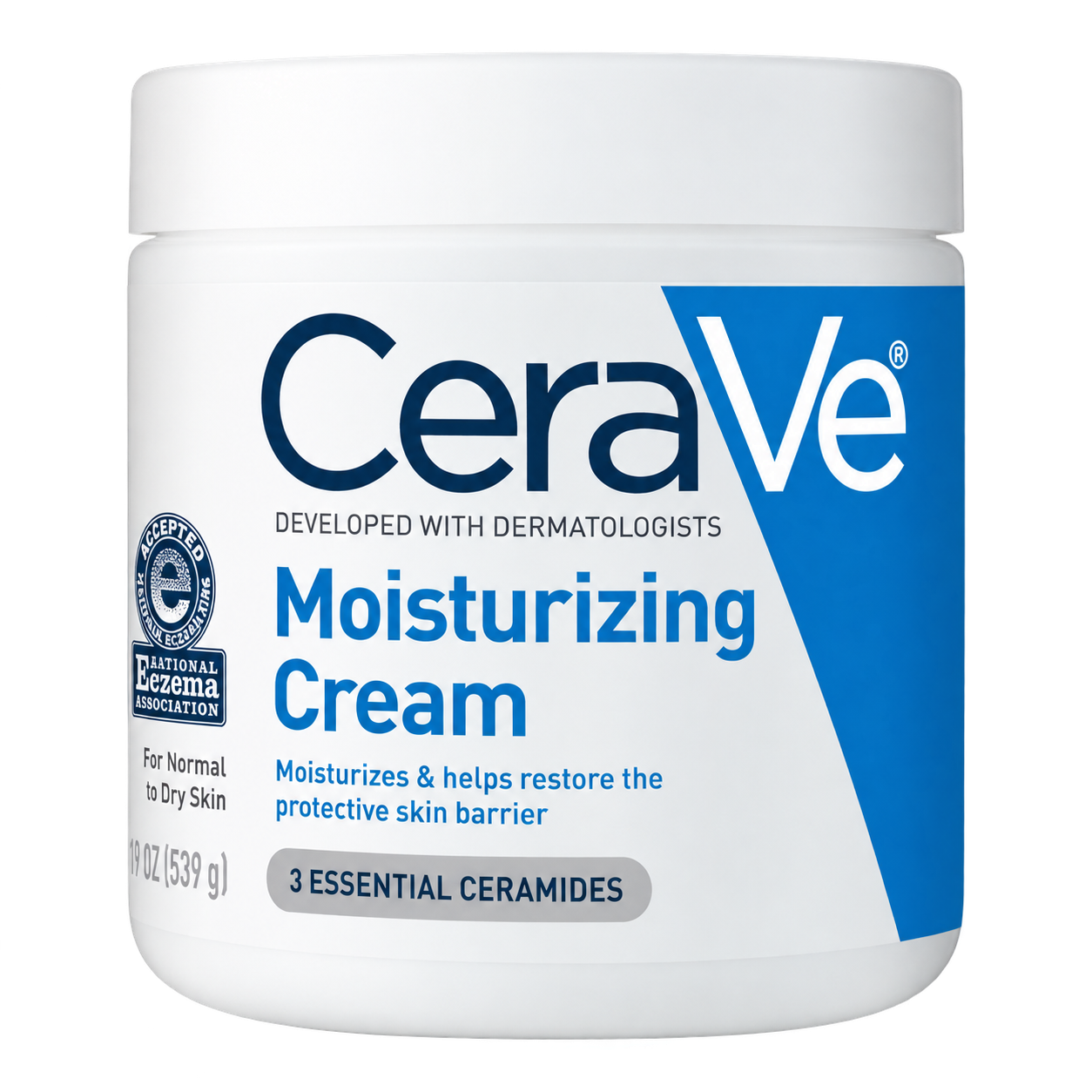
CeraVe Moisturizing Cream is the American face and body option in this comparison. Choose it if you want a rich, fragrance free cream with ceramides and petrolatum. One jar can cover your facial moisturizer and dry body areas.
Prefer a light facial cream? Stay with Curél.
Shop on Amazon USThe Shared Philosophy
Both brands believe that a healthy skin barrier is the foundation of good skin. Both use ceramides (lipids that make up about 50% of the skin barrier) to reinforce that barrier. Both are fragrance free and marketed toward sensitive, reactive skin.
The difference is in how they deliver ceramides and what else goes into the formula.
Formulation Approach
CeraVe uses three essential ceramides (1, 3, 6-II) plus hyaluronic acid in a patented MVE (MultiVesicular Emulsion) delivery system. MVE releases ingredients gradually over 24 hours. The formulas tend to be richer and more occlusive.
Curel uses a proprietary synthetic ceramide (ceramide functional ingredient) that’s designed to penetrate and integrate with the skin’s existing ceramide structure. Curel’s formulas tend to be lighter and less occlusive than CeraVe’s. Check the individual product’s ingredients rather than assuming the whole range uses the same formula.
For this comparison, focus on the two creams: Curél’s light facial cream and CeraVe’s rich face and body cream.
Product Comparison
Moisturizer
CeraVe Moisturizing Cream is the richer face and body option. Choose it if you want a fragrance free cream with ceramides and petrolatum to help keep dry skin moisturized.
Curel Intensive Moisture Facial Cream is lighter, absorbs faster, and is formulated specifically for facial skin (CeraVe’s tub cream is a face and body product). It has no added fragrance.
For dry skin: CeraVe’s richer formula may feel more satisfying. For oily or combo sensitive skin: Curel’s lighter texture won’t feel heavy.
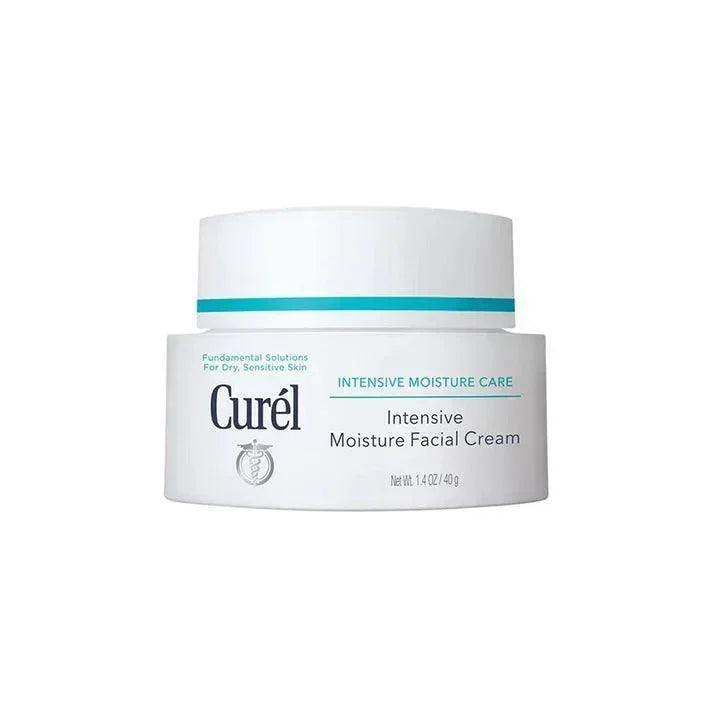
Curel
6 retailersSee retailers →
Cleanser
Both make gentle, non stripping cleansers. CeraVe Hydrating Cleanser is easy to find at any US drugstore. Curel’s foaming wash is available from J beauty retailers but harder to source in the US.
Sunscreen
Choose sunscreen separately from your moisturizer. Our Japanese sunscreen guide compares formulas by finish and everyday use. You can also explore Curél Skin Repair UV Serum if you want to stay within the range.
Spray
The Curel Deep Moisture Spray is a ceramide mist that’s one of Curel’s most popular products. Quick hydration and barrier support on the go. CeraVe doesn’t have an equivalent product.
Curel
0 retailersSee retailers →
Other textures to consider
If neither cream sounds right, look at the texture you want first. Minon Amino Moist Charge Milk is a Japanese moisturizing emulsion, while Curél Deep Moisture Spray is an extra mist step. A mist serves a different purpose from your final cream.
For more options, see Japanese ceramide skincare.
Related: Hada Labo vs CeraVe · Best Japanese Moisturizer · Japanese Skincare Ingredients Guide
FAQ
Is Curel worth trying if CeraVe already works for you?
If CeraVe works well, there’s no urgent reason to switch. But if you find CeraVe too heavy, too occlusive, or if you want a lighter ceramide option that still delivers barrier support, Curel is worth exploring. The lighter textures are better for humid climates and oily sensitive skin. For more product by product comparisons, our Japanese skincare swaps guide covers alternatives to other popular Western products too.
Is Curel available in the US?
Yes, through specialty J beauty retailers and some mainstream online shops. It’s not as easy to find as CeraVe (which is at every drugstore), but availability has been improving. Check the brand page in our directory for current retailers.
Which is better for eczema?
This comparison covers moisturizers, not eczema treatments. Choose a moisturizer you tolerate; persistent or inflamed eczema needs advice from a clinician rather than a brand comparison.
Can you use Curel and CeraVe together?
Yes. Some people use Curel’s lighter products (mist, lotion) as hydrating layers and CeraVe’s cream as the final occlusive seal. The ceramides from both brands complement each other.
Sources
CeraVe Moisturizing Cream and Curél Intensive Moisture Facial Cream. Product selection checked October 9, 2026.