Japanese beauty explained
Japanese Skincare Swaps for Popular Western Products
Quick Takeaway
- Lighter textures, gentler actives, better sunscreens. The pattern holds across categories.
- Swaps covered: CeraVe → Curel, The Ordinary Niacinamide → Melano CC, La Roche Posay → Biore UV, Clinique → DHC, and more.
If you have a well established Western skincare routine but keep hearing about Japanese products, the question isn’t whether to switch. It’s which specific products are worth trying and why.
This isn’t a generic “Japanese skincare is better” argument. Some Western products are excellent. But Japanese formulations often approach the same skin concerns differently, with lighter textures, gentler actives, and more elegant finishes that make your routine feel less like a chore. Here are the swaps that make sense, product by product.
Why Consider Japanese Alternatives?
A few patterns come up when you compare Japanese and Western formulations side by side.
Texture and wearability. Japanese products tend to prioritize cosmetic elegance. Sunscreens that feel like moisturizers. Lotions that absorb in seconds. Cleansers that rinse clean without stripping. The philosophy is that if a product feels unpleasant, you won’t use it consistently, and consistency matters more than any single ingredient.
Gentler active delivery. Where Western brands often go for high concentration actives (10% niacinamide, 20% vitamin C), Japanese formulations typically use lower concentrations in more sophisticated delivery systems. The result can be similar efficacy with less irritation, which matters if you layer multiple products.
Sun protection technology. Japan approves a wider range of UV filters than the US FDA does. Filters like Tinosorb S, Uvinul A Plus, and other newer options have been available in Japanese sunscreens for years, which means Japanese formulations can achieve strong protection in thinner, more wearable formulas.
None of this means Japanese products are universally superior. But if you’ve ever felt like your sunscreen is too greasy, your moisturizer is too heavy, or your vitamin C serum is too irritating, there’s likely a Japanese product that solves that exact problem.
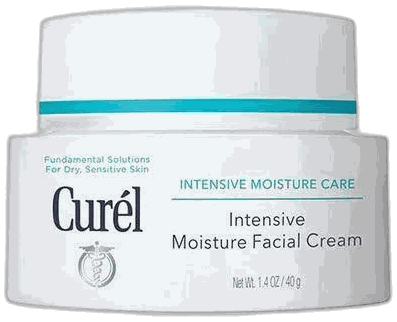
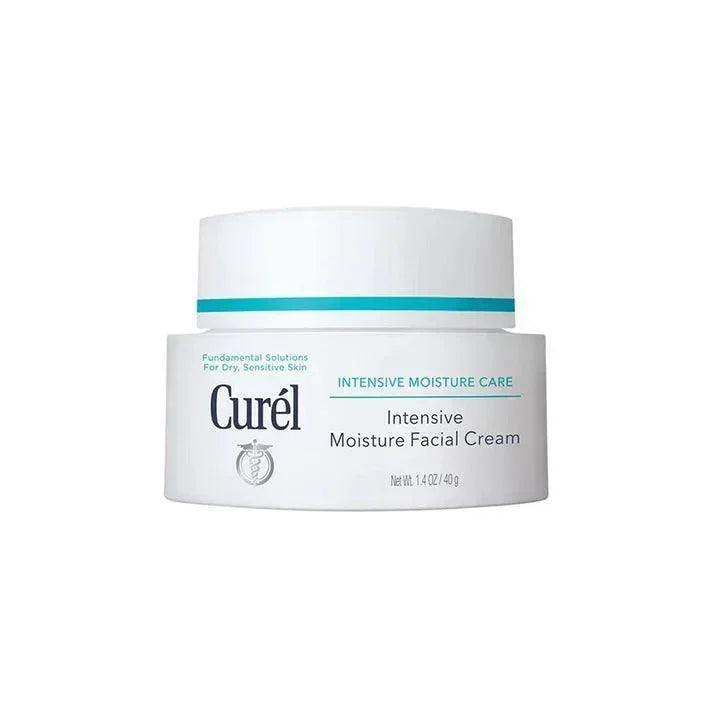
CeraVe Moisturizing Cream → Curel Intensive Moisture Cream
CeraVe’s moisturizing cream is a staple for a reason: ceramides, hyaluronic acid, and a no frills formula that works. But the thick, heavy texture isn’t for everyone, especially under makeup or in humid weather.
Curel Intensive Moisture Facial Cream takes a different approach to ceramide delivery. Curel’s parent company Kao developed a synthetic ceramide (cetyl PG hydroxyethyl palmitamide) that mimics the structure of human ceramides. The cream itself is lighter than CeraVe, absorbs faster, and sits well under sunscreen without pilling.
The tradeoff: Curel’s formula is less occlusive. If you need a heavy barrier cream for very dry or eczema prone skin, CeraVe’s thicker texture might still serve you better. But for normal to dry skin that wants barrier support without the heavy feel, Curel is a genuine upgrade in wearability.
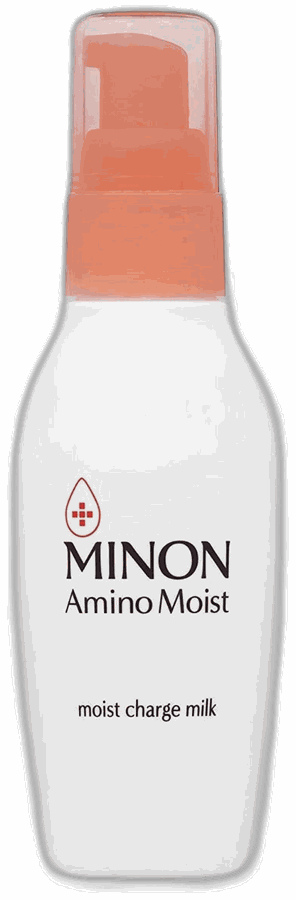
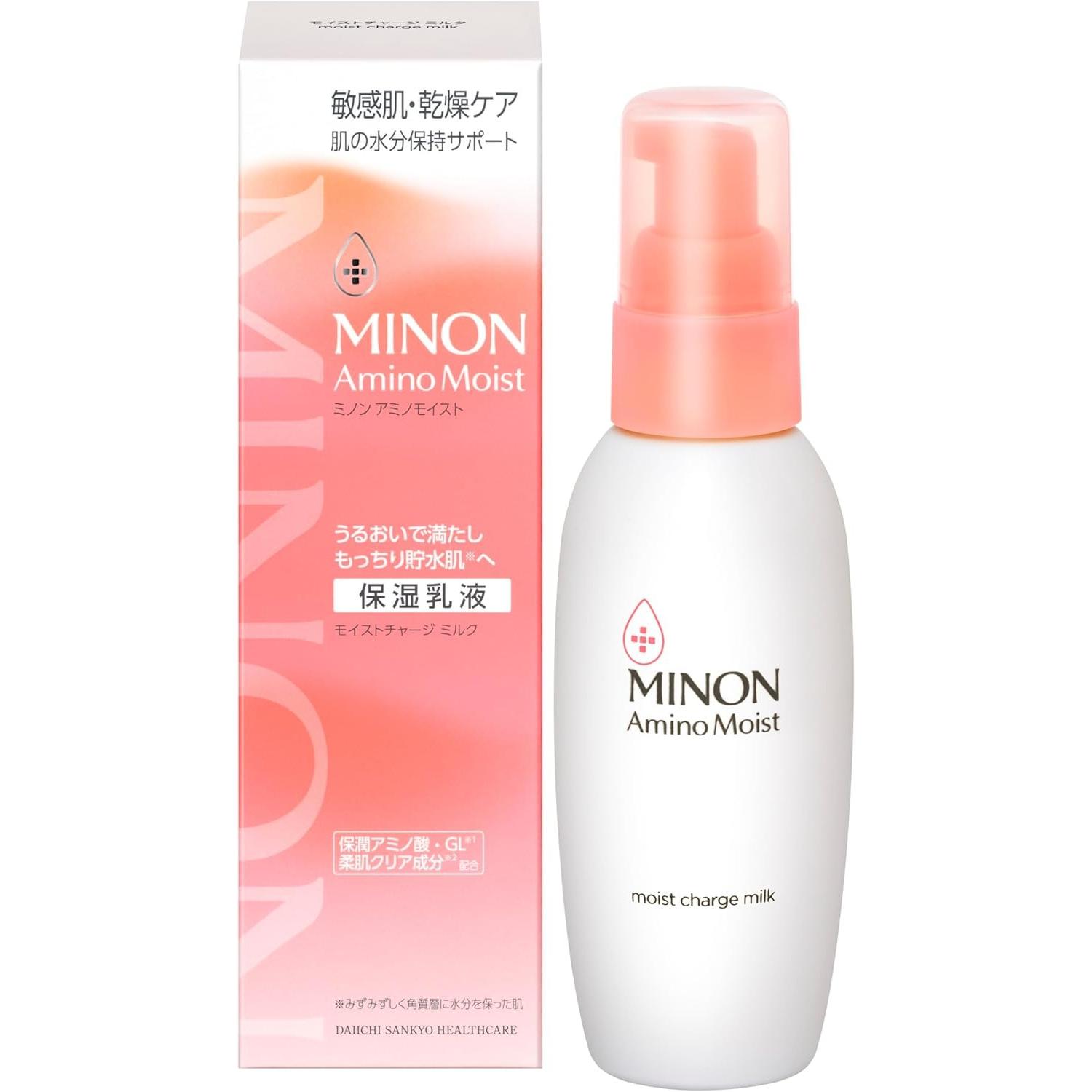
For sensitive skin specifically, the Minon Amino Moist line is another option worth looking at. Minon Amino Moist Charge Milk uses amino acids rather than ceramides for barrier support and is popular in Japan for reactive, easily irritated skin.
The Ordinary Niacinamide 10% + Zinc → Melano CC Essence
The Ordinary’s niacinamide serum is one of the most popular serums in Western skincare, primarily used for pore appearance and oil control. But 10% niacinamide is higher than most skin needs and can cause irritation, flushing, or breakouts for some people.
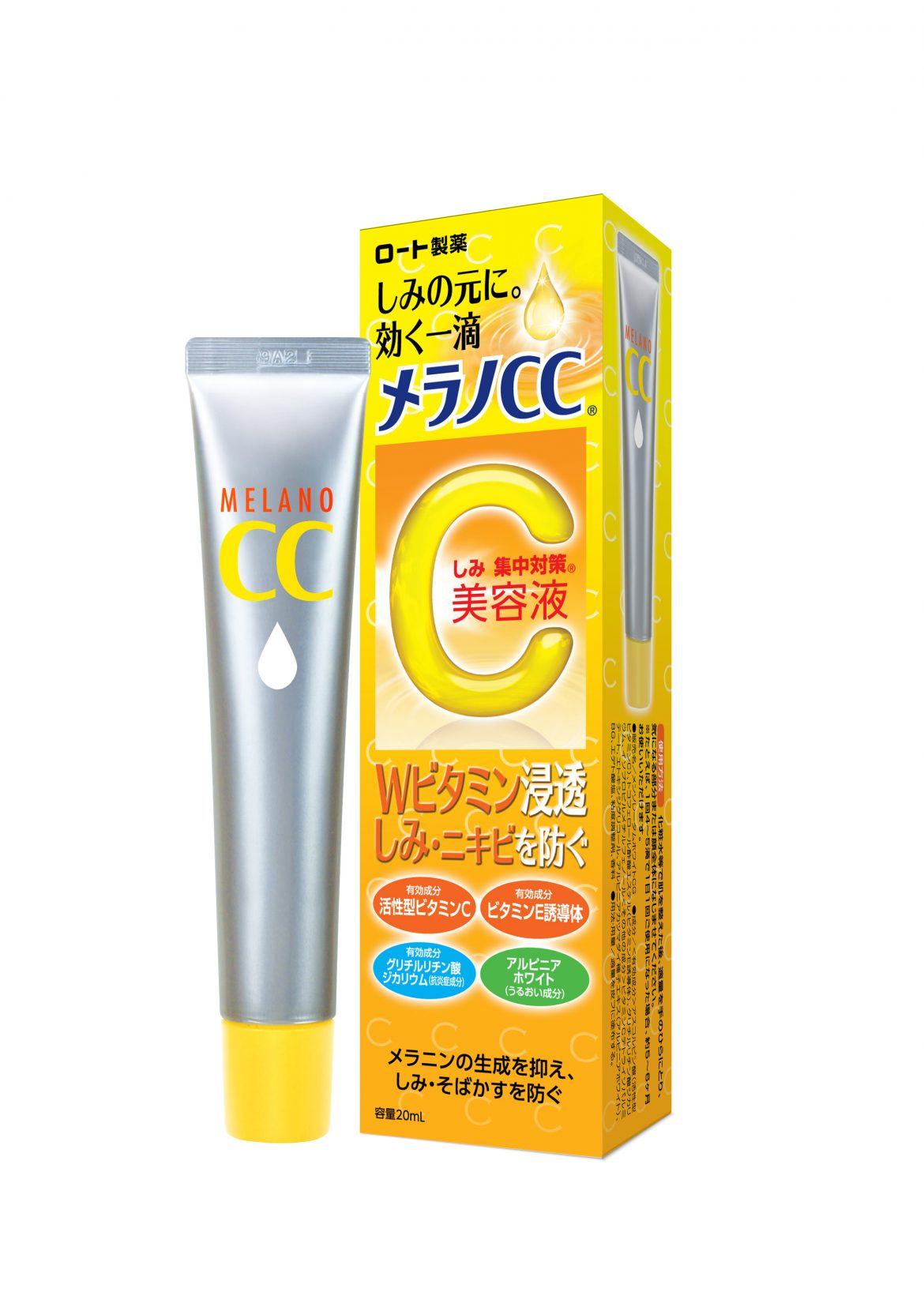
Melano CC Intensive Measures Essence approaches brightening and pore care differently. Instead of a high dose niacinamide serum, it combines ascorbic acid (vitamin C) with vitamin E in an oil based formula that’s designed to be stable without refrigeration. The tube packaging minimizes air exposure, which is a real advantage for vitamin C stability.
Melano CC isn’t a direct 1:1 swap. It focuses on brightening and dark spots rather than sebum control. But the end result for most people (more even tone, less visible discoloration) overlaps significantly with what they were using niacinamide for in the first place.
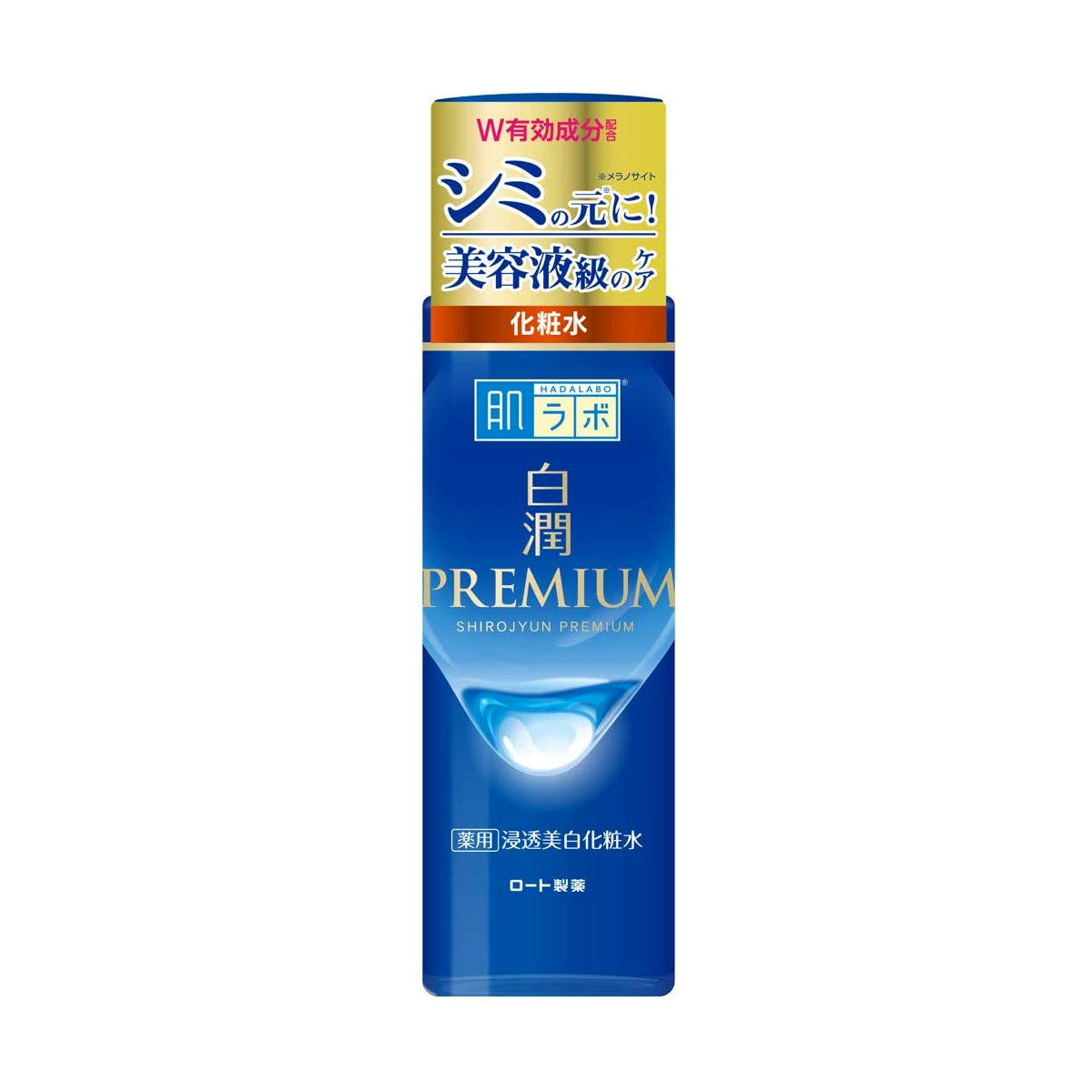
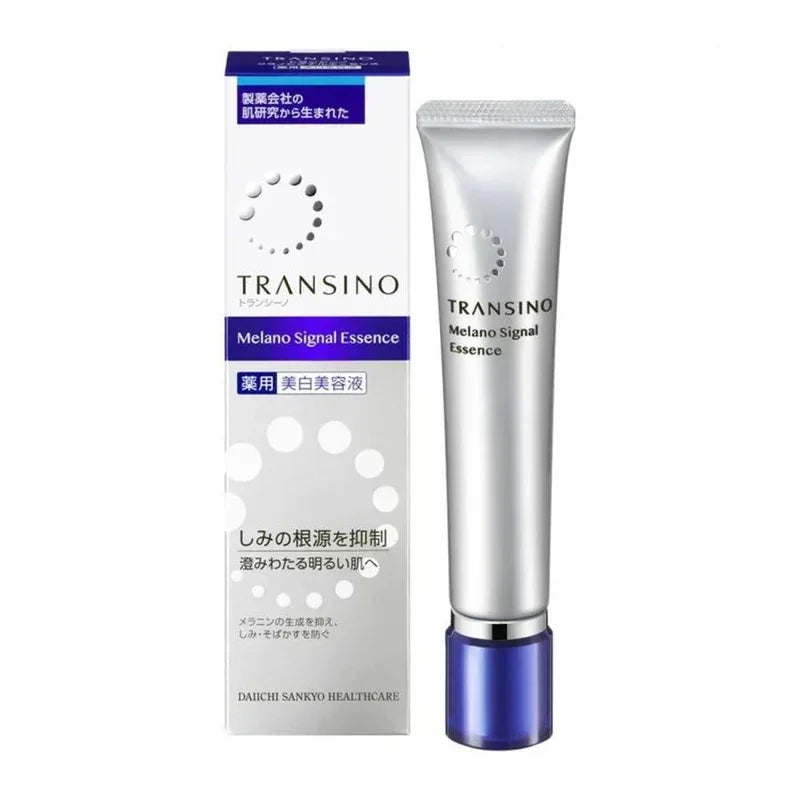
If you specifically want a Japanese product with niacinamide for brightening, look at the Hada Labo Shirojyun Premium Whitening Lotion or Transino Melano Signal Essence. The Transino line uses tranexamic acid, which is a well studied ingredient for hyperpigmentation. The Hada Labo Shirojyun Premium line uses tranexamic acid as its active brightening ingredient alongside hyaluronic acid.
Quality First also makes concentrated serums (including a retinol and niacinamide option) that are popular in Japan as a simpler alternative to The Ordinary’s lineup, though they’re harder to find outside Japan.
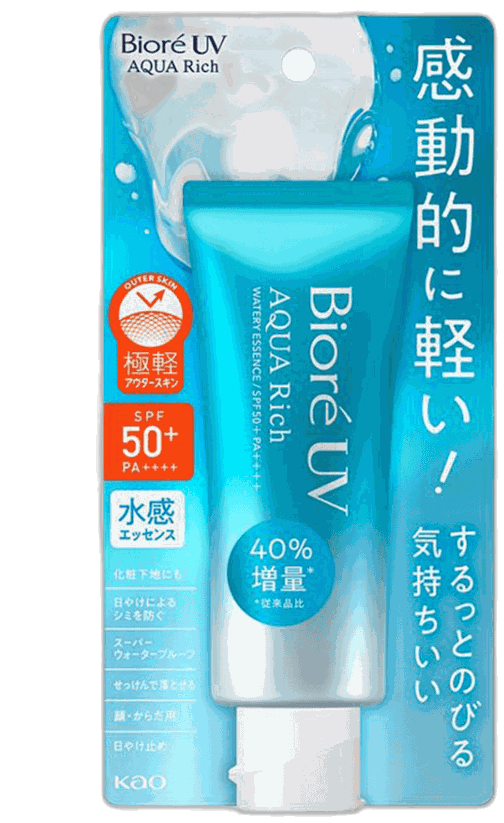
La Roche Posay Anthelios → Biore UV Aqua Rich Watery Essence
This is the swap that converts people. La Roche Posay Anthelios is a solid sunscreen with good UVA protection, but the texture is noticeably heavier than what Japanese sunscreens offer at the same protection level.
Biore UV Aqua Rich Watery Essence SPF50+/PA++++ (Japanese Version) has SPF50+ and PA++++ in a formula that feels like a lightweight moisturizer. It layers beautifully under makeup, dries down with zero white cast, and doesn’t pill. The “watery” description is accurate: it applies almost like a gel serum.
Important: Make sure you’re getting the Japanese version. Biore’s US formulations use completely different UV filters and have a different texture. The Japanese version uses newer filters (including Tinosorb S and Uvinul A Plus) that aren’t approved for use in US sunscreens, which is why the formulas differ. Our Biore Japanese vs US formula comparison breaks this down in detail.
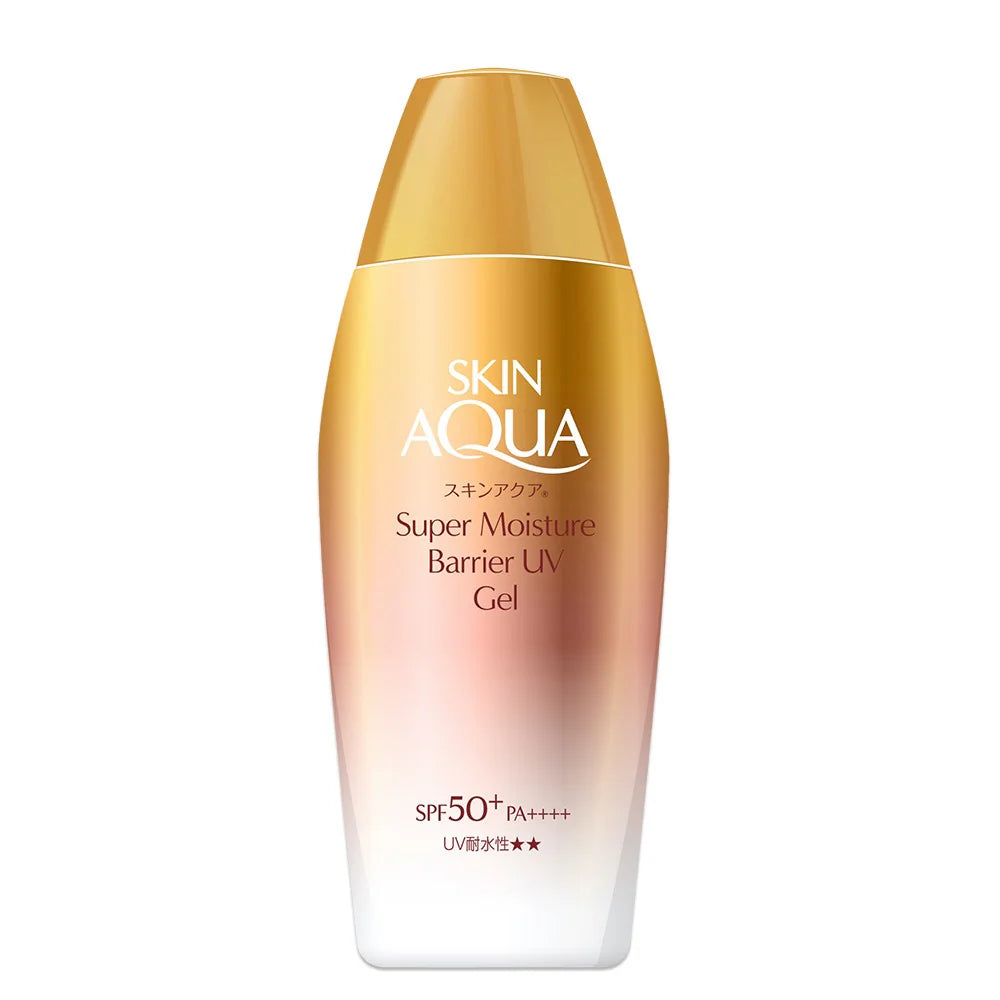
For a less alcohol forward alternative, Skin Aqua Super Moisture Barrier UV Gel from Rohto offers a similar level of protection with a more hydrating, gel based texture. And if you want something even more minimal, the Skin Aqua Moisture Gel is one of the best budget picks available.

For a more detailed comparison of Japanese sunscreen options, see our Japanese sunscreen types guide or our best Japanese sunscreen roundup.
Drunk Elephant Protini Polypeptide Cream → Hada Labo Gokujyun Premium Lotion
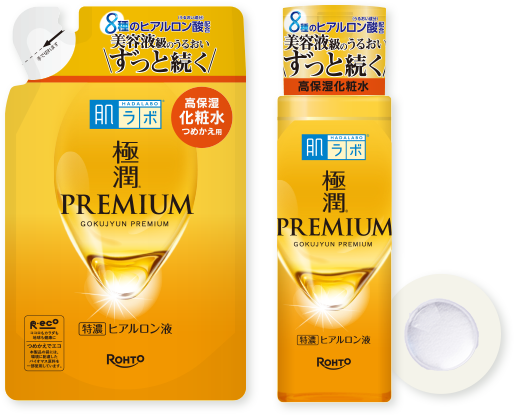
This one needs some context. Drunk Elephant Protini is a peptide moisturizer marketed as a protein rich cream. Hada Labo Gokujyun Premium Lotion is a hydrating toner (called “lotion” in Japanese skincare). They’re different product categories, but they serve a similar purpose in a routine: deep, lasting hydration.
The Hada Labo Premium formula contains seven types of hyaluronic acid at different molecular weights, plus urea for moisture retention. It’s a thick, slightly viscous liquid that you pat into damp skin and it pulls moisture in. At a fraction of Drunk Elephant’s price, many people find it delivers comparable or better hydration.
The key difference: Hada Labo won’t give you the peptide benefits (signal peptides that may support collagen production over time). If peptides are specifically what you’re after, this isn’t a true swap. But if the reason you bought Protini was “my skin feels dry and dehydrated,” Hada Labo Premium solves that problem for significantly less money.
Hada Labo
11 retailersSee retailers →
For something richer, Naturie Hatomugi Skin Conditioner is the high volume budget option. At 500ml per bottle, it’s designed for generous application and works especially well as a hydrating prep step. The Naturie Hatomugi guide covers how to use it.
CeraVe Foaming Cleanser → Senka Perfect Whip
CeraVe’s foaming cleanser is popular for normal to oily skin because it cleans without completely stripping moisture. But some people find it still leaves their skin feeling a bit tight.
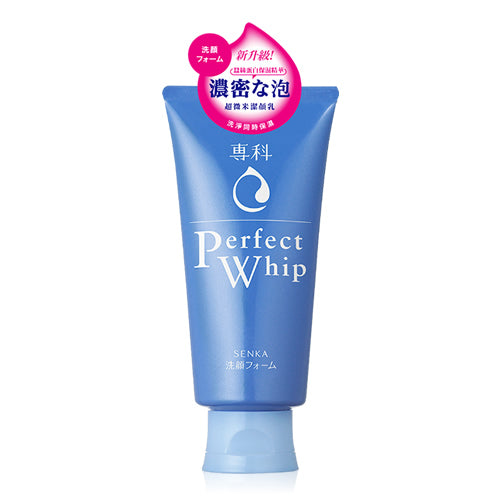
Shiseido Senka Perfect Whip is one of the most popular cleansers in Japan. It creates a dense, marshmallow like foam (Japanese skincare places a lot of emphasis on foam quality for cleansing) and rinses cleanly. The formula includes hyaluronic acid and silk cocoon essence, which are designed to help retain moisture during cleansing.
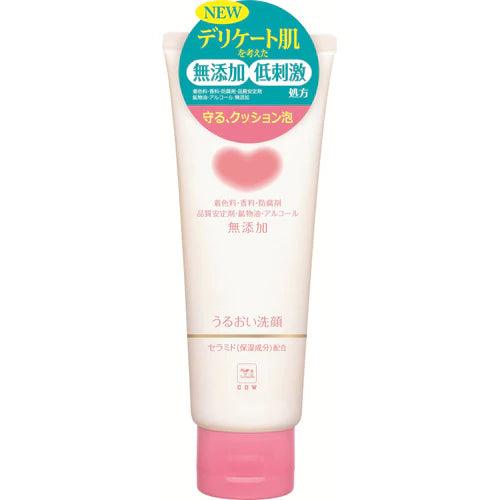
The tradeoff: Senka Perfect Whip has a higher pH than CeraVe’s cleanser and contains some fragrance. If you’re strict about low pH cleansing or fragrance free products, this may not be your swap. For a fragrance free option, Cow Brand Foaming Cleanser (sometimes called Cow Brand Mutenka) is a minimal, gentle alternative with no added fragrance, colorants, or mineral oil. It’s a community favorite on r/AsianBeauty for people who want the simplest possible cleanser.
Our Senka Perfect Whip guide covers all the variants and which one works for different skin types. And for a broader look, the best Japanese face wash guide compares options across price ranges.
Clinique Take The Day Off Balm → DHC Deep Cleansing Oil
Clinique’s Take The Day Off is the gold standard Western cleansing balm. It melts makeup effortlessly. But Japanese cleansing oils have been doing the same thing (arguably better) for decades.
DHC Deep Cleansing Oil is Japan’s most iconic cleansing oil, built on an olive oil base that dissolves sunscreen and makeup thoroughly. It emulsifies when you add water and massage, rinsing clean and leaving skin soft rather than stripped.
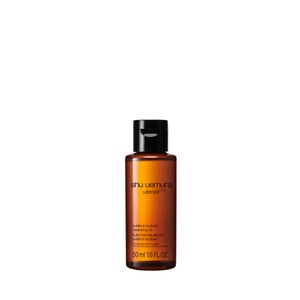
If you want something more luxe, Shu Uemura Ultime8∞ Sublime Beauty Cleansing Oil from Shu Uemura uses a blend of eight botanical oils and has an incredibly silky texture. It’s pricier, but the experience is noticeably different from drugstore options. The Shu Uemura cleansing oil review covers what makes it different, and our cleansing oil comparison pits the top four Japanese cleansing oils against each other.

For a budget option, MUJI Sensitive Skin Cleansing Oil is simple, fragrance free, and surprisingly effective for the price.
Neutrogena Hydro Boost → Kiku Masamune Sake Lotion High Moist
Neutrogena Hydro Boost is a lightweight hyaluronic acid gel that provides a quick hit of hydration. It works, but it’s a small amount of product for the price, and some users find it pills under other products.
Kiku-Masamune Sake Brewing Skin Care Lotion High Moist takes a completely different approach: 500ml of hydrating toner for roughly the same price as one jar of Hydro Boost. The formula uses sake ferment filtrate (which contains naturally occurring amino acids, organic acids, and other fermentation byproducts), ceramides, and arbutin.

Kiku-Masamune
6 retailersSee retailers →
The texture is thinner than Hydro Boost since it’s a toner, not a gel. You apply it in layers (a technique called “lotion masking” in Japanese skincare) by patting multiple thin layers into the skin. The Kikumasamune Sake Lotion review covers how to use it. If you prefer a thicker gel texture closer to Hydro Boost, the Naturie Hatomugi Skin Conditioning Gel is a better analog.
Paula’s Choice 2% BHA → Rohto Mentholatum Acne Solution (Honorable Mention)
Dr. Jenny Liu highlighted this swap in her viral Japanese skincare alternatives video. The Rohto Mentholatum Acne Solution uses salicylic acid in a lighter, more hydrating formula than Paula’s Choice BHA Liquid Exfoliant. It’s designed to be less stripping while still providing chemical exfoliation.
This product is harder to find outside Japan compared to the other swaps on this list, so consider it a pickup for your next Japan trip or specialty order rather than an everyday alternative.
Quick Comparison Table
| Western Product | Japanese Swap | Why Switch | Key Difference |
|---|---|---|---|
| CeraVe Moisturizing Cream | Curel Intensive Moisture Cream | Lighter texture, synthetic ceramide technology | Less occlusive, better under makeup |
| The Ordinary Niacinamide 10% | Melano CC Essence | Stable vitamin C, gentler on skin | Different active (vitamin C vs niacinamide) |
| La Roche Posay Anthelios | Biore UV Aqua Rich Watery Essence | Weightless texture, higher UVA protection | Must buy Japanese version specifically |
| Drunk Elephant Protini | Hada Labo Gokujyun Premium Lotion | Deep hydration at a fraction of the price | No peptides, different product category |
| CeraVe Foaming Cleanser | Senka Perfect Whip | Dense foam, moisture retaining formula | Higher pH, contains fragrance |
| Clinique Take The Day Off | DHC Deep Cleansing Oil | Olive oil base, rinses cleaner | Oil vs balm texture |
| Neutrogena Hydro Boost | Kiku Masamune Sake Lotion | Massive value, fermented ingredients | Thinner texture, layering technique |
FAQ
Are Japanese skincare products safe for sensitive skin?
Many Japanese brands specifically formulate for sensitive skin. Curel, Minon, and Cow Brand all have dedicated sensitive skin lines with minimal ingredients. That said, some popular products (like Senka Perfect Whip) contain fragrance, so always check ingredient lists if you have specific sensitivities. Our Japanese skincare for sensitive skin guide covers the best options.
Do I need to replace my entire routine with Japanese products?
No. Most people start by swapping one or two products, usually sunscreen first because the texture difference is the most dramatic. Japanese and Western products mix fine in the same routine. There’s no need to go all in.
Where can I buy authentic Japanese skincare Outside Japan?
Specialty J beauty retailers, some major retailers like Amazon and Target (check seller carefully), and brand direct sites. Authenticity is a real concern, especially on marketplace platforms. Our where to buy guide lists every vetted option, and the Amazon authenticity guide covers what to watch for.
Are the Japanese versions of products different from US versions?
For some brands, yes, dramatically. Biore is the clearest example. The Japanese and US formulations use entirely different UV filters and feel completely different on skin. Shiseido also has Japan exclusive lines and formulations. Our Biore JP vs US comparison and Shiseido guide explain the differences.
Is Japanese skincare more affordable than Western skincare?
It depends on the category. Japanese drugstore products (Hada Labo, Melano CC, Naturie) are often significantly cheaper than their Western counterparts, especially considering the amount of product you get. Japanese luxury brands (SK-II, Decorté) are comparable to or more expensive than Western luxury brands (though there are affordable SK-II alternatives worth knowing about). The biggest value tends to be in the mid range, where products like Curel and DHC deliver performance that competes with pricier Western alternatives.