Japanese beauty explained
Best Japanese Face Wash for Every Skin Type
Japanese face washes tend to prioritize low pH formulas, gentle surfactants, and leaving skin hydrated after rinsing. The philosophy: your cleanser’s job is to clean without damaging the skin barrier. Everything else comes after.
This guide covers the best Japanese face washes across every skin type and format, with Availability for each one.
How to Choose: Foam vs Gel vs Cream vs Powder
Japanese face washes come in four main formats, and the format matters more than most people think.
Foaming Cleansers
The most popular format in Japan. Many come in pump bottles that dispense pre made foam, so you skip the lathering step entirely. Foaming cleansers are generally best for normal to oily skin. They clean thoroughly without requiring much effort, and the pre foamed versions are gentler than working up a lather yourself (less friction, less irritation).
Best for: Normal, combination, and oily skin types.
Gel Cleansers
Water based gels that turn slippery on contact with skin. Less foamy than foam cleansers, and they tend to be gentler. Popular in the “sensitive skin” lines from Japanese brands. Some gel cleansers double as light makeup removers, though they won’t handle waterproof sunscreen on their own.
Best for: Sensitive and dry skin types.
Cream Cleansers
Thick, rich formulas that feel like moisturizer going on. They clean by emulsifying oils and dirt rather than by surfactant action, so they’re the least stripping format. Many Japanese cream cleansers contain ceramides or other barrier supporting ingredients.
Best for: Dry, mature, and very sensitive skin types.
Powder Cleansers
A uniquely Japanese format. Fine powder that you mix with water in your palm to create a fresh lather each time. The main advantage: enzyme powders (like papain or protease) are more stable in dry form than in liquid, so powder cleansers are the go to format for enzyme based exfoliating washes. You use them a few times a week rather than daily.
Best for: Anyone wanting gentle enzymatic exfoliation for blackheads and texture. See the enzyme powder cleanser guide for a full comparison of the top five options.
Best Japanese Face Wash for Oily Skin
Oily skin needs a cleanser that removes excess sebum without stripping the barrier so aggressively that your skin overcompensates with more oil.
Curel Sebum Trouble Care Foaming Wash
Curel’s Sebum Trouble line is designed specifically for oily skin that’s also sensitive, a combination that’s more common than people think. The foaming wash comes out as a pre made foam from a pump bottle, so it’s gentle despite being targeted at oily skin. Contains ceramide protecting technology that cleans without disrupting the skin barrier.
If your skin gets oily by midday but also flares up from harsh cleansers, this is the one to try. See the Curel guide for more on the brand’s approach to sensitive skin.
Curel
1 retailerSee retailers →
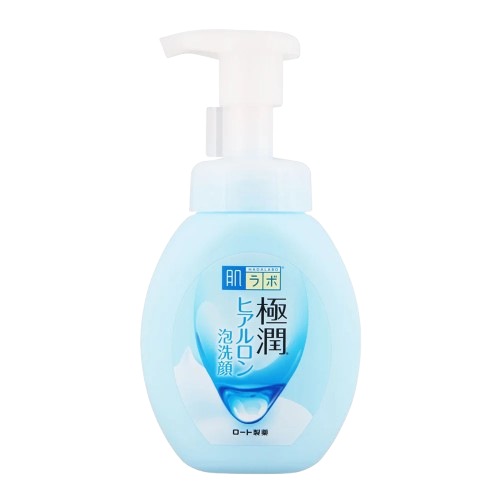
Hada Labo Gokujyun Hyaluronic Acid Cleansing Foam
Hada Labo’s cleansing foam is one of the most recommended face washes on r/AsianBeauty for a reason: it cleans well, it’s dirt cheap, and it contains hyaluronic acid so your skin doesn’t feel tight after rinsing. Comes in a pump bottle with pre made foam. No fragrance, no alcohol, no mineral oil.
Also one of the easier Japanese cleansers to find outside Japan.
Hada Labo
2 retailersSee retailers →
Rosette Cleansing Paste Sea Mud Smooth
A clay based paste cleanser that uses sea mud from Hokkaido. It’s designed to absorb excess oil and clean pores without over drying. The texture is unusual, a thick paste you work into a lather, but the results are worth it for oily skin types. Rosette has been making this cleanser since the 1920s, making it one of the oldest continuously produced skincare products in Japan.
Rosette
2 retailersSee retailers →
Best Japanese Face Wash for Dry and Sensitive Skin
The goal for dry and sensitive skin: clean without removing the moisture you spent the rest of your routine putting there. For a full routine built around reactive skin, see our Japanese skincare for sensitive skin guide. For teens looking for gentle first cleansers, we also have a Japanese skincare for teens guide.
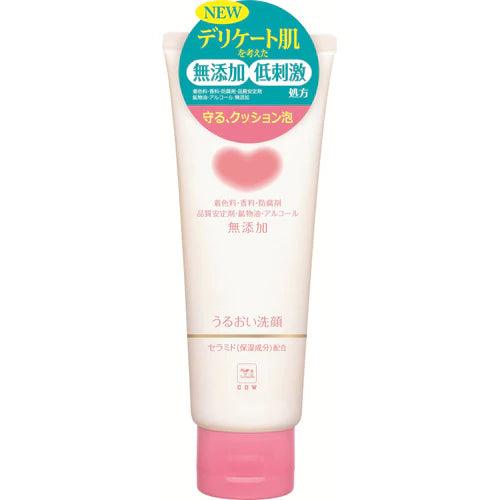
Cow Brand Foaming Cleanser
Cow Brand (Gyuunyuu Sekken, meaning “cow milk soap”) has been making soap in Japan since 1909. Their foaming cleanser is the definition of no frills: no fragrance, no colorants, no alcohol, no mineral oil, no preservatives. Just clean, gentle foam. A popular recommendation in Japanese skincare communities for people whose skin reacts to everything else.
The ingredient list is remarkably short, which is exactly what reactive skin needs. Available from retailers that carry Japanese drugstore products.
Cow Brand
1 retailerSee retailers →
d program Essence In Cleansing Foam
d program is Shiseido’s line for sensitive skin, developed specifically for what they call “delicate skin” that reacts to environmental stressors. The Essence In Cleansing Foam is formulated to protect the skin barrier while cleaning. It contains a “beauty essence” base that leaves a moisturizing film after rinsing.
If you have the kind of skin that gets red, tight, or stingy from most cleansers, this is worth looking into. d program goes through allergen testing that exceeds standard industry requirements.
d program
3 retailersSee retailers →
Minon Amino Moist Milky Cleanse
A milk type cleanser that’s about as gentle as face washing gets. Minon uses amino acid surfactants instead of traditional ones, which clean without disrupting the skin’s natural moisture balance. The milky texture doesn’t foam much, which is normal for this format. You massage it in, emulsify with a bit of water, and rinse.
Particularly good for people whose skin feels tight or uncomfortable after washing. The amino acid approach matches what your skin’s own natural moisturizing factor is made of.
Minon
1 retailerSee retailers →
Best Japanese Face Wash for Acne Prone Skin
Japanese acne cleansers tend to focus on keeping the skin barrier intact while addressing breakouts. The logic: a damaged barrier leads to more inflammation, which leads to more acne. This is a different approach than Western formulas that lean heavier on benzoyl peroxide and salicylic acid, and both can work depending on your skin. For a full acne routine including toners, treatments, and moisturizers, see the Japanese skincare for acne guide.
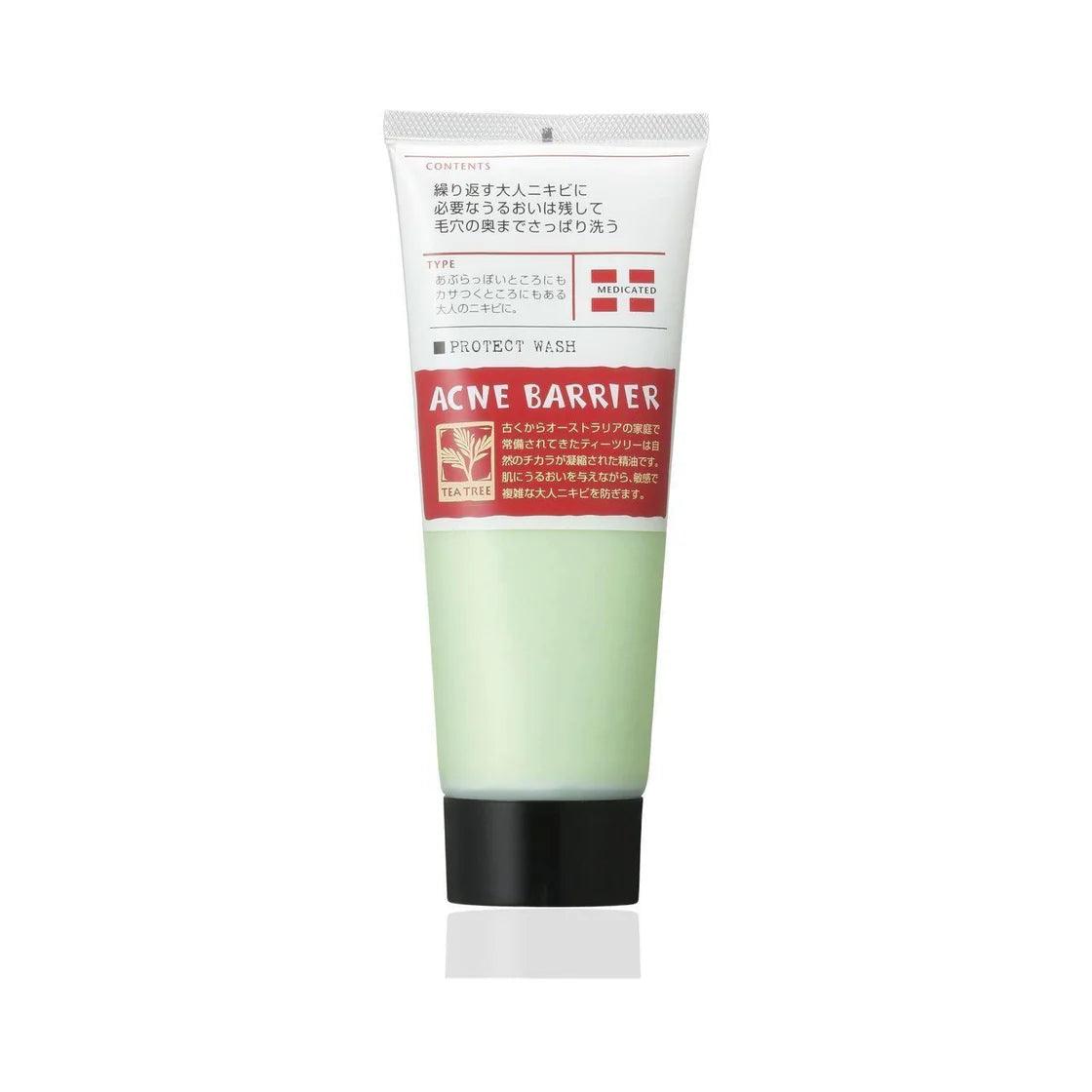
Ishizawa Lab Acne Barrier Protect Face Wash
From the same company behind the popular Keana Nadeshiko pore care line. This face wash combines tea tree oil (antibacterial) with hyaluronic acid (hydrating) so it fights acne without drying you out. The “barrier protect” in the name is accurate: the formula is designed to leave the skin barrier intact, which is important for acne prone skin that’s often already compromised.
Ishizawa
0 retailersSee retailers →
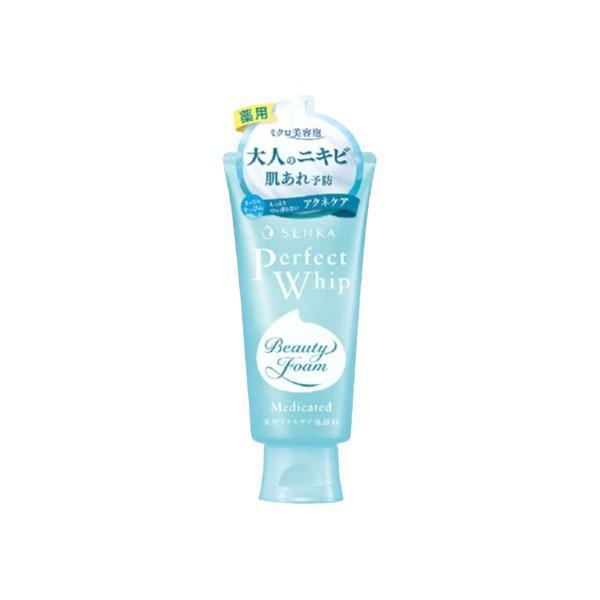
Senka Perfect Whip Acne Care
Shiseido’s Senka line is the Japanese drugstore staple, and the Acne Care version of their famous Perfect Whip formula adds salicylic acid for breakout prevention while keeping the dense, creamy foam texture the line is known for. If you like the original Perfect Whip but need something that addresses acne, this is the variant to pick.
Shiseido
0 retailersSee retailers →
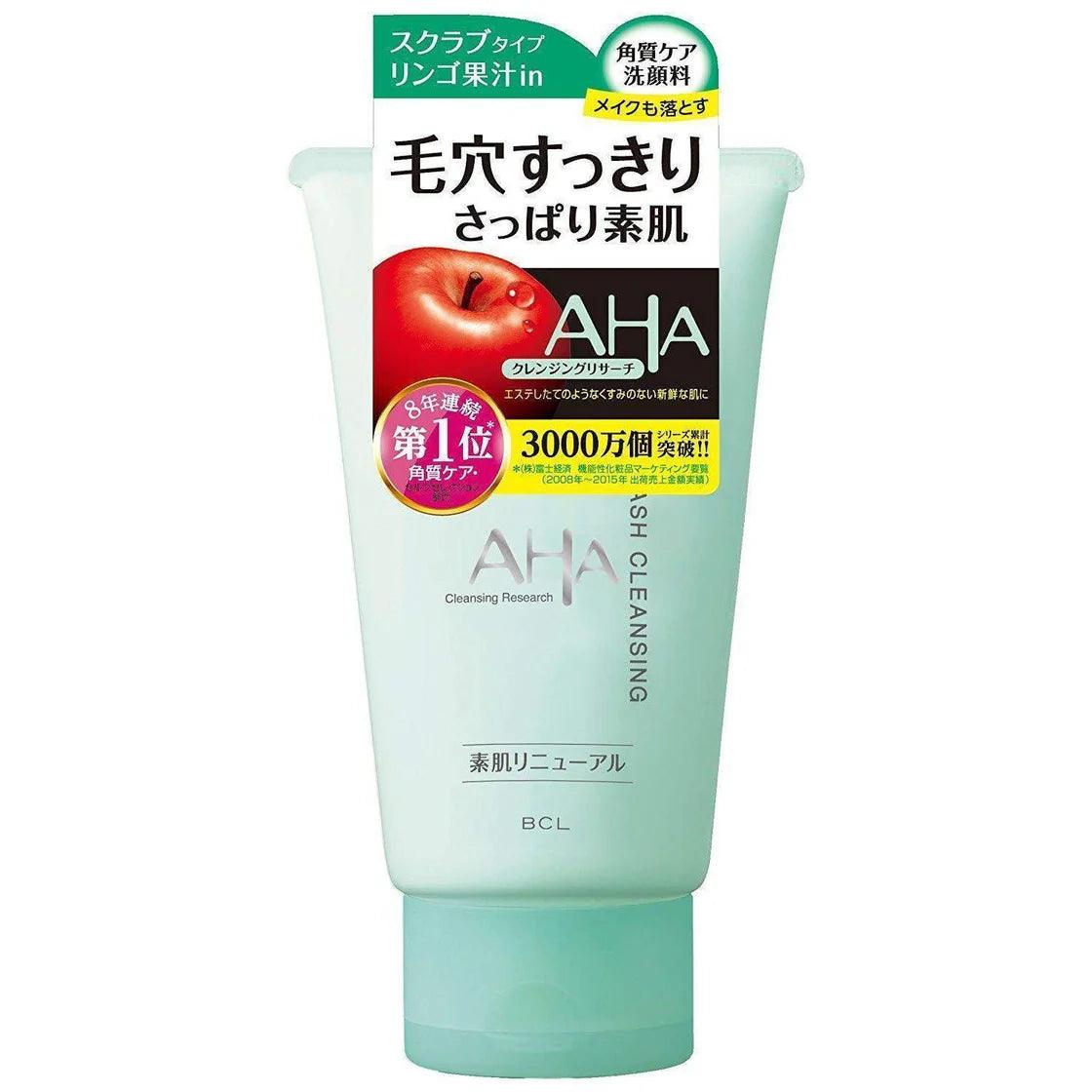
BCL AHA Cleansing Research Wash Cleansing
BCL’s AHA cleanser uses glycolic acid to chemically exfoliate while you wash. It’s a combination cleanser and mild peel in one step. The AHA concentration is moderate enough for regular use (every other day for most people), making it a good option for acne prone skin that also deals with clogged pores and texture issues.
BCL
0 retailersSee retailers →
Best Japanese Powder Cleansers
Powder washes are a Japanese specialty. The enzymes (usually papain from papaya or protease) break down the protein that holds dead skin cells together, giving you a gentle exfoliation without physical scrubbing. They’re excellent for blackheads, rough texture, and dull skin.
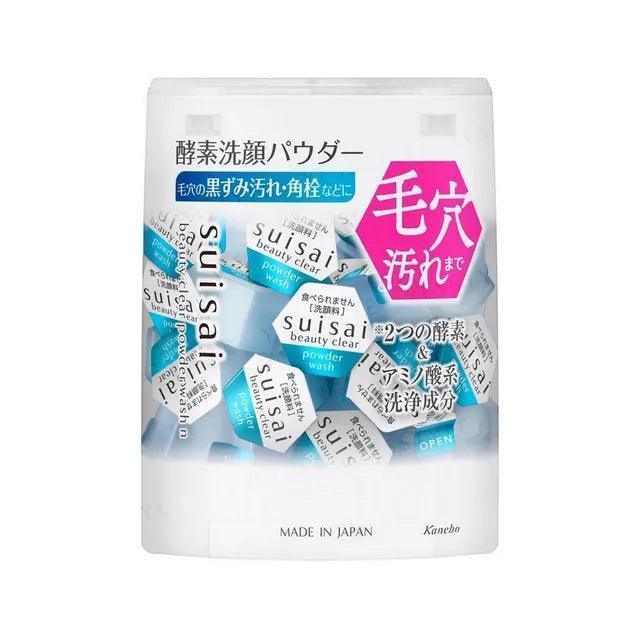
Kanebo Suisai Beauty Clear Powder Wash
The most famous Japanese powder cleanser. Each use comes in an individual capsule, so the enzymes stay fresh until you use them. Contains both protease and lipase enzymes that dissolve the sebum and protein plugs that cause blackheads. The results are visible after the first use for most people: smoother texture and visibly smaller looking pores.
Use 2 to 3 times per week, not daily. The enzymes are effective enough that daily use could lead to over exfoliation.
Kanebo
5 retailersSee retailers →
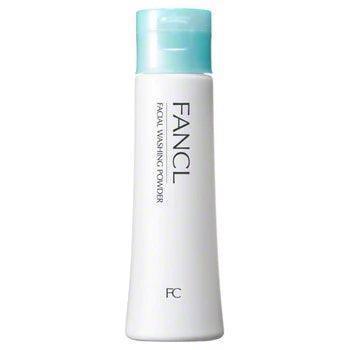
FANCL Facial Washing Powder
FANCL is famous for their preservative free approach to skincare. Their washing powder contains no preservatives, no fragrance, and no artificial colorants. You pour the powder into your palm, add water, and work it into a dense foam. The result is a thorough but gentle cleanse that leaves skin noticeably smoother.
FANCL’s version is gentler than Suisai, making it suitable for more frequent use (every other day) and for people with sensitive skin who want the benefits of powder washing without irritation.
FANCL
1 retailerSee retailers →
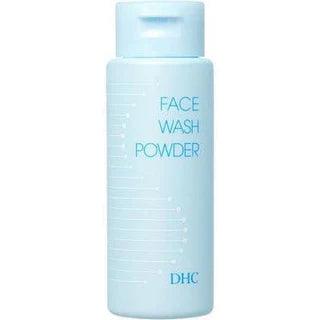
DHC Face Wash Powder
DHC takes a slightly different approach with their powder wash, incorporating olive oil derived ingredients alongside the cleansing powder. The result is a wash that exfoliates and hydrates simultaneously. For more on DHC’s product range, see the DHC guide.
DHC
2 retailersSee retailers →
Obagi C Enzyme Face Wash Powder
Obagi’s version combines vitamin C with enzyme powder for a wash that exfoliates and brightens in one step. The vitamin C is in powder form, which is more stable than liquid vitamin C formulas. Like Suisai, it comes in individual capsules. This is the powder wash to pick if dullness and uneven tone are your primary concerns alongside texture.
Obagi
0 retailersSee retailers →
Best Luxury Japanese Face Wash
If budget isn’t the primary concern and you want the best formulation science Japan has to offer:
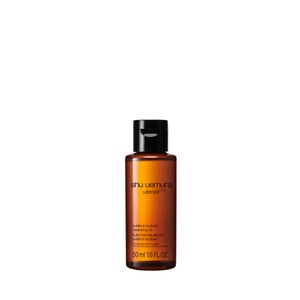
Shu Uemura Ultime8∞ Sublime Beauty Cleansing Oil
Technically a cleansing oil rather than a face wash, but Shu Uemura’s Ultime8 deserves mention because it’s often used as the only cleansing step by people with dry skin. Eight botanical oils that dissolve makeup, sunscreen, and daily grime, then emulsify completely with water for a clean rinse. No residue, no tightness.
For a detailed comparison of Japanese cleansing oils, see the best Japanese cleansing oil guide and DHC vs Shu Uemura comparison.
Shu Uemura
6 retailersSee retailers →
Best Budget Japanese Face Wash (Under $10)
Japanese drugstore face washes are some of the best value in skincare. These are all under $10 at most retailers and perform as well as products costing 3 to 4 times more.
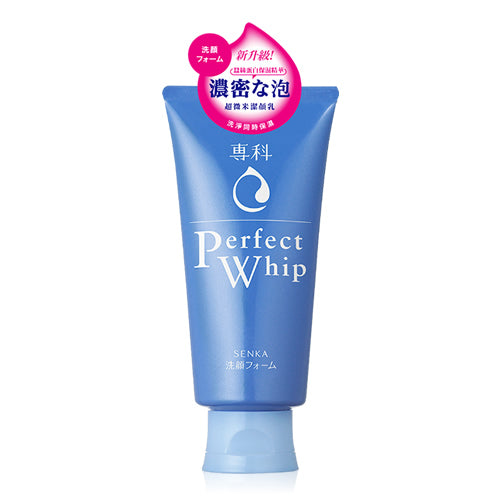
Senka Perfect Whip
The best selling face wash in Japan, period. Senka Perfect Whip creates an incredibly dense, creamy foam that feels luxurious despite the $5 to $8 price tag. The formula contains silk cocoon essence and double hyaluronic acid. It cleans effectively without leaving skin dry.
The one caveat: it’s pH is slightly higher than ideal (around 8 to 9), which bothers some people with sensitive skin. For most skin types, this isn’t an issue, but if you’re particular about low pH cleansers, look at the Hada Labo option instead.
Senka
10 retailersSee retailers →
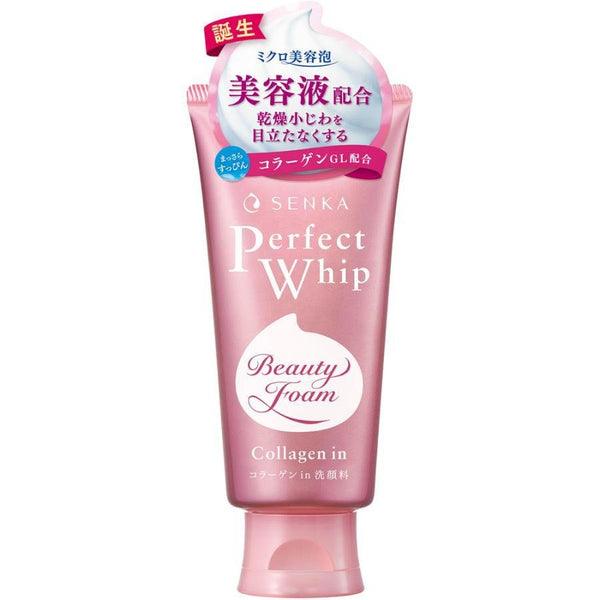
Senka Perfect Whip Collagen
The collagen variant of Perfect Whip adds marine collagen to the formula. The practical difference is subtle: slightly more moisturizing than the original, with a marginally richer foam. If you already like Perfect Whip but want a touch more hydration, this is a worthwhile swap.
Senka
3 retailersSee retailers →
How to Use a Japanese Face Wash in Your Routine
Japanese face washes are the second step in a double cleansing routine.
PM routine:
- Oil cleanser or cleansing balm to dissolve sunscreen and makeup
- Face wash (foam, gel, cream, or powder) to clean the skin itself
AM routine:
- Face wash only (no oil cleanse needed since you didn’t wear makeup overnight)
For a complete walkthrough, see the Japanese skincare routine for beginners. You can also see where face wash fits in a full routine with our routine builder.
Tips for getting the most from your face wash:
- Foam it properly. Japanese foaming cleansers work best with a rich, dense lather. If using a tube type, use a foaming net (available at any Japanese drugstore or online for a couple dollars). Pre foamed pump types skip this step entirely.
- Lukewarm water only. Hot water strips oils and damages the barrier. Cool to lukewarm is the standard in Japanese skincare.
- 60 seconds maximum. You don’t need to massage cleanser into your face for minutes. Gentle circles for 30 to 60 seconds, then rinse.
- Pat dry, don’t rub. Rubbing with a towel creates friction and irritation. Pat gently.
FAQ
What pH should a Japanese face wash be?
Healthy skin has a pH around 4.5 to 5.5. Ideally, your face wash should be in a similar range (pH 5 to 6) to avoid disrupting the acid mantle. Most Japanese cleansers fall in this range, with notable exceptions like Senka Perfect Whip (pH ~8 to 9). If your skin is sensitive, check the pH. For most people, it’s not something worth obsessing over.
Can I use a Japanese face wash if I have rosacea?
Yes, but choose carefully. Avoid anything with fragrance, essential oils, or strong surfactants. Cow Brand Foaming Cleanser and d program Cleansing Foam are the safest options, both are formulated for hyper sensitive skin. Start once daily (PM only) and use plain water in the morning.
Are Japanese face washes better than Korean ones?
Different, not better. Japanese cleansers tend to emphasize simplicity and barrier protection. Korean cleansers lean more toward active ingredients (tea tree, centella, snail mucin). If your priority is a minimal, gentle cleanse, Japanese options tend to fit that mold. If you want your cleanser to deliver treatment benefits, Korean options offer more variety.
How often should I use a powder face wash?
Two to three times per week for most people. Enzyme powders are exfoliating, so daily use can lead to over exfoliation (redness, tightness, increased sensitivity). Start with twice a week and increase only if your skin tolerates it well.
Do I need a different face wash for morning and night?
Not necessarily. Most people use the same face wash for both. The exception: if you use a very gentle cleanser (like Minon Amino Moist) at night after oil cleansing, you might want something with slightly more cleansing power. But for the majority of routines, one face wash covers both.