Japanese beauty explained
Japanese Skincare for Teens: Gentle Routines That Work
Quick Takeaway
- Three steps are enough: gentle cleanser, lightweight hydrating toner, and sunscreen. No harsh actives needed.
- Cleanser: Cow Brand Foaming Cleanser or Hada Labo Gokujyun Foaming Cleanser. Low pH, no stripping.
- Toner: Hada Labo Gokujyun Lotion Moist. Lightweight hydration that doesn’t feel greasy.
- Sunscreen: Biore UV Aqua Rich Watery Essence or Skin Aqua Super Moisture Gel. SPF50+ that feels like nothing.
Most Western teen skincare advice follows the same playbook: benzoyl peroxide, salicylic acid, maybe a retinoid if things get serious. It treats teen skin like a problem to fix with the strongest ingredients available.
Japanese skincare takes a completely different approach. Instead of stripping and treating, the focus is on keeping the skin barrier healthy with gentle cleansing, lightweight hydration, and daily sun protection. For teen skin that’s still developing and often more reactive than it needs to be, this philosophy works.
This guide covers what a realistic Japanese skincare routine looks like for teens, which products to start with, and how to handle acne without going overboard. If you’re new to Japanese skincare entirely, our beginner’s routine guide covers the fundamentals.
Why Japanese Skincare Works for Teen Skin
Teen skin has a few things going for it that most adults would love: faster cell turnover, more natural collagen production, and generally better hydration capacity. The issue is that hormonal changes during puberty increase sebum production, which can lead to clogged pores and breakouts.
The typical Western response is to throw harsh actives at the problem. Benzoyl peroxide dries out the skin. Strong AHAs strip the moisture barrier. Retinoids are powerful but cause irritation that most teens won’t manage properly. The result is often a cycle: harsh product → irritation → overproduction of oil → more breakouts → even harsher product.
Japanese skincare sidesteps this entirely. The formulation philosophy prioritizes:
Gentle cleansing over deep stripping. Japanese cleansers tend to be low pH, foam based, and designed to remove dirt and sunscreen without destroying the skin’s natural moisture. No squeaky clean feeling, because that feeling means your barrier just took damage.
Hydration as the foundation. Instead of heavy creams, Japanese routines use lightweight “lotions” (what the West calls toners) that layer thin, watery hydration onto the skin. For teens who hate anything that feels greasy, this is ideal.
Sun protection as a daily essential. Japanese sunscreens are famously lightweight and cosmetically elegant. Many chemical filter formulas leave minimal to no white cast. They’re easier to get teens to wear every day, which matters more than any treatment product.
Minimal actives. Instead of piling on retinoids and chemical exfoliants, Japanese teen skincare keeps actives targeted and mild. If you need something for acne spots, you use it as a spot treatment, not a whole face routine.
The 3 Step Starter Routine
If you’re a teen (or a parent buying for one), start here. Three steps, every day, done in under five minutes.
Step 1: Gentle Cleanser
Wash your face once in the morning and once at night. Use lukewarm water and a gentle foaming cleanser. Don’t scrub. Foam up the product in your hands first, then press the foam onto your face and let it do the work.
The goal is to remove excess oil, sweat, and sunscreen without stripping. If your skin feels tight after washing, your cleanser is too harsh.
Step 2: Hydrating Lotion (Toner)
Right after cleansing, while your skin is still slightly damp, apply a Japanese lotion. This is not an astringent toner that burns. It’s a thin, watery layer of hydration that preps your skin and helps it stay balanced.
Pour a small amount into your palms, press it gently onto your face, and let it absorb. You can do two layers if your skin feels dry. This step replaces heavy moisturizer for most teens, since teen skin generally doesn’t need thick creams. If the lotion concept is confusing (it is for most people), see How to Use Japanese Lotion.
Step 3: Sunscreen (Morning Only)
Every morning, apply sunscreen as your last step. Japanese sunscreens feel like lightweight moisturizers, so this doubles as your daytime moisturizer. No excuse to skip it, even on cloudy days, even if you’re just going to school.
That’s it. Cleanser, lotion, sunscreen. If your skin is doing fine with this routine, you don’t need to add anything else.
Best Japanese Face Washes for Teens
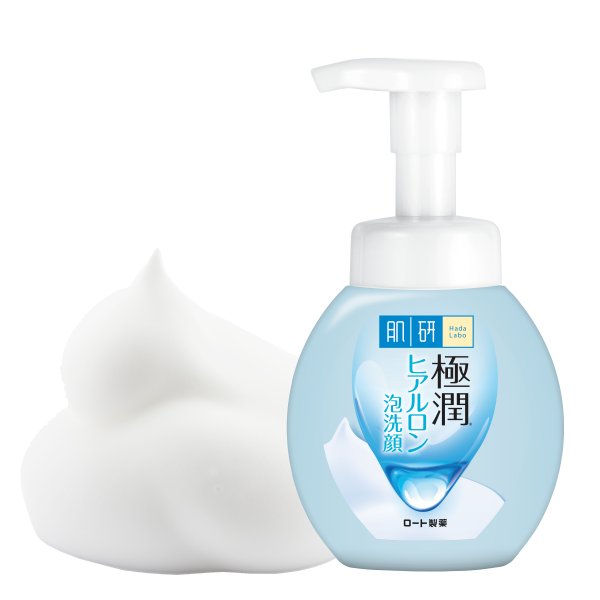
Hada Labo Gokujyun Hyaluronic Acid Foaming Cleanser
The top pick for most teens. It dispenses as a ready made foam, so there’s zero chance of over scrubbing with too much product. The formula contains hyaluronic acid, which helps the skin retain moisture even as you cleanse. pH balanced and free of fragrance, alcohol, and colorants. If you want one cleanser and don’t want to think about it, this is the one.
Hada Labo
7 retailersSee retailers →
Curel Sebum Trouble Care Foaming Wash
If your skin is oily, breakout prone, and also sensitive (a common teen combination), Curel’s Sebum Care line is designed exactly for this. The foaming wash manages excess oil without disrupting ceramides in the skin barrier. Curel is a pharmaceutical skincare brand developed by Kao, and their products are tested on sensitive skin. Good choice for teens who react badly to most acne cleansers.
Curel
1 retailerSee retailers →
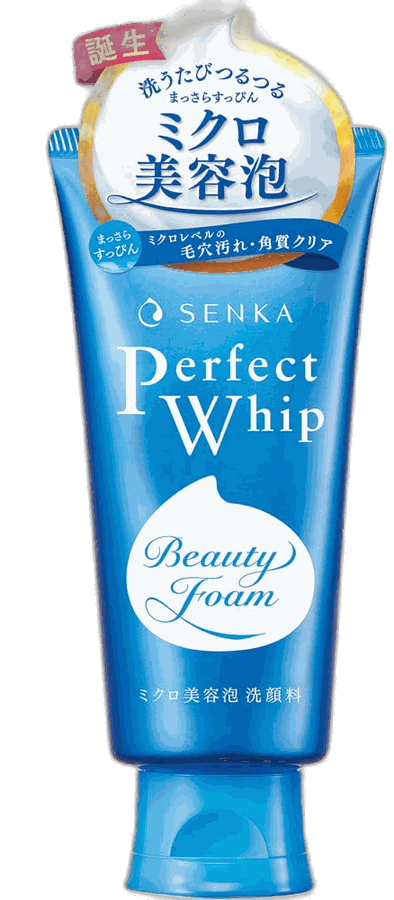
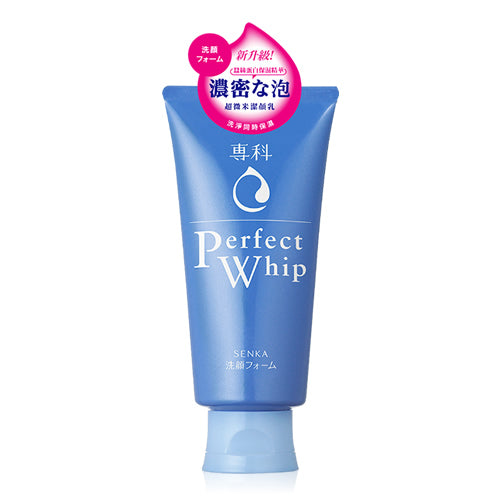
Shiseido Senka Perfect Whip
One of the bestselling face washes in Japan across all age groups. It creates a dense, cushiony foam that feels satisfying to use, which helps teens enjoy the cleansing step. Contains sericin, a silk derived moisturizing ingredient. It’s affordable and widely available outside Japan. The caveat: it has a high pH (around 8 to 9, well above skin neutral), so if your skin is dry or sensitive, the Hada Labo foaming cleanser is a safer bet.
Senka
10 retailersSee retailers →
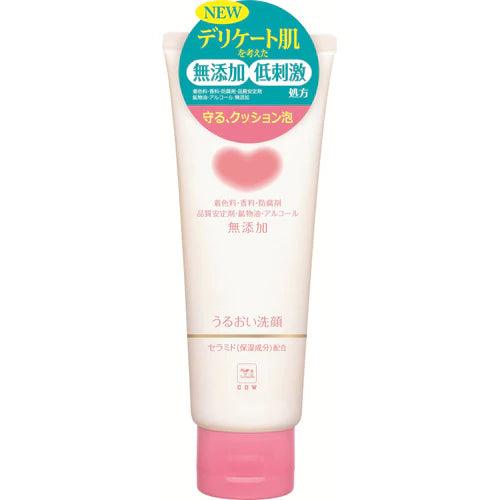
Cow Brand Foaming Cleanser
The no frills option. Cow Brand’s Mutenka (additive free) line strips out fragrance, colorants, mineral oil, and alcohol. It’s as basic as a cleanser gets, which is exactly why it works for teens who are starting from scratch or whose skin reacts to everything. Frequently recommended on r/AsianBeauty for tweens and young teens.
Cow Brand
1 retailerSee retailers →
Freeplus Mild Soap A
From Kanebo’s sensitive skin line, this one is formulated with minimal ingredients and designed for skin that can’t tolerate much. If your teen has eczema prone or extremely reactive skin, Freeplus is worth trying. It’s gentle enough for daily use and doesn’t leave residue.
Freeplus (Kanebo)
0 retailersSee retailers →
Best Japanese Sunscreens for Teens
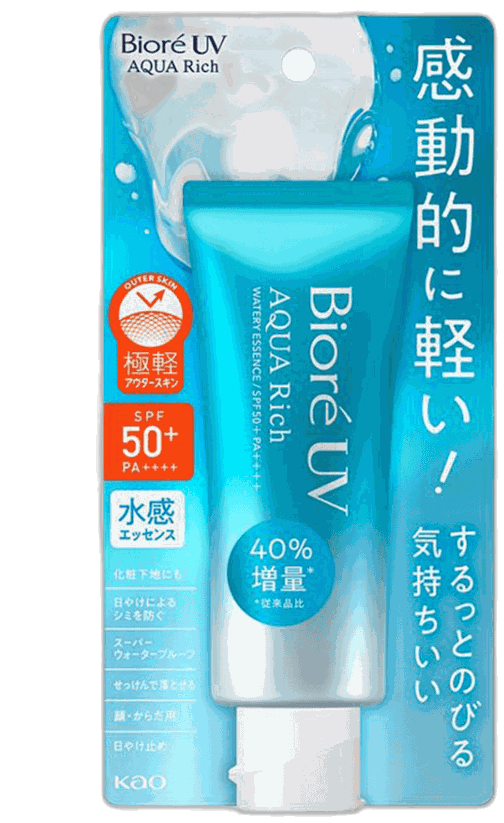
Biore UV Aqua Rich Watery Essence SPF50+/PA++++ (Japanese Version)
The classic recommendation and for good reason. It goes on like a lightweight moisturizer, absorbs quickly, and leaves minimal white cast on most skin tones. SPF50+ PA++++ protection. It also works well under makeup for teens who wear it. Important: the Japanese version and the US version of Biore sunscreen are completely different formulations. The Japanese version is the one you want.

Biore
10 retailersSee retailers →
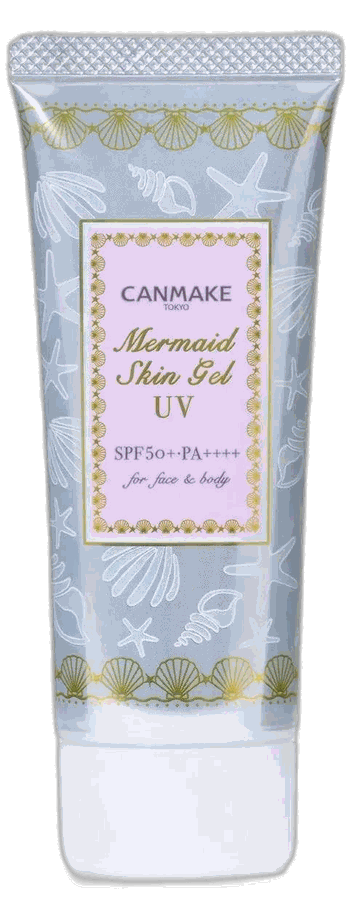
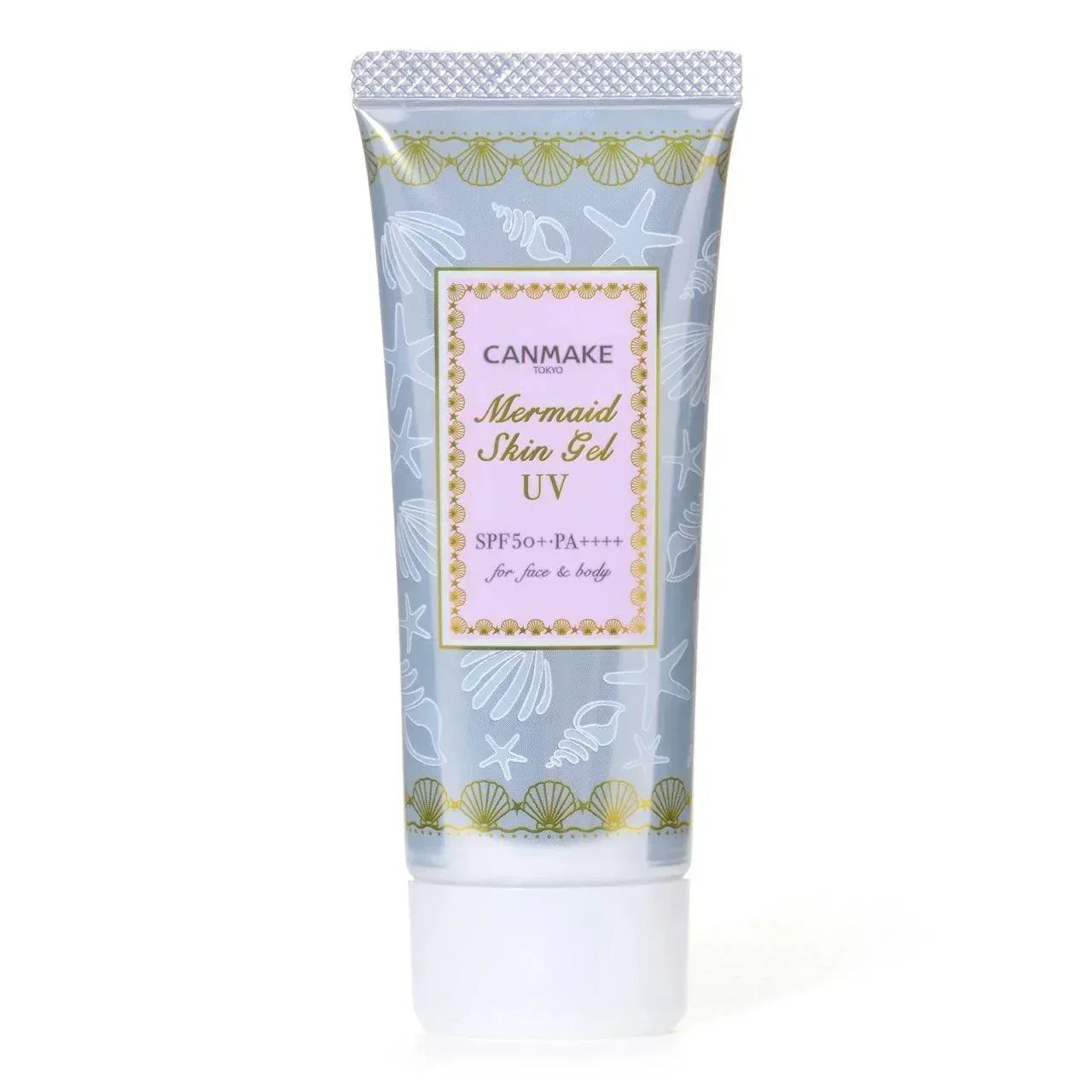
Canmake Mermaid Skin Gel UV SPF50+/PA++++
A cult favorite that doubles as a makeup primer. It has a slightly dewy finish and a hint of tone up effect that evens out skin. Great for teens who want their sunscreen to do more than just protect. The tube is small and affordable, making it easy to throw in a school bag. Canmake is one of Japan’s most popular teen makeup brands, so the packaging and experience feel age appropriate.
Canmake
8 retailersSee retailers →
Skin Aqua Tone Up UV Essence SPF50+/PA++++
The budget king. Skin Aqua consistently ranks among the most affordable Japanese sunscreens with high protection ratings. The Tone Up version adds a subtle lavender tint that brightens the complexion without looking unnatural. It comes in a generous 80g tube that lasts a while, which matters when you’re applying daily.

Rohto
8 retailersSee retailers →
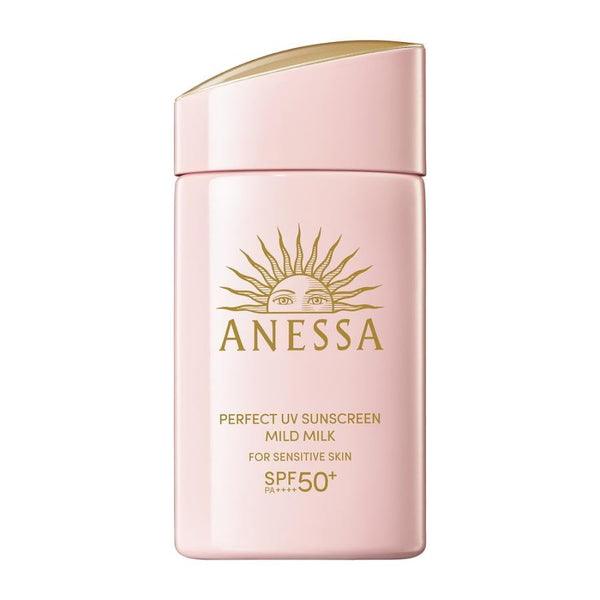
Anessa Perfect UV Sunscreen Mild Milk SPF50+ PA++++
For outdoor activities, sports, and any situation where a teen is sweating. Anessa’s Mild Milk is formulated for sensitive skin but provides serious water resistant protection. It’s more expensive than the other options on this list, but it holds up during PE class, sports practice, and beach days when lighter sunscreens would wash off. Anessa (Shiseido) is Shiseido’s dedicated sun care brand, and this is their sensitive skin line.
Anessa (Shiseido)
4 retailersSee retailers →
Skin Aqua UV Super Moisture Gel SPF50+/PA++++
If your teen hates the feel of sunscreen, try this one. The gel texture is so light it genuinely feels like applying water. It’s the least sunscreen feeling sunscreen on this list, which makes it easier to convince reluctant teens to wear it daily. Large 110g size keeps the cost per use very low.

Skin Aqua
6 retailersSee retailers →
Japanese Products for Teen Acne
Before reaching for acne treatments: make sure the basic routine is solid first. Many teen breakouts improve just from switching to a gentle cleanser, staying hydrated, and wearing sunscreen. Give the basics at least 4 to 6 weeks before adding treatment products.
If breakouts persist, here are targeted Japanese options that don’t require a prescription and won’t wreck the skin barrier.
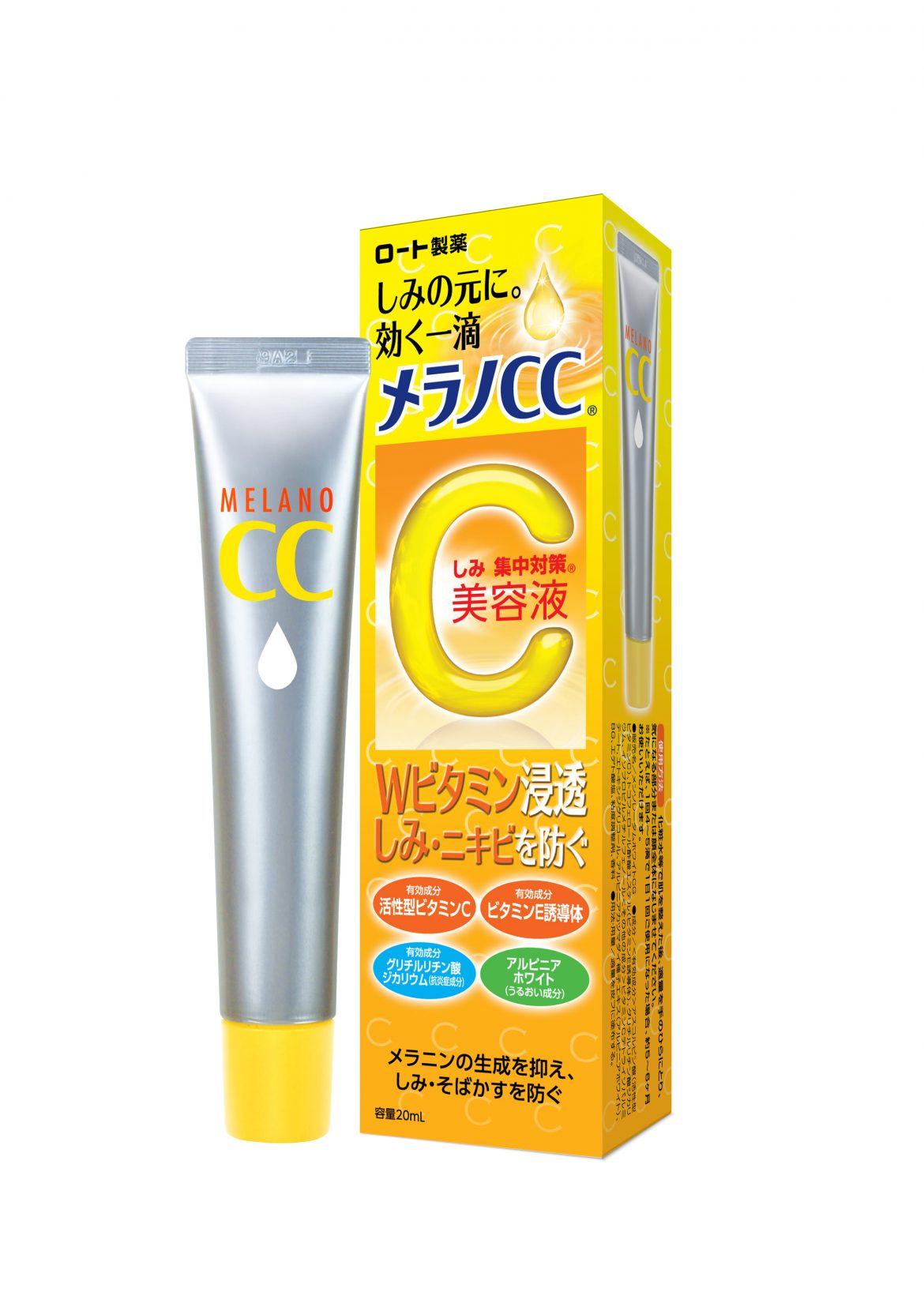
Melano CC Intensive Measures Essence
Japan’s most popular vitamin C product, and for good reason. This is a lightweight essence with ascorbic acid (pure vitamin C) and vitamin E that targets dark spots left behind by acne (post inflammatory hyperpigmentation). For teens, the real value is fading those red and brown marks that linger after a breakout heals. Apply a few drops to affected areas after your lotion step. It’s not an acne treatment per se, but it addresses the aftermath, which is often what bothers teens most.
For a deeper look at how to use it: Melano CC: The Complete Guide.
Rohto
3 retailersSee retailers →
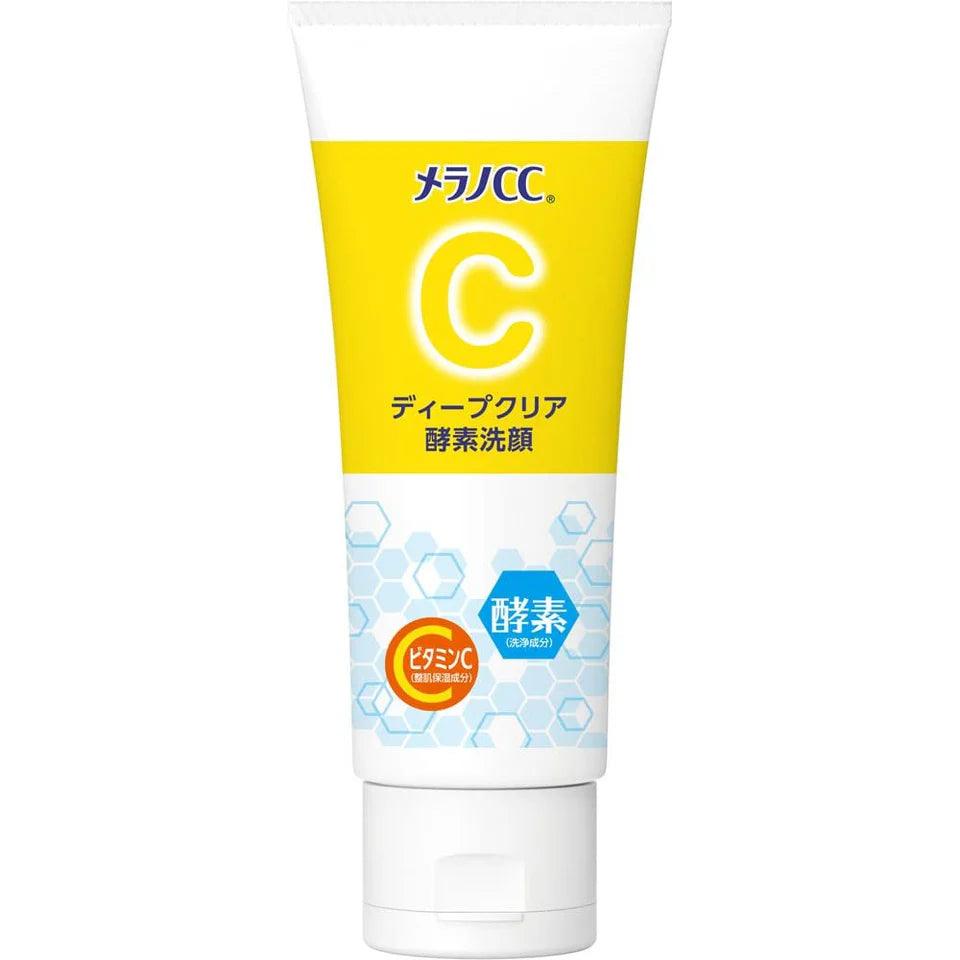
Melano CC Deep Clear Enzyme Face Wash
If clogged pores and blackheads are the main concern, this enzyme based cleanser dissolves the protein plugs in pores without physical scrubbing or chemical acids. Use it 2 to 3 times per week in place of your regular cleanser, not daily. It’s much gentler than a typical salicylic acid wash while still targeting the root cause of blackheads and whiteheads.
Rohto
1 retailerSee retailers →
Hada Labo Gokujyun Trouble Care Skin Conditioning Lotion
Hada Labo’s version of their classic lotion, reformulated with ingredients that target blemish prone skin. It still delivers the hydration the line is known for, but adds anti inflammatory components. A good swap for teens whose skin is both oily and breaking out, since it hydrates without feeling heavy while calming irritation.
Hada Labo
1 retailerSee retailers →
What About Benzoyl Peroxide and Salicylic Acid?
Japanese skincare doesn’t rely on these ingredients the way Western acne products do. That doesn’t mean they’re bad. If your dermatologist prescribes them, use them. But if you’re choosing over the counter products on your own, starting with gentler Japanese options is a reasonable first step. Many teens find their acne improves just from not stripping their skin barrier with harsh cleansers and drying treatments.
Building Up: When to Add More Steps
The 3 step routine is enough for most teens. But as you get comfortable and understand your skin better, here are the next products to consider, in order of priority.
Moisturizer (if the lotion isn’t enough). Some teens, especially those in dry climates or with naturally dry skin, need a layer on top of their lotion. Japanese options include:
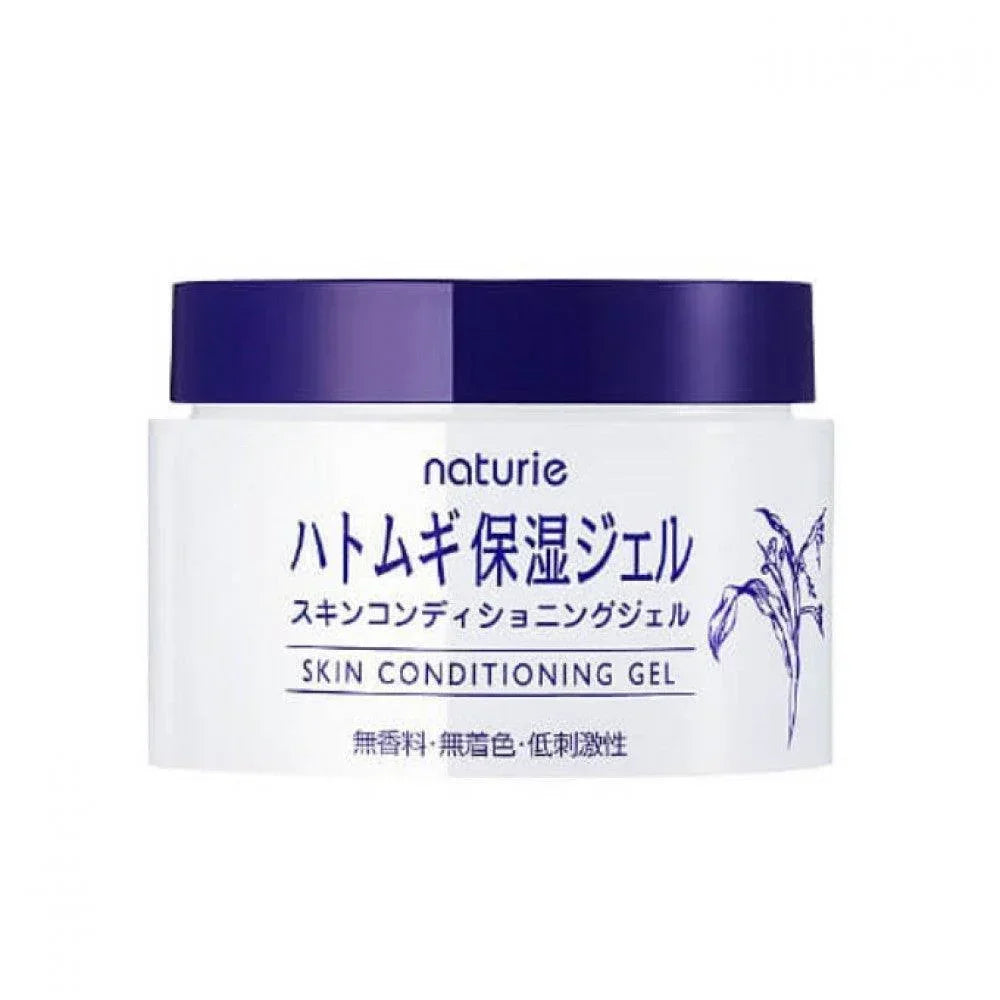
- Naturie Hatomugi Skin Conditioning Gel is an extremely lightweight gel moisturizer that costs almost nothing. It’s a good add on for teens who need a bit more hydration but don’t want anything heavy.
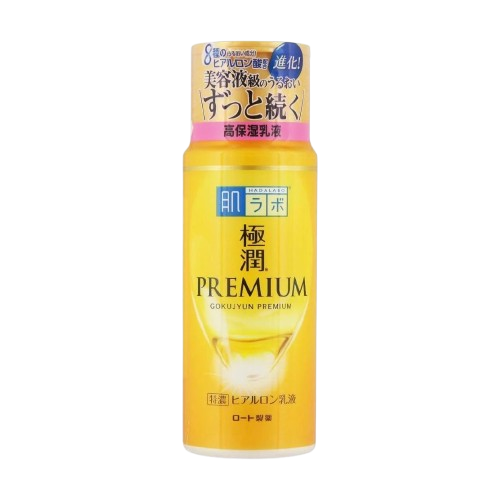
- Hada Labo Gokujyun Premium Milky Lotion is a step up in hydration, still lightweight, with multiple types of hyaluronic acid. It sits between a lotion and a cream in texture.
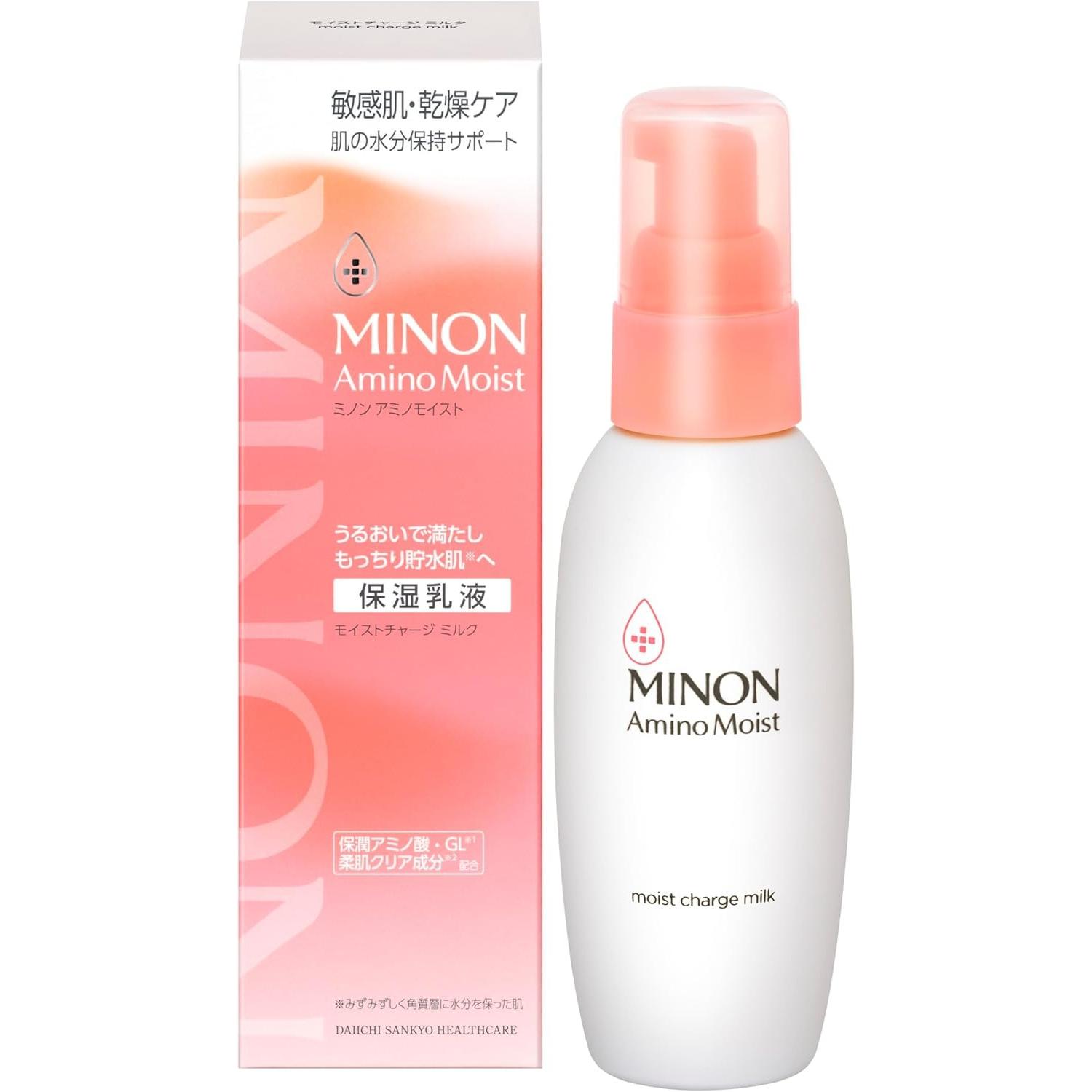
- Minon Amino Moist Charge Milk is the pick for sensitive or dry skin teens. The amino acid based formula is gentle and nourishing without clogging pores.
Double cleansing (if wearing sunscreen daily). Once you’re wearing sunscreen every day, adding an oil cleanser as a first step in the evening helps remove it completely. This isn’t about “deep cleaning.” It’s about making sure sunscreen and any makeup residue are fully dissolved before your foaming cleanser step. See How to Double Cleanse for a full guide.
Spot treatment (for active breakouts only). Apply Melano CC Premium Brightening Essence or the original Melano CC Essence to individual spots after your lotion. Don’t apply it all over unless you’re targeting widespread post acne marks.
Budget Friendly Japanese Skincare Under $15
One of the biggest advantages of Japanese drugstore skincare: it’s genuinely affordable. Here are the best teen friendly picks that keep an entire routine under budget.
| Product | Type | Typical US Price |
|---|---|---|
| Hada Labo Gokujyun Hyaluronic Acid Foaming Cleanser | Cleanser | $9 to $12 |
| Naturie Hatomugi Skin Conditioner | Toner/Lotion | $8 to $12 (500ml) |
| Skin Aqua UV Super Moisture Gel SPF50+/PA++++ | Sunscreen | $9 to $13 (110g) |
| Cow Brand Foaming Cleanser | Cleanser | $7 to $10 |
| Canmake Mermaid Skin Gel UV SPF50+/PA++++ | Sunscreen | $10 to $13 |
| Melano CC Intensive Measures Essence | Vitamin C Spot | $10 to $14 |
| Hada Labo Gokujyun Hyaluronic Lotion Moist | Toner/Lotion | $10 to $14 |
A basic 3 step routine (cleanser + lotion + sunscreen) can be built for around $30 total and will last 2 to 3 months.
For more budget shopping, see Where to buy Japanese Skincare outside Japan.
FAQ
What age should teens start a skincare routine?
There’s no strict age cutoff. Once puberty starts and skin begins to get oilier (usually around 11 to 13), it’s a good time to introduce a basic cleanser and sunscreen. The key is keeping it simple. A young teen doesn’t need serums, essences, or treatment products. Cleanser, hydration, sunscreen. That’s enough until the skin signals otherwise.
Can teens use retinol or AHAs?
They can, but they usually don’t need to. Retinol and AHAs are most useful for concerns that develop later, like fine lines, sun damage, and stubborn texture issues. Teen skin has fast natural cell turnover already. Adding chemical exfoliants on top of that often causes more irritation than improvement. If a dermatologist recommends a specific retinoid for severe acne, follow their guidance. For over the counter routines, gentler options work.
Is the Japanese version of a product better than the US version?
Sometimes, yes. The most notable example is Biore sunscreen, where the Japanese and US formulations are completely different. Japanese formulations often use newer UV filters that aren’t yet approved by the FDA, resulting in lighter textures and better protection. That said, not every Japanese product has a US counterpart, and many Japanese drugstore products are only available through specialty retailers or import shops. Check Where to Buy Japanese Skincare in the US for trusted sources.
My teen has severe acne. Should I still try Japanese skincare?
If the acne is severe (widespread, painful, cystic), see a dermatologist first. Japanese skincare products are excellent for mild to moderate acne, daily maintenance, and supporting a prescription treatment routine. They’re not a replacement for medical treatment when it’s needed. Many dermatologists recommend using gentle, barrier supportive products alongside prescriptions, because it reduces the irritation that treatments like tretinoin and benzoyl peroxide cause.
How do I know if a product is the real Japanese version?
Look for Japanese text on the packaging, check the origin country (it should say Japan), and buy from reputable retailers. If you’re buying on Amazon, check the seller carefully. Third party sellers sometimes ship expired or counterfeit products. Specialty Japanese beauty retailers tend to be more reliable for authentic products.