Japanese beauty explained
Is Japanese Skincare on Amazon Fake? What You Actually Need to Know
This question comes up constantly in the skincare community. Someone buys Hada Labo or Biore or Melano CC on Amazon, and something feels off. The packaging looks slightly different. The texture isn’t right. It broke them out when the same product from another retailer didn’t. They post about it on Reddit, and suddenly there are hundreds of comments from people with similar experiences.
So is Japanese skincare on Amazon fake? The honest answer: sometimes. But the problem is more nuanced than most people think, and understanding what’s actually going on helps you make smarter buying decisions instead of just panicking.
What’s Actually Happening
There’s a lot of fear around Amazon’s “commingling” system, where products from different sellers supposedly get mixed together in the same warehouse bins. This used to be a well known concern. Many people in the skincare community say Amazon has since changed this policy for skincare categories, and Amazon’s seller guidelines do suggest certain product types are no longer eligible for commingled inventory. But policies can change, and enforcement is hard to verify from the outside.
Either way, commingling isn’t really the main issue anymore. The actual problems are:
Third party sellers with questionable sourcing. Anyone can become an Amazon seller and list Japanese skincare products. Some are legitimate importers. Others source products through gray market channels where storage conditions and authenticity can’t be verified.
Expired products. Even if a product is authentic, it may have been sitting in a warehouse or going through multiple hands for months (or years) before reaching you. Japanese skincare products have manufacturing dates, and freshness matters. For help reading batch codes and checking dates, see the Japanese skincare expiration date guide.
Old formulations sold as current. Japanese brands update their formulas regularly (Biore reformulates almost every year). A seller might be selling last year’s version, or even older stock, while the listing shows the current version.
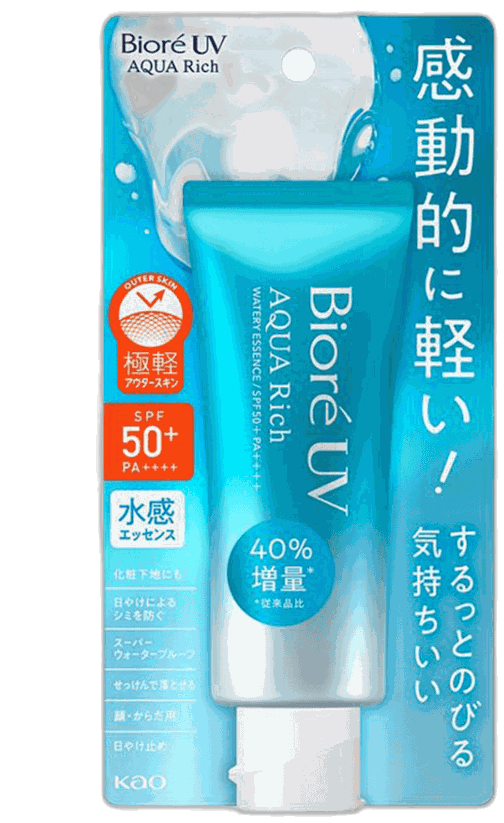
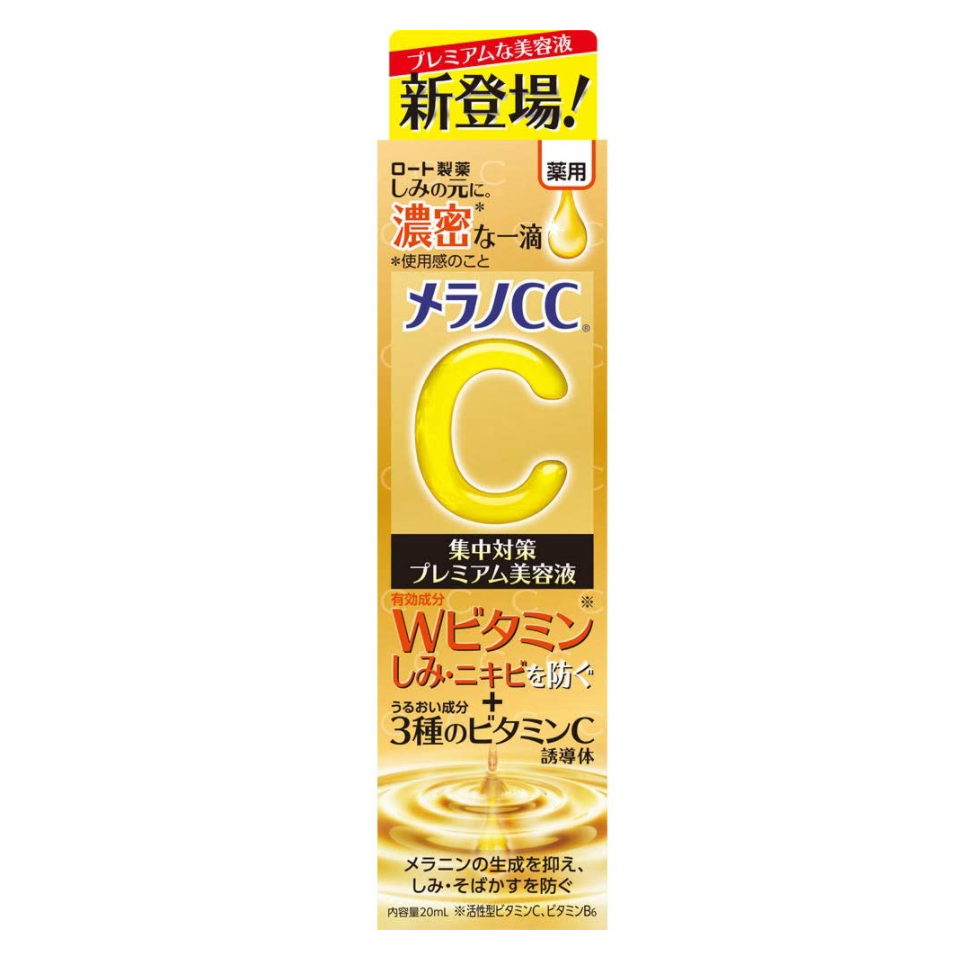
Actual counterfeits. For the most popular products (Hada Labo Gokujyun, Biore UV Aqua Rich, Melano CC), counterfeiting does happen. These are cheap products with massive demand, which makes them targets.
How to Spot Potential Problems
Some practical things to check, based on advice from dermatologists, the WIRED counterfeit guide, and the skincare community:
Check the seller
This is the single most important step. On any Amazon product page, look at who is actually selling it.
- “Ships from and sold by Amazon.com” is generally the safest option
- Official brand stores (like Shiseido’s Amazon storefront) selling US formula products are reliable
- Third party sellers require more scrutiny. Click through to their storefront. If it’s empty, has a random string of letters as a name, or has no presence outside Amazon, that’s a red flag
Check the reviews carefully
Look specifically for reviews that mention:
- Packaging differences from previous purchases
- Different texture, smell, or color than expected
- Broken or missing seals
- Products that caused reactions when the same product from another source didn’t
A product with thousands of positive reviews can still have a counterfeit problem if multiple sellers are listing under the same product page.
Inspect the product when it arrives
- Compare the packaging to official product photos on the brand’s website (Japanese brand sites often have detailed product images)
- Check for batch codes or manufacturing dates. Japanese products typically have these printed on the packaging. If they’re missing, smudged, or look printed differently than usual, be cautious
- Compare the texture and scent to a known authentic product if you have one
Watch for pricing that doesn’t make sense
Japanese drugstore products are affordable, but there’s a floor. If a product that normally costs $10 to $15 from specialty retailers is being sold for $4 on Amazon, something is off. The product still has to be manufactured, shipped from Japan, and imported. Prices significantly below normal range are a signal.
When Amazon Is Fine
It’s not all bad. There are situations where Amazon is a perfectly reasonable place to buy Japanese skincare:
- US formulation products from official brand stores. Bioré US, Shiseido US, and other brands with authorized Amazon storefronts sell their US market products directly. These are authentic.
- Products sold by Amazon directly for items with established US distribution
- Well known, highly rated third party sellers who specialize in Japanese beauty and have years of consistent positive reviews
The community has a saying that captures it well: the bigger the risk, the more popular the product. Obscure Japanese products that barely anyone searches for are unlikely to be counterfeited. But the top sellers (Biore Watery Essence, Hada Labo Premium Lotion, Melano CC) are the ones most likely to have issues.
Alternatives Worth Knowing About
If the Amazon uncertainty isn’t worth the stress, there are plenty of other options for buying Japanese skincare. Specialty J beauty retailers vet their products and focus specifically on this niche, and none of them have the marketplace/third party seller dynamic that creates authenticity concerns on Amazon.
Ships from the US (fast delivery):
- iHerb — Free shipping on $20+, 2 to 5 day delivery. Smaller selection but reliable for popular products.
- Senti Senti — Ships from NYC, 2 to 7 days. The former oo35mm, a community favorite since 2009.
- TokTok Beauty — 190+ Japanese products, ships from California in 1 to 5 days.
- Takashima Shop — 250+ Japanese products, ships from California. Free shipping on $39+.
- Kiyoko — Ships from Canada, 4 to 8 days to the US. 4.6 on Trustpilot.
Ships from Japan/Asia (wider selection):
- YesStyle — Big range of Japanese and Korean beauty. Free express shipping on $49+.
- Alphabeauty — Community favorite for Japanese imports. Affordable shipping.
- Takaski — Ships from Tokyo with free worldwide shipping.
Brand direct (guaranteed authentic): SK-II, Shiseido, DHC, Canmake USA
For the full breakdown with return policies, shipping speeds, and trust scores across 50+ retailers, see Where to buy Japanese Skincare outside Japan.
Related: Where to buy Japanese Skincare outside Japan · Best Japanese Skincare Brands
FAQ
Is Hada Labo on Amazon authentic?
It depends on the seller. There’s no official Hada Labo store on Amazon US, so all Hada Labo products come from third party sellers. Some are legitimate importers, others are not. For Hada Labo specifically, specialty J beauty retailers are a more reliable option.
Is the Biore on Amazon the Japanese version?
Usually not. The Biore products most commonly found on Amazon US are the US formulation, which is a different product from the Japanese Biore UV Aqua Rich. If you want the Japanese version, check whether the seller is importing it from Japan, and verify through the packaging and ingredient list.
Can you return fake products to Amazon?
Yes. Amazon has a counterfeit return policy. If you suspect a product is fake, you can return it for a full refund. You can also report the seller and leave a review to help other shoppers.
Has Amazon fixed the commingling problem?
Many in the skincare community say Amazon changed its commingling policy for skincare categories, and the seller guidelines do suggest as much. But it’s hard to verify how consistently this is enforced. Regardless, third party seller quality and sourcing are where most current issues come from, not commingling specifically.
How do Japanese products usually indicate authenticity?
Japanese products typically have manufacturing dates (not just expiration dates), lot/batch codes, and consistent packaging quality. Many brands print production information in Japanese on the packaging. If you’re familiar with the authentic version, differences in print quality, font, or packaging material are usually noticeable.