Japanese beauty explained
Do Japanese Skincare Products Expire? How to Check Dates, Batch Codes, and Shelf Life
You just bought a Hada Labo lotion from a Japanese retailer, flipped it over to check the expiration date, and found… nothing. No date. No “best by.” Just a string of letters and numbers that could mean anything.
You’re not missing it. Most Japanese skincare products don’t print expiration dates at all. This is normal, regulated, and not a sign of a sketchy product. But it does leave you with a reasonable question: how do you know if it’s still good?
This guide covers the regulation behind the missing dates, how to read batch codes for specific Japanese brands, which online tools can help decode them, and how to tell when a product has genuinely gone bad. For a broader guide to reading all Japanese skincare packaging, including product types, ingredients, and usage instructions, see our label reading guide.
Why Japanese Products Don’t Print Expiration Dates
Japan’s Ministry of Health, Labour and Welfare (MHLW) regulates cosmetics under the Pharmaceutical and Medical Devices Act (formerly the Pharmaceutical Affairs Law). Under these rules, manufacturers are not required to print an expiration date if the unopened product remains safe and stable for at least three years from the date of manufacture, stored under normal conditions.
Since the vast majority of Japanese skincare products meet that three year threshold, most brands simply don’t include a date. It’s not an oversight. It’s the standard.
For context, the EU takes a similar approach: expiration dates are only required if shelf life is under 30 months. The US has no federal requirement for cosmetic expiration dates at all.
The three year rule applies to unopened products stored properly. Once you open a product, different timelines apply.
The Three Year Shelf Life and Period After Opening
Two timelines matter for any skincare product: how long it lasts sealed, and how long it lasts after you open it.
Unopened shelf life: Most Japanese cosmetics are formulated to remain stable for at least three years unopened. This is the baseline that allows brands to skip printing a date. Products stored in a cool, dry place away from direct sunlight will generally stay within that window.
Period after opening (PAO): This is where things get more specific. Japan doesn’t use the open jar PAO symbol common in European products. Instead, most brands provide PAO guidance on their websites or through customer service. General guidelines by product type:
- Toners and serums: 3 to 6 months
- Moisturizing creams: 6 months
- Cleansing oils: up to 1 year
- Sunscreens: 3 to 6 months (especially important since UV filters degrade)
- Liquid foundation and concealer: 6 to 12 months
- Mascara and liquid eyeliner: 2 to 3 months
- Lipstick: 6 to 12 months
These are conservative estimates. Products may still be fine after these windows, but stability and efficacy aren’t guaranteed beyond them.
Samples have shorter timelines. Most Japanese brands recommend using samples within a year of manufacture and as soon as possible after opening, since the simplified packaging doesn’t protect them the same way full size products are protected.
How to Read Batch Codes by Brand
Since most Japanese products don’t print expiration dates, the batch code (or lot number) stamped on the packaging is your main clue to when a product was made. The tricky part: every manufacturer uses a different format.
Here’s how batch codes work for some of the most popular Japanese beauty brands.
Rohto (Hada Labo, Melano CC, Skin Aqua)
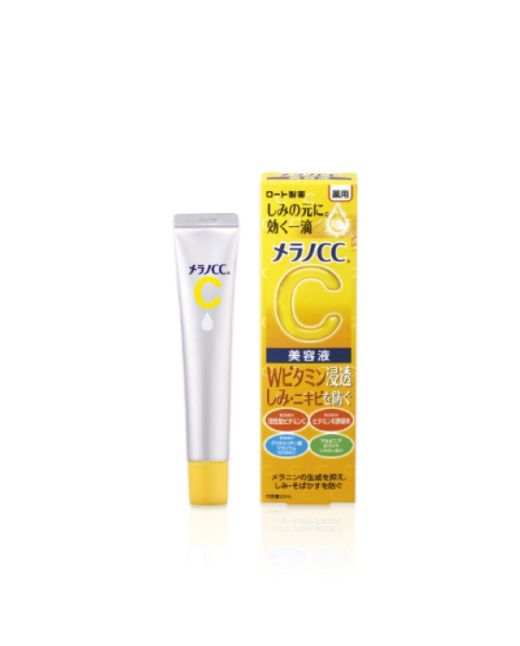
Rohto products often use short alphanumeric codes like 1I2 or 4A3. Based on community decoding efforts, the first digit may represent the year, the letter may represent the month (A = January, B = February, and so on), and the final digit is likely a production line identifier. This format is unofficial and unconfirmed by Rohto.
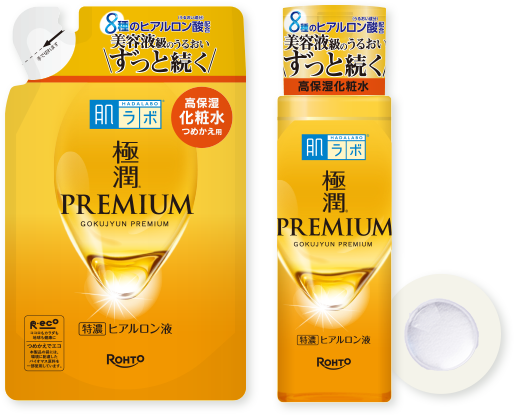
For example, if you pick up a Hada Labo Gokujyun Premium Lotion and see 6C2 on the bottom, that would suggest March 2026 under this interpretation.
Hada Labo
11 retailersSee retailers →
Melano CC Premium Brightening Essence follows the same Rohto system. A batch code like 5H1 would decode to August 2025.
Kao Group (Biore, Curél)
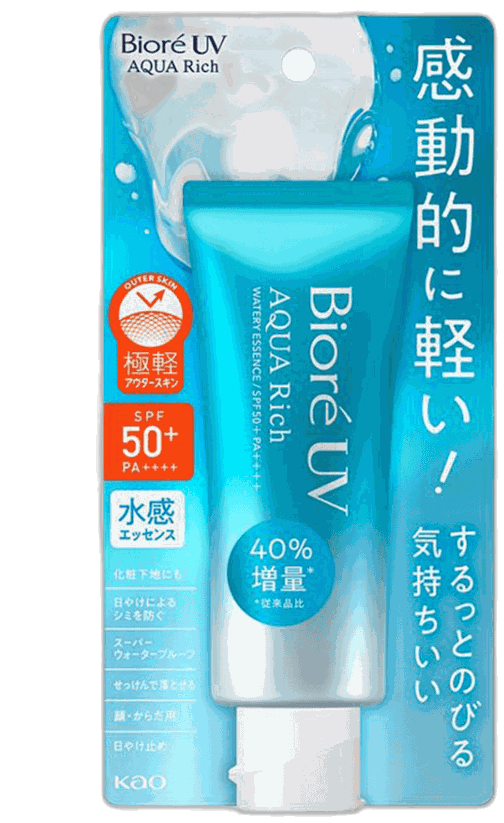
Kao uses longer alphanumeric codes. Biore UV Aqua Rich Watery Essence SPF50+/PA++++ (Japanese Version) might show something like B9003323 on the tube. Kao batch codes are harder to decode manually because the format has changed over time and doesn’t follow a simple year/month pattern.
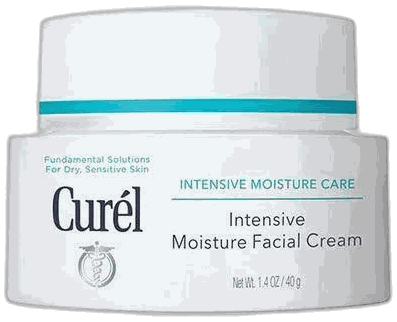
For Kao products, a batch code checker tool (covered below) is the most practical approach. Curel Intensive Moisture Facial Cream uses the same Kao system.
Shiseido Group (Shiseido, Anessa)
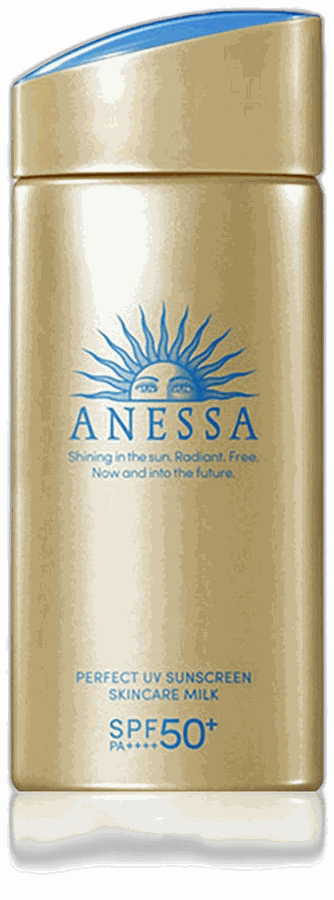
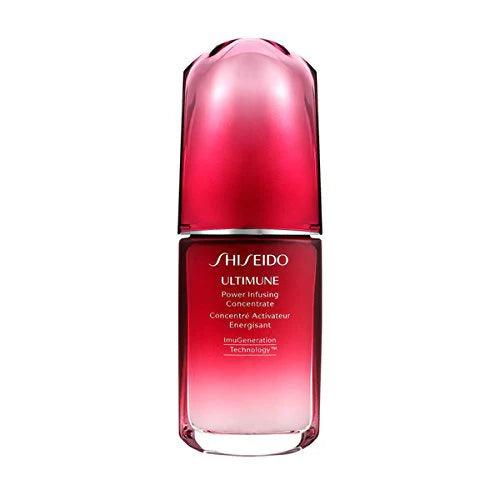
Shiseido’s batch code system is notoriously opaque. The company has confirmed that production date information is not encoded in a way that consumers can read directly. For Anessa Perfect UV Sunscreen Skincare Milk SPF50+/PA++++ or Shiseido Ultimune Power Infusing Concentrate III, the batch code exists for internal tracking but isn’t meant to tell you the manufacturing date.
Community members on r/AsianBeauty have noted that Shiseido group codes may sometimes follow a Julian date format (day of year), but this is unverified and unreliable.
For Shiseido group products, the best approach is checking the packaging version against the brand’s official Japanese website. Japanese brands reformulate or repackage frequently (often every one to two years), so a current packaging design generally means the product is recent.
FANCL (The Exception)
FANCL is the notable exception to the “no dates” standard. Because FANCL products are formulated without added preservatives, most have a shelf life of only about one year. That’s under the three year threshold, so FANCL is required to print both the manufacturing date and expiration date on packaging.
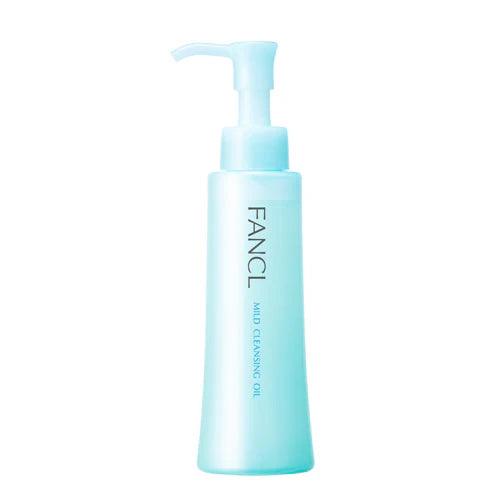
When you pick up a FANCL Mild Cleansing Oil, you’ll find a clear date printed on the box or bottle. The PAO is also short: typically two to three months after opening. FANCL explicitly recommends using products quickly once opened.
FANCL
8 retailersSee retailers →
SK-II
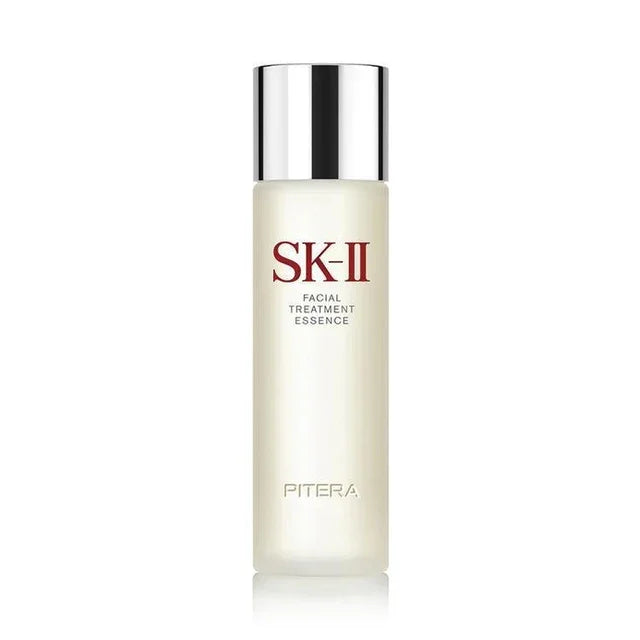
SK-II uses its own batch code format. SK-II Facial Treatment Essence (Pitera Essence) will have a code stamped on the bottom of the bottle. SK-II is manufactured by P&G in Japan, and their codes can sometimes be decoded through batch checker tools, though results vary in accuracy.
Canmake
Canmake products (like Canmake Mermaid Skin Gel UV SPF50+/PA++++) tend to have shorter alphanumeric codes on the packaging. Canmake is manufactured by IDA Laboratories, and their batch code format is relatively straightforward for checker tools to decode.
Chifure
Chifure prints or embosses batch codes that appear to follow a YYMMX or YYMMXX format, where the first two digits are the year, the next two are the month, and the remaining digits identify the production lot. A code like 260301 would suggest the first lot produced in March 2026. As with most Japanese brands, this format is based on community observation, not official confirmation.
Other Common Brands
Naturie Hatomugi Skin Conditioner and Kiku-Masamune Sake Brewing Skin Care Lotion High Moist are two popular products that frequently come up in shelf life discussions. Both follow the general three year unopened rule. For Naturie (made by Imju), batch codes can usually be decoded through checker tools. Kiku-Masamune, being a sake brewery that also makes skincare, uses its own lot numbering system.
Online Tools for Decoding Batch Codes
Several websites claim to decode cosmetic batch codes. They can be useful, but they come with important caveats.
checkexp.com
The most frequently recommended tool on r/AsianBeauty. It supports over 1,200 brands and works by selecting a brand, entering the batch code, and getting a manufacturing date estimate. The interface is straightforward and doesn’t require an account.
checkfresh.com
Similar concept to checkexp. You select a brand and enter the batch code. It covers many Japanese brands and provides a manufacturing date based on its database of known batch code formats.
cosr.ai
A newer tool that also decodes batch codes and calculates estimated shelf life remaining.
Important Caveats About These Tools
These tools are all unofficial. They reverse engineer batch code formats based on community submissions and pattern matching. They are not affiliated with any cosmetic brand.
Accuracy is inconsistent. RatzillaCosme, one of the most trusted English language resources on Japanese cosmetics, explicitly does not recommend batch code checker tools. Their testing found that some tools reported impossible manufacturing dates for products that had just been released.
Batch codes can be recycled. Some manufacturers reuse batch code sequences on roughly a ten year cycle. A tool might decode a code as “2015” when the product was made in 2025.
They cannot verify authenticity. A batch code that decodes successfully does not mean the product is genuine. Counterfeit products can carry copied batch codes.
Use these tools as a rough reference point, not as definitive proof of a manufacturing date. If accuracy matters (for expensive products, products bought from unfamiliar sellers), contacting the brand directly is more reliable.
Products That Do Print Dates
While most Japanese cosmetics skip expiration dates, a few categories are required or choose to include them:
Preservative free products. FANCL is the most prominent example. Any product with a shelf life under three years must include a date.
Medicated products (quasi drugs). Some products classified as “quasi drugs” (医薬部外品) under Japanese law, like certain acne treatments or medicated lotions, may include dates depending on their formulation stability.
Products sold through international channels. Some brands add expiration dates to export versions to comply with destination country regulations or retailer requirements, even if the Japanese domestic version doesn’t have one.
Sunscreens with specific claims. While most Japanese sunscreens follow the standard no date approach, some newer formulations designed for shorter shelf lives will note this on packaging.
How to Tell If a Product Has Gone Bad
Dates and batch codes aside, your senses are the most reliable indicator of whether a product is still safe to use.
Color changes. If a clear or white product has turned yellow or cloudy, that’s a sign of oxidation or contamination. This is especially noticeable with vitamin C products like Melano CC Premium Brightening Essence, which can oxidize and darken over time.
Smell changes. A sour, rancid, or unusually sharp chemical smell means the product has degraded. Products with natural oils are particularly prone to going rancid. A slight change in fragrance intensity is normal as products age, but an outright bad smell is not.
Texture changes. Emulsions (creams, lotions, milky serums) can separate into watery and oily layers. Gels can become lumpy. If a product that was once smooth now has an uneven consistency, it may be compromised.
Irritation. If a product you’ve used many times without issue suddenly causes stinging, redness, or breakouts, it may have degraded or developed bacterial contamination.
When in doubt, throw it out. No skincare product is worth a skin reaction.
Buying from Overseas: Shelf Life Considerations
If you’re purchasing Japanese skincare from the US (rather than buying it in Japan), shipping time and storage conditions during transit add variables to the shelf life equation.
Slow shipping eats into shelf life. A product shipped by sea from Japan to the US can spend three to six weeks in transit. If it then sits in a warehouse before reaching you, months of the three year window may have passed before you even open the box.
Temperature during transit. Products sitting in hot shipping containers or delivery trucks may experience temperature fluctuations that accelerate degradation, particularly for sunscreens and products with active ingredients.
Buy from retailers with high turnover. The best way to ensure fresh products is purchasing from retailers that move inventory quickly. Specialty Japanese beauty retailers and authorized brand sites tend to have fresher stock than marketplace sellers.
For a breakdown of which retailers carry authentic Japanese products with reliable stock freshness, the guide to buying Japanese skincare outside Japan covers vetted options.
Frequently Asked Questions
Is it safe to use Japanese skincare without an expiration date?
Yes. The absence of a printed date means the product has been tested and deemed stable for at least three years unopened. This is a regulatory standard set by Japan’s MHLW, not a shortcut by manufacturers.
How long can I use a Japanese product after opening it?
Most products should be used within 6 to 12 months of opening. Toners and serums are best used within 3 to 6 months. Mascara and liquid eyeliners within 2 to 3 months. Products without preservatives (like FANCL) should be used within 2 to 3 months of opening.
Can I trust batch code checker websites?
They can provide a rough estimate, but they’re unofficial tools with inconsistent accuracy. RatzillaCosme advises against relying on them. For high value purchases, contacting the brand directly is more reliable.
Does the product need to be refrigerated to last longer?
No. Most Japanese brands advise against refrigerating skincare products. The temperature fluctuations from repeatedly moving products in and out of the fridge can destabilize formulations faster than storing them at a consistent room temperature (15 to 25°C).
I bought a Japanese product on Amazon and it doesn’t have an expiration date. Is it fake?
Not necessarily. The lack of an expiration date is standard for Japanese domestic products. However, products from marketplace sellers on Amazon can have authenticity and freshness concerns for other reasons. The guide to Japanese skincare on Amazon covers how to evaluate sellers and spot potential issues.