Japanese beauty explained
Japanese Skincare Ingredients Guide: What's in Your Products
Japanese skincare uses ingredients you won’t find in most Western products. Some are traditional (rice bran, camellia oil, sake ferment). Others are cutting edge actives that Japanese pharmaceutical companies have researched for decades. And then there’s the terminology problem: Japanese skincare labels use words like “lotion,” “milk,” and “essence” differently than Western brands do.
This guide covers both: the key ingredients in J beauty and the terminology that confuses everyone.
For an interactive, searchable version of this guide with product recommendations for each ingredient, check out our ingredient guide.
Key Ingredients
Hyaluronic Acid (ヒアルロン酸)
What it does: Holds up to 1,000 times its weight in water. Pulls moisture into the skin and keeps it there.
Why it matters in J beauty: Hyaluronic acid is the foundation of Japanese hydrating products. Hada Labo built an entire brand around it. The Gokujyun line uses 4 types, the Premium line uses 7 types of different molecular weights. Smaller molecules penetrate deeper, larger ones hydrate the surface.
Products that feature it:

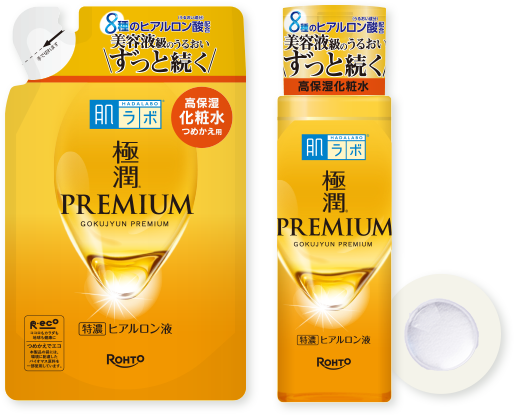
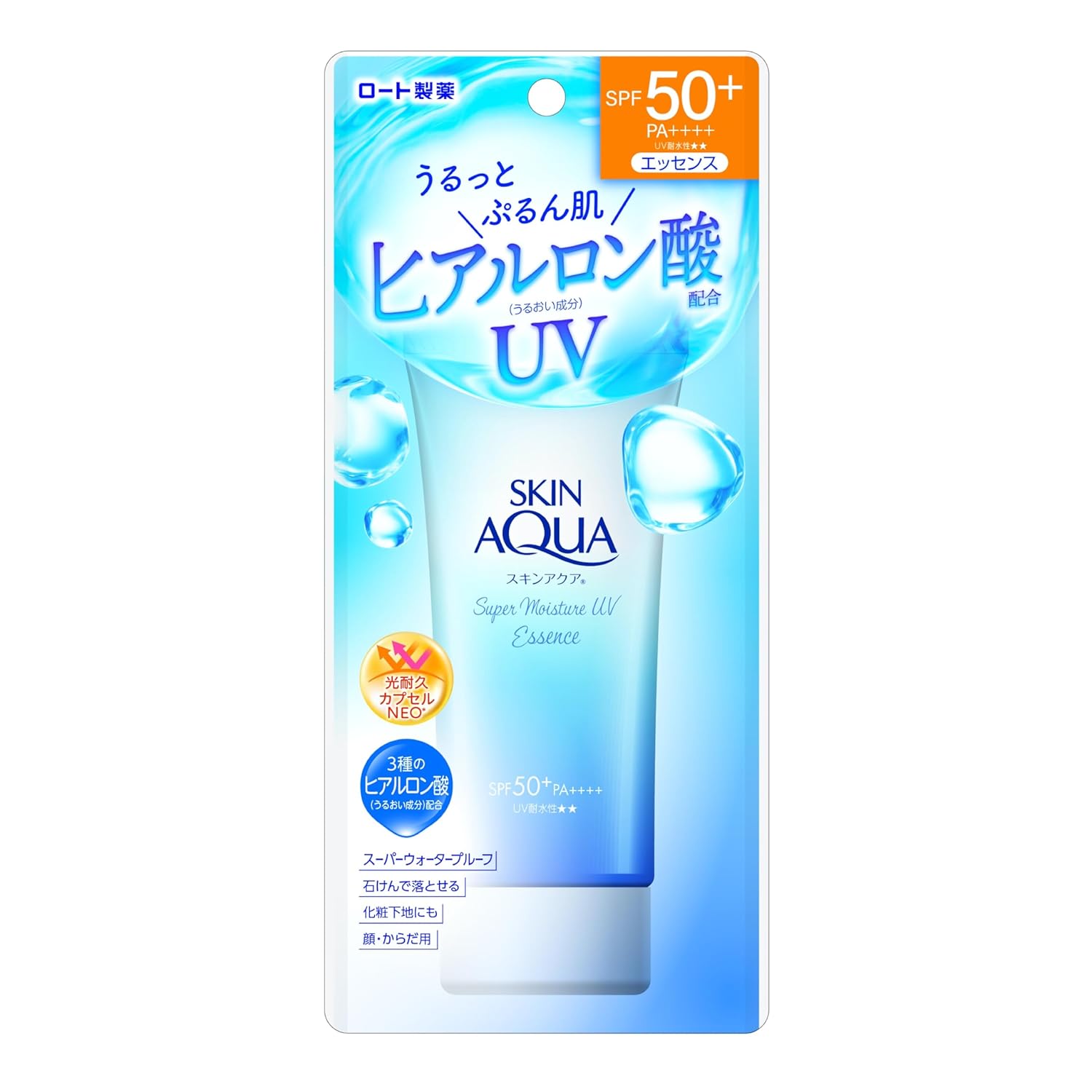
Best for: All skin types. Especially dehydrated skin regardless of whether it’s oily or dry.
Rice Bran and Rice Ferment (米ぬか / 酒粕)
What it does: Brightens skin tone, provides gentle hydration, and delivers amino acids and vitamins. Rice ferment filtrate (sake kasu) has additional benefits from the fermentation process, including improved skin texture and tone.
Why it matters in J beauty: Rice has been used in Japanese beauty for centuries. SK-II’s origin story comes from scientists noticing that elderly sake brewery workers had remarkably smooth, young looking hands, which led to the discovery of Pitera. Kiku-Masamune takes a different angle: they’re an actual sake brewery (established 1659) that expanded into skincare using their own fermentation expertise.
Products that feature it:

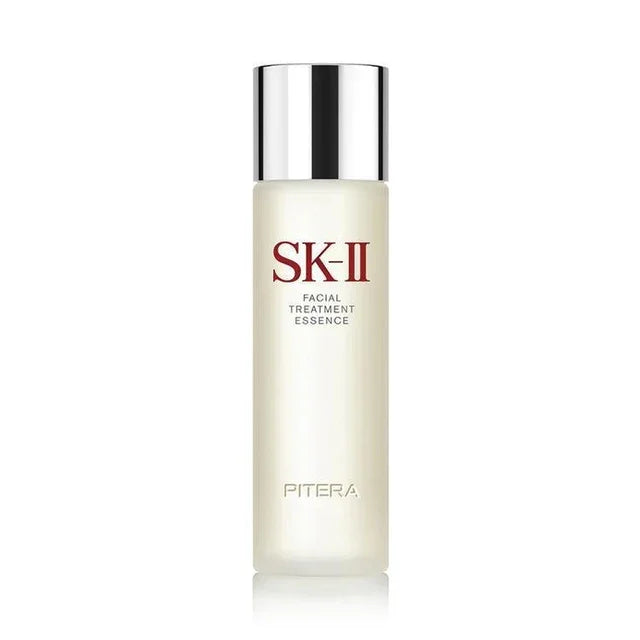
ONE BY KOSE Serum Shield uses Rice Power No.11+, which is a bio-engineered rice derived active rather than a traditional ferment, but it belongs in the rice ingredient family. For a full breakdown of sake lees, rice ferment filtrate, bifida, and other fermented ingredients, see our Japanese fermented skincare guide.
Best for: Dull skin, uneven tone, anyone looking for gentle brightening without harsh actives. For a full breakdown of every type of rice ingredient and the best products in each category, see the Japanese rice skincare products guide.
Camellia Oil / Tsubaki (椿油)
What it does: A lightweight, fast absorbing oil rich in oleic acid and antioxidants. Moisturizes without feeling heavy. Traditionally used for hair in Japan but also excellent for skin.
Why it matters in J beauty: Tsubaki (camellia) is one of Japan’s heritage beauty ingredients. The camellia is Shiseido’s iconic brand symbol. The oil has been used for skin and Japanese hair care in Japan for hundreds of years. Shu Uemura’s Ultime8 cleansing oil includes camellia among its 8 botanical oils.
Products that feature it:
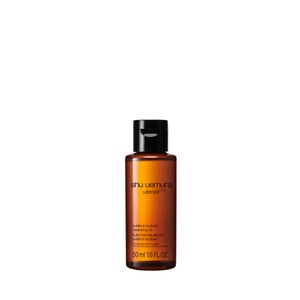
Best for: Dry skin, damaged hair, anyone looking for a natural oil that doesn’t clog pores.
Tranexamic Acid (トラネキサム酸)
What it does: A brightening ingredient that inhibits melanin production. Targets dark spots, post acne marks (post inflammatory hyperpigmentation), and overall uneven tone. Originally developed as a medication but widely used in Japanese and Korean skincare.
Why it matters in J beauty: Tranexamic acid is the active ingredient in Hada Labo’s Shirojyun brightening line and d program’s sensitive skin formulas. Japanese pharmaceutical companies were early adopters of this ingredient in skincare. It’s gentler than hydroquinone and has strong clinical evidence behind it. Tranexamic acid is one of several actives approved under Japan’s bihaku (美白) quasi drug system, which regulates brightening claims more strictly than Western markets.
Products that feature it:
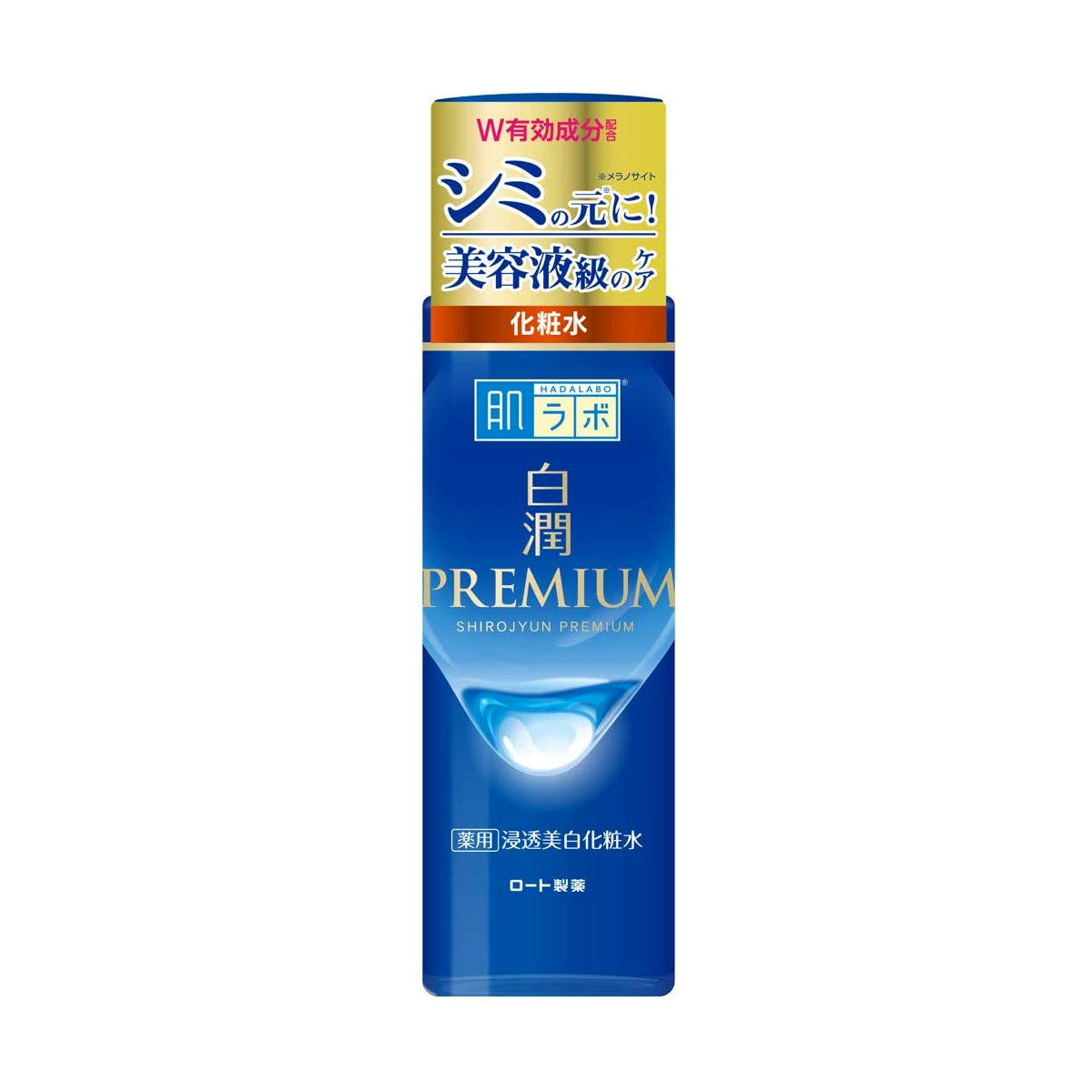
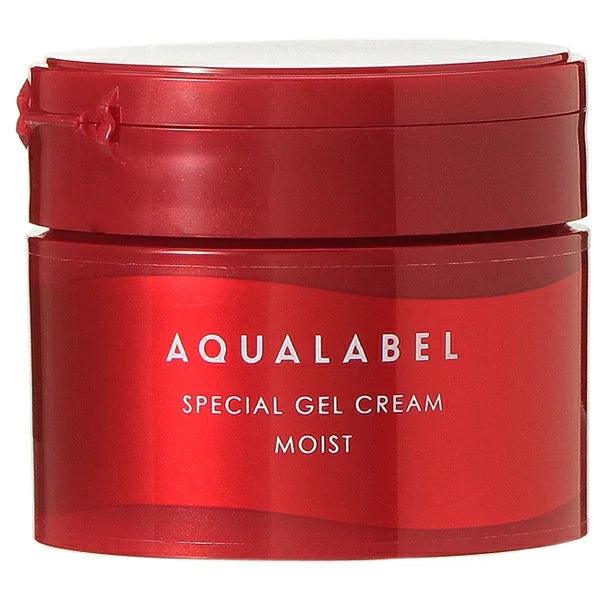
Best for: Dark spots, post acne marks, melasma, uneven skin tone. Safe for sensitive skin.
Ceramides (セラミド)
What it does: Ceramides are lipids that make up about 50% of the skin barrier. They keep moisture in and irritants out. When the skin barrier is damaged (from over exfoliating, harsh cleansers, or dry weather), ceramides help rebuild it.
Why it matters in J beauty: Curel (by Kao) is Japan’s biggest ceramide focused brand. Their entire line is built around ceramide technology for sensitive and dry skin. Meishoku Ceracolla also uses multiple ceramides in affordable all in one gel formats.
Products that feature it:
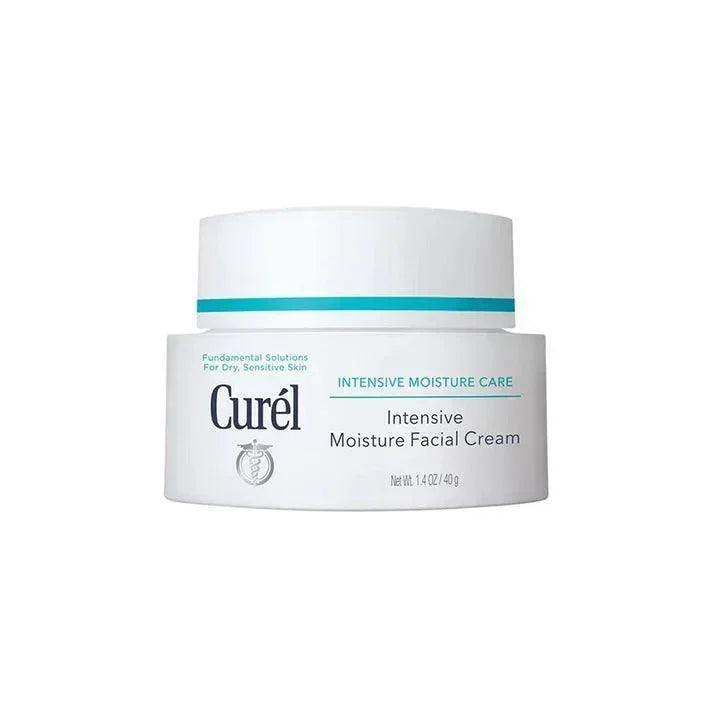
Best for: Sensitive skin, damaged skin barrier, eczema prone skin, winter dryness.
Vitamin C Derivatives (ビタミンC誘導体)
What it does: Brightens skin, fades dark spots, provides antioxidant protection, and supports collagen production. Japanese products often use stabilized vitamin C derivatives rather than pure L ascorbic acid, which makes them gentler and more shelf stable.
Why it matters in J beauty: Melano CC by Rohto is the affordable vitamin C serum that the community keeps recommending. It’s lightweight, absorbs fast, and targets dark spots. See our Melano CC complete guide for the full product line. At the higher end, Obagi C25 Serum NEO uses a 25% concentration of pure vitamin C for more intensive treatment.
Products that feature it:
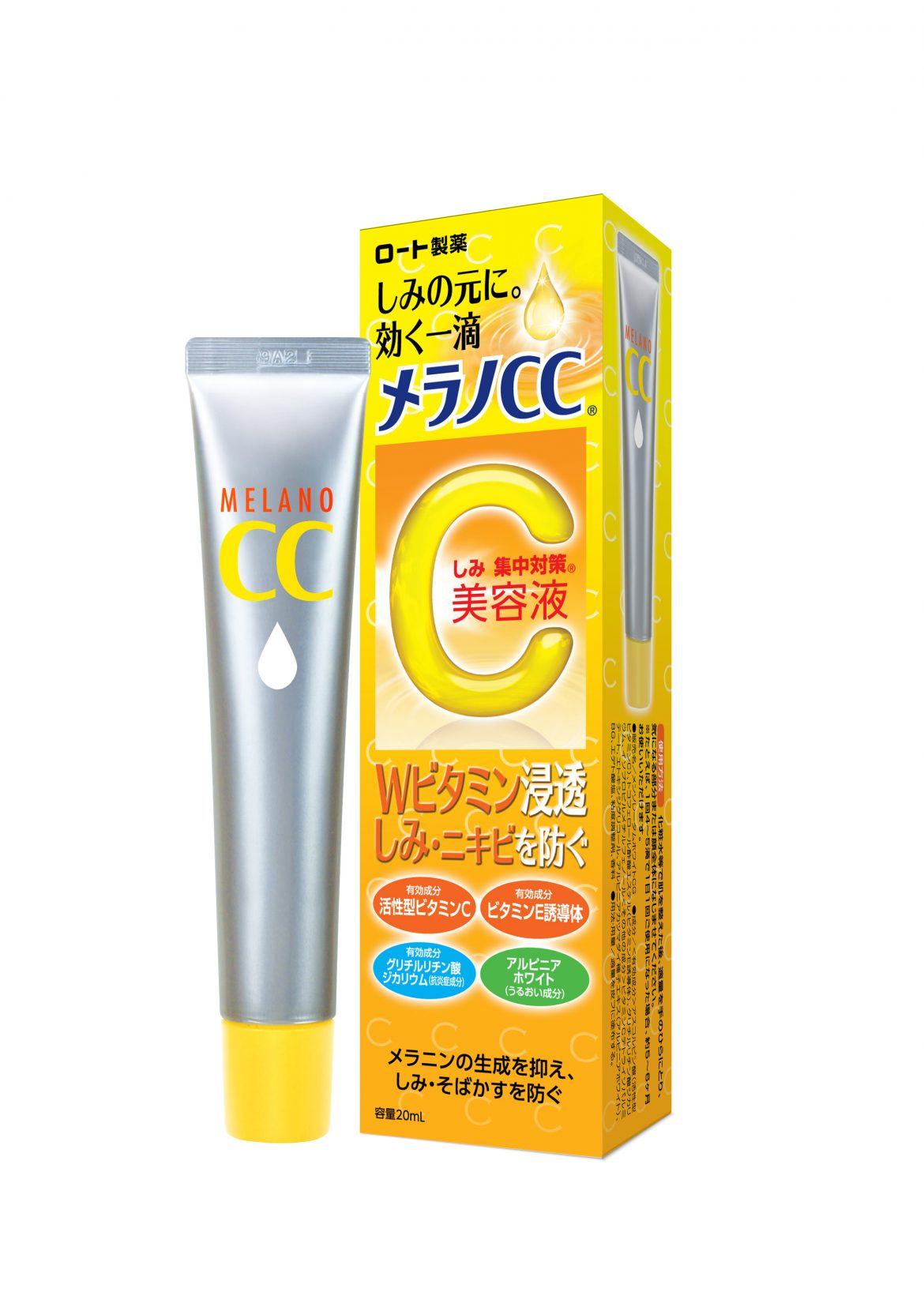
Best for: Dark spots, dull skin, post acne marks, general brightening and antioxidant protection.
Retinol (レチノール)
What it does: Stimulates cell turnover and collagen production. Reduces fine lines, wrinkles, and improves skin texture. The gold standard anti aging ingredient globally.
Why it matters in J beauty: Japanese brands offer retinol in “medicated” (quasi drug) products, meaning the retinol concentration is regulated and approved by the Japanese government. Hada Labo Gokujyun Wrinkle Care Cream pairs retinol with niacinamide at a drugstore price. Sana Nameraka Honpo Wrinkle Cream and Kracie Hadabisei also offer medicated retinol options at accessible prices.
Products that feature it:
Best for: Fine lines, wrinkles, loss of firmness, overall skin texture improvement. Start slowly if you’re new to retinol. For product recommendations, see our Japanese anti aging skincare guide.
Niacinamide (ナイアシンアミド)
What it does: Strengthens the skin barrier, reduces redness, minimizes pore appearance, evens out skin tone, and regulates oil production. It’s one of the most versatile skincare ingredients and plays well with almost everything.
Why it matters in J beauty: Niacinamide shows up frequently in Japanese medicated products, often paired with retinol (Hada Labo Wrinkle Care, Sana Wrinkle Cream). It’s also a common supporting ingredient alongside other actives in many Japanese brightening and anti aging formulas. That said, most standard Japanese drugstore products skip niacinamide entirely, which makes Japanese skincare a good fit for people who react to it. See our guide to Japanese skincare without niacinamide for product recommendations.
Products that feature it:
Best for: Almost everyone. Particularly good for oily skin, enlarged pores, redness, and uneven tone.
Green Tea / Matcha (緑茶 / 抹茶)
What it does: Antioxidant powerhouse. Protects skin from environmental damage, has anti inflammatory properties, and can help with redness. The catechins in green tea are among the most studied antioxidants in skincare.
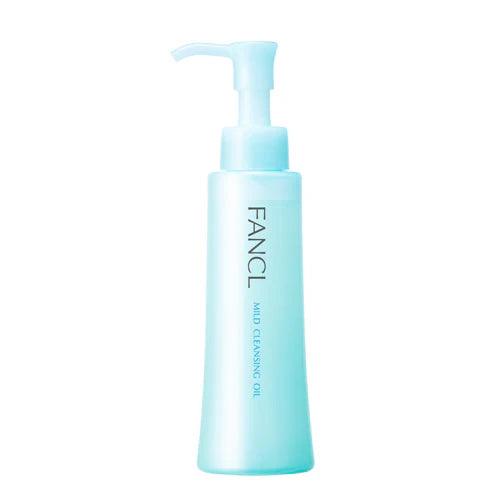
Why it matters in J beauty: Green tea is everywhere in Japanese life and naturally extends to skincare. It appears as an ingredient in products across all price points, from FANCL’s cleansing oil (green tea extract) to Shiseido’s prestige lines. It’s more of a supporting ingredient in J beauty than a headline one.
Products that feature it:
Best for: All skin types. Especially helpful for reactive or red prone skin.
Arbutin (アルブチン)
What it does: A natural brightening ingredient derived from bearberry plants. Inhibits tyrosinase (the enzyme that produces melanin). Gentler than hydroquinone with a similar mechanism of action.
Why it matters in J beauty: Arbutin is commonly used alongside tranexamic acid in Japanese brightening products. The Hada Labo Shirojyun line and various “whitening” (brightening) products across Japanese brands include it.
Products that feature it:
Best for: Dark spots, hyperpigmentation, overall brightening. A gentler alternative to hydroquinone.
Japanese Skincare Terminology
This section is for anyone who’s looked at a Japanese product name and felt confused. The terminology is different from Western skincare, and understanding it makes the whole category less intimidating.
”Lotion” (化粧水, keshōsui)
In Western skincare: A moisturizing cream or lotion. In Japanese skincare: A watery, hydrating liquid. Think toner but hydrating rather than astringent. This is the most confusing term for newcomers. When someone recommends “Hada Labo Lotion,” they mean a water consistency product you pat onto your face, not a thick cream.
”Milk” or “Emulsion” (乳液, nyuueki)
A lightweight moisturizer with a thin, milky consistency. Thicker than a lotion but lighter than a cream. In a Japanese routine, the emulsion goes after the lotion to seal in hydration. Hada Labo Premium Milky Lotion and Minon Amino Moist Charge Milk are examples.
”Essence” (美容液, biyoueki)
A concentrated treatment product, similar to a Western serum. Usually thicker than a lotion but thinner than a cream. SK-II Facial Treatment Essence and Melano CC Essence are both in this category, despite being very different products.
”Perfect Gel” or “All in One” (オールインワン)
A single product that replaces multiple steps (usually lotion + serum + cream). Popular in Japan for people who want a simpler routine. Naturie Hatomugi Gel, Aqualabel Special Gel Cream, and Chifure Moisture Gel are all examples.
”Medicated” / 医薬部外品 (iyakubugaihin)
Not “medicine” in the way English speakers might think. This is a Japanese regulatory category between cosmetics and pharmaceuticals. Medicated products contain active ingredients (like retinol, tranexamic acid, or niacinamide) at concentrations approved by the Japanese government. The active ingredient claims are legally verified, which is actually a higher standard than regular cosmetics.
”Whitening” / 美白 (bihaku)
This term causes confusion outside Japan. In Japanese skincare, “whitening” (美白) means brightening and evening skin tone. It does not mean skin bleaching. Products labeled “whitening” typically contain ingredients like tranexamic acid or arbutin that target dark spots and hyperpigmentation. This is standard skincare terminology in Japan.
FAQ
What does “lotion” mean in Japanese skincare?
A watery, hydrating liquid (like a toner). Not a cream or moisturizer. This is the #1 source of confusion for people new to J beauty. See the terminology section above.
Are Japanese skincare ingredients safe?
Yes. Japan has strict cosmetics regulations, and the “medicated” (quasi drug) category requires government approval for active ingredient claims. Japanese skincare ingredients are used safely by millions of people daily. Some ingredients (like certain UV filters) are actually more advanced than what’s currently available in US products.
What’s the best Japanese ingredient for dark spots?
Tranexamic acid, vitamin C derivatives, and arbutin are the three most common brightening ingredients in Japanese skincare. For affordable options, Melano CC (vitamin C) and Hada Labo Shirojyun (tranexamic acid) are the community go to products.
Can you layer these ingredients together?
Most Japanese skincare ingredients layer well together. Hyaluronic acid + niacinamide + ceramides is a perfectly fine combination. Vitamin C and retinol are sometimes used in the same routine (vitamin C in the morning, retinol at night) but shouldn’t be applied at the same time. Japanese products tend to be formulated for layering as part of a multi step routine.
What does Pitera actually mean?
Pitera is SK-II’s trademarked name for their yeast ferment filtrate (galactomyces ferment filtrate). It’s produced through a specific fermentation process and contains amino acids, vitamins, minerals, and organic acids. SK-II claims it has over 50 micronutrients. It’s essentially a proprietary version of the fermented ingredient category that many Japanese and Korean brands use.