Best Japanese Hair Products: Fino, Tsubaki, &honey (2026)

haircareguide

Japanese hair treatments have taken over TikTok and Reddit for a reason. Products like the Fino Premium Touch Hair Mask went viral because they deliver visible results in under two minutes, at a fraction of what salon treatments cost. And while many hair masks rely on silicones for that instant slip, a lot of Japanese formulas focus on penetrating ingredients like amino acids, camellia oil, and honey proteins that condition hair from the inside.

This guide covers the best Japanese hair masks, hair oils, and shampoo and conditioner lines available outside Japan, plus how to use them properly (because some of them work differently than you might expect).


What Makes Japanese Hair Treatments Different

Japanese haircare tends to prioritize lightweight hydration and repair over heavy coating. That’s not better or worse than other approaches, but it does mean the products feel and work differently than what you might be used to.

Amino acid based formulas. Many Japanese shampoos use amino acid surfactants instead of sulfates. These cleanse more gently, which can mean less stripping of the hair’s natural moisture.

Camellia oil (tsubaki oil). This is a signature ingredient across Japanese haircare. Camellia oil is lightweight and absorbs quickly, which is why brands like Tsubaki build entire lines around it.

Quick application times. Many Japanese hair masks are designed to work in 60 to 90 seconds rather than the 5 to 10 minutes typical of deep conditioners. The Fino hair mask is a prime example: apply to towel dried hair, wait a minute or two, and rinse.

Thoughtful fragrance. Japanese haircare brands tend to put a lot of effort into scent. &honey’s products smell like a high end candle. Ichikami uses cherry blossom. Whether that matters to you is personal, but it’s a noticeable part of the experience.


Best Japanese Hair Masks

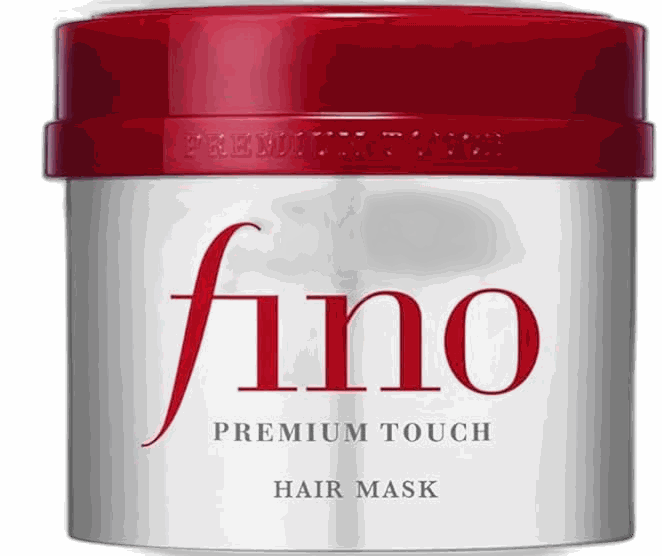
Fino Premium Touch Penetrating Essence Hair Mask

This is the one that started the TikTok wave. Fino’s hair mask is consistently one of the top selling hair products on Amazon. The formula contains seven beauty essences that penetrate damaged hair to restore smoothness and shine.

What makes it different: you only need to leave it on for about 90 seconds. Apply to towel dried hair after shampooing, work it through mid lengths to ends, wait briefly, and rinse. Hair feels noticeably silkier after a single use. A jar lasts a long time because you need very little per application.

One thing to know: this mask is rich. If you have fine or oily hair, stick to the ends only and don’t overdo it. Once or twice a week is enough for most hair types. For a deeper look at ingredients, usage tips by hair type, and common mistakes, see the full Fino hair mask review.

Fino Premium Touch Penetrating Essence Hair Mask

Fino

Fino Premium Touch Penetrating Essence Hair Mask

6 retailersSee retailers →

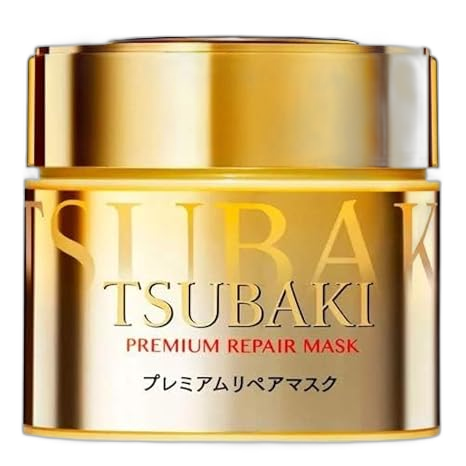
TSUBAKI Premium Hair Mask

Tsubaki is a camellia oil based haircare line originally from Shiseido (now under FineToday Holdings), and the Premium Hair Mask is its standout product. The formula combines camellia oil with hyaluronic acid for deep penetration and moisture retention. Use it once or twice a week for best results.

Where Fino focuses on instant smoothing, Tsubaki leans more toward long term repair. The camellia oil helps strengthen hair over time, making it a better pick if your hair is chemically treated, heat damaged, or generally fragile. It’s also slightly less rich than Fino, so it works well for a wider range of hair types. See our full Tsubaki Premium Hair Mask Review for a detailed look, or our Tsubaki vs Fino comparison for a side by side breakdown by hair porosity.

TSUBAKI Premium Hair Mask

Tsubaki

TSUBAKI Premium Hair Mask

13 retailersSee retailers →

Tsubaki also makes in bath treatments (Tsubaki Premium Moist Hair Treatment and Tsubaki Premium Repair Hair Treatment) for people who want something lighter than the mask for more frequent use.


Best Japanese Hair Oils

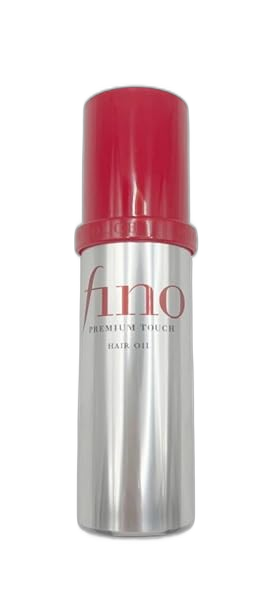
Fino Premium Touch Smoothing & Moisturizing Hair Oil

The companion product to the viral hair mask. This leave in oil smooths frizz, adds shine, and protects hair from heat styling. A few drops on damp hair before blow drying, or on dry hair to tame flyaways. Grape scented.

The texture is lightweight enough for daily use without buildup. If you already love the Fino mask, this is the logical next step for your routine. Read the full Fino hair oil review for application tips and comparisons to other Japanese hair oils.

Fino Premium Touch Smoothing & Moisturizing Leave-In Hair Oil

Fino

Fino Premium Touch Smoothing & Moisturizing Leave-In Hair Oil

7 retailersSee retailers →

Fino also makes an Airy Smooth Hair Oil Serum for fine or easily weighed down hair. Even lighter texture, same smoothing benefits.

Shu Uemura Essence Absolue Overnight Serum

If you want to go luxury, Shu Uemura’s Essence Absolue Overnight Serum is worth a look. It’s a leave in oil treatment made with camellia oil that works while you sleep, and Glamour named it their #1 “Best Overall” hair oil. The texture is rich but absorbs well, and it leaves hair noticeably softer by morning. At a higher price point than drugstore options, but the results reflect it. For more on the brand, see the Shu Uemura guide.

Shu Uemura Essence Absolue Nourishing Overnight Hair Serum

Shu Uemura

Shu Uemura Essence Absolue Nourishing Overnight Hair Serum

3 retailersSee retailers →

Milbon Luminous Smoothing Oil

Milbon is Japan’s top professional salon brand, and their products are what stylists in Japan use behind the chair. The Luminous Smoothing Oil is designed specifically for frizzy, unruly hair. It smooths the cuticle and adds shine without weighing hair down. If you’ve tried drugstore oils and want something with a more refined, salon grade feel, Milbon is the step up.

Milbon Smooth Luminous Softening Oil

Milbon

Milbon Smooth Luminous Softening Oil

1 retailerSee retailers →

&honey Deep Moist Hair Oil

&honey blends Moroccan oil with honey for a hair oil that adds moisture and smoothness without heaviness. The scent is what most people mention first: a clean, fresh laundry smell that lingers. Apply to damp or dry hair.

🌸

&honey

&honey Deep Moist Hair Oil

1 retailerSee retailers →

&honey Melty Moist Repair Hair Oil 3.0

The repair focused oil from &honey’s Melty Moist line (their bestselling range in Japan). The 3.0 in the name means it’s the finishing step: shampoo is 1.0, treatment is 2.0, and the oil is 3.0. Slightly richer than the Deep Moist oil, designed for hair that needs more intensive repair.

&honey also makes a Shine Hair Oil in the same line if you want gloss over repair.

&honey Melty Moist Repair Hair Oil 3.0

&honey

&honey Melty Moist Repair Hair Oil 3.0

1 retailerSee retailers →


Best Japanese Shampoo and Conditioner Lines

Japanese shampoo and conditioner sets tend to come in coordinated lines, each targeting a specific hair concern. Here are the ones worth knowing. For a more detailed breakdown with picks for every hair type, see our best Japanese shampoo and conditioner guide.

&honey

&honey has built a massive following in Japan with a simple concept: every product contains 90% or more moisturizing and conditioning ingredients. The brand offers several lines:

Deep Moist (Shampoo + Treatment): The original line. Intense hydration for dry, damaged hair. Thick, creamy lather with a sweet honey fragrance. Sulfate free.

Melty Moist (Shampoo + Treatment): The bestselling line. “Melty” refers to how the formula melts into hair for deep penetration. More repair focused than Deep Moist. Same sweet fragrance profile.

Herb Smooth (Shampoo + Treatment): A lighter, more refreshing formula for people who find the moisture lines too heavy. Botanical and herb ingredients with a cleaner scent.

Milky Precious EX (Shampoo + Treatment): The premium repair line. More concentrated formula for severely damaged hair. If your hair is fried from bleaching or heat, start here.

Tsubaki (by Shiseido)

Tsubaki’s shampoo and conditioner lines (now under FineToday Holdings) all center on camellia oil but target different needs:

Premium Moist (Shampoo + Conditioner): Deep hydration and shine for dry hair. The camellia oil makes hair feel luxuriously smooth without silicone heaviness.

Premium Repair (Shampoo + Conditioner): Damage repair focus. If your hair is color treated or heat styled regularly, this is the better pick.

Premium EX Intensive Repair (Shampoo + Conditioner): The most intensive option for severely damaged hair.

Premium Volume & Repair (Shampoo): For flat hair that needs both lift and repair.

Fino (originally by Shiseido, now FineToday)

The hair mask gets all the attention, but Fino also has a full shampoo and conditioner line. The Fino Premium Touch Shampoo and Conditioner use similar smoothing technology to the mask in a lighter, daily use formula. If you love what the mask does but want those benefits every wash, the full line is worth trying.

Ichikami

Ichikami The Premium Smoothing Shampoo is one of the top selling shampoos in Japanese drugstores. The brand is built around traditional Japanese botanical ingredients and a signature cherry blossom scent. Silicone free. The line takes a less is more approach to haircare. Ichikami also makes a Premium Hair Treatment Mask for deeper conditioning.

Botanist

A mid range botanical line that’s popular at Loft and Tokyu Hands stores in Japan. The Smooth Botanical Shampoo uses plant derived ingredients for frizz control and smoothness with a green apple and rose scent. Botanist also makes a Scalp Cleansing Shampoo with lime and green leaf for people dealing with oily scalp or buildup.

Other Lines Worth Knowing

Yolu: A trendy newer brand built around “night beauty,” the idea that your hair repairs while you sleep. The Calm Night Repair Shampoo has a lavender scent. Popular at Don Quijote and MatsuKiyo. Off&Relax Silky Night Repair Mask takes a similar nighttime repair concept with a salon quality formula and a relaxing fragrance designed for evening use.

NatureLab Tokyo: If you want a Japanese haircare brand available at mainstream retailers, NatureLab Tokyo is one of the easiest to find. Their Scalp Scrub is worth trying if buildup or oily roots are an issue. It exfoliates the scalp with natural charcoal and clears away product residue, which can make your shampoo and treatments work better.

Curél: If you have a sensitive or dry scalp, Curél makes a fragrance free shampoo and conditioner with ceramide technology. The same gentle approach they take with skincare, applied to hair.


How to Use Japanese Hair Masks

Japanese hair masks work a little differently than most deep conditioners. Here’s the typical approach:

  1. Shampoo first. Clean hair absorbs treatment ingredients better. Rinse thoroughly.
  2. Squeeze out excess water. You want hair damp, not dripping. Towel dry lightly.
  3. Apply to mid lengths and ends. Avoid the roots unless you have very dry, thick hair. Roots don’t need the extra moisture and it can make fine hair look flat and greasy.
  4. Wait 60 to 90 seconds. Most Japanese hair masks are formulated to penetrate quickly. You don’t need 10 minutes under a shower cap. The Fino mask works in about a minute. Tsubaki is similar.
  5. Rinse thoroughly. Leaving residue behind can weigh hair down.
  6. Use once or twice a week. Daily masking is unnecessary and can lead to buildup. For most people, twice a week delivers great results without overdoing it.

For fine hair: Use less product and focus only on the very ends. Skip conditioner on mask days to avoid overloading your hair.

For thick or coarse hair: You can apply more generously and extend the wait time to two or three minutes. These hair types can handle the extra moisture.


Where to Buy Outside Japan

Japanese hair treatments are easier to find outside Japan than you might expect. The Fino hair mask in particular is widely available, and most of the brands covered here ship domestically.

Check individual product pages for current retailer availability and links. Availability changes frequently, so that information lives on the product pages rather than in this guide. For a full breakdown of how these products fit into a complete routine, see the Japanese Hair Care Routine guide.

A few general tips:

Watch for JP vs US formulations. Most Japanese haircare products sold in the US are identical to the Japanese versions, but always check the product listing for “Product of Japan” or “Made in Japan” to confirm you’re getting the original formula.

Buy refill pouches when possible. Many Japanese haircare products (especially Tsubaki and &honey) sell refill pouches that are cheaper per volume than buying a new bottle. This is standard practice in Japan for environmental and cost reasons.


FAQ

Is the Fino hair mask worth the hype?

For most hair types, yes. It delivers salon level smoothness for a fraction of the price, and it works fast. The 90 second treatment time isn’t marketing; the formula is genuinely concentrated enough to work that quickly. People with fine or oily hair should use it sparingly (ends only, once a week), but for anyone with dry or damaged hair, it’s one of the best value hair products you can buy.

How often should I use a Japanese hair mask?

Once or twice a week for most people. More than that can lead to buildup and make hair feel heavy or greasy. If your hair is severely damaged (bleached, chemically treated), you can push to three times a week temporarily, then scale back as your hair recovers.

What’s the difference between Fino and Tsubaki hair masks?

Fino delivers instant, dramatic smoothing. Your hair feels different after one use. Tsubaki is more of a slow burn: the camellia oil and hyaluronic acid formula focuses on repairing hair structure over time. If you want wow factor right now, go with Fino. If you want gradual, lasting improvement, Tsubaki is the better choice. Many people alternate between both.

Are Japanese shampoos sulfate free?

Many are, but not all. &honey, Ichikami, and Botanist are all sulfate free. Tsubaki and Fino use mild surfactants. If sulfate free is important to you, check the individual product listing. Japanese brands tend to use gentler amino acid based surfactants even when they’re not explicitly marketed as sulfate free.

Can I use Japanese hair products on color treated hair?

Yes. Most Japanese hair treatments are safe for color treated hair, and several are specifically designed for it (Tsubaki Premium Repair, &honey Milky Precious EX). The amino acid based formulas and gentle surfactants help preserve color better than harsh sulfate shampoos. Just avoid anything with strong clarifying or scalp cleansing properties on freshly colored hair.