Japanese beauty explained
Japanese Hair Care Routine: Steps, Products, and Techniques
Quick Takeaway
- Scalp health comes first. Japanese hair care treats the scalp like skincare, with oil cleansing, massage, and dedicated scalp products before you even touch your shampoo.
- The routine has six core steps. Pre wash brushing, scalp care, shampoo, treatment/mask, proper drying technique, and leave in protection.
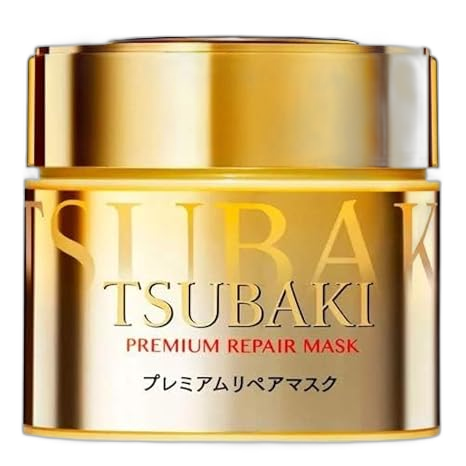
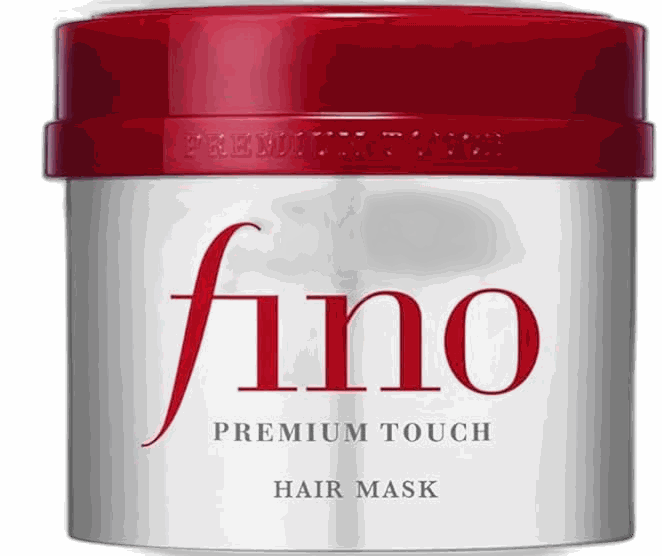
- Weekly treatments are standard, not optional. Hair masks like TSUBAKI Premium Hair Mask and Fino Premium Touch Penetrating Essence Hair Mask are a regular part of the routine, not a special occasion product.
- Leave in products seal everything in. Hair oils and milks applied to damp hair are the finishing step that gives Japanese hair its signature shine.
- Technique matters as much as products. How you wash, dry, and apply products changes your results more than which bottle you pick.
The Japanese approach to hair care is different from what most people outside Japan grow up with. Where Western routines tend to focus on styling and damage control, the Japanese method starts at the scalp and works outward, treating hair care as an extension of skincare.
The philosophy is prevention over repair. Keep the scalp healthy, keep the hair hydrated, minimize heat damage, and you spend less time (and money) fixing problems later. This guide walks through every step of the Japanese hair care routine, explains the reasoning behind each one, and recommends specific products for different hair types.
Step 1: Pre Wash Brushing
This is the step most people outside Japan skip entirely, and it makes a bigger difference than you’d expect.
Before your hair touches water, brush it thoroughly from ends to roots using a wide tooth comb or a dedicated detangling brush. This does three things:
- Removes loose hair and debris so your shampoo can focus on cleaning rather than fighting through tangles
- Distributes natural scalp oils down the hair shaft, which protects the lengths during washing
- Prevents breakage that happens when you try to detangle wet hair (wet hair stretches up to 30% more and snaps more easily)
The Mapepe Detangling Brush For Wet And Dry Hair works well for this step. Start at the tips and work your way up in sections. If your hair is thick or curly, a wider tooth comb works better than a paddle brush.

Mapepe
1 retailerSee retailers →
Step 2: Scalp Care (Pre Shampoo)
Japanese hair care treats the scalp like an extension of your face. A healthy scalp produces healthier hair, and most hair problems (thinning, excess oil, flaking) start at the scalp rather than the strands.
Camellia oil scalp massage
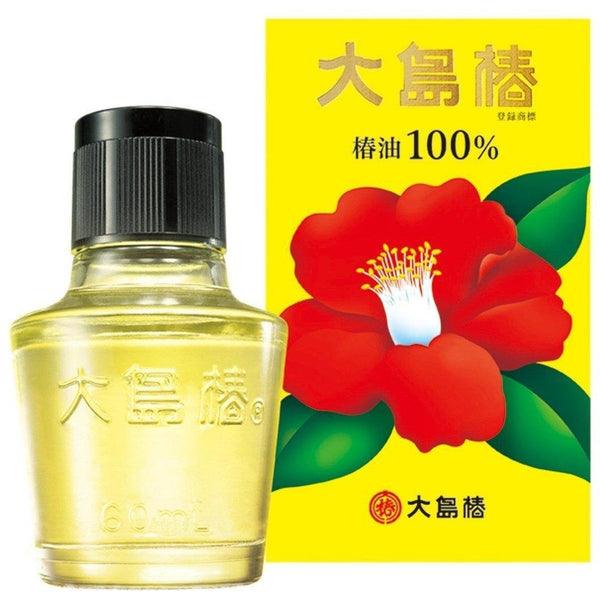
The most traditional Japanese scalp treatment uses camellia (tsubaki) oil. Oshima Tsubaki - Pure Natural Japanese Camellia Oil has been used for this purpose in Japan for centuries. Apply 3 to 5 drops directly to your scalp and massage with your fingertips in small circular motions for 2 to 3 minutes. Focus on the crown and hairline where tension builds up.
The oil dissolves excess sebum (like how oil cleansing works for your face), improves blood circulation to the follicles, and softens any buildup before shampooing. For a deeper treatment, wrap your hair in a warm towel for 5 to 10 minutes after massaging.
Oshima Tsubaki
1 retailerSee retailers →
Scalp scrubs
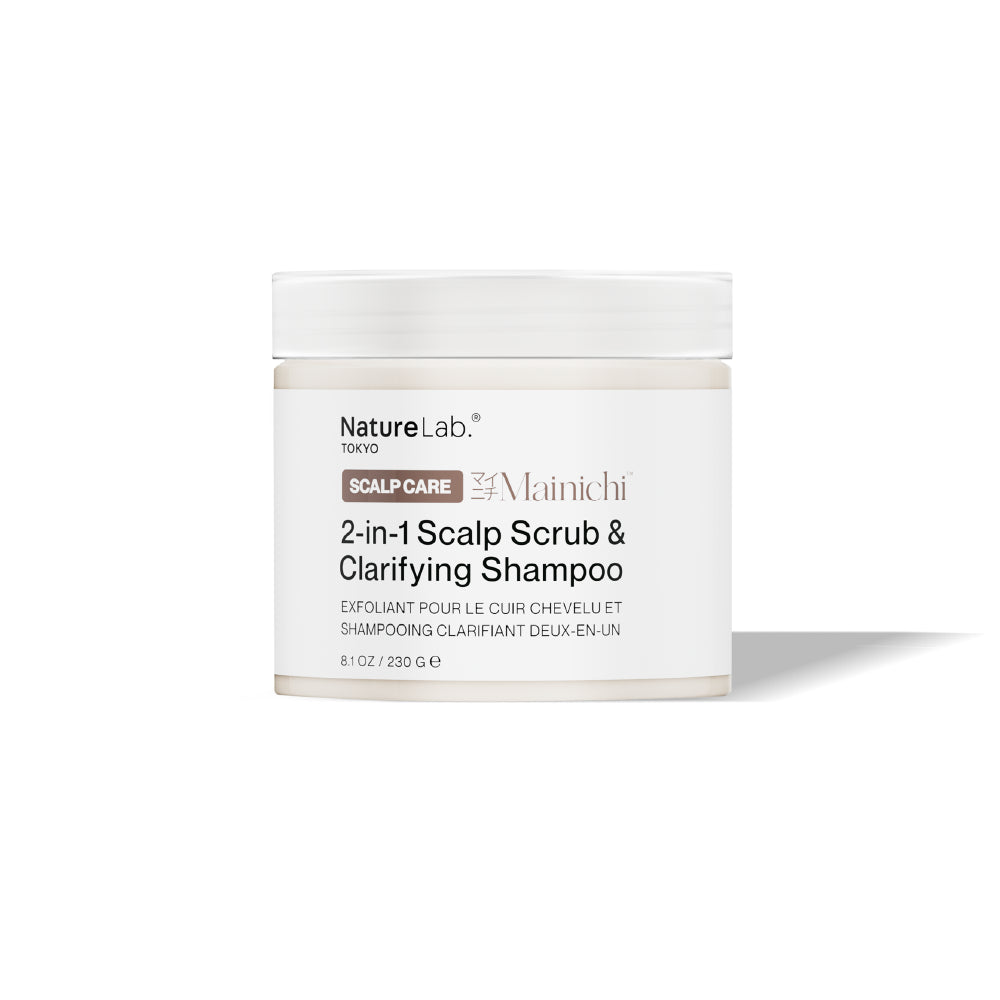
For a more modern approach, scalp scrubs physically exfoliate buildup. The NatureLab Tokyo Perfect Clean 2-in-1 Scalp Scrub & Clarifying Shampoo combines exfoliation with cleansing so you can knock out two steps at once. Use this once or twice a week rather than daily.
Step 3: Shampoo (The Right Way)
Japanese hair care puts a lot of emphasis on how you shampoo, not just what you shampoo with.
The technique:
-
Rinse with lukewarm water for at least a minute before applying shampoo. Hot water strips natural oils and dries out both your scalp and hair. Lukewarm water (around body temperature) opens the cuticle just enough for cleaning without damage. A thorough pre rinse removes most surface dirt on its own.
-
Lather the shampoo in your palms first, then apply to your scalp. Never dump shampoo directly onto your head. Emulsifying it first creates a gentler, more even lather.
-
Massage the scalp with your fingertips, not your nails. Use the pads of your fingers in circular motions. The goal is to clean the scalp, not scrub the lengths. The suds running down your hair as you rinse are enough to clean the mid lengths and ends.
-
Rinse thoroughly. Leftover shampoo residue causes itching, flaking, and dullness. Spend more time rinsing than you think you need.
Choosing a shampoo by hair concern:
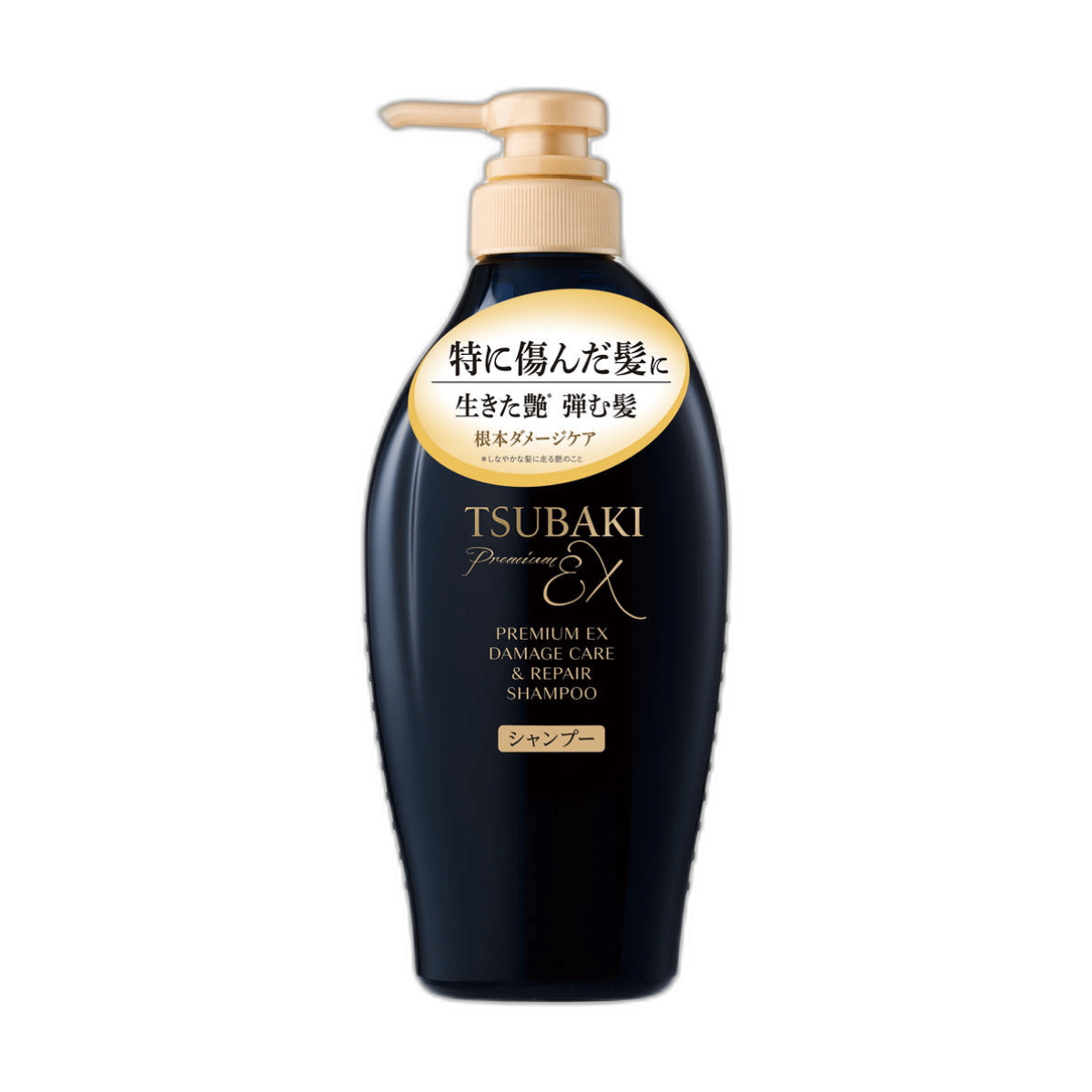
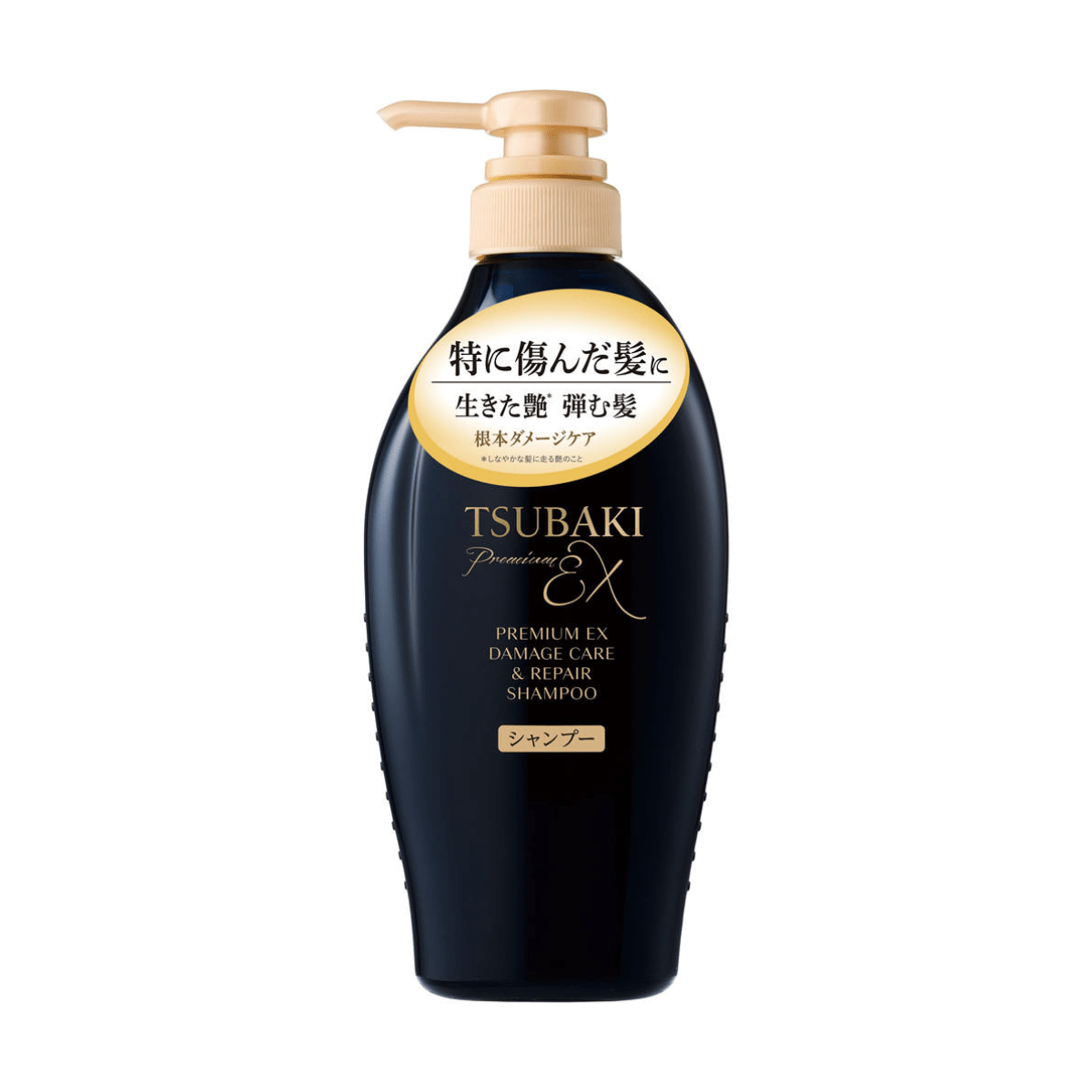
For damaged or color treated hair: Tsubaki Premium EX Intensive Repair Shampoo uses camellia oil and lipid repair technology. The EX Repair line is the strongest repair option in the Tsubaki lineup.
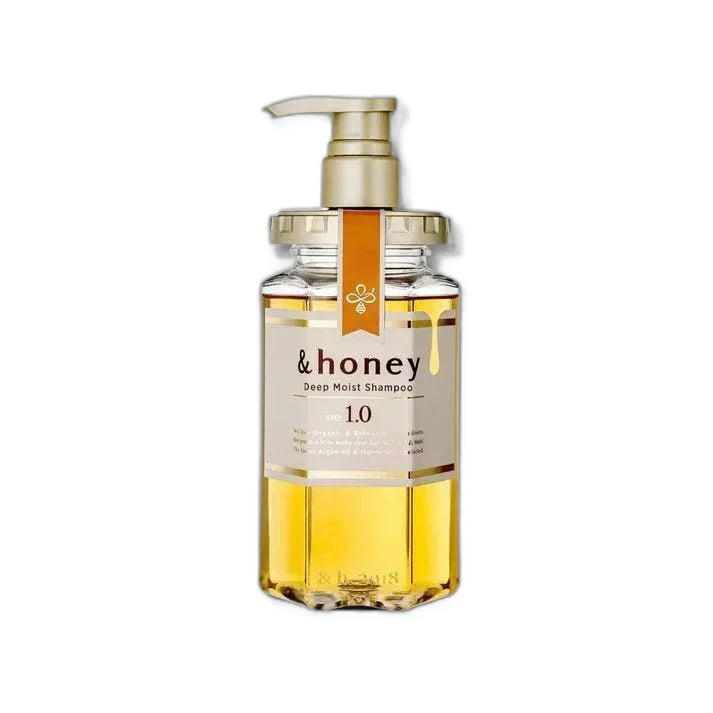
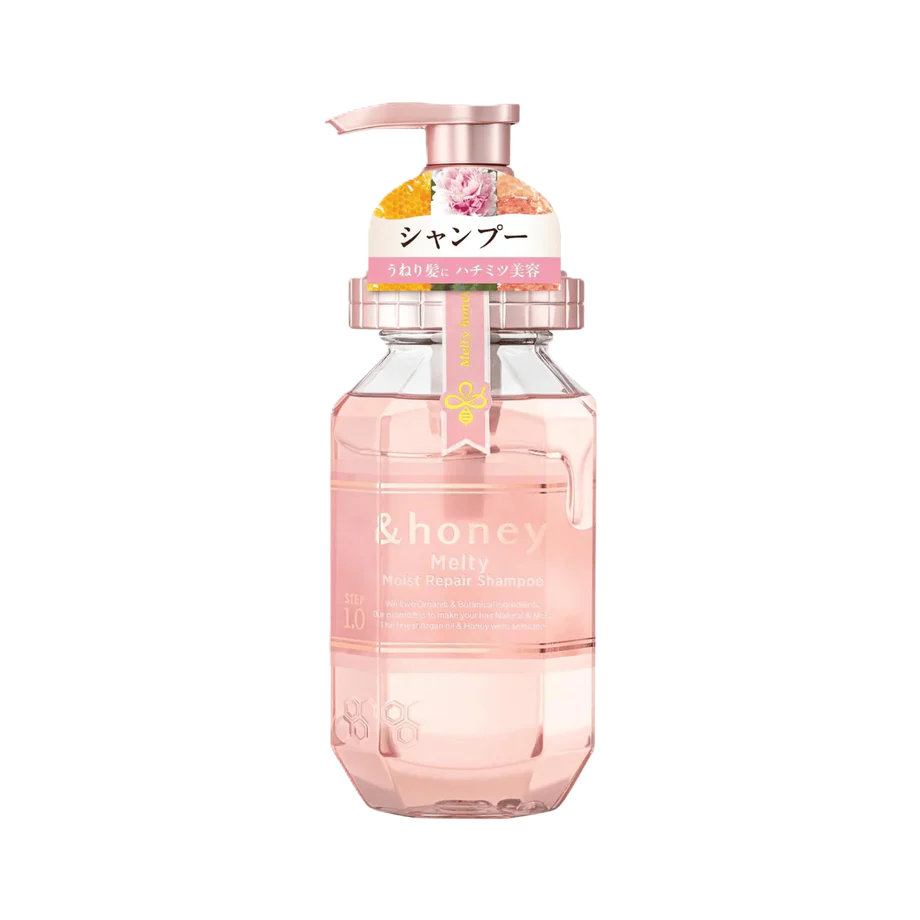
For hydration: &honey Melty Moist Shampoo 1.0 and &honey Deep Moist Shampoo 1.0 are popular on r/AsianBeauty for their honey based hydration. The Deep Moist version is richer and more nourishing, while Melty Moist is lighter and focused on smoothing.
For fine or flat hair: Kracie Dear Beauté Himawari Oil In Shampoo Rich & Repair uses sunflower oil to add moisture without weighing hair down. Reddit users with fine hair consistently recommend this one.
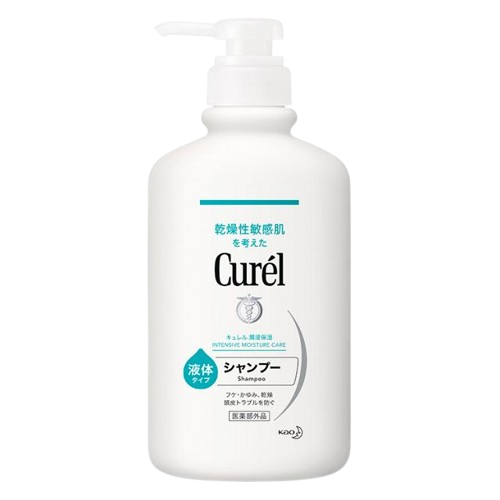
For scalp concerns: Curél Shampoo Pump (420ml) is fragrance free and designed for sensitive scalps. If your scalp gets irritated by most shampoos, start here.
For volume: Shiseido Tsubaki Premium Volume & Repair Shampoo lifts at the root while still delivering the camellia oil treatment the Tsubaki line is known for.
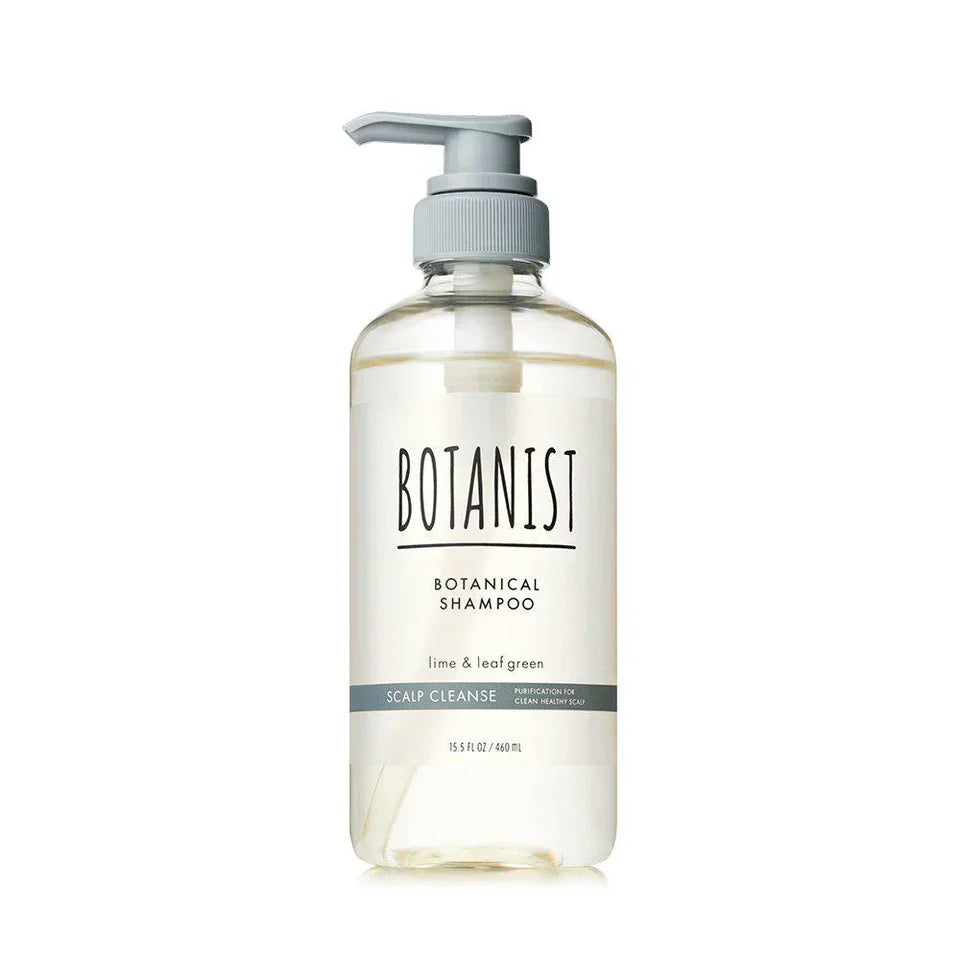
For oily scalp: Botanist Scalp Cleansing Botanical Shampoo Lime & Green Leaf focuses on deep scalp cleansing with a lighter formula that doesn’t leave residue.
The Ichikami The Premium Smoothing Shampoo from Kracie is another strong pick, especially for anyone who wants a plant based formula with rice and cherry blossom extracts. The Ichikami line has a devoted following on r/AsianBeauty.
Kao THE ANSWER Super Lamellar Shampoo won major awards at @cosme in 2025 and uses lamellar technology to repair the hair’s lipid layer during washing. It’s newer to the market but already a standout.
Step 4: Conditioning and Treatment
This is where the Japanese routine diverges most from a typical Western routine. Instead of a quick rinse out conditioner, Japanese hair care emphasizes deep treatments that penetrate the hair shaft.
Daily conditioner
On regular wash days, use a rinse out conditioner on the mid lengths and ends only (never the scalp). Apply, leave on for 1 to 2 minutes, then rinse with cool water. The cool rinse helps seal the cuticle.
Tsubaki Premium EX Intensive Repair Conditioner pairs with the EX Repair shampoo for maximum repair. Kracie Dear Beauté Himawari Oil In Conditioner Rich & Repair is the conditioner counterpart to the Himawari shampoo.
Weekly hair mask (the important step)
Hair masks are not a once in a while indulgence in Japanese hair care. They’re a weekly routine step that maintains hair health over time.
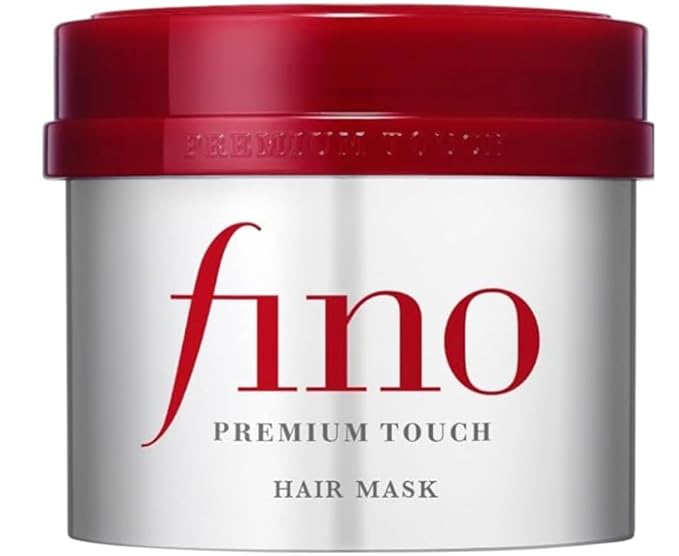
For thick, coarse, or high porosity hair: Fino Premium Touch Penetrating Essence Hair Mask is the pick. It’s richer and heavier, with royal jelly and squalane that deeply condition high porosity hair. Apply after shampooing (not after conditioner), leave on for 5 to 15 minutes, and rinse. Use once or twice a week, not daily. See the full Fino Hair Mask Review for details.
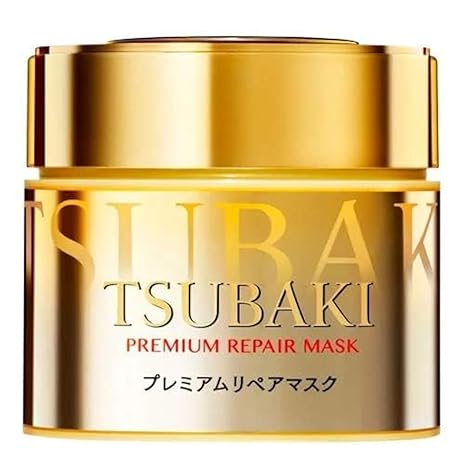
For fine, thin, or low porosity hair: TSUBAKI Premium Hair Mask is lighter and silkier, with camellia seed oil that moisturizes without weighing hair down. Its 0 second penetration claim means you can use it even on busy days. Check the Tsubaki Premium Hair Mask Review for a full breakdown.
Not sure which one? Read Tsubaki vs Fino Hair Mask for a side by side comparison based on hair type.
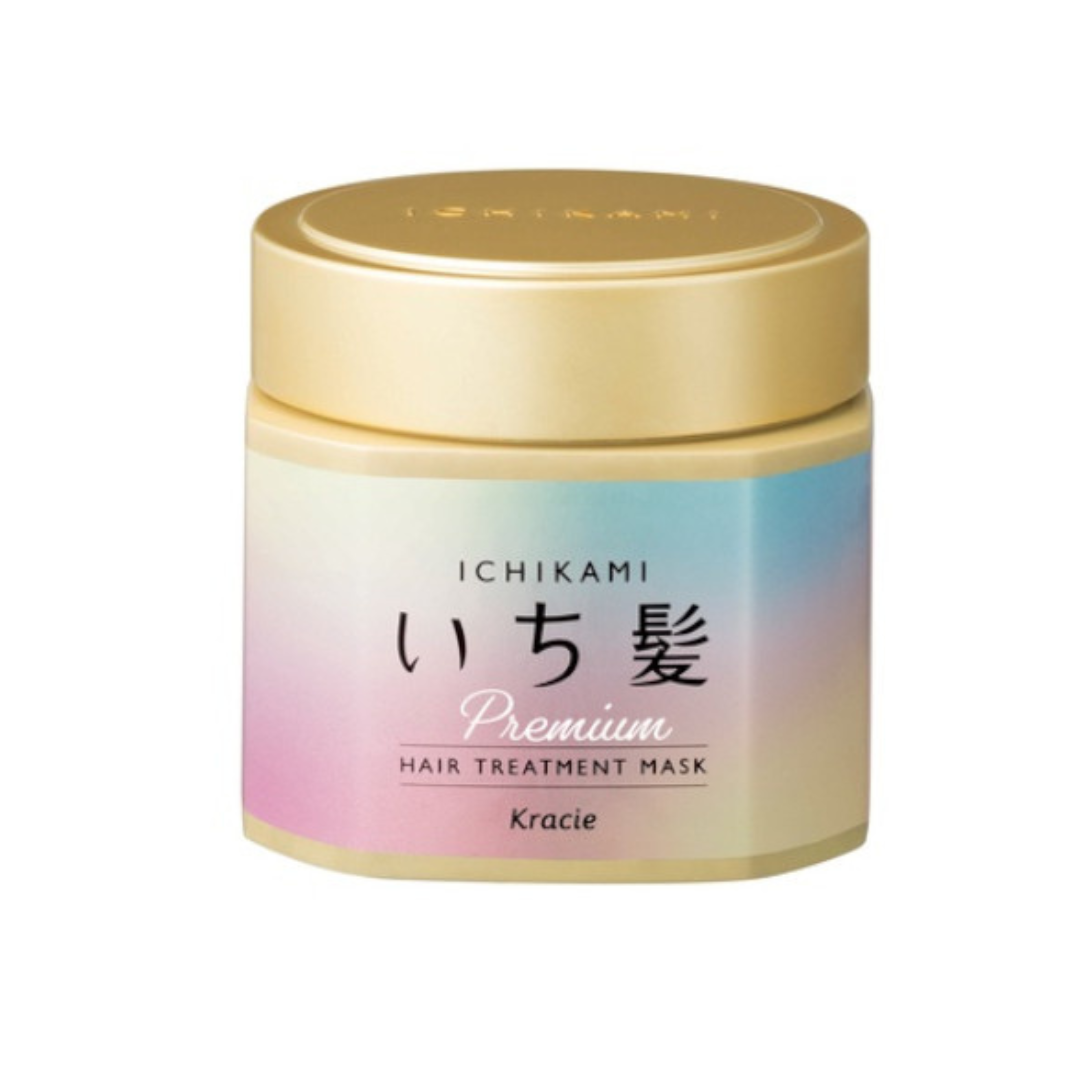
For dry or chemically treated hair: Ichikami Premium Hair Treatment Mask uses rice bran oil and camellia seed oil for deep moisture. It’s a good option for anyone looking for a plant oil based treatment.
For an overnight repair option: Off & Relax Silky Night Repair Premium Mask is a leave on treatment designed to work while you sleep.
For salon level repair: Shu Uemura Essence Absolue Nourishing Overnight Hair Serum is the luxury option, using camellia oil and rice bran oil for deep overnight repair.
Step 5: Proper Drying Technique
How you dry your hair affects its health as much as what you put on it. The Japanese approach minimizes heat exposure.
Step by step:
-
Gently squeeze excess water out. Never wring or twist your hair. Press sections between your palms or a microfiber towel. The Mapepe Speedy Dry Hair Towel absorbs water quickly without the friction that regular towels cause.
-
Pat dry, don’t rub. Rubbing with a towel roughs up the cuticle and causes frizz and breakage.
-
Apply leave in treatment to damp hair (see Step 6) before any heat.
-
Blow dry on medium heat, keeping the dryer moving. Hold the dryer at least 15 cm from your hair. Direct airflow downward along the hair shaft (root to tip) to smooth the cuticle.
-
Finish with a blast of cool air. This is a key Japanese technique. After your hair is about 80% dry, switch to cold air for the final pass. Cold air seals the cuticle, locks in moisture, and adds shine. This single step makes a noticeable difference.
Air drying tip: If you prefer air drying, apply your leave in treatment immediately after towel drying while hair is still damp. Let it dry naturally, but avoid going to bed with wet hair, as friction against the pillow damages damp hair.
Step 6: Leave In Treatment
The finishing step is what gives Japanese hair its signature smoothness and shine. Leave in products applied to damp or dry hair protect against environmental damage, seal in moisture, and reduce frizz throughout the day.
Hair oils
Fino Premium Touch Smoothing & Moisturizing Leave-In Hair Oil is the most popular option. Japan’s best selling out of bath treatment, it adds shine without feeling heavy. Use 1 to 2 pumps on damp hair, focusing on mid lengths and ends. Avoid the roots unless your hair is extremely dry. See the full Fino Hair Oil Review for details.
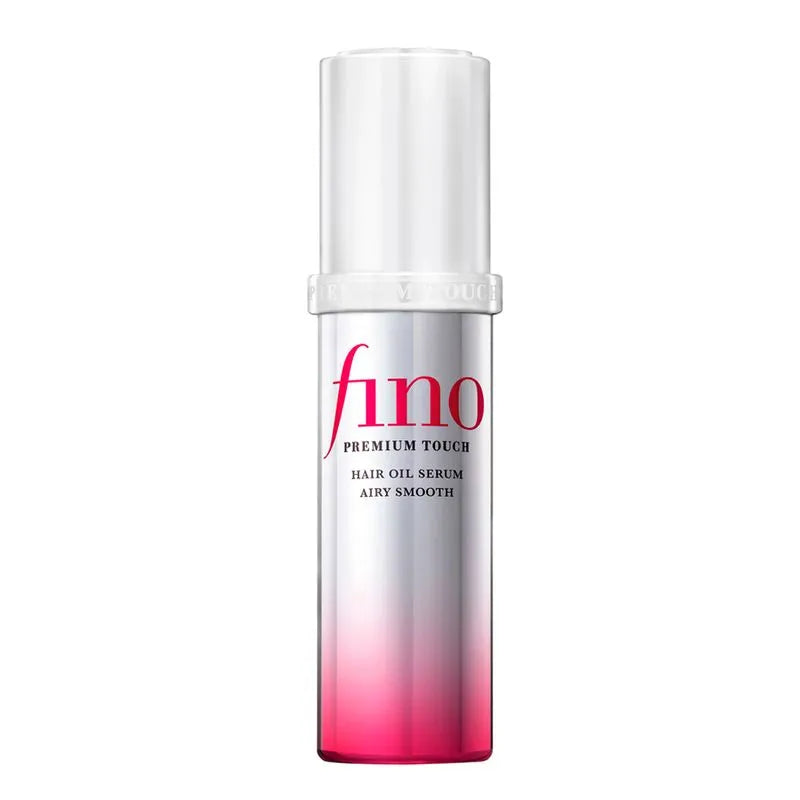
Shiseido Fino Premium Touch Airy Smooth Hair Oil Serum is the lighter version, better for fine hair that gets weighed down by regular oils.
For a traditional option, Oshima Tsubaki - Pure Natural Japanese Camellia Oil works as both a pre wash treatment and a finishing oil. A tiny amount (1 to 2 drops) on damp ends gives a natural shine without greasiness. Camellia oil has been a Japanese hair care staple for centuries. Its high oleic acid content helps it absorb easily into the hair shaft without leaving a greasy residue.
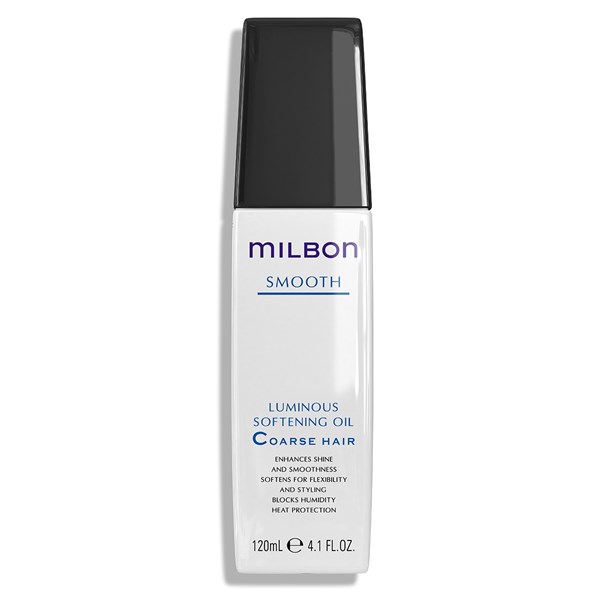
Milbon Smooth Luminous Softening Oil and Milbon Smooth Luminous Bodifying Oil are the salon grade picks. Softening Oil is for thick or coarse hair, Bodifying Oil is for fine hair that needs volume without weight.
Hair milk and cream
Hair milks are a popular alternative for anyone who finds oils too heavy. They’re lightweight, non greasy, and hydrate without that heavy oily feeling. Brands like Orbis and Lucido-L make well reviewed options that pair well with the shampoos and conditioners above for a complete Japanese hair routine.
Hair water
Tsubaki Premium Treatment Hair Water is a spray on leave in that’s lighter than oil or milk. Mist it onto damp or dry hair for a quick hydration boost between washes. Good for refreshing second day hair.


Building Your Routine by Hair Type
Not every step needs to happen every day. Here’s how to customize:
Fine or thin hair
- Pre wash brush daily
- Shampoo with Himawari or Tsubaki Volume
- Conditioner on ends only, skip heavy masks
- TSUBAKI Premium Hair Mask once a week (lighter formula)
- Shiseido Fino Premium Touch Airy Smooth Hair Oil Serum or a lightweight hair milk as leave in
- Cool air finish when blow drying
Thick, coarse, or curly hair
- Pre wash brush with wide tooth comb
- Camellia oil scalp massage 1 to 2 times per week
- Shampoo with Tsubaki EX Repair or &honey Melty Moist
- Fino Premium Touch Penetrating Essence Hair Mask once or twice a week
- Fino Premium Touch Smoothing & Moisturizing Leave-In Hair Oil on damp hair
- Cool air finish
Oily scalp, dry ends
- Scalp scrub once a week with NatureLab Tokyo Perfect Clean 2-in-1 Scalp Scrub & Clarifying Shampoo
- Lighter shampoo on scalp (Botanist Scalp, Curel)
- Conditioner on ends only
- Tsubaki Premium Treatment Hair Water for lightweight leave in hydration
- Skip heavy oils at the roots
Color treated or damaged hair
- Camellia oil pre wash treatment before every wash
- Tsubaki Premium EX Intensive Repair Shampoo + Tsubaki Premium EX Intensive Repair Conditioner
- Alternate between Fino Premium Touch Penetrating Essence Hair Mask and Ichikami Premium Hair Treatment Mask weekly
- Shu Uemura Essence Absolue Nourishing Overnight Hair Serum for overnight repair
- Minimize heat, always use cool air finish
The Japanese Philosophy Behind the Routine
Japanese hair care isn’t just a product lineup. It’s a philosophy built on a few principles that explain why the routine looks the way it does:
Scalp is skin. Just like Japanese skincare layers hydration on the face, Japanese hair care starts with a healthy scalp. Oil cleansing, scalp massage, and gentle cleansing all treat the scalp as living skin that needs care, not just a surface to scrub.
Prevention over correction. Rather than waiting for damage and buying expensive repair products, the Japanese approach layers protection at every step. The pre wash brush prevents tangles. The cool air finish prevents cuticle roughness. The leave in oil prevents environmental damage. Small preventive steps add up.
Gentle over aggressive. Lukewarm water instead of hot. Fingertip massage instead of nails. Pat drying instead of rubbing. Cool air instead of blasting heat. Every technique choice trends toward doing less harm.
Consistency over intensity. A weekly hair mask used every week for a year beats a salon treatment done twice. The routine is designed to be manageable enough to maintain long term.
FAQ
How often should I wash my hair with this routine?
Most Japanese hair care advice recommends washing daily or every other day, depending on your scalp type. The emphasis on gentle shampoos and proper technique makes daily washing less damaging than it would be with harsher Western formulas. If you have a dry scalp, every other day is fine. Oily scalps benefit from daily washing with a gentle shampoo.
Can I use Japanese hair products on curly or textured hair?
Yes, though you’ll want to adjust the routine. Focus on the hydrating products (Fino Premium Touch Penetrating Essence Hair Mask, Fino Premium Touch Smoothing & Moisturizing Leave-In Hair Oil, &honey Melty Moist line) and skip anything designed for volume or lightweight texture. The pre wash brushing step is especially important for preventing tangles. Use a wide tooth comb instead of a brush, and detangle from tips to roots.
Do I need to do every step every day?
No. The core daily routine is brush, shampoo, condition, dry properly, and apply leave in. Scalp oil massage and hair masks are weekly additions. Scalp scrubs are once or twice a week at most. Build the habit with the daily steps first, then add the weekly treatments once that feels natural.
What’s the difference between Japanese and Korean hair care?
Korean hair care tends to focus more on scalp serums, ampoules, and multi step scalp treatments that parallel the 10 step skincare routine. Japanese hair care is simpler in structure but places heavy emphasis on technique (how you wash, how you dry) and traditional ingredients like camellia oil, rice, and amino acids. Both prioritize scalp health, but they get there differently.
Where can I find these products outside Japan?
Most of the products mentioned here are available from online retailers that specialize in Japanese beauty. Tsubaki, Fino, and &honey products have particularly wide availability. Check individual product pages for specific retailer listings and pricing.