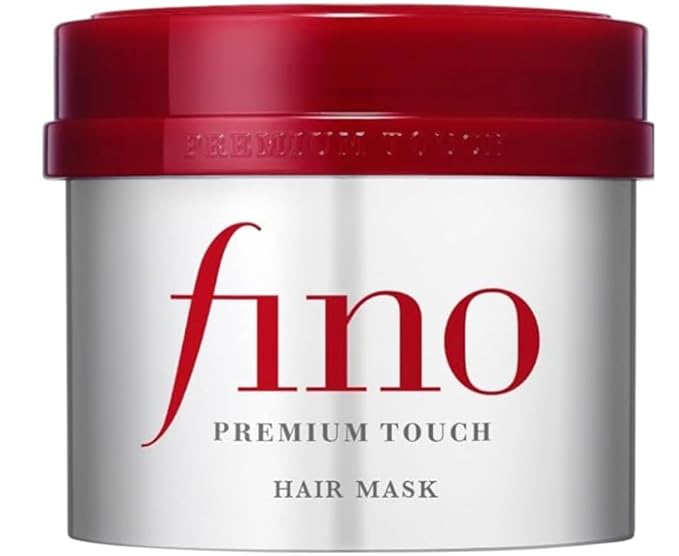
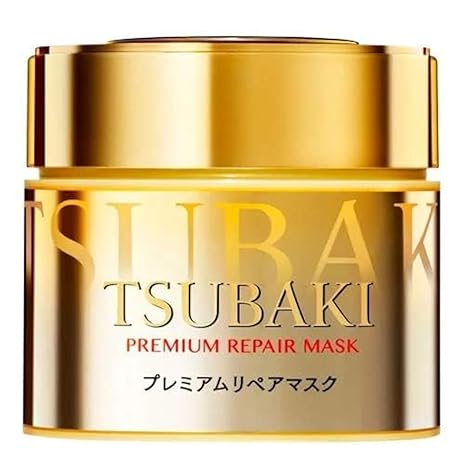
Tsubaki vs Fino Hair Mask: Which Japanese Hair Mask Is Right for Your Hair?
The Fino Premium Touch Penetrating Essence Hair Mask and TSUBAKI Premium Hair Mask are the two most talked about Japanese drugstore hair masks, and for good reason. Both sit under the Shiseido umbrella, both cost roughly the same, and both have thousands of fans swearing they transformed their hair. But they work differently, and picking the wrong one for your hair type can leave you with limp, weighed down strands or hair that still feels dry after masking.
The short version: your hair’s porosity is the deciding factor, not just how damaged it is.
Quick Verdict
Pick Fino if: your hair is high porosity, thick, coarse, or heavily damaged from bleaching and heat styling. It delivers intense moisture and smoothing that porous hair absorbs well.
Pick Tsubaki if: your hair is low porosity, fine, thin, or color treated but not heavily damaged. It hydrates without the heavy, coated feeling that can weigh fine hair down.
Not sure about your porosity? Drop a clean strand of hair into a glass of water. If it sinks within a minute or two, you likely have high porosity hair. If it floats on the surface for a while, it’s probably low porosity.
What Makes Them Different: Ingredients
Both masks share some common ground. They both contain dimethicone (a silicone that smooths the hair cuticle), aminopropyl dimethicone (a modified silicone that bonds to damaged areas), sorbitol for moisture, and royal jelly extract. But the differences in their formulations explain why they feel so different on hair.
Fino’s Formula
Fino leads with sorbitol and dimethicone high in the ingredient list, making it a heavier, more occlusive mask. Its standout ingredients include:
- Squalane: a lightweight oil that mimics the hair’s natural lipids and seals in moisture
- PCA (pyrrolidone carboxylic acid): a natural moisturizing factor that helps hair retain water
- Polyquaternium 64: a conditioning polymer that reduces static and adds slip
The combination of squalane, PCA, and heavy silicones is why Fino feels rich and coating. It’s designed to fill in gaps in the cuticle and seal everything shut, which is exactly what high porosity hair needs.
Fino
6 retailersSee retailers →
Tsubaki’s Formula
Tsubaki uses glycerin as its primary humectant instead of sorbitol, which gives it a lighter, less sticky feel. Its key differentiators:
- Camellia seed oil (tsubaki oil): the brand’s signature ingredient, a lightweight botanical oil rich in oleic acid that conditions without heavy buildup
- Acetylated hyaluronic acid: a modified form of hyaluronic acid that penetrates hair better than regular hyaluronic acid and provides longer lasting hydration
- Hydrolyzed conchiolin: a pearl protein extract that adds shine and smoothness
- Sodium dilauramidoglutamide lysine: a lysine derived conditioning agent that helps smooth and detangle
- Lactic acid: helps smooth the hair cuticle at a slightly acidic pH
Tsubaki’s formula is more about conditioning and shine than heavy sealing. The camellia oil provides nourishment without the thick coating, and the hyaluronic acid delivers hydration that doesn’t weigh hair down.
Tsubaki
13 retailersSee retailers →
Texture and Weight
This is where most people notice the biggest difference.
Fino has a thick, dense, almost balm like texture. It spreads through hair with some resistance and you can feel it coating each strand. It takes longer to rinse out thoroughly, and if you use too much on fine hair, you’ll know immediately because your hair will feel heavy and greasy even after rinsing.
Tsubaki is noticeably lighter and creamier. It distributes through hair more easily and rinses out faster. The finish feels silky rather than coated, and it’s harder to over apply because the texture is less concentrated.
Both masks have fragrance, though the scents are quite different. Fino has a floral, slightly soapy scent that lingers after rinsing. Tsubaki leans more fruity and sweet. Neither scent is subtle, so if you’re sensitive to fragrance, that’s worth noting.
Who Should Pick Fino
Fino works best for hair that needs serious repair and moisture sealing:
- High porosity hair that absorbs and loses moisture quickly
- Thick, coarse hair that can handle heavier products without getting weighed down
- Bleached or heavily heat damaged hair with visible dryness and breakage
- Frizzy hair in humid climates where the occlusive layer helps lock out humidity
- Curly and wavy hair (especially 2C and above) that tends to be naturally more porous
If your hair drinks up products quickly and still feels dry an hour later, Fino’s sealing approach tackles that directly. For a deeper look at how Fino performs on different hair types, see the Fino Premium Touch Hair Mask review. The PCA also helps hair hold onto moisture longer, which heavily damaged hair benefits from.
Who Should Pick Tsubaki
Tsubaki is the better choice when you need conditioning without heaviness:
- Low porosity hair that resists absorbing product and gets buildup easily
- Fine or thin hair that goes flat and greasy with heavy masks
- Virgin or lightly processed hair that needs maintenance moisture, not rescue treatment
- Color treated hair (without major damage) where you want to preserve vibrancy without weighing strands down
- Straight to slightly wavy hair (1A through 2B) that shows heaviness more visibly
The camellia seed oil in Tsubaki is a closer match to the oils hair produces naturally, so it conditions without that “product coated” feeling. If your main concern is softness and shine rather than deep damage repair, this is the one. The Tsubaki Premium Hair Mask review covers this in more detail.
Can You Use Both?
Yes, and a lot of people do. Alternating between the two based on what your hair needs that week is a solid approach.
One common routine: use Fino once a week as a deep treatment (especially after heat styling or on days when your hair feels particularly dry), and Tsubaki as your regular midweek mask to maintain softness without buildup. This works especially well for hair that falls somewhere in the middle on the porosity spectrum, or for anyone whose hair needs change with the seasons.
During winter when indoor heating dries hair out, you might lean more toward Fino. In summer when humidity is high and you want lighter products, Tsubaki keeps things manageable without adding weight.
Price and Availability
Both masks are widely available outside Japan through Japanese beauty retailers and general marketplaces. They’re also covered in our best Japanese hair treatments roundup alongside other popular options. They’re priced similarly and both come in 180g tubs that last a good while since you only need a small amount per use. Fino also comes in a larger 230g size.
The Fino and Tsubaki product lines both include shampoos, conditioners, and hair oils that pair well with their respective masks. If you find one mask works for your hair, the matching shampoo and conditioner from the same line can reinforce those results. Fino offers the Fino Premium Touch Smoothing & Moisturizing Leave-In Hair Oil for extra smoothing, while Tsubaki has the Tsubaki Premium Moist Conditioner and Tsubaki Premium Treatment Hair Water for a lighter layering approach.
FAQ
Is Fino or Tsubaki better for curly hair?
It depends on your curl pattern and porosity more than the curl itself. Curly hair that’s also high porosity (common with tighter curl patterns like 3A and above) tends to respond better to Fino’s heavier formula. Looser curls and waves with low porosity often prefer Tsubaki. If you’re unsure, start with Tsubaki since it’s easier to layer on more product than it is to remove excess heaviness.
Can I use Fino or Tsubaki every day?
Both masks are designed for weekly or twice weekly use, not daily. Using a heavy mask like Fino every day can lead to product buildup that makes hair look dull and feel waxy. If you want daily conditioning, pair your chosen mask with the matching conditioner from the same line for regular washes.
Are Fino and Tsubaki the same brand?
They’re both under the Shiseido corporate umbrella, but they’re separate product lines with different formulations and target audiences. Fino is positioned as a concentrated repair treatment, while Tsubaki focuses on salon quality conditioning with camellia oil as its hero ingredient.
Do these hair masks contain protein?
Fino does not contain any notable protein ingredients. Tsubaki contains hydrolyzed conchiolin (a pearl protein extract) that contributes to shine and smoothness, but in a relatively small concentration. Neither mask is heavily protein loaded compared to dedicated protein treatments, so both are generally safe for protein sensitive hair.
Which one smells better?
This is entirely personal. Fino has a clean, floral scent that some describe as soapy or powdery. Tsubaki has a sweeter, fruitier fragrance. Both scents linger in the hair after rinsing. Neither is fragrance free, so if scent sensitivity is a concern, patch test before committing to a full tub.