Japanese beauty explained
Tsubaki Premium Hair Mask Review: Is It Worth the Hype?
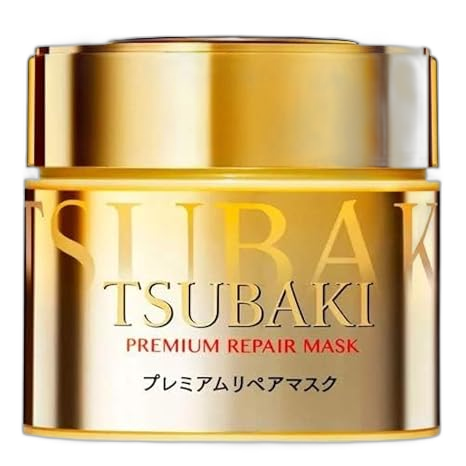
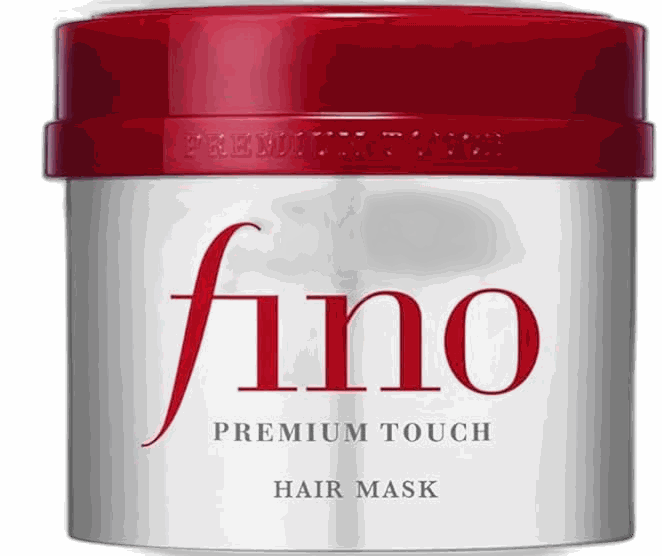
The TSUBAKI Premium Hair Mask has been a staple on Japanese drugstore shelves for years. It won first place in the Shampoo and Conditioner category at the @cosme Best Cosmetics Awards in 2019, consistently ranks in the top three hair masks on Japanese beauty sites, and has a loyal following on Reddit and TikTok. But most of the buzz online boils down to the same question: how does it compare to Fino?
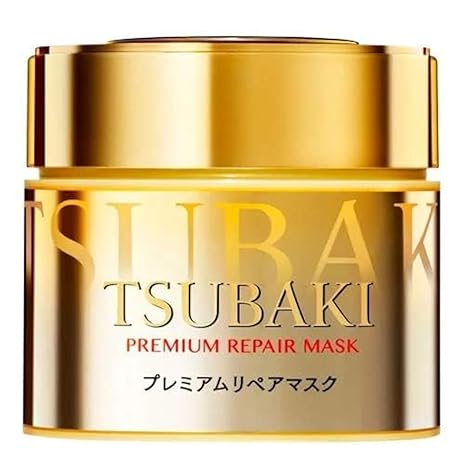
Tsubaki
14 retailersSee retailers →
Here’s the thing. These two masks are not interchangeable. They target different hair types, use different key ingredients, and work best on different schedules. This guide breaks down what the Tsubaki mask does, who should use it, and whether it deserves a spot in your routine.
What Makes the Tsubaki Hair Mask Different
Tsubaki means “camellia” in Japanese, and camellia seed oil is the star ingredient here. It’s a lightweight oil rich in oleic acid that absorbs quickly without leaving a heavy coating on the hair shaft. For context, oleic acid makes up about 80% of camellia oil’s fatty acid profile, which is comparable to olive oil but with a much lighter feel.
Beyond camellia oil, the formula includes:
- Hydrolyzed conchiolin (a pearl protein extract that adds shine and smoothness)
- Sodium acetylated hyaluronate (a modified hyaluronic acid for moisture retention)
- Royal jelly extract (a conditioning agent that contributes to the mask’s signature honey scent)
- Dimethicone and amodimethicone (silicones that smooth the cuticle and reduce frizz)
- Hydroxyethyl urea (a humectant that draws moisture into the hair)
The formula leans heavily on conditioning and moisture rather than protein repair. This is an important distinction. If your hair is damaged from bleaching or chemical processing and needs structural rebuilding, a protein heavy treatment might serve you better. The Tsubaki mask is designed to soften, smooth, and add shine.
One genuine standout feature: the mask works with zero wait time. Tsubaki claims you can apply it and rinse immediately, and user reviews consistently confirm this. The “ion repair” technology uses positively charged ingredients (like behentrimonium chloride) that bond to negatively charged damaged areas of the hair cuticle on contact. Most masks need 5 to 10 minutes of sitting time, so this is a real time saver for anyone with a quick shower routine.
That said, leaving it on for a few minutes does seem to improve results based on community feedback. The zero wait time is a floor, not a ceiling.
Who the Tsubaki Hair Mask Works Best For
This mask has a sweet spot, and it’s worth being specific about it.
Fine or thin hair: The Tsubaki mask is noticeably lighter than Fino. Multiple reviewers with fine, straight hair report that Fino weighs their hair down while Tsubaki adds softness without the heaviness. If your hair gets limp and greasy from rich treatments, this is the better option.
Low porosity hair: Low porosity hair has a tight cuticle layer that resists absorbing heavy products. Lightweight oils like camellia seed oil penetrate more easily than the thicker oils in Fino’s formula. Community threads consistently recommend Tsubaki for low porosity hair types.
Straight or slightly wavy hair: The smoothing effect plays well with straight and wavy textures. The silicones in the formula help tame flyaways and static without disrupting wave patterns.
Color treated hair: The gentle, moisture focused formula works well on color treated hair that needs hydration without aggressive protein that can cause stiffness. The lack of strong surfactants means it won’t strip color.
Who should consider something else: If you have thick, coarse, or high porosity hair that drinks up moisture, you may find the Tsubaki mask too light. High porosity hair generally responds better to heavier, oil rich masks like Fino Premium Touch Penetrating Essence Hair Mask. Similarly, if your hair is severely bleach damaged and needs protein reconstruction, look for treatments with keratin or hydrolyzed wheat protein.
How to Use the Tsubaki Hair Mask
The official instructions are simple: apply after shampooing, then rinse. No wait time required. But a few adjustments based on real user experience can improve your results.
Amount: Start small. About a grape sized amount for shoulder length hair. The most common mistake is using too much, which can leave hair feeling greasy or stringy, especially on fine hair. One reviewer with thin hair found that a dime sized amount was all she needed.
Application: Focus on mid lengths to ends. Avoid the roots and scalp area entirely. Finger comb through rather than just scrunching, since the texture is thicker than a typical conditioner and benefits from even distribution.
Frequency: Once or twice a week as a special treatment. This is a key difference from Fino, which can be used daily. Using the Tsubaki mask every wash can lead to buildup, especially on fine or low porosity hair. Some users report diminishing results after months of consistent use, which may be a sign of product buildup rather than the mask losing effectiveness. Rotating with a clarifying shampoo every couple of weeks helps.
The leave in approach: Some users apply a tiny amount to damp hair after washing and skip rinsing, using it as a leave in treatment. This works best on dry or damaged ends and should be done sparingly. A pea sized amount on the very tips is enough. This is not an official use, so start cautiously.
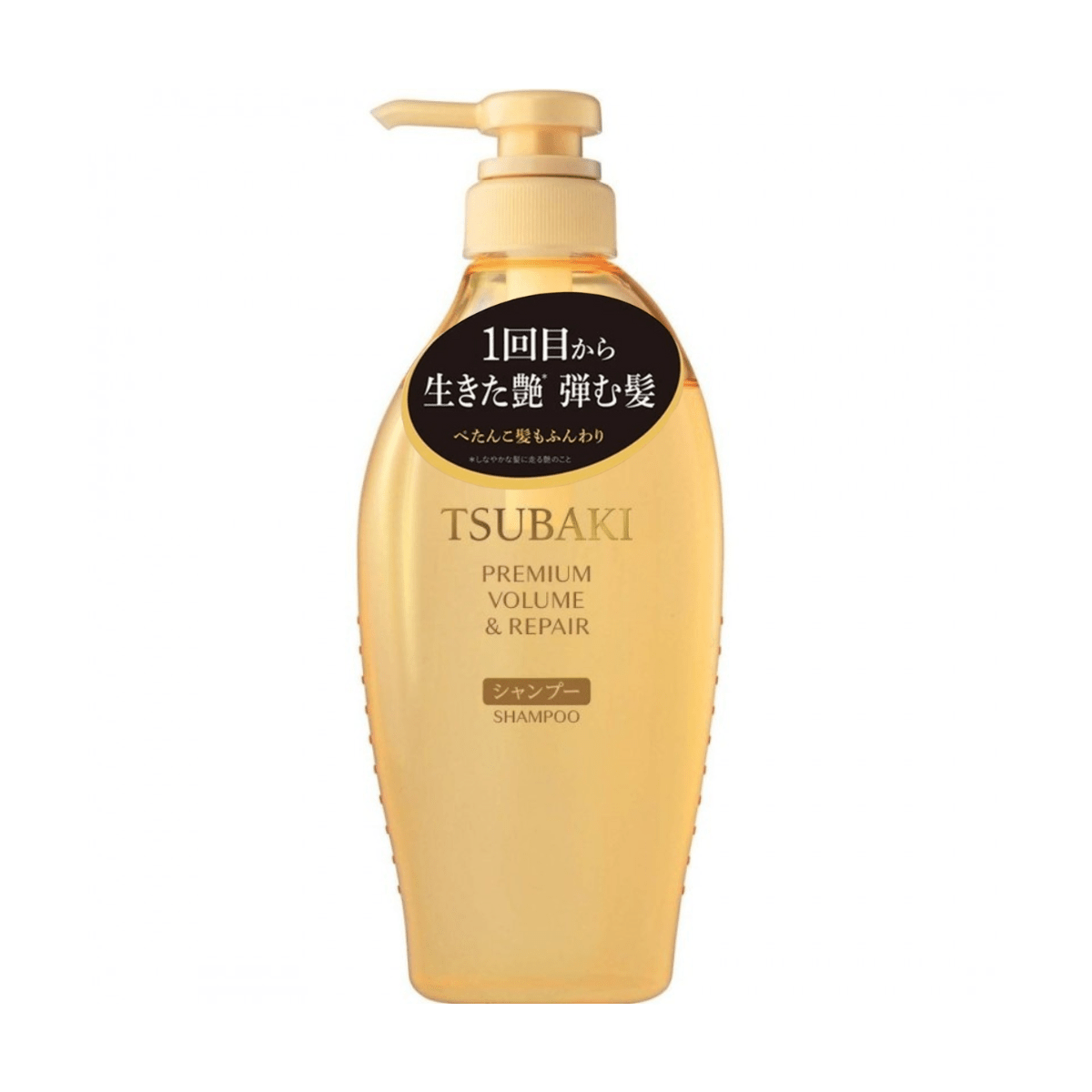
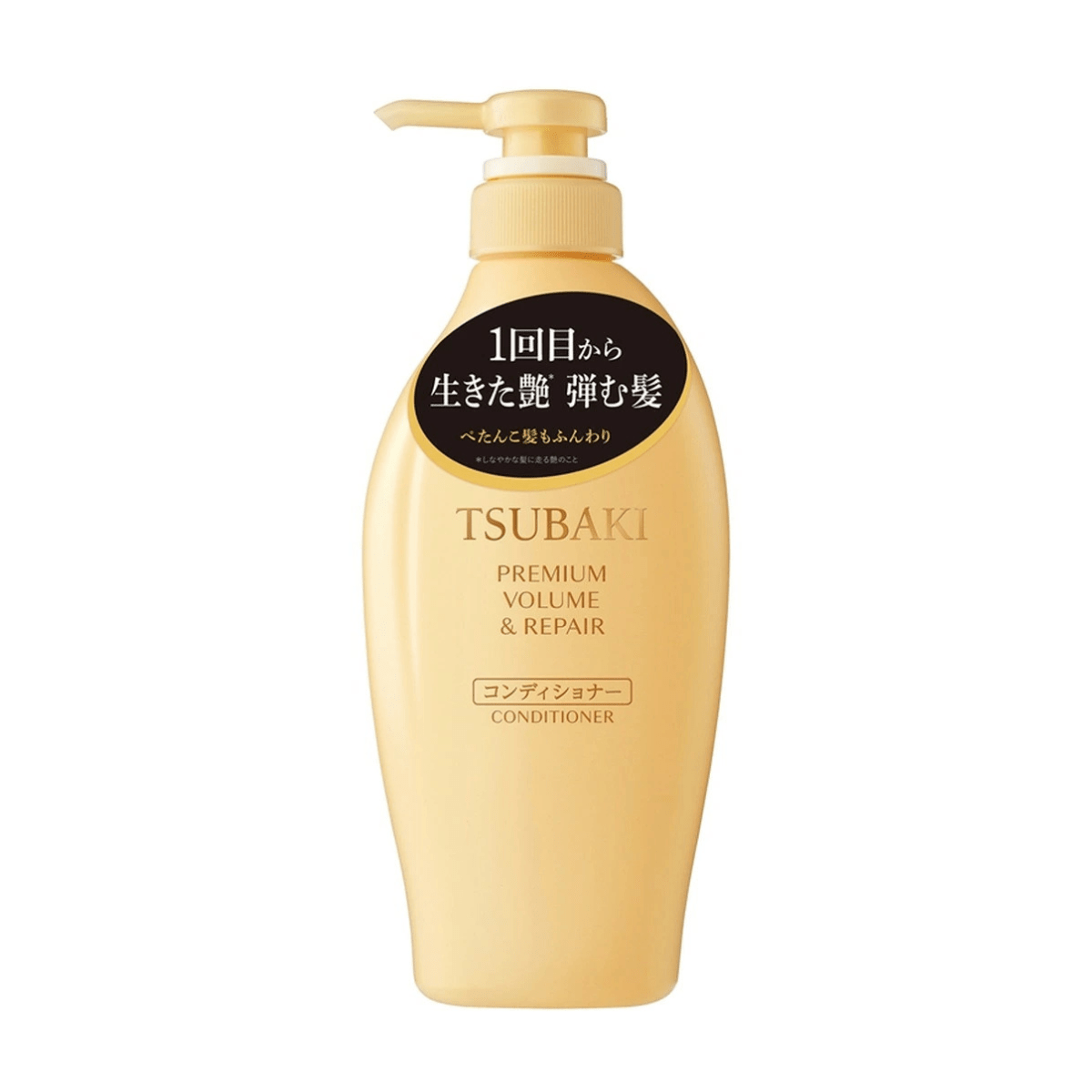
Pairing it with the full line: Tsubaki offers matching shampoos and conditioners in both the Premium Moist and Premium Repair lines. Using the mask after the Tsubaki Premium Repair Shampoo and Tsubaki Premium Repair Conditioner gives the most cohesive results, but the mask works fine as a standalone addition to any shampoo routine.
Tsubaki vs Fino: Which Hair Mask Should You Pick?
This is the comparison everyone wants, and the answer depends entirely on your hair type.
Both masks were originally developed by Shiseido (the hair care division now operates under FineToday, a company spun off from Shiseido in 2021). They share some DNA in their formulation philosophy but target different needs.
Weight and texture: The Tsubaki mask has a thick, creamy texture but rinses lighter than Fino. Fino’s formula is more oil rich and leaves a heavier coating on the hair. On fine hair, this difference is immediately noticeable.
Key ingredients: Tsubaki leans on camellia oil and conditioning agents. Fino’s formula features a blend of beauty essences including royal jelly, squalane, trehalose, PCA, and glutamic acid that create a more intensive moisture seal. Fino is the heavier hitter for dry, damaged hair.
Usage frequency: Both masks are designed for once or twice a week use, though some users apply Fino more frequently due to its lighter rinse feel. If you prefer a weekly treatment to complement your existing routine, either can fill that role.
Scent: Both are floral, but the Tsubaki mask has a sweeter, stronger fragrance with honey and fruit notes that lingers in the hair after drying. Fino’s scent is milder and fades faster. This is a personal preference call, but the Tsubaki scent is polarizing. Some people love it, and some find it too strong.
Hair type matching:
- Fine, thin, or low porosity hair → Tsubaki
- Thick, coarse, or high porosity hair → Fino
- Curly or very dry hair → Fino (or try both and see)
- Color treated, needs gentle care → Tsubaki
- Want a richer, more intensive treatment → Fino
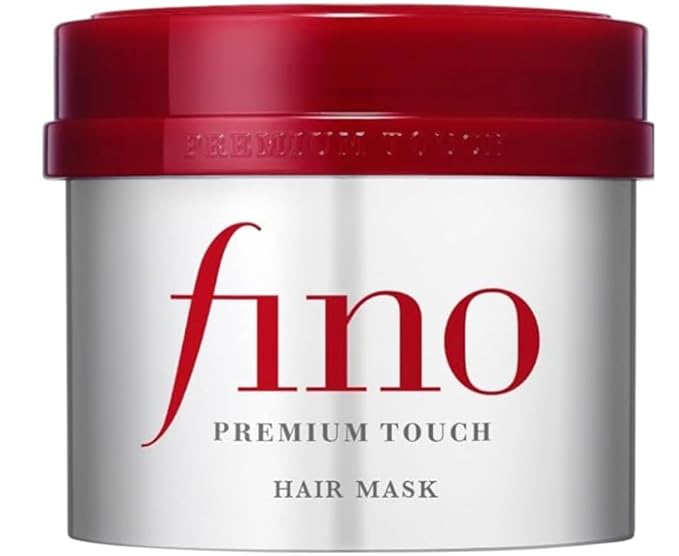
For a deeper look at Fino, check out the full Fino Hair Mask Review. Or for a detailed ingredient and porosity breakdown, see our Tsubaki vs Fino comparison.
Other Japanese Hair Masks Worth Knowing About
Tsubaki and Fino dominate the conversation, but they’re not the only options.
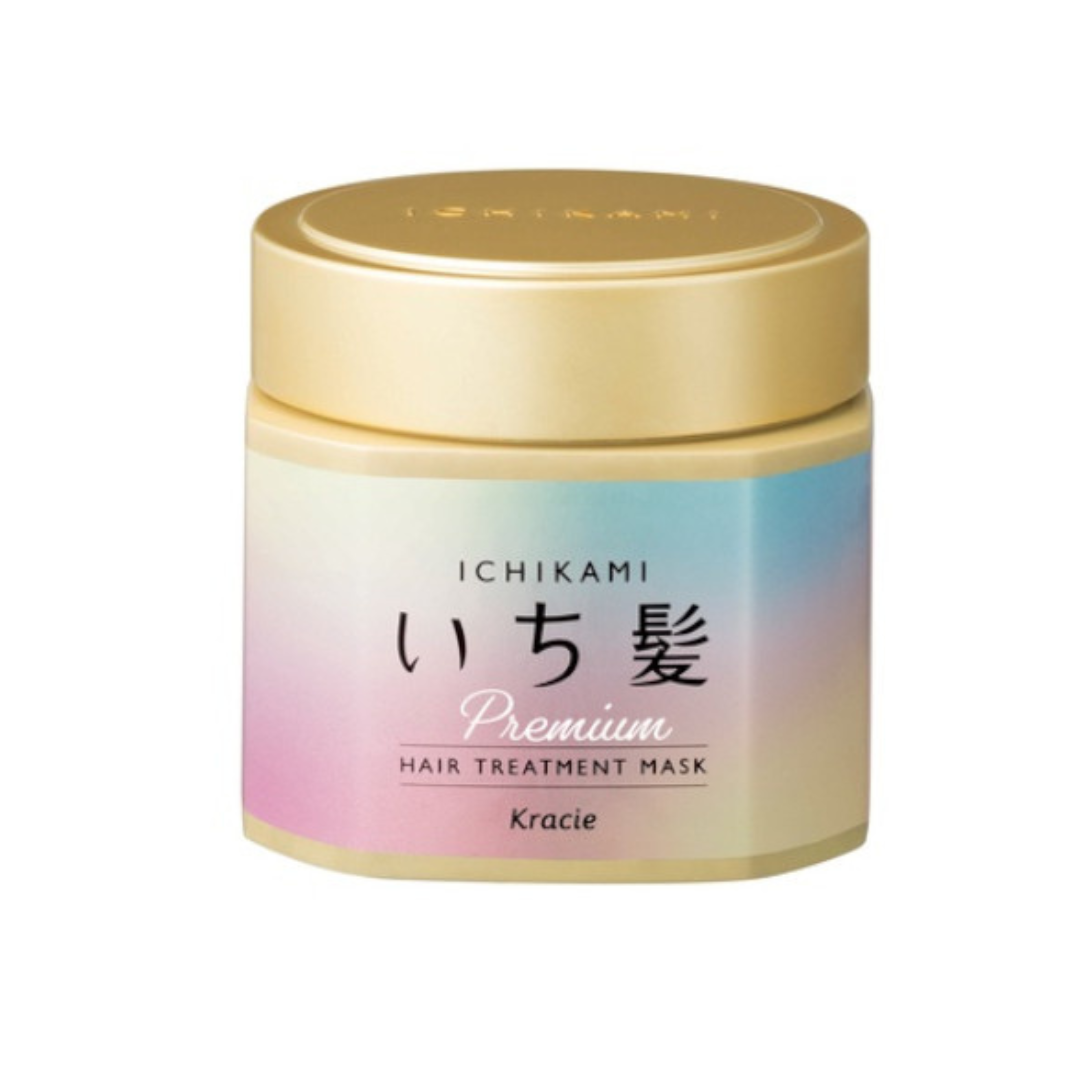
The Ichikami Premium Hair Treatment Mask uses rice bran oil and cherry blossom extract for a lighter, more traditional Japanese approach. It’s a good middle ground if Tsubaki is slightly too heavy and you want something botanical.
&honey Deep Moist Treatment 2.0 uses 90% moisture and honey ingredients for a deeply hydrating option that works well on wavy and curly textures. It’s heavier than Tsubaki but has a different scent profile that some people prefer.

For a broader comparison of Japanese hair treatments, see the full guide to Best Japanese Hair Treatments.
Where to Buy the Tsubaki Premium Hair Mask
The Tsubaki Premium Hair Mask is widely available outside Japan through both major retailers and specialty Japanese beauty shops. Amazon, Target, and Walmart all carry it, along with specialty stores like Senti Senti and TokTok Beauty.
Check the TSUBAKI Premium Hair Mask product page for a full list of verified retailers with current availability.
A quick note on versions: the current formulation is the “Premium EX Repair” version, which replaced the older “Premium Repair” version. If you see listings that don’t specify “EX” in the name, check the packaging photos. The newer version has updated packaging with a slightly different gold tub design. Both versions share the same core formula, but the EX version includes updated repair ingredients.
The 180g tub typically lasts 2 to 3 months with once weekly use on medium length hair, making it one of the better value Japanese hair treatments available outside Japan.
Frequently Asked Questions
How long should you leave the Tsubaki hair mask on?
The mask is designed to work immediately with no wait time. You can rinse it out right after applying. That said, leaving it on for 2 to 5 minutes can enhance the results. Going longer than 10 minutes doesn’t seem to provide additional benefit based on user reports.
Can you use the Tsubaki hair mask every day?
It’s designed for once or twice a week use, not daily. Using it more frequently can lead to buildup, particularly on fine or low porosity hair. Fino is also recommended at a similar frequency, though some users find they can use it more often without buildup on thicker hair types.
Does the Tsubaki hair mask contain protein?
The formula includes hydrolyzed conchiolin (a pearl protein) and royal jelly extract, but it’s not a protein heavy treatment. It’s primarily a moisture and conditioning mask. If you need significant protein repair for bleach damaged hair, look for a dedicated protein treatment.
Is the Tsubaki hair mask silicone free?
No. It contains dimethicone and amodimethicone, which are silicones that help smooth the hair cuticle and reduce frizz. If you follow a strict silicone free routine, this mask isn’t compatible. Dimethicone and amodimethicone are not water soluble, so a gentle sulfate free shampoo may not fully remove them over time. A clarifying wash every couple of weeks helps prevent buildup.
What’s the difference between Tsubaki Premium Repair and Premium Moist?
The Repair line focuses on damaged hair repair with conditioning agents, while the Moist line emphasizes hydration for dry hair. The Premium Hair Mask sits in the Repair line. Tsubaki also offers a Tsubaki Premium Moist Hair Treatment for those who want a lighter, hydration focused option.