Japanese beauty explained
Fino Premium Touch Hair Mask Review: Is the TikTok Viral Japanese Hair Mask Worth It?
Choose and shop
Where to start
Looking for the Fino mask? Choose the rinse out jar, then check the size and seller. The hair oil is a different product.
As an Amazon Associate we earn from qualifying purchases.
The rinse out hair mask
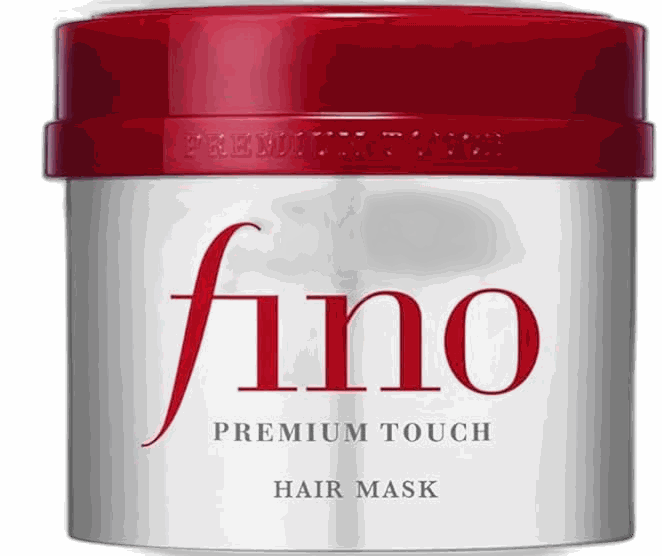
Fino Premium Touch Hair Mask
Check whether the listing includes a single jar, multiple jars or a refill before comparing prices.
The Fino Premium Touch Penetrating Essence Hair Mask has been Japan’s top selling hair mask for years. Then TikTok discovered it, and suddenly a $10 Japanese drugstore product was outselling high end hair treatments on Amazon. It currently sits as a best seller in deep conditioning treatments, with tens of thousands of units moving monthly.
But viral popularity and performance are two different things. (For a full rundown of every J beauty product TikTok made famous, see our TikTok viral Japanese skincare guide.) Here’s what the Fino hair mask is, what it does well, who it works for, and where it falls short.
Fino
5 retailersSee retailers →
What Is the Fino Hair Mask?
Fino was originally created by Shiseido but is now part of FineToday Holdings, a company formed when Shiseido spun off its personal care brands in 2021 (for context on the Shiseido portfolio, see the Shiseido guide). The full Fino line includes a shampoo, conditioner, hair mask, and two hair oils. But the mask is the star. It’s been the top selling hair treatment in Japan long before it hit Western social media.
The official name is “Premium Touch Penetrating Essence Hair Mask,” which gives a hint at how it works. It’s a rinse out deep conditioning treatment, not a daily conditioner. You apply it to towel dried hair after shampooing, leave it on for a few minutes (more on timing below), and rinse it out.
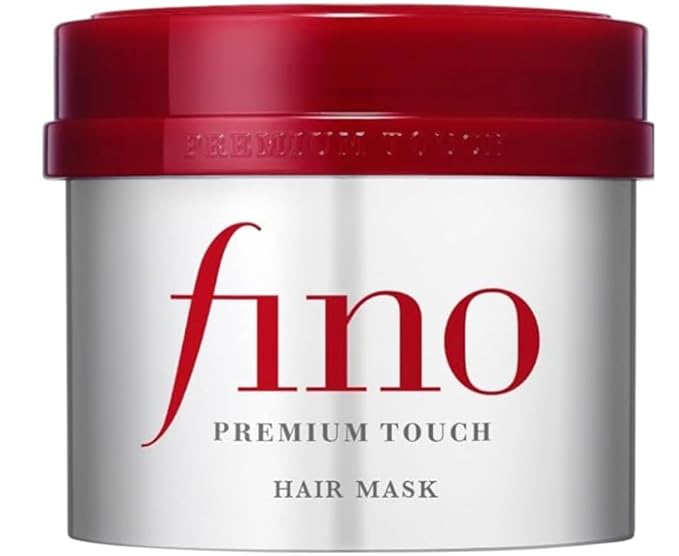
It comes in a 230g (8.1 oz) jar, which lasts a surprisingly long time since you only use it once or twice a week.
Key Ingredients and How It Works
The Fino mask’s formula centers on what the brand calls “seven beauty essences.” In practical terms, these are conditioning and smoothing agents:
Royal jelly and trehalose provide moisture and conditioning. Royal jelly is rich in amino acids and lipids that help soften and smooth the hair, while trehalose stabilizes the hair’s moisture balance. These are the hydration backbone of the formula.
Squalane and dimethicone (a silicone) are the smoothing agents. Squalane softens and adds flexibility, while dimethicone coats the hair shaft to create that signature silky, slippery feel. If you’ve used any high end hair mask and noticed instant smoothness, silicones are usually why.
Lipidure (polyquaternium-64) is a synthetic moisturizing agent that mimics the structure of cell membranes and holds moisture effectively. It helps with hydration at the strand level.
The full INCI list also includes cetyl alcohol (a fatty alcohol that gives the mask its thick, creamy texture), behentrimonium chloride and steartrimonium chloride (conditioning agents), and fragrance. The scent is floral and sweet, often described as a “grape candy” or “fruity floral” fragrance. It’s noticeable but fades after rinsing.
Worth noting: this is a silicone heavy formula. That’s not a bad thing (silicones are effective and well studied), but if you follow a strictly silicone free hair care routine, this mask isn’t compatible with that approach.
How to use it
After shampooing, squeeze out excess water, work the mask through the areas that need conditioning, and rinse thoroughly. Current official Fino directions allow immediate rinsing after application. Follow your own jar if you have an earlier version.
If your hair feels coated, try less product on the ends and assess the result after drying. Our Fino for fine hair guide explains how to adjust placement and decide whether a rich mask suits your routine.
Results by Hair Type
The Fino mask doesn’t work the same way for everyone. Hair type, texture, and current damage level all affect results.
Fine or thin hair: This is where caution is needed. The rich, silicone heavy formula can weigh fine hair down quickly. If you have fine hair, use a very small amount, focus only on the ends, and limit use to once a week or even once every two weeks. Some people with fine hair find the Fino Premium Touch Smoothing & Moisturizing Leave-In Hair Oil works better for them since you can control the amount more precisely.
Thick or coarse hair: This is the hair type where Fino performs best. Thick, coarse, or rough textured hair soaks up the conditioning agents without getting weighed down. Most of the glowing reviews come from people in this category.
Curly or wavy hair: Mixed results. Curly hair types often love the softness and frizz reduction but find that the silicones can disrupt curl pattern over time. If you use curl defining products (gels, mousses, creams), the silicone buildup from Fino can interfere with their hold. Worth trying, but watch for changes in your curl formation after a few uses.
Color treated or bleached hair: Strong performance here. Damaged, porous hair absorbs the conditioning agents effectively, and the silicone coating helps seal the cuticle to reduce further moisture loss. This is one of the most common use cases in both Japanese and Western markets.
Heat damaged hair: Similar to color treated hair. The mask excels at smoothing roughened cuticles and restoring slip to hair that’s lost its natural smoothness from repeated heat styling.
Fino Hair Mask vs. Fino Hair Oil: Which Do You Need?
The Fino line includes two oil products alongside the mask, and they serve different purposes.
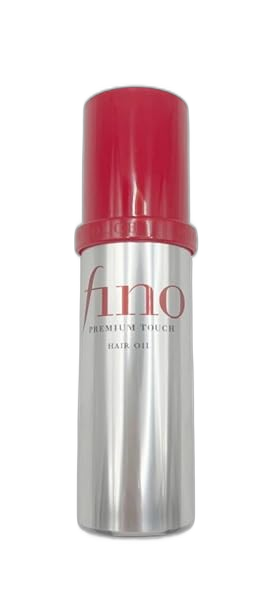
The Fino Premium Touch Smoothing & Moisturizing Leave-In Hair Oil is a daily leave in treatment. You apply a small amount to damp or dry hair and don’t rinse it out. It adds shine, tames flyaways, and provides light heat protection. Think of it as daily maintenance.
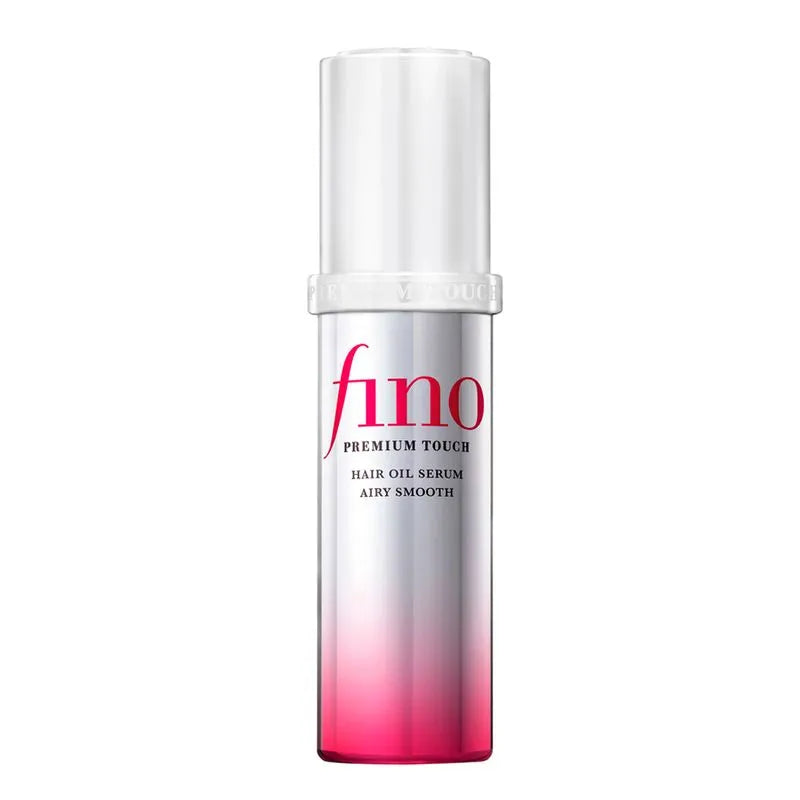
The Fino Premium Touch Airy Smooth Hair Oil Serum is the lightweight version of the oil, formulated for finer hair that can’t handle the richness of the original.
The mask, by contrast, is a weekly deep treatment that you rinse out.
If you have to pick one: the mask for damaged or dry hair that needs repair, the oil for hair that’s generally healthy but needs daily smoothing and shine. Many people use both: mask once a week, oil after every wash. For a full breakdown of the oil, see the Fino hair oil review.

The Full Fino Lineup
For context, here’s the complete range:
- Fino Premium Touch Penetrating Essence Hair Mask: weekly deep treatment (the viral one)
- Fino Premium Touch Smoothing & Moisturizing Leave-In Hair Oil: daily leave in oil
- Fino Premium Touch Airy Smooth Hair Oil Serum: lightweight leave in oil for fine hair
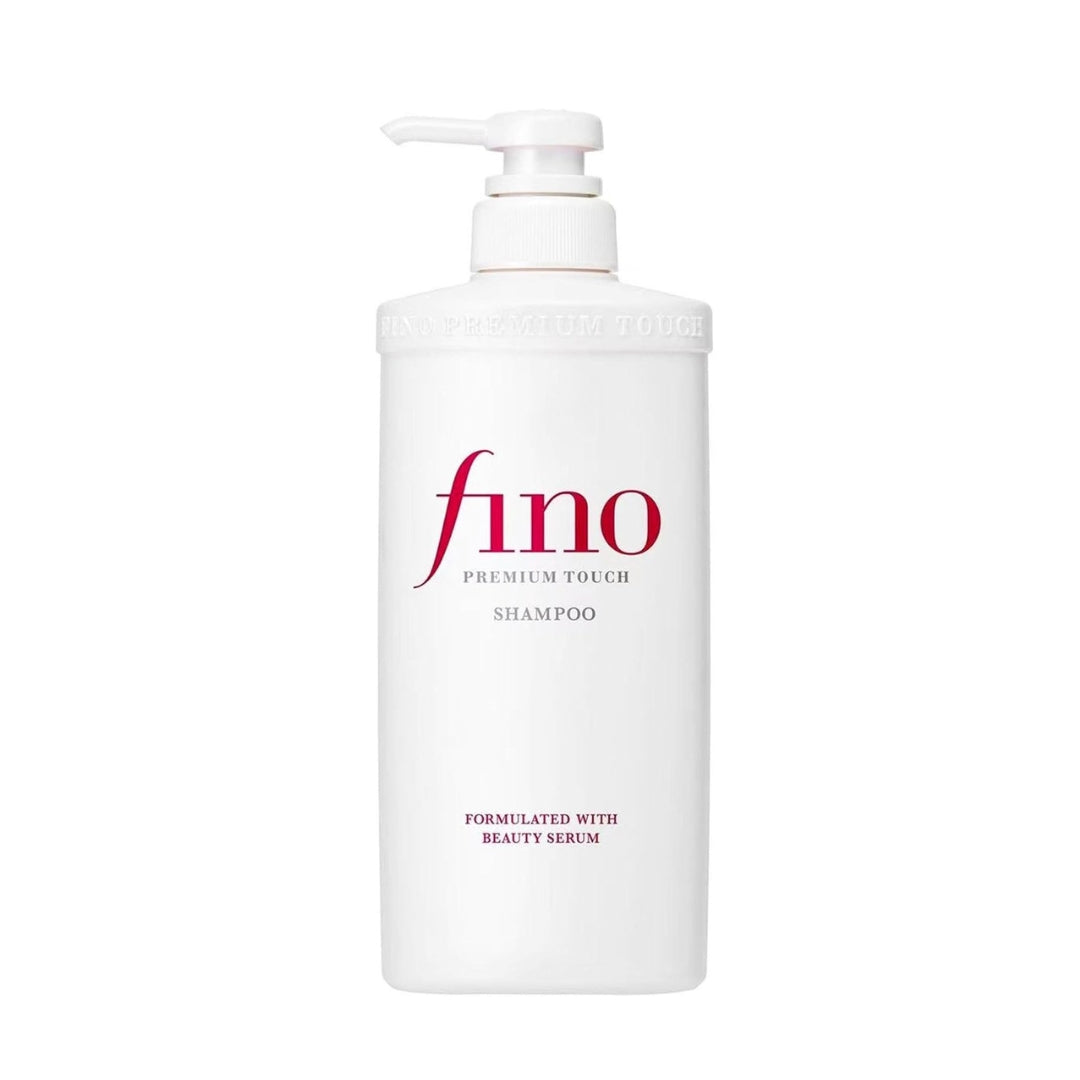
- Shiseido Fino Premium Touch Shampoo: daily shampoo
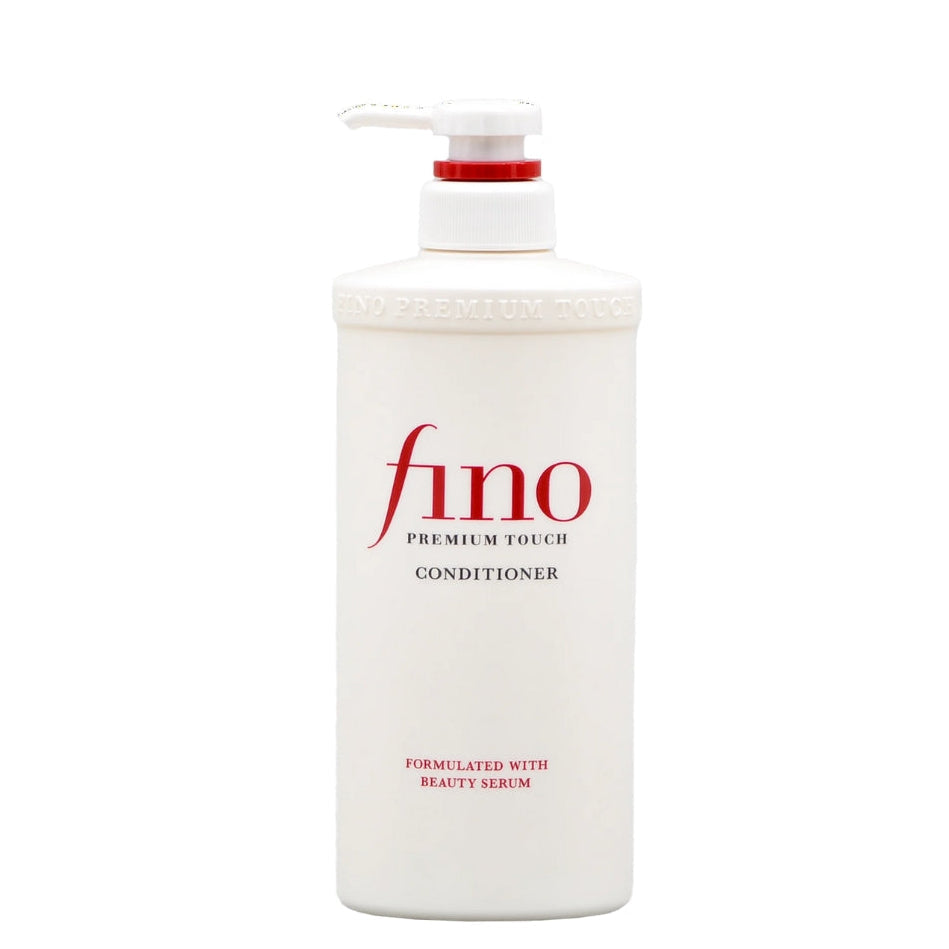
- Shiseido Fino Premium Touch Conditioner: daily conditioner
You don’t need the full set. The mask works perfectly well with whatever shampoo you already use. The shampoo and conditioner are solid but unremarkable daily products.
Fino vs. the Competition
The Fino mask isn’t the only Japanese hair treatment worth knowing about. Here’s how the main alternatives compare.
Fino vs. Tsubaki Premium Hair Mask
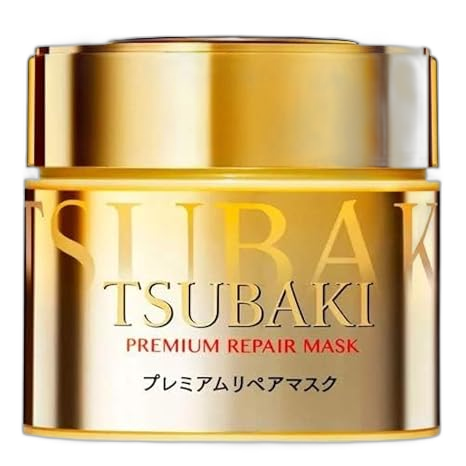
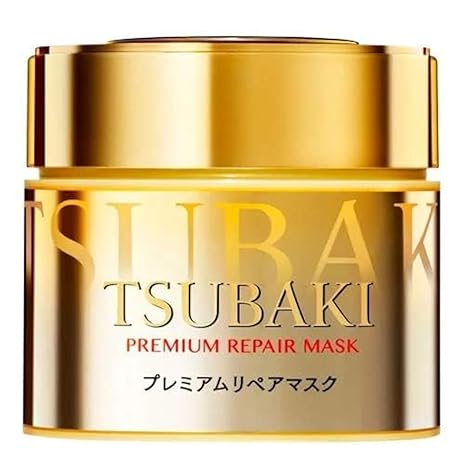
TSUBAKI Premium Hair Mask is the closest direct competitor and the one people ask about most. Both are from FineToday Holdings (formerly Shiseido) and both are weekly deep treatments. The key difference is the formula approach: Tsubaki centers on camellia oil (tsubaki oil), a traditional Japanese hair care ingredient rich in oleic acid that closely mimics the hair’s natural lipids. Fino relies more heavily on silicones and synthetic conditioning agents.
Both are rich conditioning masks. The published information doesn’t establish that Tsubaki will always feel lighter on fine hair. Compare the product positioning in our Tsubaki vs Fino guide, or start with the fine hair guide if heaviness is your main concern.
Tsubaki
14 retailersSee retailers →
Fino vs. &honey Deep Moist Treatment
&honey Deep Moist Treatment 2.0 takes a different angle entirely. The formula uses a blend of honey and Moroccan organic oil, aiming for deep moisture rather than silicone based smoothing. The texture is thicker and more luxurious than Fino, and the honey scent is distinctive (you’ll either love it or find it too sweet).
Results wise, &honey provides better moisture retention for dry, brittle hair. Fino provides better surface smoothness and shine. For color treated hair that’s lost moisture from processing, &honey can feel more nourishing. For heat damaged hair that needs cuticle smoothing, Fino has the edge.
Fino vs. Yolu and Ichikami
Yolu Calm Night Repair Shampoo and Ichikami The Premium Smoothing Shampoo are shampoos rather than masks, so it’s not a direct comparison. But they’re worth mentioning because they represent the broader Japanese haircare landscape and get recommended alongside Fino in community discussions.
Yolu’s night repair concept is built around the idea of supporting hair recovery during sleep, with lipid based ingredients that coat the hair for overnight protection. Ichikami uses traditional Japanese botanical ingredients (rice, sakura) in a gentler formula that appeals to people who prefer a more natural approach.
If you’re building a full Japanese haircare routine, pairing Fino’s weekly mask with a daily shampoo like Yolu or Ichikami is a common approach in the community. For more options, see our best Japanese shampoo and conditioner guide.

For the full breakdown of all these products and more, see the best Japanese hair treatment roundup.
Where to Buy Outside Japan
The Fino hair mask is widely available outside Japan now, which wasn’t always the case. You can find it at major retailers including Amazon, Target, and Walmart, as well as specialty Japanese beauty retailers like Senti Senti and TokTok Beauty.
A few buying tips:
Check the seller on Amazon. The mask is an Amazon best seller, but third party marketplace sellers vary in reliability. Look for listings shipped directly by Amazon or sold by established beauty retailers. The 230g (8.1 oz) jar is the standard size sold in Japan.
Price range: Expect to pay around $8 to $14 for the standard jar depending on the retailer. If you see it priced significantly higher, you’re likely paying an import markup that isn’t necessary given how widely stocked it is now.
Authenticity: Because the Fino mask is now carried by major retailers like Target and Walmart, authenticity concerns are lower than they used to be. If you’re buying from a smaller or unfamiliar seller, check that the packaging matches current Japanese production (the jar should have Japanese text and a floral/purple label design).
FAQ
Is the Fino hair mask good for everyday use?
Current official instructions allow regular or occasional use according to your hair’s needs. Follow your jar and reduce the amount or frequency if the result feels too rich.
Does the Fino hair mask contain silicones?
Yes. Dimethicone is a key ingredient. This is what gives the mask its immediate smoothing effect. If you’re on a silicone free routine, this product isn’t a fit.
Can you leave the Fino hair mask on overnight?
Use it as a rinse out mask according to your jar. Overnight use is not part of the routine recommended here.
Is the Fino hair mask the same as Shiseido Tsubaki?
No. Fino and Tsubaki were both originally Shiseido brands (now under FineToday Holdings), but they’re different product lines. Tsubaki focuses on camellia oil based formulations, while Fino uses a different blend of conditioning agents. The Fino mask is richer and more suited to weekly deep treatments, while Tsubaki products are generally designed for daily use.
Is the Fino hair mask safe for color treated hair?
Yes. There’s nothing in the formula that strips or fades color. The silicone coating helps seal the hair cuticle, which can help color treated hair retain moisture and vibrancy between treatments.