Best Japanese Shampoo and Conditioner: 2026 Guide
Japanese shampoos and conditioners take a different approach to haircare. Where many Western formulas rely on sulfates for that squeaky clean feeling, Japanese brands lean toward amino acid surfactants that clean without stripping moisture. The result: hair that feels soft and manageable, not dry and stiff.
This guide covers the best Japanese shampoos and conditioners you can buy outside Japan, organized by hair concern so you can skip straight to what matters for your hair.
What Makes Japanese Shampoo Different
Most Japanese shampoos use amino acid based cleansing agents instead of sodium lauryl sulfate (SLS) or sodium laureth sulfate (SLES). Amino acid surfactants like sodium cocoyl glutamate and sodium lauroyl methyl taurate are milder, so they remove oil and buildup without stripping the hair’s natural moisture barrier.
A few other patterns show up across Japanese haircare:
Camellia oil (tsubaki oil) is a staple ingredient. It has been used in Japan for centuries as a hair treatment, and it shows up across drugstore and premium products. Camellia oil is rich in oleic acid, which penetrates the hair shaft to smooth and add shine without heavy buildup.
Non silicone formulations are more common in Japan than in Western markets. Many brands offer silicone free options (labeled ノンシリコン / non silicon on packaging), which some people prefer to avoid product buildup over time.
Layered treatment systems are standard. Japanese haircare routines often include a shampoo, conditioner (or “treatment” in Japanese product language), and a separate hair mask or leave in oil. The conditioner handles daily detangling while the treatment or mask does deeper repair. For a full walkthrough of each step, see the Japanese Hair Care Routine guide.
Best for Damage Repair
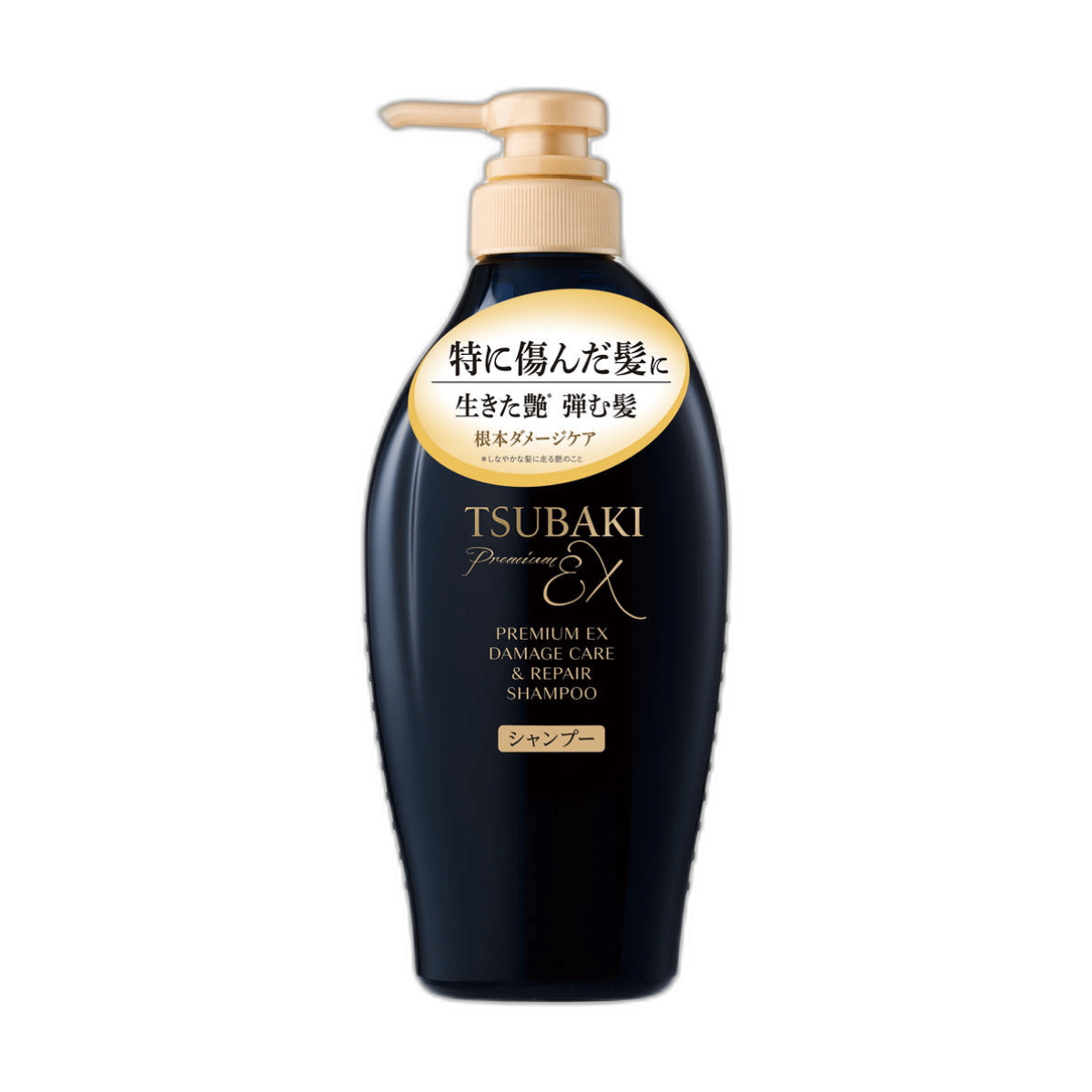
Tsubaki Premium EX Intensive Repair Shampoo and Conditioner
Tsubaki Premium EX Intensive Repair Shampoo and Tsubaki Premium EX Intensive Repair Conditioner are the repair focused line from Tsubaki, one of the most recognizable haircare brands in Japan. The formula uses camellia oil combined with royal jelly and soy protein to repair damaged and color treated hair.
This line works well for hair that has been through heat styling, bleaching, or chemical treatments. The conditioner is thick without feeling heavy, and the repair effect builds over several washes rather than being a one time thing.
Pair with the TSUBAKI Premium Hair Mask once a week for more intensive repair. For a full comparison of Japanese hair masks, see our Tsubaki vs Fino hair mask breakdown.
Ichikami Premium Smoothing Shampoo
Ichikami The Premium Smoothing Shampoo from Ichikami is a fan favorite on Reddit’s r/AsianBeauty for good reason. The formula uses rice bran oil and cherry blossom extract, and it is sulfate free with amino acid surfactants. It detangles well and leaves hair feeling silky without the weight.
The cherry blossom scent is a standout. Multiple Reddit users call it one of the best smelling shampoos they have used.
For deeper conditioning, add the Ichikami Premium Hair Treatment Mask once a week.
Ichikami
0 retailersSee retailers →
Kao THE ANSWER Super Lamellar Shampoo
This is the current #1 at @cosme, winning the Best Cosmetics Award in 2025 for both the mid year and full year awards. Kao THE ANSWER Super Lamellar Shampoo uses what the brand calls “lamellar platform technology,” which structures care ingredients (hydrolyzed keratin, olive fruit oil, lanolin fatty acid) in lamellar layers within the shampoo itself.
The primary surfactant is sodium cocoyl methyl taurate, one of the gentlest amino acid cleansers available. Users report that hair feels noticeably smoother after just a few uses.
THE ANSWER is still relatively new outside Japan, but it is starting to appear on Asian beauty import sites. It is worth tracking down if you want what Japanese consumers are buying right now.
Kao
0 retailersSee retailers →
Best for Moisture and Dry Hair
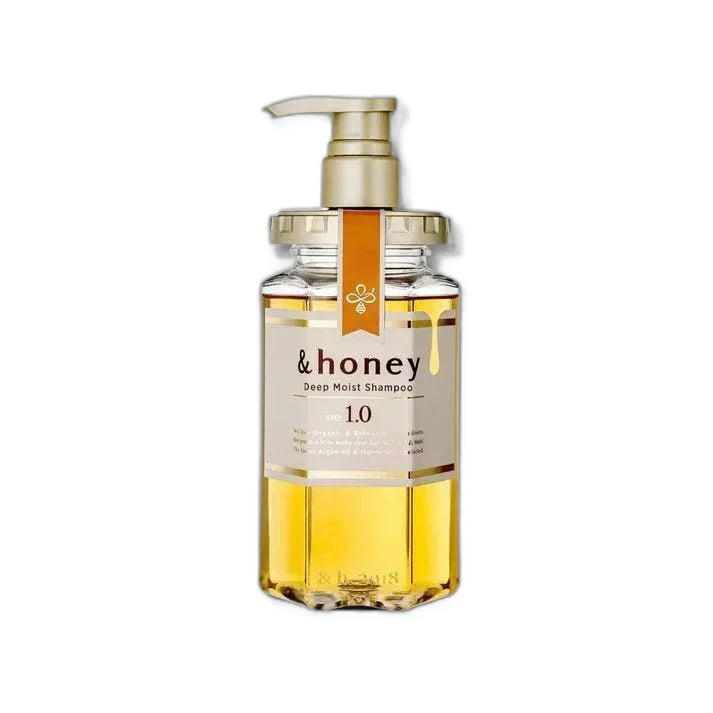
&honey Deep Moist Shampoo and Treatment
&honey Deep Moist Shampoo 1.0 and &honey Deep Moist Treatment 2.0 from &honey are built around honey and organic oils. The brand claims the product itself has a 14% water content (higher than the typical 12% for shampoos), and the texture of the shampoo itself is noticeably thicker than most Japanese shampoos.
The Deep Moist line is best for dry, coarse, or thick hair that needs extra hydration. If your hair is fine or oily, this may be too heavy. In that case, look at the &honey Herb Smooth Shampoo and &honey Herb Smooth Treatment instead, which are lighter.
&honey
2 retailersSee retailers →
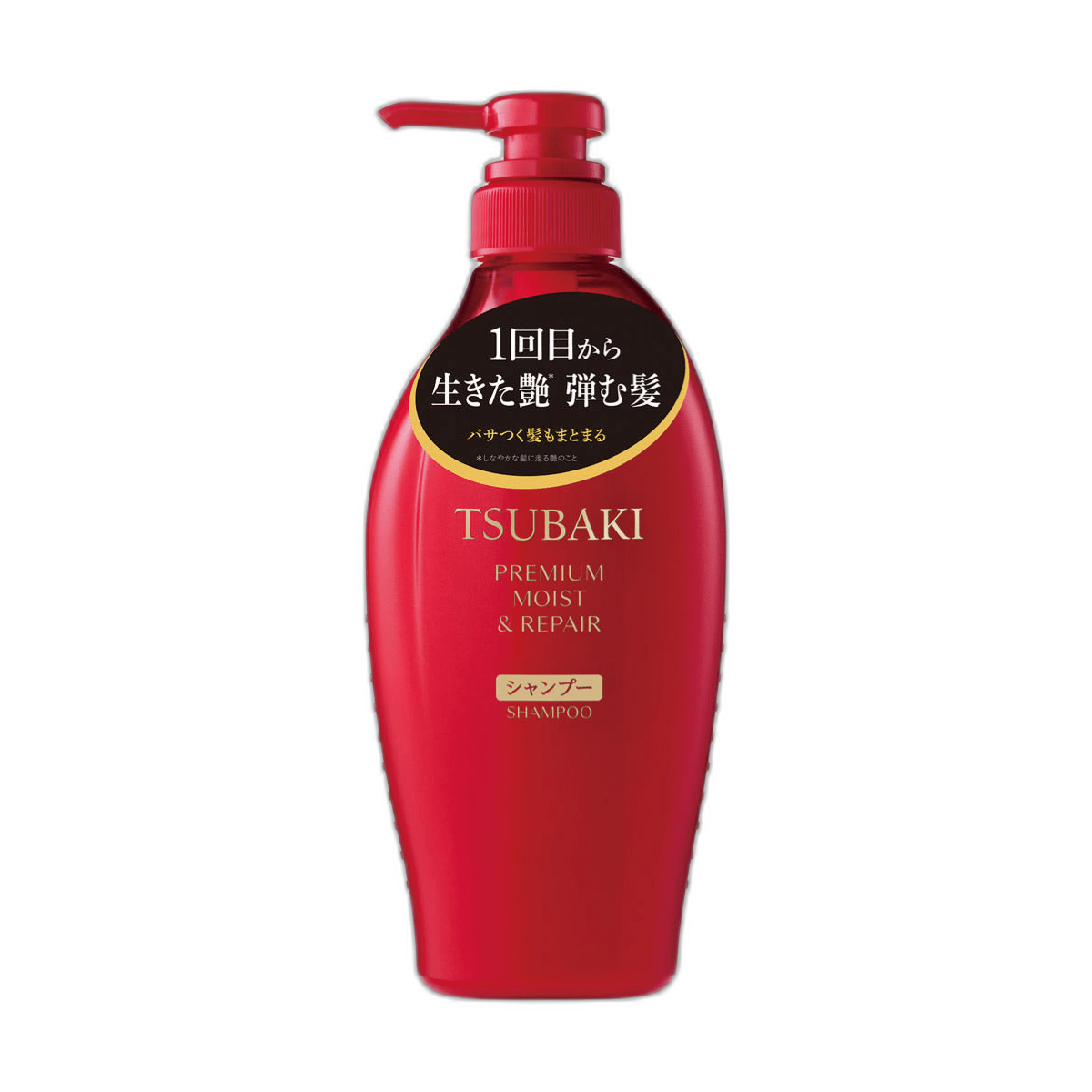
Tsubaki Premium Moist Shampoo and Conditioner
Tsubaki Premium Moist Shampoo and Tsubaki Premium Moist Conditioner deliver reliable moisture without the heaviness. The formula combines camellia oil with hyaluronic acid and squalane. This is the line to pick if you want hydration but your hair goes flat easily.
The Premium Moist line is also one of the most affordable options on this list. It is widely available outside Japan through multiple retailers.
Kracie Dear Beaute Himawari Shampoo
Kracie Dear Beauté Himawari Oil In Shampoo Rich & Repair (meaning “sunflower”) is a sulfate free, non silicone shampoo built around sunflower seed oil and four types of amino acid cleansing agents. It is a mid range option that fills the gap between budget drugstore picks and premium lines.
Himawari is popular in Japan for hair that tends to lose volume and become flat after washing. The sunflower oil formula moisturizes without weighing hair down, and it keeps hair looking full through the day.
This line is not widely available outside Japan yet, but you can find it on some Japanese import retailers.
Kracie
1 retailerSee retailers →
Best for Oily Scalp
Botanist Scalp Cleansing Shampoo
Botanist Scalp Cleansing Botanical Shampoo Lime & Green Leaf from Botanist targets oily and buildup prone scalps. It uses plant derived cleansing agents (including amino acid surfactants like sodium lauroyl sarcosinate) to remove excess sebum without over drying.
Botanist positions itself as a “botanical” brand, meaning plant based ingredients and no synthetic dyes or sulfates. The lime and green leaf scent is fresh without being overwhelming.
For a lighter daily option, Botanist Smooth Botanical Shampoo Green Apple & Rose works well for normal to oily hair that does not need deep scalp cleansing.
Botanist
1 retailerSee retailers →
NatureLab Tokyo Scalp Scrub
NatureLab Tokyo Perfect Clean 2-in-1 Scalp Scrub & Clarifying Shampoo is a weekly clarifying treatment rather than a daily shampoo. It uses charcoal and sugar scrub particles to physically exfoliate the scalp, removing product buildup and excess oil.
Use this once a week before your regular shampoo. It is especially useful if you use styling products or dry shampoo between washes.
NatureLab Tokyo
5 retailersSee retailers →
Curél Shampoo
Curél Shampoo Pump (420ml) from Curel is designed for sensitive, irritated scalps. The formula is free of fragrance, colorants, and common irritants. It uses a mild plant derived surfactant and ceramide care ingredients to cleanse while supporting the scalp’s moisture barrier.
Pair with Curél Conditioner Pump (420ml) for a complete gentle routine. This is a good pick if you deal with scalp dryness, flaking, or sensitivity alongside oiliness.
Best for Fine or Flat Hair
YOLU Calm Night Repair Shampoo
Yolu Calm Night Repair Shampoo from Yolu is a nighttime repair formula designed to work while you sleep. The concept: wash your hair at night and the formula’s lipid repair ingredients continue conditioning overnight.
YOLU works particularly well for fine hair because it repairs without adding weight. The texture is light, the lather is gentle, and hair dries with body rather than flatness.
Yolu
0 retailersSee retailers →
Ma Cherie Air Feel Shampoo
Ma Cherie Air Feel Shampoo from Shiseido’s Ma Cherie line is built for volume and lightness. It is one of the lightest formulas on this list, making it a solid choice for fine hair that gets weighed down easily.
The fragrance leans sweet and fruity, which is typical of the Ma Cherie brand. If you prefer something more neutral, this may not be the best fit.
Tsubaki Premium Volume and Repair Shampoo
Shiseido Tsubaki Premium Volume & Repair Shampoo rounds out the Tsubaki lineup for volume concerns. It uses the same camellia oil base as the other Tsubaki lines but adds volumizing agents to lift hair at the roots.
Salon vs. Drugstore: Is the Price Difference Worth It?
Japanese haircare spans a wide price range. Drugstore brands like Tsubaki, Ichikami, and &honey run roughly $8 to $15 for a full size bottle. Salon brands like Milbon, Mucota, and Shu Uemura start at $25 and go much higher.
The main differences:
Surfactant quality. Salon shampoos tend to use more refined amino acid surfactants and at higher concentrations. You may notice less scalp irritation and better moisture retention.
Treatment ingredients. Salon conditioners often include higher concentrations of active repair ingredients like ceramides, keratin, and specialty oils. The Milbon Smooth Luminous Softening Oil and Milbon Smooth Luminous Bodifying Oil are good examples of concentrated salon grade treatments.
Fragrance and texture. Salon products generally have more sophisticated fragrances and lighter textures. The Shu Uemura Essence Absolue Nourishing Overnight Hair Serum feels notably more refined than drugstore alternatives.
For most people, Japanese drugstore shampoos are excellent. The amino acid surfactant formulations at the drugstore level in Japan are already gentler than many premium Western shampoos. Salon brands are worth it if you have specific concerns like severe damage, chemical processing, or if you just enjoy a premium experience.
The Mucota Adllura Aire 02 Emollient CMC Shampoo Aqua is a salon option worth noting. CMC (cell membrane complex) repair technology targets the internal structure of damaged hair rather than just coating the outside.
Fino: More Than Just the Hair Mask
You probably know Fino from the viral hair mask, but the brand also makes a full shampoo and conditioner line. Shiseido Fino Premium Touch Shampoo and Shiseido Fino Premium Touch Conditioner extend the same smoothing and moisturizing approach to daily washing.
The Fino shampoo and conditioner are not as rich as the Fino Premium Touch Penetrating Essence Hair Mask, but they complement it well as a daily routine. If you already love the mask, the matching shampoo and conditioner keep that smoothness going between mask treatments.
For a lighter option, the Fino Premium Touch Smoothing & Moisturizing Leave-In Hair Oil works as a finishing touch after washing to tame flyaways and add shine. For a deep dive into the hair mask that started it all, see our Fino hair mask review.
How to Buy Japanese Shampoo Outside Japan
Japanese haircare is more accessible internationally than it was a few years ago. Here is what to know:
major retailers carry some Japanese haircare brands. You can find Tsubaki, Fino, and a handful of others at larger retailers. Availability varies by location and stock.
Specialty Japanese beauty retailers offer the widest selection. Shops like Kiyoko, TokTok Beauty, and JJ Cosmetics carry the full range of Japanese drugstore and mid range haircare brands.
Amazon carries many Japanese shampoos, but authentication can be inconsistent. Look for items sold directly by the brand or by well known Japanese beauty sellers. Third party listings of popular Japanese products sometimes turn out to be expired or reformulated items.
Import directly from Japan through retailers that ship from Japan. This gives you access to the latest formulations (Japan often reformulates products before the US versions catch up), but shipping takes longer.
One thing to watch: Japanese and US formulations can differ. This is more common with sunscreen, but it happens with haircare too. Tsubaki sold in Japan may have slightly different ingredients than the version packaged for the US market. If you want the Japanese formulation specifically, buy from a retailer that ships from Japan.
FAQ
Are Japanese shampoos sulfate free?
Many are, but not all. Brands like Ichikami, Himawari, Botanist, and Moist Diane use amino acid surfactants instead of sulfates. Others like Tsubaki use a mix of surfactant types. Check the ingredient list for sodium lauryl sulfate or sodium laureth sulfate if sulfate free matters to you.
Can I use Japanese shampoo on color treated hair?
Yes. Most Japanese shampoos are gentle enough for color treated hair, especially the amino acid based formulas. The Tsubaki Premium EX Intensive Repair line and Kao THE ANSWER are specifically formulated to work with damaged and color treated hair.
Why do Japanese shampoos lather less than Western ones?
Amino acid surfactants produce less foam than sulfate based surfactants. Less lather does not mean less cleaning. It takes some getting used to, but the hair feels cleaner and more hydrated once you adjust.
What is the difference between Japanese conditioner and treatment?
In Japanese haircare, “conditioner” (コンディショナー) coats the outside of the hair to smooth and detangle. “Treatment” (トリートメント) penetrates inside the hair shaft to repair. Many brands recommend using both: treatment first for repair, then conditioner to seal. For daily use, conditioner alone is fine.
Do I need to pair shampoo and conditioner from the same brand?
Not necessarily. But Japanese brands formulate their shampoo and conditioner to work as a system, so using the matched pair often gives better results than mixing brands. This is especially true for the Tsubaki and &honey lines, where the conditioner is calibrated to the shampoo’s cleansing level.