Japanese beauty explained
Best Japanese Rice Skincare Products: Fermented Rice, Sake, and Rice Bran
Rice is everywhere in Japanese skincare. It shows up as sake ferment filtrate, rice bran oil, rice water, and engineered extracts like Rice Power No.11. Some of these ingredients have centuries of tradition behind them. Others are modern lab creations that happen to start with rice. If you’re specifically interested in the fermented side of things (sake lees, rice ferment filtrate, bifida), our Japanese fermented skincare guide goes deep on the science and product recommendations.
The variety matters because “rice skincare” is not one thing. A Kiku-Masamune Sake Brewing Skin Care Lotion High Moist with sake ferment filtrate and a ONE BY KOSE Serum Shield with Rice Power No.11+ do completely different things to your skin. This guide breaks down what each rice ingredient actually does, then covers the best products in each category.
Why Rice in Japanese Skincare
The origin story is real: sake brewery workers (toji) were known for having unusually soft, youthful hands despite long hours of manual labor. This observation goes back to the Edo period and eventually led cosmetics companies to study what was happening at the molecular level.
What they found is that the fermentation process creates a cocktail of amino acids, organic acids, and vitamins that are difficult to replicate synthetically. Kojic acid (a natural byproduct of rice fermentation) inhibits melanin production. Ferulic acid acts as an antioxidant. The amino acid profile supports the skin’s natural moisturizing factor.
Rice bran (komenuka), the outer layer removed during polishing, has its own separate benefits. It’s rich in ceramides, squalene, and gamma oryzanol, all of which reinforce the skin barrier.
These aren’t marketing claims pulled from brand copy. The brewery worker observation has been documented repeatedly, and the ingredient science is well established. The question is which products deliver these benefits effectively.
Types of Rice Ingredients (and What They Actually Do)
Not all rice ingredients are interchangeable. Here is what to look for on ingredient lists and what each one does.
Sake ferment filtrate (rice ferment filtrate)
The liquid byproduct of fermenting rice into sake. Contains amino acids, kojic acid, and ferulic acid. Brightens, hydrates, and supports a smoother texture. Found in Kiku-Masamune Sake Brewing Skin Care Lotion High Moist, Hakutsuru Japanese Sake Moisturizing Skincare Lotion, and SK-II Facial Treatment Essence (Pitera Essence).
Sake lees (sake kasu)
The solid residue left after sake brewing. Richer in kojic acid than the liquid filtrate, which is why sake lees products tend to focus on brightening. PDC Wafood Made Sake Lees Moisture Lotion and PDC Wafood Made Sake Kasu Face Pack use this form.
Rice bran (komenuka) and rice bran oil
The nutrient dense outer layer of the rice grain. High in ceramides, squalane, and gamma oryzanol. More about barrier support and moisture retention than brightening. Kose Softymo Deep Cleansing Oil uses rice bran oil as a base, and Keana Nadeshiko Keana Rice Pack uses rice bran extract.
Fermented rice bran extract
A step further: rice bran that has been fermented, concentrating its amino acid and vitamin content. Muji’s Fermented Rice Bran Booster Serum (which has sold millions of bottles in Japan) uses rice bran fermented with a proprietary process using rice from Yamagata Prefecture.
Rice Power extracts (No.6, No.11, No.11+)
These are patented, engineered extracts developed by Yushin Brewery (勇心酒造) in Kagawa Prefecture, Japan. They take rice through a specific fermentation and extraction process to isolate particular active compounds. Rice Power No.11 is approved by Japan’s MHLW as an active ingredient that improves the skin’s moisture retention capacity. Rice Power No.11+ (the enhanced version) adds wrinkle improvement claims. Rice Power No.6 suppresses sebum secretion. These are not traditional rice ingredients; they are pharmaceutical grade actives that happen to be derived from rice. Found in ONE BY KOSE Serum Shield and RICE FORCE’s lineup.
Galactomyces ferment filtrate (Pitera)
Technically a yeast fermentation product, but the yeast is cultured on rice. SK-II’s Pitera is the most famous example. The fermentation process produces a complex of vitamins, amino acids, minerals, and organic acids similar to (but distinct from) sake ferment filtrate.
Best Products by Category
Toners and Lotions
Kiku-Masamune Sake Brewing Skin Care Lotion High Moist
The most popular rice skincare product in the J beauty community by a wide margin. 500ml of sake ferment filtrate lotion for around $12 to $14. Contains ceramides, arbutin, and placenta extract alongside the ferment. Lightweight, slightly milky texture with a faint sake smell. Works as both a facial lotion and a body hydrator. See the full Kikumasamune Sake Lotion review for usage tips.
Kiku-Masamune Sake Lotion Clear Moist
The lighter version of the High Moist. A clearer, thinner texture that absorbs faster, making it better for oily skin or humid climates where the High Moist feels like too much.
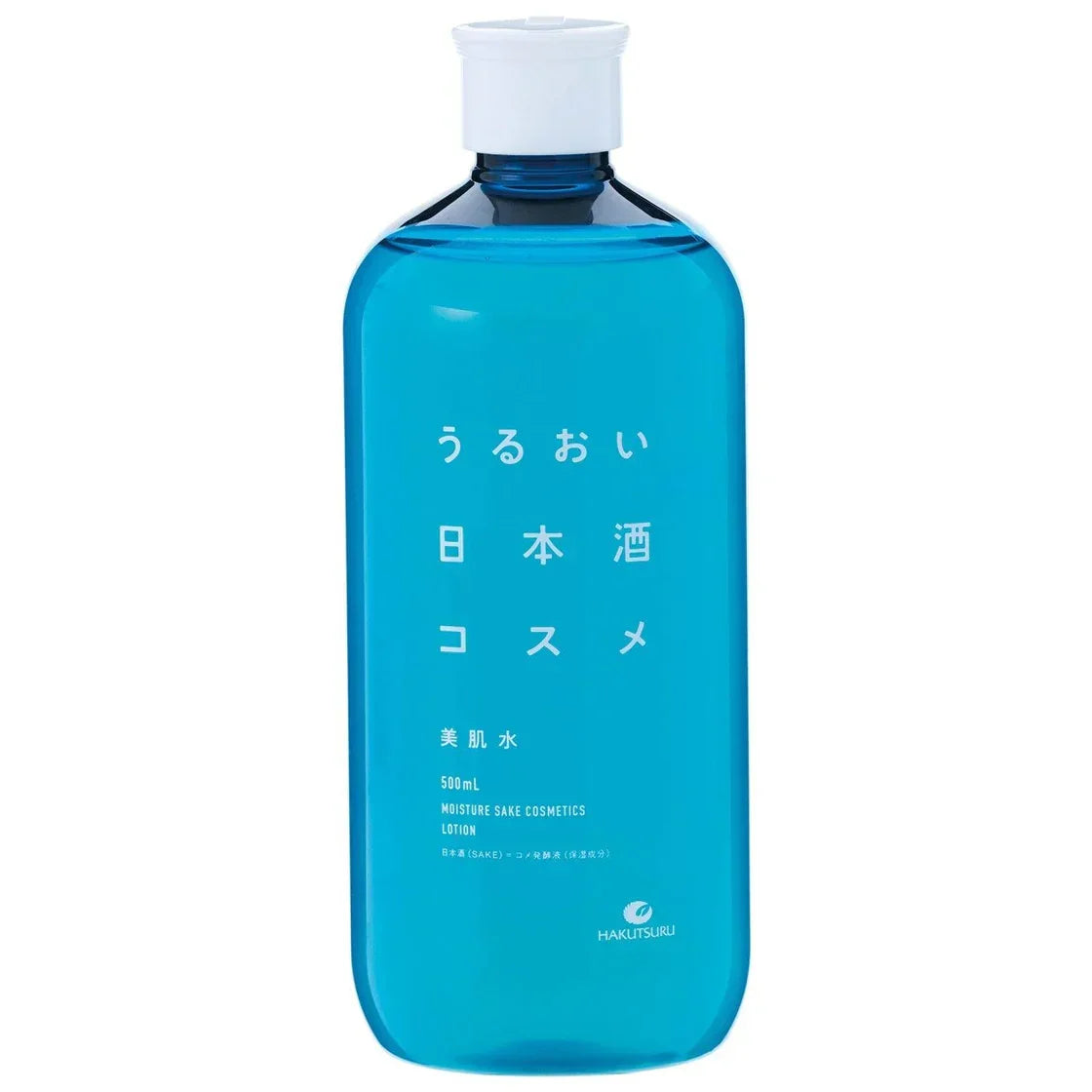
Hakutsuru Japanese Sake Moisturizing Skincare Lotion
Another sake brewery skincare line (Hakutsuru is one of Japan’s oldest sake makers). 500ml bottle like the Kikumasamune, but with niacinamide and eight herbal extracts including licorice root. More of a skin clarifying focus compared to Kikumasamune’s moisture focus. No parabens, no fragrance, no mineral oil.
Uses multiple types of Japanese rice koji in its ferment. Less widely known outside Japan but has a dedicated following on r/AsianBeauty for its brightening effects. A good alternative if you find the Kikumasamune too heavy or don’t like the sake scent.
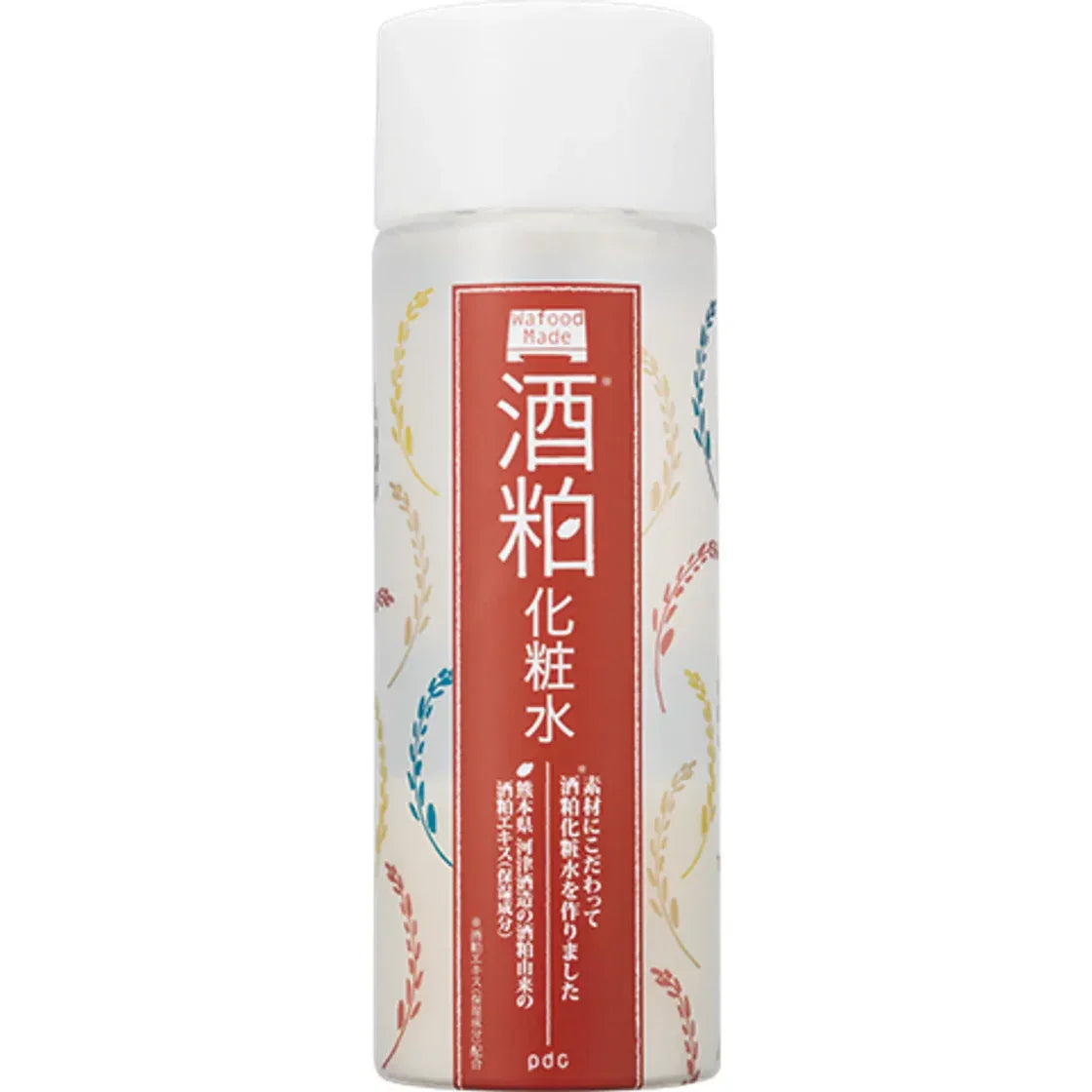
PDC Wafood Made Sake Lees Moisture Lotion
Sake lees (kasu) based rather than sake filtrate. The lees are richer in kojic acid, making this more targeted at dullness and uneven tone. Has a stronger fermented smell than the Kikumasamune. Works well as a first step lotion before heavier hydrators.
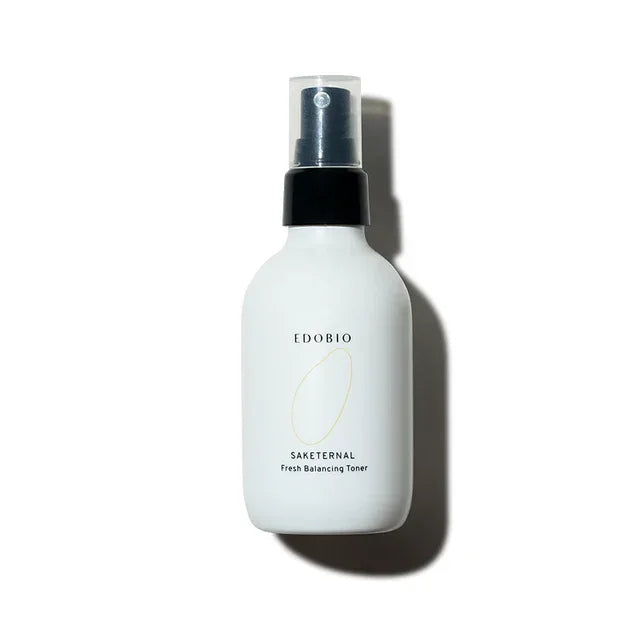
Edobio Saketernal Fresh Balancing Toner Spray Type
A sake brewery skincare toner in spray format. Convenient for misting throughout the day or for body application. Less concentrated than the other toners on this list, but the format makes it more versatile.


Essences and Serums
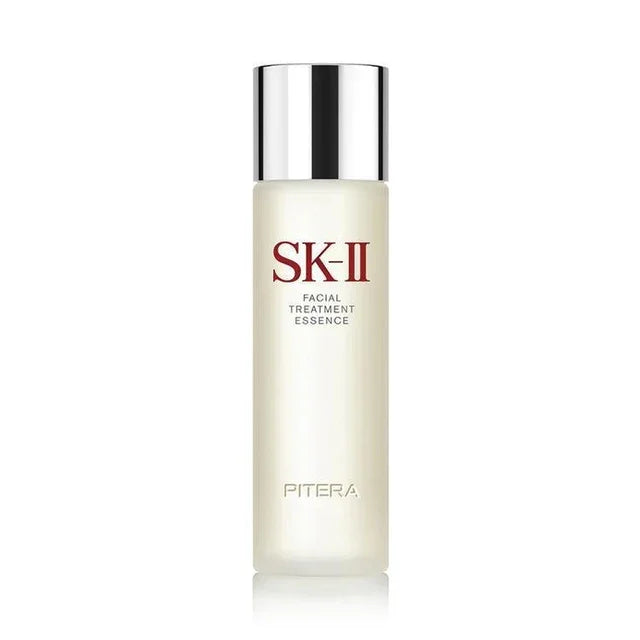
SK-II Facial Treatment Essence (Pitera Essence)
The luxury benchmark for fermented rice skincare. Pitera (galactomyces ferment filtrate cultured on rice) is the sole active. One of the most studied skincare ingredients in Japan, with decades of clinical data behind it. The price ($100+ for 75ml) is the main barrier. If you’re curious about SK-II but not ready for the price, see affordable SK-II alternatives or the full SK-II Facial Treatment Essence review.
Kiku-Masamune Japanese Sake Essence
A thicker, more concentrated version of the Kiku sake lotion. Contains the same sake ferment filtrate plus ceramides and placenta extract, but in a viscous essence format. Use this between your lotion and moisturizer steps for an extra layer of fermented rice benefits.
Muji Fermented Rice Bran Booster Serum
The product behind the Bloomberg headline. Over 65% fermented rice bran extract from Yamagata Prefecture, with ceramides and hyaluronic acid. Designed as a pre lotion booster (use it on bare skin right after cleansing, before your toner). 100% naturally derived ingredients. Affordable by serum standards and available at Muji US stores and online. See the Muji skincare guide for more on the brand.
Kuramoto Bijin Hakumai Ferment Milk
A niche pick from Tonoike Sake Brewing in Hokkaido. This is an all in one milk that combines hydrating lotion, essence, and moisturizer into a single step. Uses organic rice fermentation. RatzillaCosme gave it a Best Pick award. Harder to find outside Japan (check Japanese import shops or online specialty retailers), but worth tracking down if you want something from an actual small batch sake brewery.

Masks
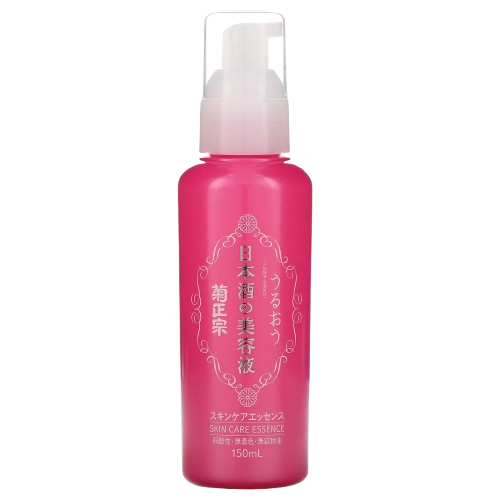
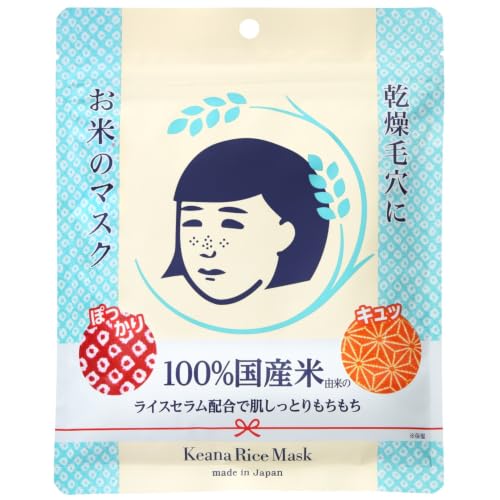
Sheet mask version. Rice serum soaked masks that focus on pore tightening and hydration. One of the best selling sheet masks in Japan. The 10 pack format is affordable enough for regular use. Community favorite on r/AsianBeauty and r/SkincareAddiction.
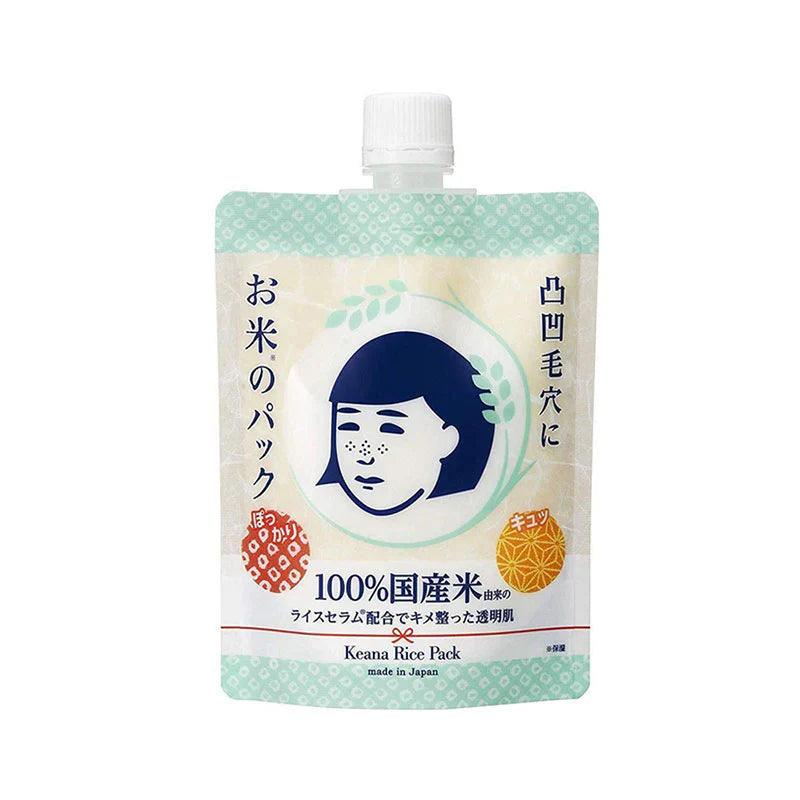
Keana Nadeshiko Keana Rice Pack
The wash off version. A thick, rice pudding textured mask that you apply, wait 5 to 10 minutes, then rinse. Smooths texture and leaves skin feeling plump. This is the one that goes viral on TikTok periodically. Made by Ishizawa Lab (Ishizawa), which also makes the face foam and scrub in the Keana line. Read our full Keana Nadeshiko Rice Pack review for how to use it and what results to expect.
PDC Wafood Made Sake Kasu Face Pack
A sake lees wash off mask. Heavier on the brightening side than the Keana rice products. The texture is paste like with visible sake lees particles. Good for dull, tired looking skin. Use once or twice a week.
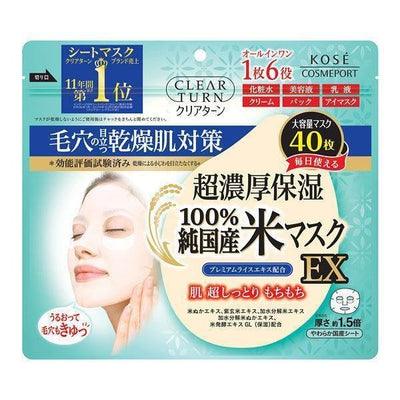
Kose Clear Turn Rice Sheet Mask
A pore tightening sheet mask from Kose’s Clear Turn line. Uses rice extract (not fermented). More basic than the Keana masks but widely available and inexpensive. Good for testing whether your skin responds to rice ingredients before committing to a full routine.
Cleansers
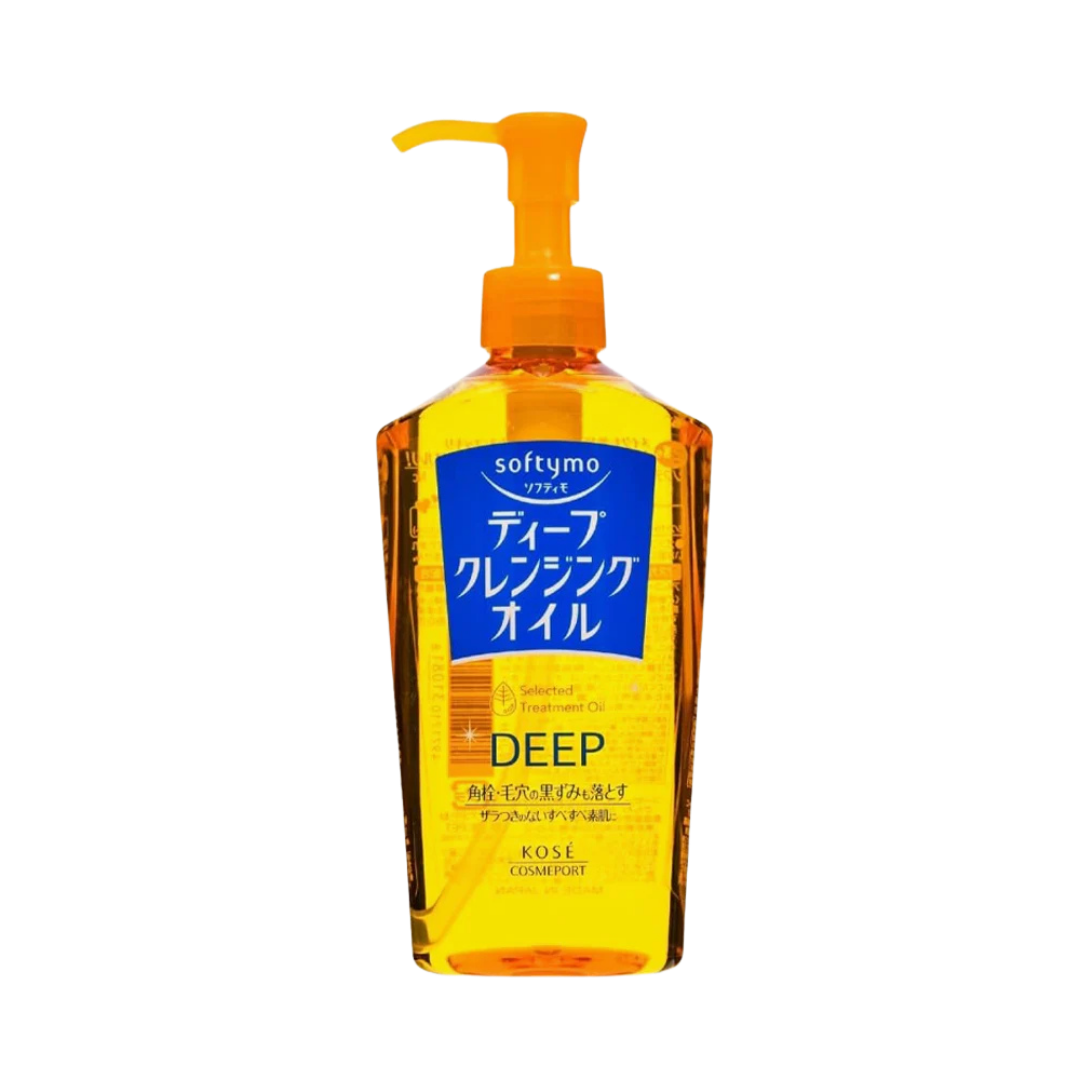
Kose Softymo Deep Cleansing Oil
Rice bran oil based cleansing oil. One of the original oil cleansers in the J beauty space. Dissolves makeup and sunscreen effectively, emulsifies clean, and the rice bran oil leaves skin feeling soft rather than stripped. Available at most major retailers. It’s featured in our best Japanese cleansing oil guide.
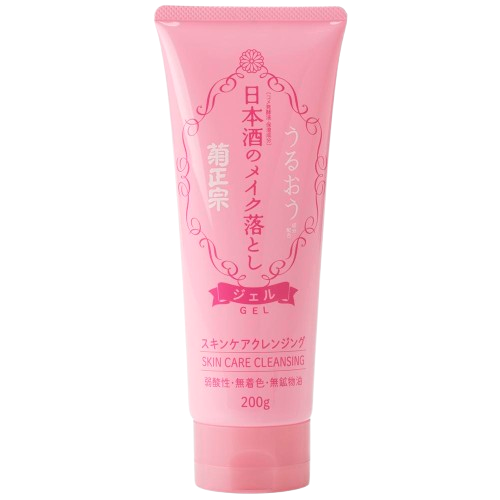
Kiku-Masamune Japanese Sake Skin Care Cleansing Gel
A gel format makeup remover with sake extract. Gentler than oil cleansers, better for light makeup days or sensitive skin. Won’t remove waterproof sunscreen as effectively as the Softymo, but adds the sake hydration benefit during the cleansing step.
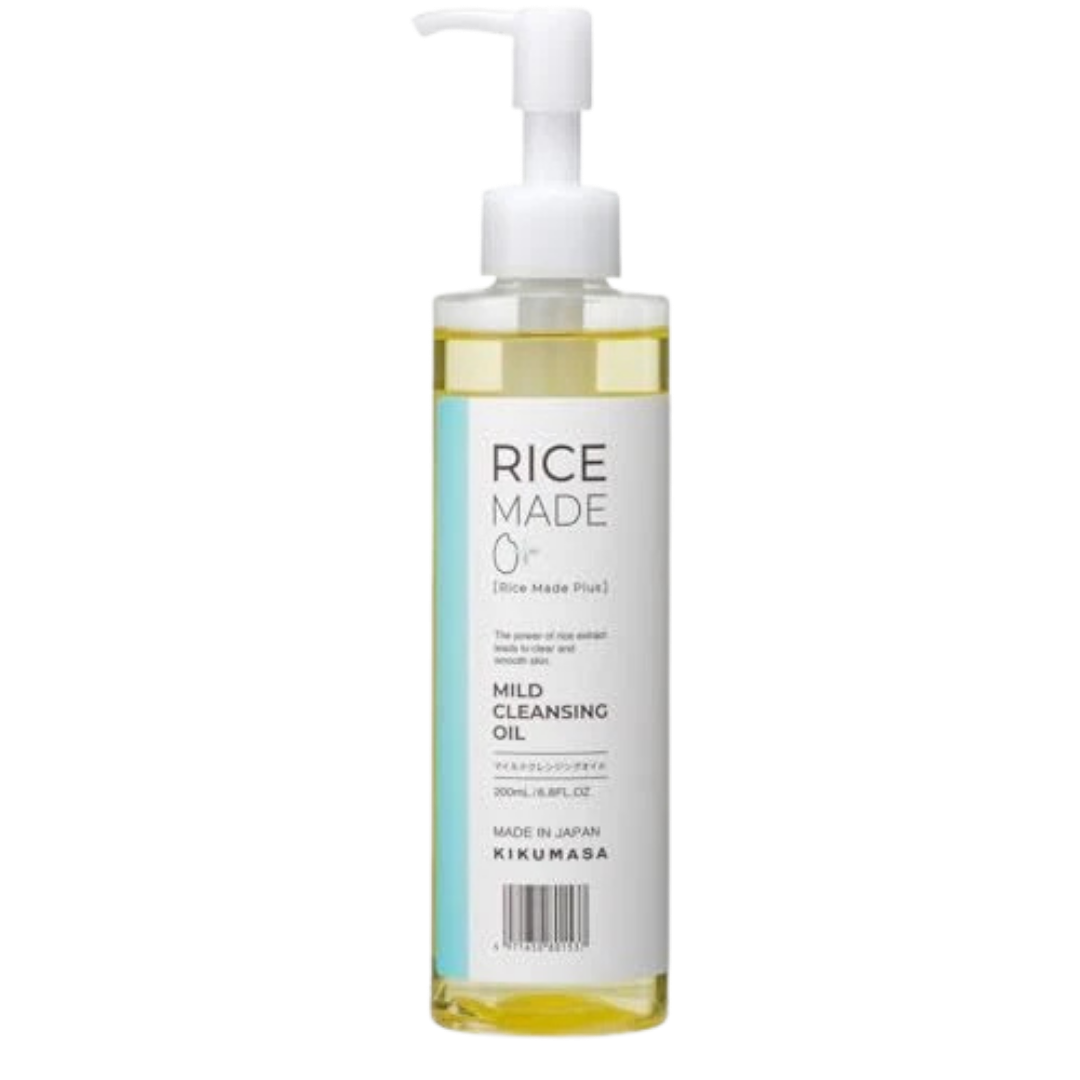
Kiku-Masamune Rice Made+ Mild Cleansing Oil
Kikumasamune’s dedicated cleansing oil using rice derived ingredients. A newer addition to their lineup. More focused on rice bran benefits (barrier support) than the sake gel cleanser above.
Moisturizers and Balms
The most technologically advanced product on this list. Uses Rice Power No.11+, Japan’s first ingredient approved for both improving moisture retention and reducing wrinkles. The format is a balm like serum that melts on contact and creates a moisture sealing film. Use it as the last step of your routine or as a standalone on minimal skin days. Different from every other product here because Rice Power is an engineered active, not a traditional ferment.
Kiku-Masamune Sake Moisturizing Cream
A straightforward moisturizing cream with sake ferment filtrate. Seals in all the layers of sake lotion and essence underneath. Not heavily occlusive, so it works well under sunscreen in the morning.
A rice bran powder exfoliant from Tatcha. You pour the powder into wet hands, it foams into a gentle scrub. The Japanese rice bran physically exfoliates while the enzymes provide chemical exfoliation. Comes in four formulations (Classic, Gentle, Calming, Deep) for different skin types. Premium price point, but a unique format that you won’t find from other brands.
RICE FORCE Deep Moisture Lotion
From the brand that pioneered Rice Power No.11 in consumer skincare. RICE FORCE’s toner, serum, and cream all use Rice Power No.11 as the key active. The brand is more popular in Japan than internationally, but they ship worldwide through their website. Worth trying if you want to go all in on Rice Power technology.


Body Care
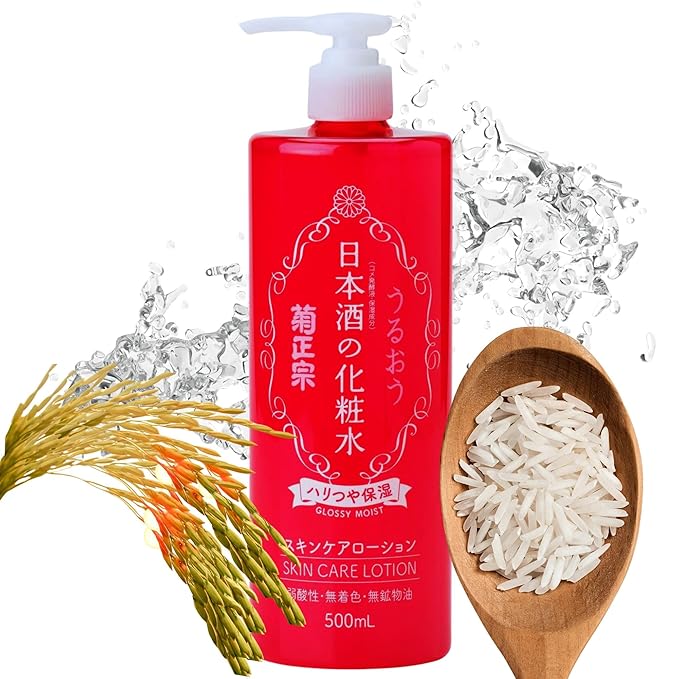
Kiku-Masamune Full Body Lotion
A body specific version of the sake hydration. Thicker than the facial lotion, formulated for arms, legs, and torso. The large bottle makes it practical for daily full body use.
Kiku-Masamune Firm Body Lotion
The firming variant, with added ingredients targeting skin elasticity. Same sake ferment base as the rest of the Kikumasamune line.

Hair Care
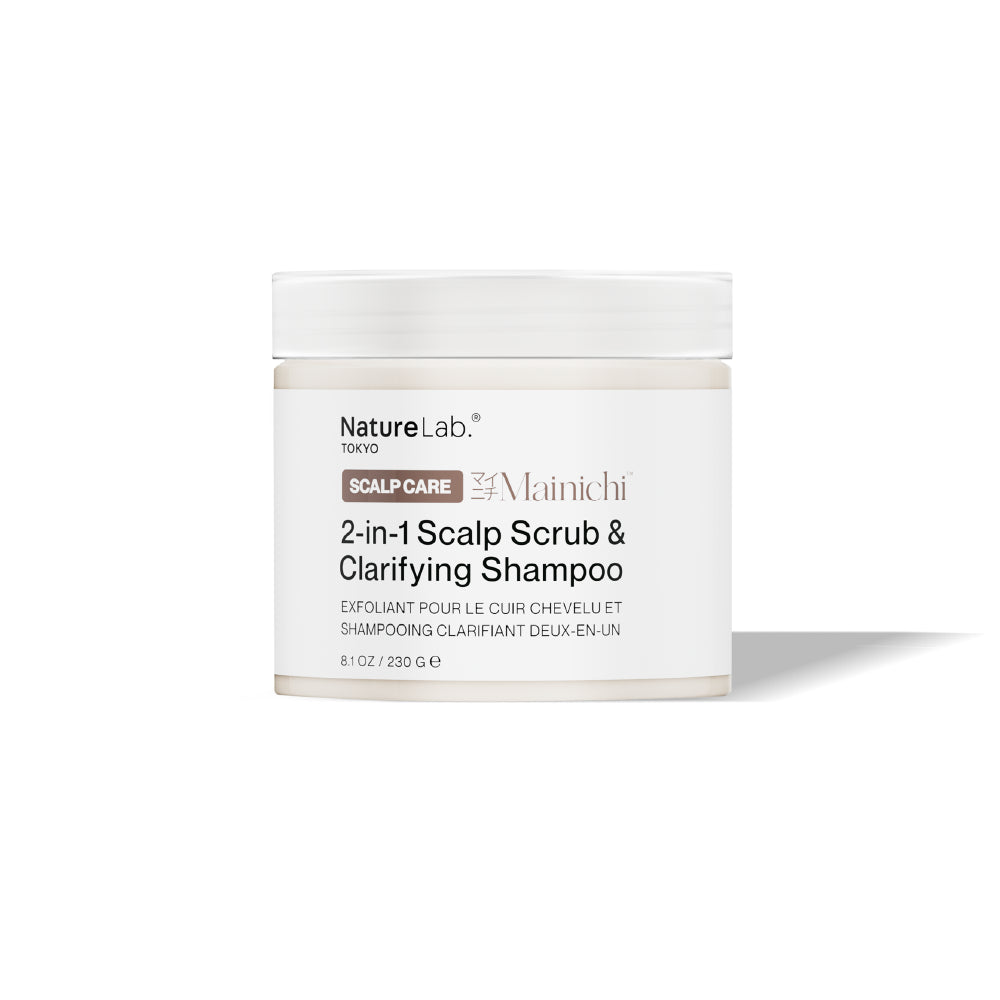
NatureLab Tokyo Perfect Clean 2-in-1 Scalp Scrub & Clarifying Shampoo
Contains rice ferment filtrate as one of its key ingredients. Not a skincare product, but worth mentioning because rice fermentation benefits extend to the scalp. Exfoliates buildup while the ferment soothes and hydrates.
How to Build a Rice Skincare Routine
You don’t need every product on this list. Rice ingredients fit into a standard J beauty routine without changing anything about the structure. Here is how to slot them in.
Morning
- Gentle cleanser (or water rinse)
- Rice toner/lotion (Kikumasamune, Hakutsuru, or Mebika)
- Moisturizer or balm (ONE BY KOSE Serum Shield if you want rice here too)
- Sunscreen
Evening
- Oil cleanser (Kose Softymo Deep or Kiku Cleansing Oil) to remove sunscreen
- Second cleanser
- Rice toner/lotion (2 to 3 layers for extra hydration)
- Rice essence (Kiku Sake Essence or Muji Booster Serum)
- Rice mask once or twice a week (Keana Rice Pack or PDC Sake Pack, replacing steps 3 and 4 that night)
- Moisturizer (Kiku Sake Cream)
Tips
Start with one rice product, not five. The toner/lotion step is the easiest entry point because the large bottles are affordable and the products layer well with everything else. If your skin responds well, add a rice mask or essence.
If you’re sensitive to fermented ingredients, patch test first. Some people break out from ferments (any ferment, not just rice). The Keana Rice Pack (wash off, short contact time) is a safer starting point than a leave on toner.
Where to Buy
Most of these products are available through multiple retailers. The easiest way to compare prices and check stock across stores is to look at the product pages on this site, which show every verified retailer carrying each item.
For the products not linked above (Tatcha The Rice Polish, RICE FORCE, Kuramoto Bijin, Muji Booster Serum), check the brand’s direct website or Japanese beauty import shops. Tatcha is available at Sephora and tatcha.com. RICE FORCE ships direct from riceforce.com. Muji products are at Muji US stores and muji.us. Kuramoto Bijin is harder to source and may require specialty importers.
See Where to Buy Japanese Skincare for a complete breakdown of retailers by type.
Frequently Asked Questions
Is rice water the same as sake ferment filtrate?
No. Rice water is the starchy liquid left after rinsing or soaking raw rice. It contains some vitamins and minerals, but it hasn’t been fermented. Sake ferment filtrate goes through a full fermentation process with koji mold and yeast, which creates amino acids, kojic acid, and other actives that plain rice water doesn’t contain. The DIY rice water trend on TikTok is a much simpler (and less effective) version of what these products deliver.
Can rice skincare products brighten skin?
Yes, through two mechanisms. Kojic acid (a natural byproduct of rice fermentation) inhibits tyrosinase, which slows melanin production. Ferulic acid provides antioxidant protection that helps prevent new dark spots. Products with sake ferment filtrate or sake lees will have more brightening potential than products with plain rice bran.
What’s the difference between Rice Power No.11 and regular rice ferment?
Rice Power No.11 is a patented extract that goes through a specific, controlled fermentation and extraction process. It has been approved by Japan’s Ministry of Health, Labour and Welfare as a quasi drug active ingredient with the specific efficacy of “improving the skin’s moisture retention capacity.” Regular rice ferment filtrate is a broader, less standardized ingredient. Both are derived from rice, but Rice Power No.11 is more targeted and clinically validated for moisture retention specifically.
Are these products safe for sensitive skin?
Most rice based products are gentle, but fermented ingredients can cause reactions in some people. If you’re sensitive to ferments (some people find they cause breakouts or irritation), start with a non fermented rice product like the Kose Softymo Deep Cleansing Oil (rice bran oil, no ferment) or Tatcha The Rice Polish (rice bran powder). Patch test any fermented product before applying to your full face.
Why are sake brewery skincare products so affordable?
Brands like Kikumasamune and Hakutsuru are sake breweries first and skincare companies second. Their primary business is brewing sake, and the skincare lines use byproducts of that process (ferment filtrate, sake lees). The raw materials are essentially a secondary output of their main business, which keeps costs low. The large bottle sizes (500ml is standard) also reduce per unit packaging and manufacturing costs.