Japanese beauty explained
Japanese Fermented Skincare: The Complete Guide to Sake, Rice, and Probiotic Beauty
Quick Takeaway
- Fermentation breaks ingredients into smaller molecules that penetrate skin more easily, delivering amino acids, kojic acid, and organic acids that support hydration and brightness
- Sake lees (sake kasu), rice ferment filtrate, and bifida ferment lysate are the three pillars of Japanese fermented skincare, each with distinct benefits
- Budget picks start under $15 with Kiku-Masamune Sake Brewing Skin Care Lotion High Moist and Wafood Made Sake Lees Moisture Lotion - 190ml, while luxury options like Decorté Liposome Advanced Repair Serum and SK-II Facial Treatment Essence (Pitera Essence) push past $100
- Layer fermented products early in your routine (toner or essence step) so the active compounds reach your skin before heavier textures seal everything in
- Japanese fermentation emphasizes rice and sake based ingredients, while Korean fermented skincare tends to lean on galactomyces and bifida in different formulation philosophies
Japanese sake brewers, known as toji, have been famous for one thing besides great sake: remarkably smooth, youthful hands. Spending their days elbow deep in fermenting rice, their skin stayed soft while the rest of them aged normally. That observation wasn’t lost on Japanese cosmetics chemists, and it sparked an entire category of skincare built around fermented rice, sake byproducts, and probiotic ingredients.
This guide covers the science behind fermented skincare, breaks down the key ingredients you’ll see on Japanese product labels, and recommends specific products across every budget.
What Is Fermented Skincare?
Fermentation in skincare works the same way it does in food: microorganisms (yeast, bacteria, or koji mold) break down raw ingredients into smaller, more bioavailable compounds. When you ferment rice, soybeans, or other botanicals, the process generates amino acids, peptides, organic acids, vitamins, and antioxidants that weren’t present (or were present in much lower concentrations) in the original material.
For skin, this matters because smaller molecules penetrate more easily. A rice bran extract is already beneficial, but a rice bran ferment filtrate delivers those same nutrients in forms your skin can absorb more readily.
Fermentation also produces unique compounds that don’t exist in the unfermented ingredient. Kojic acid, for example, forms during the koji fermentation process and is one of the most studied brightening agents in Japanese skincare. Lactic acid, another fermentation byproduct, provides gentle exfoliation. These aren’t additives; they’re natural results of the fermentation process itself.
The Science Behind Japanese Fermentation
Koji: The Foundation
Aspergillus oryzae, commonly called koji, is the mold responsible for sake, miso, soy sauce, and much of Japan’s fermented skincare. Koji breaks down rice starches into sugars and proteins into amino acids. In skincare, this means koji fermented ingredients are naturally rich in:
- Amino acids (proline, alanine, serine, glutamic acid) that support the skin’s natural moisturizing factor (NMF)
- Kojic acid, which inhibits tyrosinase to reduce melanin production and address dark spots
- Ferulic acid, an antioxidant that also boosts the stability of other antioxidants like vitamins C and E
- B vitamins, particularly niacinamide, which supports barrier function and helps with uneven tone
How Japanese Fermentation Differs from Korean Fermentation
Both Japanese and Korean skincare use fermented ingredients, but the starting materials and processes differ.
Japanese fermented skincare centers on rice based ingredients: sake lees (sake kasu), rice ferment filtrate, rice bran oil, and koji derived extracts. The connection to sake brewing means many Japanese fermented products contain ingredients that are literal byproducts or variants of the sake making process.
Korean fermented skincare more often uses galactomyces ferment filtrate (as in the Missha First Treatment Essence) and bifida ferment lysate (popularized by Estée Lauder, then adopted widely in Korean beauty). Some Japanese brands also use these ingredients (Shiseido Ultimune uses bifida ferment lysate), but the association with sake and rice is distinctly Japanese.
The difference isn’t about one being better. It’s about heritage and formulation philosophy. If you’re specifically interested in rice and sake based fermented ingredients, Japanese products are the natural starting point.
Key Fermented Ingredients in Japanese Skincare
Sake Kasu (Sake Lees)
Sake kasu is the solid residue left after pressing sake. It’s packed with amino acids, organic acids, and koji derived compounds. In skincare, sake kasu extracts are typically used for:
- Brightening and evening skin tone (kojic acid content)
- Deep hydration (high concentration of amino acids)
- Gentle exfoliation (natural lactic acid)
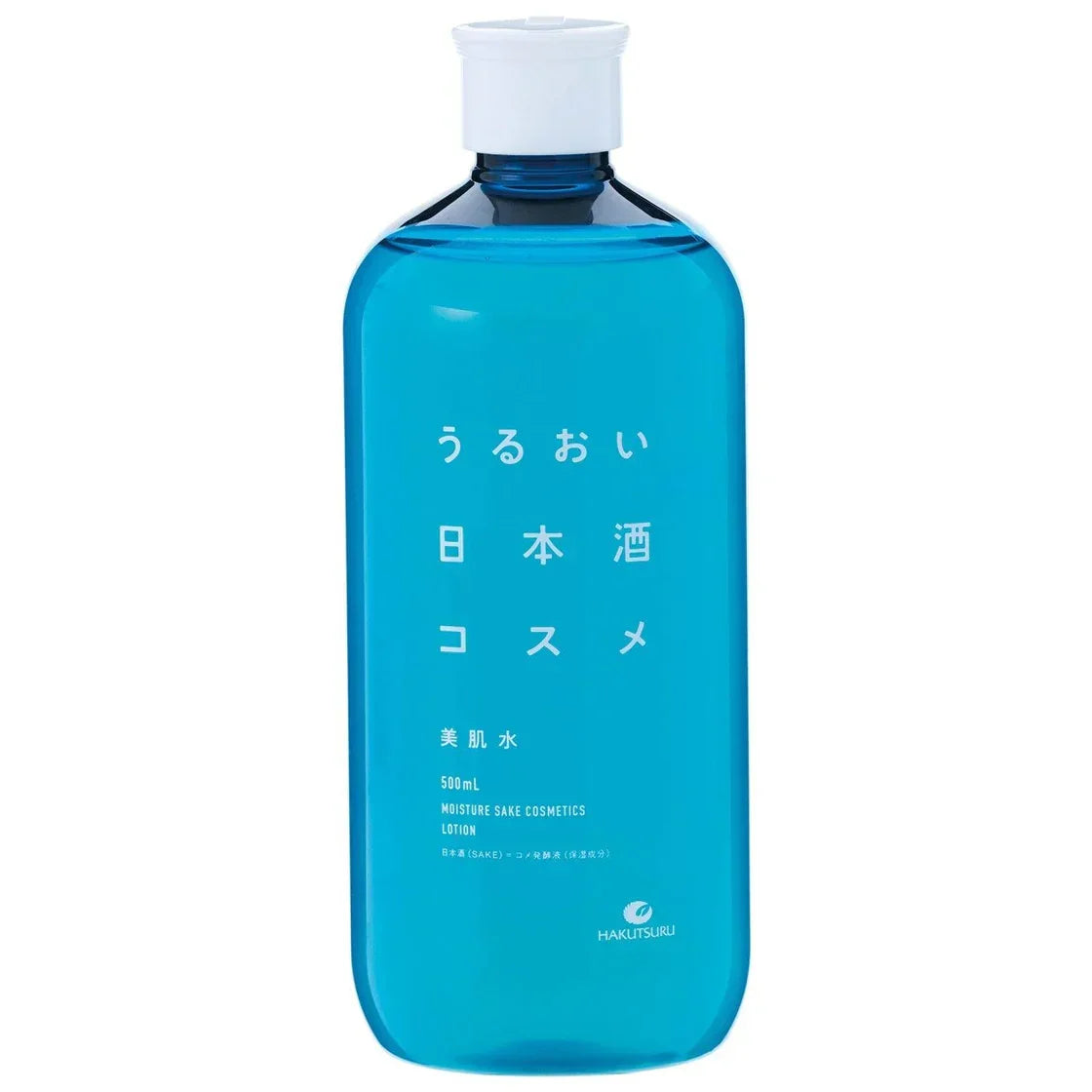
You’ll find sake kasu in Kikumasamune products like the Kiku-Masamune Sake Brewing Skin Care Lotion High Moist, in PDC’s Wafood Made line (PDC Wafood Made Sake Kasu Face Pack), and in the Japanese Sake Moisturizing Skincare Lotion - 500ml from Hakutsuru, an actual sake brewery.

Kuramoto Bijin takes this concept furthest. The brand is run by a sake brewery, and their Kuramoto Bijin Hakumai Ferment Milk uses sake lees from their own brewing process.
Rice Ferment Filtrate
Rice ferment filtrate is the liquid portion of fermented rice, filtered to remove solids. It’s different from sake kasu in that it captures the liquid byproducts rather than the solid residue. The filtrate is rich in:
- Vitamins B1, B2, B6, and niacinamide
- Amino acids and peptides
- Organic acids (lactic, succinic, citric)
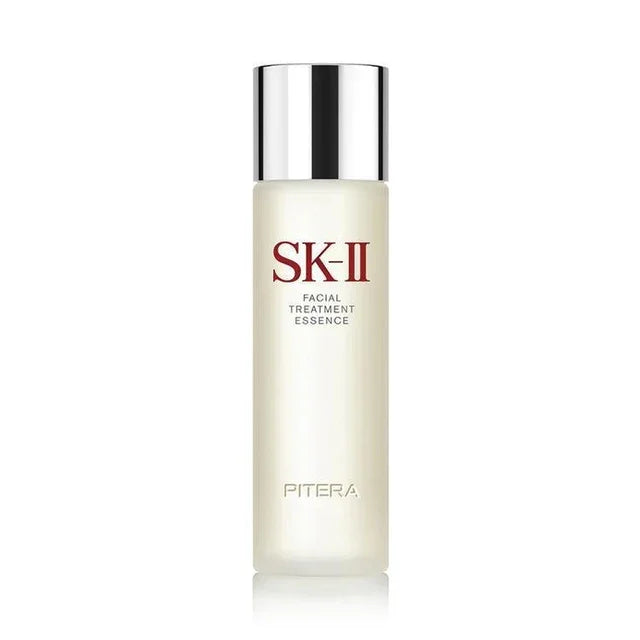
The most famous rice ferment filtrate in skincare is Pitera, SK-II’s proprietary galactomyces ferment filtrate derived from sake brewing. The SK-II Facial Treatment Essence (Pitera Essence) contains over 90% Pitera and remains one of the most recognized fermented skincare products globally.
SK-II
13 retailersSee retailers →
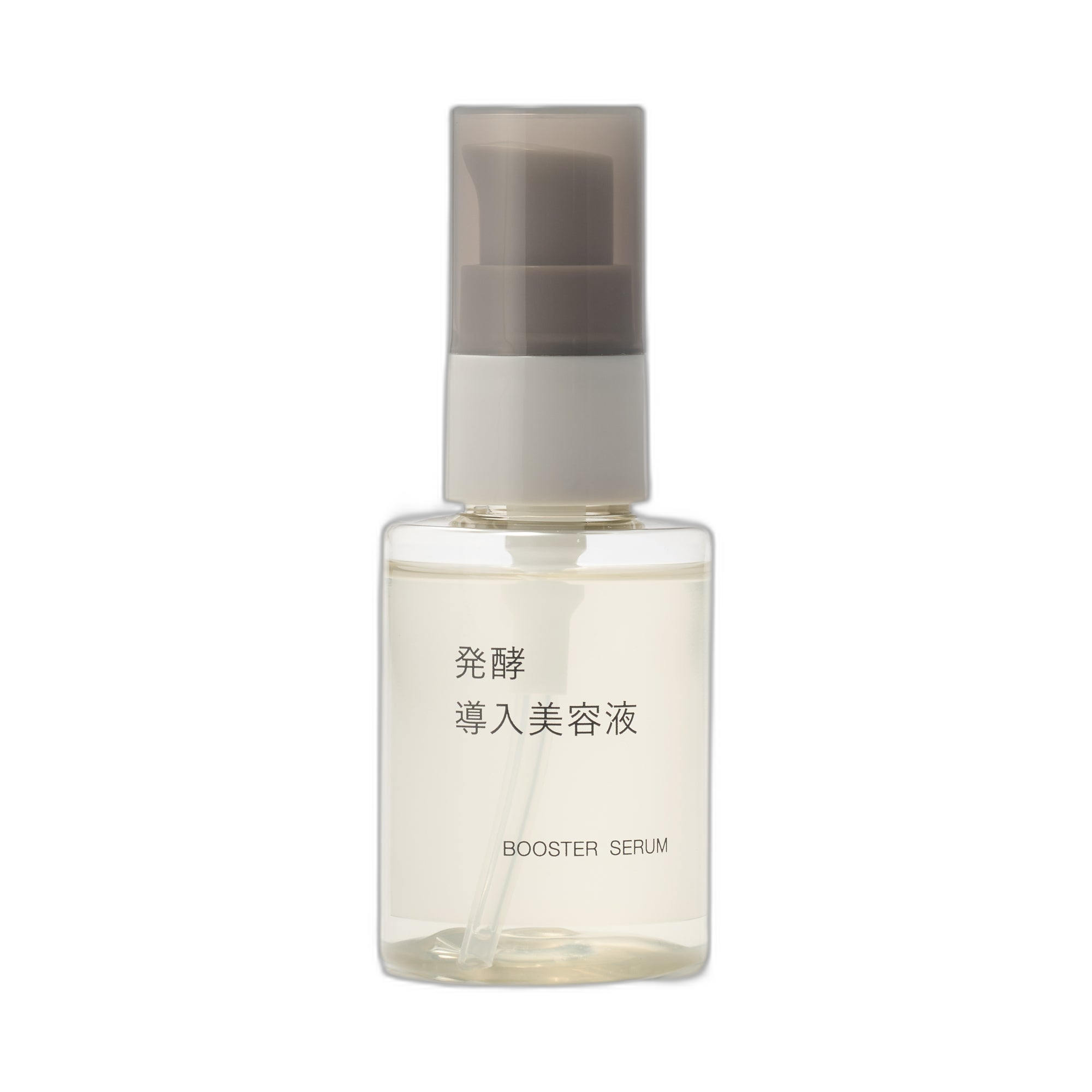
At a much more accessible price point, Muji’s Muji Fermented Rice Bran Booster Serum contains over 65% rice bran ferment filtrate. It’s alcohol free, fragrance free, and designed as a booster serum you apply before your toner.

Muji
1 retailerSee retailers →
The Mebika Moisture Lotion is another budget option: a 500ml bottle of rice ferment packed toner that Reddit’s r/AsianBeauty community has recommended for years.
KOSE’s Maihada line also focuses on rice ferment technology, using Rice Power No. 11 (a licensed active ingredient in Japan approved for improving the skin’s moisture retention). Maihada products aren’t widely available outside Japan yet, but they represent an interesting development in Japanese fermented rice skincare.
Galactomyces Ferment Filtrate
While most associated with Korean products like the Missha First Treatment Essence, galactomyces ferment filtrate originated in Japanese beauty with SK-II. Galactomyces is a type of yeast, and when it ferments, the filtrate contains vitamins, minerals, amino acids, and organic acids.
The key Japanese product here is the SK-II Facial Treatment Essence (Pitera Essence). SK-II’s Pitera is a specific strain of galactomyces that was identified at a sake brewery in the 1970s. The brand has built decades of clinical research around this single ingredient.
For those who want galactomyces benefits without the SK-II price, ONE BY KOSE Serum Shield uses KOSE’s proprietary fermentation technology derived from rice, though its primary focus is on moisture barrier support rather than galactomyces specifically.
Bifida Ferment Lysate
Bifida ferment lysate comes from fermenting and then breaking down (lysing) bifidobacterium, a probiotic. It supports the skin’s barrier function and has shown promise in research for reducing signs of UV damage and supporting the skin microbiome.
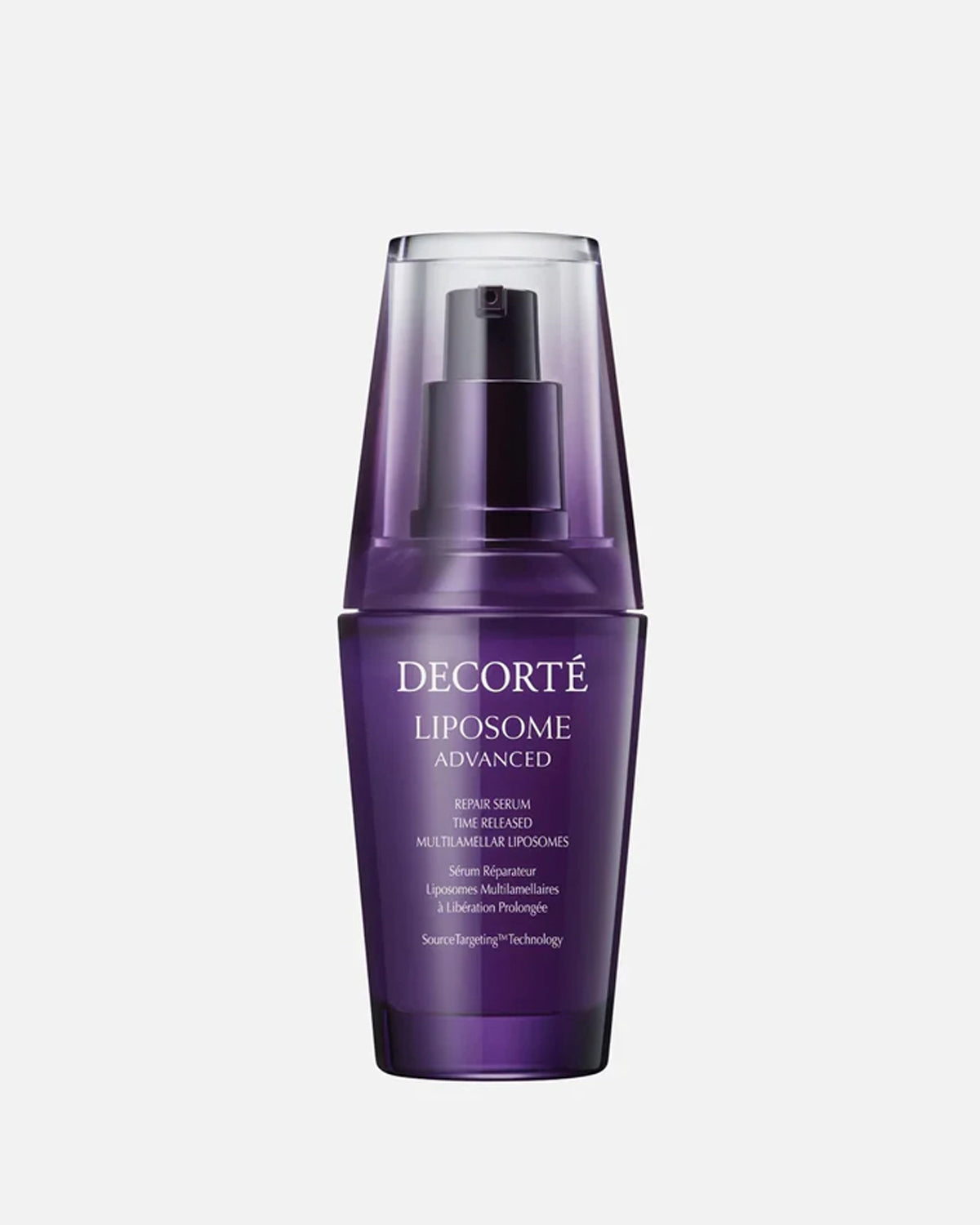
In Japanese skincare, the Decorté Liposome Advanced Repair Serum contains bifida ferment lysate alongside ceramides and hyaluronic acid, delivered through Decorté’s multi layered liposome technology. It’s a lightweight serum that works well layered under moisturizer.
Decorté
8 retailersSee retailers →
Earlier versions of Shiseido Ultimune also featured bifida ferment lysate, but the current version III reformulated around fermented botanical extracts (fermented camellia leaf, reishi mushroom, iris root) instead.
Soy Ferment
Fermented soy (especially fermented soy milk) is another pillar of Japanese skincare. The fermentation process increases the concentration of isoflavones, which have structural similarities to estrogen and may help with firmness and moisture in aging skin.
Sana’s Nameraka Honpo line is built entirely around fermented soy milk. The Sana Nameraka Honpo Wrinkle Gel Cream N is one of the most popular options, using fermented soy milk extract alongside retinol for an accessible approach to anti aging. There’s a full breakdown in our Sana Nameraka guide.
Best Japanese Fermented Products by Category
Toners and Lotions
Budget (under $20):
- Kiku-Masamune Sake Brewing Skin Care Lotion High Moist: The most famous sake toner. A 500ml bottle of sake ferment, ceramides, amino acids, and arbutin. The texture is watery and layers easily. Our Kikumasamune guide has the full breakdown.
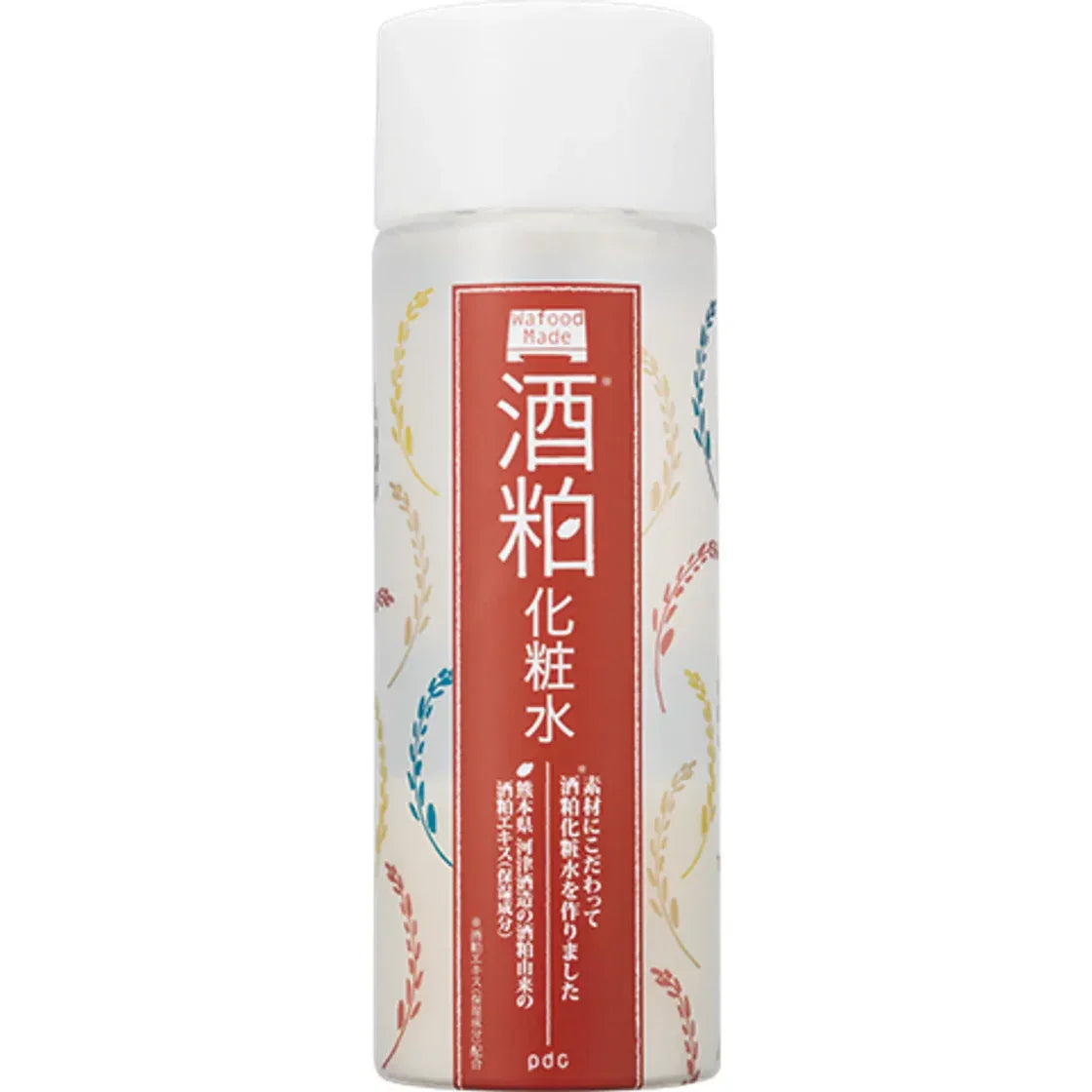
- Wafood Made Sake Lees Moisture Lotion - 190ml: From PDC’s Wafood Made line. Contains sake kasu extract for brightening and hydration. Smaller bottle than the Kikumasamune but more concentrated.
- Mebika Moisture Lotion: A 500ml rice ferment toner that’s a Reddit favorite. Simple formula, gentle, and extremely affordable.
- Japanese Sake Moisturizing Skincare Lotion - 500ml: From Hakutsuru sake brewery. Another 500ml sake toner option, straightforward and budget friendly.
Mid range ($20 to $50):
- Hada Labo Gokujyun Premium Hyaluronic Acid Essence: Built around seven types of hyaluronic acid, including fermented hyaluronic acid. The thick, viscous texture delivers intense hydration. While not a traditional fermented product in the sake/rice sense, the fermented HA component gives it a place in this category. More details in our Hada Labo guide.
Serums and Essences
Budget:
- Muji Fermented Rice Bran Booster Serum: Over 65% rice bran ferment filtrate. Alcohol free, fragrance free. Apply before toner as a booster. Contains ceramide NP and yeast extract. Check out our Muji skincare guide for more on the line.
- Kiku-Masamune Japanese Sake Essence: A concentrated sake essence from Kikumasamune, thicker than their lotion. Good for layering.
Luxury:
- SK-II Facial Treatment Essence (Pitera Essence): 90%+ Pitera (galactomyces ferment filtrate). The original and still the benchmark for fermented essences. Read the full analysis in our SK-II guide.
- Decorté Liposome Advanced Repair Serum: Uses multi layered liposome technology to deliver bifida ferment lysate, ceramides, and hyaluronic acid deep into the skin. A favorite in Japanese department stores and a frequent @cosme award winner. Our Decorté Liposome review compares it against Ultimune.
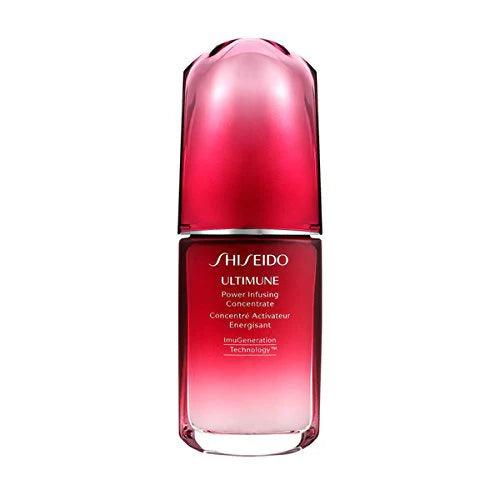
- Shiseido Ultimune Power Infusing Concentrate III: Uses fermented botanical extracts (fermented camellia leaf, reishi mushroom, iris root) in a lightweight serum format. Designed as a pre serum (apply before other serums). Our Ultimune vs. Decorté Liposome comparison covers the differences.
- Albion Excia Double Key Advance Serum: Uses sake lees extract in a luxury serum format. Highly rated in Japan but limited international availability. Not yet widely tracked by English language directories.
Masks and Packs
- PDC Wafood Made Sake Kasu Face Pack: A wash off pack with visible sake kasu particles. Apply, leave for 5 to 10 minutes, rinse. Brightening and softening.
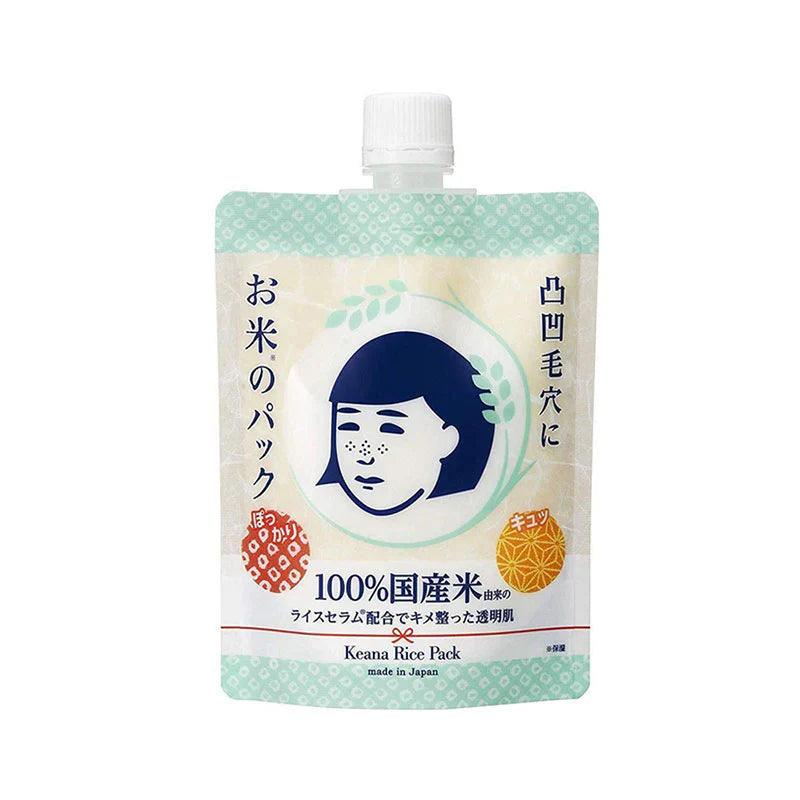
- Keana Nadeshiko Keana Rice Pack: A rice based wash off pack that targets pore appearance. Uses rice bran, rice ferment, and rice ceramides. We reviewed it in detail in our Keana Nadeshiko Rice Pack review.
- Keana Nadeshiko Rice Mask: Sheet mask version with similar rice ferment ingredients.
- Lululun Precious RED Face Mask: Contains rice koji extract (aspergillus/rice ferment extract) plus camellia oil. Designed for moisture and anti aging. The RED variant in the Precious line targets dryness and firmness. More in our Lululun mask guide.
- Kose Clear Turn Rice Sheet Mask Pore Tightening: An accessible sheet mask option from KOSE using rice extract.
For a broader look at the best options, see our best Japanese sheet masks guide.

Moisturizers and Creams
- Kiku-Masamune Rice and Fermentation All in One Gel: An all in one gel moisturizer from Kikumasamune that simplifies the routine. Contains rice ferment filtrate, ceramides, and amino acids.
- Sana Nameraka Honpo Wrinkle Gel Cream N: Fermented soy milk plus retinol in a gel cream format. Lightweight for humid climates.
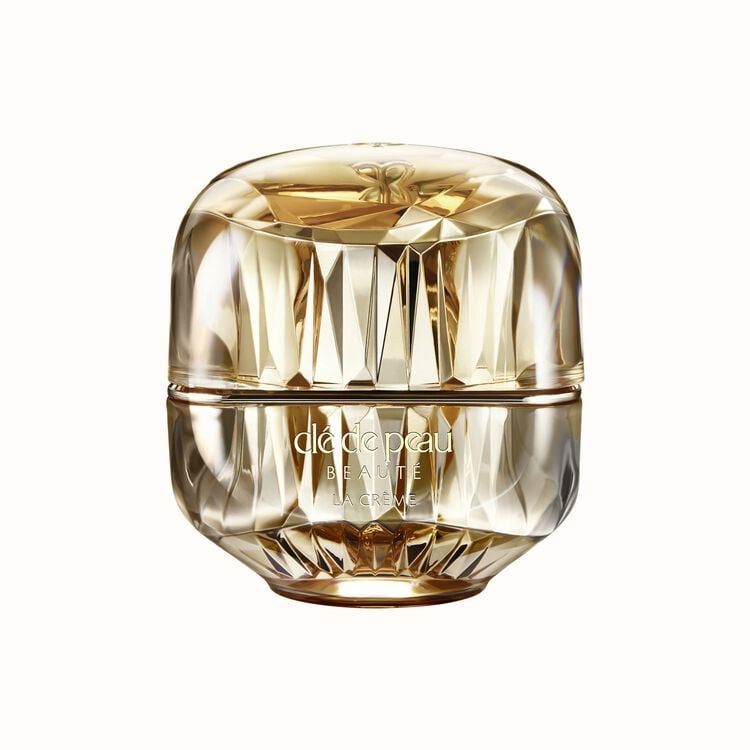
- Clé de Peau Beauté La Crème: At the absolute top of the market. Uses Clé de Peau’s Skin Empowering Illuminator technology, which includes fermented ingredients alongside a complex of botanical extracts. This is a prestige product with a prestige price. Our Clé de Peau guide covers the full line.
How to Build a Fermented Skincare Routine
Fermented products slot into a standard Japanese skincare routine. The key principle: apply them early, when your skin is clean and can absorb the active compounds before heavier layers go on.
Morning Routine
- Cleanser (optional in the morning; a water rinse is fine for most skin types)
- Fermented booster serum (if using one like the Muji Booster Serum or Shiseido Ultimune)
- Fermented toner/lotion (Kikumasamune Sake Lotion, Mebika, or similar)
- Essence (SK-II FTE or ONE BY KOSE Serum Shield, if part of your routine)
- Moisturizer
- Sunscreen (always)
Evening Routine
- Oil cleanser (double cleansing removes sunscreen and makeup)
- Foam or gel cleanser
- Fermented booster serum
- Fermented toner/lotion
- Fermented essence or serum (Decorté Liposome, Ultimune, etc.)
- Fermented mask (2 to 3 times per week: Wafood Made Sake Pack, Keana Nadeshiko Rice Pack)
- Moisturizer or sleeping pack
Tips for Introducing Fermented Products
- Start with one product. Don’t overhaul your routine overnight. A fermented toner is the easiest entry point.
- Patch test first, especially with sake kasu products. Some people are sensitive to the natural acids in fermented ingredients.
- Give it 4 to 6 weeks. Fermented skincare works through gradual cumulative effects on hydration, tone, and texture. You’re not going to see overnight results.
- Layer by texture. Watery fermented toners go first, then thicker essences, then creams. This is standard Japanese layering, and fermented products follow the same rules.
Budget vs. Luxury: Is Expensive Fermented Skincare Worth It?
The honest answer: it depends on what you’re paying for.
What budget fermented products do well:
The Kikumasamune Sake Lotion, PDC Wafood Made line, and Mebika Moisture Lotion all deliver genuine fermented ingredients at prices under $20. They hydrate, they deliver amino acids and organic acids, and they do what fermented skincare is supposed to do. For basic hydration and brightening, these products are genuinely effective.
What luxury adds:
Products like SK-II, Decorté Liposome, and Shiseido Ultimune invest heavily in proprietary fermentation strains (Pitera), advanced delivery systems (multi layered liposomes), and extensive clinical testing. SK-II has decades of published research on Pitera’s effects on skin texture and firmness. Decorté’s liposome technology is designed to deliver ingredients at multiple skin depths over time.
Whether that justifies a 10x to 20x price difference is a personal call. The fermented ingredients themselves are similar in principle, but the formulation technology, concentration, and supporting ingredients differ significantly.
For a practical comparison, our SK-II vs. Hada Labo analysis and affordable SK-II alternatives guide explore what the price gap gets you.
FAQ
What does fermented skincare do for your skin?
Fermented skincare delivers amino acids, organic acids (like lactic and kojic acid), vitamins, and peptides in smaller molecular forms that skin absorbs more easily. The practical benefits include improved hydration, brighter and more even skin tone, gentle exfoliation, and support for the skin’s natural barrier function. Results are cumulative and typically become noticeable after several weeks of consistent use.
Is fermented skincare safe for sensitive skin?
Generally yes, since fermentation often makes ingredients gentler by breaking them down. However, some fermented products contain natural acids that could irritate very sensitive skin. Start with a patch test, especially for products containing sake lees or soy ferment. Fragrance free options like the Muji Fermented Rice Bran Booster Serum are good starting points for sensitive skin types.
Can I use fermented skincare with retinol or vitamin C?
Yes, but introduce them separately. Fermented toners and essences pair well with most active ingredients. If you’re using retinol, apply fermented products first (they’re generally pH friendly and hydrating), then follow with your retinol. For vitamin C serums, apply the vitamin C first (it needs lower pH), then layer fermented products on top.
How is Japanese fermented skincare different from Korean fermented skincare?
Japanese fermented skincare centers on rice and sake derived ingredients: sake lees, rice ferment filtrate, and koji based extracts. This reflects Japan’s sake brewing heritage. Korean fermented skincare more commonly features galactomyces ferment filtrate and bifida ferment lysate. Both approaches deliver similar categories of beneficial compounds (amino acids, vitamins, organic acids), but the source materials and specific compound profiles differ. Neither is inherently superior.
What’s the best fermented skincare product for beginners?
The Kiku-Masamune Sake Brewing Skin Care Lotion High Moist is the most recommended starting point. It’s affordable, the 500ml bottle lasts months, and it works for most skin types. Apply it after cleansing as your hydrating toner step. For a more concentrated option, the Muji Fermented Rice Bran Booster Serum is excellent as a pre toner booster.