Japanese beauty explained
Shiseido Ultimune vs Decorté Liposome: Japan's Top Luxury Serums Compared
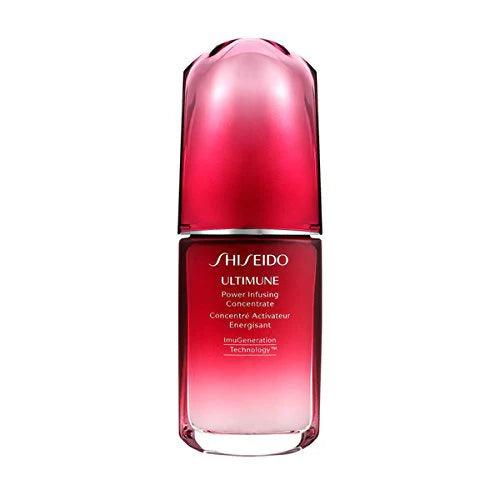
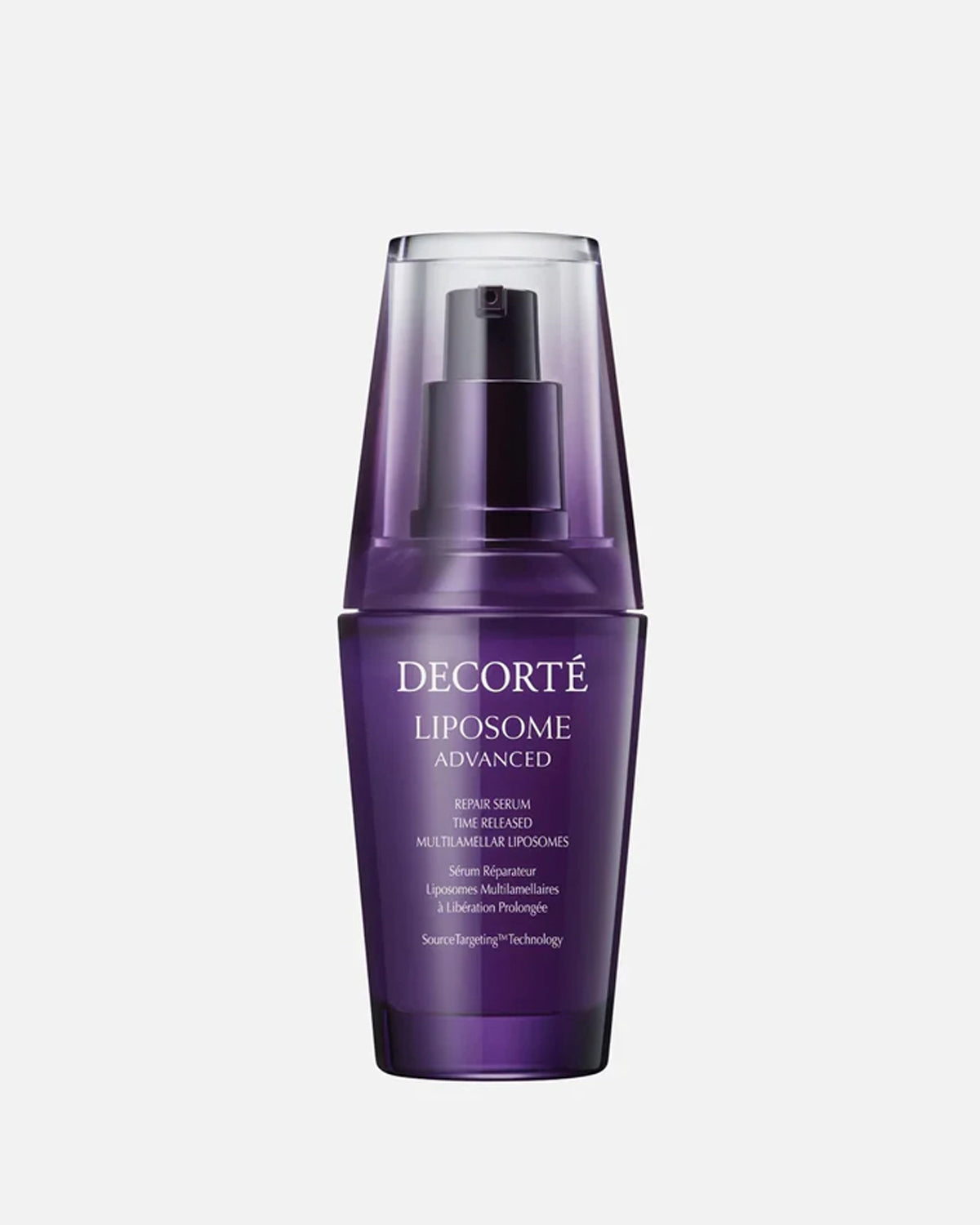
These two serums show up together in almost every conversation about luxury Japanese skincare. Shiseido Ultimune Power Infusing Concentrate III and Decorté Liposome Advanced Repair Serum are both booster serums, both @cosme hall of famers, and both sit in the $80 to $130 range depending on size. Reddit threads, beauty forums, and Japanese beauty counter rankings consistently place them at the top of the prestige serum category.
Yet they solve different problems. Ultimune focuses on skin resilience and defense. Liposome focuses on hydration and repair. Choosing between them comes down to what your skin needs, not which one has more awards.
Quick Verdict
Choose Ultimune if your skin is stressed, reactive, or dull from environmental exposure. It strengthens barrier function over time and works best as a long term resilience builder.
Choose Liposome if your skin is dehydrated, rough textured, or needs immediate plumping. Its time released hydration delivers visible softening within days, and it layers beautifully under other products.
If you can afford both: some users in the r/AsianBeauty community use them together, Ultimune first for defense, then Liposome for hydration. They don’t overlap in function.
What Are Booster Serums?
Both products sit in a category the Japanese beauty industry calls “pre serums” or booster serums. These go on right after cleansing (and toning, if you use a toner) but before your main serums, moisturizers, and SPF.
The idea is simple: a booster serum preps the skin to absorb everything that comes after it more effectively. In Western routines, this step barely exists. In Japanese department store skincare, it’s foundational.
Both Shiseido and Decorté position their flagship serums in this slot. That’s why comparing them directly makes sense. They’re not just serums; they’re competing for the same step in your routine.
Technology Breakdown
This is where the two products diverge most significantly.
Shiseido Ultimune: Power Fermented Camellia+
Shiseido’s latest Ultimune formula (the current generation) is built around what they call Power Fermented Camellia+ technology. The Camellia flower used in the formula comes from the Goto Islands in Nagasaki, Japan. Shiseido uses the entire plant: seeds, petals, and leaves.
After extracting the Camellia oil, the remaining leaves go through a proprietary bio fermentation process. According to Shiseido, this delivers 14 amino acids that help nourish and strengthen skin. The formula also retains Reishi mushroom and Iris root extracts from earlier Ultimune generations, which support skin defense and barrier maintenance alongside the newer Camellia technology.
Key ingredients (current formula): Water, alcohol denat (second on the INCI list), glycerin, butylene glycol, dimethicone, fermented Camellia leaf extract, Camellia seed oil, Reishi mushroom extract, Iris root extract, heart leaf extract, fermented Roselle extract, and fragrance.
What it targets: Barrier function, resilience against environmental stress, skin tone evenness, fine lines, and overall radiance. Shiseido’s clinical tests (on 32 women) claim the serum helps prevent and correct signs of aging across categories like tone, texture, fine lines, and firmness. A separate consumer test on 107 women found 99% reported improved radiance and smoother texture within one week. For more on Shiseido’s product lines and sub brands, see the Shiseido guide and Shiseido sub brands explained.
Shiseido
7 retailersSee retailers →
Decorté Liposome: Multi Layered Liposome Technology
Decorté’s approach is fundamentally different. Instead of relying on a single hero botanical, the Liposome serum uses a delivery system: proprietary multi layered bio liposomes. Each drop contains roughly one trillion of these microscopic capsules, and each capsule has multiple layers.
As the outermost layer dissolves and releases its active ingredients, the next layer begins dissolving. This creates a time released delivery mechanism. Decorté claims this process provides 24 hours of continuous hydration from a single application.
Key ingredients: Hydrogenated lecithin (the liposome structure itself), bifida ferment lysate, ceramide NG, hydrolyzed hyaluronic acid, HPA yeast culture liquid, shirakaba (birch) water, ectoine, rose myrtle extract, hydroxyproline, and vitamin E.
What it targets: Hydration, moisture barrier repair, smoothness, firmness, and radiance. The formula is paraben free, oil free, alcohol free, and vegan. Decorté says the serum delivers visible skin improvement in as little as three days. For a deeper look at this serum specifically, see the Decorté Liposome serum review. The full Decorté brand guide covers the rest of the Liposome line including the cream and eye serum.
Decorté
8 retailersSee retailers →
The Core Difference
Ultimune is a defense serum. It’s designed to make skin more resilient over weeks and months. The results build gradually.
Liposome is a repair serum. It floods skin with hydration through a sophisticated delivery system and shows faster visible results, especially on dehydrated or rough textured skin.
Neither approach is better. They target different root causes.
Texture and Application
Ultimune
Light, fluid texture with a slightly silicone smooth finish. Absorbs quickly without stickiness. Has a noticeable floral fragrance (the fermented Camellia base gives it a distinctive scent that some people love and others find strong). The formula does contain denatured alcohol, which helps with the fast absorbing feel but may concern people with very dry or sensitized skin.
One to two pumps is enough for the full face. It layers easily under other products and doesn’t pill.
Liposome
Lightweight gel texture that feels almost watery on application. Sinks in immediately with zero residue. The finish is slightly dewy rather than matte. Fragrance is present but significantly lighter than Ultimune. The formula is alcohol free, which makes it gentler on reactive skin.
Two to three pumps for the full face. Because of the liposome delivery system, it enhances the absorption of products applied after it, making it an effective first step.
Side by Side
Both absorb fast. Ultimune leaves a smoother, more “sealed” feel. Liposome leaves a more hydrated, bouncy feel. If you dislike any residual silicone feel on your skin, Liposome will suit you better. If you prefer a matte, smoothed out base for makeup, Ultimune edges ahead.
Results and Skin Types
Best for Ultimune
Skin that’s stressed from pollution, travel, seasonal changes, or inconsistent sleep. People who notice their other skincare products aren’t performing as well as they used to (this often signals compromised barrier function). Combination to oily skin types tend to prefer its lighter, less dewy finish.
Users on r/AsianBeauty describe Ultimune as a “slow and steady” performer. You might not notice dramatic changes in the first few days, but after two to four weeks, skin feels noticeably firmer and more even toned. Several users report that skipping it for a few days makes the difference obvious.
Best for Liposome
Dry to normal skin that craves hydration. Rough textured skin that needs smoothing. Skin that feels tight or looks flat and dull from dehydration rather than environmental damage. The alcohol free, oil free formula also makes it a strong choice for sensitive skin.
Community consensus is that Liposome delivers faster visible results. The plumping and smoothing effect is noticeable within the first few applications. It’s the kind of product where you touch your face an hour later and think “oh, that’s different.”
Both Work Well For
Mature skin (both appear frequently in “over 40” recommendation threads). Combination skin in dry climates. Anyone who already has a solid routine and wants to boost the performance of their existing products.
Price Comparison
Both serums are available in multiple sizes in the international market.
Shiseido Ultimune Power Infusing Serum
| Size | Approximate US Price |
|---|---|
| 30 mL | ~$75 |
| 50 mL | ~$110 |
| 75 mL | ~$148 |
| 120 mL | ~$200 |
| 75 mL Refill | ~$130 |
Decorté Liposome Advanced Repair Serum
| Size | Approximate US Price |
|---|---|
| 15 mL | ~$38 |
| 30 mL | ~$76 |
| 50 mL | ~$110 |
| 75 mL | ~$152 |
| 75 mL Refill | ~$135 |
At the 50 mL size, they’re almost identically priced. Both brands offer a smaller size for testing before committing. Shiseido offers a 120 mL large size that Decorté doesn’t, bringing the per mL cost down significantly for committed users.
Both brands offer refill options for their 75 mL sizes, which saves money and reduces packaging waste.
Price per mL at 50 mL: Both land around $2.20/mL, making them nearly identical in value at this size.
Where to buy: Both are available through US department stores and brand direct websites. Shiseido sells through Sephora, Nordstrom, and its own site. Decorté is available at Bloomingdale’s, Nordstrom, and decortecosmetics.com. Both can also be found at Japanese beauty specialty retailers.
Worth It vs Budget Alternatives?
The honest question: do you need to spend $100+ on a booster serum?
For many routines, no. Budget alternatives can deliver meaningful hydration and barrier support without the luxury price tag.
Budget alternatives for hydration (Liposome replacement):
Hada Labo Gokujyun Premium Hyaluronic Acid Essence is the most commonly recommended budget hydrating essence in the J beauty community. It doesn’t have liposome delivery technology, but it delivers hyaluronic acid effectively at a fraction of the price.
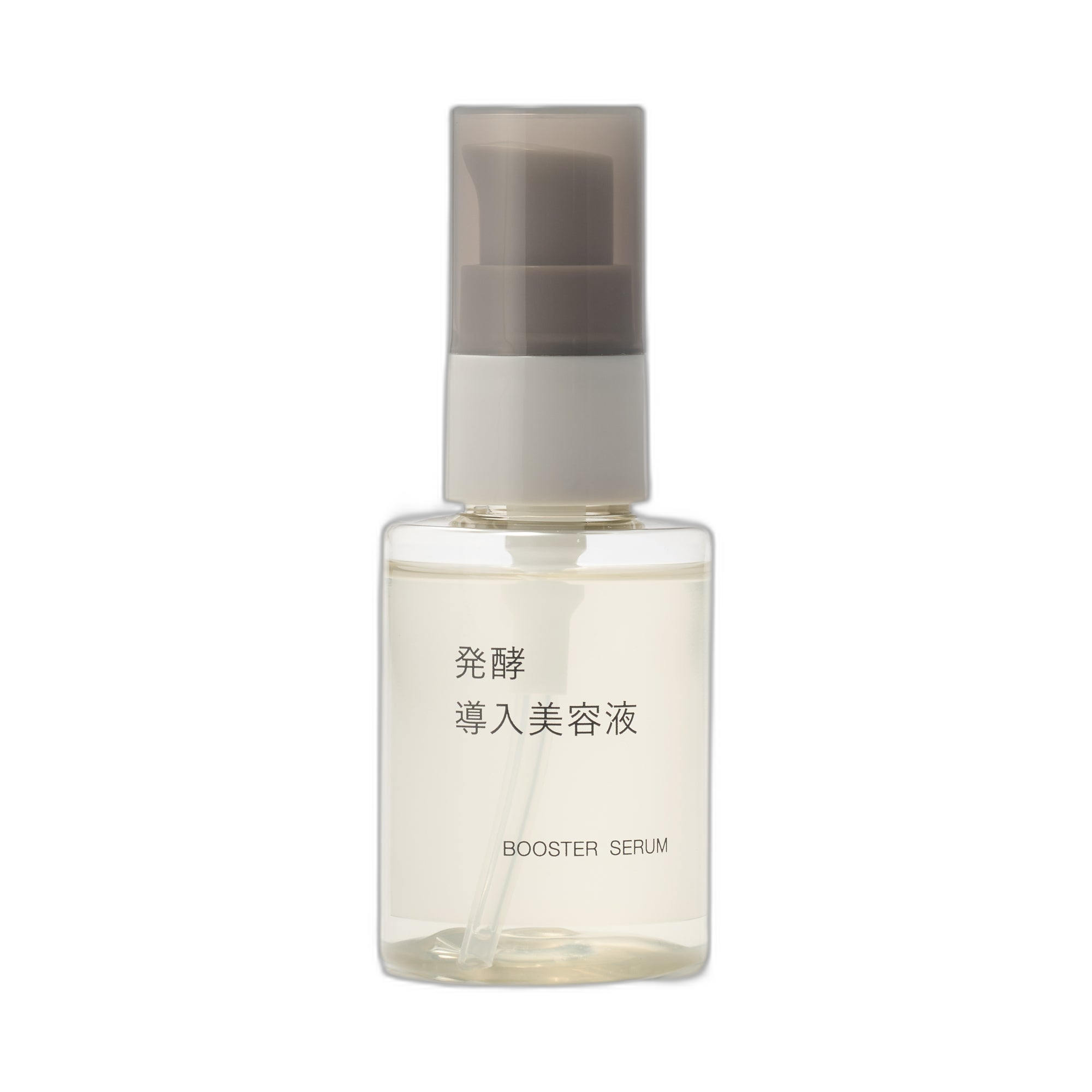
Muji Fermented Rice Bran Booster Serum sits in the same “booster” product category and includes fermented ingredients, though with a simpler formulation.

Budget alternatives for defense/resilience (Ultimune replacement):
Innisfree Green Tea Serum is a frequently mentioned alternative with a similar lightweight texture. The Innisfree Perfect 9 Intensive Serum was called “an even better dupe for Ultimune” by users on r/Sephora, though it targets a slightly different price point.
Missha Time Revolution Night Repair Ampoule is a Korean alternative that uses bifida ferment lysate (same ingredient in the Decorté Liposome) and targets similar anti aging and barrier concerns at roughly half the price.
Where luxury pulls ahead:
The case for Ultimune and Liposome isn’t just ingredients. It’s formulation technology. Decorté’s multi layered liposome delivery genuinely controls how and when actives reach your skin. Shiseido’s fermentation process creates bioavailable compounds that simpler extraction methods don’t produce. Whether that difference justifies 3 to 5x the price depends on your budget and how much optimization matters in your routine.
If your skincare budget is flexible and you want the best possible version of a booster serum, these two earn their reputation. If you’re building a routine on a tighter budget, the alternatives above cover the basics well.
FAQ
Can you use Shiseido Ultimune and Decorté Liposome together?
Yes. Some users apply Ultimune first (for defense), then Liposome (for hydration) before the rest of their routine. They target different skin concerns, so layering them isn’t redundant. The main downside is cost: using both daily at 50 mL sizes means roughly $220 every two to three months.
Which one is better for sensitive skin?
Decorté Liposome. It’s alcohol free, oil free, and dermatologist tested for sensitive skin. Shiseido Ultimune contains denatured alcohol, which can irritate reactive or very dry skin types. Both are fragrance containing, so if fragrance is your trigger, patch test either one.
Are these the same as regular serums?
Not exactly. Both are “booster” or “pre serum” products designed to go on before your main serum. They prep the skin and enhance absorption of everything applied after them. You can use them as your only serum if your routine is minimal, but they’re designed to complement other products rather than replace a targeted treatment serum (like a vitamin C or retinol).
Is the Decorté Liposome really Japan’s #1 serum?
According to Beauté Research data, it has ranked as the top selling serum in Japanese department stores and prestige beauty counters. It’s also a multiple time @cosme Best Cosmetics Award winner. “Number one” refers specifically to the prestige/department store channel, not all serums across all price points.
How long does a 50 mL bottle last?
With daily use (two pumps, twice a day), most users report a 50 mL bottle lasts about two to three months. Using it once daily or only in the evening doubles that. Both brands offer refills for the 75 mL size, which brings the ongoing cost down.