Japanese beauty explained
Japanese Skincare Routine for Your 40s and Beyond: What to Change and Why
Your skincare routine at 40 shouldn’t look like it did at 25. Not because something is wrong with your skin, but because the skin itself has changed. Collagen production has slowed. The moisture barrier is thinner. Cell turnover takes longer. Products that worked perfectly a decade ago may not be doing enough anymore.
Japanese skincare addresses this transition differently than most Western routines. Rather than loading up on high concentration actives and hoping your skin tolerates them, the Japanese approach is to shift the overall routine toward richer textures, more hydrating layers, and targeted treatments at lower but consistent concentrations. The goal isn’t to fight aging aggressively. It’s to support what your skin still does well and fill in the gaps where it’s slowing down.
This guide walks through how to update each step of a Japanese skincare routine for your 40s, 50s, and beyond, with specific product picks at budget and premium price points.
How Japanese Women Change Their Routines After 40
In Japanese skincare culture, there’s a recognized shift that happens around 40. The approach moves from prevention (予防, yobou) to improvement (改善, kaizen). In your 20s and 30s, the routine is about maintaining healthy skin and preventing damage. After 40, the focus shifts toward actively supporting skin that can no longer bounce back on its own.
This shows up in practical ways:
Lighter textures get replaced with richer ones. Gel moisturizers and watery lotions give way to cream based formulations with more emollient ingredients. Skin produces less sebum after 40, so heavier textures that might have felt greasy in your 30s now absorb fully and feel comfortable.
Hydrating layers increase. The multi layered lotion technique (重ね付け, kasanezuke) becomes more important. Rather than one application of toner, Japanese women in their 40s often apply two or three thin layers of hydrating lotion, pressing each into the skin before adding the next. This is more effective than a single thick application because thin layers absorb better.
Targeted treatments enter the rotation. Wrinkle care serums, eye creams, and firming masks move from “nice to have” to standard steps. In Japan, products labeled as quasi drugs (医薬部外品) for wrinkle improvement have passed clinical testing to earn that designation, making the Japanese market particularly strong in this category.
Sunscreen gets upgraded. The SPF doesn’t necessarily increase, but the formula changes. Moisturizing sunscreens with added anti aging benefits replace the lightweight, mattifying versions designed for oilier, younger skin.
None of this means throwing out everything that worked before. A good cleanser is still a good cleanser. But the routine evolves to match what your skin needs now.
Key Ingredients for Mature Skin
These are the ingredients that show up most consistently in Japanese anti aging products designed for the 40+ market.
Retinol (and retinol derivatives). Retinol promotes collagen production and speeds up cell turnover. Japanese formulations typically use lower concentrations than Western products, often in the 0.01% to 0.1% range, and pair them with soothing ingredients to reduce irritation. This matters more after 40, when the skin barrier is more fragile. For a deep dive into Japanese retinol options, see the retinol product guide.
Niacinamide (vitamin B3). Strengthens the skin barrier, supports collagen production, and improves elasticity. It also helps with uneven skin tone, which becomes more common after 40. Niacinamide shows up across price points in the Japanese market, from drugstore toners to luxury serums.
Soy isoflavones. Soy isoflavones have structural similarities to estrogen and can support collagen production at the skin level. Sana’s Nameraka Honpo line is built around fermented soy milk and has become one of the most popular budget anti aging ranges in Japan. More on this line in the Sana Nameraka guide.
Ceramides. Your skin produces fewer ceramides as you age, which weakens the moisture barrier. Ceramide based products help fill those gaps. Curel is one of the best known ceramide focused Japanese brands.
Pitera (galactomyces ferment filtrate). SK-II’s signature ingredient. Pitera is a fermented yeast extract that contains amino acids, vitamins, and organic acids. It supports skin renewal and hydration. Whether it justifies SK-II’s premium pricing is debatable, but the ingredient itself has strong backing. More detail in the SK-II guide, and if the price tag is a dealbreaker, see our affordable alternatives to SK-II.
Collagen (topical). Topical collagen doesn’t penetrate deeply enough to rebuild the skin’s own collagen structure, but it does form a moisture retaining film on the surface. Japanese drugstore products use hydrolyzed collagen extensively as a humectant, and it works well in that role.
NEI-L1 (POLA’s proprietary ingredient). POLA developed this ingredient for their Wrinkle Shot line. It works by inhibiting neutrophil elastase, an enzyme that breaks down collagen and elastin. The Wrinkle Shot Serum N was the first product in Japan to receive quasi drug approval for wrinkle improvement.
Morning Routine
Every product in the morning routine serves two purposes: hydrating and protecting. The structure stays the same as a standard Japanese morning routine, but the product choices shift toward anti aging formulations.
Step 1: Gentle Cleanser
Skip foaming cleansers that strip the skin. A hydrating or cream based cleanser preserves the moisture barrier, which is more important after 40 than deep cleansing.
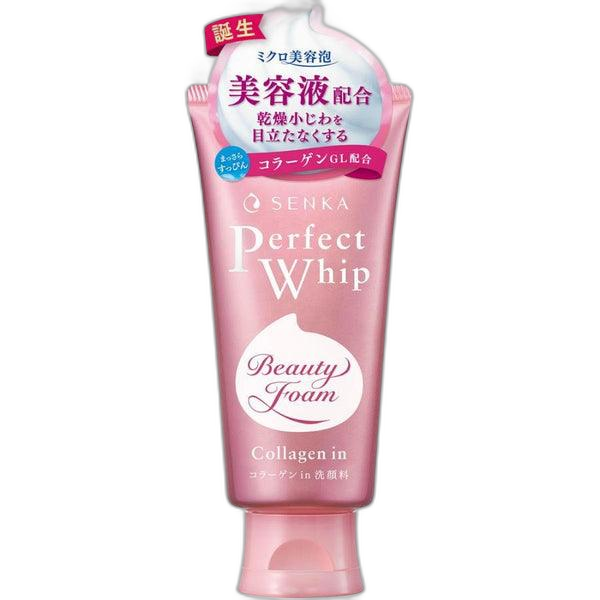
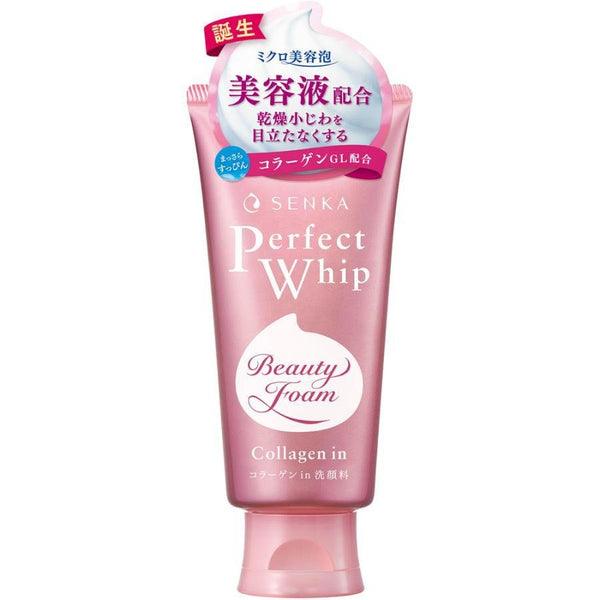
Budget: Shiseido FT Sengansenka Perfect Whip Facial Wash Collagen uses collagen water to cleanse without over drying.
Senka
3 retailersSee retailers →
Premium: Sekkisei Miyabi Ultimate Facial Wash blends Japanese botanical ingredients with a moisturizing formula that leaves skin feeling balanced rather than tight.
Step 2: Hydrating Lotion (Toner)
Japanese lotions do the heavy lifting in hydration. After 40, look for formulas that include wrinkle care actives alongside the hydrating base.
Budget: Sana Soy Milk Wrinkle Care Lotion N combines fermented soy isoflavones with niacinamide and retinol. The entire Sana Nameraka wrinkle care line builds on this same ingredient base.
Sana
1 retailerSee retailers →
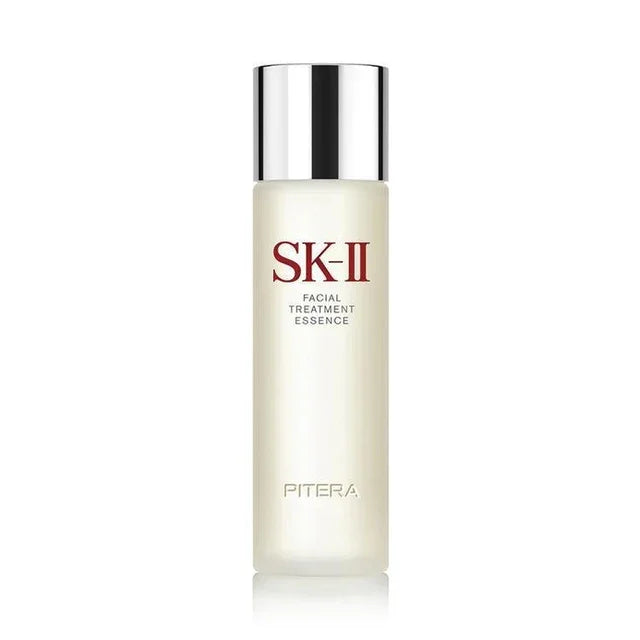
Premium: SK-II Facial Treatment Essence is the classic option. Pitera supports cell renewal, and many users consider this the foundation of their entire routine. For a more detailed breakdown of how it fits into a full routine, see the SK-II guide.
SK-II
13 retailersSee retailers →
Step 3: Serum
This is the step where your most potent actives go. In the morning, vitamin C serums work well because they provide antioxidant protection alongside SPF.
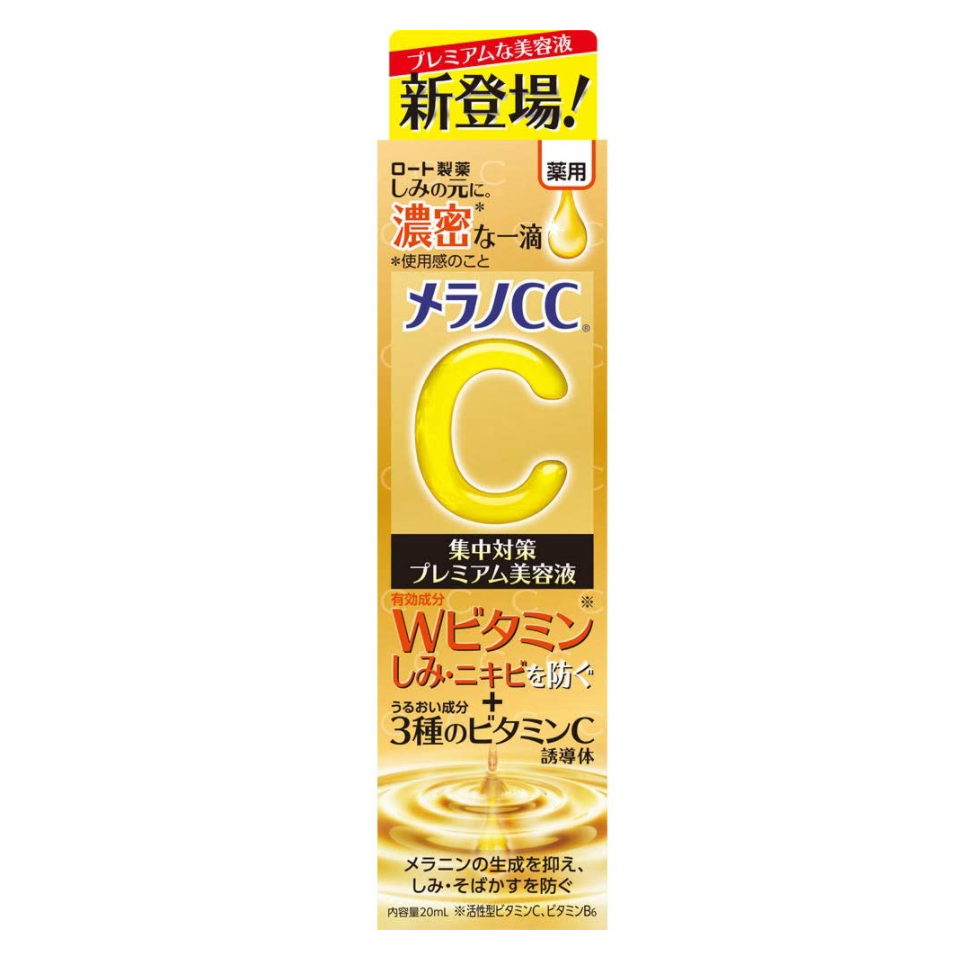
Budget: Rohto Melano CC Vitamin C Premium Essence combines ascorbic acid with vitamin E. It targets dark spots and supports collagen production. Lightweight enough to layer under sunscreen.
Rohto
3 retailersSee retailers →
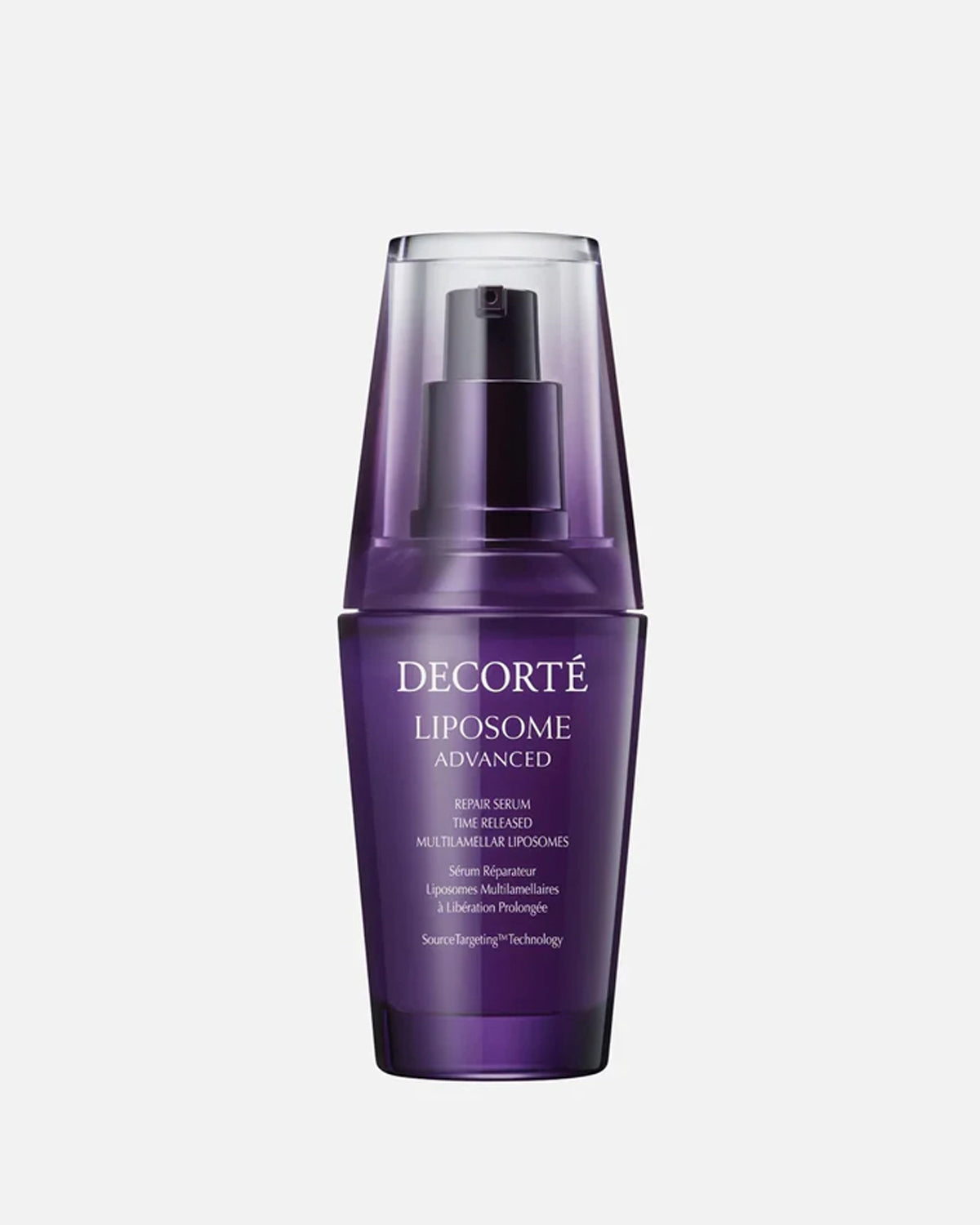
Premium: Decorté Liposome Advanced Repair Serum uses a liposome delivery system to layer ceramides, hyaluronic acid, and antioxidants deep into the skin. Reddit users in their late 40s have noted visible improvement in fine lines after consistent use.
Decorté
8 retailersSee retailers →
Step 4: Moisturizer
A richer moisturizer than what you used in your 30s. The goal is to seal in everything underneath and provide lasting hydration throughout the day.
Budget: Hada Labo Gokujyun Wrinkle Care Cream moisturizes with hyaluronic acid and niacinamide while delivering anti aging benefits. A strong everyday option.
Premium: Shiseido Vital Perfection Uplifting and Firming Cream uses Shiseido’s SafflowerRED technology alongside ginseng extract. The formula targets firmness, dark spots, and deep wrinkles in one step.
Step 5: Sunscreen
Non negotiable at any age, but especially after 40 when hyperpigmentation becomes more stubborn and cumulative sun damage is harder to reverse.
Budget: Sana Soy Milk Wrinkle Care Cover UV Milk SPF43 PA+++ doubles as wrinkle care and sun protection. Moisturizing enough for drier mature skin.
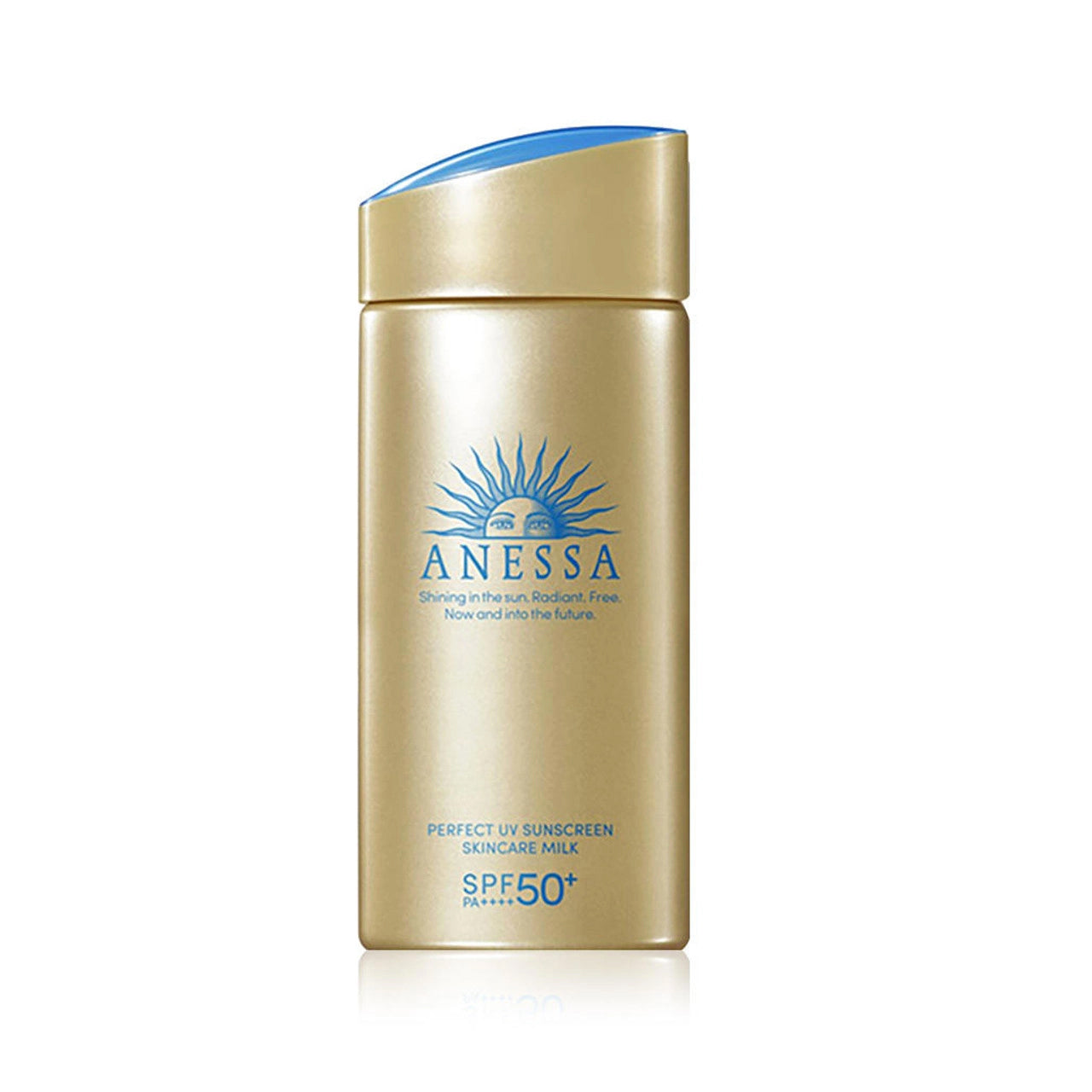
Premium: Anessa Perfect UV Sunscreen Skincare Milk SPF50+/PA++++ offers top tier UV protection with a formula that feels skincare forward rather than heavy. Orbis Wrinkle Bright UV Protector is another excellent option that adds niacinamide for wrinkle care alongside SPF50+ protection.
Evening Routine
The evening routine is where active treatments do their work. Without sun exposure and makeup to worry about, nighttime products can focus entirely on repair and renewal.
Step 1: Double Cleanse
Oil cleansing followed by a water based cleanser removes sunscreen and makeup without irritating mature skin. This two step approach is gentler than trying to get everything off in one go. For a full comparison of options, see our best Japanese cleansing oil guide.
Oil cleanser: DHC Deep Cleansing Oil is the most widely known Japanese cleansing oil. It dissolves sunscreen and makeup effectively without tugging at the skin.
Second cleanser: Use the same gentle cleanser from your morning routine, or switch to Sana Soy Milk Wrinkle Care Cleansing Face Wash N if you want wrinkle care actives in every step.
Step 2: Treatment Lotion
The same hydrating lotion from the morning, applied in two or three thin layers. Press each layer gently into the skin with your palms rather than patting or rubbing.
If you want to switch it up at night, Elixir Bouncing Moisture Lotion Anti Aging Lotion from Shiseido’s Elixir line is formulated specifically for skin that’s lost elasticity.
Step 3: Wrinkle Care Treatment
This is the step that distinguishes a 40+ routine from a younger one. Targeted treatments go on after lotion and before moisturizer.
Budget: Sana Nameraka Honpo Wrinkle Gel Cream N is a gel cream that combines retinol with soy isoflavones. It functions as both a treatment and a light moisturizer, making it a good option for those who want a simpler routine.
Premium: POLA Wrinkle Shot Serum N is the gold standard in Japanese wrinkle care. POLA’s proprietary NEI-L1 ingredient was the first in Japan to receive quasi drug approval for wrinkle improvement, and the product has won multiple @cosme best cosmetics awards. It’s designed for targeted application on specific wrinkle prone areas like the forehead, around the eyes, and nasolabial folds.
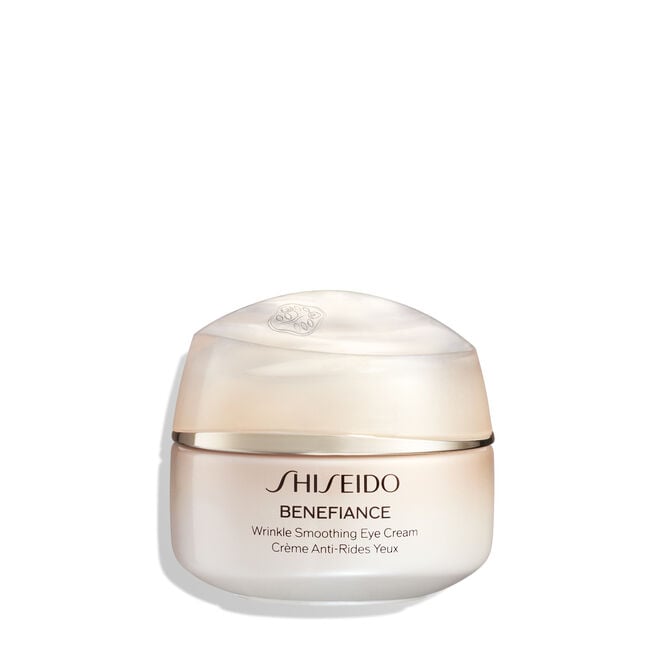
Eye area: Soy Milk Wrinkle Care Eye Cream N from Sana is a budget option specifically for the delicate eye area. For a luxury alternative, Shiseido Benefiance Wrinkle Smoothing Eye Cream uses a peptide called carnosine to protect skin proteins from damage.
Step 4: Moisturizer or Sleeping Mask
At night, you can go heavier than your morning moisturizer. Sleeping masks and rich night creams work overnight to repair and hydrate.
Budget: Sana Soy Milk Wrinkle Care Night Cream provides a rich, occlusive layer that locks in all the treatments underneath. The soy isoflavone base continues working overnight.
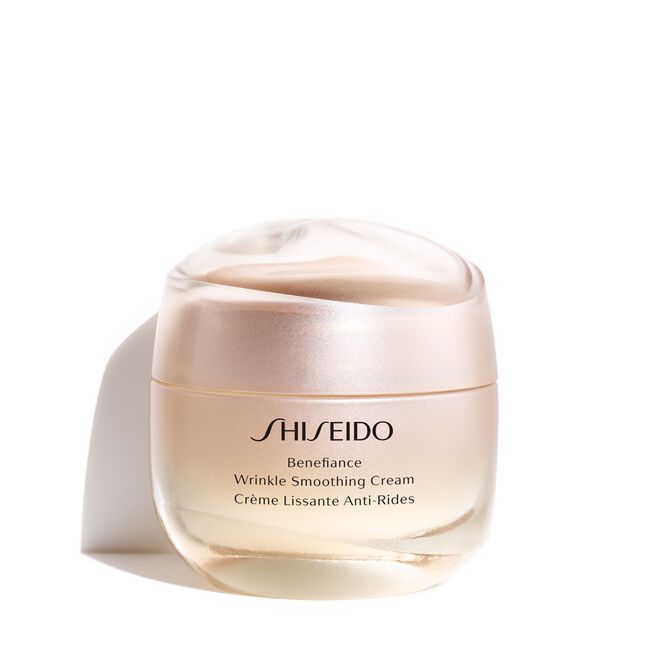
Premium: Shiseido Benefiance Wrinkle Smoothing Cream is a luxurious night cream that targets wrinkles with niacinamide and caffeine alongside Shiseido’s botanical extracts.
Weekly Extras
Sheet masks add a concentrated dose of hydration. Lululun Precious RED Face Mask is designed for mature skin and contains ceramides and oils for deep moisturizing. It comes in a 32 sheet box, making daily or every other day use affordable.
Budget Routine Under $50
A complete Japanese anti aging routine doesn’t require luxury products. The Sana Nameraka Wrinkle Care line offers a full routine at drugstore prices, and every product in the range is formulated with retinol, niacinamide, and soy isoflavones.
Morning:
| Step | Product |
|---|---|
| Cleanser | Sana Soy Milk Wrinkle Care Cleansing Face Wash N |
| Lotion | Sana Soy Milk Wrinkle Care Lotion N |
| Moisturizer | Hada Labo Gokujyun Wrinkle Care Cream |
| Sunscreen | Sana Soy Milk Wrinkle Care Cover UV Milk SPF43 PA+++ |
Evening:
| Step | Product |
|---|---|
| Oil cleanser | DHC Deep Cleansing Oil |
| Cleanser | Sana Soy Milk Wrinkle Care Cleansing Face Wash N |
| Lotion | Sana Soy Milk Wrinkle Care Lotion N |
| Moisturizer | Sana Nameraka Honpo Wrinkle Gel Cream N |
| Night cream | Sana Soy Milk Wrinkle Care Night Cream |

The entire lineup runs well under $50 total for products that last one to two months each. For more budget focused anti aging options, the anti aging skincare guide covers additional picks.
Premium Routine
For those willing to invest, these products represent some of the most advanced formulations in the Japanese market.
Morning:
| Step | Product |
|---|---|
| Cleanser | Sekkisei Miyabi Ultimate Facial Wash |
| Essence | SK-II Facial Treatment Essence |
| Serum | Decorté Liposome Advanced Repair Serum |
| Moisturizer | Shiseido Vital Perfection Uplifting and Firming Cream |
| Sunscreen | Anessa Perfect UV Sunscreen Skincare Milk SPF50+/PA++++ |
Evening:
| Step | Product |
|---|---|
| Oil cleanser | DHC Deep Cleansing Oil |
| Cleanser | Sekkisei Miyabi Ultimate Facial Wash |
| Essence | SK-II Facial Treatment Essence |
| Serum | POLA Wrinkle Shot Serum N, targeted on wrinkles |
| Eye cream | Shiseido Benefiance Wrinkle Smoothing Eye Cream |
| Moisturizer | Shiseido Benefiance Wrinkle Smoothing Cream |
Weekly:
| Step | Product |
|---|---|
| Sheet mask | Shiseido Vital Perfection LiftDefine Radiance Face Mask |
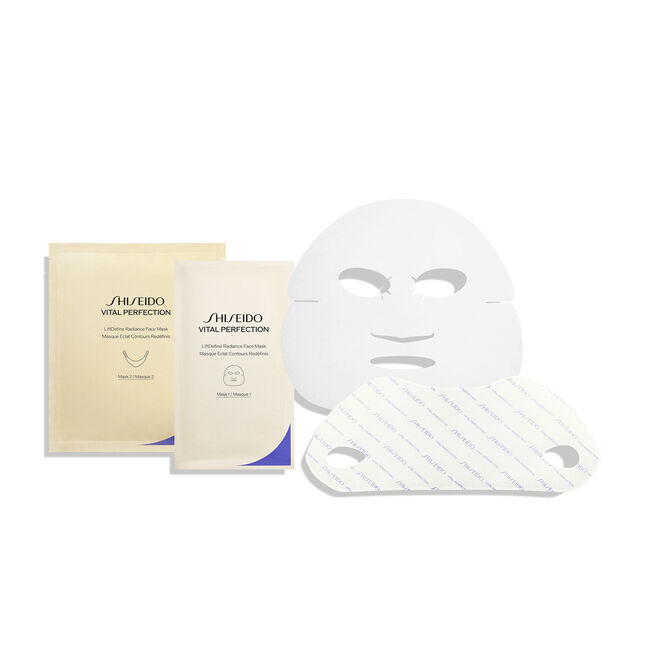
The Shiseido Elixir Design Time Serum is another option in the mid to premium range. Shiseido positions Elixir as their age focused sub brand, and this serum targets firmness and radiance. See how Shiseido’s sub brands compare for guidance on choosing between Benefiance, Vital Perfection, and Elixir.
What to Stop Doing After 40
Adjusting your routine isn’t just about adding products. Some habits that worked fine in your 20s and 30s can actively work against you now.
Over exfoliating. Chemical exfoliants (AHAs, BHAs) and physical scrubs thin the skin barrier. After 40, the barrier is already thinner and slower to recover. If you exfoliate, limit it to once or twice a week with a gentle product. Daily exfoliation is almost never appropriate for mature skin.
Using harsh, stripping toners. Alcohol heavy toners designed to control oil production can dry out skin that no longer produces enough oil to begin with. Switch to hydrating, treatment focused lotions.
Skipping sunscreen on cloudy days. UVA rays (the ones that cause wrinkles and discoloration) penetrate clouds and windows. Consistent SPF use is the single most effective anti aging step you can take, and it becomes more important as your skin gets less resilient.
Relying on a single “miracle” product. No serum or cream replaces a complete routine. A $200 serum on top of a stripped barrier won’t perform. The basics (gentle cleansing, hydration, sunscreen) matter more than any single active.
Ignoring texture changes. If your lightweight gel moisturizer isn’t cutting it anymore, that’s not the product failing. Your skin’s needs have changed. Let go of products that suited a younger version of your skin.
FAQ
Is Japanese skincare better than Western skincare for mature skin? Not inherently better, just different in approach. Japanese products tend to use lower concentrations of actives with more supporting ingredients, which can be gentler on mature skin that’s more prone to irritation. Western products often deliver faster visible results with higher potency formulations. Both approaches work. It comes down to what your skin tolerates and what fits your preferences.
When should I start using anti aging products? Prevention can start in your 20s with sunscreen and antioxidants. Targeted wrinkle care treatments become more relevant in your late 30s to early 40s, when collagen loss accelerates. There’s no age where it’s “too late” to start, and there’s no age where it’s “too early” for sunscreen.
Do I need to use the entire routine, or can I just add a serum? Adding a single targeted treatment to your existing routine is a perfectly valid approach. If you’re going to add just one step, a retinol or niacinamide serum at night gives you the most return. That said, the treatment won’t perform its best if you’re not cleansing gently and hydrating adequately.
How long does it take to see results from a new anti aging routine? Most anti aging ingredients take four to eight weeks of consistent use to show visible changes. Hydrating products (hyaluronic acid, ceramides) show immediate improvements in plumpness and texture. Retinol and niacinamide based wrinkle treatments take longer because they work at the cellular level.
Can I mix Japanese and Western products in my routine? Yes. There’s nothing about Japanese formulations that makes them incompatible with Western products. The usual caution applies: don’t layer too many actives at once (especially retinol with exfoliating acids), and introduce new products one at a time so you can identify what’s working and what’s irritating.