Japanese beauty explained
Japanese Morning vs Night Skincare Routine: What Changes and Why
If you’ve read through a beginner’s Japanese skincare routine, you’ve probably noticed that morning and evening routines aren’t just the same steps repeated twice. They’re fundamentally different routines with different goals.
Morning is about protection. Lightweight hydration, sunscreen, getting out the door without your face feeling heavy. Evening is about repair. Removing everything from the day, then giving your skin the ingredients it needs to recover overnight.
This distinction matters more than most people realize, and it’s one of the things Japanese skincare gets specific about. Here’s how the two routines differ, what goes where, and why. If you want product recommendations tailored to your skin type, try our routine builder.
Why Morning and Evening Routines Are Different
Your skin has different needs depending on the time of day.
Morning is about protection and prep:
- Skin barrier is relatively intact from overnight recovery
- Goal is to hydrate, protect against UV, and keep things light
- Fewer steps, lighter textures
- Sunscreen is the priority
Evening is about cleansing and repair:
- You’re carrying a full day of sunscreen, oil, pollution, and makeup
- Skin needs thorough cleansing first, then treatment
- Cell turnover peaks overnight, so active ingredients do their best work here
- Richer textures and more steps are welcome since you’re not layering under makeup
Morning Routine: Protect and Prep
The morning routine in Japanese skincare is intentionally minimal. Three to four steps, lightweight textures, and sunscreen as the non negotiable final layer. (For a full breakdown of every possible step and where it goes, see the layering guide.)
Step 1: Gentle Cleanse (or Just Water)
You don’t need a deep cleanse in the morning. Nothing dramatic happened to your skin overnight. A lot of people in the Japanese skincare community skip cleanser entirely in the AM and just rinse with lukewarm water.
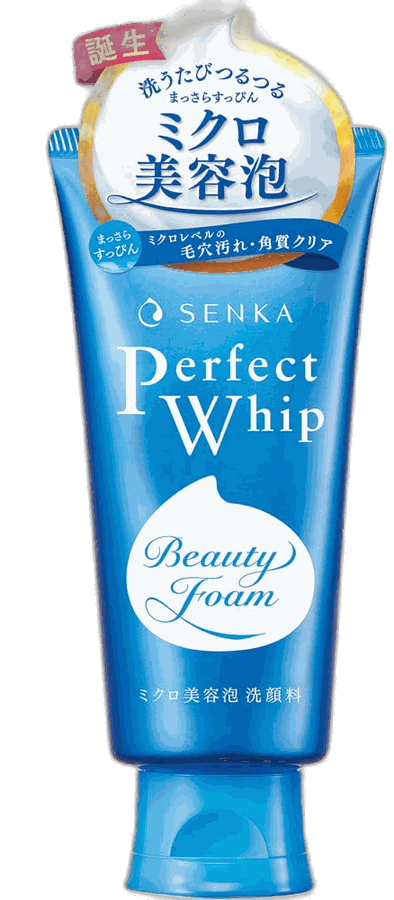
If your skin runs oily or you used heavy products the night before, a gentle foaming cleanser works. Senka Perfect Whip is a common choice for mornings because it lathers quickly, rinses clean, and doesn’t strip moisture. The Hada Labo Gokujyun Cleansing Foam is another option that’s even gentler. Our best Japanese face wash guide has more options across skin types.
The point is: morning cleansing should take 30 seconds tops. You’re refreshing, not deep cleaning.
Step 2: Hydrating Lotion
Japanese “lotion” means a watery hydrating toner, not a thick cream. You pat it onto clean skin to add a base layer of hydration before anything else goes on.
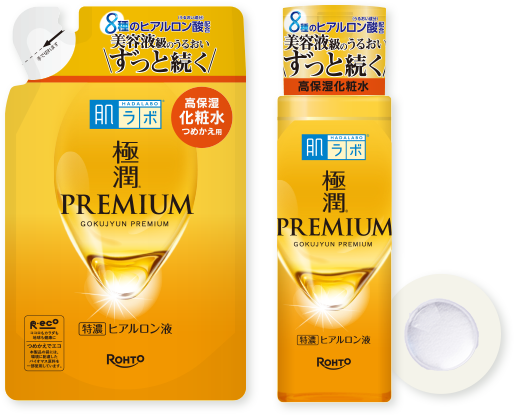
Hada Labo Gokujyun Hyaluronic Lotion Moist is the standard recommendation here and for good reason. Multiple weights of hyaluronic acid, no fragrance, absorbs in seconds. For the morning, you want something that sinks in fast and doesn’t pill under sunscreen.
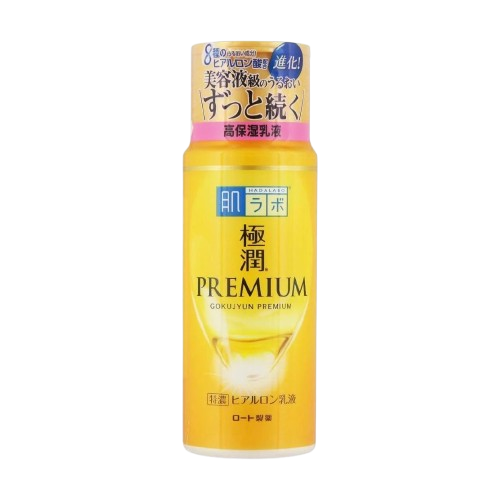
The Premium version is thicker and more viscous. Some people find it too tacky for morning use, especially under sunscreen. If that’s you, stick with the regular Moist version for AM and save the Premium for nighttime.

Step 3: Vitamin C Serum (Optional)
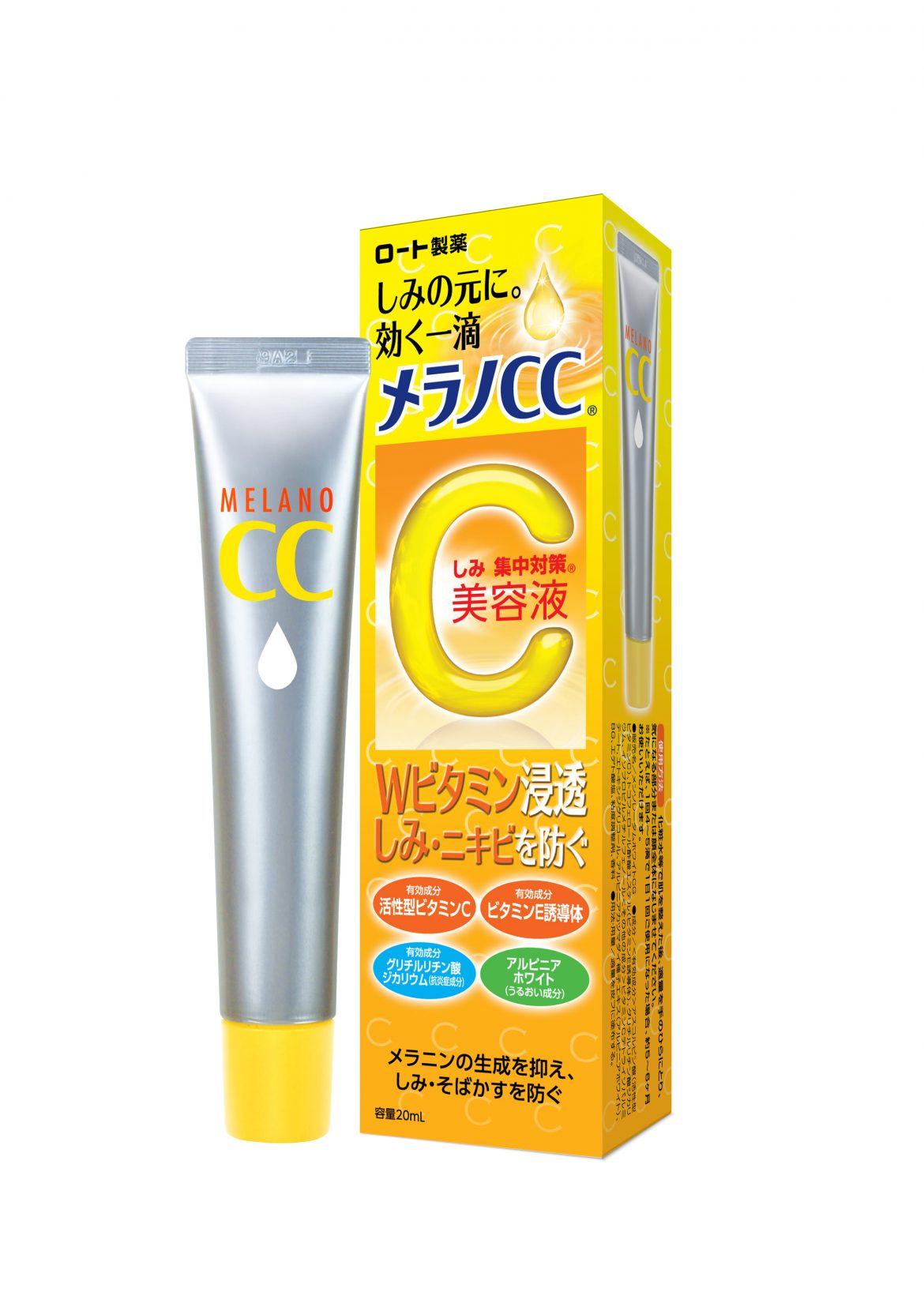
If you use a vitamin C serum, morning is the best time for it. Vitamin C is photoprotective, meaning it helps neutralize UV damage and boosts your sunscreen’s effectiveness. Apply after your hydrating lotion, before moisturizer or sunscreen. Melano CC Intensive Measures Essence is a popular pick that layers well under sunscreen (full breakdown in the Melano CC guide).
Step 4: Lightweight Moisturizer (Optional)
This step depends on your skin type and climate. If your skin feels hydrated enough after lotion (or lotion + serum), you can skip straight to sunscreen. If you need a bit more moisture, use something lightweight that layers well.
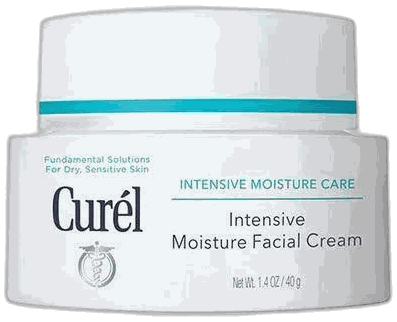
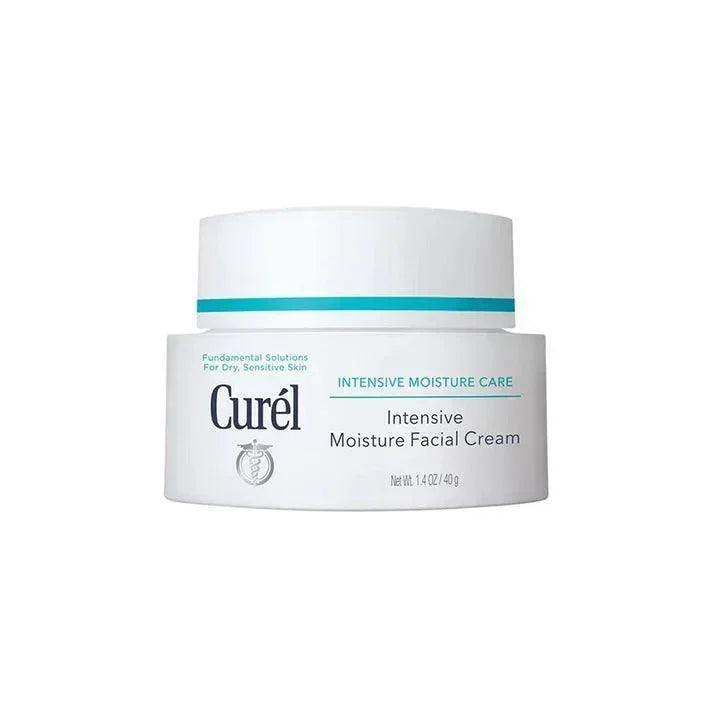
Curel Intensive Moisture Facial Cream works for sensitive or dry skin types. It’s rich enough to moisturize but absorbs cleanly. For oily or combination skin, a gel type moisturizer or even an emulsion like Hada Labo Gokujyun Premium Milky Lotion can serve as both moisturizer and lotion in one step.
The key for morning moisturizer: it should not leave a film or interfere with sunscreen application.
Step 5: Sunscreen
This is the single most important step in any morning skincare routine. Japanese sunscreens tend to have elegant textures that feel like skincare rather than thick, greasy sunblock.
Skin Aqua UV Super Moisture Gel is one of the most popular options for daily wear. SPF50+/PA++++, lightweight gel texture, no white cast. It sits well under makeup and doesn’t feel like you’re wearing sunscreen at all. See the full review for how it compares to Biore Aqua Rich and other budget options.
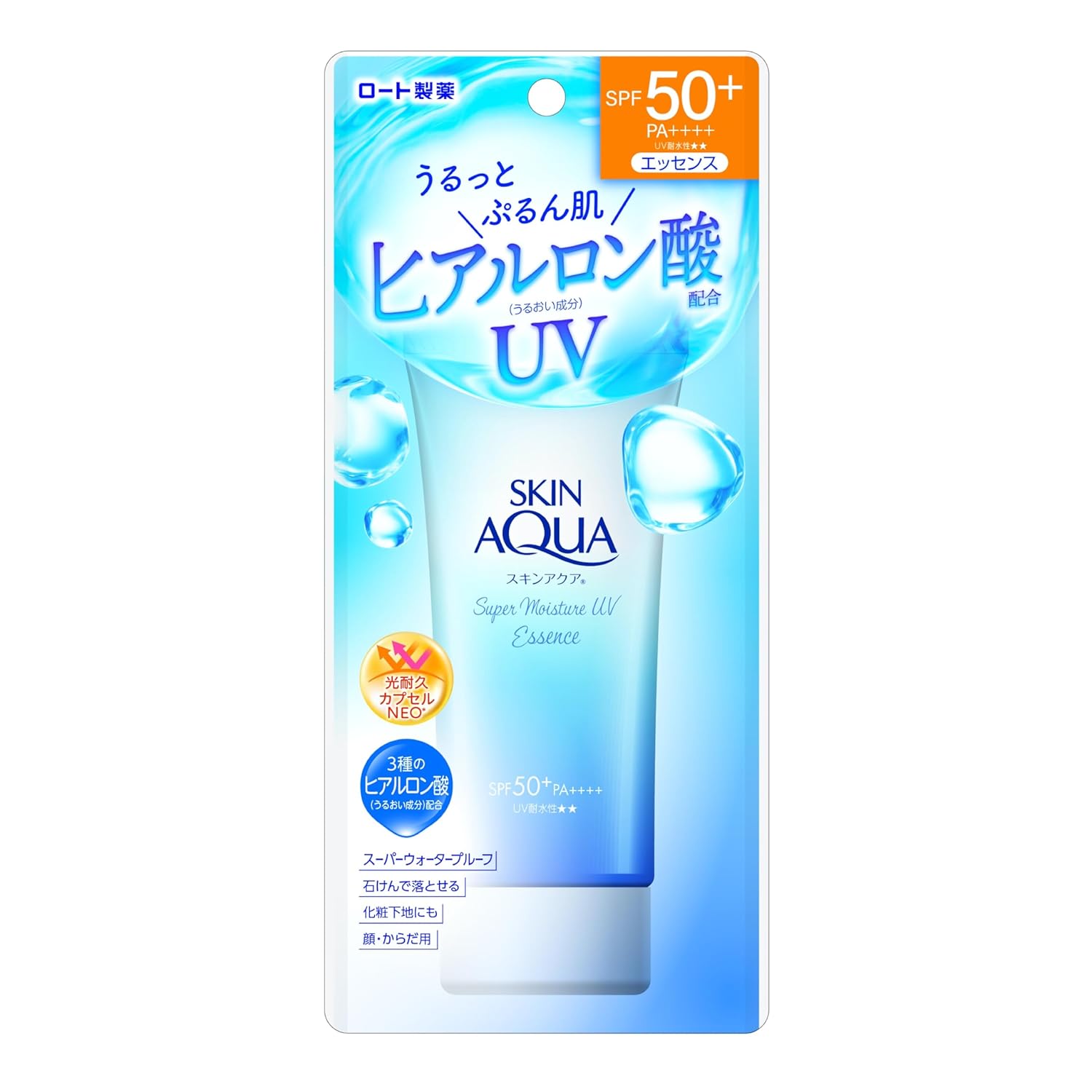
For a slightly more moisturizing option, Skin Aqua Super Moisture Essence has a slightly dewier finish. Both are widely available outside Japan.
If you take one thing from this article: never skip sunscreen in the morning. Everything else is negotiable.

Evening Routine: Cleanse and Repair
The evening routine has more steps because it has more to accomplish. You’re removing the day, then feeding your skin ingredients that work best overnight.
Step 1: Oil Cleanser (Double Cleanse, Part One)
Sunscreen does not come off with water and a foaming cleanser alone. You need an oil based first cleanse to dissolve it properly. This is the double cleanse, and it’s one of the core principles of Japanese skincare.
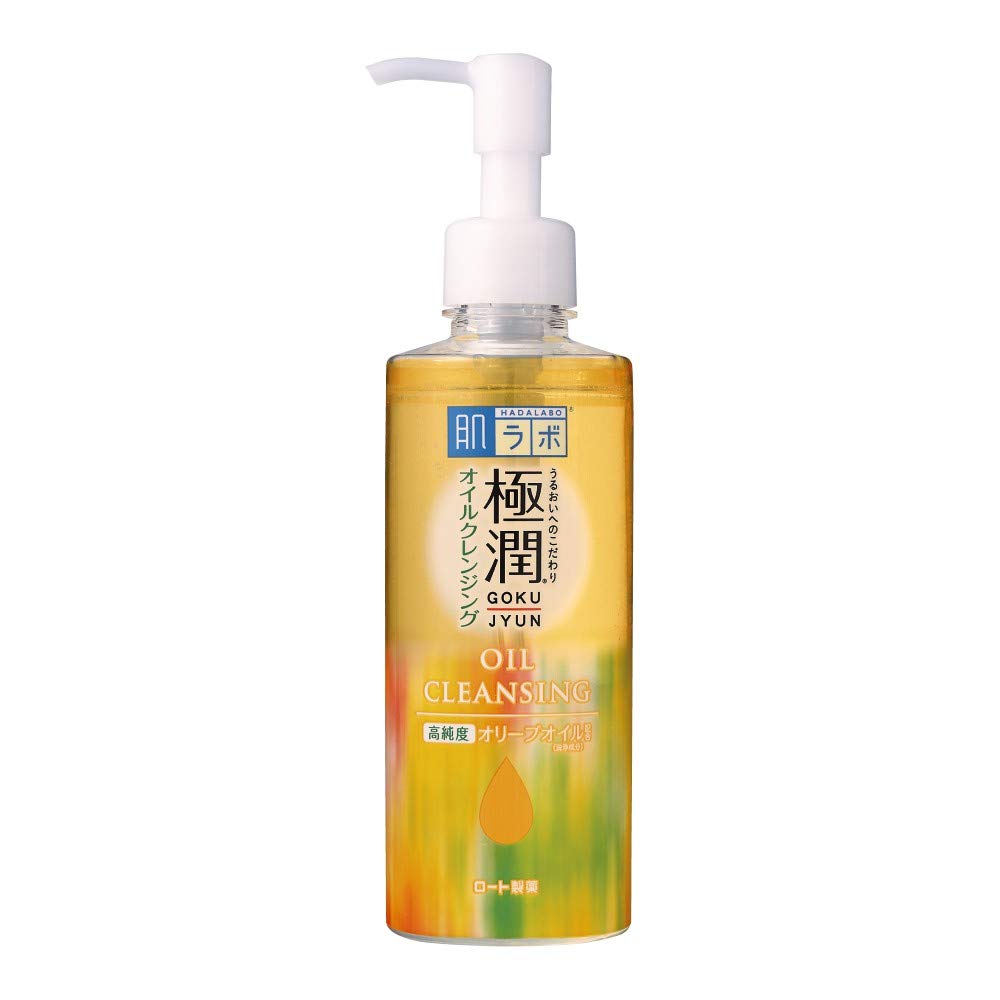
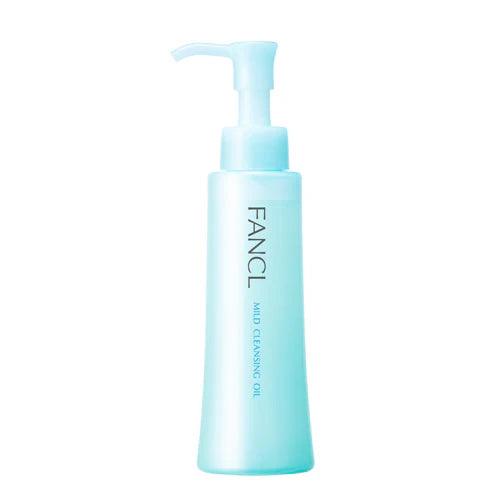
Hada Labo Gokujyun Cleansing Oil is a solid, affordable pick. It emulsifies cleanly (no greasy residue) and removes sunscreen and makeup thoroughly. DHC Deep Cleansing Oil and FANCL Mild Cleansing Oil are other community favorites (see the cleansing oil comparison for a deeper breakdown).
Apply to dry skin, massage for about a minute, add water to emulsify until it turns milky, then rinse.

Step 2: Foaming Cleanser (Double Cleanse, Part Two)
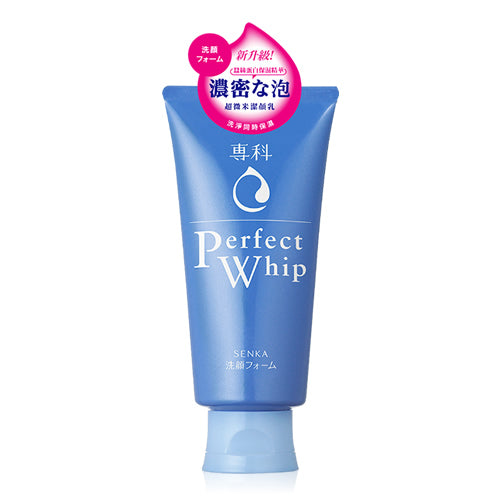
After the oil cleanser, follow with a water based cleanser to pick up anything remaining. This is the step where Senka Perfect Whip works well. Its dense lather lifts residue without over cleansing.
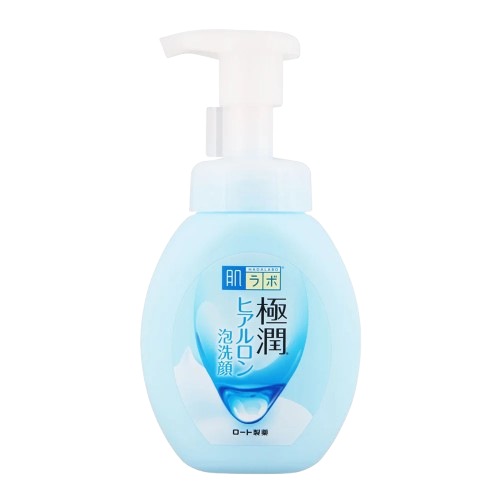
If your skin is sensitive or dry, the Hada Labo Gokujyun Cleansing Foam is gentler and still effective as a second cleanse.
After this step, your skin should feel clean but not tight. If it feels stripped, your cleanser is too harsh.
Step 3: Hydrating Lotion
Same concept as morning, but this is where you can go richer. The Hada Labo Gokujyun Premium Lotion is perfect for evenings. Its thicker, more viscous texture delivers deeper hydration, and since you’re not layering sunscreen on top, the slight tackiness doesn’t matter.
Kikumasamune Sake Lotion High Moist is another popular evening lotion (see the full review). It comes in a massive 500ml bottle, which makes it easy to use generously. Sake filtrate and ceramides give it a different hydration profile than hyaluronic acid based lotions.
Some people layer their lotion two or three times in the evening (a technique sometimes called “lotion layering” or “seven skin method” in K beauty). Apply, let it absorb, apply again. This works well with thinner formulas.

Step 4: Treatment Serum
Evening is the time for ingredients that are sensitive to sunlight. Retinol is the main one: UV degrades it, so it belongs at night. Niacinamide works any time of day.
Vitamin C is a common source of confusion. Despite what you might see online, vitamin C is actually well suited to morning use. It’s photoprotective, meaning it helps neutralize free radicals from UV exposure and boosts sunscreen’s effectiveness. Using it in the morning under sunscreen gives you more benefit than using it at night. That said, it works fine at night too if that’s easier for your routine.
If you’re using retinol, evening is the only option. Hada Labo Gokujyun Wrinkle Care Cream is one Japanese retinol product designed for nighttime use.
This step is optional if your skin concerns are mainly hydration. But if you’re working on fine lines, dark spots, or texture, a treatment serum is where you’ll see the most progress.
Hada Labo
2 retailersSee retailers →
Step 5: Moisturizer or Sleeping Pack
The final evening step seals everything in. You can go heavier here than you would in the morning since you’re not worrying about texture under sunscreen or makeup.
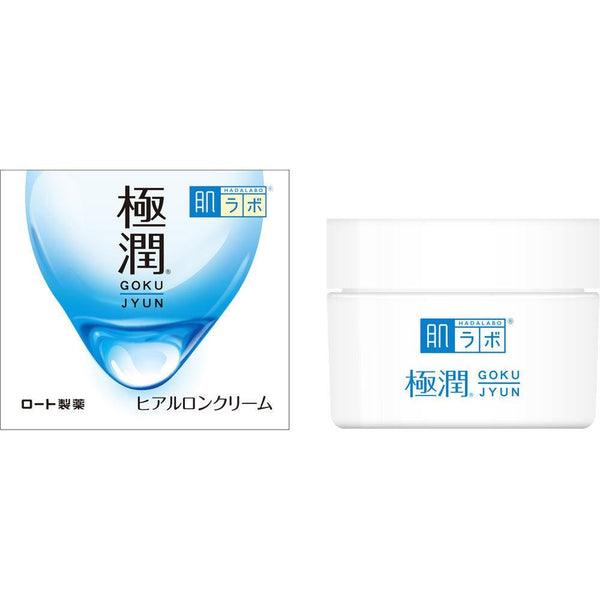
Curel Intensive Moisture Facial Cream works well at night too, especially for dry or sensitive skin. For a lighter seal, the Hada Labo Gokujyun Hyaluronic Acid Cream provides occlusion without feeling heavy.
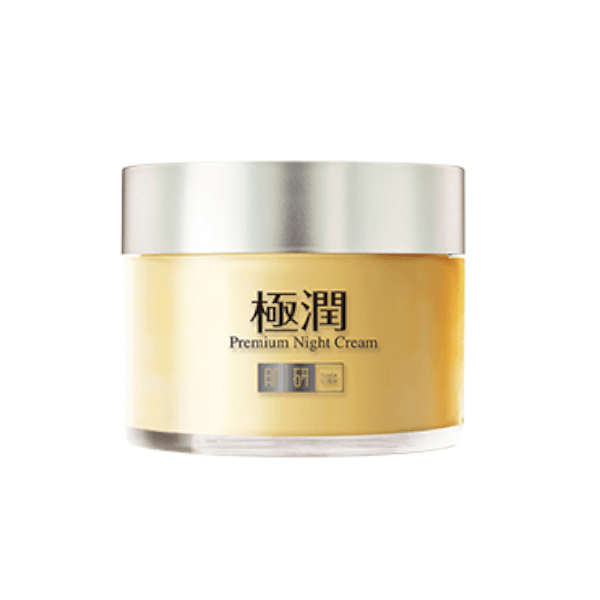
If your skin is very dry, the Hada Labo Gokujyun Premium Night Cream is formulated specifically as a sleeping pack with a richer texture meant to work over several hours.
Key Differences at a Glance
| Morning | Evening | |
|---|---|---|
| Goal | Protect from UV and environment | Repair, treat, and recover |
| Cleansing | Water or gentle cleanser | Double cleanse (oil + foam) |
| Lotion texture | Light, fast absorbing | Can be thicker, richer |
| Actives | Vitamin C, sunscreen (non negotiable) | Retinol, niacinamide, treatments |
| Moisturizer | Lightweight or skip | Richer cream or sleeping pack |
| Total steps | 3 to 4 | 4 to 5 |
Budget AM/PM Routine Under $50
You don’t need expensive products for an effective split routine. Here’s a realistic setup:
Morning (3 products):
- Hada Labo Gokujyun Lotion Moist (~$12 to $15)
- Skin Aqua UV Super Moisture Gel (~$10 to $14)
- Water rinse instead of a morning cleanser
Evening (4 products):
- Hada Labo Gokujyun Cleansing Oil (~$10 to $14)
- Senka Perfect Whip (~$6 to $9)
- Hada Labo Gokujyun Lotion Moist (same bottle as AM)
- Curel Intensive Moisture Facial Cream (~$15 to $20)
That’s five unique products total, shared between routines. Well under $50 for everything, and each one lasts one to three months depending on usage.
FAQ
Do I need to double cleanse in the morning too?
No. Double cleansing is for removing sunscreen, makeup, and a full day of buildup. In the morning, you’re just refreshing skin that was resting overnight. A water rinse or single gentle cleanser is plenty.
Can I use the same moisturizer morning and night?
Yes. Many people use one moisturizer for both routines. The difference is more about what else you layer with it. In the morning, you keep it light and follow with sunscreen. At night, you might use more of it or layer it over serums.
Should I use vitamin C serum in the morning or evening?
Both can work, but evening is often simpler. Some vitamin C formulas can pill under sunscreen or feel sticky in a morning routine. Using it at night means one less thing between you and sunscreen, and the vitamin C can work uninterrupted while you sleep. If you do use it in the morning, apply before moisturizer and wait a minute before sunscreen.
Is the Japanese routine that different from a Western one?
The core concept (cleanse, hydrate, moisturize, protect) is the same. The differences are in execution: Japanese routines emphasize hydrating lotions/toners as a dedicated step, use lighter textures that layer well, and treat double cleansing as standard rather than optional. The AM/PM split tends to be more deliberate too, with specific products chosen for each time of day.
What if I can only afford one routine to start?
Start with the evening routine. Proper cleansing and overnight hydration will do more for your skin than a morning routine alone. Just make sure you add sunscreen in the morning even if you skip everything else. Sunscreen plus a thorough evening routine is a strong foundation.