Japanese beauty explained
Double Cleansing vs Single Cleansing: Do You Really Need Two Steps?
Double cleansing is one of the most discussed Japanese skincare techniques. The concept is simple: use an oil based cleanser first, then a water based cleanser second. Two cleansers, two steps, one very clean face. (For the full step by step technique and product pairings, see How to Double Cleanse with Japanese Products.)
But does everyone need to do it? The honest answer is no. Here’s when it actually matters and when one cleanser is fine.
What Double Cleansing Does
Oil dissolves oil. Water dissolves water soluble things. By using both, you cover everything:
Step 1: Oil cleanser removes sunscreen, makeup, sebum, and oil based pollutants. These don’t dissolve in water, which is why a regular face wash alone can leave them behind.
Step 2: Water based cleanser removes sweat, dirt, and any remaining residue from the oil cleanser.
The result is genuinely cleaner skin than either step alone. You can feel the difference. Products applied after (lotion, serum, moisturizer) absorb noticeably better on properly double cleansed skin.
When You Should Double Cleanse
Always if:
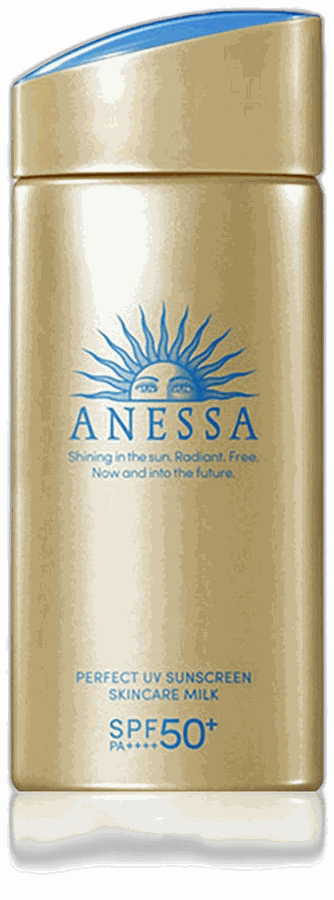
- You wore sunscreen (especially water resistant formulas like Anessa Perfect UV Milk)
- You wore makeup (foundation, concealer, primer)
- You wore a heavy SPF + makeup combination
Japanese sunscreens are specifically formulated to stay on your skin. That’s what makes them effective. But it also means they need to be properly removed. A water based cleanser alone won’t fully dissolve a PA++++ sunscreen, especially a milk formula.
Consider it if:
- You live in a city with air pollution
- Your skin feels congested or you notice more blackheads
- Your skincare products seem to sit on top of your skin rather than absorbing
When Single Cleansing Is Fine
Morning: Most people don’t need to cleanse at all in the morning, or just a gentle rinse with water. You’re only removing overnight sebum and the residue from last night’s skincare. Oil cleansing in the morning is unnecessary.
No sunscreen or makeup days: If you didn’t wear SPF or makeup and stayed indoors, one gentle cleanser is sufficient.
Sensitive skin that’s currently irritated: If your skin barrier is compromised, even a gentle double cleanse might be too much. One mild cleanser (or just water) until your skin recovers.
Oil Cleanser vs Micellar Water
Micellar water is the most common Western alternative to oil cleansing. How do they compare?
Oil cleansers are more thorough at dissolving heavy sunscreen and waterproof makeup. They require rinsing with water. The emulsification step (adding water to turn the oil milky) is what allows everything to rinse clean.
Micellar water is convenient (swipe with a cotton pad, no rinsing needed) but less effective at removing stubborn products. It works fine for light makeup and non waterproof sunscreen. For Japanese PA++++ sunscreens and full makeup, oil cleansing is more reliable.
The community consensus: micellar water is fine for light days. For full sunscreen removal, oil cleansing is worth the extra minute.
Oil Cleansing Method vs Double Cleansing
These terms sometimes get confused.
Double cleansing = oil cleanser → water based cleanser. Two products, two steps.
Oil cleansing method (OCM) = using plain oils (like jojoba, mineral oil, or coconut oil from the store) to cleanse the face, sometimes without a second cleanser.
Double cleansing with a formulated product like DHC Deep Cleansing Oil or FANCL Mild Cleansing Oil is not the same as OCM. Formulated cleansing oils contain emulsifiers that allow the oil to rinse clean with water. Plain kitchen oils don’t emulsify, which is why they can leave residue and lead to breakouts.
Best Japanese Oil Cleansers for Double Cleansing
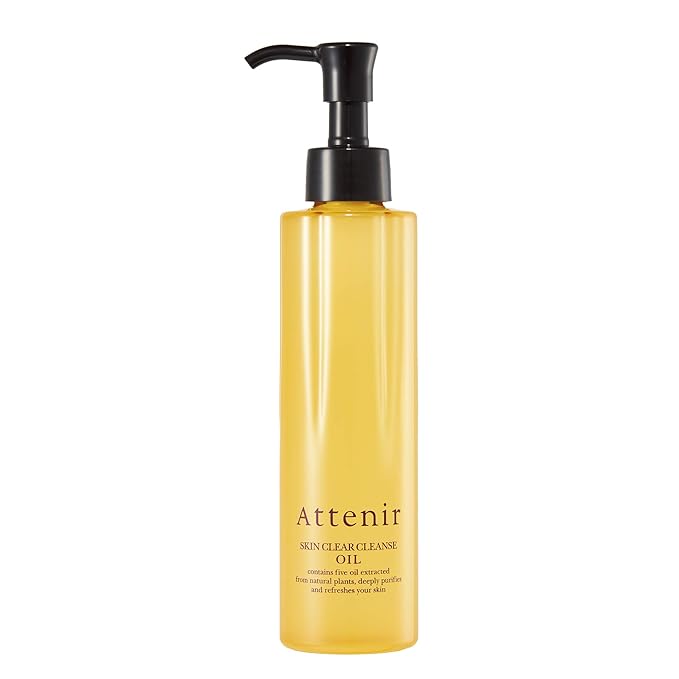
- Attenir Skin Clear Cleanse Oil — @cosme Grand Prize Winner, friction free formula
- DHC Deep Cleansing Oil — the classic, great for beginners
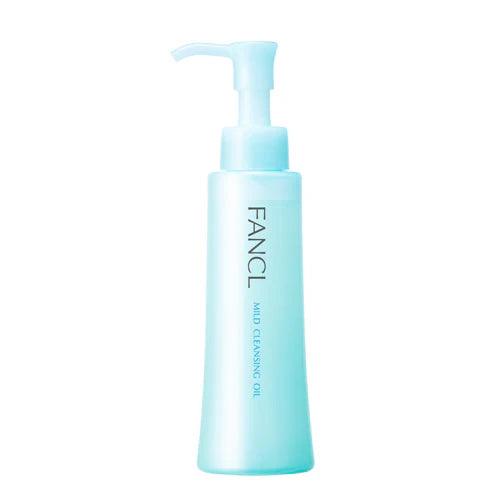
- FANCL Mild Cleansing Oil — preservative free, gentlest option
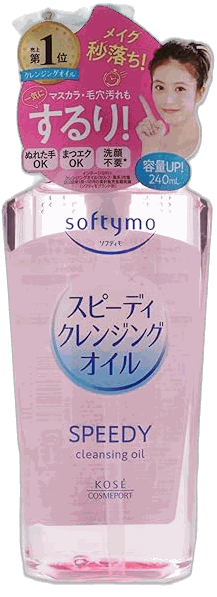
- Kose Softymo Speedy Cleansing Oil — budget friendly, works fast
- Shu Uemura Ultime8 Cleansing Oil — luxury pick (see our Shu Uemura guide)
For a full breakdown, see the Japanese cleansing oil guide.


Not sure which products you need? Build your personalized Japanese skincare routine in 30 seconds.
Related: Best Japanese Cleansing Oil · DHC vs Shu Uemura vs Attenir vs FANCL · Japanese Skincare Routine for Beginners
FAQ
Does double cleansing cause breakouts?
Not if you’re using a properly formulated oil cleanser that emulsifies and rinses clean. Breakouts from oil cleansing usually come from using plain oils that leave residue, or from not rinsing thoroughly. If a formulated cleansing oil breaks you out, try a different one (different oil bases suit different skin types).
How long should double cleansing take?
About 60 to 90 seconds total. 30 to 60 seconds massaging the oil cleanser, a quick emulsify and rinse, then 20 to 30 seconds with the water based cleanser. It’s not the time commitment it sounds like.
Can you double cleanse with a cleansing balm instead of an oil?
Yes. Cleansing balms (solid oils that melt on skin) work the same way as liquid oil cleansers. The format is different but the mechanism is identical: dissolve oil based impurities, emulsify, rinse, follow with a water based cleanser.
Do you need a specific second cleanser?
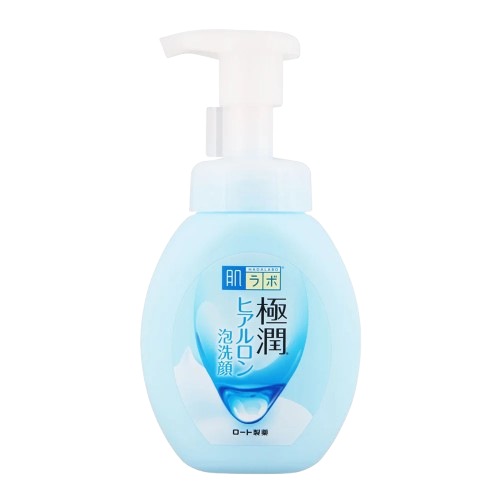
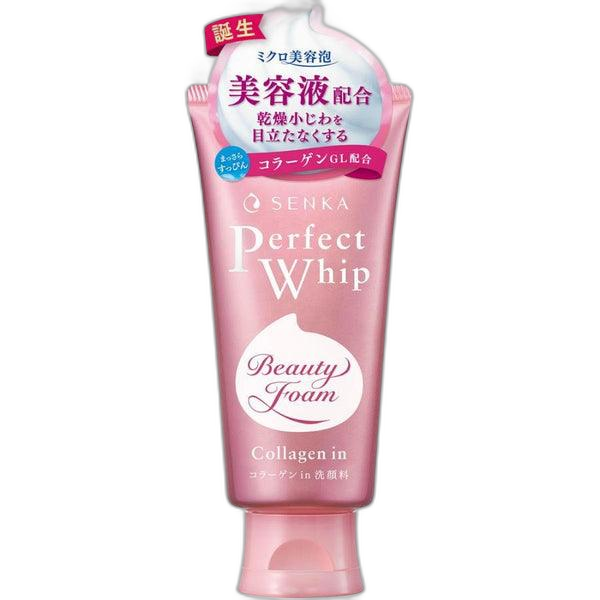
Any gentle, water based cleanser works. Hada Labo Gokujyun Cleansing Foam and Senka Perfect Whip are popular Japanese options. CeraVe Hydrating Cleanser or Cetaphil Gentle Cleanser work equally well as the second step.
Is double cleansing just a marketing trick to sell two products?
The science behind it is sound: oil dissolves oil, water dissolves water solubles. Using both covers everything. Whether you need it depends on what you put on your face that day. If you wore SPF50+ PA++++ sunscreen, a single water based cleanser genuinely won’t remove it all. That’s not marketing, that’s chemistry.