Japanese beauty explained
How to Double Cleanse with Japanese Products
If you use Japanese sunscreen, you need to double cleanse. Not because some beauty trend told you to, but because those high protection PA++++ filters are specifically formulated to resist water and sweat. A single foam wash is not going to cut it. You need an oil based first step to dissolve what water based cleansers can’t touch, followed by a gentle second cleanser to clear everything else.
This guide walks through the full technique: how to do each step properly, which type of first cleanser to choose, what to pair it with, and the mistakes that trip up most beginners. If you’re new to Japanese skincare in general, start with the Japanese Skincare Routine for Beginners guide first.
What Double Cleansing Is (and Why Japan Does It Differently)
Double cleansing means washing your face in two stages. First, an oil based cleanser dissolves oil soluble debris: sunscreen, makeup, sebum, pollution. Second, a water based cleanser handles the rest: sweat, dirt, residual surfactants.
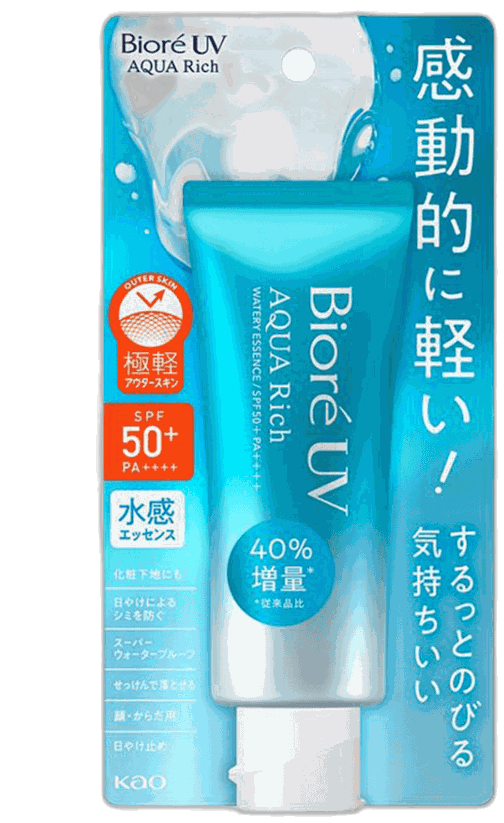
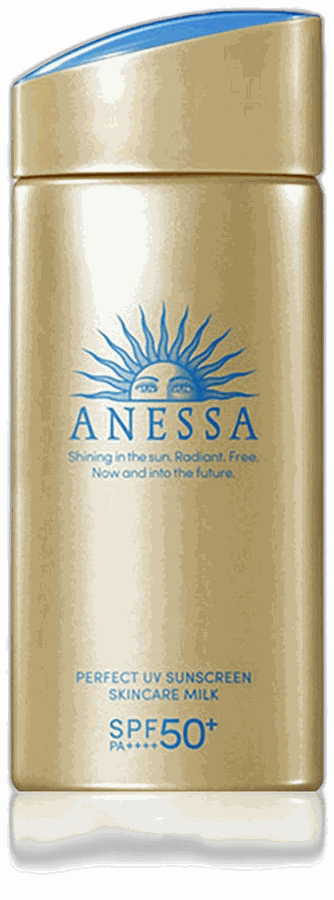
The concept has been part of Japanese skincare for decades, long before it became a trending hashtag. Japanese cosmetic chemists formulate sunscreens to be tenacious on skin. Products like Biore UV Aqua Rich Watery Essence and Anessa Perfect UV Sunscreen Skincare Milk use film forming technology that resists friction, sweat, and water. That’s what makes them so effective. It’s also what makes them stubborn to remove.
This is the practical reason double cleansing matters in a Japanese skincare context. When your sunscreen is engineered to stay put, your first cleanser needs to be oil based to break that film down on a molecular level. Water based cleansers just slide over it.
Step 1: The Oil Cleanser
The first cleanser is always oil based and always goes on dry skin with dry hands. This is the step most people rush through or do incorrectly.
How to do it properly:
-
Start completely dry. No damp face, no wet hands. Oil emulsifies on contact with water, and you want it working in its pure oil state first to dissolve sunscreen and makeup.
-
Dispense a generous amount. Two to three pumps for liquid oil cleansers, or about a nickel sized scoop for balms. Skimping means more friction on your skin.
-
Massage gently for 60 seconds. Use your fingertips, not your palms. Work in small circles across your forehead, nose, cheeks, and chin. Focus extra time on areas where sunscreen and makeup sit heaviest: the T zone, around the hairline, and along the jawline.
-
Emulsify with water. This is the step people skip. Wet your hands slightly and continue massaging. The oil will turn milky white as it emulsifies. This is how it lifts dissolved debris off your skin so it can be rinsed away. Spend about 30 seconds on emulsification.
-
Rinse with lukewarm water. Not hot (strips moisture), not cold (doesn’t rinse clean). Lukewarm. Pat your face with a soft towel, but don’t dry completely. You’re going straight into step two.
The whole process takes about two minutes. If it feels like a chore, you’re probably overthinking it.
Types of First Cleansers: Oil vs. Balm vs. Micellar
Not every oil based cleanser is the same. Japanese brands offer three main formats, and each works best in different situations.
Cleansing oils are the most popular format in Japan. They’re liquid, easy to dispense, and rinse cleanly because they contain emulsifiers that activate on contact with water. Most Japanese cleansing oils are formulated with olive, mineral, or rice bran oil as a base.
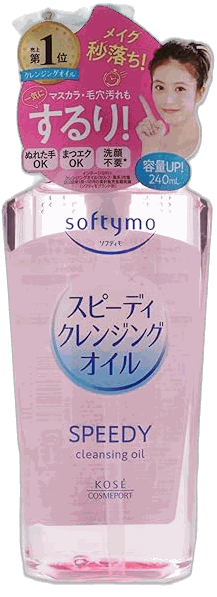
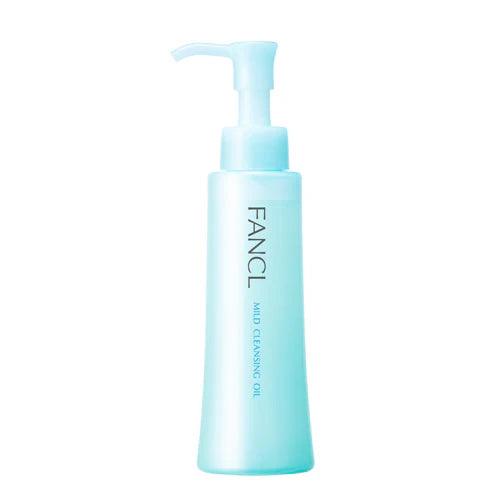
Top picks: DHC Deep Cleansing Oil (the original olive oil based formula that started the J beauty oil cleansing trend), Kose Softymo Speedy Cleansing Oil (lightweight, rinses fast, great for daily use), FANCL Mild Cleansing Oil (preservative free, designed for sensitive skin), and Shu Uemura Ultime8∞ Sublime Beauty Cleansing Oil (luxury tier with a blend of eight botanical oils).


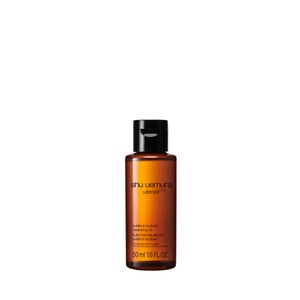
For a deeper comparison of these and more options, see the full Best Japanese Cleansing Oil guide.
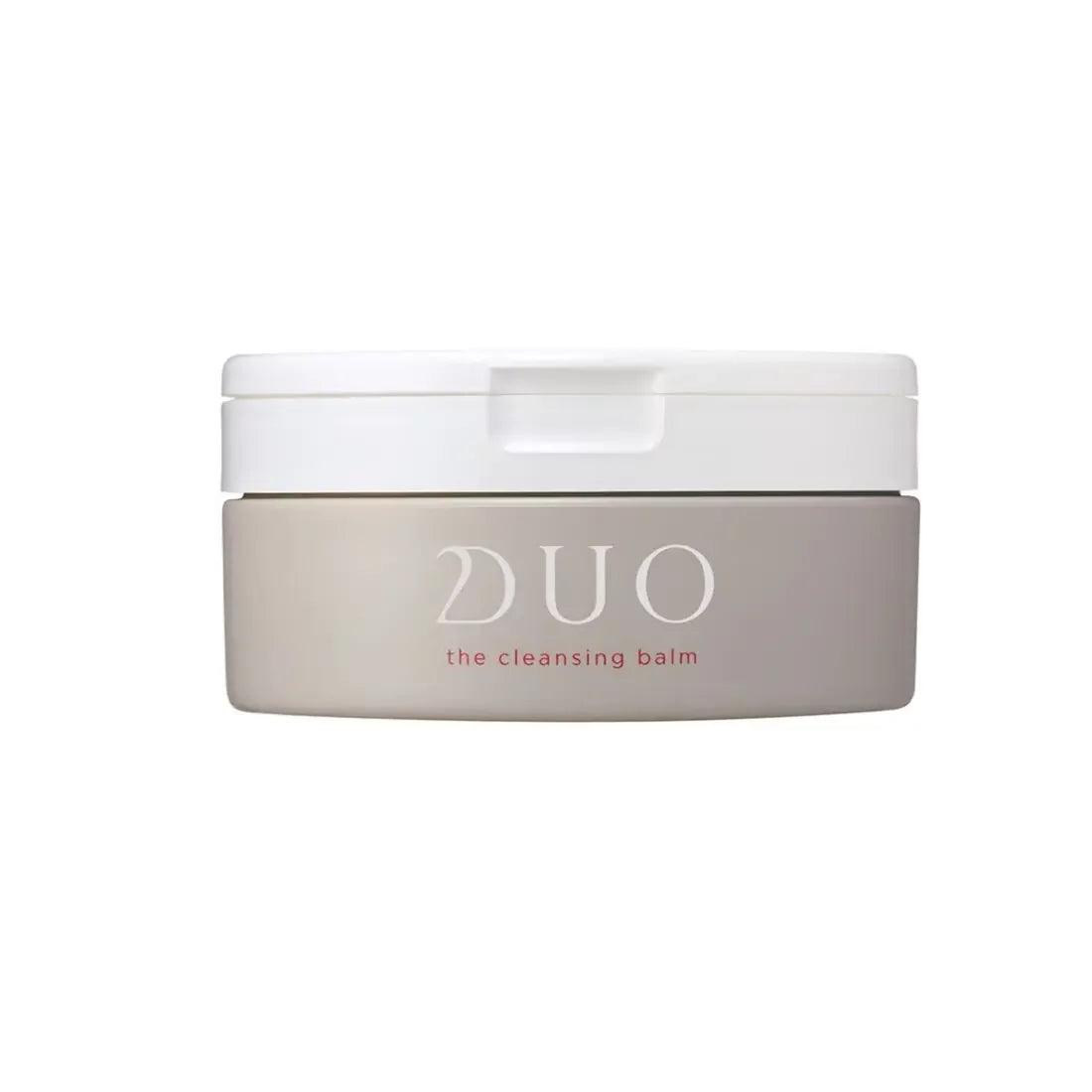
Cleansing balms are solid at room temperature and melt into oil on contact with warm skin. They tend to feel richer and more cushioning, which some people prefer for the massage step. The trade off is that they can take a bit longer to emulsify and rinse compared to liquid oils.
Popular options include DUO The Cleansing Balm 5-in-1 Aging Care and Bifesta Cleansing Balm Deep Clear.
Micellar water is a water based solution with tiny oil molecules (micelles) suspended in it. It’s convenient for light cleansing or no makeup days, but it is not a true oil cleanser. Micellar water works well as a quick first step when you’ve only worn light sunscreen and want something faster than a full oil cleanse. It should not replace oil cleansing on heavy sunscreen or makeup days.
Step 2: The Water Based Cleanser
After rinsing your oil cleanser, your skin should feel soft but not squeaky clean. There may still be traces of emulsified oil, sweat, and water soluble dirt. That’s what the second cleanser handles.
How to do it properly:
-
Wet your face with lukewarm water.
-
Foam the cleanser in your hands first (if using a foaming type). You want a rich lather before it touches your face. Some Japanese foaming cleansers come in pump bottles that dispense pre made foam, which skips this step entirely.
-
Massage gently for 30 to 60 seconds. Less pressure than the oil step. The foam does the work.
-
Rinse thoroughly. Make sure no residue stays along the hairline or jawline.
Choosing a second cleanser by skin type (see our full best Japanese face wash guide for more options):
Oily or acne prone skin: Look for foaming cleansers with a lower pH (around 5.5) that won’t overstrip. Hada Labo Gokujyun Hyaluronic Acid Foaming Cleanser is a reliable choice. Rosette Cleansing Paste Sea Mud Smooth is another popular option that uses mineral rich clay to absorb excess oil.
Dry or dehydrated skin: Skip harsh foaming washes. Minon Amino Moist Milky Cleanse uses amino acid surfactants that cleanse without disrupting the moisture barrier. Cow Brand Foaming Cleanser is another gentle, no frills option.
Sensitive skin: Curél Intensive Moisture Care Foaming Wash is formulated specifically for compromised skin barriers and contains ceramide protecting technology. It dispenses as a ready made foam, which means less physical manipulation on your skin.
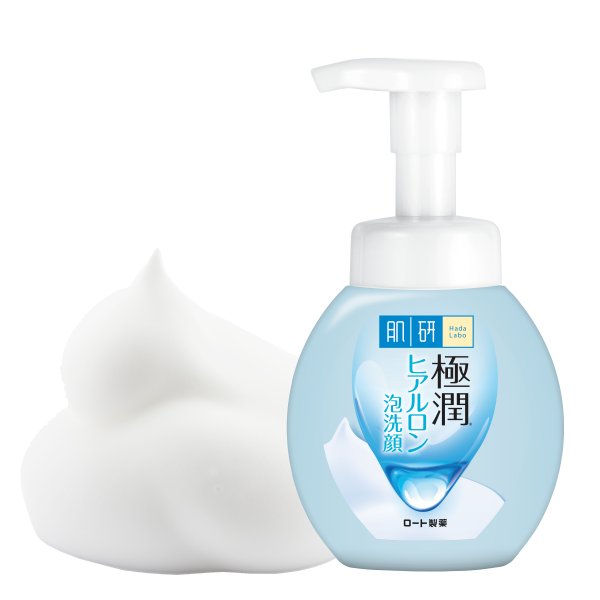
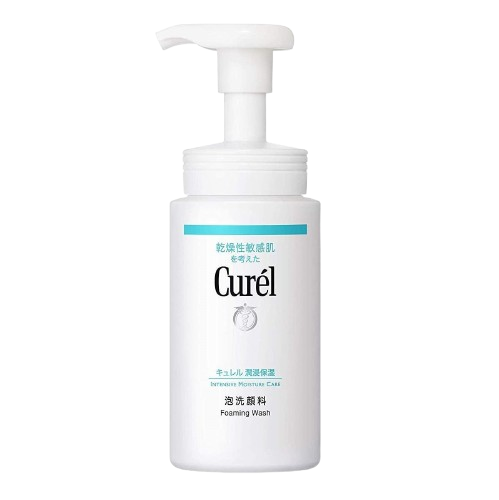
Double Cleanse Pairings by Skin Type
Here are complete first plus second cleanser combinations that work well together.
Oily skin: Kose Softymo Speedy Cleansing Oil + Hada Labo Gokujyun Hyaluronic Acid Foaming Cleanser. The Speedy formula is lightweight and rinses fast without leaving an oily residue. The Hada Labo foam is gentle enough for daily use and keeps skin hydrated with hyaluronic acid.
Dry skin: DHC Deep Cleansing Oil + Minon Amino Moist Milky Cleanse. DHC’s olive oil formula is nourishing and thorough. Minon’s amino acid surfactants are some of the gentlest available, so you get a full cleanse without moisture loss.
Sensitive skin: FANCL Mild Cleansing Oil + Curél Intensive Moisture Care Foaming Wash. Both products are formulated for reactive skin. FANCL is preservative free, and Curél’s ceramide technology supports the skin barrier during cleansing.
Combination skin: Hada Labo Gokujyun Cleansing Oil + Cow Brand Foaming Cleanser. A middle ground pairing. The Hada Labo oil is hydrating without being heavy, and Cow Brand’s simple formula won’t aggravate either oily or dry zones.
Heavy makeup or waterproof sunscreen days: Kose Softymo Deep Cleansing Oil + any foaming cleanser from above. The Deep formula has stronger dissolving power than the Speedy version, making it better suited for stubborn waterproof products.
Common Double Cleansing Mistakes
Applying oil cleanser to wet skin. This is the most common error. Water triggers emulsification immediately, which means the oil never gets to dissolve your sunscreen properly. Always start on a dry face with dry hands.
Rushing the massage. Fifteen seconds of swirling is not enough. The oil needs time to break down sunscreen films and dissolve makeup pigments. Aim for a full 60 seconds before you add water to emulsify.
Skipping emulsification. If you try to rinse pure oil off your face with water, it won’t come off cleanly. You’ll end up with an oily residue that your second cleanser then has to fight through. Always add a little water and massage until the oil turns milky before rinsing.
Using a harsh second cleanser. The first step does the heavy lifting. Your second cleanser just needs to catch what’s left. If your face feels tight or stripped after washing, your second cleanser is too aggressive. Switch to something with amino acid or amphiphilic surfactants rather than traditional SLS/SLES formulas.
Double cleansing in the morning. Your face didn’t accumulate sunscreen, makeup, or pollution overnight. A single gentle wash (or even just water) is enough for most people in the morning. Save the double cleanse for your evening routine. For a full breakdown of how morning and evening routines differ, see Japanese Morning vs Night Skincare Routine.
The 4 2 4 Method
You may have seen the “4 2 4 method” on social media. It’s a timing framework for double cleansing that originated in Japanese beauty culture:
4 minutes of oil cleansing massage on dry skin. This is longer than the standard recommendation. The idea is that extended massage helps work oil deep into pores, softening sebaceous filaments and blackheads over time.
2 minutes of emulsification. Add water and continue massaging as the oil turns milky. This extended emulsification step is the key difference from standard double cleansing.
4 minutes of rinsing. Alternate between warm water (first 2 minutes, to help dissolve residue) and cool water (last 2 minutes, to calm and refresh skin). This extended rinse is the final step, not a separate cleanser step.
This totals 10 minutes of cleansing, which is significantly more time than a standard double cleanse (about 3 to 4 minutes total). The 4 2 4 method can be helpful for people dealing with stubborn congestion, blackheads, or heavy daily makeup. But for everyday use with just sunscreen, the standard technique covered above is sufficient. Extended oil massage can also be irritating for sensitive skin types, so approach the longer timing with caution.
Do You Need to Double Cleanse Every Day?
If you wear sunscreen daily (and you should, especially Japanese PA++++ formulas), then yes, double cleansing every evening is worth the extra two minutes. The oil step is what ensures your sunscreen is fully removed, and leftover sunscreen residue can contribute to clogged pores and dull skin over time.
If you had a day indoors with no sunscreen or makeup, a single gentle wash is fine. Double cleansing is a tool, not a rule. Use it when you have something on your face that a single wash can’t remove on its own.
For a broader look at whether double cleansing is worth it for your specific situation, see Double Cleansing vs Single Cleansing.
Frequently Asked Questions
Can I use coconut oil or olive oil from my kitchen as an oil cleanser?
You can, but it’s not ideal. Kitchen oils don’t contain emulsifiers, which means they won’t rinse off cleanly with water. You’ll need a washcloth or towel to wipe them away, which adds friction to your skin. Formulated cleansing oils from brands like DHC, Kose, and FANCL are designed to emulsify and rinse clean. They’re more effective and easier to use.
Does double cleansing help with blackheads?
Oil cleansing can soften the sebum plugs in your pores over time, making blackheads (which are technically oxidized sebaceous filaments) less noticeable. It won’t eliminate them entirely because sebaceous filaments refill naturally, but consistent oil cleansing keeps them smaller and less visible. The 4 2 4 method specifically targets this.
Should I double cleanse if I have acne?
Yes. A common misconception is that oil on acne prone skin makes breakouts worse, but formulated cleansing oils are non comedogenic and rinse off completely. Leaving sunscreen and makeup residue on your face overnight is more likely to worsen acne than a properly formulated oil cleanser. If you’re cautious, start with a lightweight option like Kose Softymo Speedy Cleansing Oil and see how your skin responds.
What about micellar water as a first step?
Micellar water works for light cleansing days (no makeup, minimal sunscreen). For heavy sunscreen or a full face of makeup, it won’t dissolve everything the way a true oil cleanser does. If you prefer micellar water for convenience, consider using it on lighter days and switching to oil cleansing when you’ve worn more on your skin.
Is the order important? Can I use foam first?
The order matters. Oil dissolves oil based impurities (sunscreen, makeup, sebum). Foam removes water based impurities (sweat, dirt). If you foam first, you’re trying to wash off sunscreen with something that can’t dissolve it. Oil first, foam second. Every time.