Japanese beauty explained
Japanese Skincare Routine for Beginners: Keep It Simple
There’s a lot of information out there about Japanese skincare routines, and honestly most of it is overwhelming. Ten steps, seven layers of hydration, double cleansing morning and night. It’s enough to make you close the browser and just use whatever face wash is in the shower.
Here’s the thing though: the best Japanese skincare routine is one you’ll actually do consistently. A simple four step routine you stick with every day will do more for your skin than a twelve step routine you abandon after a week because it takes 30 minutes.
This guide focuses on the essentials. What each step does, why it matters, and which Japanese products are popular for each one. Start here, get comfortable, and add more later if you want to.
Want a personalized recommendation? Our routine builder creates a custom Japanese skincare routine based on your skin type and concerns. It takes about 30 seconds.
The Basic Japanese Routine
Most Japanese skincare routines are built on the same core structure:
- Cleanse (remove makeup, sunscreen, dirt)
- Hydrate (lotion/toner to prep and hydrate skin)
- Moisturize (seal everything in)
- Protect (sunscreen in the morning)
That’s it. Four steps. Everything else (serums, essences, sheet masks, exfoliators) is extra. Nice to have, but not essential to start. If the Japanese product names feel confusing (“lotion” means toner? “milk” means moisturizer?), our product types explainer decodes all of them.
Morning Routine
- Gentle cleanser or just water
- Hydrating lotion/toner
- Moisturizer
- Sunscreen
Evening Routine
- Oil cleanser (to remove sunscreen and makeup)
- Water based cleanser
- Hydrating lotion/toner
- Moisturizer
The evening double cleanse is one of the most distinctive parts of Japanese skincare. The oil cleanser dissolves sunscreen and makeup, the water based cleanser handles everything else. It sounds like extra work but it takes maybe 60 seconds more than a single cleanse and makes a noticeable difference in how clean your skin feels. For a detailed breakdown of how AM and PM routines differ, see our morning vs night routine guide.
Step 1: Cleanse
Oil Cleanser (evening, first step)
Oil cleansers break down sunscreen, makeup, and oil based impurities. You massage them onto dry skin, add water to emulsify, and rinse. They don’t leave a greasy residue if formulated well.
Popular picks:
- DHC Deep Cleansing Oil is the most well known Japanese cleansing oil and one of the best selling skincare products in Japan. Olive oil based, dissolves everything.
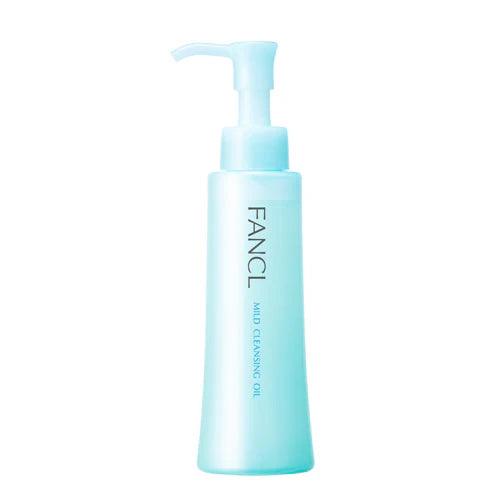
- FANCL Mild Cleansing Oil is another community favorite. Preservative free formula.
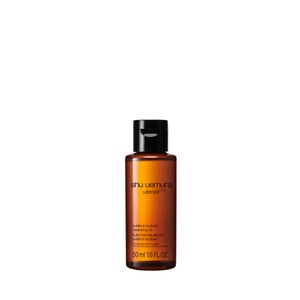
- Shu Uemura Ultime8 Sublime Beauty Cleansing Oil is the luxury option. Consistently ranked as one of the best cleansing oils in Japan.
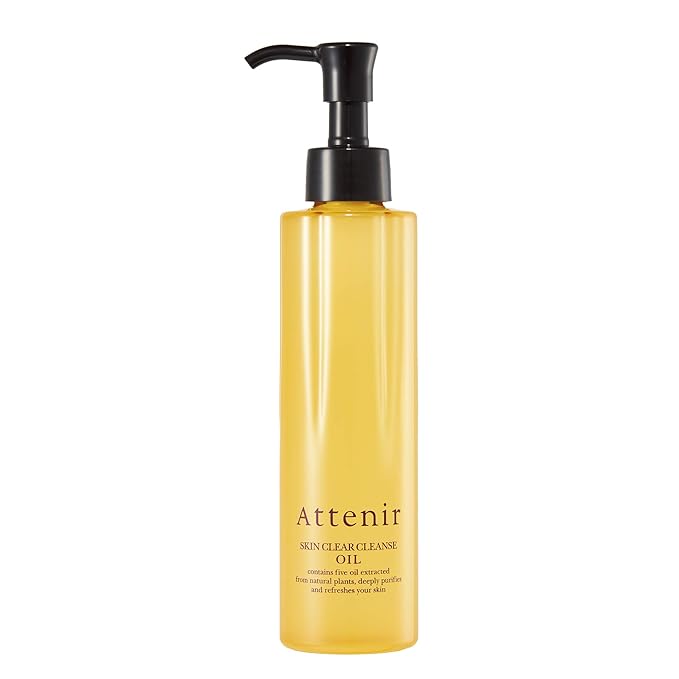
- Attenir Skin Clear Cleanse Oil is actually the #1 selling cleansing oil in Japan by volume. less known outside Japan but extremely popular in Japan.

Water Based Cleanser (evening, second step; or morning)
A gentle foaming or gel cleanser for the second cleanse. Japanese cleansers tend to be much gentler than Western ones. They clean without stripping.
- d program Essence In Cleansing Foam is a sensitive skin favorite from Shiseido’s dermatologist line.
For mornings, many people in the J beauty community just rinse with water and skip the cleanser entirely. Totally fine unless your skin is very oily.
Step 2: Hydrating Lotion (Toner)
This is the step that confuses most Western skincare beginners. In Japanese skincare, “lotion” doesn’t mean moisturizer. It means a watery, hydrating liquid that you pat onto your skin right after cleansing.
Think of it as the hydration base layer. It preps your skin to absorb everything that comes after and delivers moisture directly. Japanese lotions are typically loaded with humectants like hyaluronic acid.
Popular picks:
- Hada Labo Gokujyun Hyaluronic Lotion Moist is probably the single most recommended J beauty product across all categories. Multiple types of hyaluronic acid in a simple, fragrance free formula. This is the one that gets recommended to literally everyone.
- Hada Labo Gokujyun Premium Lotion is the richer version with even more types of hyaluronic acid. Better for dry skin (see the full dry skin routine guide for how to build around it).
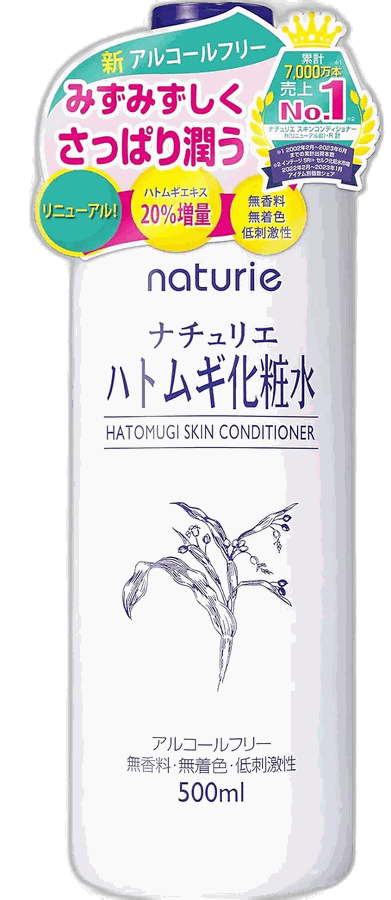
- Naturie Hatomugi Skin Conditioner is the budget option. Comes in a huge 500ml bottle and costs very little. Light, hydrating, works well for normal to oily skin.
- Kiku-Masamune Sake Brewing Skin Care Lotion High Moist is another big bottle option with sake ferment filtrate. The community loves it for both face and body.

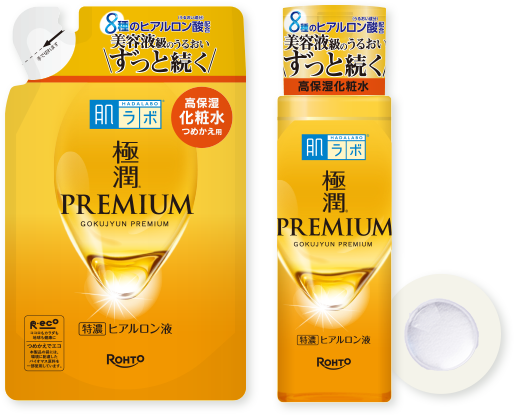
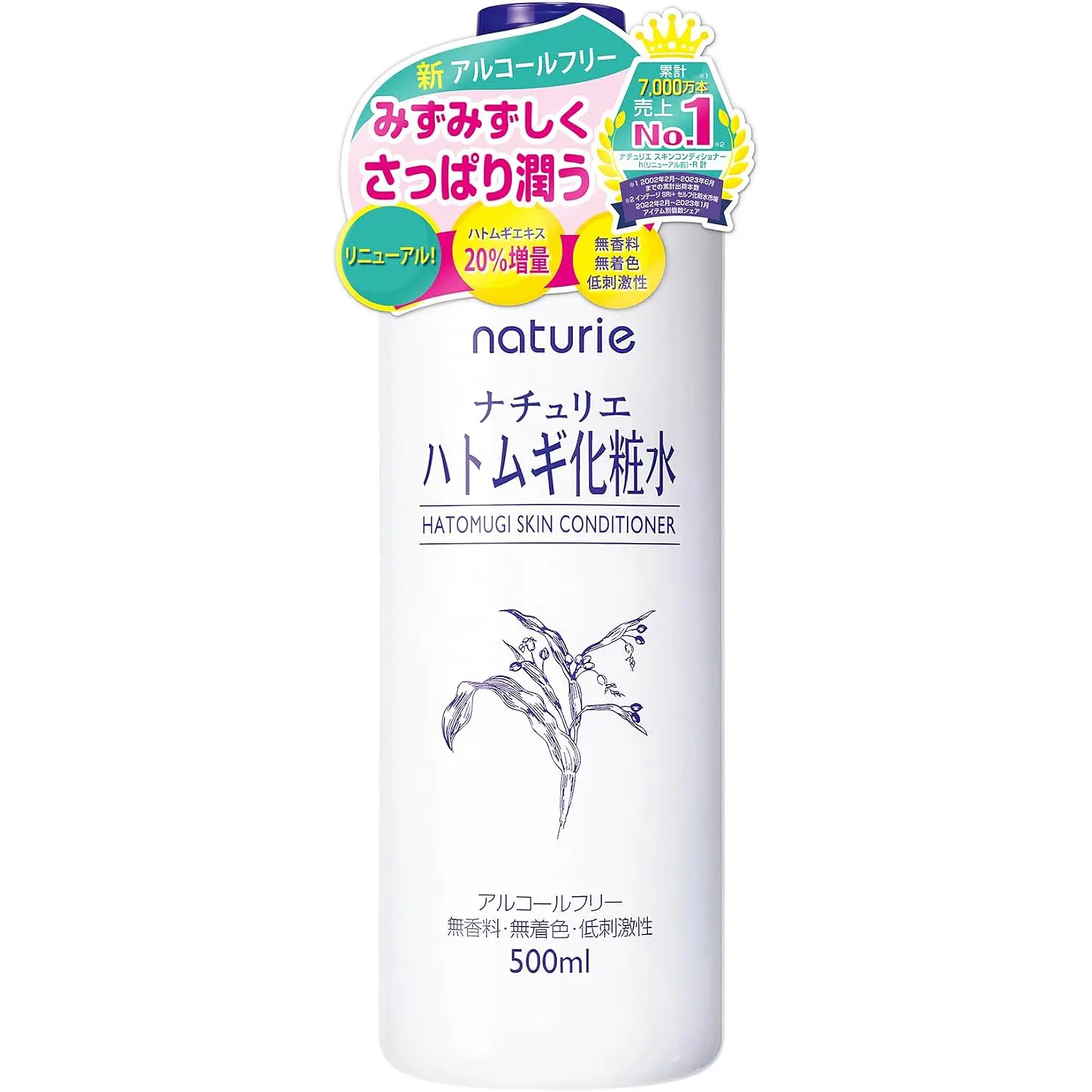

How to apply: Pour a small amount into your palms and press/pat it into your skin. Some people do 2 to 3 layers for extra hydration (this is called “lotion masking” in Japan). No cotton pad needed. For a full breakdown of application techniques including the lotion mask and 7 skin method, see How to Use Japanese Lotion.
Step 3: Moisturize
Seal in the hydration from your lotion step. Japanese moisturizers range from lightweight gels (great for oily skin and humid weather) to richer creams.
Popular picks:
- Naturie Hatomugi Skin Conditioning Gel is the lightweight option. Affordable, no fragrance, works well on top of the Hada Labo lotion.
- Cosme Decorte Liposome Advanced Repair Cream is the luxury option. Won @cosme 2025 Best Face Cream award. Rich texture that absorbs quickly.
- Cosme Decorte Liposome Advanced Repair Cream is a high end pick that’s extremely popular in Japan.
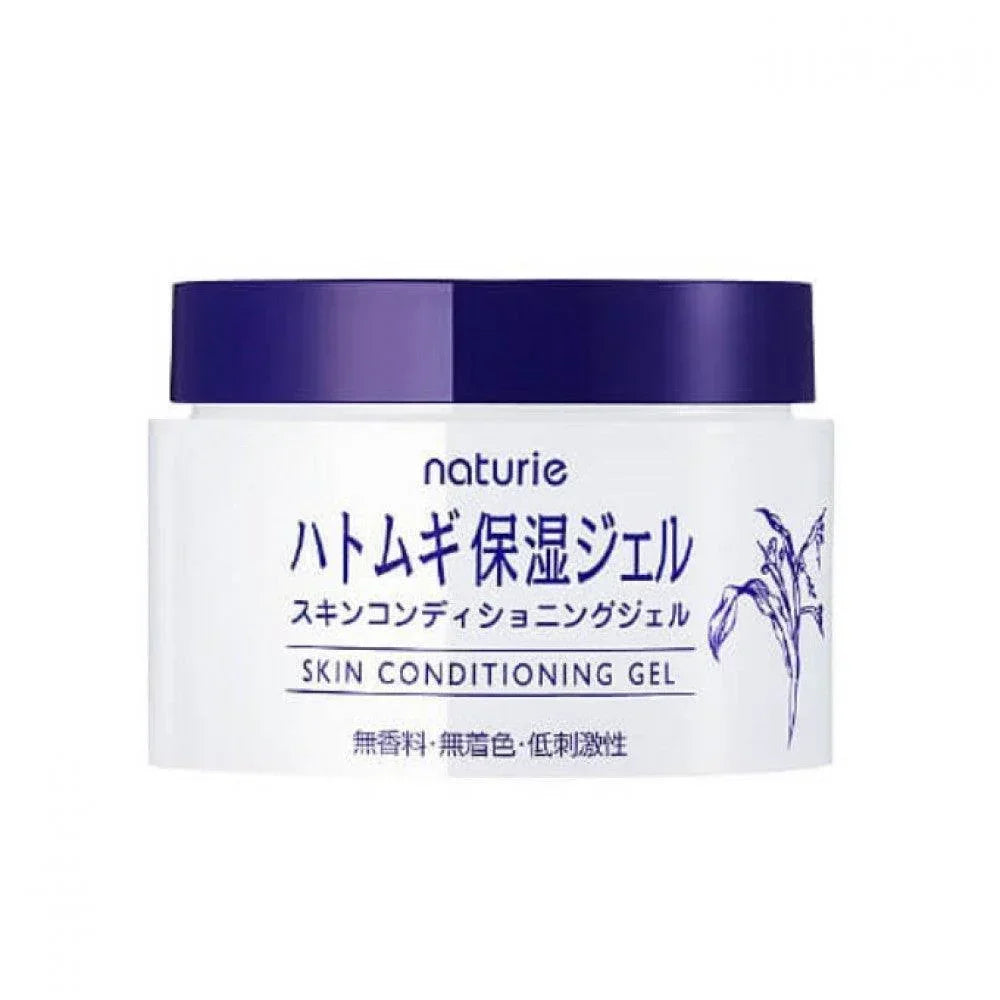
If your skin is oily, a gel moisturizer or even just the hydrating lotion step alone might be enough. Not everyone needs a heavy cream on top.
Step 4: Sunscreen (Morning Only)
Sunscreen is non negotiable in Japanese skincare. It’s considered the single most important anti aging product, and Japanese sunscreens are some of the best in the world.
Popular picks:
- Biore UV Aqua Rich Watery Essence SPF50+ PA++++ (Japanese version) is the community consensus everyday sunscreen. Feels like nothing on skin.
- Canmake Mermaid Skin Gel UV SPF50+ PA++++ doubles as a primer and costs almost nothing.
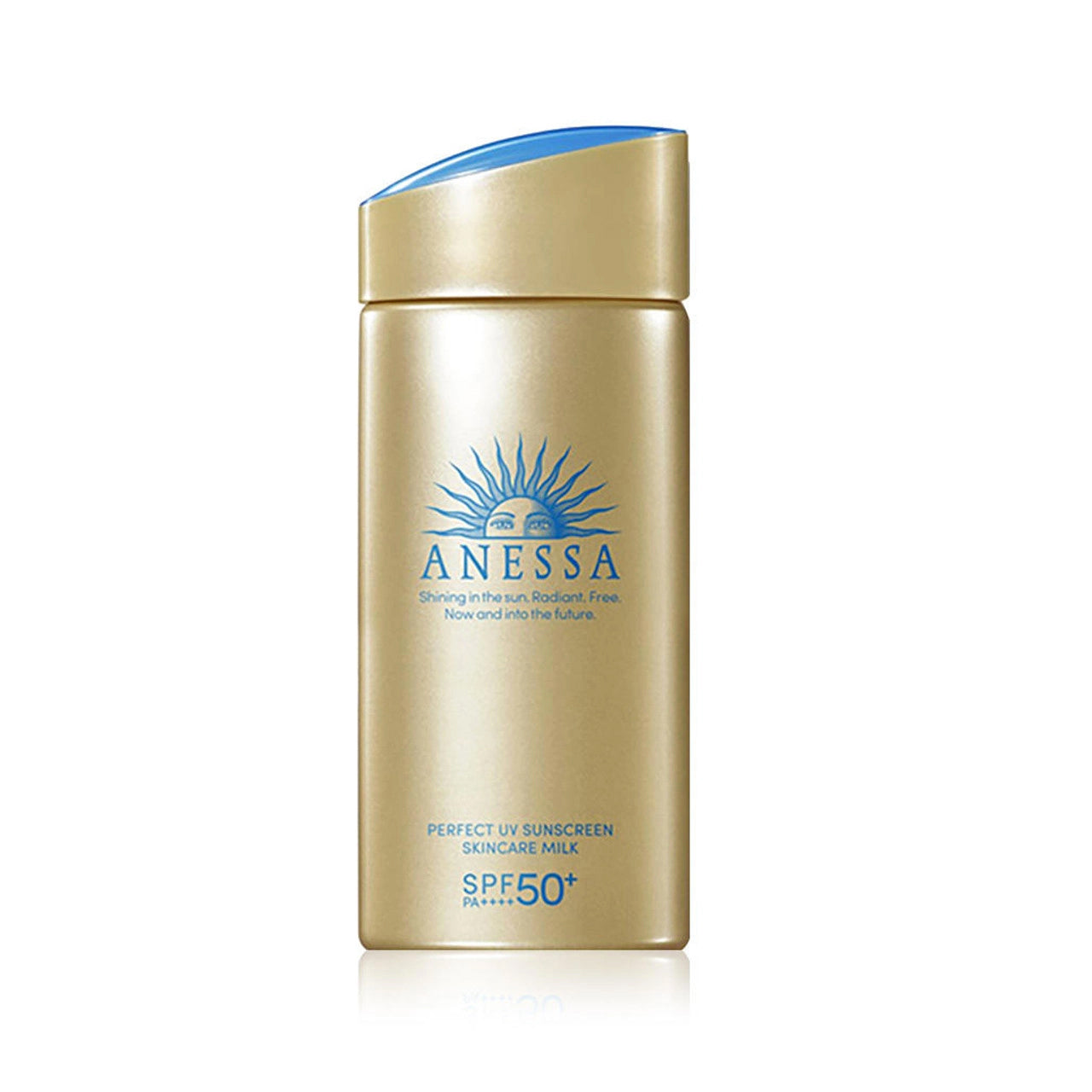
- Anessa Perfect UV Sunscreen Skincare Milk SPF50+ PA++++ is the heavy duty option for outdoor days. See our Anessa Milk vs Gel vs Mild comparison if you’re not sure which formula to pick.
- Skin Aqua Tone Up UV Essence SPF50+ PA++++ adds a subtle color correcting effect. See our full review for shade comparisons.

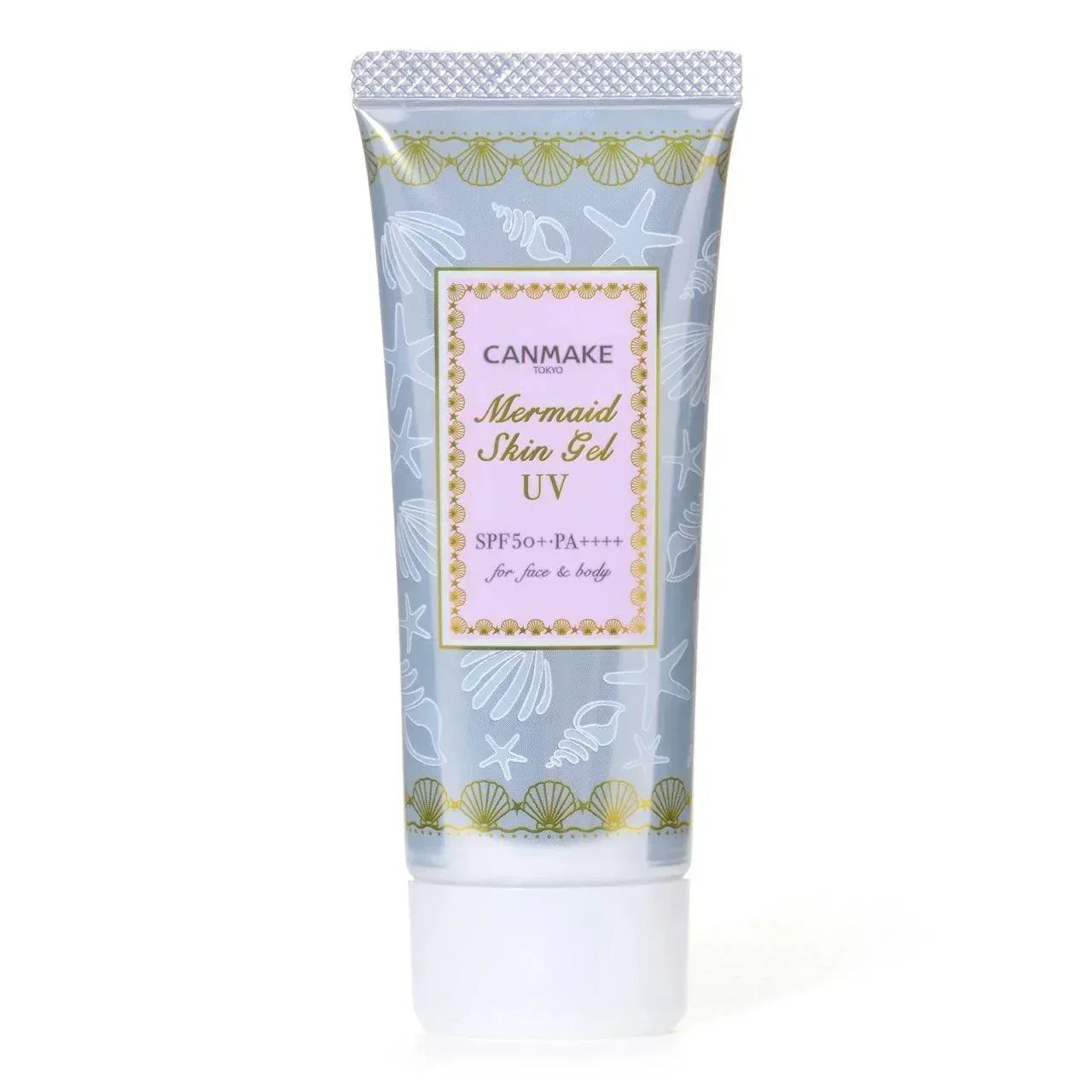
For a deeper dive on sunscreens, see the complete Japanese sunscreen guide. And for more on oil cleansing, see the cleansing oil guide and do you really need to double cleanse?.
Optional Extras (When You’re Ready)
Once you’re comfortable with the basics, these are the most common additions:
Vitamin C Serum
- Melano CC Intensive Measures Essence is the affordable go to. Targets dark spots and uneven skin tone. Use in the morning before moisturizer. See our Melano CC complete guide for the full product range.
Exfoliator (1 to 2 times per week)
- Cure Natural Aqua Gel is a gentle peeling gel. You massage it on dry skin and it balls up, taking dead skin cells with it. Very popular in Japan and widely available outside Japan.
- TAKAMI Skin Peel is a liquid exfoliating serum. Gentle enough for daily use.
Sheet Masks (weekly treat)
- Lululun Hydra EX Mask comes in big packs meant for regular use, not just special occasions. This is how a lot of people in Japan use sheet masks. For a full comparison of options at every price point, see the best Japanese sheet masks guide.
Essence
- SK-II Facial Treatment Essence is the famous luxury option. Pitera ferment filtrate. Expensive but has a huge devoted following.
When you’re ready to add these extras, knowing the correct order matters. Our guide to layering Japanese skincare walks through exactly where each step goes (lotion, essence, serum, emulsion, cream) with product picks for each.
The “Super Simple” Version
If even four steps feels like a lot, start here:
Morning: Rinse face with water → sunscreen Evening: Oil cleanser → Hada Labo lotion → moisturizer
That’s a three step routine that covers the essentials. You can build from here whenever it feels right.
Once you’ve been using a Japanese skincare routine and want to adjust it for aging concerns, our guide to updating your routine after 40 covers what to change and why.
FAQ
What does “lotion” mean in Japanese skincare?
Not what it means in the West. Japanese “lotion” (化粧水, keshoui) is a watery, hydrating toner. It’s the consistency of water, not cream. It’s applied after cleansing to hydrate and prep the skin for the next steps.
Do you need to double cleanse in the morning?
No. Most people in the J beauty community either just rinse with water in the morning or use a single gentle cleanser. Double cleansing is an evening step to remove sunscreen and makeup.
How long does a Japanese skincare routine take?
The basic four step routine takes about 3 to 5 minutes. Maybe 7 to 8 minutes in the evening if you double cleanse. It’s not the time commitment people imagine.
Is Japanese skincare good for men?
Most Japanese skincare products are unisex and work just as well on men’s skin. The lightweight textures and oil control focus actually make them a great fit for men, who tend to produce more sebum. For product picks and a simplified routine, see our Japanese skincare for men guide.
Is this routine good for teens?
Yes, with one adjustment: teens can often skip the moisturizer/emulsion step entirely since their skin produces enough natural oil. A simpler cleanser, lotion, sunscreen routine is usually enough. We wrote a full guide specifically for teen skin: Japanese Skincare for Teens.
Can you mix Japanese and Western skincare products?
Absolutely. Many people use a mix. A Japanese sunscreen with a Western retinol serum, for example, is a super common combination. There’s no rule that says your whole routine has to be from one country.
What’s the most important step if you can only do one thing?
Sunscreen in the morning. Every dermatologist and every skincare community agrees on this. If you do nothing else, wear SPF.