Japanese beauty explained
Japanese Skincare for Dry Skin: Best Products and Complete Routine
Japanese skincare takes a layering approach to dry skin. Rather than relying on one heavy cream, the idea is to build moisture gradually across multiple lightweight steps, so the skin absorbs hydration rather than sitting under a film.
The philosophy comes down to two ideas: humectants pull water into the skin (hyaluronic acid, glycerin, amino acids), and occlusives seal it in (ceramides, squalane, shea butter). Japanese products tend to separate these functions across different steps rather than packing everything into a single product. This layered approach gives you more control over how much hydration you add, without the heavy or greasy feeling that turns many people off rich moisturizers.
This guide covers the best Japanese products for dry skin by category, plus complete AM and PM routines you can follow or adapt. Every product mentioned is available from retailers. If your skin is dry on the cheeks but oily in the T zone, you might get more out of our combination skin routine guide.
What Makes the Japanese Approach Different for Dry Skin
Three things define how Japanese hydration products work.
Hydrating toners (lotions) are the foundation. In Japanese skincare, the toner step (called “lotion” in Japan) is where most of the hydration happens, and it gets a lot of attention in product development. These are watery, lightweight formulas loaded with humectants that prep the skin to absorb everything that follows. For dry skin, this step is transformative.
Ceramide technology is widespread. Curel built an entire product line around synthetic ceramides, but ceramide formulations appear across dozens of Japanese brands. Ceramides are lipids naturally found in the skin barrier. When the barrier is damaged (a core issue with chronically dry skin), ceramides help repair it. The result is skin that holds onto moisture better on its own over time, not just while the product is on.
Lightweight textures that still deliver. Japanese moisturizers tend to achieve hydration through lighter textures, which matters for dry skin because heavier products can feel uncomfortable during the day or cause pilling under sunscreen and makeup. Lighter textures also encourage consistent use, which is half the battle with dry skin.
If you want a quick starting point, our routine builder for dry skin generates a personalized product list in seconds.
Morning Routine for Dry Skin
Step 1: Gentle Cleanser (or Water Only)
Dry skin does not need a deep cleanse in the morning. A gentle foaming wash or just lukewarm water is enough to remove overnight product residue.
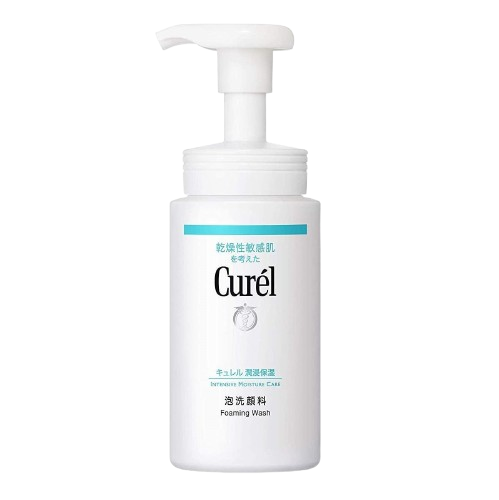
If you prefer a cleanser, Hada Labo Gokujyun Hydrating Face Wash is a good fit. It uses hyaluronic acid as a moisturizing ingredient in a low pH foaming formula, so it cleans without leaving skin tight or stripped. Curél Intensive Moisture Care Foaming Wash is another strong option, especially if your dry skin is also sensitive. It preserves the ceramide barrier while cleaning.
If your skin feels fine with just water in the morning, skip the cleanser. There’s no rule that says you need one.

Step 2: Hydrating Toner
This is the most important step for dry skin. Japanese hydrating toners deliver a surge of humectants that prep the skin for everything after.
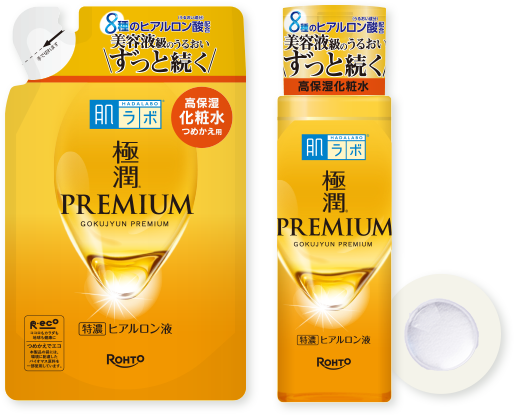
Hada Labo Gokujyun Premium Lotion is the standout. It contains multiple types of hyaluronic acid at different molecular weights, so some hydrate the surface while smaller molecules penetrate deeper. The texture is slightly viscous and sinks in within seconds. Apply two to three layers (a method called “lotion layering”) for maximum hydration. For a detailed comparison of the different Gokujyun versions, see the Hada Labo guide.
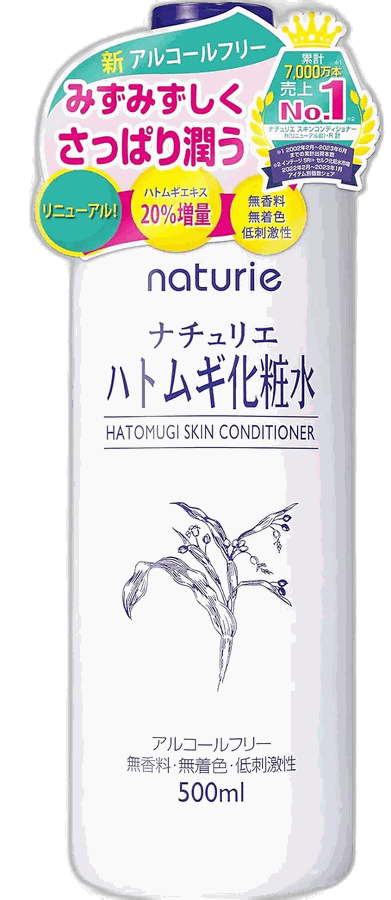
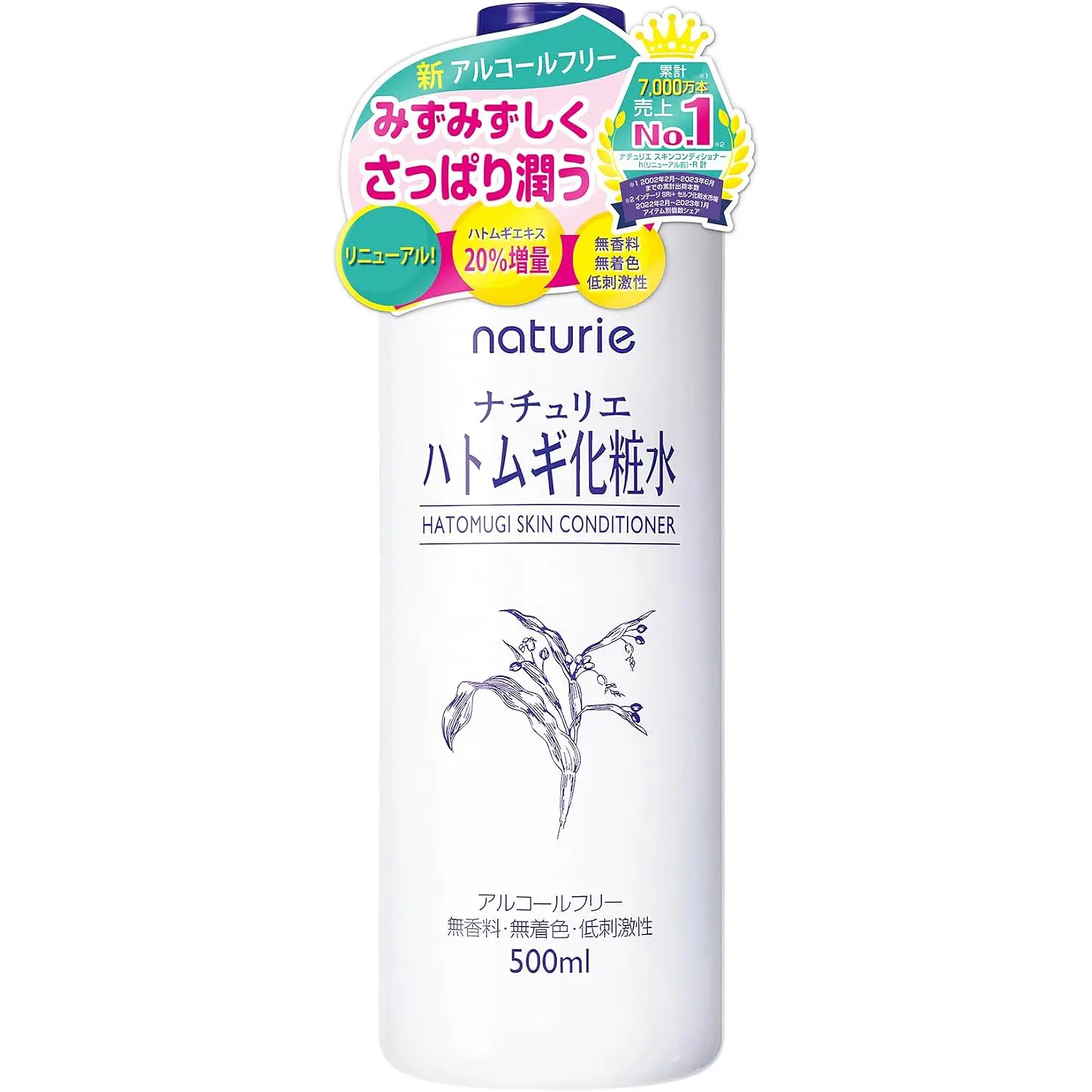
For a budget option, Naturie Hatomugi Skin Conditioner is a lightweight, high volume toner made from Job’s tears extract. It’s less concentrated than the Hada Labo, but the large bottle makes it easy to use generously.
Kiku-Masamune Sake Brewing Skin Care Lotion High Moist is another popular choice. It uses fermented sake rice as its base ingredient, along with ceramides, arbutin, and placenta extract. The 500ml bottle lasts months. It has a mild sake scent that fades quickly. Community opinions on this one are passionate: people who love it credit the fermented ingredients with transforming their skin’s texture.
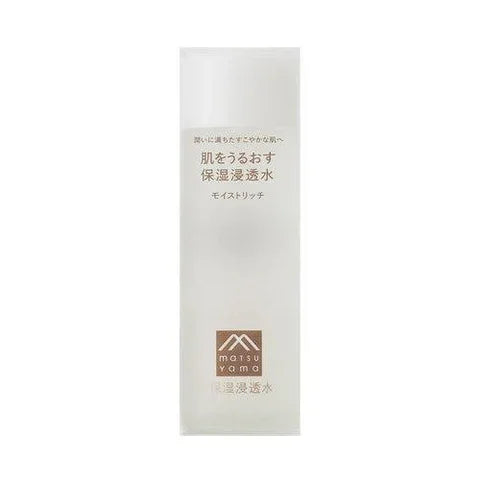
If you want a ceramide focused toner, Matsuyama Hadauru Moisturizing Infusion Moist Rich Lotion is worth a look. It combines ceramides with amino acids and soy derived ingredients for a formula that hydrates while reinforcing the skin barrier. It’s a favorite in Japanese skincare communities for people who want barrier support starting at the toner step.

Step 3: Moisturizer
For morning use, you want something that hydrates without being too heavy under sunscreen.
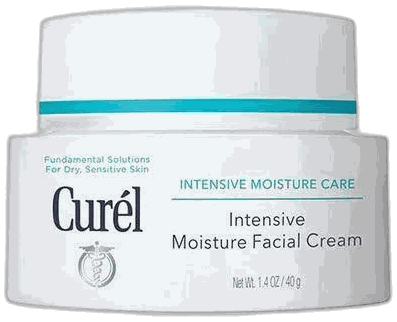
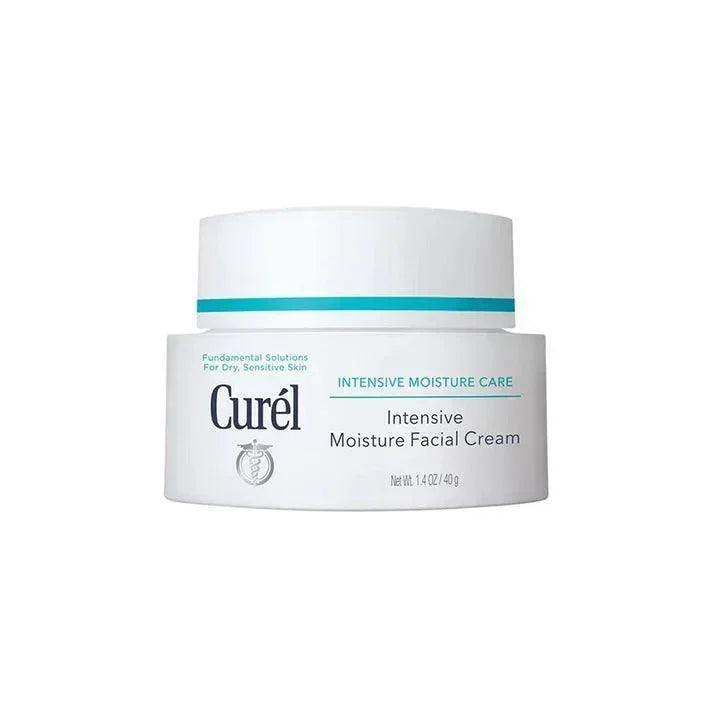
Curel Intensive Moisture Facial Cream is ceramide based and absorbs well under SPF. It’s fragrance free and designed for compromised skin barriers. See the Curel vs CeraVe comparison for how it stacks up against the Western ceramide standard.
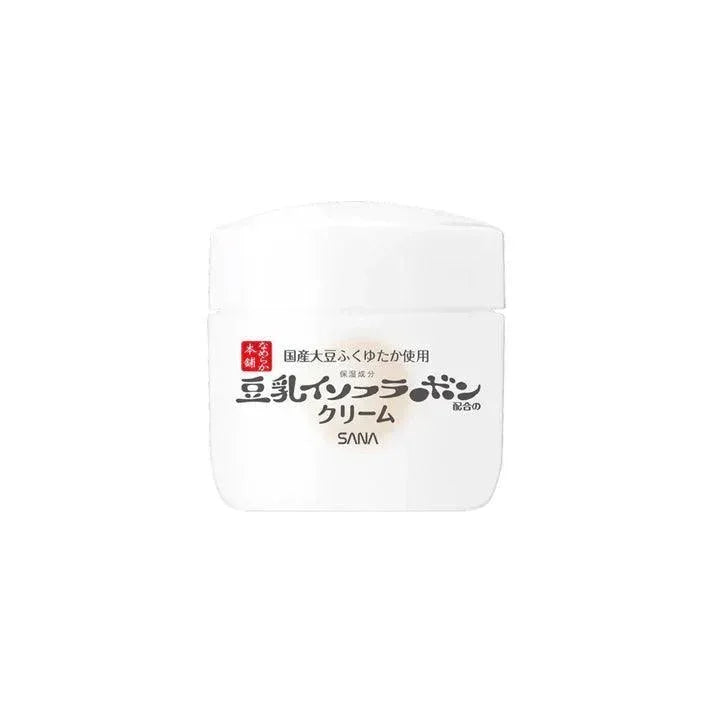
Soy Milk Moisture Cream NC from Sana is lighter, using isoflavone rich soy milk to hydrate. It works well as a daytime moisturizer when you don’t need heavy occlusion.
Step 4: Sunscreen
Dry skin and sunscreen can be a frustrating combination. Many sunscreens contain alcohol or mattifying ingredients that make dry patches look worse.
Look for sunscreens labeled “moist” or “moisture” in Japanese lines. Cream and milk formulas tend to work better for dry skin than gel types. For specific recommendations, see the best Japanese sunscreen guide.
Evening Routine for Dry Skin
Step 1: Oil Cleanser
Oil cleansing is especially important for dry skin. Oil based cleansers dissolve sunscreen and makeup without stripping natural oils, and many leave a thin moisturizing film behind.
DHC Deep Cleansing Oil is the classic choice and widely available. Kose Softymo Deep Cleansing Oil is a popular drugstore alternative that’s gentle enough for dry skin and rinses clean without leaving a heavy residue. Hada Labo Gokujyun Cleansing Oil is another option that fits well within a hydration focused routine.
Step 2: Water Based Cleanser
Follow the oil cleanser with a gentle foaming wash. The same cleansers from the morning routine work here: Hada Labo Gokujyun Hydrating Face Wash or Curél Intensive Moisture Care Foaming Wash.
The goal is removing any remaining residue from the oil cleanse, not deep scrubbing. Use light pressure and rinse with lukewarm (not hot) water.
Step 3: Hydrating Toner
Same products, same technique as the morning. This is where you can be more generous with layering. Three to five layers of Hada Labo Gokujyun Premium Lotion in the evening gives the skin time to absorb hydration overnight without competing with sunscreen or makeup.
Step 4: Essence or Serum
This step adds targeted treatment between your toner and moisturizer.
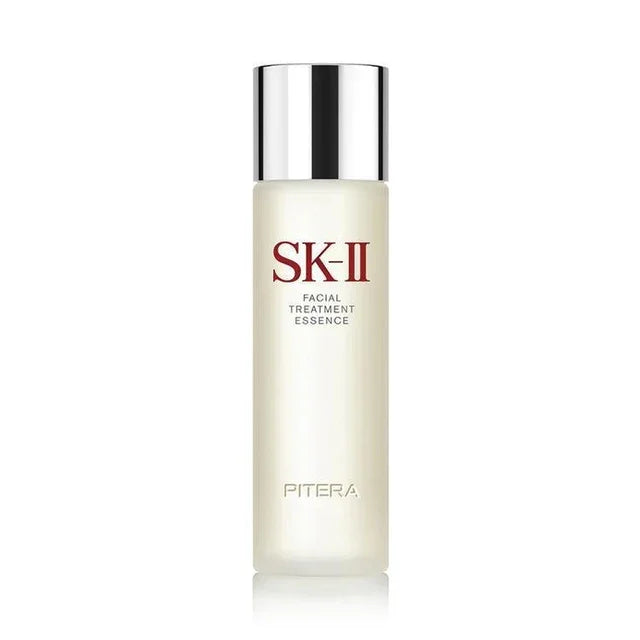
SK-II Facial Treatment Essence is the luxury option. It contains over 90% Pitera, a fermented ingredient (galactomyces ferment filtrate) discovered during sake brewing research. For more on what makes it distinctive (and whether the price is justified), see the SK-II guide.
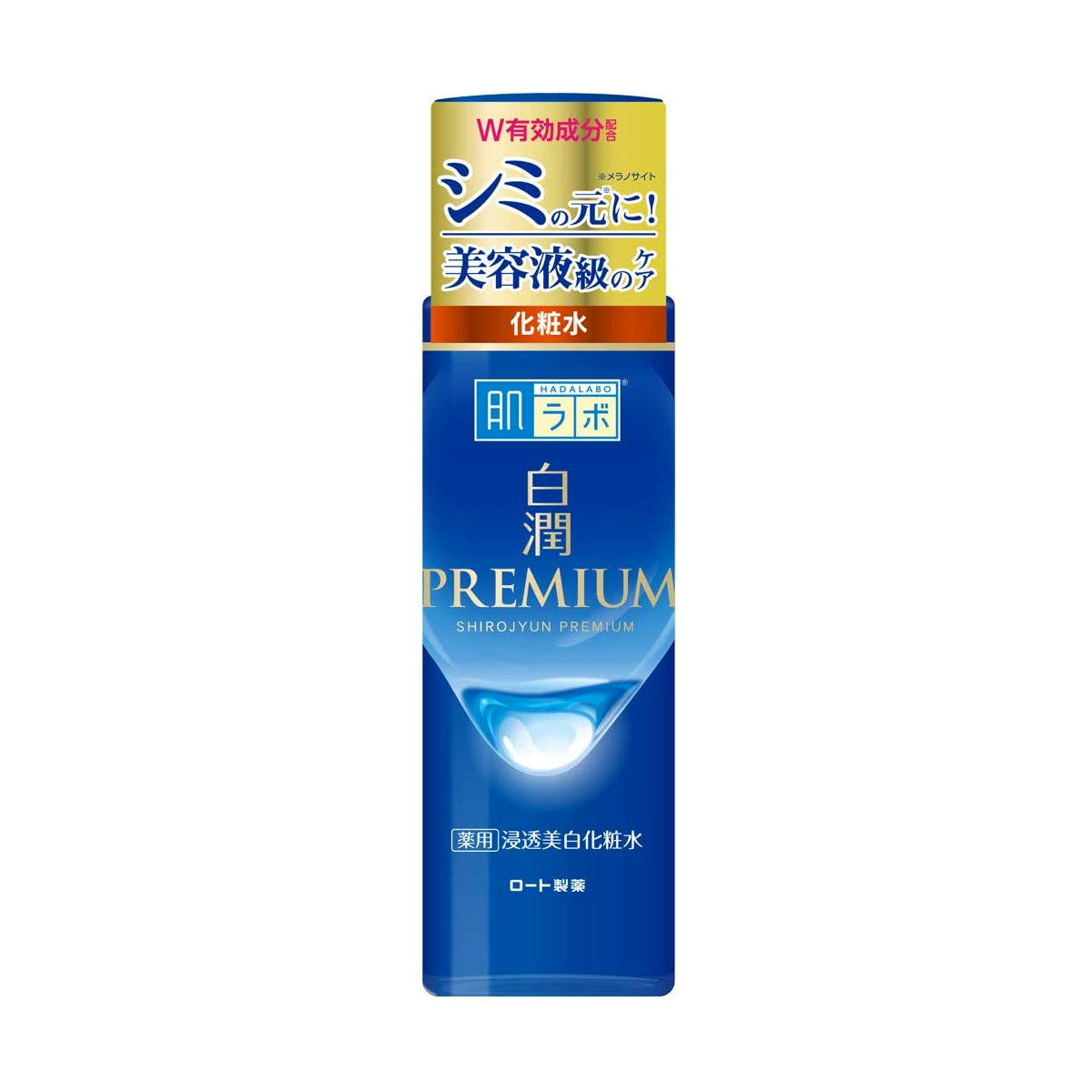
For brightening combined with hydration, Hada Labo Shirojyun Premium Whitening Lotion pairs tranexamic acid with hyaluronic acid. Despite the name, it functions more like a serum or essence than a toner.
Step 5: Night Cream or Sleeping Pack
Evening is when you apply your richest products. Dry skin loses moisture overnight, especially in heated or air conditioned rooms, so this step matters.
Curel Intensive Moisture Facial Cream works well at night too. Apply a slightly thicker layer than you would in the morning.
Kiku-Masamune Sake Moisturizing Cream is a richer option that contains ceramides, arbutin, and fermented rice. It creates a protective layer that locks in everything underneath.
Lululun One Night Rescue Face Mask is a sheet mask designed for single use recovery. It’s not a nightly product, but it’s useful when your skin is especially parched or stressed. Apply it after your toner step, then follow with your usual moisturizer. For more options, see our best Japanese sheet masks roundup.


Best Products by Category
Cleansers
| Product | Why It Works for Dry Skin |
|---|---|
| Hada Labo Gokujyun Hydrating Face Wash | Low pH, hyaluronic acid in the formula, doesn’t strip |
| Curél Intensive Moisture Care Foaming Wash | Ceramide safe, gentle enough for reactive dry skin |
Both produce a soft foam that rinses clean. Neither leaves that squeaky tight feeling that dry skin people know too well.
Toners and Lotions
| Product | Key Ingredients | Best For |
|---|---|---|
| Hada Labo Gokujyun Premium Lotion | 7 types of hyaluronic acid | Maximum hydration per layer |
| Kiku-Masamune Sake Brewing Skin Care Lotion High Moist | Fermented sake, ceramides, arbutin | Large volume daily use |
| Naturie Hatomugi Skin Conditioner | Job’s tears extract, low irritation | Budget friendly layering |
| Matsuyama Hadauru Moisturizing Infusion Moist Rich Lotion | Ceramides, amino acids, soy | Ceramide focused hydrating toner |
The Hada Labo is the most concentrated and effective per drop. The Kikumasamune and Naturie are better if you prefer to drench the skin in large amounts of toner. See Hada Labo Premium vs Moist vs Light for help choosing between the different Gokujyun versions.
Moisturizers
| Product | Texture | Key Ingredients |
|---|---|---|
| Curel Intensive Moisture Facial Cream | Medium cream | Synthetic ceramides |
| Kiku-Masamune Sake Moisturizing Cream | Rich cream | Fermented sake, ceramides, arbutin |
| Soy Milk Moisture Cream NC | Light cream | Soy isoflavones |
| Minon Amino Moist Charge Milk | Milky emulsion | Amino acids |
| Meishoku Ceracolla Perfect Gel | Gel cream | Ceramides, cholesterol |
Minon Amino Moist Charge Milk takes an amino acid based approach to moisturizing. Amino acids are part of the skin’s Natural Moisturizing Factor, so this feels less like applying a product and more like replenishing what’s already supposed to be there. The milky texture is lighter than a traditional cream but surprisingly hydrating.
Meishoku Ceracolla Perfect Gel is a budget friendly ceramide option that works as a simple, no fuss moisturizer. The gel cream texture absorbs fast and layers well under sunscreen. If you want ceramide benefits without the Curel price point, this is the move.
For a broader look at Japanese moisturizers across skin types, see the best Japanese moisturizer guide.
Essences and Serums
| Product | Key Ingredients | Price Range |
|---|---|---|
| SK-II Facial Treatment Essence | Pitera (galactomyces ferment filtrate) | Luxury |
| Hada Labo Shirojyun Premium Whitening Lotion | Tranexamic acid, hyaluronic acid | Drugstore |
These serve different purposes. SK-II is about overall skin texture and radiance through fermented ingredients. Hada Labo Shirojyun combines hydration with brightening. Neither is strictly a “dry skin product,” but both add a hydration layer that benefits dry skin routines.
Ingredients to Look For
When shopping for Japanese products for dry skin, these ingredients signal a product is likely to help.
Hyaluronic acid (ヒアルロン酸). The most common humectant in Japanese skincare. It’s one of the most effective humectants available in skincare, attracting and binding significant amounts of water to the skin. Hada Labo uses multiple molecular weights of hyaluronic acid across their Gokujyun line.
Ceramides (セラミド). Lipids that form the skin barrier. Curel is the ceramide specialist, but you’ll find ceramides in products from Matsuyama, Minon, Kikumasamune, and others. For how Japanese ceramide products compare to Western options, see Curel vs CeraVe.
Squalane (スクワラン). A lightweight oil that mimics skin’s natural sebum. It seals in moisture without clogging pores. Muji sells a standalone squalane oil that layers well under moisturizers.
Rice bran and fermented rice (米ぬか, 発酵). Traditional Japanese ingredients with hydrating and brightening properties. Sake based products like Kikumasamune use fermented rice as a base.
Amino acids. Part of the skin’s Natural Moisturizing Factor (NMF). Brands like Minon build entire product lines around amino acid surfactants and moisturizers. Amino acids attract and retain water in the skin.
Urea (尿素). A humectant that also gently exfoliates at certain concentrations. Found in some Japanese hand creams and intensive body moisturizers. Less common in facial products, but effective for rough, flaky patches.
Common Mistakes with Dry Skin
Over exfoliating. Chemical exfoliants (AHAs, BHAs) and physical scrubs thin the skin barrier. If your skin is dry and flaky, the instinct is to exfoliate, but that often makes the problem worse. Fix the moisture barrier first. Exfoliate once a week at most, if at all.
Skipping the oil cleanse. Oil cleansers remove sunscreen, makeup, and the day’s buildup without stripping natural oils. Dry skin benefits from oil cleansing even on makeup free days. Our best Japanese cleansing oil guide covers the most hydrating options.
Not layering enough hydration. One swipe of toner is not enough. Japanese hydration routines work because the toner step is repeated two to five times. Each layer adds moisture that the next layer seals in.
Using hot water. Hot water strips the skin barrier. Lukewarm is the maximum temperature for washing your face, especially with dry skin.
Skipping moisturizer because it “feels greasy.” If your moisturizer feels greasy, it might be the wrong product, not the wrong step. Try a lighter formula rather than dropping the step entirely.
Frequently Asked Questions
Is the Japanese skincare routine too many steps for dry skin?
Not necessarily. You can run a minimal version: cleanser, hydrating toner, moisturizer, sunscreen. That’s four steps. If even that feels like too much, Hada Labo Gokujyun Perfect Gel combines toner, essence, and moisturizer functions in one product, so you could get away with cleanser, perfect gel, and sunscreen. The “10 step routine” stereotype comes from Korean skincare marketing. Japanese routines are typically four to six steps, and for dry skin, each step exists for a reason. See the beginner routine guide for a stripped down starting point.
Can I use Hada Labo if my skin is both dry and sensitive?
Yes. The Gokujyun line is fragrance free and formulated at a slightly acidic pH. However, some people with very sensitive skin react to the higher concentration of hyaluronic acid in the Premium version. If that’s you, try the regular Moist version first. See Hada Labo vs CeraVe for how it compares to a Western hydration staple.
Do I need to use all Japanese products, or can I mix brands?
Mix freely. Japanese products layer well with Western and Korean products. The key is maintaining the right order: thinnest (watery) to thickest (creamy). A Hada Labo toner works perfectly under a CeraVe moisturizer or vice versa.
What’s the difference between “lotion” and “toner” in Japanese skincare?
In Japan, “lotion” means a watery, hydrating toner. It is not a thick cream like the word implies in English. When you see “lotion” on a Japanese product, think lightweight hydrating liquid. The ingredients guide covers more Japanese skincare terminology.
How long before I see results?
Skin barrier repair takes two to four weeks of consistent use. You may notice immediate comfort (less tightness, less flaking) within days, but real improvement in moisture retention takes time. Stick with a routine for at least a month before evaluating whether it’s working.