Best Japanese Skincare for Sensitive Skin in 2026

sensitive skinguideskincare

Several Japanese brands build entire product lines around minimal, functional ingredients for sensitive skin. Fragrance free formulation is the default in these lines, ingredient lists tend to be short, and clinical testing on reactive skin is standard practice.

This guide covers the best Japanese brands and products for sensitive skin, organized by brand and by product category. If your skin is reactive, easily irritated, or dealing with conditions like eczema or rosacea, these are worth considering. For rosacea specifically, our Japanese skincare for rosacea guide covers products chosen specifically for that condition. They’re not prescription treatments, but their barrier repair approach aligns with what dermatologists generally recommend for sensitive skin management. Many of these products also work well for tretinoin users building a gentle routine. Patch test on a small area first, especially during active flares.


What Sets These Brands Apart

A few things are common across the Japanese sensitive skin brands covered here.

Short ingredient lists. Brands like Muji and Minon keep ingredient counts low by design. Fewer ingredients means fewer potential irritants, and it makes it easier to identify what’s causing a reaction if one occurs.

Fragrance free as default. Every brand in this guide (Curel, d program, Minon, Muji Sensitive, Acseine) is fragrance free across their sensitive skin lines. This is also true of some Korean and Western brands (Soon Jung, CeraVe), but it’s worth noting that in Japan’s drugstore market, skipping fragrance is closer to the norm than the exception.

Clinical testing on sensitive skin. Japanese sensitive skin brands often conduct patch testing, allergy testing, and stinging tests as standard practice. d program runs clinical trials specifically on people with diagnosed sensitive skin conditions.


Best Brands for Sensitive Skin

Curel: Ceramide Focused Barrier Repair

Curel is Kao Corporation’s dedicated sensitive skin line. The entire range is built around synthetic ceramides that help repair and maintain the skin barrier. When the barrier is compromised (the underlying cause of most skin sensitivity), moisture escapes and irritants get in. Curel addresses this directly. For a step by step recovery routine using Curel and other Japanese products, see the barrier repair guide.

Every product in the line is fragrance free, alcohol free, and allergy tested. Curel consistently ranks among the most recommended sensitive skin brands on Japanese skincare forums and @cosme.

For a full breakdown of every product, see the Curel guide.

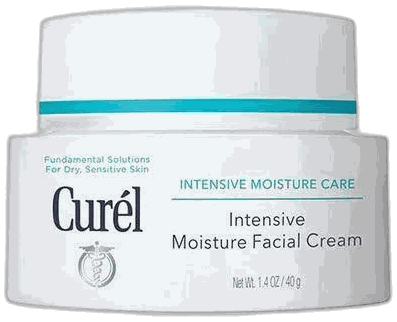
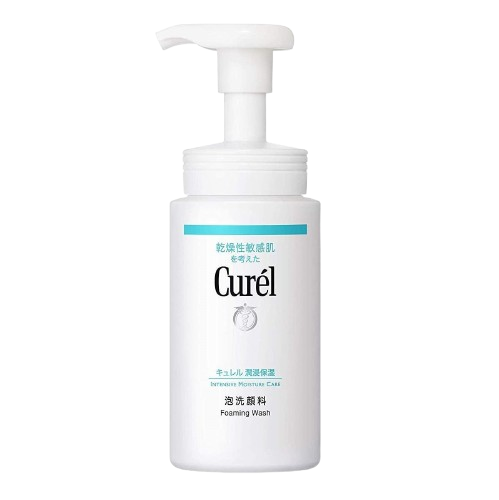
Key products: Intensive Moisture Facial Cream (the hero moisturizer), Moisture Facial Lotion (lightweight hydrating toner), Foaming Wash (gentle cleanser).

d program: Shiseido’s Sensitive Skin Line

d program is Shiseido’s line developed specifically for skin that reacts to environmental stressors like pollution, temperature changes, and humidity shifts. It’s a step up from drugstore sensitive lines in terms of research backing, with clinical studies conducted on people with diagnosed sensitive skin.

The line is organized into four “care” types: Moist Care (dry sensitive skin), Balance Care (combination sensitive skin), Acne Care, and Vital Care (aging sensitive skin). Each type has a coordinated cleanser, toner, and emulsion.

Key products: Moist Care Lotion (hydrating toner for dry sensitive skin), Moist Care Emulsion (lightweight moisturizer), Essence In Cleansing Foam (gentle foaming cleanser), Balance Care Lotion (for combination sensitive skin).

Minon: Amino Acid Based Gentleness

Minon takes a different approach from Curel’s ceramide focus. The brand’s core technology is amino acid based surfactants and moisturizers. Amino acids are naturally present in the skin’s moisture barrier (as part of Natural Moisturizing Factor), so formulas built on them tend to be exceptionally gentle.

Minon’s cleansers are standouts. Instead of harsh foaming agents, they use amino acid surfactants that clean without stripping. The brand is a longtime favorite on Japanese skincare forums for people who find even other “gentle” cleansers too drying.

Key products: Amino Moist Charge Milk (rich moisturizing emulsion), Amino Moist Milky Cleanse (milky cleanser that doesn’t strip), UV Mild Milk SPF50+ PA++++ (sensitive skin sunscreen with high protection).

Muji Sensitive Skin Line: Affordable Basics

Muji’s Sensitive Skin line is the entry point for anyone who wants simple, no frills Japanese skincare. The ingredients are minimal, the packaging is plain, and the prices are low. It’s the line people recommend on Reddit when someone asks “what’s the cheapest way to start a Japanese skincare routine without irritating my skin?”

The formulas are built around grapefruit seed extract and purified water. No fragrance, no mineral oil, no parabens, no alcohol. For more detail, see the Muji skincare guide.

Key products: Sensitive Skin Cleansing Oil, Toning Water for Sensitive Skin, Sensitive Skin Moisturizing Milk.

Acseine: The Hypoallergenic Specialist

Acseine is less well known outside Japan, but it’s one of the most respected sensitive skin brands among Japanese dermatologists. The brand was founded specifically to create cosmetics for people with allergies and hypersensitivities.

Acseine’s formulas avoid virtually every common allergen. The brand uses its own hypoallergenic testing protocols that go beyond standard patch testing.

Key product: Moist Balance Lotion (a cult favorite hydrating toner that absorbs quickly without leaving residue).

Hypoallergenic Moist Balance Lotion For Sensitive Skin - 360ml

Acseine

Hypoallergenic Moist Balance Lotion For Sensitive Skin - 360ml

1 retailerSee retailers →

Curel vs d program: Which One?

Both target sensitive skin, but from different angles. Curel focuses on ceramide based barrier repair, making it better for chronically dry, compromised skin. d program focuses on protecting skin from environmental stressors (pollution, temperature, humidity) and offers more variety with its four care types. You can mix products from both lines. See the Curel vs CeraVe comparison for more on how ceramide focused brands compare, or the Curel vs Hada Labo comparison if you’re deciding between barrier repair and pure hydration.


Best Products by Category

Cleansers

For sensitive skin, the cleanser matters more than almost anything else. A harsh cleanser can undo the benefits of every product that follows.

ProductBrandTypeBest For
d program Essence In Cleansing Foamd programFoamGentle daily cleansing, won’t disrupt barrier
Minon Amino Moist Milky CleanseMinonMilkVery dry or very reactive skin
Muji Sensitive Skin Cleansing OilMujiOilMakeup removal without irritation
Curel Foaming WashCurelFoamReactive skin that needs ceramide support

If you’re new to Japanese cleansers, the d program foam is a safe starting point. It’s effective enough for daily use but gentle enough that even eczema prone skin tends to tolerate it. For a more thorough first cleanse (especially for sunscreen removal), the Muji cleansing oil works well as a first step in a double cleanse.

Toners (Lotions)

In Japanese skincare, “lotion” means a watery hydrating toner, not a thick moisturizer. These are applied after cleansing to add a layer of hydration before sealing with a moisturizer.

ProductBrandTypeBest For
d program Moist Care Lotiond programHydrating tonerDry, reactive skin needing deep hydration
d program Balance Care Lotiond programHydrating tonerCombination sensitive skin (oily T zone, dry cheeks)
Muji Toning Water for Sensitive SkinMujiHydrating tonerBudget friendly, minimal ingredients
Acseine Moist Balance LotionAcseineHydrating tonerAllergy prone skin, quick absorption
Curel Moisture Facial LotionCurelHydrating tonerBarrier repair with ceramide technology

Moisturizers

The moisturizer step seals in hydration and reinforces the skin barrier. For sensitive skin, look for ceramides, amino acids, or squalane as key ingredients.

ProductBrandTypeBest For
Curel Intensive Moisture CreamCurelCreamBarrier repair, very dry or eczema prone skin
d program Moist Care Emulsiond programEmulsionLightweight moisture for dry sensitive skin
Minon Amino Moist Charge MilkMinonMilkRich hydration without heaviness
Muji Sensitive Skin Moisturizing MilkMujiMilkSimple, affordable daily moisture

The Curel cream is the strongest option here for compromised barriers. It’s rich without being greasy. For something lighter (especially in humid weather), the d program emulsion or Muji milk work well.

Sunscreens

Finding a sunscreen that doesn’t irritate sensitive skin is one of the most common complaints on skincare forums. These are some well regarded options formulated specifically for reactive skin.

ProductBrandSPF/PABest For
Anessa Mild MilkAnessaSPF35 PA+++Premium protection, gentle formula
Minon UV Mild MilkMinonSPF50+ PA++++High protection without irritation
Curel UV SerumCurelVariesBarrier repair + sun protection

The Minon UV Mild Milk stands out because it combines SPF50+ PA++++ protection (the highest Japanese rating) with a formula designed specifically for sensitive skin. That combination is rare. For a deeper look at all the best options, see our guide to Japanese sunscreens for sensitive skin. For a comparison of Japanese sunscreen options overall, see the sunscreen guide.


Ingredients to Look For (and Avoid)

Seek These Out

Ceramides. The building blocks of the skin barrier. Curel’s entire line is built on them. Look for ceramide NP, ceramide AP, or “ceramide functional ingredient” (Kao’s proprietary version).

Amino acids. Natural components of the skin’s moisture factor. Minon specializes in these. Look for sodium PCA, arginine, or “amino acid” in marketing materials.

Squalane. A lightweight oil that’s naturally present in skin. It moisturizes without clogging pores and rarely causes reactions.

Tranexamic acid. An anti inflammatory ingredient used in d program and other Japanese sensitive skin lines. It calms redness and helps with post inflammatory hyperpigmentation.

Dipotassium glycyrrhizinate. Derived from licorice root. An anti irritant found in many Japanese sensitive skin products. Reduces redness and inflammation.

Avoid These

Fragrance (parfum). The number one cause of skincare reactions. All brands in this guide are fragrance free.

Denatured alcohol (alcohol denat.). Can dry and irritate already compromised skin. Some Japanese toners contain it for a lightweight finish, but sensitive skin lines skip it.

Essential oils. Lavender, tea tree, citrus oils. Natural does not mean gentle. These are common irritants for reactive skin.

High concentration exfoliating acids. AHAs and BHAs above 5% can be too much for sensitive skin. If you want to exfoliate, start very low and very slow.

Niacinamide. While tolerated by most, niacinamide causes flushing and irritation for some sensitive skin types. Japanese products are a good fit here since most skip niacinamide entirely. See our complete guide to Japanese skincare without niacinamide for product picks across every category.


Building a Minimal Routine for Sensitive Skin

The best sensitive skin routine is a short one. More products means more potential irritants. Start with three steps and add only if your skin is stable.

Morning:

  1. Gentle cleanser (or just water if your skin is very dry)
  2. Hydrating toner
  3. Sunscreen

Evening:

  1. Cleansing oil or milk (if wearing sunscreen/makeup)
  2. Gentle foaming cleanser
  3. Hydrating toner
  4. Moisturizer

Budget option (all Muji): Cleansing OilToning WaterMoisturizing Milk. Total cost: under $25.

Mid range option (d program): Cleansing FoamMoist Care LotionMoist Care Emulsion.

Barrier repair focus (Curel): Foaming WashMoisture Facial LotionIntensive Moisture Cream.

One rule: introduce one new product at a time and wait at least a week before adding another. This way, if something causes a reaction, you know exactly what it was.

For a more detailed routine breakdown, see the beginner’s guide to Japanese skincare routines. You can also build a routine for sensitive skin with our routine builder.


Frequently Asked Questions

Where can I buy these products Outside Japan?

Product pages have verified retailer links. Where to buy Japanese Skincare outside Japan has a complete breakdown of options, from Amazon to specialty J beauty shops.

Can I use actives like retinol with these products?

Yes. Sensitive skin brands like Curel and d program work well alongside actives, and they can actually help offset irritation from stronger treatments. Introduce one new product at a time and give your skin a week to adjust before adding another.