Curel vs Hada Labo: Ceramide Barrier Repair or Hyaluronic Acid Hydration?
Quick Takeaway
- Curel: ceramide barrier repair. Fragrance free, alcohol free, designed for sensitive or damaged skin.
- Hada Labo: multi weight hyaluronic acid for deep, layerable hydration. Best for dehydrated skin of any type.
- Damaged barrier? Curel first. Dehydrated but barrier intact? Hada Labo first. Both problems? Use both (Hada Labo lotion → Curel cream).
- Both are drugstore priced and available from J beauty specialty retailers internationally.
Curel and Hada Labo are two of the most recommended Japanese drugstore skincare brands, and they show up in almost every “what should I buy?” thread on r/AsianBeauty. But they’re solving fundamentally different problems.
Curel (made by Kao) is built around ceramide barrier repair. Every product in the line is fragrance free, alcohol free, and designed for sensitive or compromised skin. Hada Labo (made by Rohto) is built around multi weight hyaluronic acid for deep, layerable hydration.
The question isn’t which brand is better. It’s which problem you need to solve first, and whether you should be using both.
Brand Philosophy: What Each Line Is Doing
Curel: Rebuilding the Barrier
Curel’s entire lineup revolves around one proprietary ingredient: Cetyl PG Hydroxyethyl Palmitamide, a synthetic ceramide that Kao developed specifically to mimic the function of natural ceramides in the skin barrier. Kao calls it a “ceramide functional ingredient,” and it appears in every Curel product.
The idea is straightforward. Healthy skin has enough ceramides to hold moisture in and keep irritants out. When the barrier is damaged (from over exfoliation, retinoids, harsh weather, or conditions like eczema), ceramide levels drop. Curel’s formulas aim to replenish those ceramides and help the barrier recover.
Everything about the line reflects this mission. The formulas are minimal. No fragrance, no alcohol, no unnecessary actives. If your skin is reactive, red, or just chronically dry because the barrier is shot, that’s exactly who Curel is for.
Hada Labo: Layering Hydration
Hada Labo takes a completely different approach. Instead of barrier lipids, the brand focuses on humectants, primarily hyaluronic acid in multiple molecular weights.
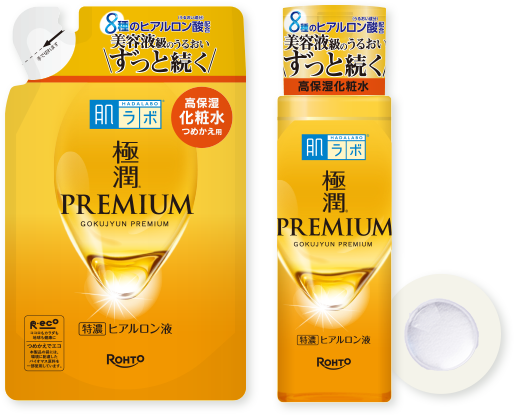
The Hada Labo Gokujyun Premium Lotion, their most popular product, contains seven types of hyaluronic acid in what Rohto calls a “Golden Ratio” formula. These include Sodium Hyaluronate (standard HA), Sodium Acetylated Hyaluronate (called “Super HA” for better skin adhesion), Hydrolyzed Hyaluronic Acid (nano sized for deeper penetration), Hydroxypropyltrimonium Hyaluronate (a cationic form that bonds to skin), and Sodium Hyaluronate Crosspolymer (3D HA that creates a moisture retaining film on the surface), among others.
The philosophy: flood the skin with moisture at every layer, from the surface down to the stratum corneum. This is the approach that made Japanese toners famous. Where Western toners often strip or tone, Japanese lotions (what most English speakers would call toners or essences) add hydration as a first step.
Head to Head: Key Product Matchups
Toner: Curel Moisture Lotion vs Hada Labo Gokujyun Lotion
This is the entry point for most people with either brand.
Curél Moisture Lotion is a lightweight, watery toner with Curel’s pseudo ceramide plus eucalyptus extract. It’s designed to be the first step after cleansing: prep the barrier, deliver ceramides, and let everything that follows absorb better. The texture is thin and absorbs quickly without any sticky or filmy residue. If your skin is reactive, this is one of the gentlest toners you can use.
Hada Labo Gokujyun Hyaluronic Lotion Moist is thicker and more viscous, with a slightly gel like consistency. It contains three types of hyaluronic acid and delivers noticeable, immediate hydration. You can feel your skin plump after applying it. Many people layer it two or three times for extra moisture (the “seven skin method”).
Key difference: The Curel toner is repairing while it hydrates. The Hada Labo toner is purely hydrating, and it does that job more dramatically. If your skin just needs water, Hada Labo delivers more of it. If your skin needs help holding onto that water because the barrier is compromised, Curel addresses the root cause.
For deeper hydration, consider the Hada Labo Gokujyun Premium Lotion, which upgrades to seven types of HA and adds fermented ingredients. It’s thicker and more viscous than the regular version, and some people find it too sticky in humid climates. See our Hada Labo Premium vs Moist vs Light breakdown for the full comparison.
Curel also makes a richer toner option: Curel Moisture Facial Lotion Enrich, with a slightly thicker texture for dry skin that needs more than the standard version.
Cream: Curel Intensive Moisture Cream vs Hada Labo Gokujyun Premium Cream
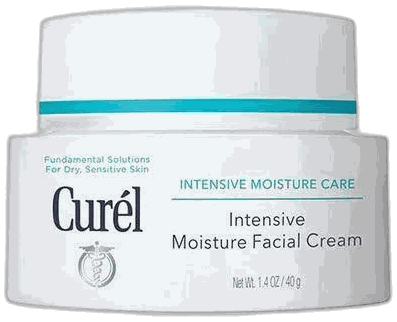
Curel Intensive Moisture Facial Cream is a cult favorite for good reason. It has a whipped, mousse like texture that feels rich but absorbs without heaviness. The formula combines the pseudo ceramide with squalane and allantoin (a soothing agent). Despite the “intensive” name, it layers well under sunscreen and makeup without pilling.
Reddit users consistently praise this cream for damaged or eczema prone skin. The r/AsianBeauty consensus: if your barrier is wrecked and everything stings, this is one of the few creams that won’t irritate you while actively helping repair.
Hada Labo Gokujyun Premium Cream takes the multi HA approach into a cream format. It’s slightly denser than the Curel cream and creates more of a moisture seal. Where Curel focuses on ceramide delivery in an elegant texture, Hada Labo focuses on trapping all the hydration from previous layers.
Key difference: The Curel cream is therapeutic. It’s designed to repair and protect. The Hada Labo cream is a heavy duty hydration seal. For healthy skin that just needs moisture, the Hada Labo cream gives you more bang for your money. For skin that’s actively irritated or damaged, the Curel cream is the safer and more strategic choice.
Lightweight Moisturizer: Curel Moisture Facial Milk vs Hada Labo Gokujyun Water Gel
For people who find creams too heavy (especially in warmer weather or with oily skin), both brands offer lighter options.
Curel Moisture Facial Milk is a lightweight emulsion that delivers the pseudo ceramide in a thinner, milkier texture. It absorbs fast and works well under sunscreen. Community reviews note it’s one of the best Curel products for daily use when you don’t need the full richness of the cream.
Hada Labo Gokujyun Water Gel is a gel type moisturizer with hyaluronic acid that sits feather light on the skin. It’s one of the most popular lightweight moisturizers in the entire Hada Labo lineup and works well for oily and combination skin types.
Key difference: Same story, lighter format. Curel delivers ceramides. Hada Labo delivers hydration. If you’re oily but have a damaged barrier, the Curel Milk addresses the root problem. If you’re oily and just need light moisture, the Hada Labo Water Gel is the simpler choice.
Cleanser: Curel Foaming Wash vs Hada Labo Foaming Cleanser
Curél Intensive Moisture Care Foaming Wash produces an exceptionally fine, dense foam that doesn’t strip. Multiple Reddit threads call it out as an underrated standout in the Curel line. It cleanses gently while maintaining the skin’s ceramide levels. The foam pump format makes it easy to use without creating friction on sensitive skin.
Hada Labo Gokujyun Hyaluronic Acid Foaming Cleanser takes a similar approach with a gentle, cushiony foam. It adds hyaluronic acid to the formula so skin doesn’t feel tight after washing.
Key difference: Both are gentle, low pH foaming cleansers that play well with sensitive skin. The Curel version is slightly more protective (less stripping), while the Hada Labo version leaves skin feeling slightly more hydrated post wash. Honest take: the difference is small enough that you can pick either one and be happy.
Ingredient Deep Dive: Pseudo Ceramide vs Multi Weight Hyaluronic Acid
What Curel’s Pseudo Ceramide Does
Ceramides are lipids that make up about 50% of the lipid matrix in the stratum corneum (the outermost layer of skin). When ceramide levels are healthy, the barrier functions properly: moisture stays in, irritants stay out. When ceramide levels drop (from damage, aging, or genetics), the barrier breaks down.
Curel’s synthetic ceramide (Cetyl PG Hydroxyethyl Palmitamide) is designed to integrate into the stratum corneum and function like natural ceramides. It’s not identical to natural skin ceramides, hence “pseudo,” but Kao’s research shows it supports barrier repair by supplementing the lipid structure.
The advantage of Curel’s approach is that it addresses the structural cause of moisture loss, not just the symptom. A damaged barrier leaks moisture no matter how many humectants you layer on top. Ceramides help seal the barrier so your hydrating products can do their job.
What Hada Labo’s Multi Weight HA Does
Hyaluronic acid is a humectant: it draws water to the skin and holds it there. By using multiple molecular weights, Hada Labo ensures hydration happens at different depths.
Large molecular weight HA (like standard Sodium Hyaluronate) sits closer to the surface and creates a hydrating film. Smaller molecules (like Hydrolyzed HA and Nano HA) are small enough to penetrate deeper into the stratum corneum. The acetylated and crosspolymer forms improve adhesion and longevity, so the moisture doesn’t just sit on top and evaporate.
The result: Hada Labo products deliver fast, noticeable plumping. You can see your skin look dewier within minutes of application. The tradeoff is that HA doesn’t fix the barrier itself, it works within whatever barrier state you currently have.
Why This Matters for Your Routine
If your barrier is healthy but your skin just feels dehydrated (lack of water, not lack of oil), Hada Labo’s HA approach will give you visible results quickly.
If your barrier is compromised (stinging when you apply products, redness, flaking, chronic dryness that moisturizer alone doesn’t fix), you need to rebuild the barrier first. That’s where Curel’s ceramide approach makes the real difference.
And here’s the key insight that most comparison articles miss: these two approaches complement each other. Ceramides repair the container. Hyaluronic acid fills it with water. Using both addresses both sides of the equation.
Skin Type Decision Tree
Your skin is sensitive, reactive, or you have eczema or rosacea: Start with Curel. The full line is designed for skin that can’t tolerate much. Once your barrier stabilizes, you can layer Hada Labo products underneath for added hydration. For a complete rosacea routine using both brands, see our Japanese skincare for rosacea guide.
Your skin is dehydrated but not sensitive: Start with Hada Labo. The Gokujyun line delivers fast, effective hydration without the premium price point of barrier repair products.
Your barrier is damaged from retinoids or over exfoliation: Curel is the priority. Products like tretinoin thin the barrier as part of their mechanism, and ceramide support helps your skin tolerate the retinoid better. Add Hada Labo as a hydrating layer underneath once your skin adjusts.
Your skin is oily or combination: Hada Labo works better as a standalone choice. The lightweight textures (Lotion Moist, Water Gel) layer without adding oil. Curel’s richer products can feel heavier on oily skin, though the Curel Moisture Facial Milk is light enough for most.
Your skin is dry and sensitive: Use both. Hada Labo toner for hydration, then Curel cream to lock it in and repair the barrier. This combination comes up constantly in r/AsianBeauty routine posts for a reason.
Using Both Together: A Combined Routine
Most people don’t need to choose one or the other. The brands layer well because they target different parts of the moisture equation.
Morning
- Gentle cleanser (either brand’s foaming wash, or just water)
- Hada Labo Gokujyun Hyaluronic Lotion Moist or Hada Labo Gokujyun Premium Lotion on damp skin
- Curel Moisture Facial Milk or Curel Intensive Moisture Facial Cream (lighter option for daytime)
- Sunscreen
Evening
- Oil cleanser (Hada Labo Gokujyun Cleansing Oil works well)
- Second cleanser (Curél Intensive Moisture Care Foaming Wash)
- Hada Labo Gokujyun Premium Lotion (or layer the regular version 2 to 3 times)
- Any actives (retinoid, etc. Note: vitamin C is best used in the morning for its antioxidant UV protection benefits)
- Curel Intensive Moisture Facial Cream
The logic: Hada Labo goes on first to flood the skin with water. Curel goes on last to seal it in with ceramides. This mirrors how the skin barrier naturally works: water in the deeper layers, lipids on top to prevent evaporation.
For more on how this stacks into a full routine, see our beginner’s guide to Japanese skincare routines and our morning vs night routine breakdown.
Price Comparison
Both brands are drugstore level in Japan, but pricing outside Japan varies depending on the retailer and import costs.
| Product | Typical US Price | Size |
|---|---|---|
| Curel Intensive Moisture Cream | $20 to $28 | 40g |
| Hada Labo Gokujyun Premium Cream | $14 to $20 | 50g |
| Curel Moisture Lotion | $18 to $25 | 150ml |
| Hada Labo Gokujyun Lotion Moist | $12 to $16 | 170ml |
| Hada Labo Gokujyun Premium Lotion | $14 to $18 | 170ml |
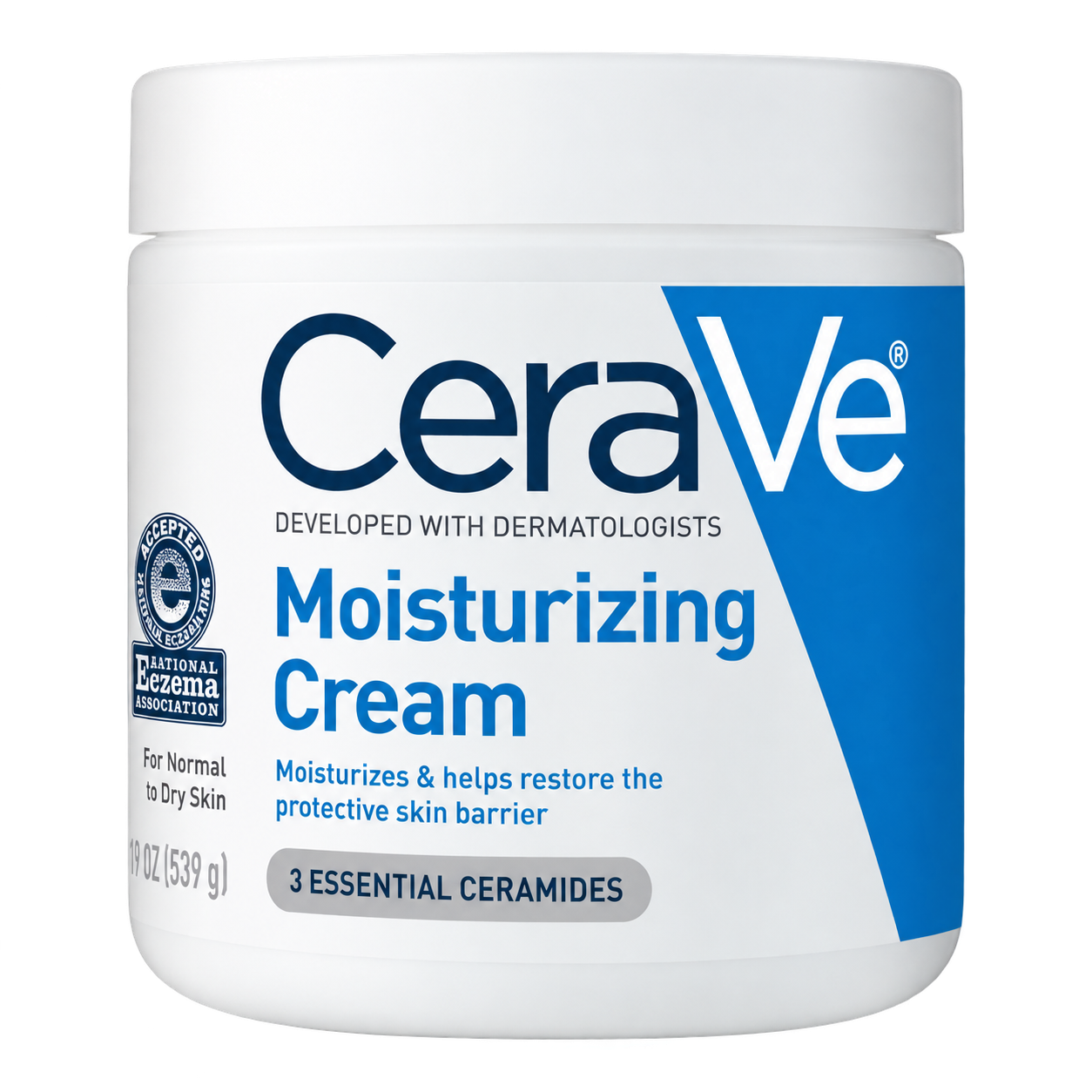
Hada Labo is generally cheaper per volume. Curel commands a slight premium because of the ceramide technology, but neither brand is expensive by US skincare standards. Per gram, mass market Western brands like CeraVe can be cheaper (a 16 oz CeraVe tub runs about $20), but premium Western brands like Drunk Elephant or La Roche Posay Toleriane tend to cost more for comparable sizes.
For context on how Hada Labo stacks up against Western alternatives, see our Hada Labo vs CeraVe comparison.
What About Minon?
If you’re comparing Japanese sensitive skin brands, Minon Amino Moist Charge Milk deserves a mention. Minon uses amino acids (the building blocks of your skin’s Natural Moisturizing Factor) for hydration and gentle care. It occupies a middle ground between Curel’s barrier focused approach and Hada Labo’s pure hydration play. Worth exploring if neither Curel nor Hada Labo feels quite right. More on Minon and other options in our sensitive skin guide.
Minon
0 retailersSee retailers →
FAQ
Can I use Curel and Hada Labo together?
Yes, and many people do. They target different parts of the moisture equation: Hada Labo delivers water via hyaluronic acid, Curel seals it in with ceramides. Apply Hada Labo products first (toner, essence), then Curel products on top (cream, milk).
Is Curel better for eczema than Hada Labo?
Curel is generally the better choice for eczema prone skin. The ceramide approach directly addresses the barrier dysfunction that characterizes eczema, and the fragrance free, minimal formulas are less likely to trigger reactions. Hada Labo is also gentle, but it doesn’t provide the same barrier repair benefits.
Why is Curel more expensive than Hada Labo?
The price difference comes down to the ceramide technology. Kao’s synthetic ceramide (Cetyl PG Hydroxyethyl Palmitamide) is a proprietary ingredient that costs more to produce than hyaluronic acid. That said, the difference is small in absolute terms, usually a few dollars per product.
Which brand is more popular in Japan?
Both are massive in Japan. Hada Labo’s Gokujyun Premium Lotion is consistently one of the top selling skincare products across all categories. Curel dominates the sensitive skin segment and is frequently recommended by Japanese dermatologists. They serve different audiences, so popularity isn’t a direct comparison.
Do I need to use the full line from one brand?
No. Most people mix and match. A common approach is to use Hada Labo toners for hydration and a Curel cream for barrier repair. Neither brand requires you to stay within the line for products to work, so pick the individual products that fit your skin’s needs.