Japanese beauty explained
Japanese Skincare for Rosacea: Gentle Products That Work
Quick Takeaway
- Best moisturizer for rosacea: Curel Intensive Moisture Facial Cream uses pseudo ceramides to repair your barrier without fragrance, alcohol, or common irritants
- Best sunscreen for rosacea: D Program Allerbarrier Essence N SPF50+ PA+++ uses mineral filters with allergen barrier technology designed specifically for reactive skin
- Why Japanese skincare works: The “low stimulation” philosophy behind brands like Curel, d program, and Minon aligns with what dermatologists recommend for rosacea: gentle, barrier focused, minimal ingredients
- Watch for niacinamide: Many rosacea sufferers flush from niacinamide, and most Japanese drugstore products skip it entirely, making J beauty a natural fit
- Skip the multi step routine: Rosacea skin does best with fewer products. A cleanser, hydrating toner, moisturizer, and sunscreen is all you need
Rosacea changes the rules of skincare. Products that work for everyone else can leave your face burning, flushed, and covered in bumps. And most skincare content ignores this, recommending trendy ingredients and elaborate routines that make rosacea worse.
Japanese skincare takes a fundamentally different approach. The philosophy behind Japan’s biggest sensitive skin brands centers on what they call “low stimulation” (低刺激): fewer ingredients, gentler formulas, and a focus on barrier repair over active ingredients. This is exactly what rosacea prone skin needs.
This guide covers specific Japanese products that rosacea sufferers in skincare communities consistently recommend, organized by routine step. If you have sensitive skin but not specifically rosacea, our Japanese skincare for sensitive skin guide covers a broader range of products. Every product listed here was chosen because people with rosacea have reported using it without flares, not because it sounds good on paper.
Understanding Rosacea and Why It Changes Your Skincare Approach
Rosacea is a chronic inflammatory condition, not just “sensitive skin.” It involves vascular reactivity (blood vessels dilating too easily), a compromised skin barrier, and in Type 2, inflammatory bumps that look like acne but aren’t.
This matters for product selection because:
Common skincare ingredients that trigger rosacea flares:
- Alcohol (ethanol): causes vasodilation, which is the opposite of what rosacea skin needs
- Niacinamide: triggers flushing in a significant subset of rosacea sufferers. This is one of the most commonly reported triggers on r/Rosacea
- Fragrance: irritates compromised barriers
- Essential oils: especially citrus and mint derivatives
- Harsh surfactants: strip the already weakened barrier
- Chemical exfoliants at high concentrations: AHAs, BHAs can trigger inflammatory responses
What rosacea skin needs:
- Barrier repair (ceramides, fatty acids)
- Anti inflammatory ingredients (glycyrrhizin, tranexamic acid, centella)
- Gentle, thorough cleansing without stripping
- Reliable sun protection (UV is a top rosacea trigger)
- Minimal ingredient formulas to reduce the chance of a reaction
Why Japanese Skincare Works for Rosacea
Japan has an entire skincare category built around compromised skin barriers. Brands like Curel, d program, Minon, and Atorrege AD+ exist specifically for people whose skin reacts to everything. This isn’t a marketing angle. These products go through Kao’s, Shiseido’s, and Daiichi Sankyo’s dermatological testing programs and are sold in Japanese pharmacies alongside prescription treatments.
Three things make Japanese skincare uniquely suited for rosacea:
1. The pseudo ceramide advantage
Kao (the company behind Curel) developed synthetic pseudo ceramides that mimic the skin’s natural ceramide structure. The specific pseudo ceramide in Curel products (cetyl PG hydroxyethyl palmitamide) is structurally similar to the ceramides naturally present in skin. For rosacea skin with a compromised barrier, ceramides are one of the most important ingredient categories for repair. Our Japanese ceramide skincare guide covers the full range of ceramide products available.
2. Most Japanese products skip niacinamide
While Korean and Western skincare puts niacinamide in everything, many Japanese formulations skip it. Hada Labo, Curel, d program, and Minon do not include niacinamide in their core product lines. For the significant number of rosacea sufferers who flush from niacinamide, these brands are a natural safe haven. That said, always check ingredient lists. Some Japanese brands (including Canmake’s newer formulations and Freeplus) do include niacinamide.
3. Quasi drug regulation means real testing
Japan’s quasi drug (医薬部外品) system requires clinical testing for products that claim therapeutic benefits. When a Japanese product says “for sensitive skin” or “anti inflammatory,” it has been tested under stricter standards than a cosmetic label would require. Ingredients like dipotassium glycyrrhizate (glycyrrhizin) and m-tranexamic acid appear in quasi drug formulations with proven anti inflammatory and anti redness effects.
Best Japanese Cleansers for Rosacea
Cleansing is where most rosacea routines go wrong. Stripping cleansers destroy what’s left of the barrier, and foaming agents can be irritating. The goal: remove sunscreen and dirt without disturbing the skin’s lipid layer.
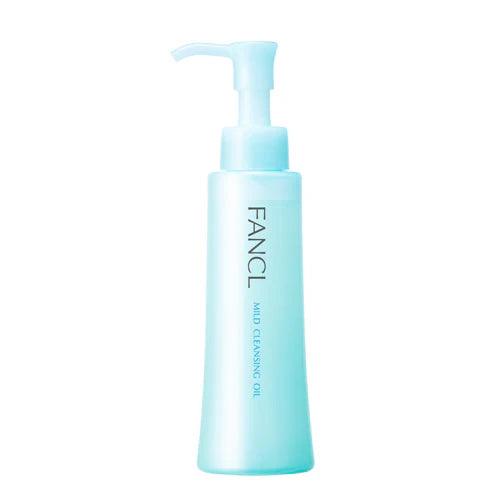
Oil Cleanser: FANCL Mild Cleansing Oil
FANCL Mild Cleansing Oil is preservative free, fragrance free, and formulated without any of the common rosacea triggers. FANCL’s brand philosophy is “additive free” (無添加), meaning they avoid parabens, artificial fragrances, and mineral oil.
For rosacea sufferers who wear sunscreen daily (and you should), an oil cleanser is the gentlest way to remove it. FANCL dissolves sunscreen and makeup without rubbing or friction, then emulsifies cleanly with water.
Why it works for rosacea: The formula is short (around 14 ingredients), which minimizes the chance of hitting a personal trigger. It rinses without leaving a film, and it won’t strip ceramides from your barrier the way surfactant cleansers can.
FANCL
8 retailersSee retailers →
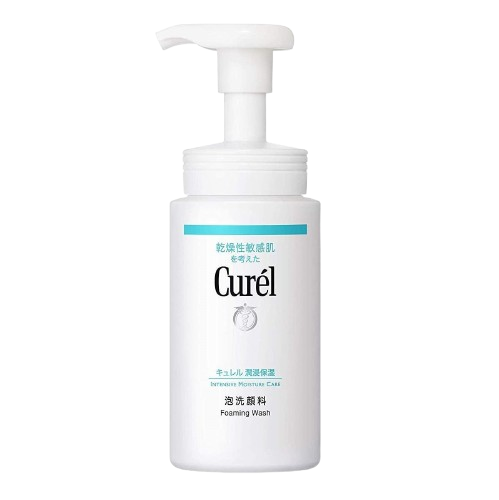
Foaming Cleanser: Curel Intensive Moisture Care Foaming Wash
Curél Intensive Moisture Care Foaming Wash comes out as pre foamed mousse from a pump bottle, which means you skip the physical agitation of working a cleanser into a lather on your face. Less friction means less irritation.
The formula contains Curel’s pseudo ceramide complex and is specifically designed to cleanse without removing the skin’s existing ceramides. It is fragrance free, colorant free, and alcohol free.
Who should use it: Anyone with Type 1 or Type 2 rosacea who needs a second cleanse after oil cleansing, or as a standalone morning cleanser. If your skin feels tight after washing, this addresses that directly.
Curel
5 retailersSee retailers →
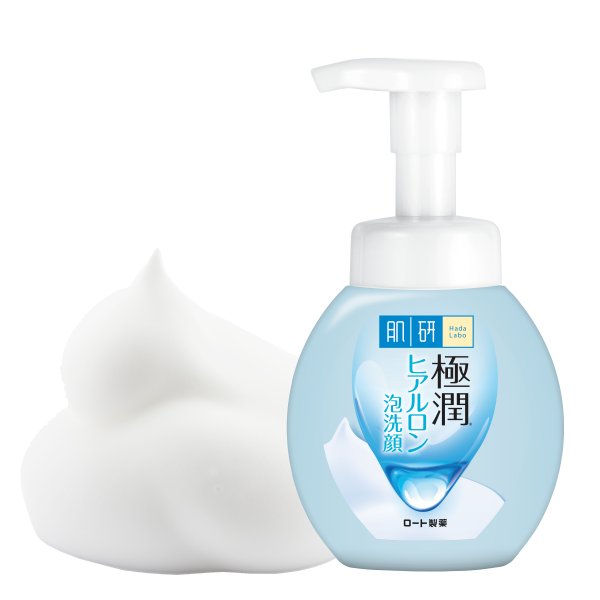
Alternative: Hada Labo Gokujyun Hyaluronic Acid Foaming Cleanser is another gentle option. Its main active is hyaluronic acid, and the formula is simple. It’s a good pick if Curel’s price point is too high.
Best Japanese Toners and Lotions for Rosacea
In Japanese skincare, “lotion” means a watery hydrating toner, not a thick moisturizer. This step delivers hydration to the skin before sealing it with a cream. For rosacea, the toner step is critical because dehydrated skin is more reactive.
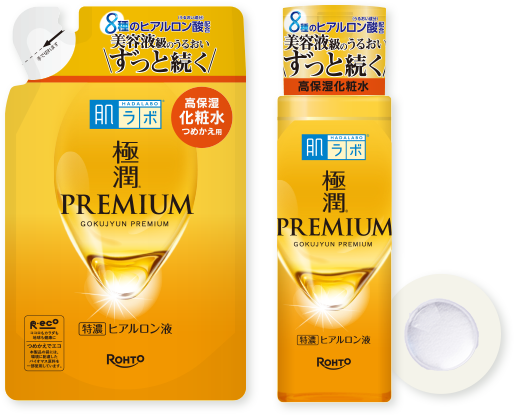
Best Overall: Hada Labo Gokujyun Premium Lotion
Hada Labo Gokujyun Premium Lotion contains seven types of hyaluronic acid at different molecular weights to hydrate multiple layers of the skin. The formula is simple: hyaluronic acid, water, and a few supporting ingredients. No fragrance, no alcohol, no niacinamide, no colorants.
Why rosacea sufferers love it: It is one of the most “boring” toners on the market, and that is exactly the point. There is almost nothing in it that could trigger a flare. It layers well, absorbs quickly in its newer reformulation, and provides serious hydration without any active ingredients that could irritate reactive skin.
Apply 2 to 3 layers by patting gently into damp skin. Do not use a cotton pad, as the friction is unnecessary for rosacea prone skin.
Hada Labo
11 retailersSee retailers →
For Extra Sensitive Skin: d program Moist Care Lotion
d program Moist Care Lotion MB is Shiseido’s answer for people who react to seemingly everything. The d program line uses what they call “clean technology” to minimize impurities in the formula itself, not just the active ingredients.
The Moist Care variant is designed for sensitive dry skin (the most common rosacea skin type). It contains m-tranexamic acid, which is a quasi drug anti inflammatory ingredient that also addresses redness.
Why it works for rosacea: m-tranexamic acid is one of the few active ingredients that is both anti inflammatory AND anti redness. Most products address one or the other. This toner delivers it in a gentle enough base that even compromised barriers can tolerate it.
d program
2 retailersSee retailers →
Budget Alternative: Muji Sensitive Skin Toning Water
Muji Toning Water for Sensitive Skin is about as minimal as a skincare product gets. Purified water, grape fruit extract, and a handful of hydrating ingredients. Nothing else.
Use this if you are in the process of stripping your routine back to basics to identify triggers. At this price point, it is a low risk way to keep your skin hydrated while you figure out what your rosacea reacts to.
Other Worth Considering
- Freeplus Moist Care Lotion: Kanebo’s sensitive skin line. Botanical based and fragrance free. Contains niacinamide, so skip this one if niacinamide triggers flushing for you.
- Curel Moisture Lotion: Ceramide focused toner from Curel. If your primary concern is barrier repair rather than pure hydration, this edges out Hada Labo.
- Matsuyama Hadauru Moisturizing Infusion Balancing Lotion: Ceramide based toner with a focus on skin barrier. A cult favorite in Japanese sensitive skin communities. Contains niacinamide, so check your tolerance first.
Best Japanese Moisturizers for Rosacea
The moisturizer step seals hydration and reinforces the skin barrier. For rosacea, this is the product that matters most on a daily basis.
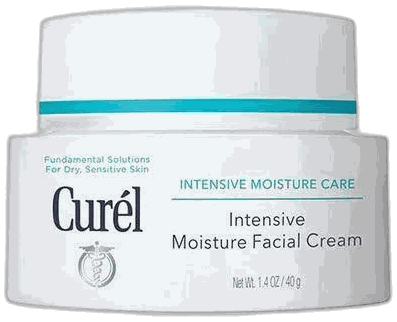
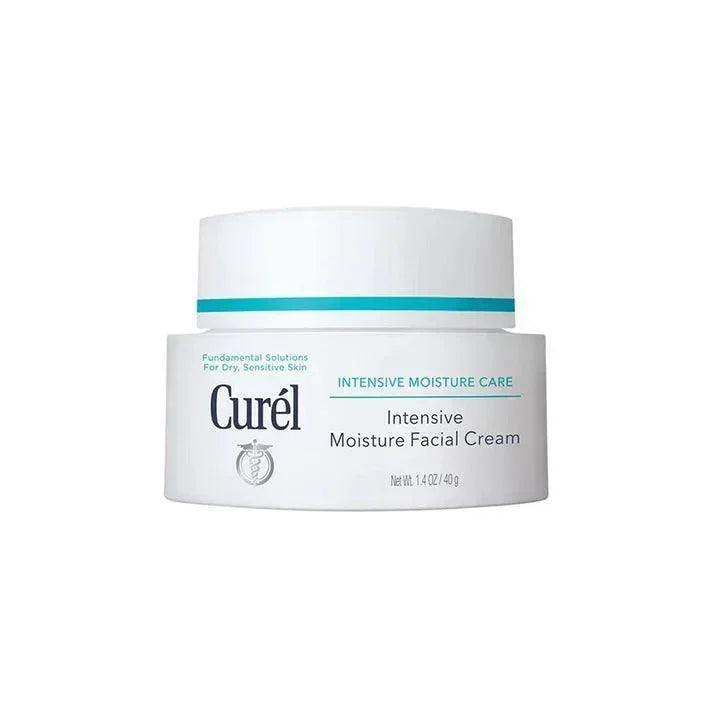
Best Overall: Curel Intensive Moisture Facial Cream
Curel Intensive Moisture Facial Cream is the single most recommended Japanese moisturizer for rosacea across Reddit, skincare forums, and dermatologist recommendation lists. It contains Kao’s proprietary pseudo ceramide (cetyl PG hydroxyethyl palmitamide) alongside eucalyptus extract for anti inflammatory support.
The formula is:
- Fragrance free
- Alcohol free
- No niacinamide
- No essential oils
- Contains allantoin (anti irritant)
- Contains pseudo ceramides (barrier repair)
Texture: Rich but not heavy. Absorbs within a minute without leaving a greasy film. Works under sunscreen without pilling.
Who it’s best for: Type 1 rosacea (persistent redness), Type 2 rosacea (redness plus bumps), and anyone with a compromised barrier from overusing actives or harsh cleansers.
Curel
6 retailersSee retailers →
For Very Dry Rosacea Skin: Atorrege AD+ Face Moisturizing Lotion
Atorrege AD+ is a pharmaceutical brand from Ands Corporation, developed specifically for atopic dermatitis and hypersensitive skin conditions. Their Atorrege AD+ Face Moisturizing Lotion is formulated for skin that reacts to nearly everything.
The line undergoes patch testing with people who have confirmed skin sensitivities, which is a step beyond standard cosmetic testing. If Curel is too rich for your skin or you need something lighter, Atorrege’s emulsion format is worth trying.
Lightweight Option: Minon Amino Moist Charge Milk
Minon Amino Moist Charge Milk takes a different approach. Instead of ceramides, it uses amino acids (the building blocks of the skin’s natural moisturizing factor) to restore hydration. The emulsion texture is lighter than Curel’s cream, making it a better pick for warmer weather or for people who find cream textures trigger flushing from trapped heat.
Minon is made by Daiichi Sankyo Healthcare, a pharmaceutical company. Their sensitive skin formulas are developed alongside their pharmaceutical research, which shows in the ingredient precision.
Other Worth Considering
- Acseine Moist Balance Lotion: A hypoallergenic Japanese brand that specializes in sensitive and allergic skin. Their Moist Balance Lotion is alcohol free, fragrance free, and designed around microemulsion technology for better absorption without irritation.
- Naturie Hatomugi Skin Conditioning Gel: Naturie Hatomugi Skin Conditioning Gel is not specifically for rosacea, but its ultra simple formula (Job’s Tears extract plus water based gel) makes it a safe lightweight moisturizer for summer when heavier creams feel suffocating.
Best Japanese Sunscreens for Rosacea
UV exposure is one of the top three rosacea triggers. Wearing sunscreen daily is not optional. But most sunscreens contain alcohol, fragrance, or chemical filters that trigger flares. Japanese sunscreens solve this with specialized formulas for reactive skin.
Best Overall: d program Allerbarrier Essence N
D Program Allerbarrier Essence N SPF50+ PA+++ is the gold standard for rosacea sunscreen in Japanese skincare communities. It uses Shiseido’s allergen barrier technology to create a physical shield against airborne irritants (pollen, dust, PM2.5) in addition to UV protection.
Key features:
- Mineral filter system (titanium dioxide and zinc oxide only, no chemical UV filters)
- No alcohol, no fragrance
- Contains glutathione and super hyaluronic acid for hydration
- Allergen barrier technology blocks environmental triggers
- SPF50+ PA+++ protection
Why it matters for rosacea: Environmental irritants (pollen, wind, pollution) trigger flares for many rosacea sufferers. Most sunscreens only block UV. This one creates a physical barrier against airborne triggers too. For a full breakdown of anti pollen skincare products, see our pollen season skincare guide.
d-program
1 retailerSee retailers →
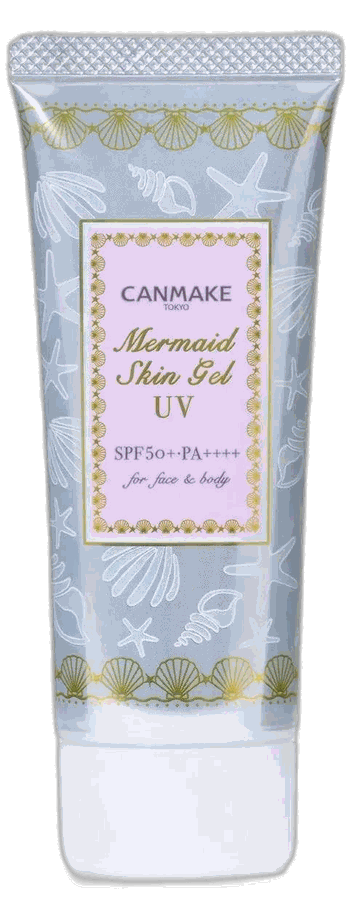
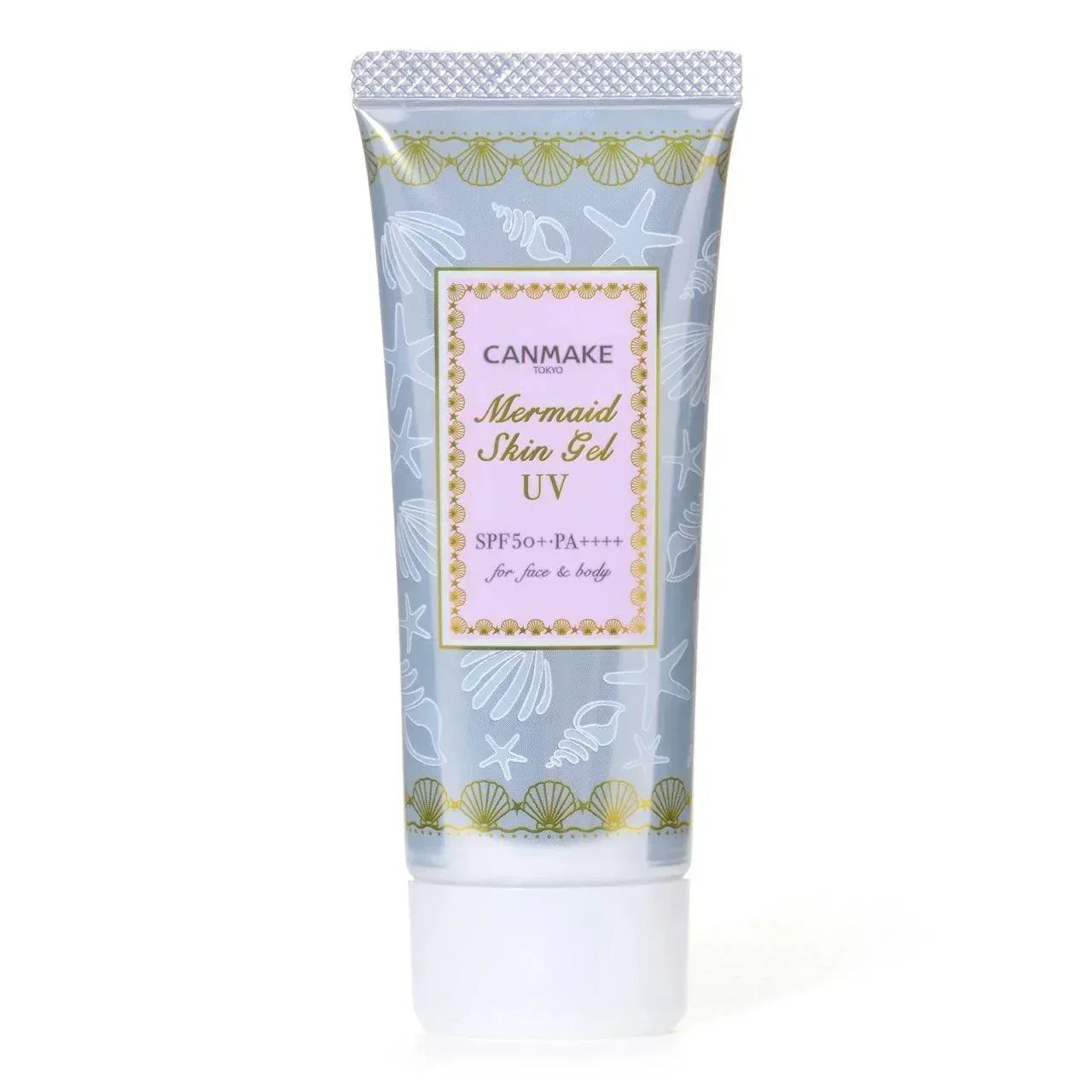
Best Alcohol Free Option: Canmake Mermaid Skin Gel UV
Canmake Mermaid Skin Gel UV SPF50+/PA++++ is a frequently recommended budget sunscreen for sensitive skin on r/AsianBeauty. It is alcohol free and uses a gel texture that sits comfortably under moisturizer. Note: The current formulation does contain niacinamide (listed lower in the ingredients). If niacinamide is a trigger for you, consider the d program or Anessa options instead.
Trade off: It is not as water resistant as Anessa or Biore options, so it is best for daily indoor or light outdoor use rather than beach days or heavy sweating.
Canmake
8 retailersSee retailers →
Best Mineral Option: Anessa Mild Milk
Anessa Essence UV Sunscreen Mild Milk For Sensitive Skin SPF35 PA+++ is Shiseido’s mineral sunscreen designed for babies and sensitive skin. It uses zinc oxide and titanium dioxide only (no chemical filters), which makes it suitable for rosacea sufferers who react to organic UV filters.
Caveat: Mineral sunscreens can leave a white cast, and SPF35 is lower than the SPF50 options above. For many rosacea sufferers, the gentleness is worth the trade off. For more mineral sunscreen picks, see our best Japanese sunscreens for sensitive skin roundup.
Other Worth Considering
- Curel UV Protection Milk: Ceramide containing mineral sunscreen from Curel. SPF50+ PA+++. If your entire routine is Curel based, this completes the system.
- Curel Intensive Moisture Care Skin Repair UV Serum: A serum SPF hybrid from Curel that provides UV protection plus ceramide barrier repair in one step. Reduces the total number of products on your face, which can matter for reactive skin.
- Minon UV Mild Milk SPF50+ PA++++: Amino acid based mineral sunscreen from Daiichi Sankyo. Another strong option for people who prefer mineral only formulas.
- NOV UV Milk EX SPF32: From a brand recommended by Japanese dermatologists for eczema and rosacea. The SPF is modest but the formula is extremely gentle. NOV is harder to find outside Japan but worth knowing about.
Sunscreens to Avoid with Rosacea
Biore UV Aqua Rich Watery Essence: This is one of the most popular Japanese sunscreens globally, but it contains a significant amount of alcohol (ethanol is the second ingredient). Alcohol causes vasodilation, which directly triggers rosacea flushing. Skip it.
Any sunscreen with high alcohol content: Check ingredient lists for “alcohol,” “ethanol,” or “alcohol denat.” near the top of the list. A small amount lower in the list is usually tolerable, but when it is in the top five ingredients, rosacea skin will likely react.
Building a Rosacea Friendly Japanese Skincare Routine
Less is more. Rosacea skin does best with the fewest products possible. Here is a minimal routine using the products above.
Morning Routine
- Rinse with lukewarm water (skip the cleanser in the morning if your skin tolerates it; over cleansing weakens barriers)
- Hydrating toner: Hada Labo Gokujyun Premium Lotion: 2 to 3 layers patted gently onto damp skin
- Moisturizer: Curel Intensive Moisture Facial Cream: thin layer, wait 1 to 2 minutes before sunscreen
- Sunscreen: D Program Allerbarrier Essence N SPF50+ PA+++: generous application, two finger rule
Evening Routine
- Oil cleanser: FANCL Mild Cleansing Oil: massage gently for 30 to 60 seconds to dissolve sunscreen, then emulsify with water
- Second cleanser (optional): Curél Intensive Moisture Care Foaming Wash: only if you feel residue after oil cleansing. Many rosacea sufferers do fine with oil cleansing alone
- Hydrating toner: Hada Labo Gokujyun Premium Lotion: 2 to 3 layers
- Moisturizer: Curel Intensive Moisture Facial Cream
That is four to five products total. Resist the urge to add more. Every additional product is another chance for a trigger ingredient to slip in.
When to Add Prescription Treatments
If you use prescription treatments for rosacea (metronidazole, ivermectin, azelaic acid, or tretinoin), apply them after the toner step and before the moisturizer step. For more on building a routine around prescription retinoids, see our Japanese skincare routine for tretinoin users guide. The gentle Japanese products in this routine are specifically chosen to support prescription treatments without interfering or adding irritation.
Ingredients That Help Rosacea (and Where to Find Them in Japanese Products)
Dipotassium glycyrrhizate (glycyrrhizin): A licorice root derivative with proven anti inflammatory properties. Found in many Japanese quasi drug formulations including d program Moist Care Lotion, Curel, and Anessa Mild products. One of the few ingredients that directly addresses redness at the vascular level.
m-Tranexamic acid: Used in Japanese quasi drug products for both brightening and anti inflammation. Found in d program Moist Care Lotion and several Shiseido products. Research shows it reduces erythema (redness) by inhibiting plasmin activity.
Pseudo ceramides: Kao’s synthetic ceramide technology found in all Curel products. Restores the skin’s lipid barrier more effectively than plant derived ceramides because the molecular structure closely matches human ceramides.
Amino acids: The basis of Minon’s entire line. Amino acids are building blocks of the skin’s natural moisturizing factor (NMF). Replenishing them helps skin retain moisture without relying on occlusives that can trap heat.
Allantoin: A gentle anti irritant found in Curel products. Soothes without the vasodilation that some botanical anti inflammatories cause.
Common Mistakes When Managing Rosacea with Japanese Skincare
Mistake 1: Building a 10 step routine. Japanese skincare culture encourages layering, but rosacea skin cannot handle it. Stick to 4 to 5 products maximum. The more products you use, the more variables you introduce.
Mistake 2: Assuming all Japanese products are gentle. Many popular Japanese sunscreens and toners contain alcohol, and some contain niacinamide. Always check the ingredient list. “Japanese” does not automatically mean “rosacea safe.”
Mistake 3: Skipping sunscreen because it irritates you. If your current sunscreen triggers flares, switch to a rosacea friendly option rather than going without. UV exposure causes cumulative damage to rosacea prone skin and worsens the condition over time.
Mistake 4: Introducing multiple new products at once. Add one new product every two weeks. If you introduce three products simultaneously and your skin reacts, you will not know which one caused the flare. This is especially important for rosacea because reactions can be delayed by 24 to 48 hours.
Mistake 5: Using hot water to wash your face. Temperature changes trigger rosacea. Use lukewarm water only, and avoid hot showers on your face. This applies regardless of which products you use.
Frequently Asked Questions
Is Japanese skincare better for rosacea than Korean skincare?
Neither is inherently better. However, Japanese skincare has a practical advantage: several major Japanese sensitive skin brands (Hada Labo, Curel, d program, Minon) do not include niacinamide in their core product lines, while many Korean brands do. Since niacinamide is a common rosacea trigger, Japanese products require less ingredient label checking. Japanese brands like Curel and d program also have dedicated sensitive skin lines backed by pharmaceutical research, which is harder to find in the Korean market.
Can I use vitamin C with rosacea?
Pure ascorbic acid (L ascorbic acid) at high concentrations can be irritating. However, gentler vitamin C derivatives like ascorbyl glucoside and ascorbyl tetraisopalmitate are generally tolerable. If you want to address post inflammatory marks from rosacea bumps, Melano CC Premium Brightening Essence uses a stabilized ascorbic acid derivative at a lower concentration than most Western vitamin C serums. Introduce it slowly (every other day) and monitor for flushing.
Do I need to double cleanse if I have rosacea?
Only if you wear sunscreen. The oil cleansing step removes sunscreen effectively without scrubbing, which is gentler than trying to remove it with a foaming cleanser alone. If you do not wear sunscreen or makeup, a single gentle cleanser or even just lukewarm water in the morning is sufficient.
What about azelaic acid and Japanese products?
Azelaic acid is one of the most effective prescription and OTC ingredients for rosacea (both redness and bumps). However, few Japanese OTC products contain azelaic acid, as it is primarily used in prescription formulations in Japan. If your dermatologist prescribes azelaic acid, the Japanese products in this guide make excellent supporting routine products because they will not interfere with or counteract the azelaic acid treatment.
How do I know if a Japanese product will trigger my rosacea?
Patch test on your inner forearm first, then on a small area near your jawline. Wait 48 hours between each test. Even products labeled “for sensitive skin” can trigger individual reactions. The safest approach is to start with the most minimal products (Muji Sensitive Toning Water, Curel Cream, a mineral sunscreen) and add complexity only if your skin tolerates the basics well.