Japanese beauty explained
Japanese Skincare for Barrier Repair: Ceramides, Gentle Formulas, and What Works
A damaged skin barrier shows up as tightness, flaking, stinging when you apply products that never bothered you before, or redness that won’t calm down. The cause is usually something specific: too many actives layered at once, retinol introduced too fast, over exfoliation, harsh cleansers, or environmental stress like dry winter air.
Several Japanese skincare brands have a long history of formulating specifically for barrier repair. Curel built its entire product line around synthetic ceramides. d program, Shiseido’s sensitive skin line, designs routines specifically for reactive, barrier compromised skin. The approach tends to be the same: fewer ingredients, gentler formulations, and a focus on restoring what’s missing rather than adding more.
This guide covers what a damaged barrier looks like, why the Japanese approach works well for repair, and which products are worth trying at each step of a recovery routine.
What Your Skin Barrier Does (and How It Breaks)
The skin barrier is the outermost layer of the epidermis, called the stratum corneum. It’s often described as a brick and mortar structure: skin cells (corneocytes) are the bricks, and the lipids between them, primarily ceramides, cholesterol, and fatty acids, are the mortar. When this layer is intact, it keeps moisture in and irritants out.
When it’s compromised, both of those functions fail. Water escapes faster (measured as transepidermal water loss, or TEWL), and things that normally wouldn’t irritate your skin start causing reactions.
Common Causes
Over exfoliation. AHAs, BHAs, and physical exfoliants used too frequently or at too high a concentration strip away the lipid layer faster than your skin can rebuild it.
Retinol too fast. Starting retinol at a high percentage or using it nightly without building tolerance is one of the most common causes of barrier damage. The peeling and flaking people experience during “retinization” is barrier disruption. If you’re on prescription tretinoin, see our Japanese skincare routine for tretinoin users for a full routine built around barrier support.
Harsh cleansers. High pH or heavily foaming cleansers can strip ceramides during cleansing. Choosing mildly acidic, low foaming cleansers helps preserve the barrier during this step.
Climate and environment. Dry air, cold weather, indoor heating, and air conditioning all increase moisture loss. Moving between climates (or just between seasons) can push already stressed skin over the edge.
Too many actives at once. Layering vitamin C, niacinamide, AHAs, retinol, and benzoyl peroxide in the same routine is a recipe for barrier damage, even if each product individually would be fine.
Signs Your Barrier Is Damaged
Tightness after cleansing. Stinging or burning when applying products, especially ones you’ve used before without issues. Increased redness. Dry, flaky patches. Breakouts in areas that don’t normally break out (a sign of irritation, not the usual acne). Skin that looks dull or feels rough.
If several of these describe your current skin, the fix is almost always the same: strip your routine down to basics, stop all actives, and focus on hydration and barrier repair ingredients until your skin stabilizes. That’s where the Japanese approach comes in. If your barrier damage is related to rosacea specifically, our Japanese skincare for rosacea guide covers products chosen for that condition’s unique triggers.
The Japanese Approach to Barrier Repair
Japanese skincare philosophy tends toward gentleness and prevention rather than aggressive treatment. This shows up in a few key ways that are especially relevant for barrier repair.
Minimal Ingredient Lists
Brands like Curel and Muji keep ingredient counts deliberately low. Fewer ingredients means fewer potential irritants, and it makes it easier to identify what’s causing a problem if one occurs. When your barrier is compromised, simplicity matters more than ever because reactive skin can flare from ingredients it would normally tolerate.
Ceramide Technology
Ceramides make up roughly 50% of the lipids in the skin barrier. When the barrier is damaged, ceramide levels drop. Replenishing them from the outside is one of the most directly targeted approaches to barrier repair.
Curel uses a synthetic ceramide functioning ingredient (cetyl PG hydroxyethyl palmitamide) that mimics the structure of natural ceramides and penetrates into the stratum corneum. Their products also contain eucalyptus leaf extract, which Kao’s research identified (after screening 154 natural ingredients) as an ingredient that stimulates the skin’s own ceramide production.
This dual approach, supplying ceramides externally while encouraging the skin to produce more on its own, is the core of Curel’s barrier repair strategy. For a full roundup of Japanese ceramide products across moisturizers, toners, and serums, see Best Japanese Ceramide Skincare Products.
Gentle Cleansing as a Priority
Many barrier repair routines focus only on what you put on your skin after cleansing. Japanese brands put equal emphasis on not stripping the barrier during cleansing. Curel’s foaming wash is mildly acidic (matching skin’s natural pH) and designed to remove dirt and sebum without pulling ceramides out of the skin.
The “Less Is More” Philosophy
A typical Japanese barrier repair routine might be three or four products: cleanser, hydrating toner (called “lotion” in Japan), moisturizer, and sunscreen. That’s it. No serums, no essences, no treatment steps. The goal is to give skin what it needs to heal without overwhelming it.
Best Japanese Products for Barrier Repair by Routine Step
Cleanser
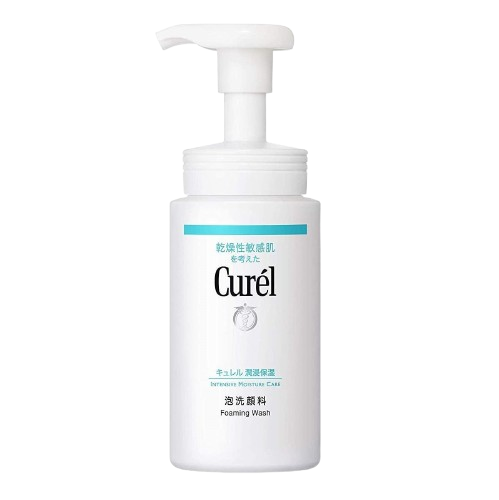
Curél Intensive Moisture Care Foaming Wash
A mildly acidic, low foam cleanser designed to clean without stripping ceramides. It comes out of the pump as a soft foam, so there’s no need to work up a lather (less friction on irritated skin). Fragrance free, alcohol free, and allergy tested.
This is one of the most recommended sensitive skin cleansers in Japanese skincare communities, and for barrier repair specifically, the ceramide preserving formula makes it a strong choice over generic gentle cleansers.
Curel
5 retailersSee retailers →
d program Essence In Cleansing Foam
d program’s cleanser takes a similar gentle approach but includes conditioning ingredients that leave skin feeling less tight after rinsing. It’s designed for people whose skin reacts to environmental stressors. Like Curel’s wash, it’s fragrance free and clinically tested on sensitive skin.
d program
3 retailersSee retailers →
Hydrating Toner (Lotion)
Japanese “lotions” are watery hydrating toners applied after cleansing. They’re a critical step in barrier repair because they deliver hydration directly to damp skin, priming it to absorb the moisturizer that follows.
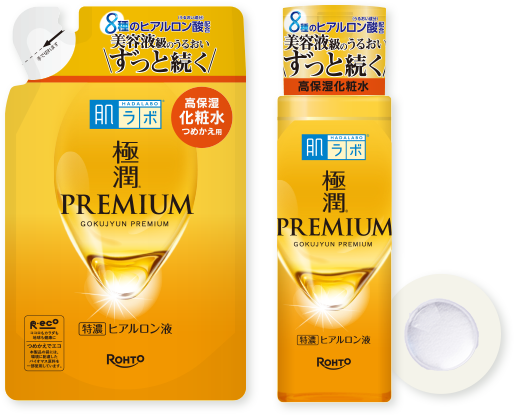
Hada Labo Gokujyun Premium Lotion
Contains seven types of hyaluronic acid at different molecular weights, which helps hydration reach different depths of the stratum corneum. This isn’t a ceramide product, but intense hydration supports barrier recovery by reducing TEWL and giving the skin the water content it needs to function normally.
The texture is slightly thicker than a standard toner. Apply to damp skin in thin layers (the Japanese technique of layering toner two to three times, called “lotion masking,” works especially well during barrier recovery). For more on this technique, see the guide to Japanese lotions.
Hada Labo
11 retailersSee retailers →
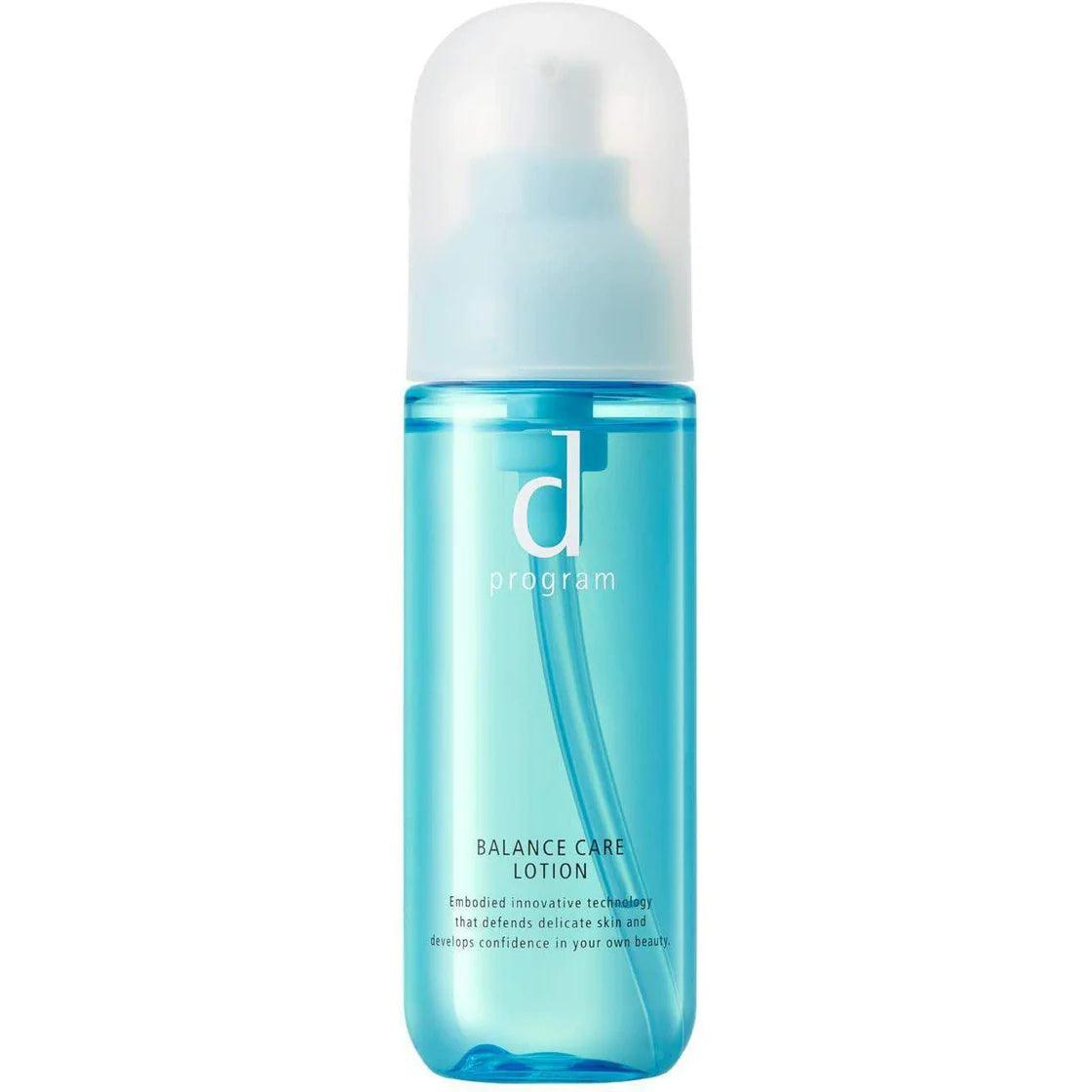
Designed specifically for dry, sensitive skin. d program’s Moist Care line is the most hydrating of their four care types, making it the best fit for barrier repair. Fragrance free, alcohol free, paraben free.
If your barrier damage is more localized (dry and flaky in some areas, oily in others), Balance Care targets combination sensitive skin. It hydrates without being heavy in the areas that don’t need it.
Curel Moisture Facial Lotion Enrich
If you’re already using Curel’s moisturizer and cleanser, this completes the Curel barrier repair routine. It’s the richer version of Curel’s toner, formulated with the same ceramide care technology. Keeping the entire routine within one brand’s system means the products are designed to layer together, and for reactive skin, that consistency reduces the chance of unexpected interactions.
Matsuyama Hadauru Moisturizing Infusion Moist Rich Lotion
A ceramide toner from a brand that doesn’t get as much attention outside Japan but deserves it. Matsuyama uses plant derived ceramides alongside amino acids and soy sterols. The formula is fragrance free and alcohol free. It’s a strong alternative to Hada Labo if you want your toner step to actively contribute to barrier repair rather than focusing purely on hydration.
Moisturizer
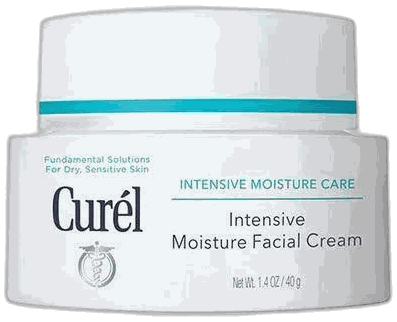
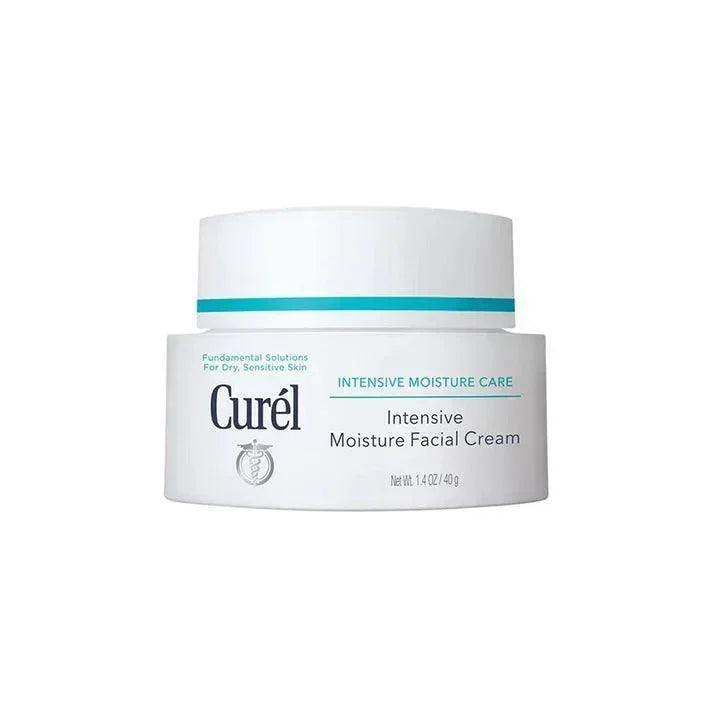
Curel Intensive Moisture Facial Cream
This is the product most people in Japanese skincare communities point to when asked about barrier repair. It contains Curel’s synthetic ceramide functioning ingredient and eucalyptus extract, directly targeting the ceramide deficit that causes barrier dysfunction.
The texture is rich but absorbs without feeling greasy or heavy. It forms a protective layer that reduces moisture loss while the ceramide ingredients work on repair. Fragrance free, alcohol free, and allergy tested.
For barrier repair, this is the single most important product in the routine. If you’re going to try one Japanese product for a damaged barrier, this is the one.
Curel
6 retailersSee retailers →
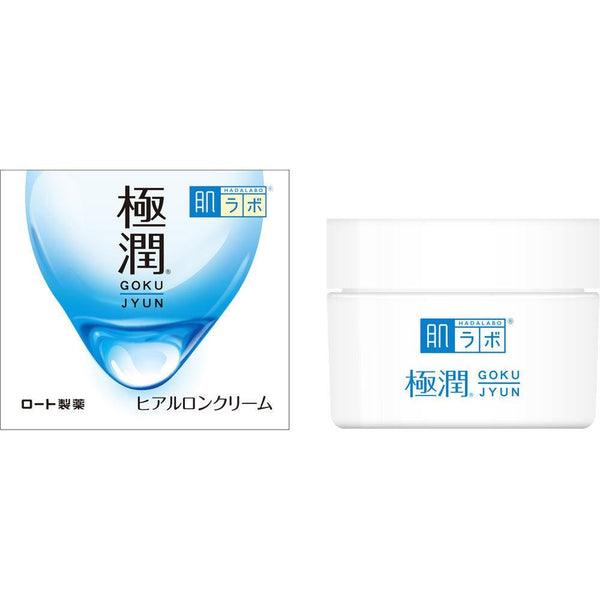
Hada Labo Gokujyun Hyaluronic Acid Cream
A simpler option if you want intense hydration without the ceramide focus. This cream uses hyaluronic acid as its primary moisturizing ingredient and has a thick, occlusive texture that locks in moisture effectively. It works well layered over the Hada Labo Premium Lotion for a hyaluronic acid focused approach to barrier support.
Hada Labo
1 retailerSee retailers →
Minon takes a different angle on barrier repair: amino acids. Amino acids are a major component of the skin’s Natural Moisturizing Factor (NMF), and when the barrier is damaged, NMF levels drop along with ceramide levels. This milky emulsion replenishes amino acids while providing gentle occlusion. It’s a good choice if ceramide products alone aren’t giving you enough relief, or if you want to address the hydration side of barrier repair alongside the lipid side.
Meishoku Ceracolla Perfect Gel
A budget ceramide moisturizer that combines ceramides with cholesterol in a lightweight gel cream format. If the Curel cream feels too rich for daytime use or you want a more affordable option to test whether ceramides work for your skin, Ceracolla is a low risk entry point. The gel texture absorbs quickly and layers well under sunscreen.
Sunscreen
Sun protection is non negotiable during barrier repair. A compromised barrier is more vulnerable to UV damage, and UV exposure slows healing. Choose a gentle, fragrance free sunscreen. Curel Intensive Moisture Care Skin Repair UV Serum is formulated with barrier repair in mind and won’t sting on sensitized skin.
Curel
1 retailerSee retailers →
A 2 Week Barrier Repair Routine
This is a stripped down routine using the products above. The goal is to give your skin the minimum it needs to heal. Resist the urge to add actives or extra steps during this period.
Morning
- Rinse with lukewarm water only (no cleanser in the morning during repair)
- Hada Labo Gokujyun Premium Lotion on damp skin, two to three layers
- Curel Intensive Moisture Facial Cream
- Sunscreen (gentle, fragrance free formula)
Evening
- Curél Intensive Moisture Care Foaming Wash (or d program cleanser if preferred)
- Hada Labo Gokujyun Premium Lotion on damp skin, two to three layers
- Curel Intensive Moisture Facial Cream
Week by Week
Week 1: Expect your skin to still feel reactive. Products may sting slightly on the most compromised areas. This should decrease as the barrier starts healing. Do not add any actives back.
Week 2: Tightness and stinging should improve noticeably. Flaking may still occur as damaged skin cells turn over. Continue the minimal routine. If your skin feels fully recovered by the end of week 2, you can start slowly reintroducing one active at a time (one product per week, at reduced frequency).
Important Notes
Stop all actives. No retinol, no AHAs, no BHAs, no vitamin C, no benzoyl peroxide. These are all beneficial for healthy skin, but they interfere with barrier recovery.
Avoid hot water. Lukewarm only, for both face washing and showers. Hot water strips lipids from the barrier.
Don’t over cleanse. Once a day (evening) is enough during repair. Morning rinsing with water is sufficient.
Humidity helps. If you live in a dry climate or use central heating, a humidifier in your bedroom supports barrier recovery overnight.
When to See a Dermatologist
If your barrier damage doesn’t improve after two to three weeks of a minimal routine, or if you’re experiencing severe symptoms (painful cracking, weeping, or spreading redness), see a dermatologist. Some conditions that look like barrier damage, such as perioral dermatitis, eczema flares, or contact allergies, need prescription treatment.
Barrier repair products are supportive care, not medical treatment. They work well for the common scenario of overuse of actives or environmental stress, but they have limits.
FAQ
How long does it take for a damaged skin barrier to heal?
Most people see significant improvement in one to two weeks with a simplified, barrier focused routine. Full recovery can take four to six weeks depending on the severity of the damage. If your barrier was compromised by a specific event (like trying a new retinol), recovery tends to be faster than chronic damage from long term overuse of actives.
Where can I get a full barrier repair routine?
Our routine builder can generate a gentle routine focused on barrier recovery. You can also learn more about ceramides in our ingredient guide.
Are ceramides better than hyaluronic acid for barrier repair?
They do different things. Ceramides directly replace the lipids missing from a damaged barrier. Hyaluronic acid pulls water into the skin, addressing hydration. Both are helpful for barrier repair, which is why the routine above combines them. If you had to pick one, ceramide products (like Curel Intensive Moisture Facial Cream) target the structural problem more directly.
Can you use retinol while repairing your barrier?
No. Retinol accelerates cell turnover and can cause irritation even on healthy skin. On a compromised barrier, it will slow healing and may make things worse. Wait until your skin feels fully recovered (no tightness, no stinging, no unusual redness), then reintroduce retinol at a lower concentration and reduced frequency (once or twice a week).
What’s the difference between Curel and CeraVe for barrier repair?
Both use ceramides, but the approach differs. Curel uses a single synthetic ceramide functioning ingredient plus eucalyptus extract to stimulate natural ceramide production. CeraVe uses three ceramides (1, 3, 6 II) with a patented MVE delivery system for sustained release. Both work. The main practical differences: Curel is fragrance free and formulated specifically for sensitive, reactive skin from the ground up. CeraVe has a wider range of product types. For a detailed comparison, see the Curel vs CeraVe guide.
Is d program good for barrier repair?
d program isn’t marketed specifically as a barrier repair line, but its Moist Care range works well for it. The formulas are ultra gentle, clinically tested on sensitive skin, and designed to protect against environmental stressors that weaken the barrier. It’s a good option if you want something gentler than Curel, or if your sensitivity is triggered more by environmental factors than by product overuse.