Japanese beauty explained
Best Japanese Ceramide Skincare Products for Barrier Repair
Quick Takeaway
- Japan pioneered ceramide skincare. Kao invented the first synthetic pseudo ceramide in the 1980s, before CeraVe existed.
- Two approaches: Curel uses a single engineered pseudo ceramide for penetration. Other brands (Matsuyama, Rosette, Ceracolla) pack in multiple ceramide types to mimic the skin’s natural barrier.
- Best for damaged barriers, sensitivity, dryness. Ceramides restore what harsh actives and environmental stress strip away.
- Covers moisturizers, toners, and serums from budget (Rosette, Ceracolla) to luxury (Decorté).
Japan has a deeper history with ceramide skincare than most people realize. Kao, the company behind Curel, invented the first synthetic pseudo ceramide for skincare in the 1980s. While CeraVe popularized ceramides in the US, Japanese brands were already formulating entire product lines around them, and the technology has kept evolving since.
This guide covers the best Japanese ceramide products across every category: moisturizers, toners and lotions, serums, and budget options. Whether you’re repairing a damaged barrier or just looking for solid ceramide products from Japanese brands, these are the ones worth knowing about.
What Makes Japanese Ceramide Products Different
Most Western ceramide products use a combination of ceramides 1, 3, and 6-II (the three found in CeraVe). Japanese brands often take a different approach.
Pseudo Ceramides
Kao developed a synthetic ceramide functional ingredient called cetyl PG hydroxyethyl palmitamide. It’s not identical to any naturally occurring ceramide, but it’s designed to penetrate the stratum corneum and integrate with your skin’s existing lipid structure. Every Curel product uses this ingredient.
The advantage of pseudo ceramides is stability and penetration. Natural ceramides can be finicky in formulations, sometimes crystallizing or sitting on the skin’s surface rather than integrating into the barrier. Kao’s pseudo ceramide was specifically engineered to avoid those issues.
Multi Ceramide Complexes
Some Japanese brands go the opposite direction from Curel’s single ceramide approach and pack in multiple types. Meishoku’s Ceracolla line uses three ceramides. Rosette’s ceramide lotion uses ceramide 1, 3, and 6-II. The theory is that since the skin barrier contains multiple ceramide types, supplying several at once better mimics the natural structure.
Lightweight Textures
Japanese ceramide formulations tend to be lighter than their Western counterparts. Where CeraVe’s Moisturizing Cream is thick and occlusive, most Japanese ceramide products opt for gels, lightweight creams, or watery lotions. This reflects the broader Japanese preference for layered hydration over single heavy products.
Best Japanese Ceramide Moisturizer
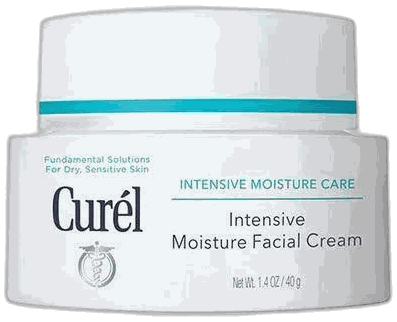
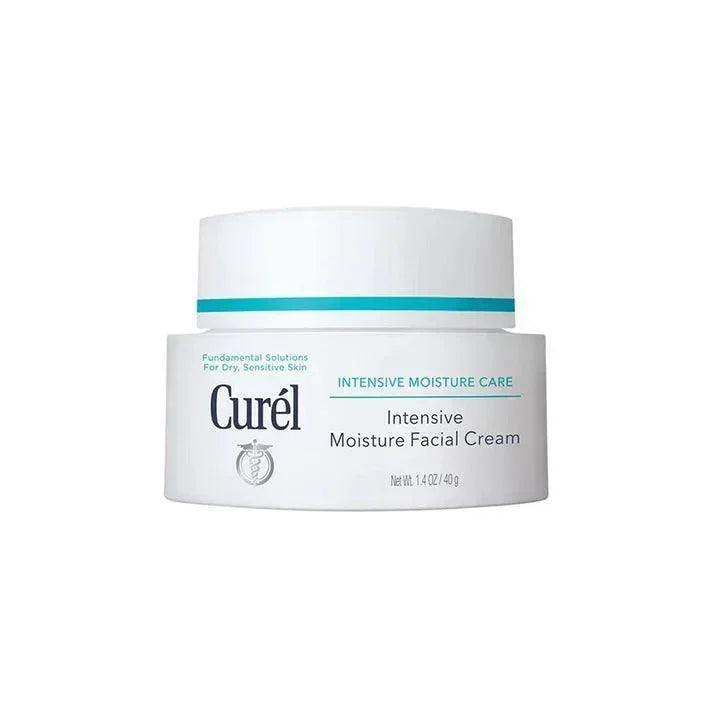
Curel Intensive Moisture Facial Cream
This is the one most people are looking for. Curel Intensive Moisture Facial Cream is Kao’s flagship ceramide moisturizer and one of the most recommended products for barrier repair in the Japanese skincare space.
The formula uses Kao’s proprietary pseudo ceramide alongside eucalyptus extract and squalane. No fragrance, no alcohol, no colorants. The texture is a lightweight cream that absorbs quickly without leaving a heavy film.
It works well for sensitive, dry, or barrier compromised skin. People with oily or combination skin may find it slightly rich for daytime use but fine as a night moisturizer. If your barrier is actively damaged (from retinol, over exfoliation, or harsh weather), this is one of the safest and most effective options.
For a full breakdown of Curel’s product line and how the brand approaches sensitive skin, see the Curel brand guide. If you’re deciding between Curel and Hada Labo’s hydration focused approach, our Curel vs Hada Labo comparison breaks down when ceramides matter more than hyaluronic acid. And for a broader look at building a routine for reactive skin, see our Japanese skincare for sensitive skin guide.
Curel
6 retailersSee retailers →
Meishoku Ceracolla Perfect Gel
Meishoku Ceracolla Perfect Gel is a lighter alternative that works especially well for oily or combination skin. It’s an all in one gel moisturizer with ceramides 1, 3, and 6-II plus cholesterol, which together mimic the skin barrier’s natural lipid ratio.
The ingredient list is deliberately minimal. No silicones, no oils, no niacinamide, no fragrance. That simplicity makes it a good option during barrier repair when you want to minimize potential irritants. The gel texture absorbs fast and layers well under sunscreen.
The tradeoff: it’s not rich enough for very dry skin or harsh winter conditions. If you need more moisture, it works better as a hydrating layer underneath a heavier cream.
Meishoku
1 retailerSee retailers →
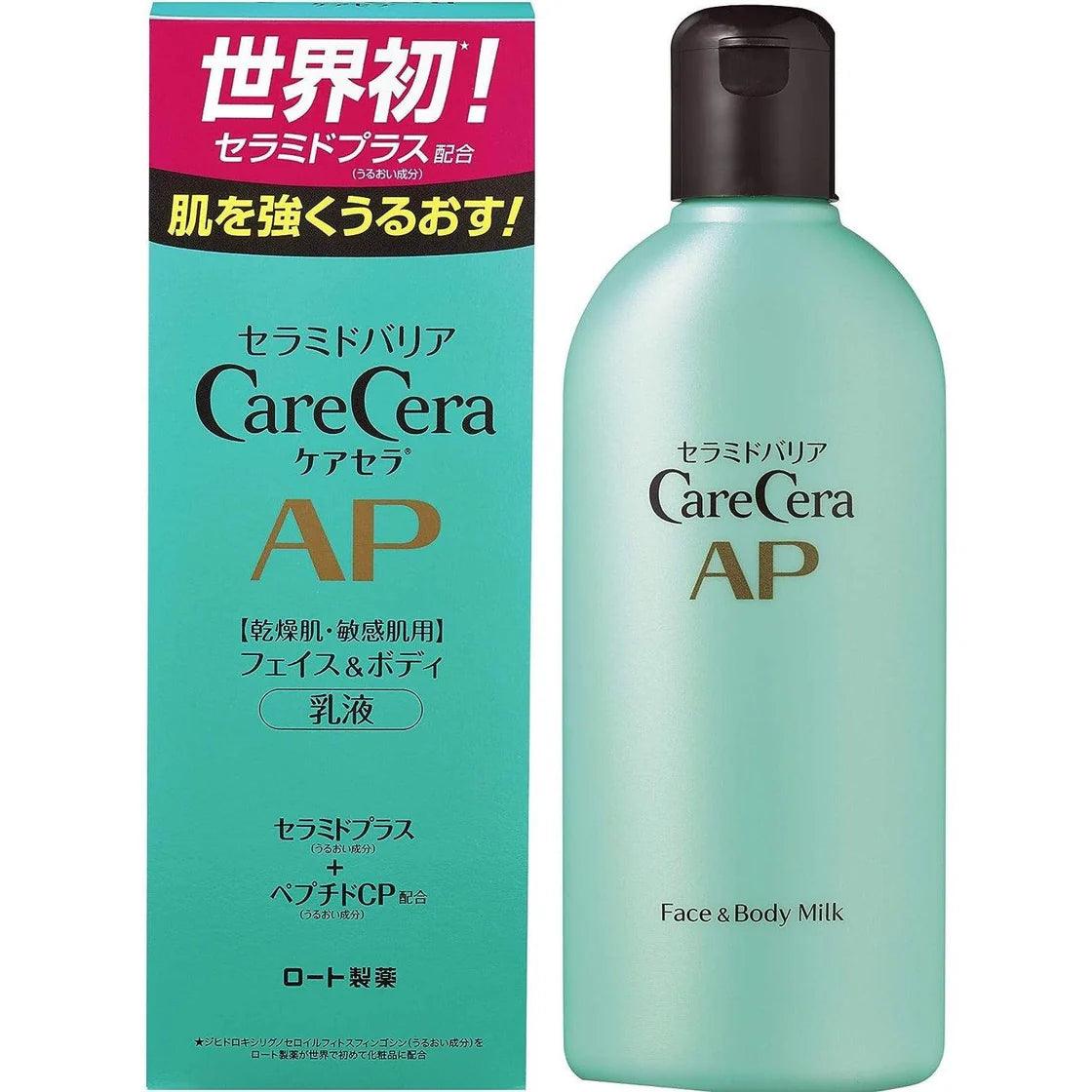
CareCera AP Face and Body Cream
AP Moisturizing Ceramide Milk For Face & Body comes from Rohto’s CareCera line, which was developed for very dry and eczema prone skin. It contains seven types of ceramides (a longer list than almost any other Japanese product) plus shea butter and petroleum jelly for occlusion.
This one is heavier than Curel or Ceracolla, making it a better pick if you need serious moisture. It’s popular in Japanese pharmacies as a winter skin rescue product. The face and body versatility also means better value since you’re not buying separate products.
CareCera
0 retailersSee retailers →
Best Japanese Ceramide Toner and Lotion
In Japanese skincare, “lotion” typically means a hydrating toner, not a moisturizer. These ceramide lotions go on after cleansing to hydrate and prep the skin before your moisturizer.
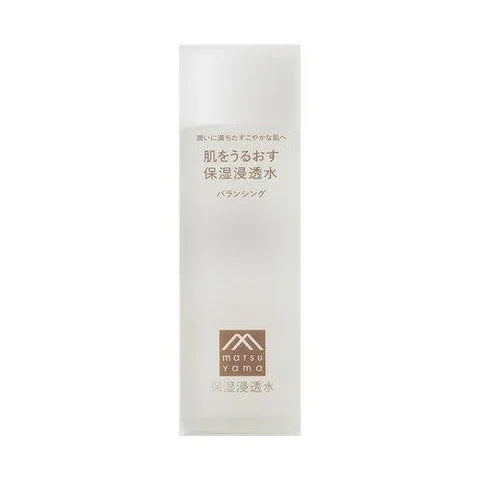
Matsuyama Hadauru Moisturizing Infusion
Matsuyama is a smaller Japanese brand that doesn’t get as much international attention as Curel or Hada Labo, but the Hadauru line is one of the best ceramide toner ranges available. The formulas use human type ceramides (ceramides that match the structure of ceramides naturally found in skin) in a soy derived lipid complex.
The Hadauru Moisturizing Infusion Balancing Lotion is the lighter version, good for normal to combination skin. The Hadauru Moisturizing Infusion Moist Rich Lotion is thicker and better for dry skin. Both are fragrance free, alcohol free, and have short, clean ingredient lists.
Matsuyama products can be harder to find outside Japan compared to bigger brands, but they’re available through Japanese import retailers.
Matsuyama
0 retailersSee retailers →
Cezanne Skin Conditioner High Moist
Cezanne Skin Conditioner High Moist is a budget ceramide toner that delivers genuinely good hydration for the price. It contains ceramide AP, ceramide NP, and ceramide EOP alongside hyaluronic acid and collagen.
The 500ml bottle lasts months. Some people use it as a body toner for eczema prone areas, which is a practical use case for a product this affordable. The texture is slightly viscous but absorbs cleanly.
One note: it contains parabens as preservatives, which some people prefer to avoid. If that’s a concern, Matsuyama Hadauru is a preservative gentler alternative in the same category.
Cezanne
2 retailersSee retailers →
Kikumasamune Sake Lotion High Moist
Kiku-Masamune Sake Brewing Skin Care Lotion High Moist is primarily known as a sake ferment toner, but it also contains ceramides (ceramide 3 and ceramide 6-II). The 500ml bottle at a budget price makes it one of the most cost effective ways to add ceramides to a routine.
The fermented sake filtrate (Japanese sake) provides amino acids alongside arbutin for brightening and ceramide barrier support. It has a distinctive sake scent that fades quickly but might bother fragrance sensitive users.
Like the Cezanne, this doubles well as a body toner. Many r/AsianBeauty users apply it generously on arms and legs after showering.

Kiku-Masamune
6 retailersSee retailers →
Curel Moisture Facial Lotion Enrich
Curel Moisture Facial Lotion Enrich is the richer version of Curel’s hydrating toner. It contains the same pseudo ceramide as their moisturizer in a lightweight, milky lotion texture. Fragrance free, alcohol free, designed for dry and sensitive skin.
This is a good option if you want to keep your entire routine within the Curel system. Layering this under the Intensive Moisture Cream gives you pseudo ceramides at two steps.
Curel
0 retailersSee retailers →
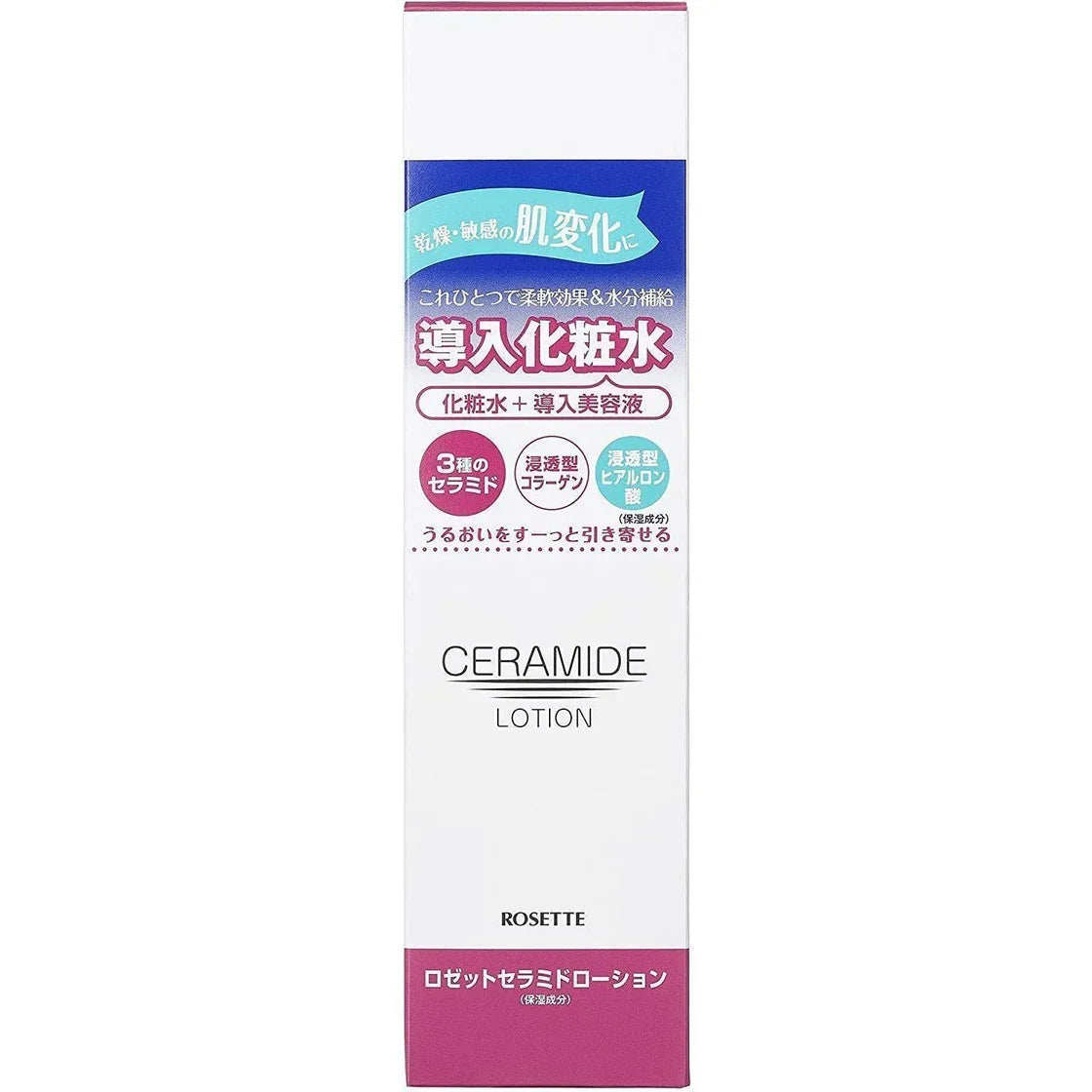
Rosette Ceramide Lotion
Ceramide Lotion Hypoallergenic Ceramide Moisturizer from Rosette is another budget ceramide toner worth knowing about. It uses ceramides 1, 3, and 6-II in a fragrance free, hypoallergenic formula. The 200ml bottle is small compared to Cezanne or Kikumasamune, but the ceramide concentration is higher.
Rosette is a heritage Japanese brand (founded in 1929) that doesn’t market heavily outside Japan. This lotion is a pharmacy staple and a common recommendation in Japanese skincare communities.
Rosette
0 retailersSee retailers →
Best Japanese Ceramide Serum
Tunemakers Ceramide 200
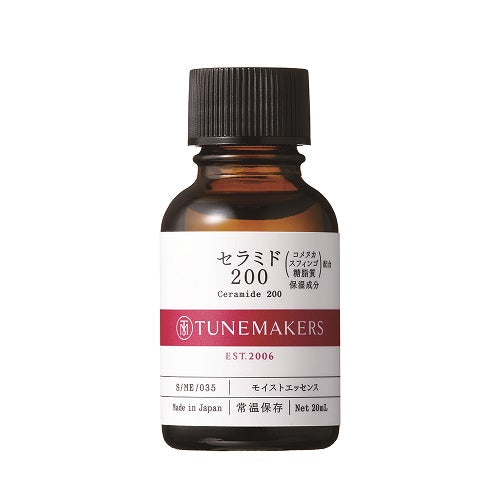
TUNEMAKERS Ceramide 200 is a concentrated ceramide essence from a Japanese brand that specializes in single ingredient serums. The “200” refers to the ceramide concentration, which Tunemakers claims is 200% of their standard formula.
It’s a thin, almost water like liquid that you can add to any routine as a ceramide boost. Some people mix it with their existing moisturizer. The minimal formula (the first ingredient is ceramide) makes it versatile and unlikely to conflict with other products.
This works well as a targeted treatment during barrier repair or as a daily ceramide supplement for maintenance. It’s especially useful if you already have a moisturizer you like but want to add ceramides to your routine without switching products.
Tunemakers
1 retailerSee retailers →
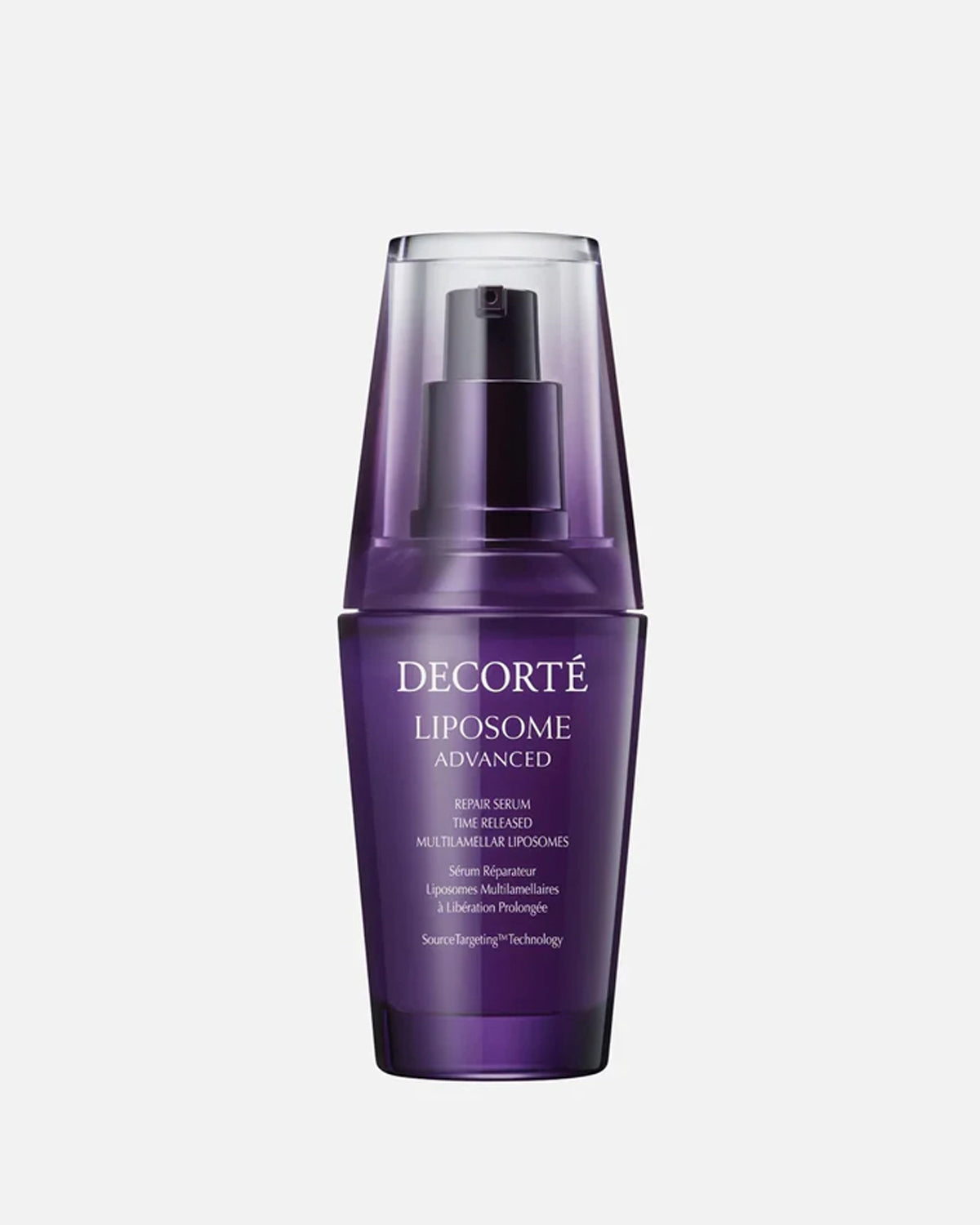
Decorté Liposome Advanced Repair Serum
Decorté Liposome Advanced Repair Serum sits at the luxury end of the spectrum. Decorté’s liposome technology encapsulates ingredients (including ceramides) in multi layered microspheres that release gradually as they penetrate the skin.
The serum contains a complex of repair ingredients beyond ceramides, including squalane and various plant extracts. The texture is lightweight and absorbs instantly. It’s designed as a first step after cleansing, before toner.
The price is significantly higher than everything else on this list. Whether the liposome delivery system justifies the cost is debatable, but the product has a devoted following in Japan and consistently ranks in @cosme beauty awards.
Decorté
8 retailersSee retailers →
Muji Fermented Rice Bran Booster Serum
Muji Fermented Rice Bran Booster Serum combines rice bran ferment with ceramides in a booster format designed to layer under other products. Muji’s skincare line is affordable and stripped down, and this serum follows that philosophy.
The fermented rice bran provides additional hydrating and brightening benefits alongside the ceramide barrier support. It’s fragrance free and alcohol free. A good entry point if you want to try adding a ceramide serum without a major investment.

Muji
1 retailerSee retailers →
Best Budget Japanese Ceramide Products
All the products below are available for under $15 (and several for under $10), making ceramide barrier care accessible at any budget.
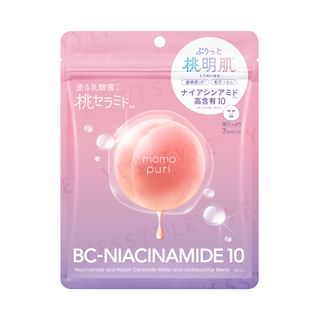
BCL Momo Puri Ceramide Water
BCL Momo Puri Niacinamide & Peach Ceramide Water is a hydrating toner from BCL’s Momo Puri line. It combines ceramides with niacinamide and peach extract in a lightweight, watery formula. The peach fragrance is light and pleasant, though it does mean this isn’t a fragrance free option.
At the budget price point, it’s a good way to add ceramides to a routine without commitment. The niacinamide adds pore refining and brightening benefits.
BCL
1 retailerSee retailers →
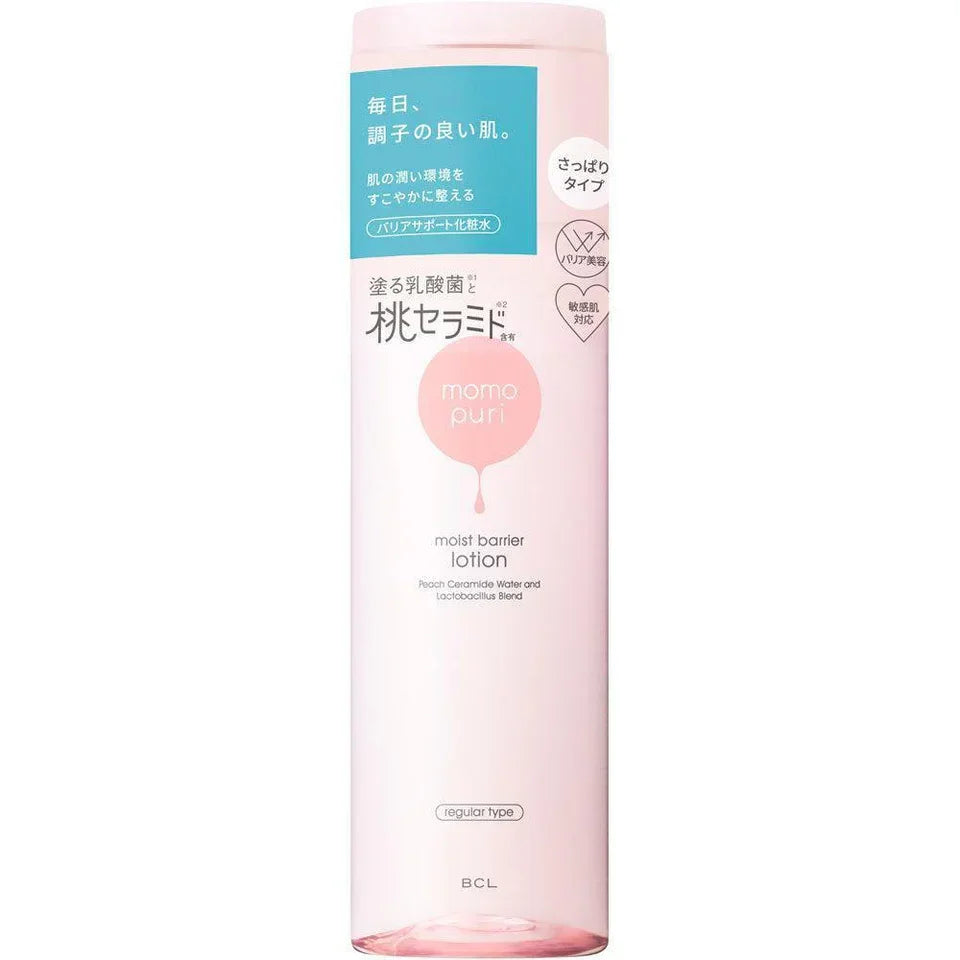
Momo Puri Peach Ceramide Barrier Light Lotion
Peach Ceramide Moisturizer Barrier Light Lotion - 200ml is the lightweight moisturizer companion to the ceramide water above. It’s a milky lotion texture that absorbs fast and works well for oily or combination skin types that find cream moisturizers too heavy.
The focus is barrier support through ceramides in a format that won’t feel greasy or clog pores. Like the toner, it has a subtle peach scent.
Momo Puri
0 retailersSee retailers →
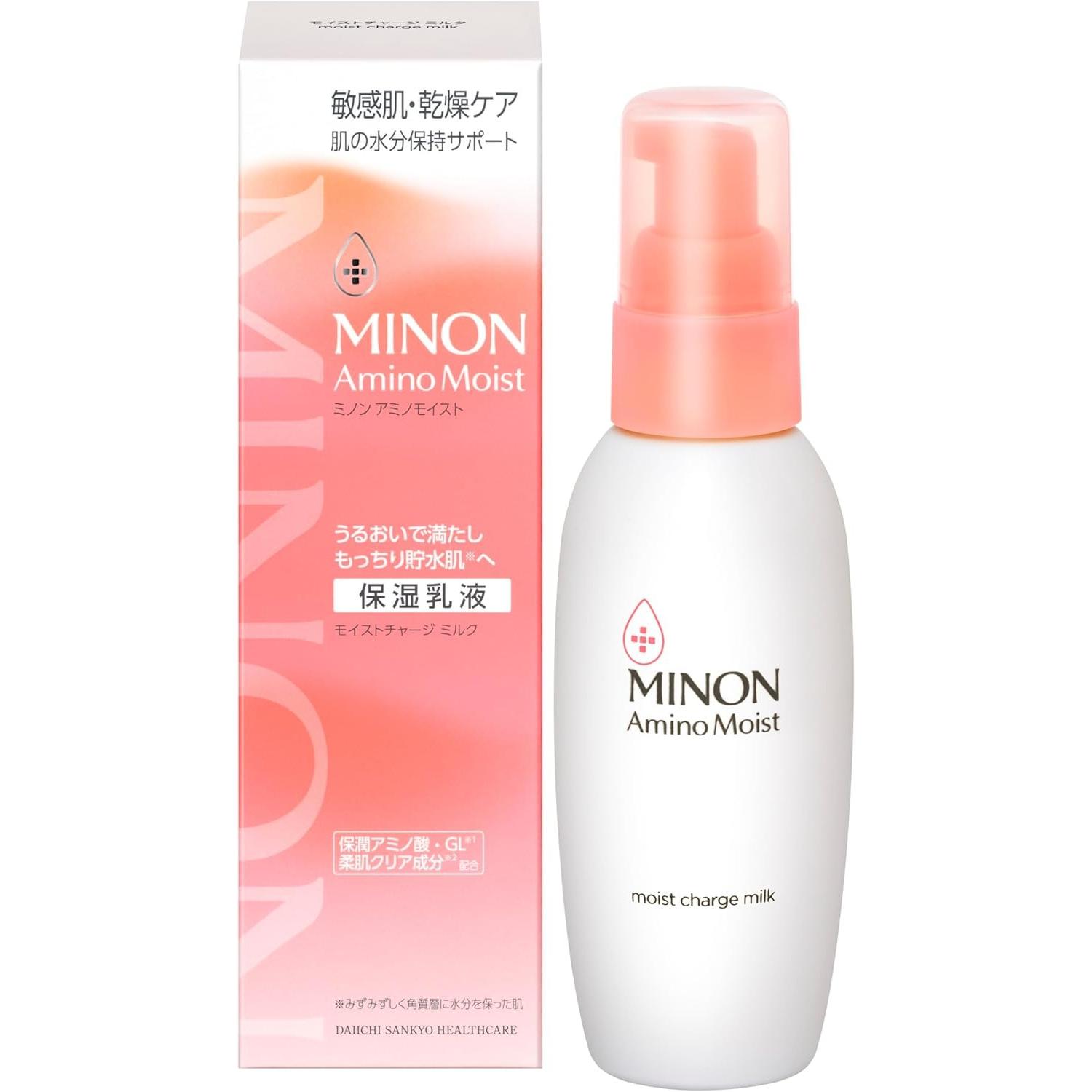
Minon Amino Moist Charge Milk
Minon Amino Moist Charge Milk comes from Daiichi Sankyo Healthcare (a pharmaceutical company) and uses amino acids plus pseudo ceramides for barrier support. Minon is one of Japan’s most trusted sensitive skin brands, though it’s less well known internationally than Curel.
The “charge milk” is a lightweight moisturizing emulsion that absorbs quickly. The amino acid complex helps with hydration retention while the pseudo ceramides support barrier function. Fragrance free, alcohol free, paraben free.
Minon
1 retailerSee retailers →
Curel vs CeraVe: Quick Comparison
Since CeraVe is the ceramide benchmark most consumers know, here’s how it stacks up against Curel at a glance.
Ceramide type. CeraVe uses three natural ceramides (1, 3, 6-II). Curel uses one synthetic pseudo ceramide designed for deeper penetration.
Texture. CeraVe runs heavier and more occlusive. Curel runs lighter, absorbs faster, and feels less greasy.
Added ingredients. CeraVe includes hyaluronic acid in most formulas. Curel uses eucalyptus extract as an anti inflammatory.
Skin type fit. CeraVe’s richness suits dry skin. Curel’s lightweight feel works better for oily, combination, and humid climate use.
Philosophy. CeraVe focuses on a moisture barrier seal. Curel focuses on ceramide integration, helping the skin rebuild its own barrier rather than just coating it.
For a deeper dive, see Curel vs CeraVe: Japanese Ceramides vs American Ceramides.
How to Build a Ceramide Routine
A ceramide focused routine doesn’t need to be complicated. Most people benefit from ceramides at one or two steps.
Minimal approach. Use a ceramide moisturizer (Curel Intensive Moisture Cream or Meishoku Ceracolla) as your primary moisturizer. This alone provides meaningful barrier support.
Layered approach. Start with a ceramide toner (Matsuyama Hadauru or Cezanne High Moist), then apply a ceramide serum (Tunemakers Ceramide 200) if your barrier needs extra support, and finish with your moisturizer.
During active barrier repair. Simplify your routine completely. Drop all actives (vitamin C, retinol, AHAs, BHAs). Use a gentle cleanser, a ceramide toner, and a ceramide moisturizer. Nothing else until your skin stabilizes. For more guidance on repairing a damaged barrier, see Japanese Skincare for Barrier Repair.
Pairing with actives. Once your barrier is healthy, ceramide products work well alongside retinol (apply ceramide moisturizer after retinol to buffer irritation) and exfoliating acids (use ceramide products on the mornings after nighttime acid use). The ceramides help offset the barrier disruption that actives can cause.
FAQ
Are pseudo ceramides as effective as natural ceramides?
Research suggests they can be. Kao’s pseudo ceramide (cetyl PG hydroxyethyl palmitamide) has been studied in clinical trials and shown to improve skin barrier function and reduce transepidermal water loss. The “synthetic vs natural” framing is misleading because natural ceramides in skincare products are also lab synthesized. The question is whether the molecule integrates well with the skin barrier, and Kao’s research indicates their pseudo ceramide does.
Can you use too many ceramide products at once?
Not really. Ceramides are a natural component of your skin, so layering multiple ceramide products (toner + serum + moisturizer) is unlikely to cause problems. The risk is more about the other ingredients in those products causing sensitivity or congestion. If you’re layering three different ceramide products and experiencing breakouts, try each one individually to identify which formula your skin disagrees with.
How long does it take for ceramide products to repair a damaged barrier?
Most people notice improvement within two to four weeks of consistent use. Full barrier recovery typically takes four to eight weeks depending on the severity of the damage and whether the cause has been removed. Using ceramide products while still over exfoliating or using irritating actives won’t fix the problem.
What’s the difference between Japanese and Korean ceramide products?
Korean ceramide products (like those from COSRX or Illiyoon) often use similar ceramide complexes to Western brands (ceramides 1, 3, 6-II). Japanese brands are more likely to use proprietary ceramide technology, like Kao’s pseudo ceramide or Matsuyama’s soy derived ceramide complex. Both approaches work. The bigger difference is usually texture and formulation philosophy rather than ceramide effectiveness.
Do I need ceramides if I already use hyaluronic acid?
They do different things. Hyaluronic acid attracts and holds water in the skin. Ceramides reinforce the barrier that prevents that water from escaping. Using both together (hyaluronic acid for hydration, ceramides for barrier strength) is more effective than either alone for dry or dehydrated skin.