Japanese beauty explained
Japanese Skincare Without Niacinamide: A Complete Guide for Sensitive Skin
If niacinamide makes your skin flush, sting, or break out, you already know the frustration. It shows up in nearly everything: serums, moisturizers, sunscreens, even cleansers. Korean skincare brands use it heavily (often as a 2% brightening booster), and Western brands have jumped on the trend too. Finding products without it can feel like an ingredient scavenger hunt.
Japanese skincare is different. Most Japanese drugstore and mid range brands simply don’t use niacinamide as a default ingredient. Where Korean formulations lean on niacinamide for brightening, Japanese brands typically reach for arbutin, tranexamic acid, or fermented ingredients instead. That makes Japan’s skincare landscape one of the easiest places to shop if you’re avoiding niacinamide.
This guide covers why niacinamide causes reactions for some people, why Japanese products tend to skip it, and specific product recommendations across every skincare category. If you’re also looking for broader sensitive skin options, see our Japanese skincare for sensitive skin guide.
Why Niacinamide Causes Reactions
Niacinamide (vitamin B3) is well tolerated by most people, and the research generally supports that. But “most” is not “all,” and the reactions are real.
The main culprit behind niacinamide flushing is a chemistry issue: niacinamide can convert into nicotinic acid (niacin) under certain conditions, particularly in low pH environments or unstable formulations. Nicotinic acid triggers prostaglandin release, which causes blood vessels near the skin’s surface to dilate. That shows up as redness, warmth, and sometimes stinging.
This is why two different niacinamide products can behave completely differently on your skin. The concentration matters (products with 5% or higher are more likely to cause issues), but so does the formula’s pH, the vehicle (gels and lightweight serums can be more reactive than creams), and even how the product was stored.
People with compromised skin barriers, rosacea, or generally reactive skin tend to report the most issues. If you’ve tried multiple niacinamide products and consistently react, it’s worth removing it from your routine entirely rather than searching for a “tolerable” concentration.
Why Japanese Products Tend to Skip Niacinamide
This isn’t random. There are a few reasons Japanese skincare formulations differ from Korean and Western ones:
Different brightening traditions. Japan’s cosmetics industry developed its own approaches to brightening long before niacinamide became a global trend. Arbutin (which inhibits tyrosinase to reduce melanin production) and tranexamic acid (which inhibits plasmin activity to suppress signals that trigger melanin production) are the go to active ingredients in Japanese brightening products. These have decades of use in Japanese formulations and are deeply embedded in the industry’s approach.
Regulatory framework. Japan’s “quasi drug” (医薬部外品) system requires brands to register specific active ingredients for specific claims. Niacinamide is approved as a quasi drug active in Japan, but arbutin and tranexamic acid were established in that system earlier and more widely. Brands formulate around what they know works within their regulatory pathway.
Formulation philosophy. Japanese skincare tends toward minimal, functional ingredient lists. There’s less tendency to add trending ingredients for marketing purposes. If a product’s goal is hydration, it focuses on hydrating ingredients. If it’s brightening, it uses the brand’s established brightening actives. Niacinamide as a “does everything” additive is more of a Korean and Western skincare pattern.
One important exception: some Japanese brands do use niacinamide. SK-II is the most notable, as niacinamide is a key ingredient in several SK-II products. Some medicated (quasi drug) brightening lines from brands like Kanebo, Twany, and DEW also include it. Always check ingredient lists, even with Japanese products.
Best Niacinamide Free Japanese Cleansers
Japanese cleansers are almost universally niacinamide free, which makes this the easiest category.
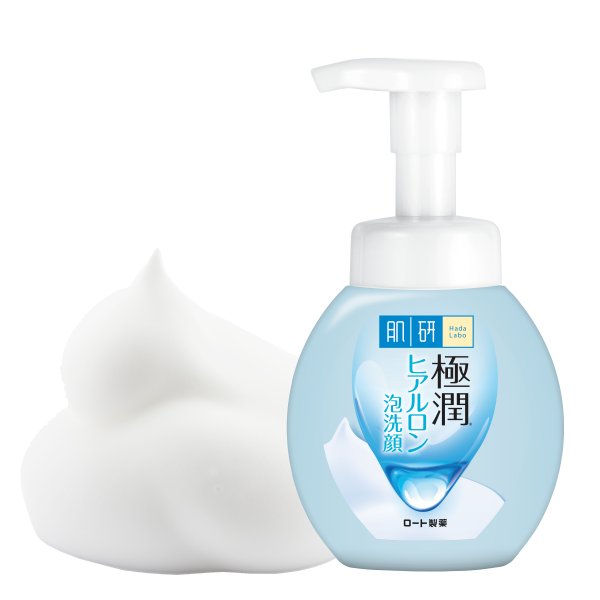
Hada Labo Gokujyun Hyaluronic Acid Foaming Cleanser is the most popular option. It’s a low pH foaming cleanser built around hyaluronic acid, so it cleans without stripping. The foaming pump format means you get a gentle lather without having to work up foam yourself.
Hada Labo
7 retailersSee retailers →
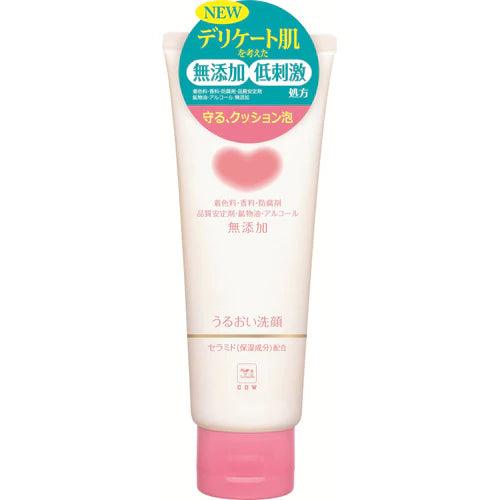
Cow Brand Foaming Cleanser is the budget pick. Cow Brand’s entire line is built around simplicity: no fragrance, no colorants, no niacinamide. The foaming face wash is gentle enough for daily use on reactive skin.
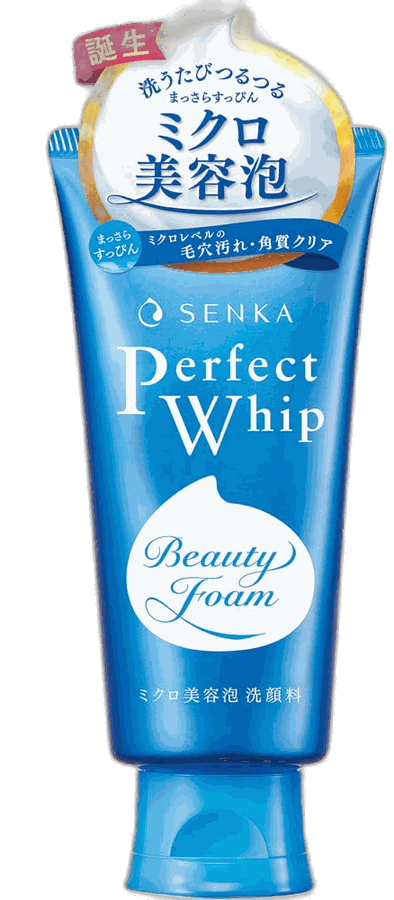
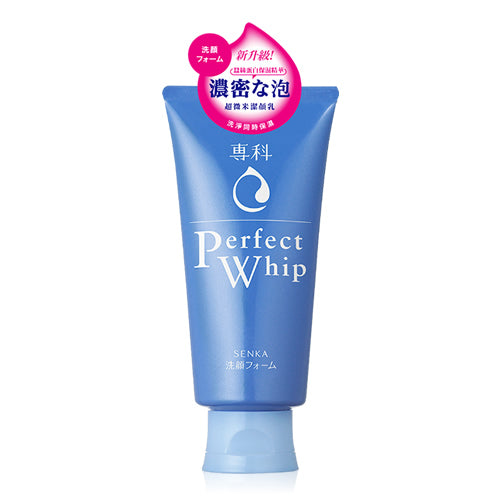
Senka Perfect Whip is a classic Japanese drugstore cleanser. It’s a denser, creamier foam and a bit more thorough at removing sunscreen residue. Some sensitive skin types find it slightly stripping, so it works better for normal to oily skin.
For oil cleansing as a first step, DHC Deep Cleansing Oil and Kose Softymo Speedy Cleansing Oil are both niacinamide free. DHC’s formula is olive oil based and very gentle. Kose Softymo rinses off faster, which makes it better for a quick double cleanse.


Best Niacinamide Free Japanese Toners
Japanese “lotions” (toners) are where the country’s skincare stands out for niacinamide sensitive skin. These hydrating toners are designed to be applied in layers for deep moisture, and the major ones all skip niacinamide.
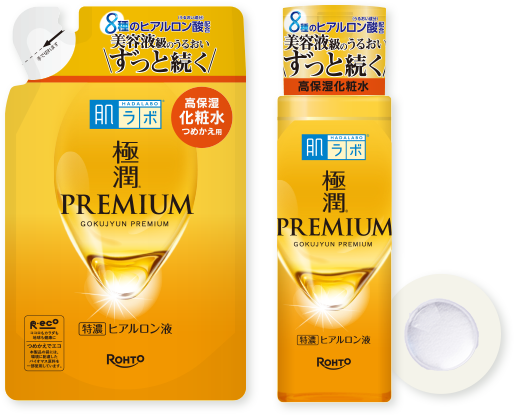
Hada Labo Gokujyun Premium Lotion is the gold standard. Multiple types of hyaluronic acid in a simple formula that layers beautifully. The premium version is thicker and more viscous than the original, which makes it better for dry skin. The original Hada Labo Gokujyun Hyaluronic Lotion Moist is lighter if you prefer something more watery. For a deeper comparison of these variants, see our Hada Labo Premium vs Moist vs Light guide.
Hada Labo
11 retailersSee retailers →
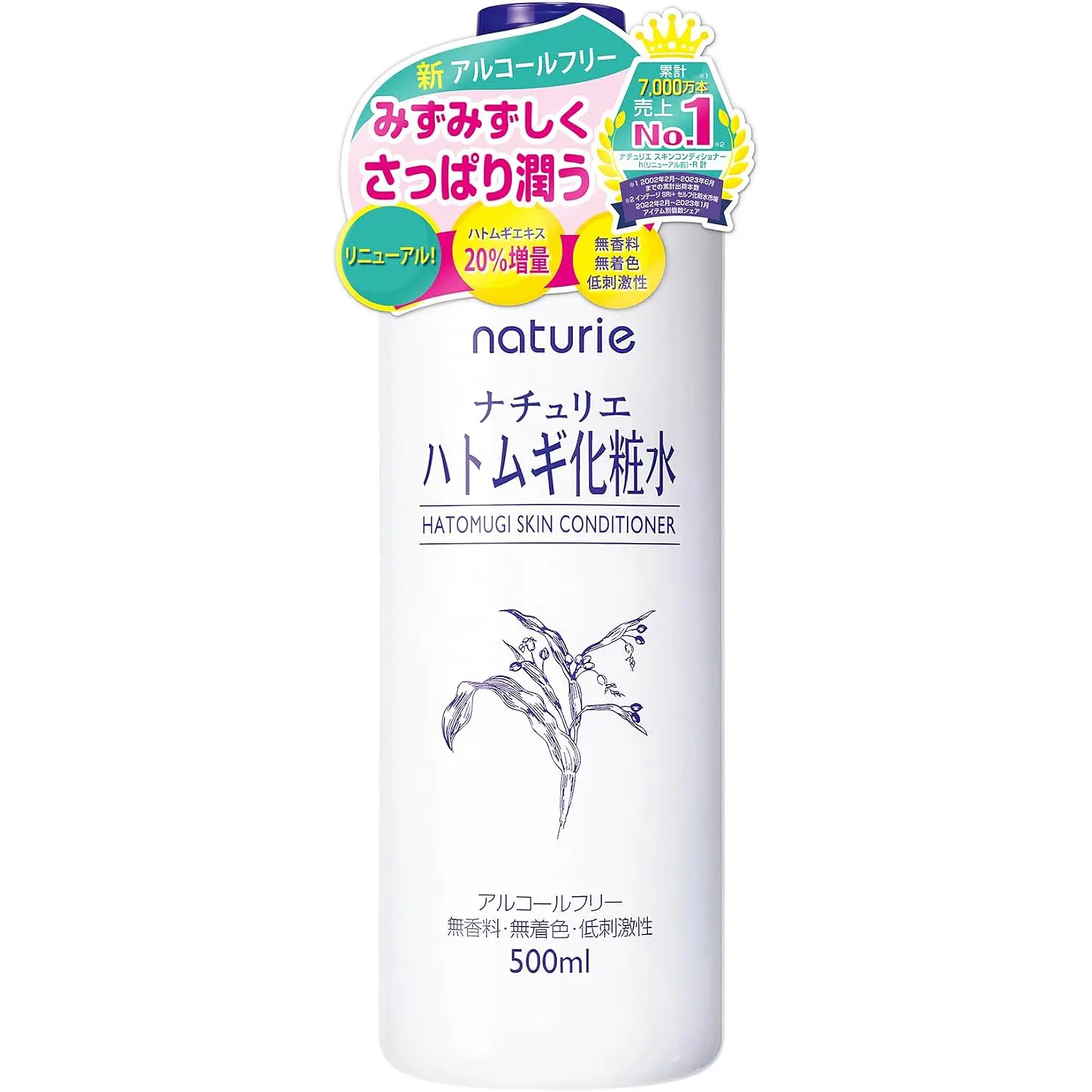
Naturie Hatomugi Skin Conditioner is the high-volume budget option. You get 500ml for a fraction of what most toners cost. Hatomugi (Job’s tears) extract is the star ingredient. It’s lightweight, layers well, and people use it for everything from face to body to cotton mask soaking. No niacinamide, no fuss.
Kikumasamune Sake Brewing Skin Care Lotion High Moist is another large-format toner (500ml) that uses fermented sake and arbutin for brightening instead of niacinamide. It has a slight sake scent that fades quickly. The fermented rice filtrate gives it a smoother feel than typical hydrating toners.
For sensitive skin specifically, Curel Moisture Facial Lotion Enrich takes a different approach with a ceramide-focused formula designed to support barrier repair. It’s fragrance-free, niacinamide free, and designed for skin that reacts to almost everything.
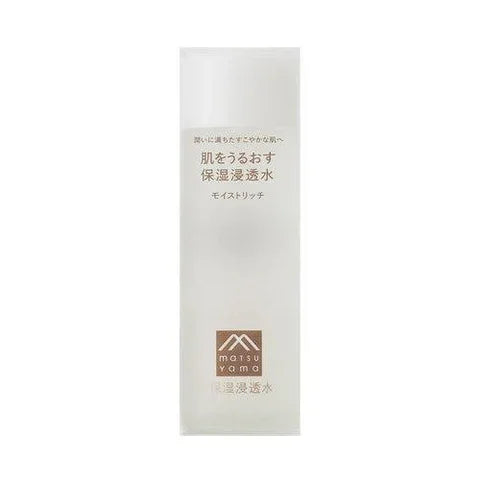
Matsuyama Hadauru Moisturizing Infusion Moist Rich Lotion is worth knowing about if you prefer clean, minimal ingredient lists. Matsuyama uses ceramides and soy-derived ingredients with no niacinamide, no fragrance, and no alcohol.

Best Niacinamide Free Japanese Moisturizers
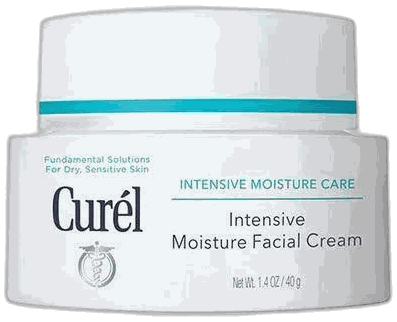
Curel Intensive Moisture Facial Cream is the top recommendation for reactive skin. Curel’s entire line is built around synthetic ceramides that support barrier function without common irritants. No niacinamide, no fragrance, no alcohol. It’s a medium weight cream that works across seasons. For a full look at the Curel lineup, see our Curel guide.
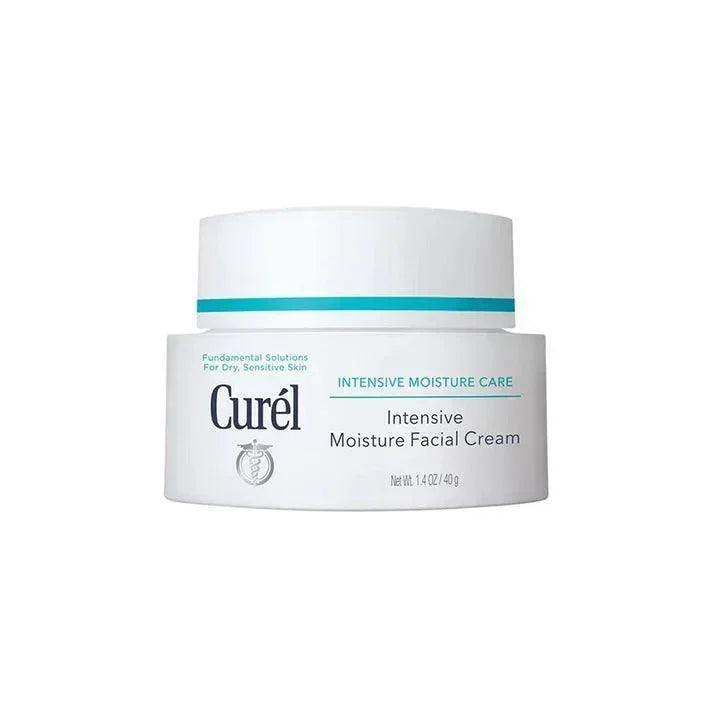
Curel
6 retailersSee retailers →
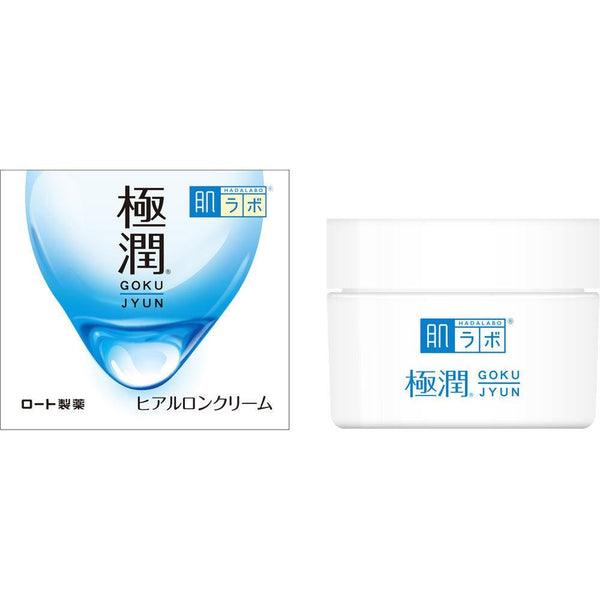
Hada Labo Gokujyun Hyaluronic Acid Cream keeps things simple: hyaluronic acid in a straightforward cream formula. It’s lighter than the Curel cream and works well as a final hydrating step over toner layers.
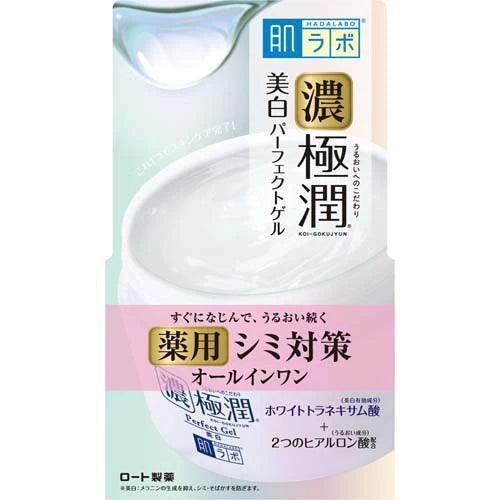
Hada Labo Gokujyun Perfect Gel is an all in one option that combines toner, essence, and moisturizer into a single gel. It’s popular with people who want a shorter routine. The gel texture absorbs quickly and doesn’t feel heavy.
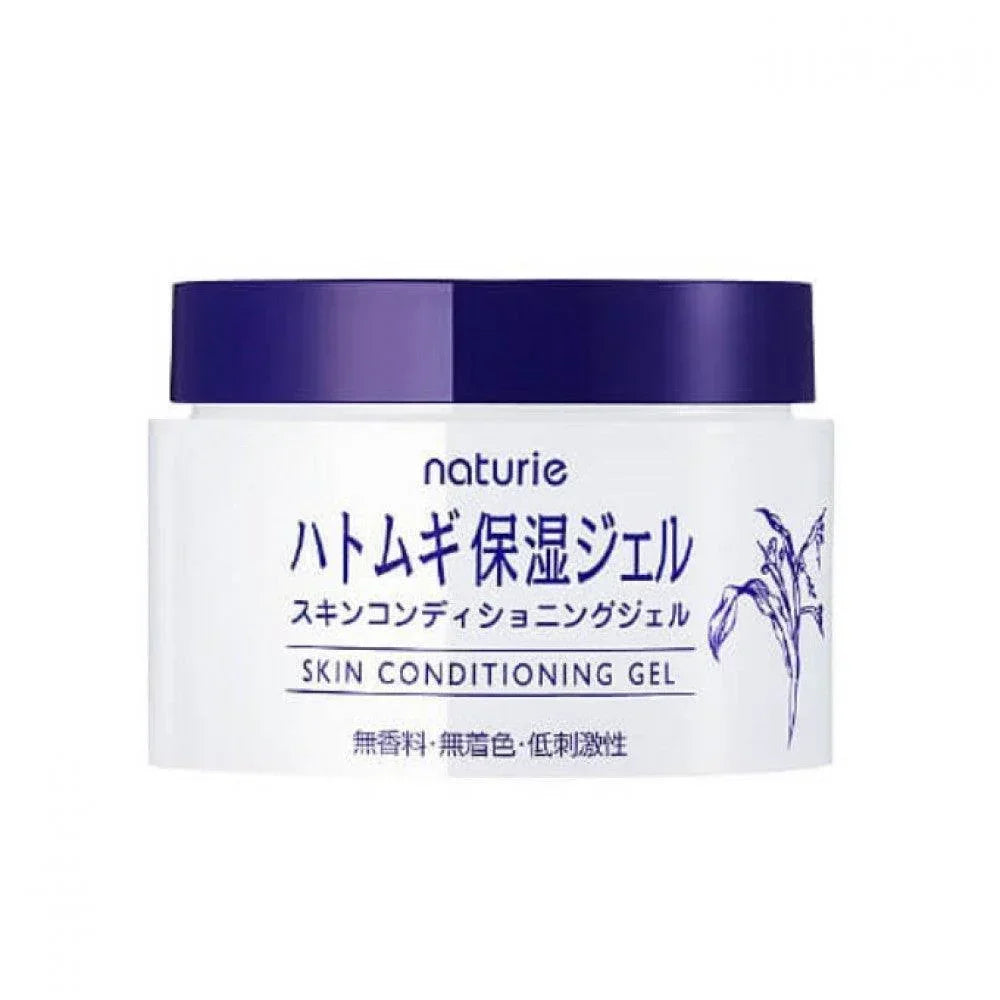
Naturie Hatomugi Skin Conditioning Gel is the ultra-budget moisturizer. It’s a lightweight gel that pairs well with the Hatomugi toner. Best for oily or combination skin, since it may not be hydrating enough for dry skin on its own.
MUJI Sensitive Skin Moisturizing Milk is a light, milky moisturizer that works well under sunscreen. MUJI’s sensitive skin line is niacinamide free across the board, making it a safe bet for reactive skin types.
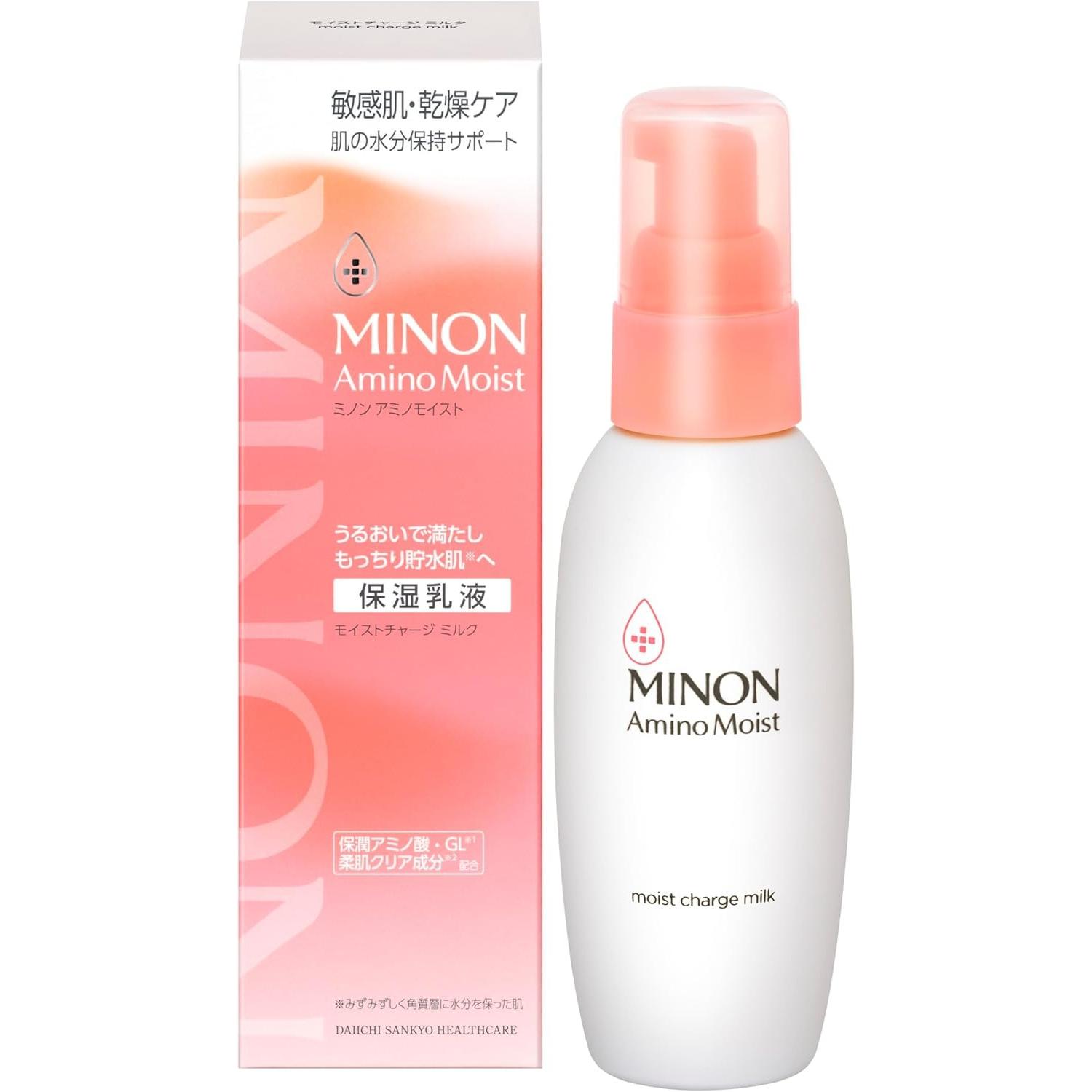
Minon Amino Moist Charge Milk uses amino acids as its hydrating base, which is a different approach from the ceramide or hyaluronic acid formulas above. It’s rich but absorbs well, and the amino acid focus means it supports barrier repair without relying on ingredients that commonly cause reactions.
Best Niacinamide Free Japanese Sunscreens
This is where Japanese skincare’s niacinamide free advantage is most obvious. Korean sunscreens almost always include niacinamide. Japanese ones almost never do.
Skin Aqua UV Super Moisture Gel SPF50+/PA++++ is one of the most popular Japanese sunscreens worldwide, and for good reason. It’s lightweight, absorbs like a moisturizer, and leaves no white cast. Completely niacinamide free.

Skin Aqua
6 retailersSee retailers →
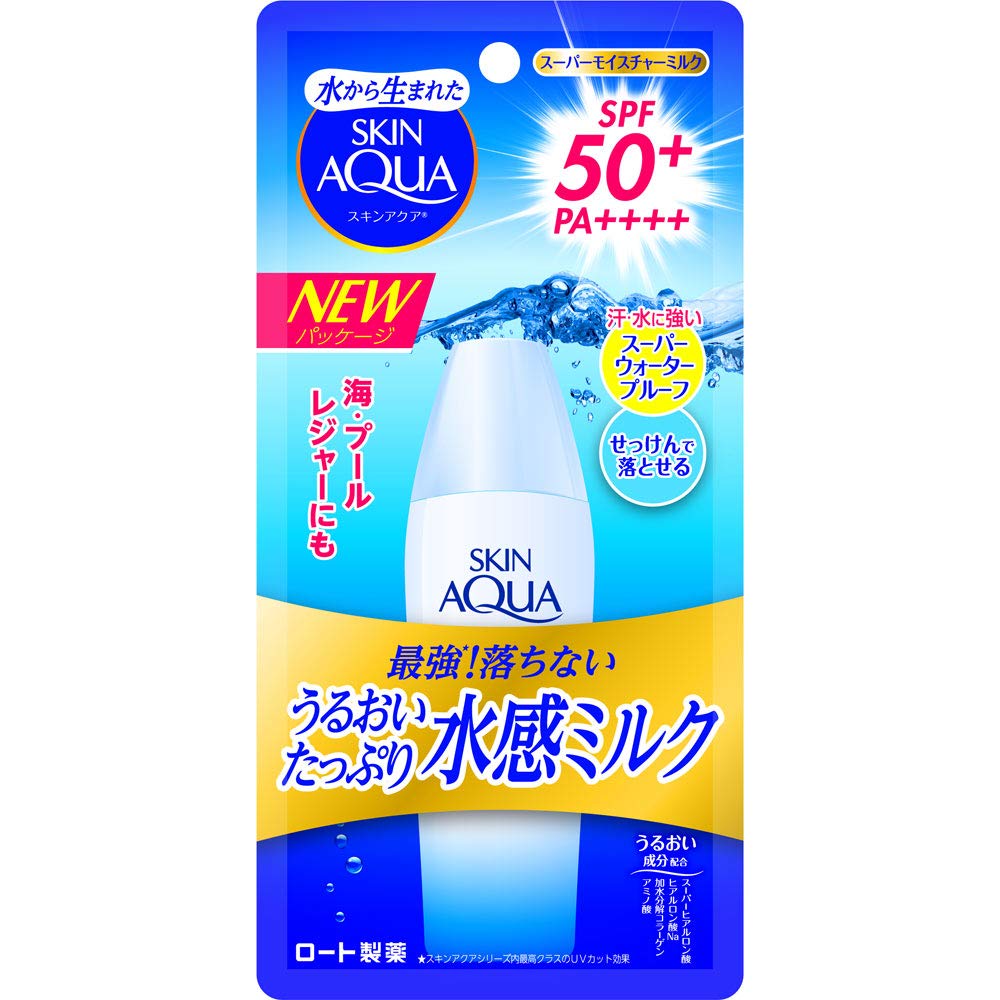
Skin Aqua UV Super Moisture Milk SPF50+/PA++++ is the water-resistant version from the same line. Better for outdoor activities or humid weather where you need staying power.
Biore UV Aqua Rich Watery Essence SPF50+/PA++++ (Japanese Version) is the classic. The Japanese version is niacinamide free (note: the US formulation may differ). It dries down quickly with an almost primer-like finish.
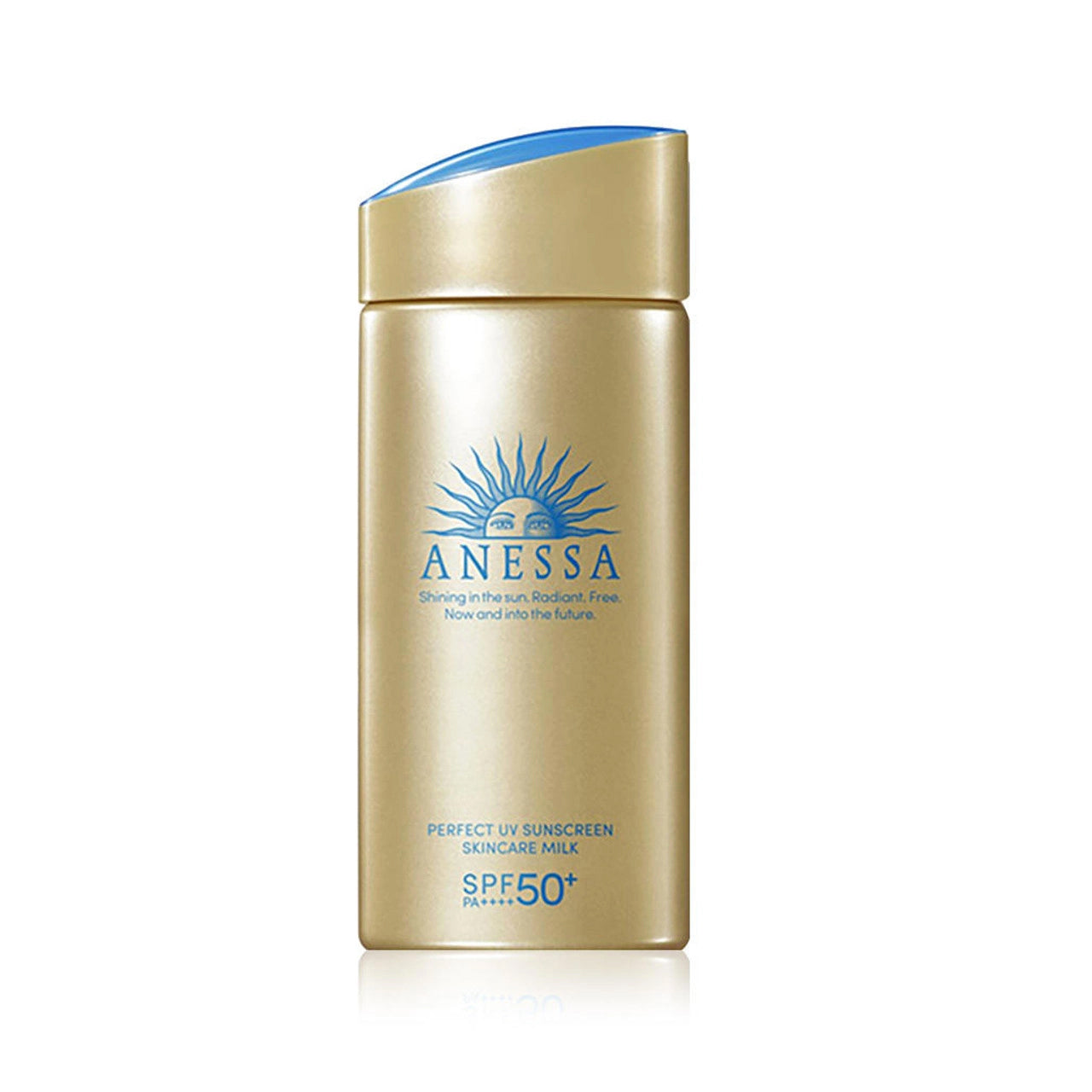
Anessa Perfect UV Sunscreen Skincare Milk SPF50+/PA++++ is the premium pick. Anessa’s heat-activated technology strengthens protection when you sweat or are exposed to heat. It’s more expensive than Skin Aqua or Biore but consistently ranks among the top sunscreens in Japan.
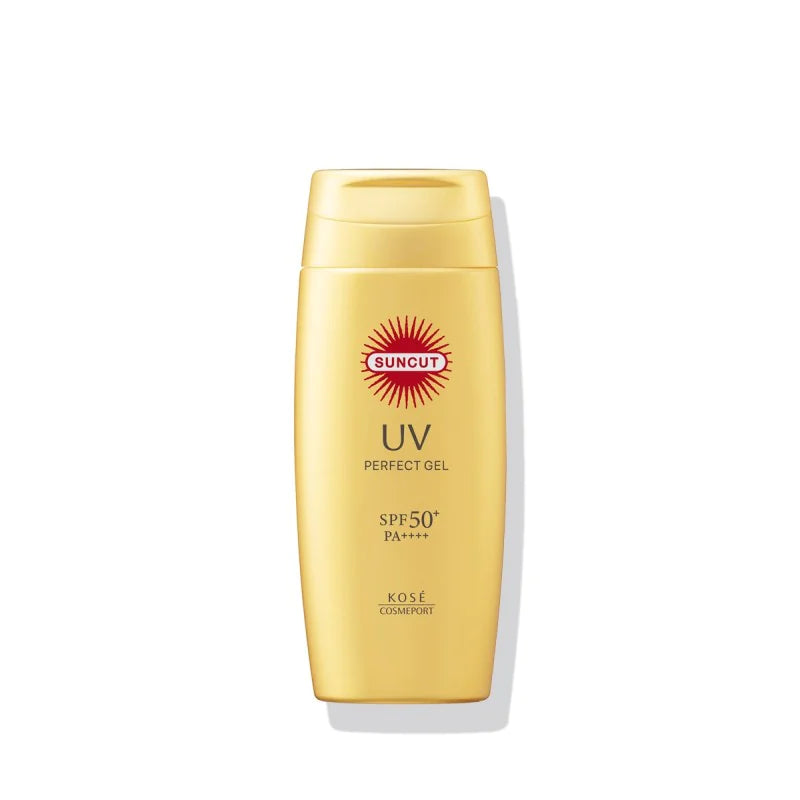
Kose Suncut Perfect UV Protect Gel SPF50+ is a generous, gel-type sunscreen that spreads easily over large areas. Good for face and body use. Niacinamide-free like most KOSE sun care products.
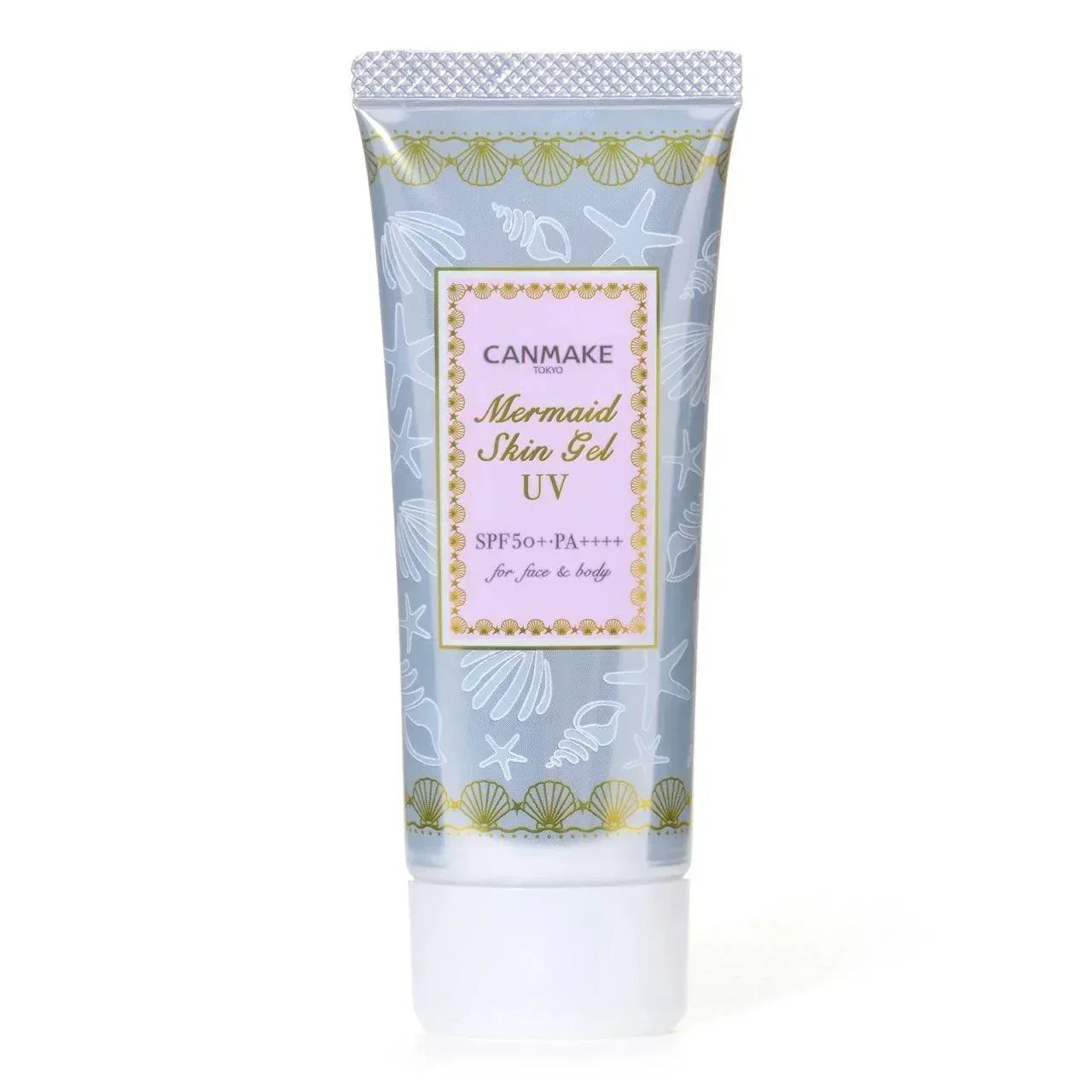
Canmake Mermaid Skin Gel UV SPF50+/PA++++ doubles as a primer with a dewy, hydrating finish. It’s a favorite among people who want sun protection that looks good under makeup.
For sensitive skin, Anessa Essence UV Sunscreen Mild Milk For Sensitive Skin SPF35 PA+++ and Minon UV Mild Milk SPF50+ PA++++ are both formulated for reactive skin. Lower irritation potential, no niacinamide, no fragrance.
For more sunscreen comparisons, see our best Japanese sunscreen roundup and Anessa vs Biore comparison.

Best Niacinamide Free Japanese Serums and Essences
If you’re looking for targeted treatments without niacinamide, Japanese brands offer several options.
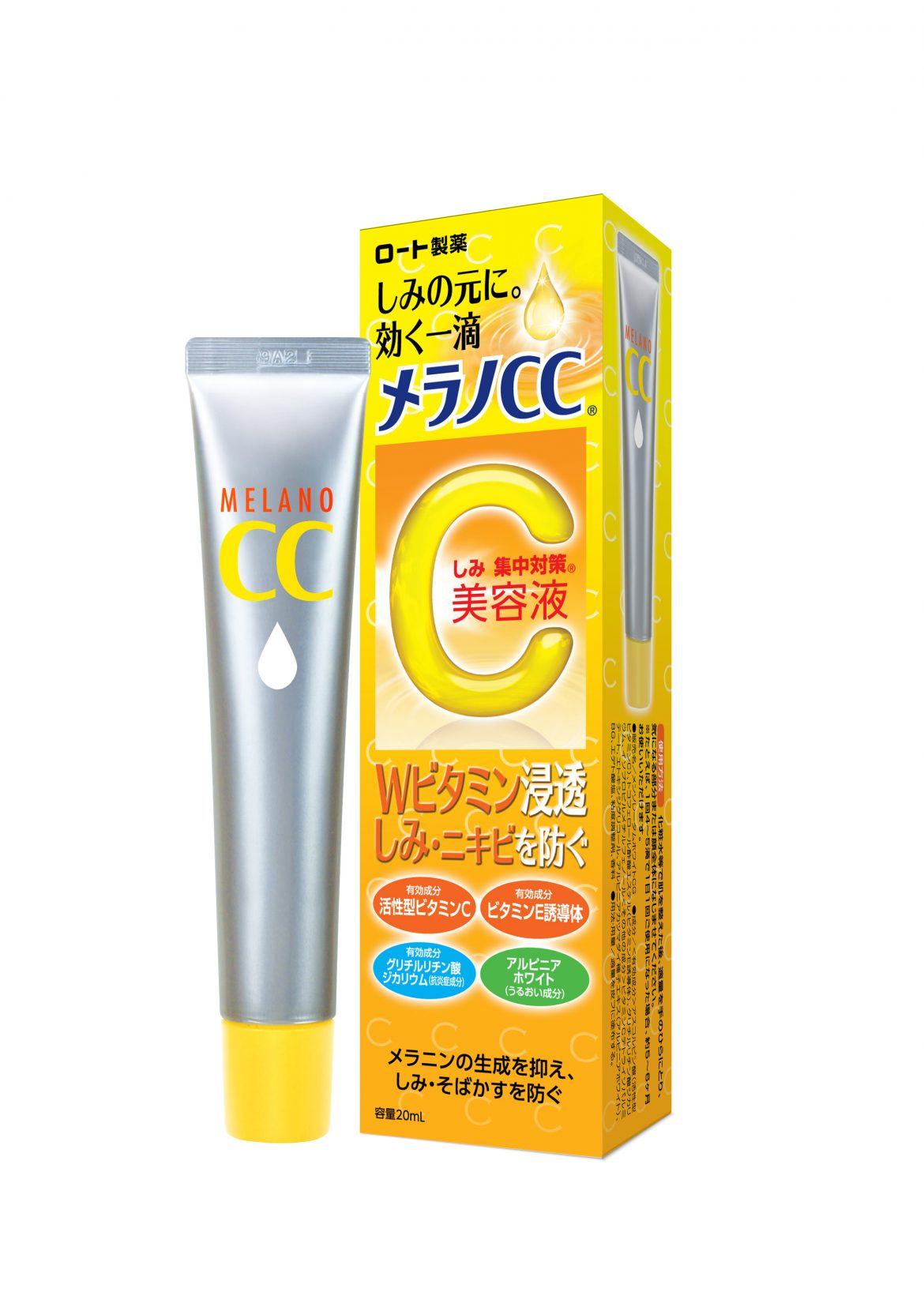
Melano CC Intensive Measures Essence is the most popular Japanese vitamin C serum. It uses pure ascorbic acid (active vitamin C) for brightening, completely skipping niacinamide. It’s a good alternative for people who want to address dark spots without niacinamide exposure.
Rohto
3 retailersSee retailers →
Hada Labo Gokujyun Premium Hyaluronic Acid Essence is a concentrated hyaluronic acid serum. It layers well under moisturizer and adds a hydration boost without any brightening actives or niacinamide.
Kikumasamune Japanese Sake Essence uses fermented sake for a brightening effect without niacinamide. It’s thicker than most essences, almost serum-like, and has a noticeable sake scent.
For brightening specifically, Japanese options that use arbutin or tranexamic acid instead of niacinamide include the Hada Labo Shirojyun Premium Whitening Lotion line (arbutin based) and Transino Melano Signal Essence Skin Brightening Serum (tranexamic acid based).
How to Check if a Product Contains Niacinamide
Even within Japanese skincare, you should always verify ingredient lists. Here’s what to look for:
On English ingredient lists: Look for “niacinamide” or “nicotinamide” (same ingredient, different name).
On Japanese ingredient lists: Look for ナイアシンアミド (naiasinamido). In quasi drug products, the active ingredients are listed separately at the top, which makes them easier to spot.
Common hiding spots: Niacinamide sometimes appears in products you wouldn’t expect, like tinted sunscreens, BB creams, and “medicated” (薬用) products. The medicated designation in Japanese skincare means the product contains a registered active ingredient, and niacinamide is one of the approved options.
Resources for checking: Ingredient databases like INCIDecoder and CosDNA let you search product ingredient lists. For Japanese products specifically, the @cosme website lists full ingredient lists (in Japanese) for most products sold in Japan.
Building a Full Niacinamide Free Routine with Japanese Products
Here’s what a complete routine could look like using the products above. Adjust based on your skin type and needs.
Morning
- Gentle cleanser: Hada Labo Gokujyun Hyaluronic Acid Foaming Cleanser or splash with water
- Hydrating toner: Hada Labo Gokujyun Premium Lotion (1-2 layers)
- Moisturizer: Curel Intensive Moisture Facial Cream or MUJI Sensitive Skin Moisturizing Milk
- Sunscreen: Skin Aqua UV Super Moisture Gel SPF50+/PA++++ or Biore UV Aqua Rich Watery Essence SPF50+/PA++++ (Japanese Version)
Evening
- Oil cleanser (if wearing sunscreen/makeup): DHC Deep Cleansing Oil or Kose Softymo Speedy Cleansing Oil
- Foaming cleanser: Hada Labo Gokujyun Hyaluronic Acid Foaming Cleanser
- Hydrating toner: Hada Labo Gokujyun Premium Lotion (2-3 layers)
- Serum (optional): Melano CC Intensive Measures Essence for dark spots
- Moisturizer: Curel Intensive Moisture Facial Cream
FAQ
Is all Japanese skincare niacinamide free?
No. Most Japanese drugstore and mid range products don’t contain niacinamide, but there are exceptions. SK-II uses niacinamide prominently, and some “medicated” (薬用/quasi drug) brightening products include it as an active ingredient. Brands like Kanebo and some Shiseido sub lines also use it in select products. Always check the ingredient list.
Why do Korean skincare products use so much niacinamide?
Korean cosmetics regulations allow niacinamide at 2% as a functional ingredient for brightening claims, and it became standard across the industry. It’s effective, stable, and cheap to formulate with. Japanese brands developed different brightening pathways (arbutin, tranexamic acid) before niacinamide became trendy, so they had less reason to adopt it.
Can I use Japanese brightening products if I avoid niacinamide?
Yes. Japan’s main brightening ingredients are arbutin (found in Hada Labo Shirojyun line and many others) and tranexamic acid (found in brands like Transino and HAKU). Both target hyperpigmentation through different mechanisms than niacinamide and are well tolerated by most niacinamide sensitive skin.
Is niacinamide sensitivity the same as a niacin allergy?
Not exactly. Niacinamide sensitivity in skincare is usually a reaction to nicotinic acid (which niacinamide can convert into), not a true allergy. The flushing and redness are caused by prostaglandin mediated vasodilation, which is a pharmacological response rather than an immune response. That said, if you experience severe reactions, consult a dermatologist to rule out other causes.
Are there any Japanese sunscreens that DO contain niacinamide?
Some do, particularly tinted or “medicated” formulations. Always check before buying. The standard Skin Aqua, Biore UV, Anessa, and KOSE Suncut ranges are niacinamide free in their main formulations, but limited editions or newer variants may differ.