Japanese beauty explained
Biore vs Anessa Sunscreen: Daily SPF vs Outdoor Protection
The Short Version
Choose by use case, not by brand loyalty:
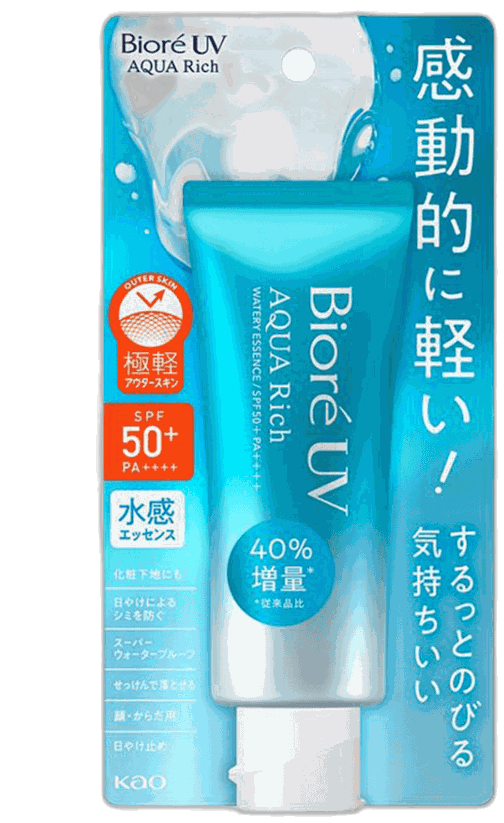
- Buy Biore UV Aqua Rich Watery Essence if you want the lightest daily Japanese sunscreen for commuting, office days, and makeup prep.
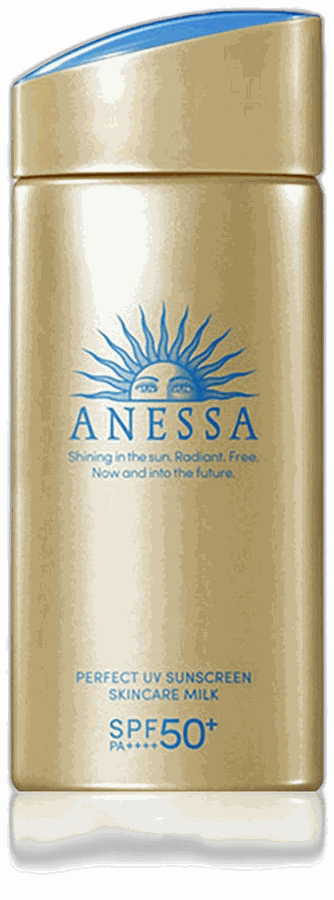
- Buy Anessa Perfect UV Milk if you need a tougher sunscreen for beach days, hiking, humid summers, or heavy sweating.
- Do not substitute the US Biore for the Japanese Biore if you are chasing the viral texture; the Japan and US Biore formulas are different.
If you only want one tube, pick Biore for indoor/daily life and Anessa for outdoor plans. If you wear sunscreen every day and also spend weekends outside, owning both is the practical answer.
| Biore UV Aqua Rich Watery Essence | Anessa Perfect UV Milk | |
|---|---|---|
| SPF/PA | SPF50+ PA++++ | SPF50+ PA++++ |
| Texture | Watery essence, almost like serum | Fluid milk, shake before use |
| Finish | Dewy, invisible | Natural, slightly matte |
| Water resistance | Better for normal daily wear than sport use | Strong water/sweat resistance; best for outdoor use |
| Best for | Daily wear, under makeup, office days | Outdoor activities, beach, sweating |
| White cast | None | None |
| Price range | Lower | Higher |
| Brand | Biore (Kao) | Anessa (Shiseido) |
| If your search intent is… | Start here |
|---|---|
| ”Best Japanese sunscreen under makeup” | Biore UV Aqua Rich or our under-makeup sunscreen guide |
| ”Best Japanese sunscreen for oily skin” | Anessa Perfect UV Milk or the oily-skin sunscreen ranking |
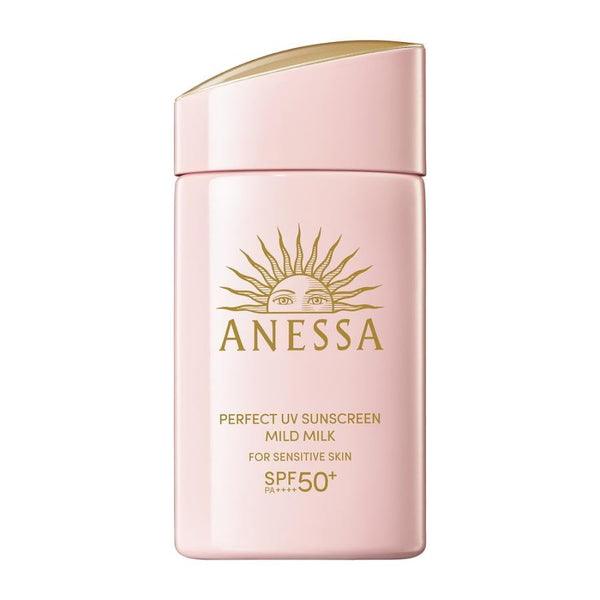
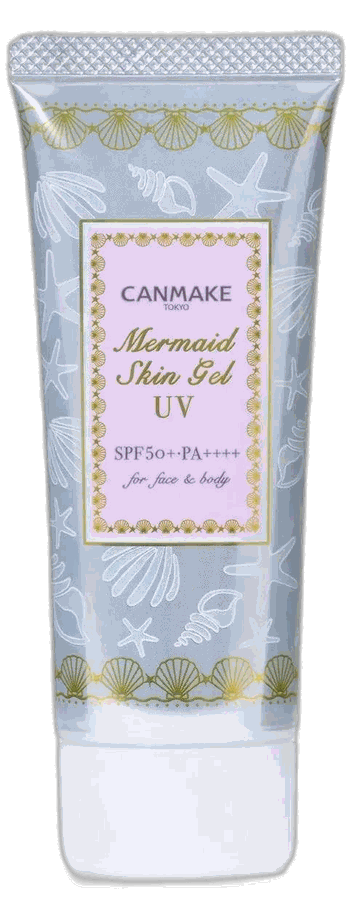
| ”Sensitive skin / alcohol-free” | Consider Anessa Mild Milk or Canmake Mermaid Skin Gel UV instead |
Biore UV Aqua Rich Watery Essence
This is the sunscreen that put Japanese SPF on the map for Western consumers. The texture genuinely feels like a light serum, absorbs in seconds, and disappears completely. No white cast, no film, no fighting with makeup after.
It works perfectly as a daily sunscreen for office days, errand running, and moderate sun exposure. Under makeup, it behaves like a primer. Most people in the community describe the experience as “it feels like you’re not wearing sunscreen at all.”
The limitation: it is not the sunscreen I would choose for serious outdoor activity. Current Japanese Biore tubes are more capable than the old “office sunscreen only” reputation suggests, but the feel-first watery texture is still the reason to buy it. If you’re swimming, sweating hard, or spending extended time in direct sun, Anessa is the safer pick.
Important buying note: The Japanese version and the US version of Biore UV Aqua Rich are completely different products with different UV filters. The community hype is about the Japanese import version specifically; if you are buying at a US drugstore, read the label and compare it with our Biore Japan vs US formula guide.

Biore
10 retailersSee retailers →
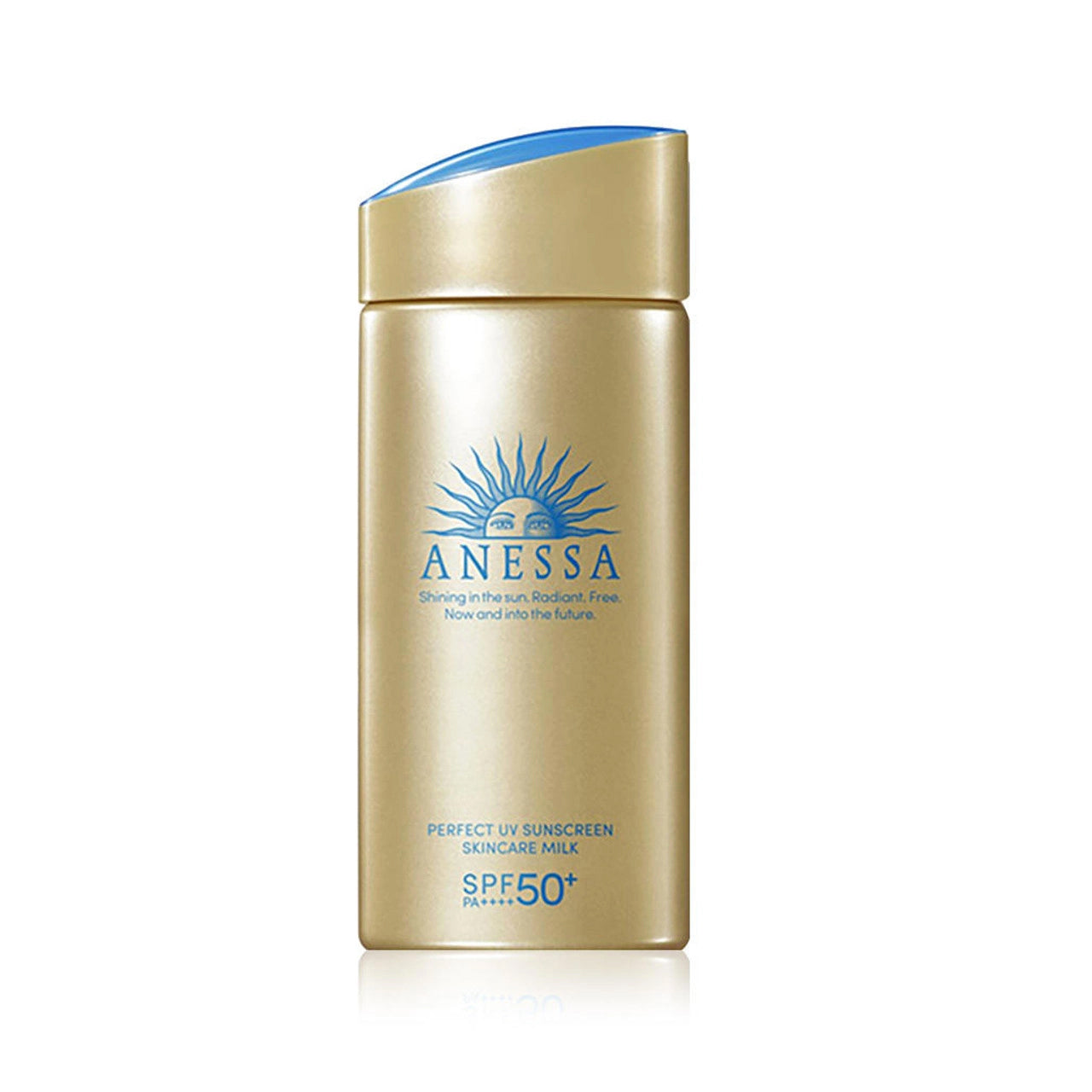
Anessa Perfect UV Milk
Anessa is Shiseido’s premium sun care line, and the Perfect UV Milk is their flagship. This is what the community reaches for when sun protection actually matters. Beach days, hiking, outdoor sports, hot humid summers.
The texture is a fluid milk that you shake before applying. It’s not as ethereal as Biore, but it’s still remarkably light for how much protection it delivers. It dries down to a natural, slightly matte finish.
The standout feature is Shiseido’s auto repair technology. The UV film strengthens with heat and humidity instead of breaking down. That’s the opposite of what most sunscreens do. Combined with strong water and sweat resistance, this is built for the worst case sun scenario.
It costs more than Biore, but the durability is the reason to pay extra. If your main concern is sweat, oil breakthrough, or a long day outside, see the broader best Japanese sunscreen for oily skin guide too; Anessa remains one of the safest starting points there.
Anessa
10 retailersSee retailers →
Shop Anessa by use case
- Outdoor, water, or heavy sweat: Perfect UV Milk
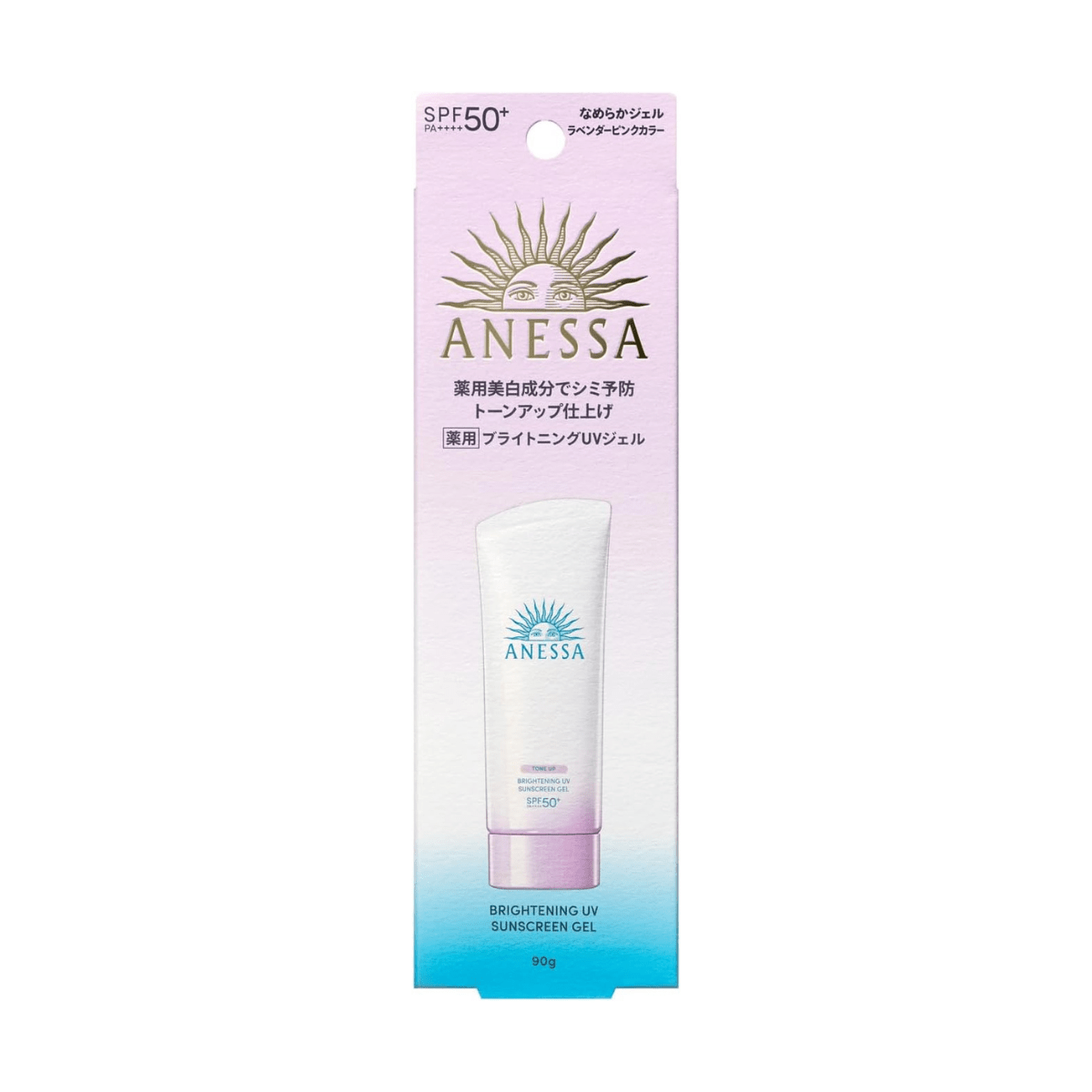
- A lighter brightening gel option: Brightening UV Sunscreen Gel
- A daily serum-format option: Day Serum N SPF50+ PA++++
How They Compare to Skin Aqua
Skin Aqua often comes up as a third option. Here’s where it fits:
Skin Aqua Tone Up UV Essence is closest to Biore in texture (lightweight, everyday wear) but adds a color correcting lavender tint. If you want a brightening, “my skin but better” effect from your sunscreen, Skin Aqua Tone Up is the pick. We have a detailed Skin Aqua Tone Up review with shade comparisons.
Skin Aqua Super Moisture Essence is the most hydrating of the three brands. Dry skin types who find Biore slightly drying may prefer this.
Neither Skin Aqua product matches Anessa for water/sweat resistance.

Rohto
8 retailersSee retailers →
How They Compare to La Roche Posay
La Roche Posay Anthelios is the most popular comparison from the Western sunscreen world. It uses modern UV filters (Mexoryl XL/SX) and has strong UVA protection.
The main difference is texture. Anthelios formulas are noticeably heavier than both Biore and Anessa. They offer excellent protection but don’t have the “feels like nothing” quality that makes Japanese sunscreens so popular.
La Roche Posay is much easier to buy outside Japan (available at every drugstore), which is its biggest practical advantage.
Which Should You Buy?
Get Biore if:
- You want the lightest possible everyday sunscreen
- You wear makeup over your SPF
- Most of your sun exposure is incidental (commuting, errands, office windows)
- You want the most affordable option
Get Anessa if:
- You spend real time outdoors
- You sweat or get wet
- You live somewhere with intense sun
- You want maximum protection and don’t mind paying more
Get both if:
- You want Biore for weekdays and Anessa for weekends/outdoor plans. This is genuinely what a lot of people in the community do.
Related: Best Japanese Sunscreen · Anessa Milk vs Gel vs Mild · Skin Aqua vs Biore
FAQ
Can Biore UV Aqua Rich handle a full day in the sun?
For moderate, incidental sun exposure, yes. For extended outdoor time (beach, hiking, sports), Anessa is a safer choice because the milk is built around stronger sweat/water durability and film retention.
Is Anessa worth the extra cost?
If you’re in situations where sun protection matters (outdoor activities, strong UV environments, sweating), yes. The technology in Anessa is genuinely more advanced for durability. For daily commuting and office work, Biore at half the price does the job.
Do either leave a white cast?
Neither. Both use chemical UV filters and are invisible on all skin tones. This is one of the biggest advantages of Japanese sunscreens over many Western options.
Which is better for oily skin?
Both work well for oily skin, but Skin Aqua Tone Up UV Essence might be the best option of the three. It dries down slightly more matte than Biore and has oil controlling properties.
Where can you buy these Outside Japan?
Both need to be ordered from specialty J beauty retailers for the Japanese versions. Check the product pages for Biore UV Aqua Rich and Anessa Perfect UV Milk in our directory for current retailer availability.