Japanese beauty explained
What Does PA++++ Mean on Sunscreen?
If you’ve ever looked at a Japanese sunscreen, you’ve seen “PA++++” on the label next to the SPF number. Most US sunscreens don’t have this rating, so it’s natural to wonder what it means and why it matters.
Short answer: PA measures UVA protection. SPF only measures UVB. They’re measuring two different things, and knowing both gives you a much clearer picture of how well a sunscreen actually protects your skin.
SPF vs PA: What Each One Measures
SPF (Sun Protection Factor) measures protection against UVB rays. These are the rays that cause sunburn. SPF 30 blocks about 97% of UVB, SPF 50 blocks about 98%. Every sunscreen everywhere uses SPF.
PA (Protection Grade of UVA) measures protection against UVA rays. These are the rays that cause aging, dark spots, and deeper skin damage. UVA rays penetrate clouds, windows, and go deeper into the skin than UVB. They don’t cause visible sunburn, so you don’t feel the damage happening.
This is why PA matters: you can wear SPF 50 every day and still get UVA damage if the UVA protection is weak. UVA is responsible for photoaging (wrinkles, loss of firmness, uneven pigmentation) and contributes to skin cancer risk.
The PA Rating Scale
| Rating | UVA Protection Level | What It Means |
|---|---|---|
| PA+ | Some | UVAPF 2 to 3 |
| PA++ | Moderate | UVAPF 4 to 7 |
| PA+++ | High | UVAPF 8 to 15 |
| PA++++ | Extremely High | UVAPF 16+ |
PA++++ is the highest rating in the Japanese system. UVAPF stands for UVA Protection Factor, which works similarly to SPF but for UVA rays. A UVAPF of 16+ means the sunscreen delays UVA damage by at least 16 times compared to unprotected skin.
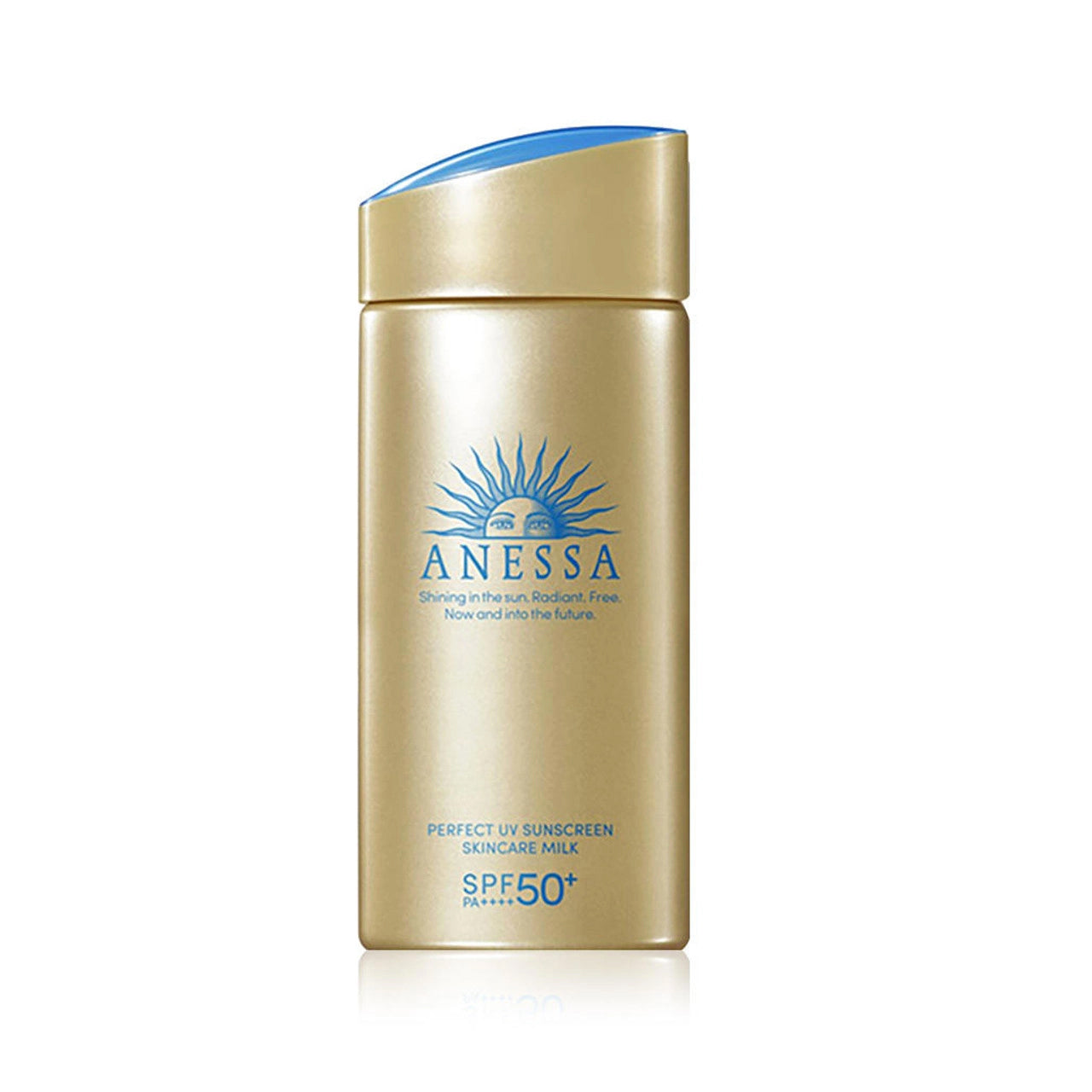
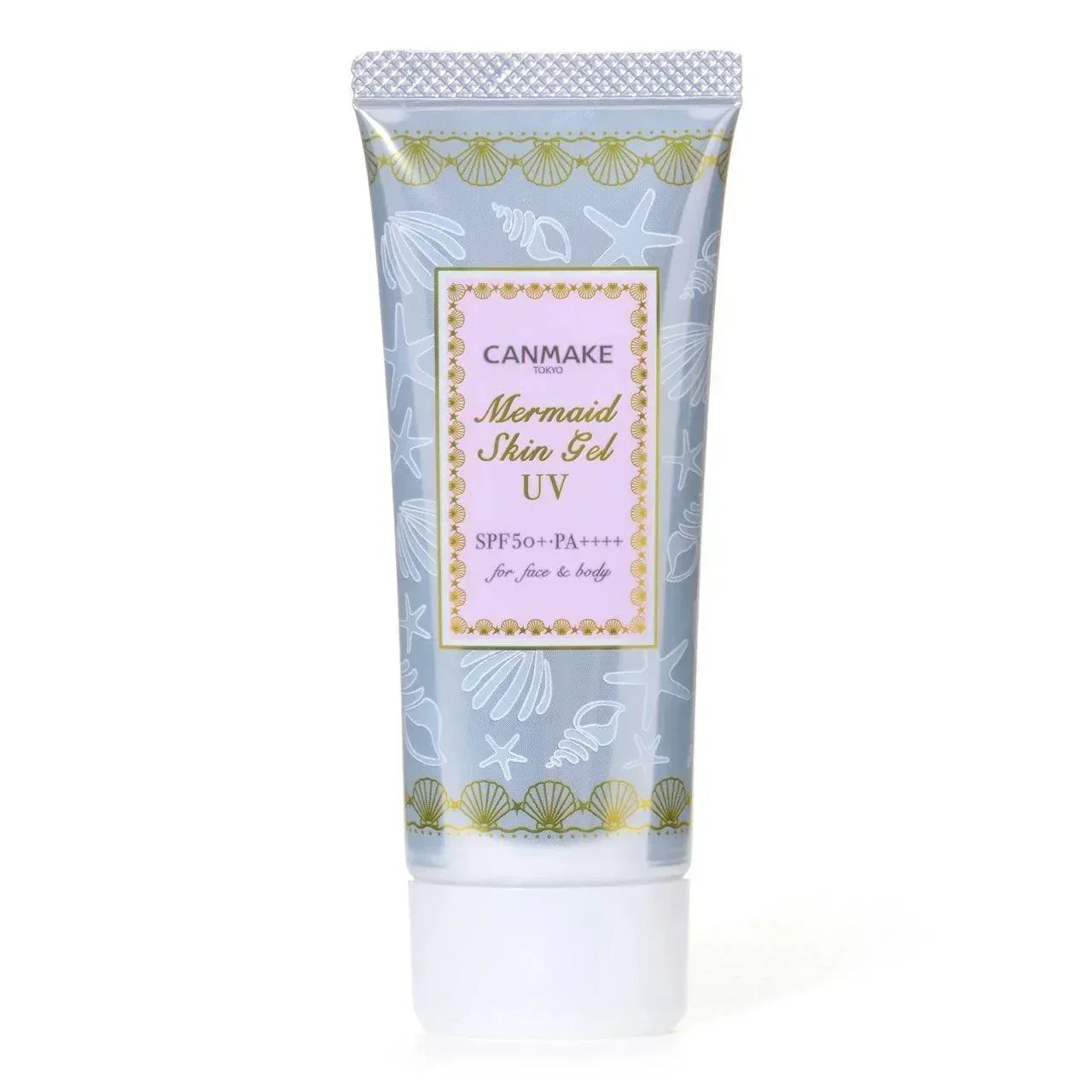
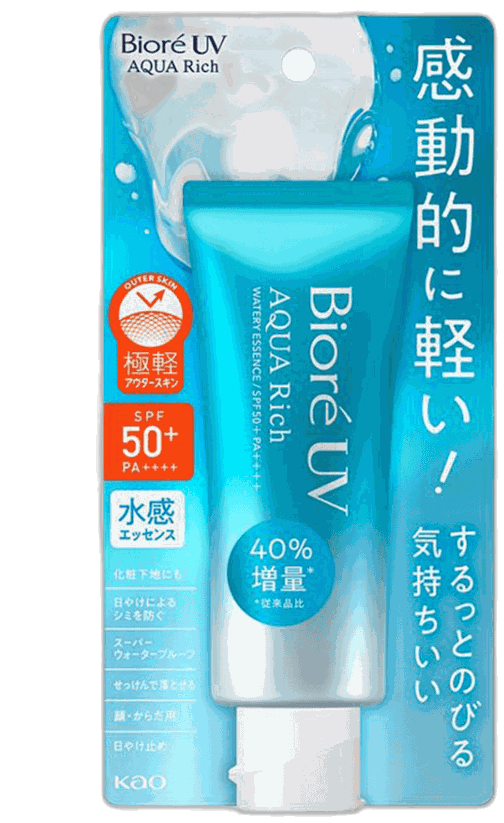
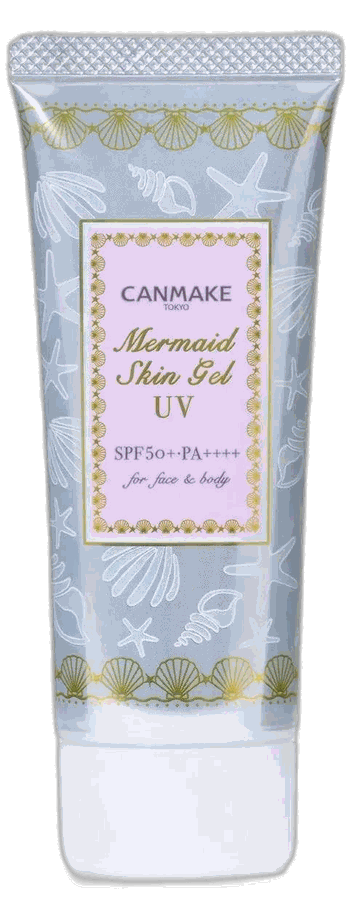
Most Japanese sunscreens worth talking about are PA++++. Products like Biore UV Aqua Rich Watery Essence, Anessa Perfect UV Milk, and Canmake Mermaid Skin Gel UV all carry this rating.
Why US Sunscreens Don’t Show PA Ratings
The US uses a different system. Instead of PA ratings, the FDA requires sunscreens to pass a “broad spectrum” test to claim UVA protection. If a sunscreen passes, it just says “Broad Spectrum” on the label.
The problem: “Broad Spectrum” is a pass/fail label. It tells you the sunscreen offers some UVA protection, but not how much. A sunscreen that barely passes the broad spectrum test and one with extremely high UVA protection both say the same thing on the label.
The Japanese PA system and the European PPD system are both more granular. They tell you the actual level of UVA protection, not just “yes it has some.”
This is one of the reasons Japanese sunscreens have such a strong following in the skincare community. When you see PA++++ on the label, you know exactly what you’re getting. With US “Broad Spectrum,” you’re guessing.
PA vs PPD (European System)
Europe uses PPD (Persistent Pigment Darkening) instead of PA. They’re measuring the same thing (UVA protection) with different methods.
PA++++ roughly corresponds to PPD 16+. If you see a European sunscreen with PPD 40, that’s also excellent UVA protection, just expressed differently.
Japan and Korea use PA. Europe uses PPD. The US uses “Broad Spectrum.” All three are trying to communicate the same information, just with different levels of precision.
FAQ
Is PA++++ the highest rating?
Yes. PA++++ is the maximum rating in the Japanese sunscreen rating system. It indicates a UVAPF of 16 or higher. Some sunscreens may have a UVAPF well above 16, but the label still shows PA++++ since there’s no PA+++++ category.
Is “Broad Spectrum” the same as PA++++?
No. Broad Spectrum is a minimum threshold, not a rating scale. A Broad Spectrum SPF 50 sunscreen could have UVA protection equivalent to PA++ or PA++++. The US label doesn’t tell you which. PA++++ guarantees a high level of UVA protection that Broad Spectrum doesn’t specify.
Do US sunscreens protect against UVA at all?
Yes, if they say “Broad Spectrum.” But the level of protection varies and isn’t communicated clearly on the label. This is a labeling issue, not a protection issue. Some US sunscreens have excellent UVA protection. You just can’t tell from the packaging alone.
Why does UVA protection matter so much?
UVA rays cause about 80% of visible skin aging (wrinkles, sagging, dark spots). They penetrate deeper than UVB and pass through clouds and glass. You’re exposed to UVA year round, even on cloudy days and even indoors near windows. Strong UVA protection is arguably more important for long term skin health than high SPF.
Which Japanese sunscreens have PA++++?
Nearly all popular Japanese sunscreens carry PA++++, including Biore UV Aqua Rich Watery Essence, Anessa Perfect UV Milk, Canmake Mermaid Skin Gel UV, and Skin Aqua Tone Up UV Essence. For a full breakdown, see the Japanese sunscreen guide.