Japanese beauty explained
Best Japanese Sunscreen: What's Worth Buying in 2026
Quick Takeaway
- Best overall / everyday: Biore UV Aqua Rich Watery Essence SPF50+ PA++++ (the Japanese version, not the US one). Lightweight, disappears on skin, under $15 imported.
- Best for oily skin: Skin Aqua Tone Up UV Essence SPF50+ PA++++. Dries down matte with a subtle lavender color correction.
- Best for sensitive skin: Curel Intensive Moisture Care Skin Repair UV Serum. Mineral only, ceramide based, safe for reactive and compromised skin.
- Best for under makeup: Canmake Mermaid Skin Gel UV SPF50+ PA++++. Works as a primer, dewy finish, about $5 in Japan.
- Best for outdoor protection: Anessa Perfect UV Sunscreen Skincare Milk SPF50+ PA++++. Water and sweat resistant, UV film strengthens in heat. See the Anessa Milk vs Gel vs Mild comparison to pick the right one.
All use UV filters approved across Japan, Europe, and Australia that deliver lighter textures and stronger UVA protection than most US sunscreens.
Japanese sunscreens use UV filters like Tinosorb S and Uvinul A Plus that aren’t approved in the US yet. These give stronger, more stable UVA protection in formulas that feel genuinely lightweight. Japan also rates UVA protection separately with the PA system (PA++++ is the highest), so you know what you’re getting. US sunscreens only show SPF, which only measures UVB.
The textures are the other big difference: watery essences, smooth gels, fluid milks. No white cast, no greasy film. Many double as primers, and most cost under $15 even imported. Not sure which format is right for you? Our guide to Japanese sunscreen types breaks down what each one feels like, and our how to choose guide matches formats to skin types.
The Best Japanese Sunscreens Right Now
Organized by texture type since that’s usually what matters most when picking a sunscreen.
Watery Essences
Light, serum like, absorb fast. Great under makeup.
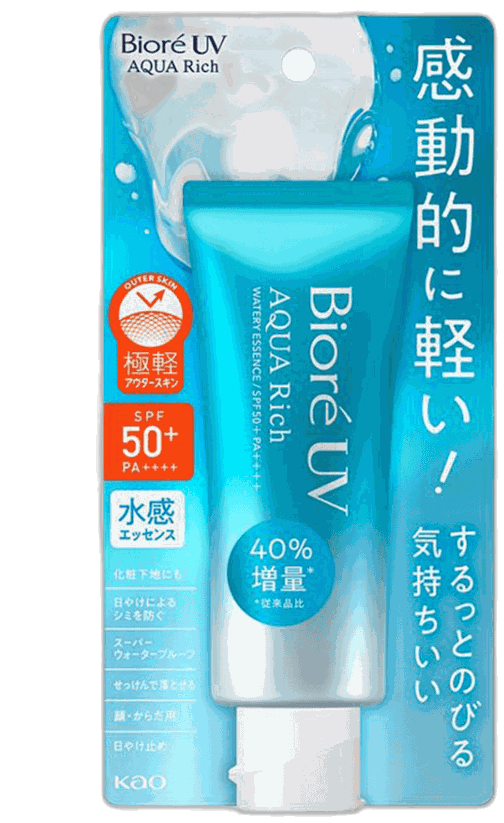
Biore UV Aqua Rich Watery Essence SPF50+ PA++++

Biore
10 retailersSee retailers →
The most recommended Japanese sunscreen online, and for good reason. Watery texture that genuinely feels like nothing on skin.
One important thing: the Japanese version and the US version are completely different products. The Japanese formula uses modern UV filters for better protection in a lighter formula. The US version at Target and us.biore.com uses older FDA approved filters and has a different texture. If you’re buying this because of the online hype, make sure you’re getting the Japanese import.
Skin Aqua Tone Up UV Essence SPF50+ PA++++

Rohto
8 retailersSee retailers →
A color correcting SPF from Rohto. The lavender version is especially popular for its brightening, “my skin but better” effect. Great for combination and oily skin types since it dries down more matte than most options here.
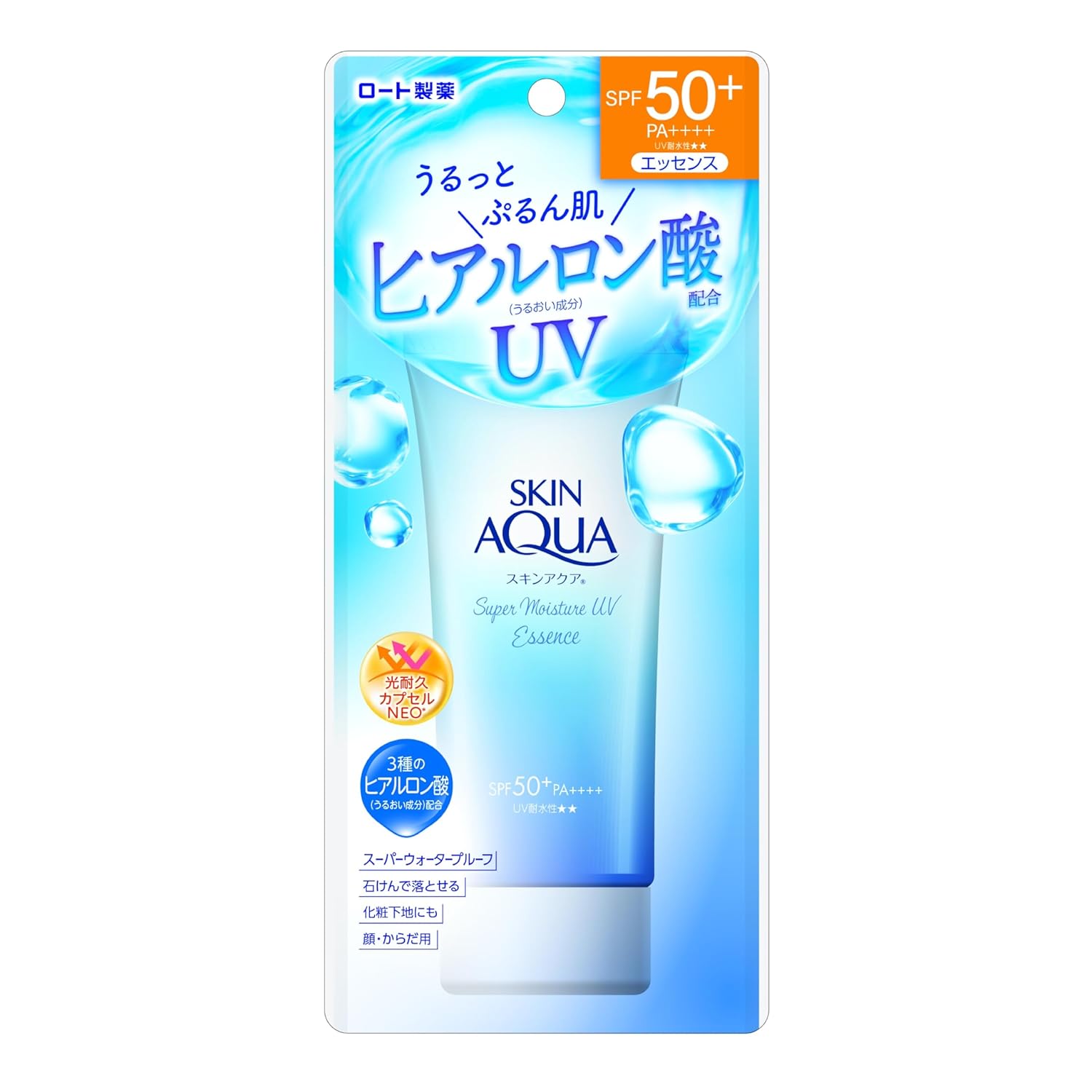
Skin Aqua Super Moisture Essence SPF50+ PA++++
Rohto
4 retailersSee retailers →
The hydrating sibling of the Tone Up. No color correction, just clean lightweight moisture plus SPF. Well loved by people with dry skin who want something that doesn’t emphasize texture.
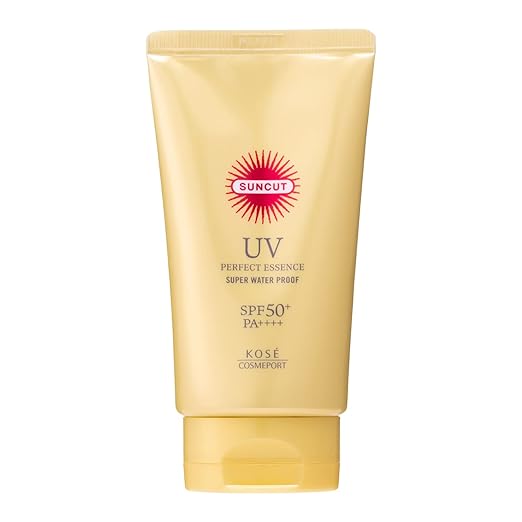
Kose Suncut Multi Vitamin UV Essence SPF50+ PA++++
Kose
2 retailersSee retailers →
Vitamin enriched formula with anti pollution benefits. The gold tube is a staple in the r/AsianBeauty community, especially for people with sensitive, acne prone skin. For the full Suncut lineup including the waterproof gel and spray options, see the Kose brand guide.
Gels
Refreshing, water based, spread easily. Good for face and body. For a dedicated roundup of body sunscreens, see our guide to the best Japanese body sunscreens.
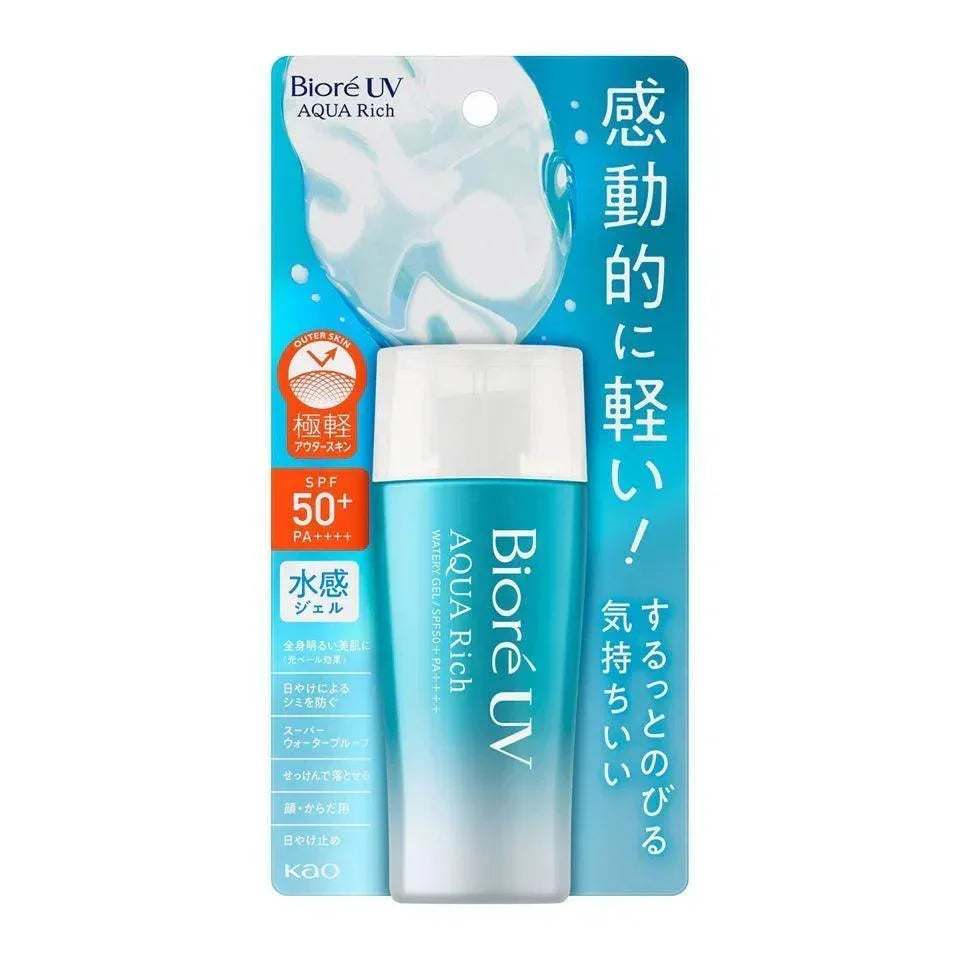
Biore UV Aqua Rich Watery Gel SPF50+ PA++++
Biore
8 retailersSee retailers →
Gel version of the Watery Essence with more product per tube. Same brand, slightly different feel. Better for neck, chest, and arms since the larger size means less product anxiety.
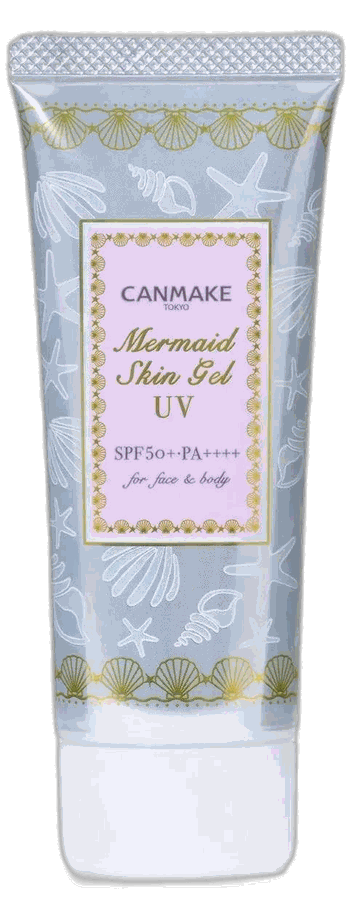
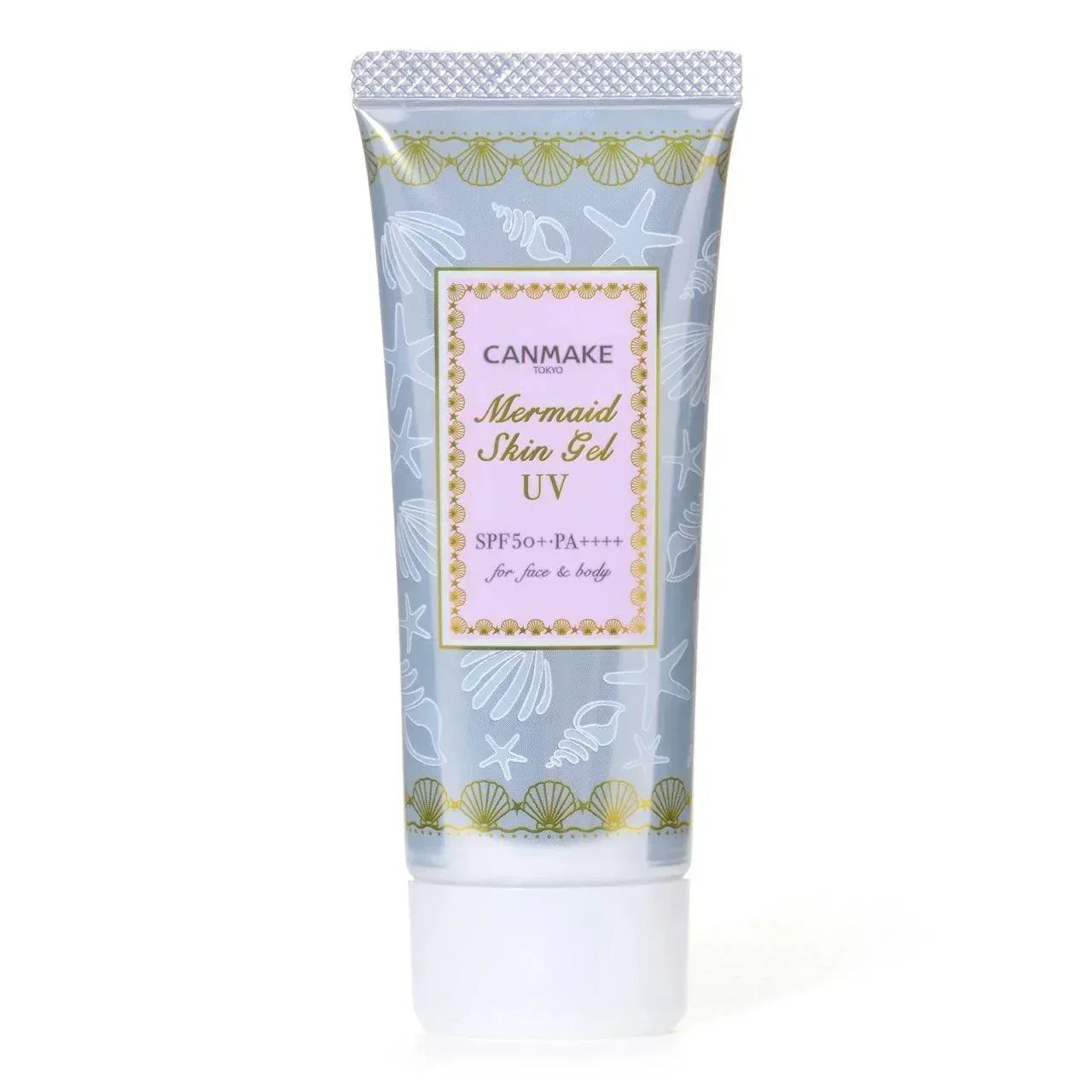
Canmake Mermaid Skin Gel UV SPF50+ PA++++
Canmake
8 retailersSee retailers →
Works as both sunscreen and primer with a dewy finish. Costs about ¥770 (~$5) in Japan, which is absurd for how good it is. Tiny tube but genuinely excellent. One of the most recommended budget sunscreens in the community. If you’re deciding between this and Biore Aqua Rich, see our Canmake vs Biore comparison.
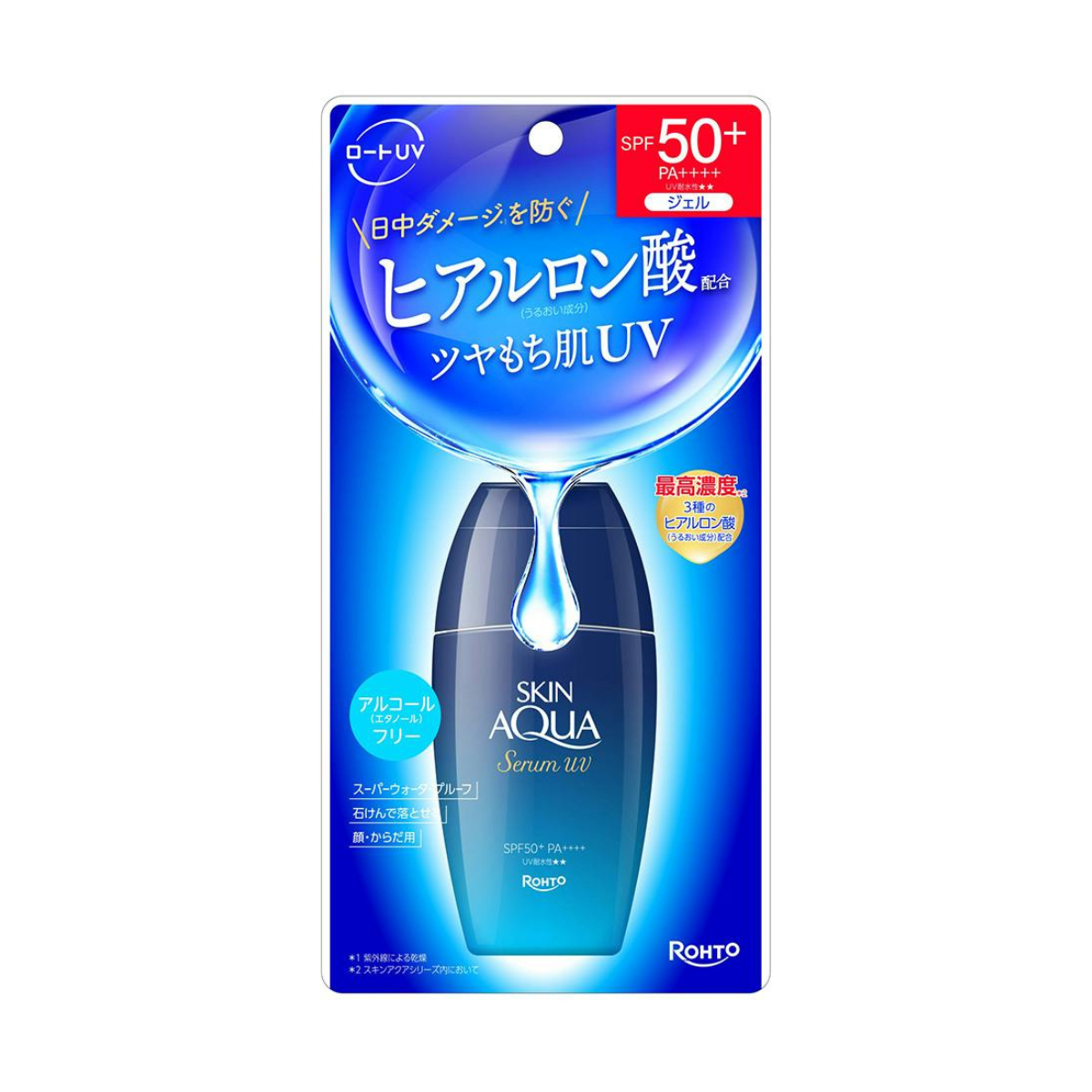
Skin Aqua Serum UV (2026 Formula) SPF50+ PA++++
Skin Aqua
1 retailerSee retailers →
Updated for 2026 with modern UV filters including Tinosorb S and Uvinul A Plus. Lightweight gel serum hybrid texture.
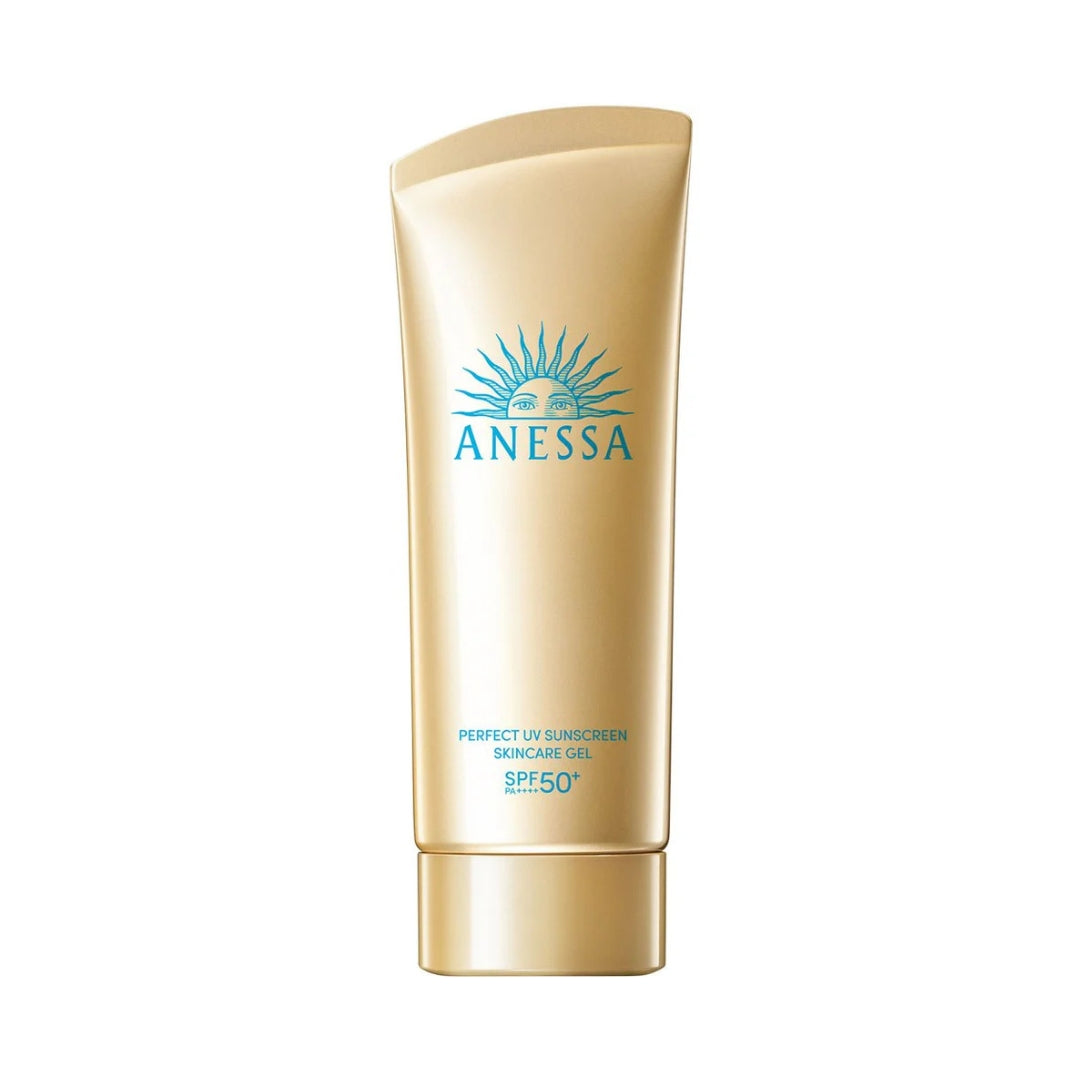
Anessa Perfect UV Skincare Gel (2026) SPF50+ PA++++
Anessa
5 retailersSee retailers →
The lighter alternative to the famous Anessa Milk (more on that below). Contains collagen and hyaluronic acid. 2026 reformulation from Shiseido’s premium sun line. For a full breakdown of every 2026 launch and reformulation, see our new Japanese sunscreens for 2026 guide.
Milks
Fluid, shake before use formulas that stay put. Best for outdoor days, hot weather, and sweating.
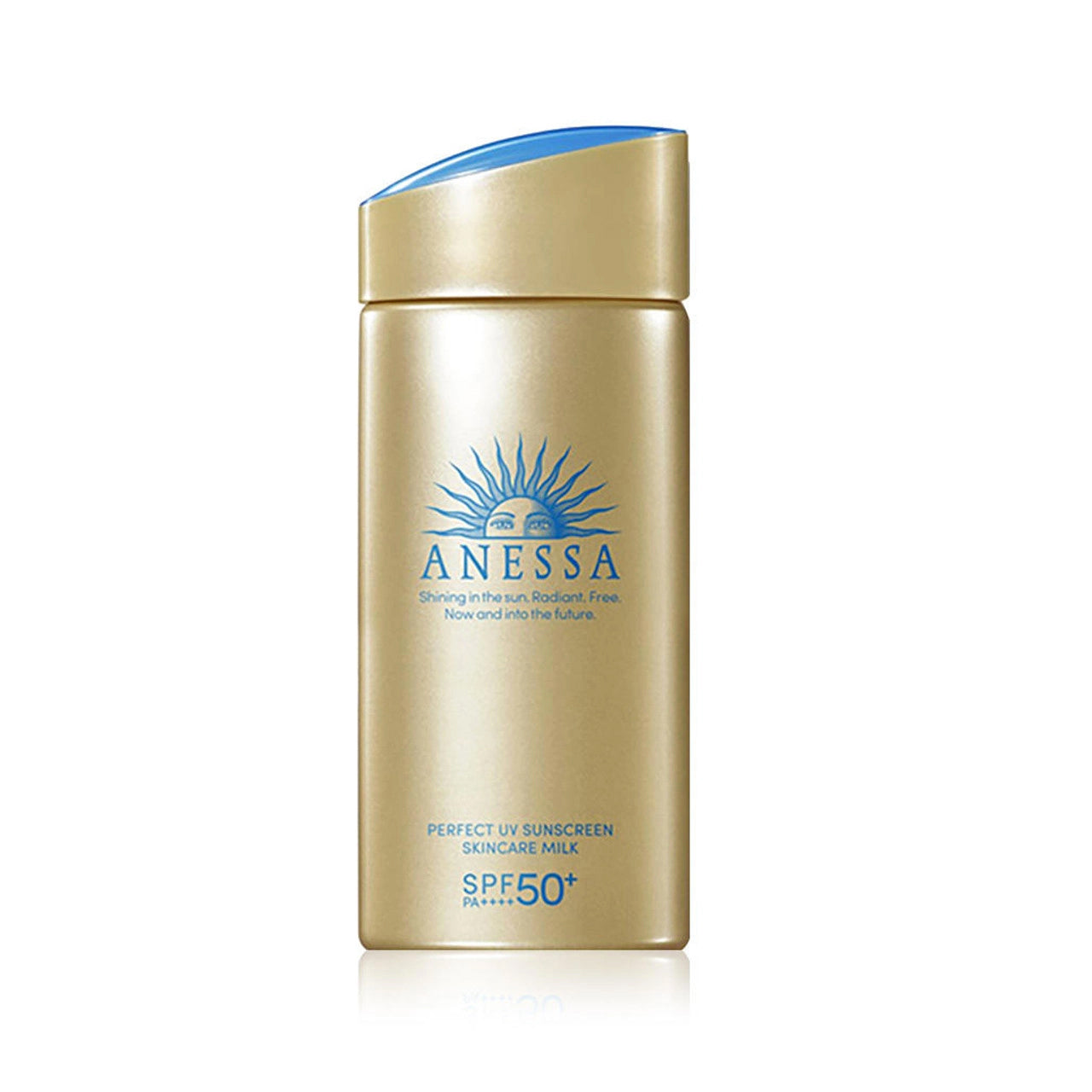
Anessa Perfect UV Sunscreen Skincare Milk SPF50+ PA++++
Anessa
10 retailersSee retailers →
If you ask r/AsianBeauty “what’s the strongest Japanese sunscreen?” this is what people say. Shiseido’s premium sun brand, built for serious protection. Sweat proof, water resistant, with skincare ingredients mixed in. More expensive than the drugstore picks (around ¥3,000 / ~$20 in Japan) but consistently rated as the one to reach for when sun protection matters most.
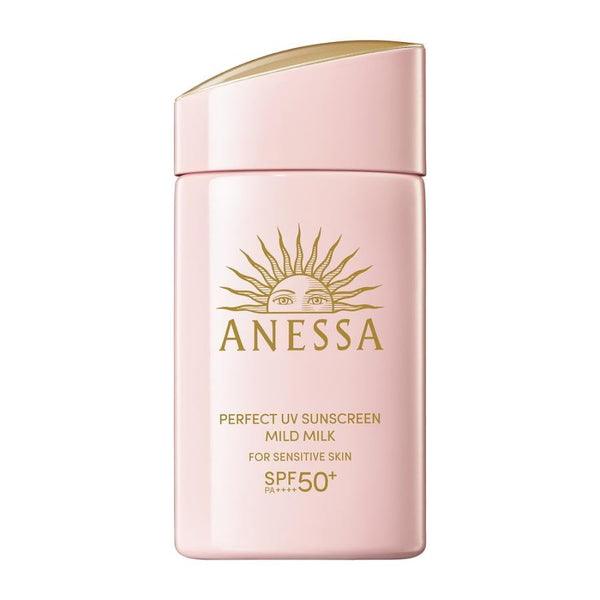
Anessa Perfect UV Mild Milk SPF50+ PA++++
Anessa (Shiseido)
4 retailersSee retailers →
Same high protection, gentler formula for sensitive and reactive skin. If the regular Anessa Milk feels too intense, this is the one.
For Sensitive Skin
Curel Intensive Moisture Care Skin Repair UV Serum
Curel
1 retailerSee retailers →
Mineral only (titanium dioxide) with Curel’s ceramide technology. Safe for babies. Medicated anti inflammatory. One of the few Japanese sunscreens specifically made for compromised or very reactive skin. For more sensitive skin options including Minon, d program, and budget picks, see our sensitive skin sunscreen guide.
Tone Up / Color Correcting
Skin Aqua Tone Up UV Essence (mentioned above, lavender version for brightening)
Biore UV Aqua Rich Tone Up Essence SPF50+
Biore
0 retailersSee retailers →
Color correcting version of the classic Aqua Rich. The community describes it as “natural skin, no pilling.” Gives a subtle even toned base without needing a full face of makeup.
The Biore JP vs US Thing
This causes so much confusion that it’s worth spelling out clearly.
The Biore UV Aqua Rich sold in Japanese drugstores and imported by specialty J beauty stores is not the same product as the Biore sunscreen sold at retailers. Same parent company (Kao), different formulas, different UV filters, different performance.
If you’re buying Biore because everyone online raves about it, you want the Japanese import version. That means ordering from a J beauty specialty store or an Asia based retailer.
If you see it at Target or on us.biore.com, that’s the US formula. Not bad, just different from what the community is talking about.
Going Deeper: @cosme and RatzillaCosme
For picks beyond this list: @cosme is Japan’s biggest beauty review platform with millions of user ratings and annual Best Cosme Awards (including sunscreen categories). RatzillaCosme publishes a detailed annual guide to new Japanese sunscreens with UV filter breakdowns and comparison tables. Both are great for finding products that haven’t blown up on English language social media yet.
Where to Buy These Outside Japan
Every sunscreen listed here is tracked in our directory with verified retailer links on its product page.
The general breakdown:
US based stores (2 to 5 day shipping): iHerb, Senti Senti, JJ Cosmetics, Kiyoko, TokTok Beauty. Smaller selection but you get domestic shipping.
Japan/Asia based stores (1 to 3 weeks): YesStyle, Alphabeauty, Takaski (free worldwide shipping). Wider product range, closer to Japan retail pricing, but you’re waiting on international delivery.
Amazon: Convenient but the authenticity concerns with Japanese skincare on Amazon are well documented. Popular sunscreens are some of the most commonly counterfeited items. Check seller info carefully.
Biore US (us.biore.com): Only sells the US formulation.
For specific retailer links on any product, check its page in our directory.
FAQ
What’s the best Japanese sunscreen overall?
For everyday wear, Biore UV Aqua Rich Watery Essence (Japanese version) is the community consensus pick. For serious outdoor protection, Anessa Perfect UV Milk.
Is there a white cast?
Most Japanese sunscreens on this list use chemical filters and have zero white cast. Mineral formulas like the Curel UV Serum may leave a slight cast on deeper skin tones. Even Canmake Mermaid Skin Gel (which has zinc oxide) is formulated to minimize it. For a full breakdown of which Japanese sunscreens work best on darker skin, see our guide to Japanese skincare for dark skin tones. For a dedicated list of sunscreens with zero white cast across all skin tones, see our no white cast sunscreen guide.
Can these go under makeup?
Yes, and many are designed for exactly that. Biore Aqua Rich, Canmake Mermaid Skin Gel, and Skin Aqua Tone Up all work as primer layers. The tone up versions add a color correcting effect that can replace some base makeup steps entirely. For a detailed breakdown by finish type, see our guide to Japanese sunscreens for wearing under makeup.
How often do you reapply?
Every 2 hours of sun exposure, or after swimming and sweating. Some Japanese sunscreens (especially Anessa) have auto repair technology that strengthens with heat and humidity, but reapplication is still recommended.
Are these safe? Are Japanese UV filters tested?
Japanese UV filters have been used for decades in Japan, Europe, Australia, and other markets. Tinosorb S and Uvinul A Plus are approved in most countries worldwide. The US FDA simply hasn’t updated its approved filter list since the 1990s, which is why these filters aren’t in US products yet. This is a regulatory lag, not a safety concern. For the full breakdown of FDA rules, customs enforcement, and the 2026 bemotrizinol update, see our guide to Japanese sunscreen safety and FDA regulations.