Japanese beauty explained
Canmake Mermaid Skin Gel UV vs Biore UV Aqua Rich: Which Budget Japanese Sunscreen Is Better?
Quick Takeaway
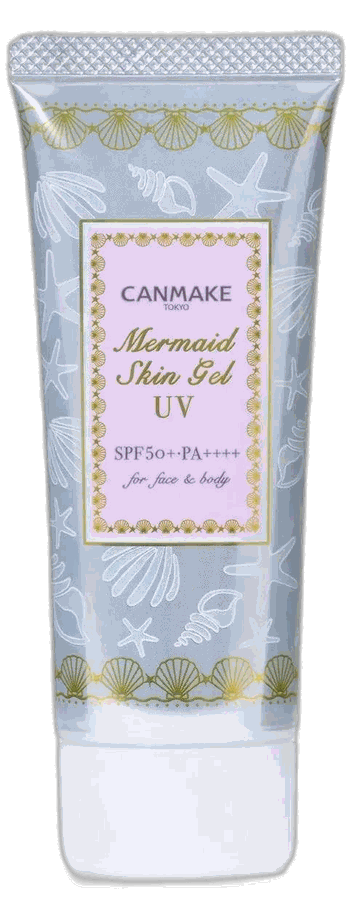
- Canmake Mermaid Skin Gel UV: alcohol free, dewy finish, hydrating. Best for dry or sensitive skin.
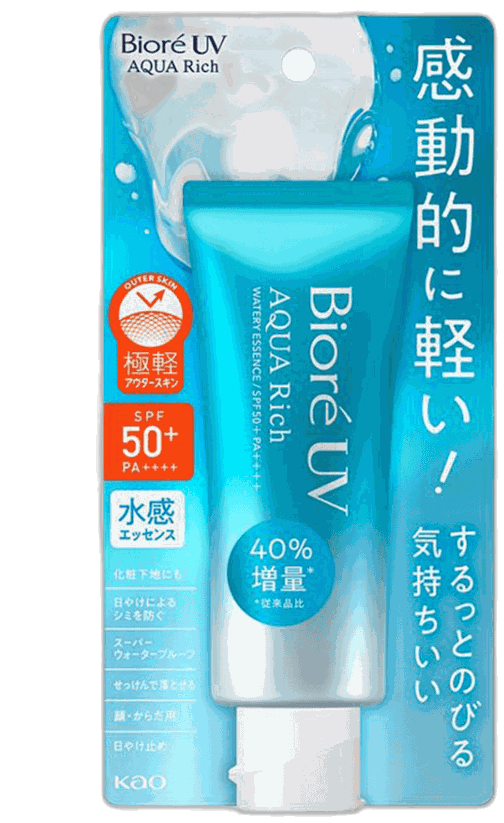
- Biore UV Aqua Rich Watery Essence: alcohol based, fast drying, lightweight matte. Best for oily or combination skin.
- Both SPF50+ PA++++, both under $18. The difference is texture, finish, and skin type fit.
- Under makeup: Biore dries faster and sits flatter. Canmake gives a dewier base but can pill with certain foundations.
Two budget Japanese sunscreens. Both SPF50+ PA++++. Both under $18. Both constantly recommended on r/AsianBeauty. So which one should you buy?
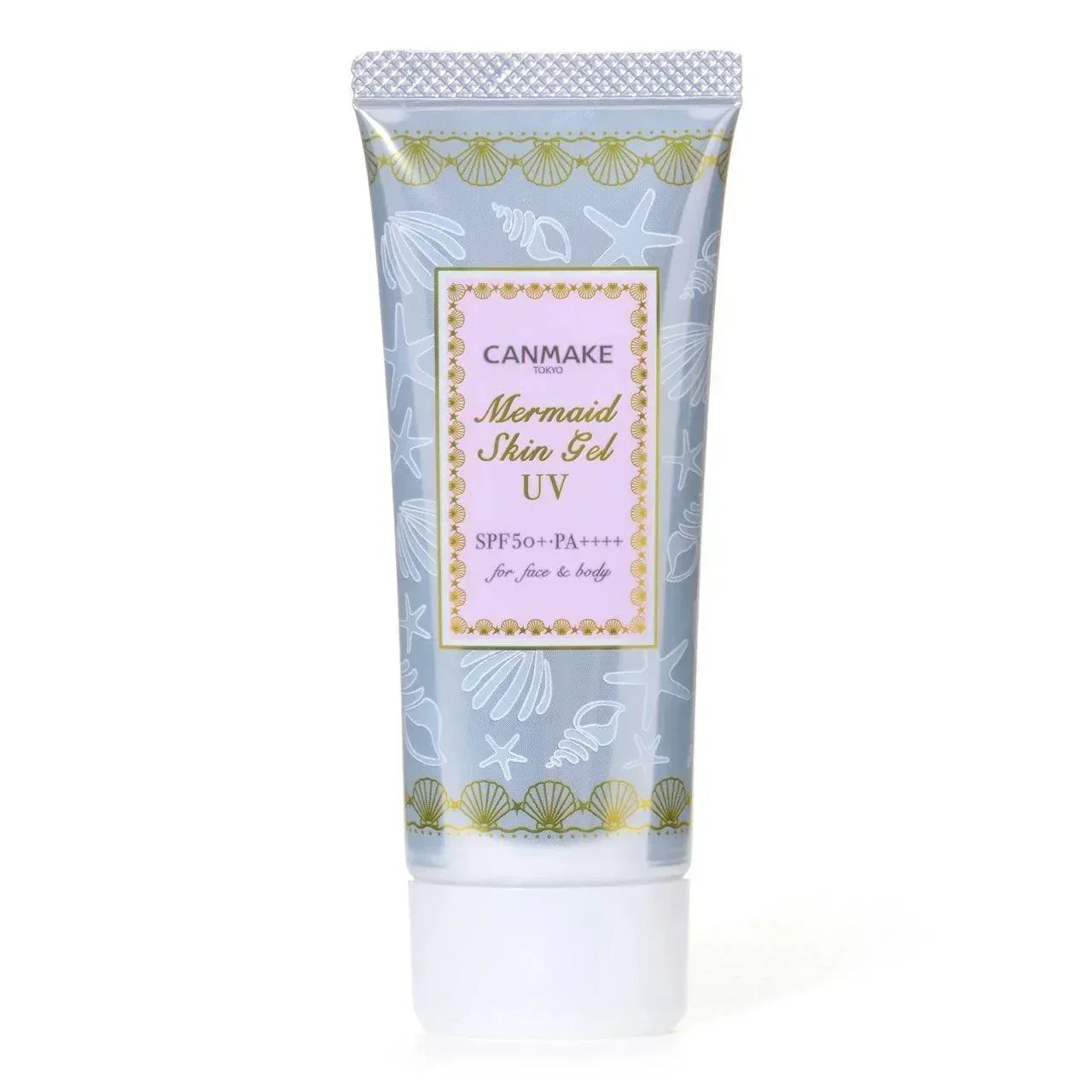
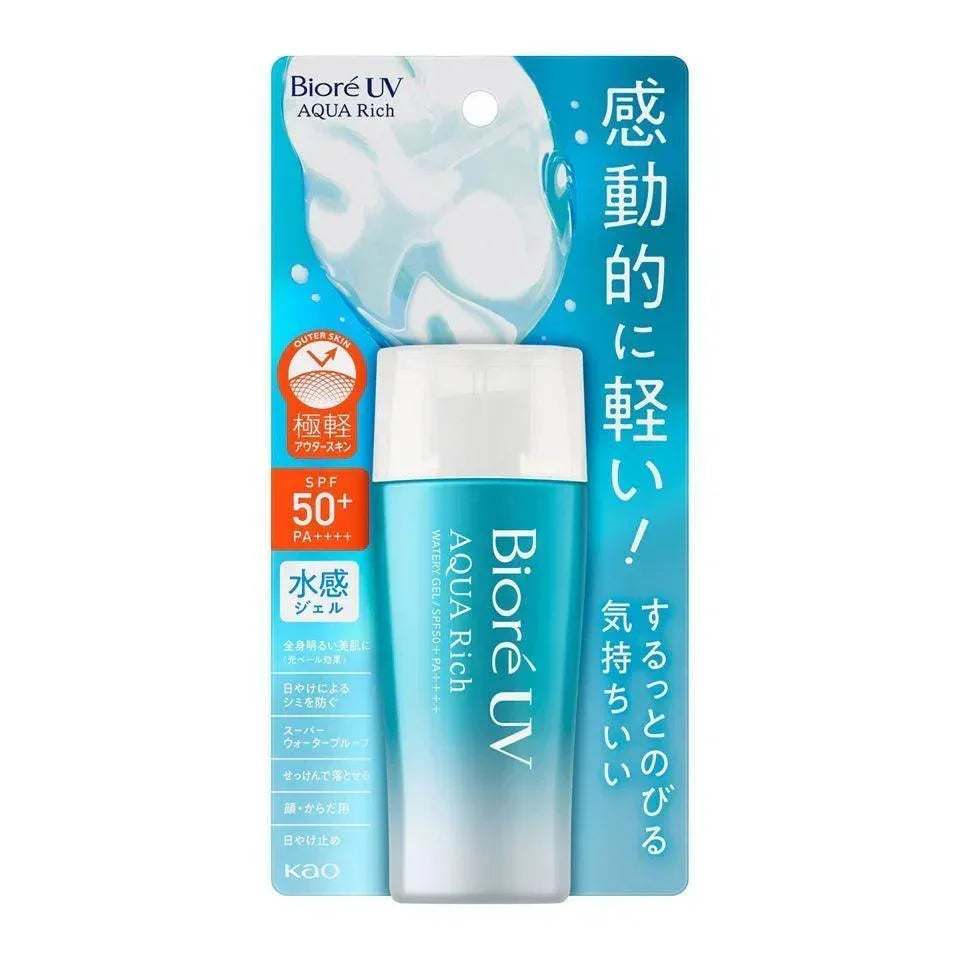
Canmake Mermaid Skin Gel UV and Biore UV Aqua Rich Watery Essence are the two most popular entry points into Japanese sunscreen for buyers, and they get compared to each other constantly. The short version: they serve fundamentally different skin types. Canmake is alcohol free, dewy, and hydrating. Biore uses alcohol for a fast drying, lightweight finish that leans matte. Choosing the right one comes down to your skin type, your climate, and what you want your sunscreen to do under makeup.
Here is the full breakdown.

Quick Verdict
Pick Canmake Mermaid Skin Gel if: You have dry, dehydrated, or sensitive skin. You want a hydrating, dewy finish. You avoid alcohol or fragrance in skincare. You primarily use sunscreen for daily commuting and indoor/office work.
Pick Biore UV Aqua Rich Watery Essence if: You have oily or combination skin. You want a lightweight, matte leaning finish that dries fast. You need a sunscreen that layers invisibly under makeup with minimal tackiness. You don’t mind alcohol or fragrance in your sunscreen.
Key Differences at a Glance
| Canmake Mermaid Skin Gel UV | Biore UV Aqua Rich Watery Essence | |
|---|---|---|
| SPF/PA | SPF50+ PA++++ | SPF50+ PA++++ |
| Size | 40g | 50g |
| Price range | ~$10 to $15 | ~$12 to $18 |
| UV filter type | Hybrid (chemical + mineral) | Chemical only |
| Alcohol | No | Yes (second ingredient) |
| Fragrance | No | Yes |
| Finish | Dewy, slight glow | Lightweight, matte leaning |
| Water resistant | No | Yes (Super Waterproof, 80 min) |
| Best for | Dry, sensitive, dehydrated skin | Oily, combination skin |
UV Filters and Ingredients
Both sunscreens use next generation UV filters that aren’t available in most US sunscreens. That shared technology is the main reason Japanese budget sunscreens feel so different from their American counterparts at the same price point. (For more on how Japanese UV filters differ from American ones, see our guide on whether Japanese sunscreens are safe.)
Canmake’s Hybrid Approach
Canmake uses a mix of chemical and mineral filters:
- Octinoxate (Ethylhexyl Methoxycinnamate): UVB protection
- Uvinul A Plus (Diethylamino Hydroxybenzoyl Hexyl Benzoate): UVA protection
- Tinosorb S (Bis-Ethylhexyloxyphenol Methoxyphenyl Triazine): broad spectrum UVA and UVB
- Zinc Oxide: mineral broad spectrum UVA and UVB protection
- Titanium Dioxide: mineral UVB and short wave UVA protection
The mineral filters (zinc oxide and titanium dioxide) add an extra layer of physical UV blocking on top of the chemical filters. This hybrid approach is one reason Canmake fans feel confident about its protection despite the lightweight texture.
The formula also includes sodium hyaluronate, glucosyl ceramide, and several botanical extracts (cherry blossom, Job’s Tears, mulberry root). These are in small amounts but contribute to the hydrating feel.
Biore’s All Chemical Formula
Biore skips mineral filters entirely and relies on chemical UV filters:
- Octinoxate (Ethylhexyl Methoxycinnamate): UVB protection
- Uvinul T 150 (Ethylhexyl Triazone): UVB protection
- Uvinul A Plus (Diethylamino Hydroxybenzoyl Hexyl Benzoate): UVA protection
- Tinosorb S (Bis-Ethylhexyloxyphenol Methoxyphenyl Triazine): broad spectrum UVA and UVB
The second ingredient in Biore is ethanol (alcohol). This is the main reason for its fast drying, lightweight texture, and it is also the main reason some people avoid it. Alcohol helps the sunscreen spread thinly and evaporate quickly, leaving behind a smooth film. For oily skin types, this is a benefit. For dry or sensitive skin, it can be dehydrating or irritating over time.
Biore also contains fragrance (listed as “Fragrance” at the end of the ingredients list). It has a clean, floral scent (described by Biore as “White Muguet,” or lily of the valley) that fades quickly but is present.
The Alcohol Question
This is the single biggest difference between these two sunscreens and the deciding factor for many people.
Canmake is completely alcohol free and fragrance free. If your skin reacts to either of those ingredients, the decision is already made.
Biore uses alcohol as a core part of its formula. It is not a trace amount at the end of the ingredients list. It is the second listed ingredient after water. In practical terms, this means Biore applies with that characteristic “cooling evaporation” feeling and dries down almost instantly. Many oily skin types love this. But it can sting on compromised or recently exfoliated skin, and some people find it drying with daily use.
Texture, Finish, and Application
Canmake Mermaid Skin Gel
Comes out of the tube as a gel cream that looks denser than it feels. Once you start spreading, it melts into something closer to water and absorbs within about 30 seconds. The finish is dewy with a subtle glow, almost like a hydrating primer. White cast is minimal on light to medium skin tones, though those with deeper skin tones may notice a slight cast from the mineral filters.
Because Canmake contains mineral filters (zinc oxide and titanium dioxide), there may be a slight white cast on deeper skin tones, though it is minimal compared to most mineral sunscreens. On light to medium skin tones, the cast is negligible. After about 5 to 10 minutes of setting time, the dewiness settles into a natural, healthy looking finish rather than an oil slick look. It works well as a makeup base because it leaves skin smooth without being tacky or slippery.
The trade off: on very oily skin, Canmake can look a bit shiny by midday, especially in humid weather. If you already produce a lot of oil, the dewy finish amplifies that.
Biore UV Aqua Rich Watery Essence
Thinner and more watery right out of the tube. Spreads easily and dries down almost immediately, leaving a barely there film that feels like you applied nothing. The finish leans matte but not fully matte. “Velvet” is probably the most accurate description.
It layers under makeup beautifully because there is almost no texture to interfere with foundation or powder. The fast dry time means you can apply makeup within a minute or two of putting on sunscreen.
The trade off: on dry skin, Biore can feel tight or emphasize dry patches, especially in colder or drier climates. The alcohol contributes to this. Some dry skin types find they need an extra hydrating layer underneath, which partially defeats the lightweight feel.
Under Makeup Performance
Both sunscreens are popular as makeup primers, but they give different results.
Canmake acts like a hydrating, slightly illuminating primer. It smooths skin and adds a dewy base that works well with natural or “no makeup” makeup looks. Liquid and cream foundations blend easily over it. It can cause issues with powder foundations if your skin is already oily, since the dewy finish plus powder can look patchy.
Biore acts like a matte primer. It creates a smooth, slightly velvety canvas that works with almost any foundation type. Powder and matte foundations sit particularly well on top of it. Dewy or luminous foundations also work since Biore’s matte base prevents the combination from sliding around.
Water Resistance and Durability
This is where the two diverge significantly.
Canmake is not water or sweat resistant. The packaging does not claim water resistance, and real world testing backs this up. It is a daily commute sunscreen, not a beach or outdoor activity sunscreen. If you sweat heavily or plan to be outside in high UV conditions for extended periods, Canmake is not the right pick.
Biore is labeled “Super Waterproof” and is tested for 80 minutes of water resistance. It holds up well to sweat and light water exposure, though for serious extended outdoor activity or swimming, something like Anessa Perfect UV Sunscreen Skincare Milk is still a stronger choice.
If you need a budget sunscreen that can handle outdoor activity, consider Biore UV Aqua Rich Watery Gel, the larger format version with stronger water resistance, or step up to Kose Suncut Perfect UV Protect Gel for a mid price water resistant option. For a full breakdown of which Japanese sunscreen texture works best for different situations, see our gel vs milk vs essence comparison.
Price and Value
Canmake Mermaid Skin Gel UV: 40g, typically $10 to $15 from retailers. That is roughly $0.25 to $0.38 per gram.
Biore UV Aqua Rich Watery Essence: 50g, typically $12 to $18 from retailers. That is roughly $0.24 to $0.36 per gram.
On a per gram basis, they are almost identical. The difference is that Biore gives you 10g more product per tube, which translates to a few more days of daily use. If you are applying the recommended amount for face and neck (about a nickel sized amount), a tube of Canmake lasts roughly 4 to 5 weeks and Biore about 5 to 6 weeks.
Both are significantly cheaper per gram than most popular Western sunscreens at comparable SPF levels.
Color Variants
Canmake offers multiple tinted variants of the Mermaid Skin Gel UV, which Biore does not match with the Watery Essence:
- 01 Clear: The standard version with no tint
- 02 White: A brightening, tone up variant that leaves a slight lavender white cast designed to brighten pale skin
If you want color correction built into your sunscreen, Canmake has an advantage here. Biore does offer a separate Biore UV Aqua Rich Tone Up Essence, but it is a different product rather than a variant of the Watery Essence.
Who Should Pick Which
Choose Canmake Mermaid Skin Gel if you:
- Have dry, dehydrated, or sensitive skin
- Prefer alcohol free and fragrance free formulas
- Want a dewy, hydrating finish that doubles as a primer
- Primarily use sunscreen for daily indoor/commute protection
- Like having tinted or color correcting variants available
- Want a hybrid formula with both chemical and mineral UV filters
Choose Biore UV Aqua Rich Watery Essence if you:
- Have oily or combination skin
- Want the fastest possible dry time with zero tackiness
- Need a completely invisible, no texture finish under makeup
- Live in a humid climate where a dewy finish would look greasy
- Need water and sweat resistance for daily activity (rated 80 minutes)
- Don’t mind alcohol or fragrance in sunscreen
Consider a third option if you:
- Want a budget gel sunscreen with no white cast and good hydration without Canmake’s dewiness: try Skin Aqua UV Super Moisture Gel (full review)
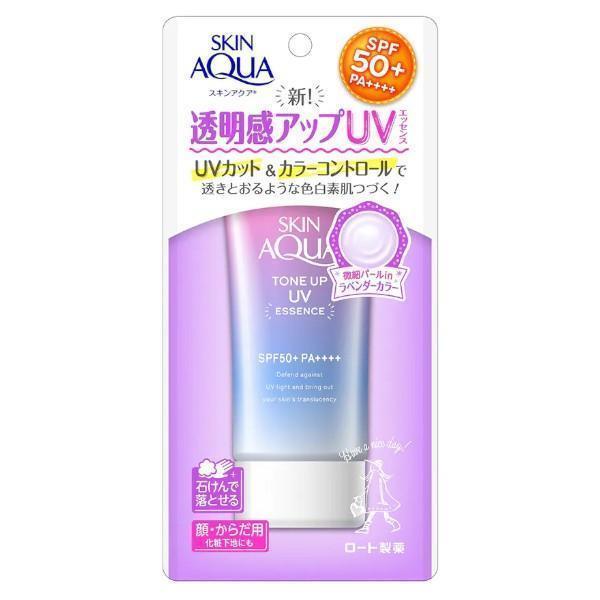
- Want budget sun protection with a tone up (color correcting) effect: try Skin Aqua Tone Up UV Essence
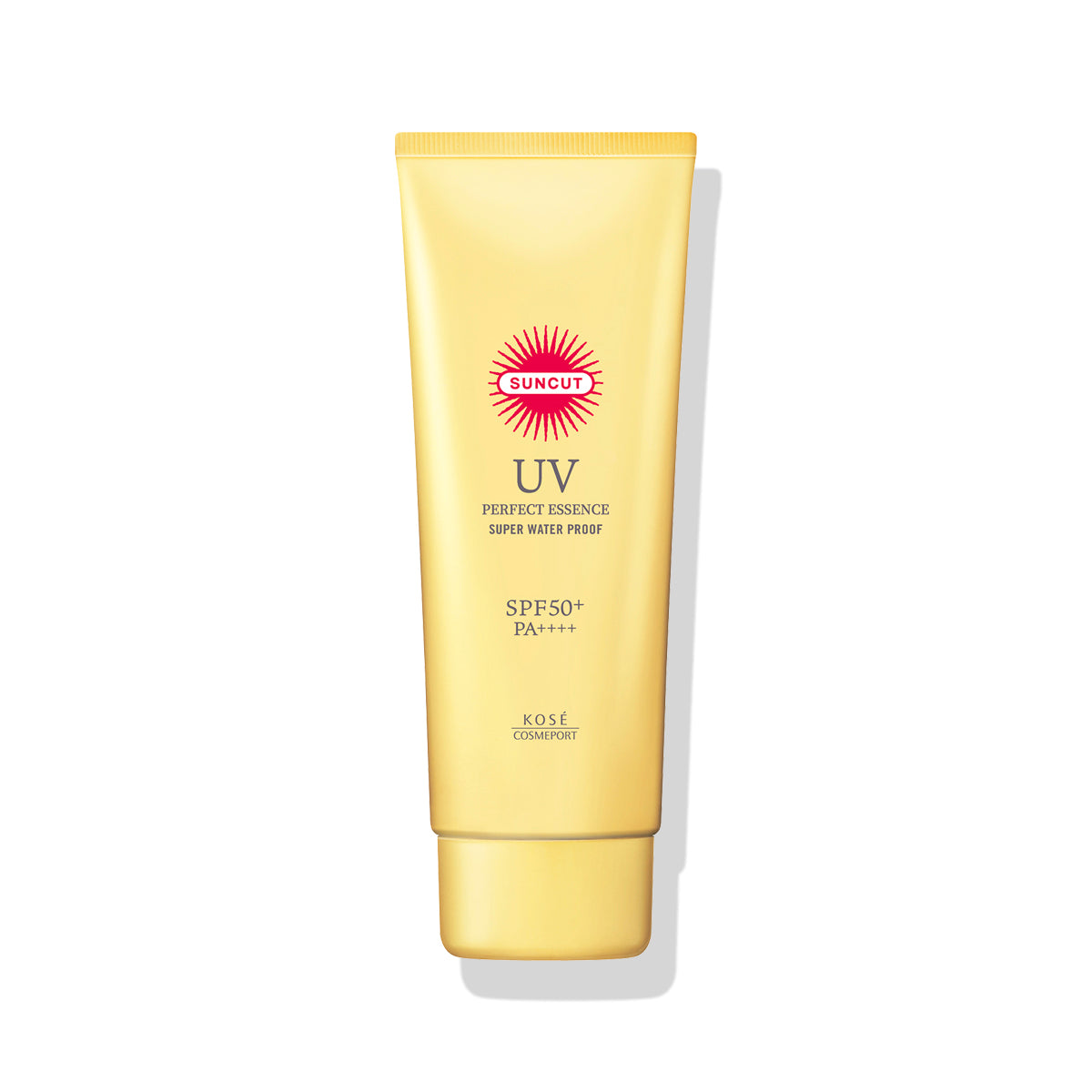
- Need serious water resistance on a budget: try the larger Biore UV Aqua Rich Watery Gel or KOSE Suncut UV Perfect Essence

Frequently Asked Questions
Is the Canmake Mermaid Skin Gel UV alcohol free?
Yes. The 01 Clear version contains no ethanol, denatured alcohol, or any other drying alcohol. It is also fragrance free. This is confirmed on the INCIDecoder ingredient listing and the packaging. The 02 White and 03 Cica Mint variants also appear to be alcohol free based on available ingredient lists.
Does Biore UV Aqua Rich Watery Essence leave a white cast?
No. Biore uses only chemical UV filters (no zinc oxide or titanium dioxide), so there is zero white cast on any skin tone. This makes it one of the more popular Japanese sunscreens for darker skin tones.
Can I use both for outdoor activities?
Canmake has no water resistance, so it is not suitable for outdoor activity involving sweat or water. Biore is rated Super Waterproof (80 minutes) and handles sweat and light water exposure well, but for extended swimming or intense activity, a sport sunscreen is still better. For outdoor activity, consider Anessa Perfect UV Sunscreen Skincare Milk or NIVEA SUN Protect Super Water Gel for a budget body option.
Is the Japanese version of Biore UV Aqua Rich different from the US version?
Yes. The Japanese version uses newer UV filters (Tinosorb S, Uvinul A Plus) that are not FDA approved for use in US manufactured sunscreens. The US version uses different, older filters. The products are not the same formula. When people recommend “Biore UV Aqua Rich” on Reddit, they almost always mean the Japanese version.
Which one is better as a makeup primer?
Both work well but in different ways. Canmake gives a hydrating, luminous base best for natural or dewy makeup looks. Biore gives a matte, smooth base best for powder, matte, or full coverage makeup. Pick based on the finish you want in your final makeup look.