Japanese beauty explained
Are Japanese Sunscreens Safe? FDA Rules, Ingredients, and What US Buyers Need to Know
If you’ve looked into Japanese sunscreens, you’ve probably hit the same wall: “These ingredients aren’t FDA approved.” That sounds alarming. It’s also misleading without context. (If you’re already sold and just want product picks, see our best Japanese sunscreen roundup.)
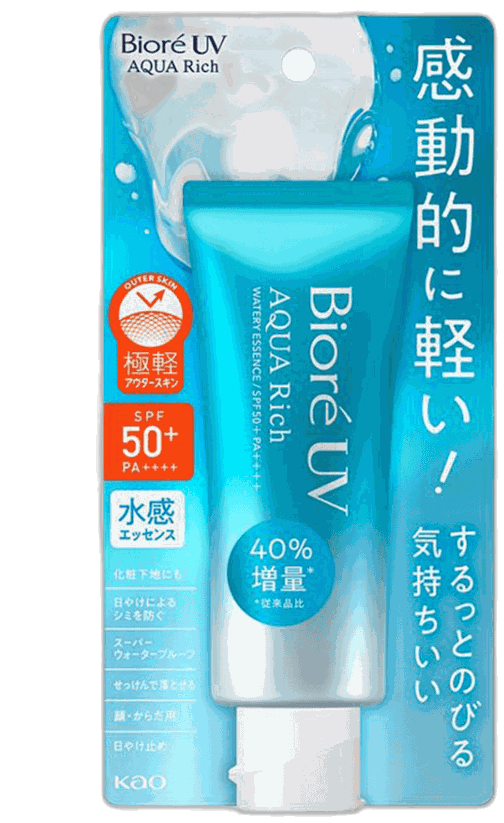
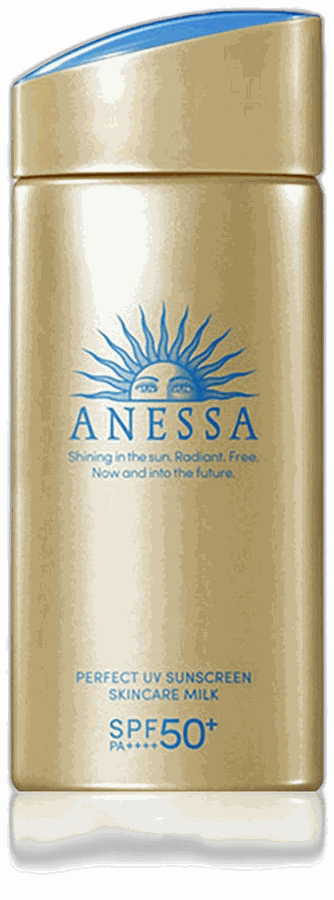
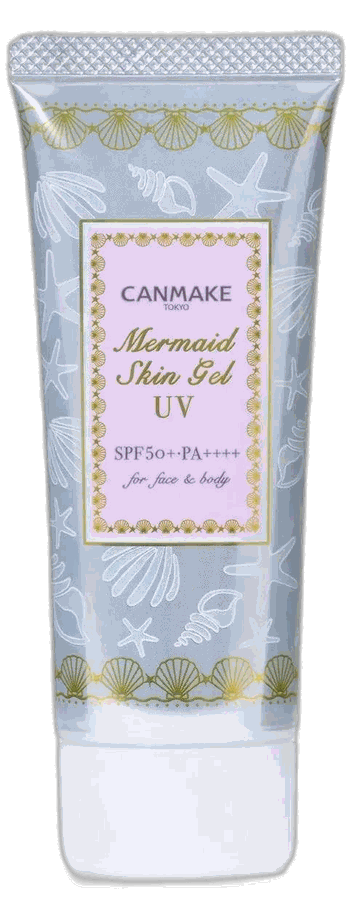
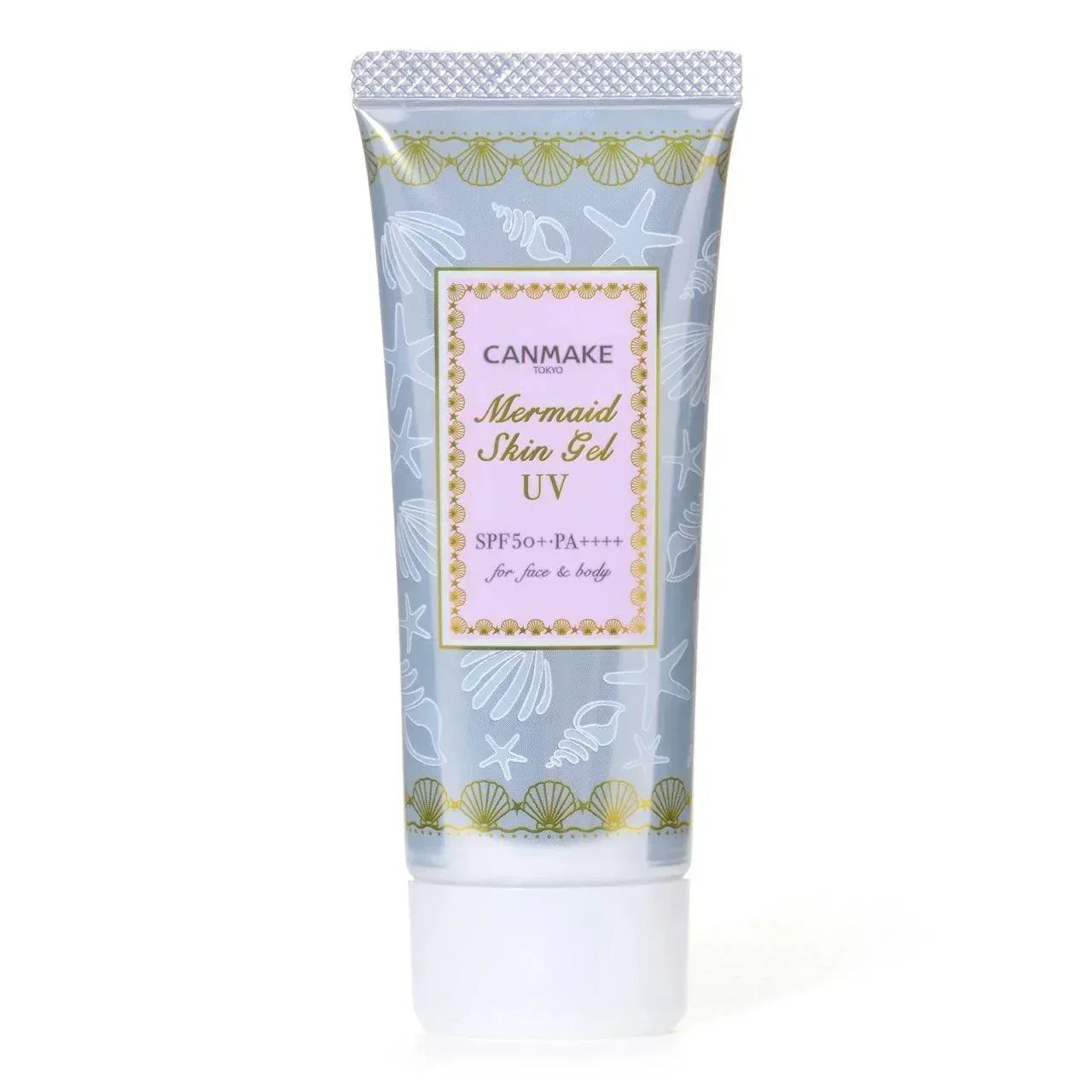
Japanese sunscreens like Biore UV Aqua Rich Watery Essence SPF50+/PA++++ (Japanese Version), Anessa Perfect UV Sunscreen Skincare Milk SPF50+/PA++++, and Canmake Mermaid Skin Gel UV SPF50+/PA++++ use UV filters that have been approved and used safely in Japan, Europe, and Australia for decades. The FDA hasn’t rejected these ingredients. It simply hasn’t finished reviewing them, due to a regulatory process that’s been stalled since the 1990s.
Here’s what US buyers need to know.

The Short Answer: Yes, They’re Safe
The UV filters in Japanese sunscreens have extensive safety data behind them. Bemotrizinol (Tinosorb S), the most common one, has been used in sunscreens across Japan, Europe, Australia, and Canada for over 20 years. Billions of applications. No significant safety concerns have emerged.
The reason these filters aren’t available in US sunscreens isn’t a safety issue. It’s a classification issue. The US treats sunscreen as an over the counter drug. Japan and Europe treat it as a cosmetic (or in Japan’s case, a “quasi drug”). These different regulatory frameworks mean different approval timelines, and the FDA’s timeline has been extraordinarily slow.
To put it plainly: the same filters that American consumers can’t buy in US products are the standard in countries with rigorous safety testing and large populations that use them daily.
Why Japanese Sunscreens Use Different Ingredients
The US has 16 approved UV filters for sunscreen. Japan has over 30. That gap explains why Japanese sunscreens feel so different from American ones.
Most US chemical sunscreens rely on older filters like avobenzone (for UVA) and octinoxate or homosalate (for UVB). These work, but they have limitations. Avobenzone degrades in sunlight unless stabilized. Many chemical filters don’t play well together, which limits formulation options.
Japanese sunscreens can draw from newer generation filters that solve these problems:
Bemotrizinol (Tinosorb S): A broad spectrum UVA/UVB filter that’s photostable, meaning it doesn’t break down in sunlight. It also stabilizes other UV filters around it. This is the backbone ingredient in most Japanese (and European) sunscreens, including Biore UV Aqua Rich Watery Essence SPF50+/PA++++ (Japanese Version) and Skin Aqua UV Super Moisture Gel SPF50+/PA++++.
Uvinul A Plus (Diethylamino Hydroxybenzoyl Hexyl Benzoate): A strong UVA filter commonly paired with bemotrizinol. Provides the kind of deep UVA protection that’s difficult to achieve with FDA approved filters alone.
Tinosorb M (Bisoctrizole): A hybrid organic/inorganic filter that provides broad spectrum protection. Used in some Japanese sunscreens and widely used in European formulations.
These newer filters allow Japanese brands to create sunscreens that are lightweight, cosmetically elegant, and offer strong broad spectrum protection without the heavy, greasy feel that many American sunscreens have. That’s largely a result of having access to a wider range of UV filter ingredients. For a full side by side comparison, see the Japanese vs American sunscreen breakdown.
What the FDA Says
The FDA classifies sunscreen as an OTC drug, not a cosmetic. That means every UV filter used in sunscreen sold in the US must go through a formal review process and be classified as GRASE (Generally Recognized as Safe and Effective).
Currently, only 16 UV filters are approved. Of those, the FDA considers only two, zinc oxide and titanium dioxide, to have enough data to be definitively classified as safe and effective. The other 14 approved chemical filters are in a category the FDA calls “needs more data,” which doesn’t mean they’re unsafe. It means the FDA wants updated studies using modern testing methods.
The FDA hasn’t approved a new UV filter since the late 1990s. Not because it reviewed and rejected newer filters. Because the review process itself was broken.
Here’s what happened:
1938: The Federal Food, Drug, and Cosmetic Act established the framework. Sunscreen became an OTC drug.
1999: The last UV filter was approved under the old monograph system.
2014: Congress passed the Sunscreen Innovation Act (SIA) to speed up reviews. It didn’t work. The FDA imposed new testing requirements, including the Maximum Usage Trial (MUsT), that weren’t aligned with international standards. No new filters were approved.
2020: The CARES Act overhauled the OTC monograph system again, creating a streamlined administrative order process.
December 2025: The FDA finally issued a proposed order to add bemotrizinol as a GRASE ingredient. This is the first new UV filter proposed for approval in decades.
The key takeaway: “not FDA approved” doesn’t mean “reviewed and found unsafe.” It means “stuck in a regulatory backlog.”
Japan’s Quasi Drug System Explained
In Japan, sunscreens are regulated as “quasi drugs” (医薬部外品) by the Ministry of Health, Labour and Welfare (MHLW). This is a category between cosmetics and pharmaceuticals.
What that means in practice:
- Sunscreen manufacturers must register each product with the MHLW before it can be sold
- The active UV filters must come from Japan’s approved list (over 30 filters)
- SPF and PA ratings must be tested in certified domestic laboratories, even for imported products
- Products must carry a quasi drug approval number on their packaging
- Safety and efficacy data are reviewed before market authorization
This is not a loose system. Japan has some of the most thorough cosmetic and quasi drug regulations in the world. The MHLW reviews ingredients, formulations, and manufacturing processes. Japanese sunscreens go through real regulatory scrutiny before they reach store shelves.
The PA rating system (PA+ through PA++++) is also worth understanding. It measures UVA protection specifically, something US sunscreen labels don’t quantify beyond a “broad spectrum” designation. A PA++++ rating means the product provides the highest level of UVA protection. Most popular Japanese sunscreens, including Anessa Perfect UV Sunscreen Skincare Milk SPF50+/PA++++ and Biore UV Aqua Rich Watery Essence SPF50+/PA++++ (Japanese Version), carry this top rating.
Can You Still Buy Japanese Sunscreens Outside Japan?
Yes. But the landscape has changed since mid 2025, and how you buy matters more than it used to.
US based retailers are the safest option. Specialty Japanese beauty retailers that import products commercially handle FDA compliance on their end. The products they sell have already cleared customs and are sitting in US warehouses. This is the most reliable way to buy.
Retailers like YesStyle, Kiyoko Beauty, and Senti Senti specialize in authentic Japanese beauty products. Larger retailers like Amazon also carry Japanese sunscreens, though authenticity varies by seller. Stick to listings fulfilled by Amazon or sold directly by the brand’s authorized US distributor.
Some Japanese sunscreen brands also sell reformulated US versions through mainstream US retailers. Biore UV Aqua Rich Watery Essence SPF 50 (US Version) is available at drugstores and uses FDA approved filters, though the formula and texture differ from the Japanese original.
If you’ve seen Japanese sunscreens at physical US stores like Miniso or Teso Life with SPF labels covered by stickers, that’s a related compliance strategy. See our guide on why Japanese sunscreens have no SPF label at US stores for the full explanation.
For a full breakdown of where to buy, see the guide on where to buy Japanese skincare in the US.
What About Customs?
This is where things got complicated in 2025.
As of July 9, 2025, U.S. Customs and Border Protection began enforcing import reviews on all FDA regulated products entering the US, including personal shipments that fall under the $800 de minimis duty exemption. (That exemption was later eliminated entirely on August 29, 2025. See our tariff buying guide for the full breakdown.) Previously, small personal orders of Asian sunscreens shipped from overseas often cleared customs without issue. That’s no longer guaranteed.
What this means in practice:
- Orders from overseas retailers (shipping directly from Japan or Korea) may be delayed, held, or refused at customs if they contain sunscreens with non FDA approved UV filters
- Personal use imports are not explicitly banned, but the FDA now has the authority to review and refuse them
- US based retailers that have already imported inventory are not affected. Products sitting in US warehouses have already cleared customs
Community reports from r/AsianBeauty throughout late 2025 show mixed results. Some personal orders cleared customs normally. Others were held or returned. The inconsistency makes overseas ordering a gamble.
The practical advice: buy from US based retailers whenever possible. If a product is in stock at a US based specialty shop, that’s your most reliable path. Save the overseas ordering for products you genuinely can’t find domestically.
The Bemotrizinol Update: Where FDA Approval Stands in 2026
On December 11, 2025, the FDA issued a proposed administrative order to add bemotrizinol as a GRASE active ingredient for use in OTC sunscreens at concentrations up to 6%. This was the first new sunscreen ingredient proposed for approval in decades.
The public comment period ran from December 12, 2025 through January 26, 2026. A final GRASE determination has not been scheduled, but could come sometime in 2026.
If approved, bemotrizinol would become the 17th approved UV filter in the US. This would allow American sunscreen brands to formulate with the same broad spectrum filter that Japanese and European brands have relied on for years.
What this means for Japanese sunscreen buyers:
- Short term: Nothing changes immediately. Even after a final order, it will take time for US brands to reformulate products and bring them to market
- Medium term: Some Japanese sunscreens could potentially be sold in the US as OTC drugs if their formulations meet the monograph requirements. But each product would still need to comply with US OTC drug labeling and manufacturing standards
- Long term: The real benefit is that US brands will finally be able to make sunscreens with comparable ingredients. The texture and protection gap between American and Japanese sunscreens should narrow over time
Bemotrizinol approval doesn’t automatically make all Japanese sunscreens legal to sell in the US as drugs. Japanese formulations often contain multiple non FDA approved filters beyond just bemotrizinol. Full parity would require approval of additional filters like Uvinul A Plus and Tinosorb M, and there’s no timeline for those.
FAQ
Are Japanese sunscreen ingredients banned in the US?
No. “Not approved” and “banned” are very different things. The UV filters in Japanese sunscreens have never been prohibited by the FDA. They simply haven’t completed the US approval process for use in OTC drug products. You can legally purchase and use Japanese sunscreens for personal use.
Is the Japanese version of Biore sunscreen better than the US version?
They’re different formulations with different UV filters. The Japanese Biore UV Aqua Rich Watery Essence SPF50+/PA++++ (Japanese Version) uses newer generation filters like bemotrizinol that create a lighter, more cosmetically elegant texture. The Biore UV Aqua Rich Watery Essence SPF 50 (US Version) uses FDA approved filters and has a noticeably different feel. Many users prefer the Japanese version’s texture, but both provide sun protection. For a detailed breakdown, see the Biore JP vs US formula comparison.
Can I bring Japanese sunscreen back from a trip to Japan?
Yes. There’s no restriction on bringing sunscreen in your personal luggage for personal use. Customs enforcement targets commercial imports and shipments, not personal items in your suitcase. Many travelers stock up on favorites like Canmake Mermaid Skin Gel UV SPF50+/PA++++ and Skin Aqua UV Super Moisture Gel SPF50+/PA++++ during trips to Japan.
What about Japanese sunscreens with only FDA approved ingredients?
Some Japanese sunscreens use only mineral UV filters that are FDA approved, like zinc oxide and titanium dioxide. Curel Intensive Moisture Care Skin Repair UV Serum is one example that’s formulated for sensitive skin. These can be sold in the US as OTC drugs without regulatory issues, though most popular Japanese sunscreens do use the newer non FDA approved chemical filters.
How do I know if a Japanese sunscreen uses non FDA approved filters?
Check the ingredient list for these common Japanese UV filters that are NOT FDA approved: bemotrizinol (Bis-Ethylhexyloxyphenol Methoxyphenyl Triazine), Uvinul A Plus (Diethylamino Hydroxybenzoyl Hexyl Benzoate), Tinosorb M (Methylene Bis-Benzotriazolyl Tetramethylbutylphenol), and octyl triazone (Ethylhexyl Triazone). If any of these appear on the label, the product contains filters not yet approved for US sunscreen use. For a deeper look at what’s inside popular Japanese sunscreens, see the Biore UV Aqua Rich ingredients breakdown.