Japanese beauty explained
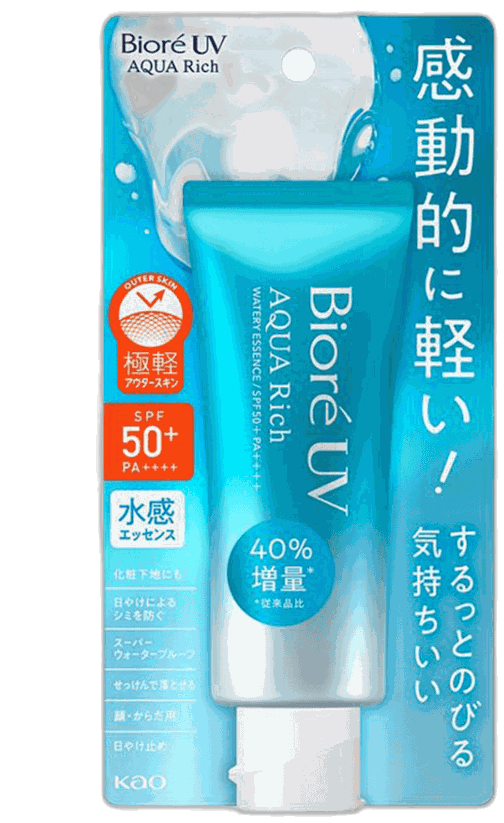
Biore UV Aqua Rich Ingredients: Safety, Alcohol, and FDA Status
Yes, Biore UV Aqua Rich Watery Essence is a reasonable daily sunscreen for most people. The key nuance is that “not FDA-approved” is a US regulatory status, not proof of danger.
Quick answer:
- UV filters: the Japanese formula uses modern filters such as Tinosorb S and Uvinul A Plus that are widely used outside the US.
- Main irritation risk: alcohol denat. and fragrance, especially for very dry, rosacea-prone, or reactive skin.
- Big buying mistake: confusing the Japanese Biore with the US Biore; they share branding but not the same filter system.
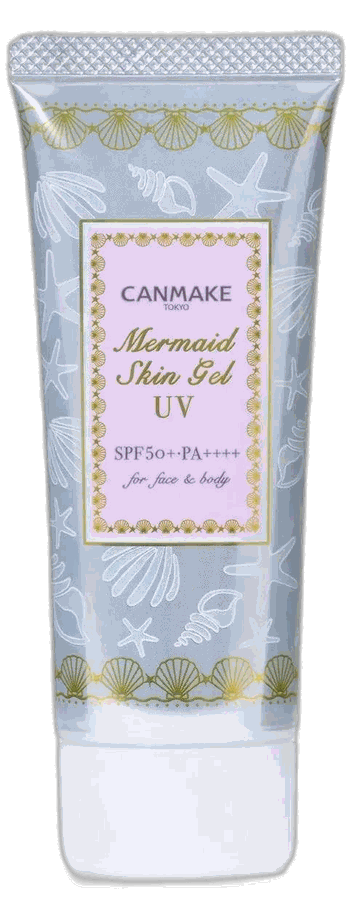
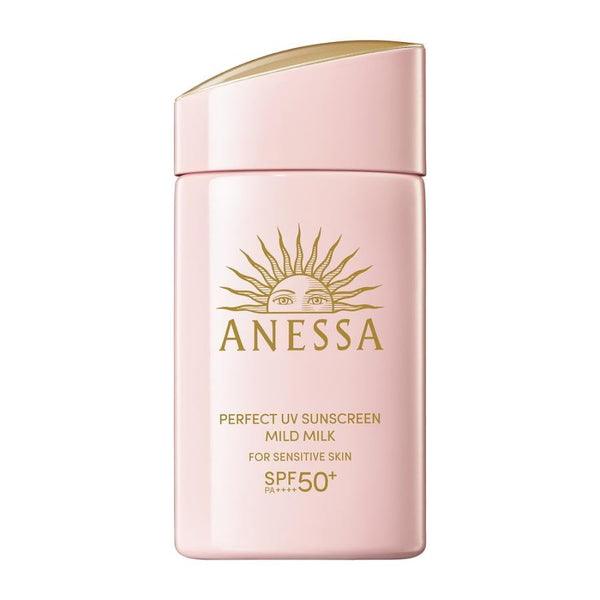
- If you want alcohol-free: look at Canmake Mermaid Skin Gel UV, Curel UV Serum, or Anessa Mild Milk instead.
The Ingredients That Raise Questions
The Japanese Biore UV Aqua Rich Watery Essence contains UV filters that aren’t approved for use in US sunscreen products. The ones that get the most attention:
Tinosorb S (Bis-Ethylhexyloxyphenol Methoxyphenyl Triazine) A photostable UVA/UVB filter. Approved in Japan, Europe, Australia, Canada, and most countries worldwide. Used in sunscreens globally for over 20 years.
Uvinul A Plus (Diethylamino Hydroxybenzoyl Hexyl Benzoate) A strong UVA filter. Approved and widely used in Japan, Europe, and Australia.
Octinoxate (Ethylhexyl Methoxycinnamate) A UVB filter that is actually FDA approved and used in US sunscreens. Sometimes flagged by “clean beauty” lists, but widely considered safe at the concentrations used in sunscreen.
| Ingredient concern | What it means for buyers |
|---|---|
| Tinosorb S / Uvinul A Plus | Modern UV filters common in Japanese, European, and Australian sunscreens; not available in US OTC sunscreen products. |
| Octinoxate | UVB filter used globally and also FDA-approved in US sunscreens. |
| Alcohol denat. | Helps the famous fast-dry texture; can sting or dry out sensitive skin. |
| Fragrance | Usually fine for many users, but avoid if fragrance reliably triggers irritation for you. |
| US vs Japan label | Buy the Japanese import if you want the viral watery texture and newer filter system; buy the US version if FDA-only filters matter more to you. |
Why They’re Not FDA Approved (And Why That Doesn’t Mean Unsafe)
The FDA has not approved a new UV filter since the late 1990s. This isn’t because newer filters were reviewed and rejected. It’s because the FDA’s review process for new sunscreen ingredients has been effectively stalled for decades.
Filters like Tinosorb S have been approved by regulatory agencies in:
- Japan (PMDA)
- European Union (SCCS/EC)
- Australia (TGA)
- Canada (Health Canada)
- South Korea, Southeast Asia, and most other markets
These are not under regulated countries. The EU’s Scientific Committee on Consumer Safety (SCCS) has some of the most rigorous safety assessment processes in the world. These filters passed.
The FDA situation is a US regulatory bottleneck, not a global safety concern. For a deeper look at FDA regulations, the bemotrizinol/Tinosorb S approval timeline, and what customs enforcement means for US buyers, see our Japanese sunscreen safety and FDA guide and the US-store labeling explainer.
What About “Clean Beauty” Concerns?
Some “clean beauty” databases and apps flag certain sunscreen ingredients as potentially harmful. A few things to consider:
EWG ratings score some chemical UV filters as moderate concern. However, EWG’s scoring methodology is controversial among dermatologists and cosmetic chemists. The organization has been criticized for overweighting theoretical concerns (in vitro studies, animal studies at extreme doses) relative to real world usage data.
Hormone disruption claims for some UV filters are based on studies where the filters were ingested or applied at concentrations far exceeding any sunscreen use. At the concentrations used in sunscreen products, peer reviewed research has not established meaningful endocrine disruption risk.
The dermatologist consensus is clear: the health risks of unprotected UV exposure (skin cancer, accelerated aging) significantly outweigh any theoretical concerns about chemical UV filter safety at normal use concentrations.
The US Version vs Japanese Version
If the Japanese UV filters genuinely concern you, the US version of Biore UV Aqua Rich uses only FDA approved filters (avobenzone, homosalate, octisalate, octocrylene). It’s a different formula with a different texture, but it addresses the regulatory concern.
The tradeoff: the US formula is less elegant (heavier texture) and uses older UV filters that some evidence suggests are less photostable than the Japanese filters.
Related: Biore JP vs US Formula · Are Japanese Sunscreens Safe/FDA Approved? · Best Japanese Sunscreen · Canmake Mermaid Skin Gel Review · New Japanese Sunscreens 2026
FAQ
Is Biore UV Aqua Rich safe for daily use?
Yes. The ingredients have been used safely by millions of people daily across Japan, Europe, Australia, and other markets for decades. The UV filters are approved by multiple regulatory agencies worldwide.
Is Biore safe for sensitive skin?
The standard Biore UV Aqua Rich contains alcohol (denat.) which can irritate very sensitive or dry skin. If your skin is reactive, consider Curel Intensive Moisture Care UV Serum (mineral only, ceramide based) or Anessa Mild Milk (fragrance free, gentle formula).
Are Japanese sunscreens safer than American ones?
Neither is inherently safer. Both use well tested UV filters. Japanese sunscreens use newer filters with more recent safety data. American sunscreens use older filters with longer usage histories. Both provide safe UV protection. The question of which provides better protection is separate from safety.
Should I be worried about chemical sunscreens?
The overwhelming scientific consensus is that the benefits of UV protection far outweigh any theoretical risks from chemical UV filters. Dermatologists strongly recommend using sunscreen daily. If you prefer to avoid chemical filters entirely, mineral (zinc oxide/titanium dioxide) sunscreens are an alternative, though they typically have heavier textures and may leave a white cast.
Is the alcohol in Biore UV Aqua Rich a problem?
Alcohol (denat.) helps the sunscreen dry quickly and feel lightweight. For most skin types, it’s not a problem. For very dry or very sensitive skin, it can cause irritation or dryness. If alcohol is a concern, look for alcohol free Japanese sunscreens like Canmake Mermaid Skin Gel UV.