Japanese beauty explained
Japanese Sunscreen Types: Gel vs Milk vs Essence vs Cream (How to Choose)
The most asked question about Japanese sunscreens isn’t which brand to pick. It’s what the difference is between a gel, a milk, and an essence. Multiple Reddit threads going back to 2020 ask this exact question, and the answers are usually vague or contradictory.
It makes sense. Walk into a Japanese drugstore (or browse any J beauty retailer online) and you’ll see the same brand offering the same SPF in four or five different formats. Biore has a Watery Gel and a Watery Essence. Anessa has a Milk and a Gel. Skin Aqua has a Gel, a Milk, an Essence, and several Tone Up versions. They all say SPF50+ PA++++.
So what’s different? More than you’d think. The format changes the texture, the finish, how it layers with other products, how well it holds up in heat, and who it works best for. This is the guide to figuring out which format fits your skin. (Once you know the formats, our how to choose guide by skin type helps narrow it down further.)
Why Japanese Sunscreens Come in So Many Formats
Western sunscreen mostly comes in two forms: lotion and spray. Maybe a stick. Japanese sunscreens offer six or more distinct formats because the market expects it.
Part of it is climate. Japan’s summers are extremely humid, but winters are dry. A single sunscreen formula can’t work equally well in both conditions, so brands developed lighter formats for summer and richer ones for winter.
Part of it is layering culture. Japanese skincare routines often involve multiple steps, and sunscreen needs to sit well over serums, toners, and moisturizers without pilling or breaking down. Different formats layer differently.
And part of it is just consumer demand. Japanese beauty shoppers are specific about what they want. They’ll choose between a matte finish milk and a dewy finish gel based on what they’re doing that day. Brands respond by making a version for every preference.
The PA++++ rating system also plays a role. Since Japan tests and rates UVA protection separately, shoppers can compare products more precisely. That level of transparency pushes brands to compete on texture and experience, not just protection numbers, because the protection is already maxed out across most formats.
At a Glance
| Format | Texture | Finish | Best For | Water Resistance |
|---|---|---|---|---|
| Gel | Watery, cool | Dewy/natural | Oily skin, body, daily wear | Low to moderate |
| Milk | Thin, fluid | Matte/satin | Sports, outdoor, oily skin | High |
| Essence | Serum like, light | Skin like, dewy | Dry skin, under makeup, sensitive skin | Low to moderate |
| Tone Up | Tinted, creamy | Brightened, lavender or pink tint | Color correction, no makeup days | Low to moderate |
| Cream | Rich, emollient | Moisturized, dewy | Dry skin, mature skin, winter | Moderate |
| Spray | Mist | Invisible | Reapplication over makeup | Low |
| Stick | Waxy, solid | Varies | Reapplication on the go, around eyes | Moderate to high |
Gel Sunscreens
What they feel like: Cool, watery, slightly bouncy texture. Spreads easily over large areas. Absorbs fast and usually leaves a dewy or natural finish with no white cast.
Best for: Oily and combination skin, humid weather, body application, anyone who hates the feel of sunscreen on skin.
Gels are the most popular format in Japan, especially for summer. They’re lightweight enough to use on face and body without feeling heavy, and most wash off with regular cleanser (no oil cleanser needed).
The trade off is staying power. Gels tend to be the least water resistant format, which makes them great for daily commutes and office days but not ideal for the beach or outdoor sports. Some waterproof gels exist, but they sacrifice a bit of that airy texture.
Popular Gel Sunscreens
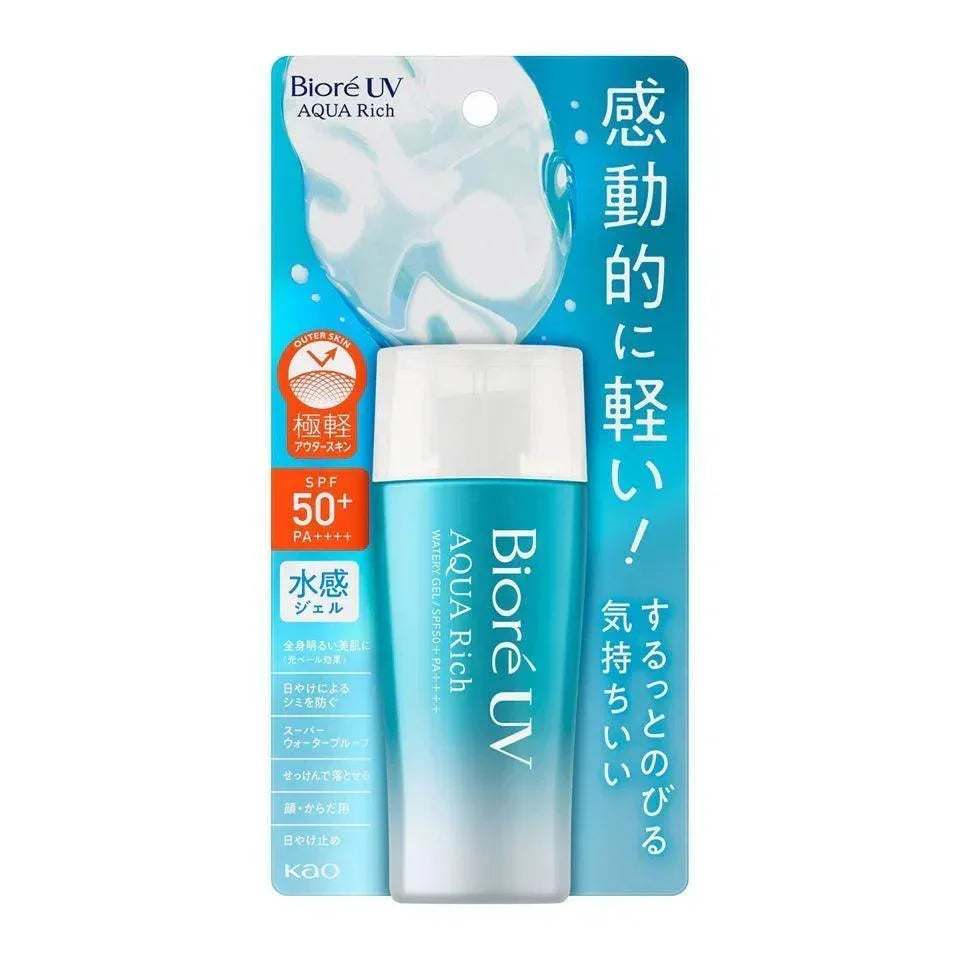
Biore UV Aqua Rich Watery Gel SPF50+/PA++++ is the bestselling Japanese sunscreen gel worldwide. It has a genuinely watery consistency that disappears into skin and works equally well on face and body. The large 155ml size makes it one of the best value options for full body application. Just note that the Japanese version uses different UV filters than the US Biore products sold at Target.
Biore
8 retailersSee retailers →
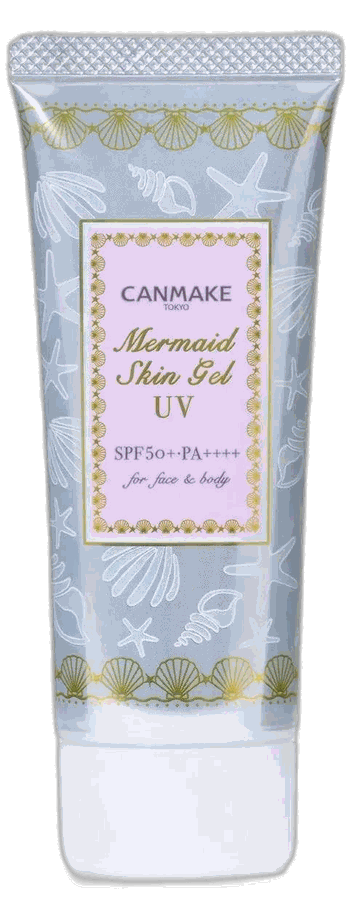
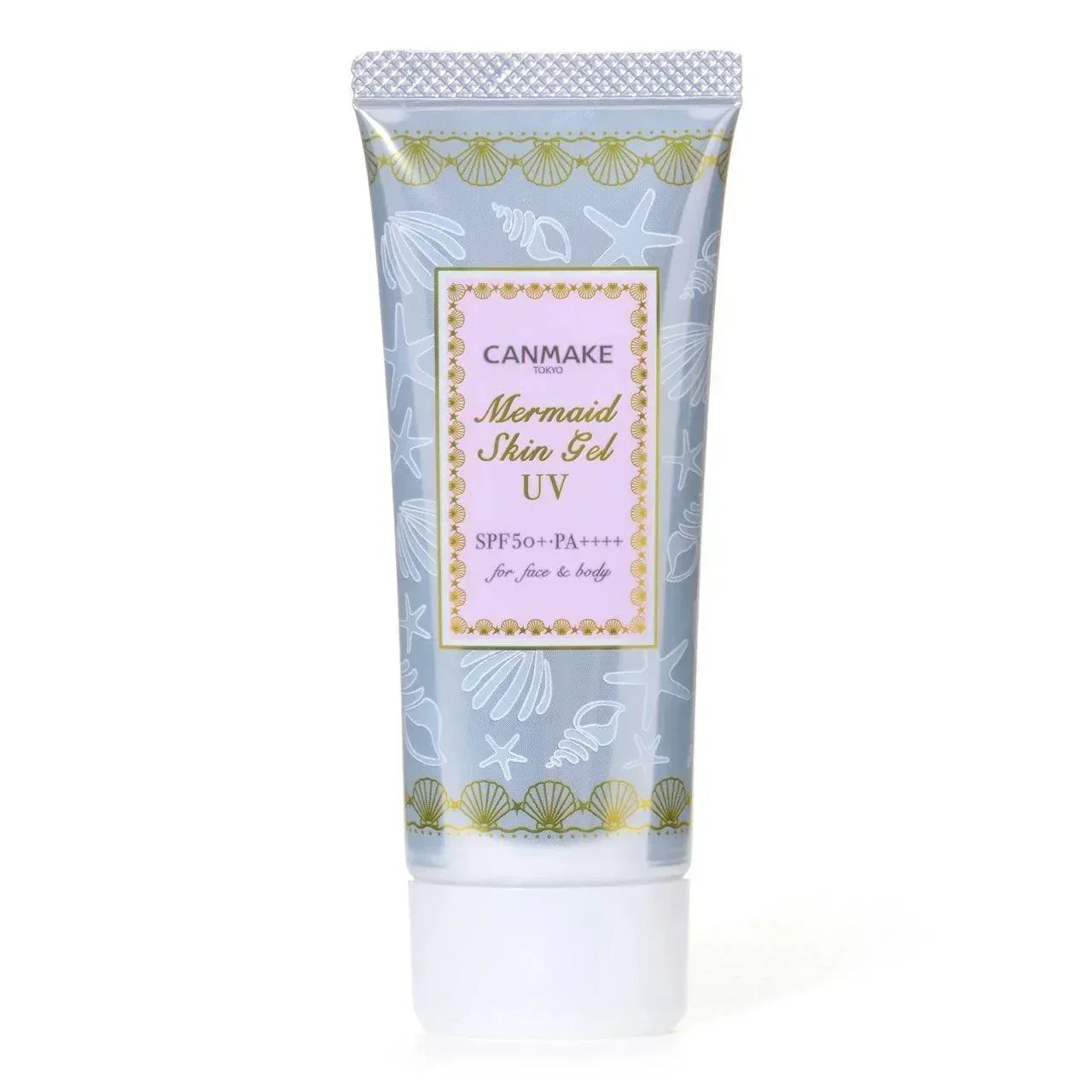
Canmake Mermaid Skin Gel UV SPF50+/PA++++ is a community favorite for its primer like qualities (see our Canmake Mermaid Skin Gel review). It smooths skin and leaves a slightly dewy finish without any greasiness. The clear version works on all skin tones. It’s a small tube (40g), so it’s best reserved for face only.
Canmake
8 retailersSee retailers →
Skin Aqua UV Super Moisture Gel SPF50+/PA++++ offers strong hydration in a gel format. It’s a good pick for people who find most gels slightly drying. The pump bottle version (140g) is practical for daily use on face and body.
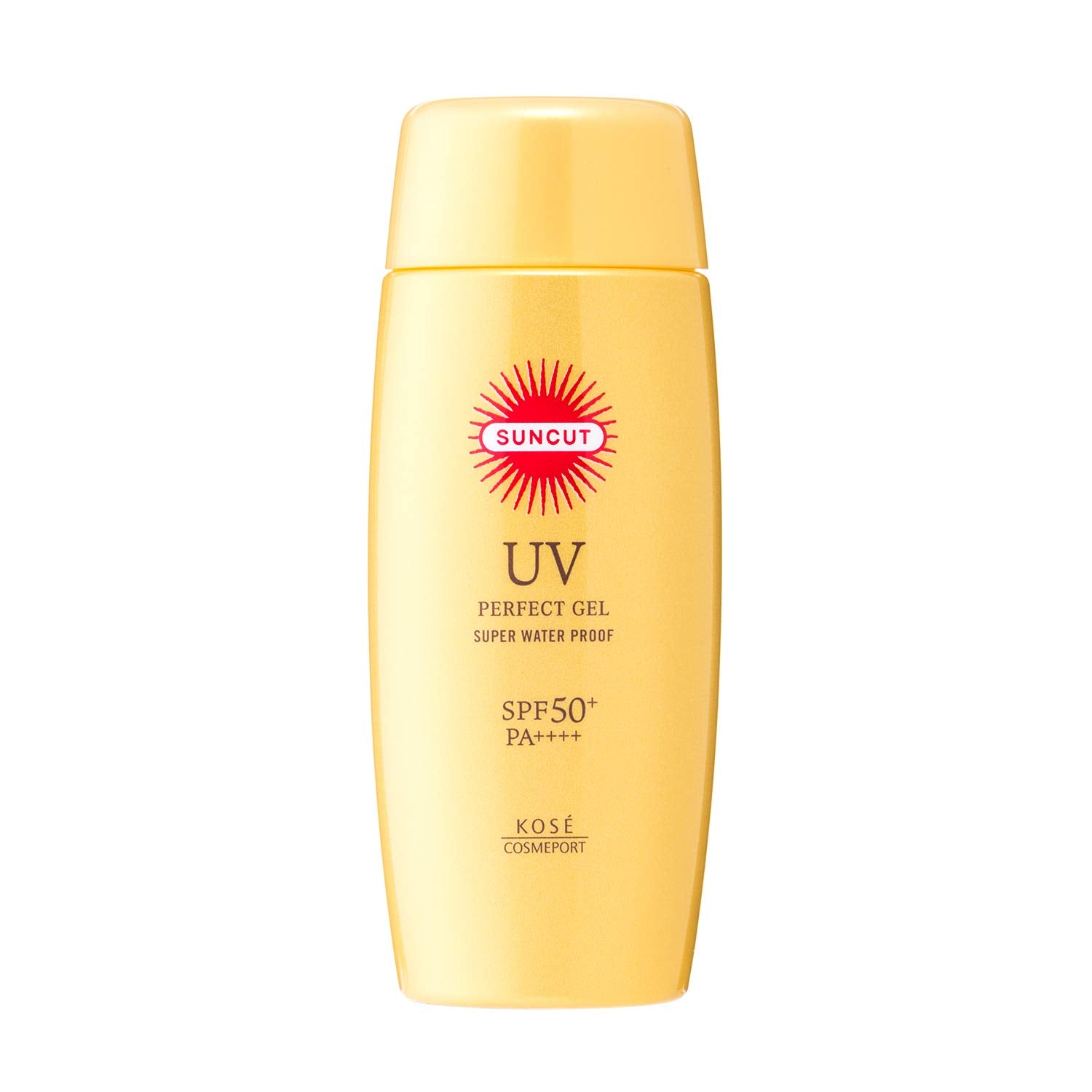
KOSE Suncut Protect UV Gel Super Waterproof SPF50+ PA++++ is one of the rare waterproof gels. It holds up better in humidity and sweat than most gels while keeping that lightweight feel. The gold bottle version is the super waterproof one.
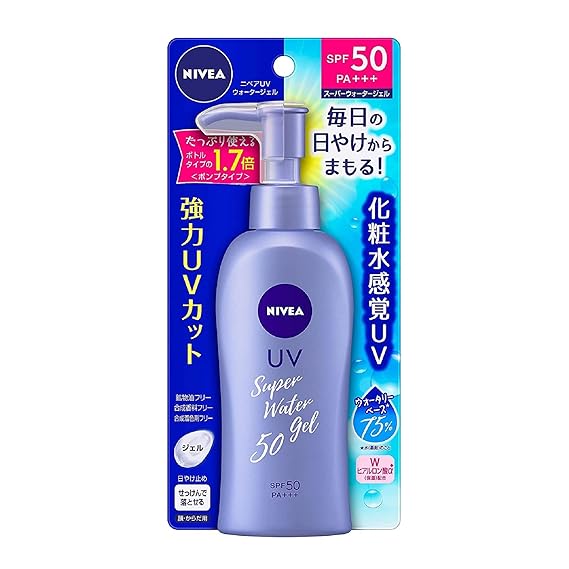
NIVEA SUN Protect Super Water Gel SPF50 PA+++ is a budget pick that comes in a large pump bottle (140g). It’s very light and hydrating, almost like putting on water. Note that it’s SPF50 PA+++ rather than PA++++, so the UVA protection is one step lower than most options here. Great for body use and daily errands.
Verdio UV Moisture Gel SPF50+ PA++++ is worth noting for anyone with sensitive skin who wants a gel. It skips alcohol and fragrance and comes in a generous 220g pump bottle designed for outdoor family use.
Hada Labo Koi-Gokujyun UV Perfect Gel SPF50+ from Rohto brings Hada Labo’s signature hyaluronic acid hydration into a sunscreen gel. Good for dry skin types who want moisture and protection in one step.

Milk Sunscreens
What they feel like: Thin, fluid, shake before use consistency (the liquid separates in the bottle). Dries down to a matte or satin finish. Feels almost powdery once absorbed.
Best for: Oily skin, outdoor activities, anyone who needs strong staying power or water resistance, humid climates where you don’t want shine.
Milks are the performance format. They tend to offer the strongest water and sweat resistance, which is why beach and outdoor brands lean heavily on milk formulas. The matte finish also makes them popular as makeup bases for oily skin.
The shake before use part is important. Milk sunscreens are emulsions where the UV filters are suspended in a water phase. If you don’t shake the bottle, you’ll get uneven protection. Think of it like salad dressing.
The downside: milks can feel slightly drying on already dry skin, and some leave a noticeable white cast depending on formulation. Check individual products. If avoiding white cast is your top priority, see our no white cast sunscreen guide for picks that go on invisible.
Popular Milk Sunscreens
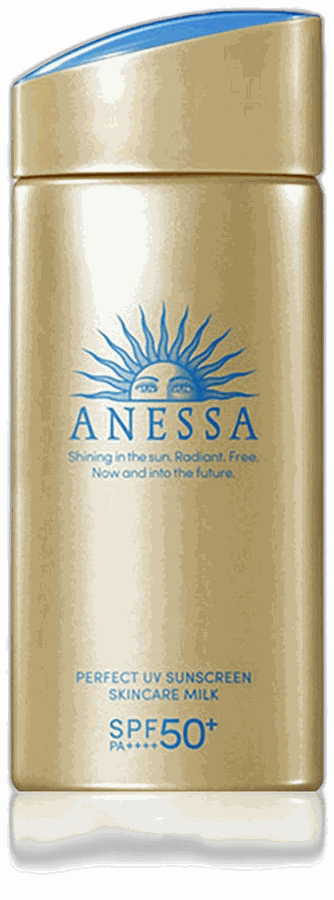
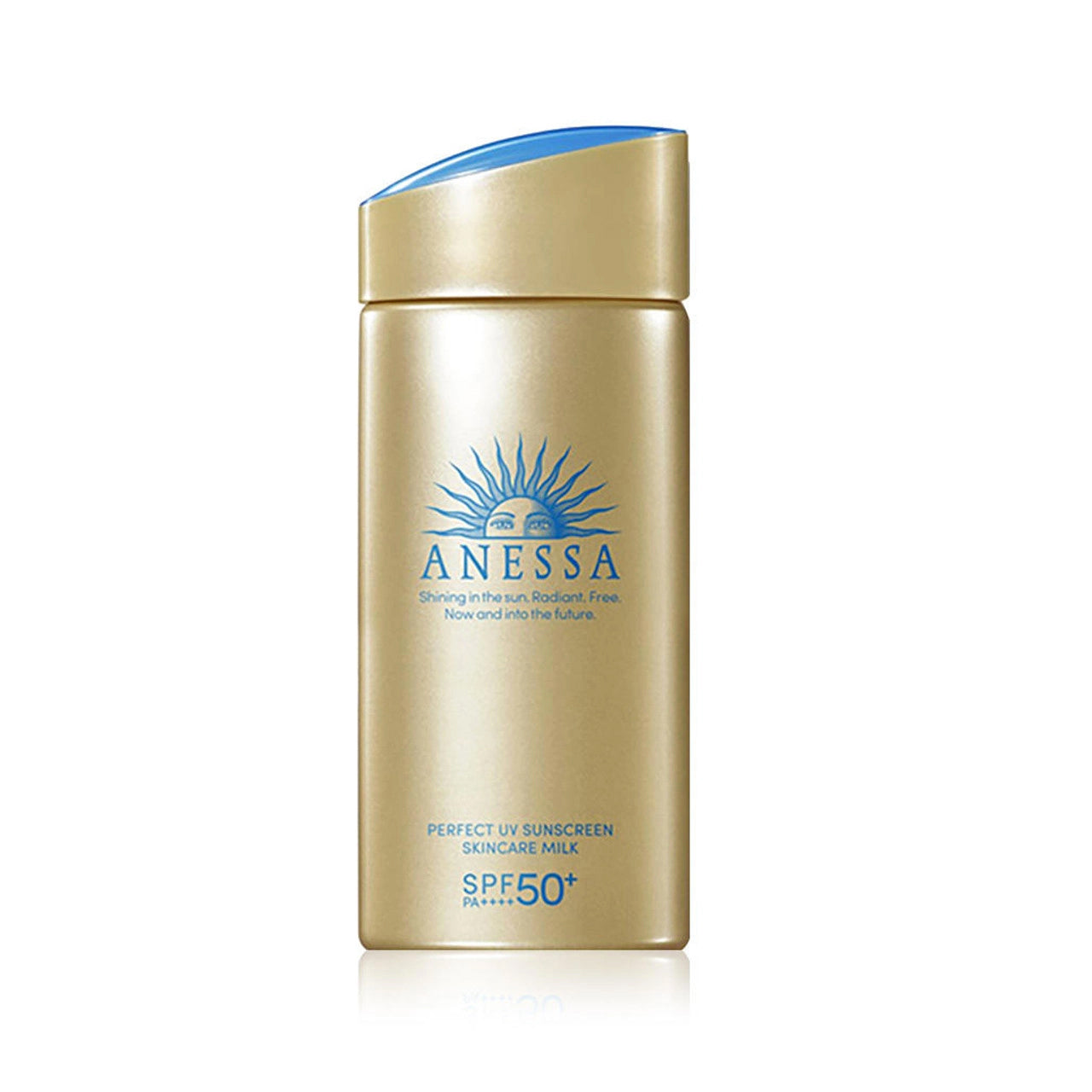
Anessa Perfect UV Sunscreen Skincare Milk SPF50+/PA++++ is the gold standard. Anessa’s signature Auto Booster technology strengthens the UV film when exposed to heat and moisture, which is the opposite of how most sunscreens behave. It’s the sunscreen people reach for on beach days and outdoor sports. Widely considered the strongest protection in a cosmetically elegant format. How it compares to Biore.
Anessa
10 retailersSee retailers →
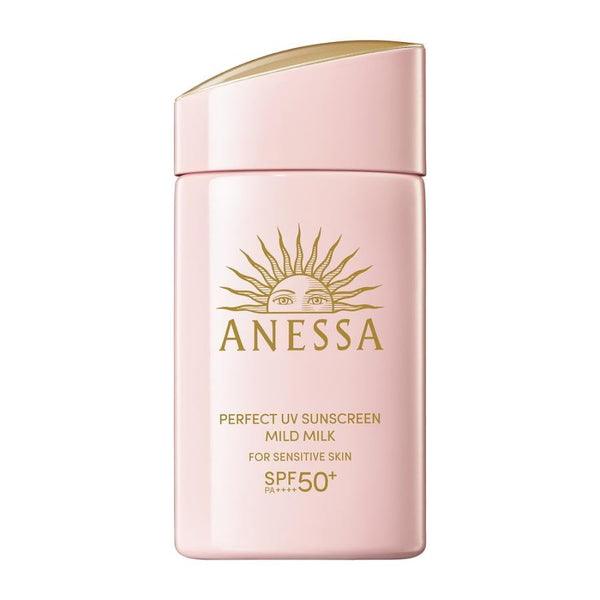
Anessa Perfect UV Sunscreen Mild Milk SPF50+ PA++++ is the sensitive skin version of the gold bottle. Same strong protection but without alcohol, fragrance, or colorants. It uses a partially mineral filter system. Good for reactive skin that still needs serious UV defense. More on the Anessa lineup.
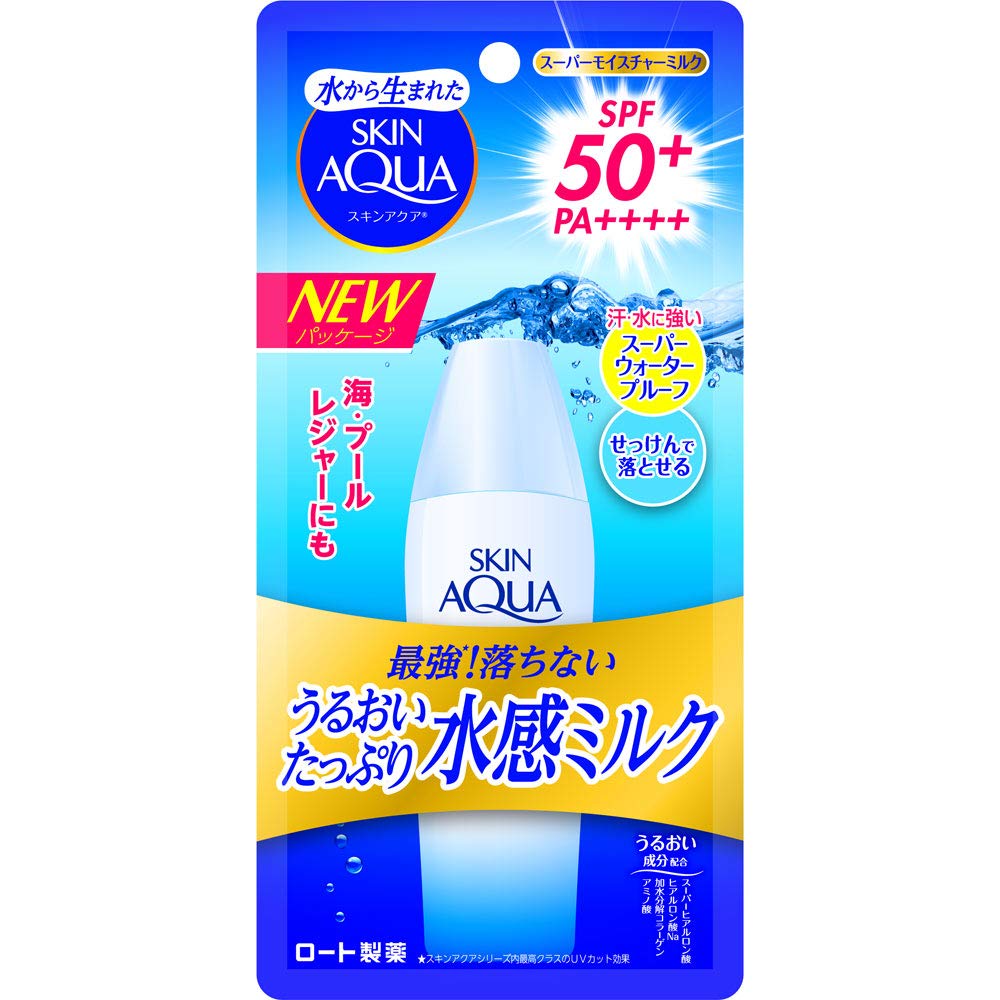
Skin Aqua UV Super Moisture Milk SPF50+/PA++++ is a budget friendly milk with a lighter feel than Anessa. It dries down matte without being tight or drying, and it’s fragrance free. Popular on Reddit as an everyday milk for people who want a non shiny finish without paying premium prices.
Curel UV Protection Milk SPF50+ PA+++ is formulated for sensitive and dry skin, which is unusual for a milk format. Curel’s ceramide technology helps maintain the skin barrier, and the alcohol free formula won’t sting irritated skin. The protection is PA+++ rather than PA++++, so it’s one step lower on UVA. More on Curel’s approach.
Minon UV Mild Milk SPF50+ PA++++ is another sensitive skin milk. Minon specializes in formulas for people with reactive, easily irritated skin. This milk is fragrance free, alcohol free, and tested on sensitive skin. It’s a bit harder to find outside Japan but worth seeking out if most sunscreens sting or cause redness.
KOSE Sekkisei Skincare Defense Essence Milk is a mid range option that blends the hydration of Sekkisei’s skincare line with milk format UV protection. It has a slightly more moisturizing feel than pure performance milks.
Essence Sunscreens
What they feel like: Watery, almost serum like. Thinner than a gel but slightly more substantial than water. Absorbs almost instantly with minimal residue.
Best for: All skin types (the most universally flattering format), under makeup, daily use in moderate climates, anyone who wants sun protection that genuinely feels like skincare.
Essences are the format that made Japanese sunscreens go viral overseas. The “watery essence” concept barely exists in Western sunscreen, and trying one for the first time is usually what converts people. They feel like applying a lightweight serum rather than a traditional sunscreen.
The texture sits between a gel and a milk. Less bouncy than a gel, less matte than a milk. Most essences dry down to a natural, skin like finish that works well under any type of makeup. They’re also the easiest format to layer over multi step skincare routines without pilling.
Water resistance is moderate. Better than most gels, not as strong as milks. Fine for daily wear, commuting, and light activity. For serious outdoor time, pair with a setting spray or switch to a milk.
Popular Essence Sunscreens
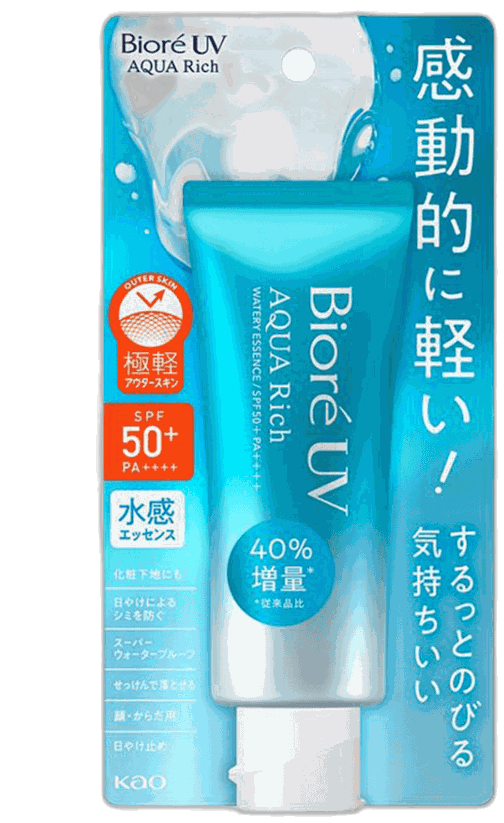
Biore UV Aqua Rich Watery Essence SPF50+/PA++++ (Japanese Version) is the most famous Japanese sunscreen in the world. It essentially created the watery essence category. Incredibly light, absorbs in seconds, no white cast. The Japanese version uses Tinosorb S and other modern UV filters that aren’t available in US formulations, which is why people import it specifically. Japanese vs US formula differences.

Biore
10 retailersSee retailers →
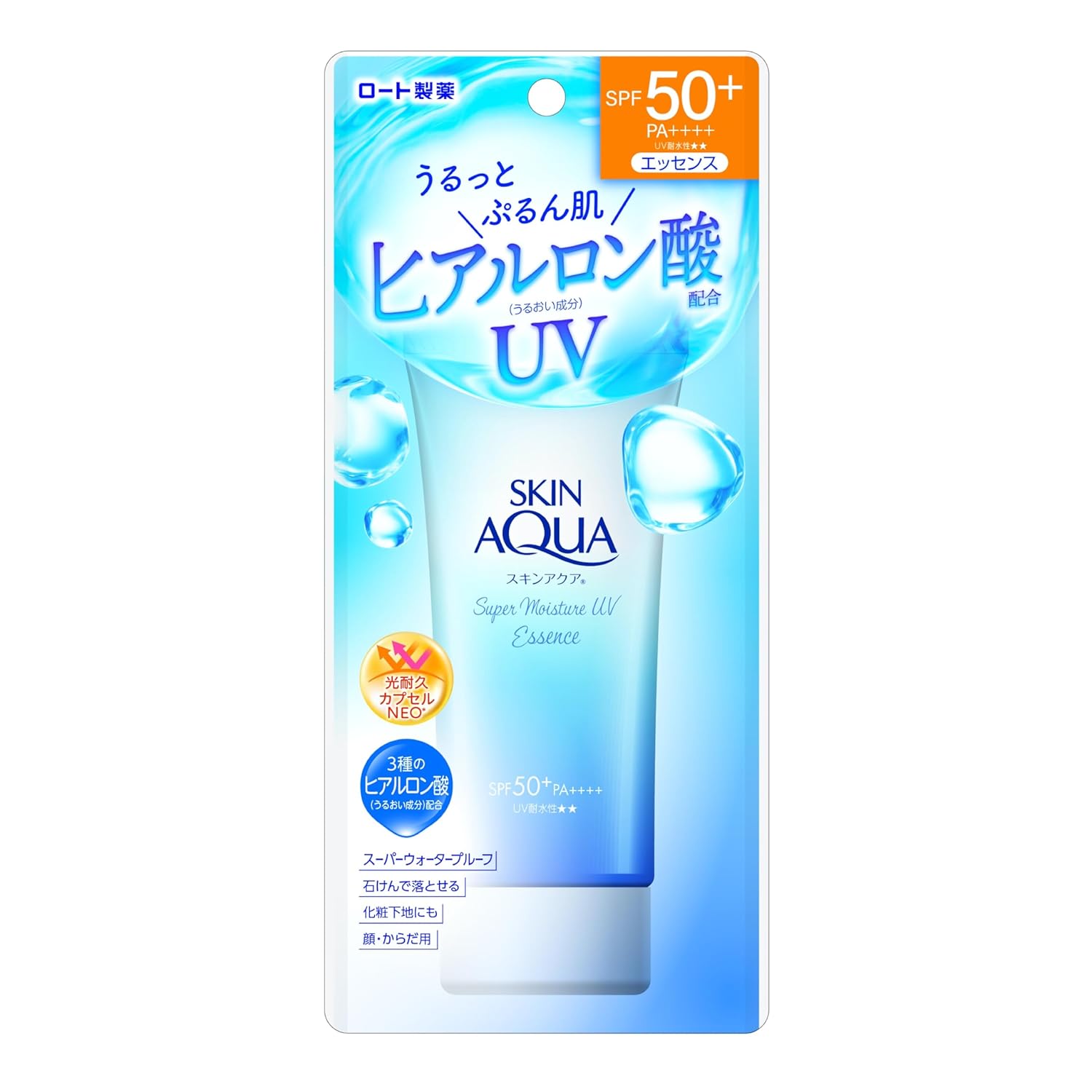
Skin Aqua Super Moisture Essence SPF50+/PA++++ is the hydration focused essence from Rohto. It has a slightly dewier finish than Biore, which dry skin types tend to prefer. Contains hyaluronic acid and amino acids for moisture retention alongside UV protection.
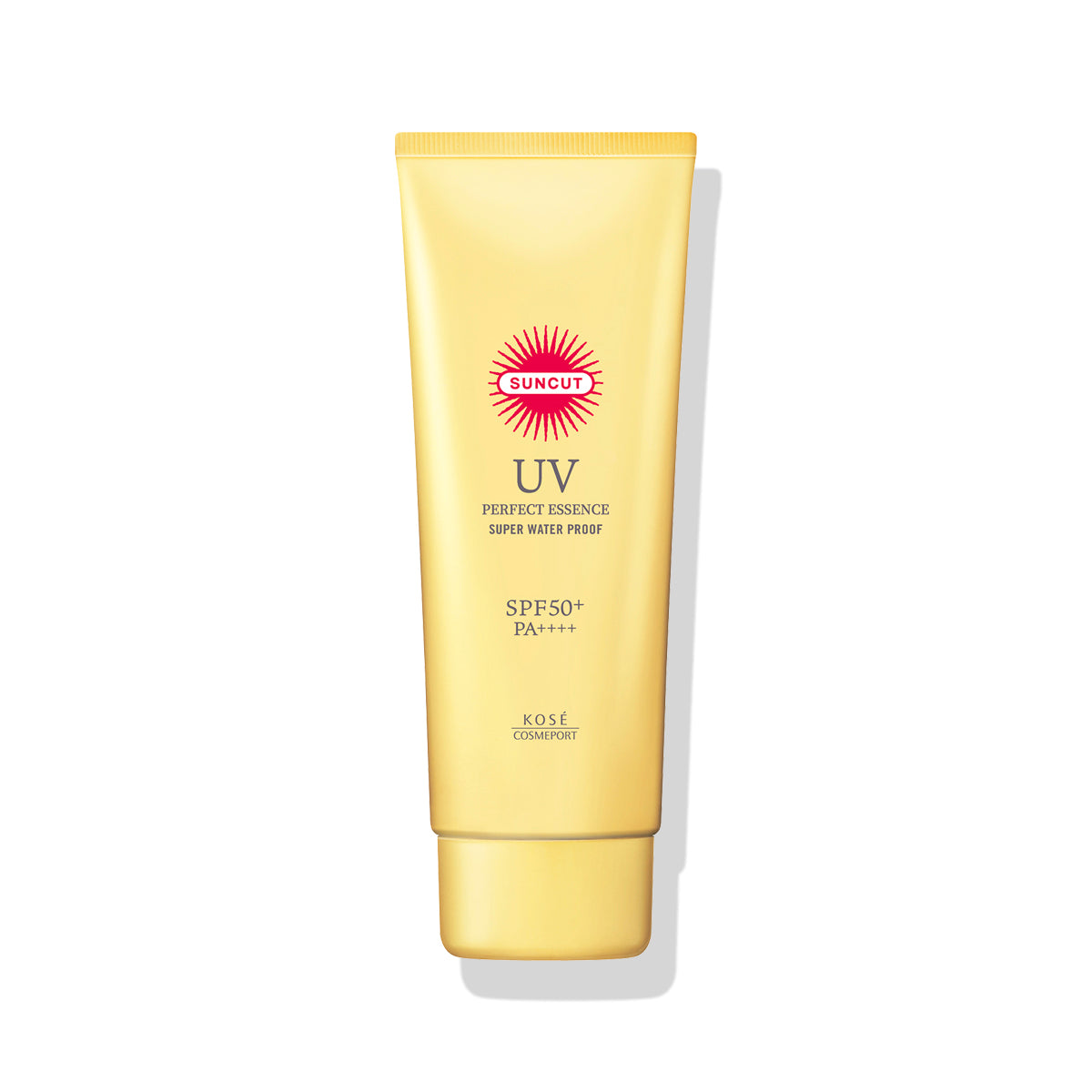
KOSE Suncut UV Perfect Essence SPF50+/PA++++ was reformulated in 2024 and the new version has gotten attention on Reddit. It offers strong protection with a clean, non sticky finish. One of the more affordable essence options.
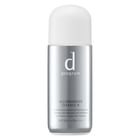
D Program Allerbarrier Essence N SPF50+ PA+++ from Shiseido’s sensitive skin line is designed for people whose skin reacts to everything. It creates a physical barrier against UV, pollution, and airborne allergens. Alcohol free, fragrance free, and gentle enough for people with eczema or dermatitis.
Tone Up Sunscreens
What they feel like: Identical to a regular essence or gel in texture, but with added color pigments that subtly brighten or correct skin tone. Think tinted moisturizer meets SPF.
Best for: Anyone who wants a “no makeup makeup” look, dull or sallow skin, skipping foundation on lighter days.
Tone up sunscreens are a Japanese innovation that’s been gaining popularity outside Asia. They add color correcting pigments (usually lavender for brightening, mint for redness, or beige for evening out) to a standard sunscreen formula. The result is light coverage with UV protection in one step.
They’re not full coverage. Think of them as a sheer tint that makes skin look more awake. Most come in multiple shades targeting different concerns.
Popular Tone Up Sunscreens
Skin Aqua Tone Up UV Essence SPF50+/PA++++ is the original and most popular. The lavender version brightens and gives a “lit from within” look. Also available in mint (for redness), latte beige (for warm tones), and several seasonal colors. The formula itself is lightweight and wears well under makeup or alone.

Rohto
8 retailersSee retailers →
Allie Chrono Beauty Color Tuning UV from Allie (Kanebo) takes the tone up concept further with stronger color correction. It functions more like a tinted primer with SPF. The Rosy Chiffon shade adds a pink glow, while Sheer Beige provides a more natural look. Waterproof and friction proof, which is unusual for tone up products.
Biore UV Aqua Rich Tone Up Essence SPF50+ is Biore’s entry into tone up. It keeps the lightweight, fast absorbing Aqua Rich texture and adds a subtle lavender tint.
Cream and Day Cream Sunscreens
What they feel like: Richer, thicker, more traditional moisturizer like texture. Takes a bit longer to absorb but provides more hydration and skin nourishment alongside UV protection.
Best for: Dry skin, cold or dry climates, mature skin, anyone who wants to combine their moisturizer and SPF steps, winter daily wear.
Cream format sunscreens are less common in Japanese lineups because the market skews toward lighter textures. But they fill an important gap for people who need more moisture than a gel or essence provides.
Some cream sunscreens function as hybrid moisturizer/SPF products designed to replace both steps in your routine. Others are luxury formulas with added anti aging ingredients.
Popular Cream Sunscreens
FAS The Black Day Cream SPF50+ PA++++ is a standout in this category. It’s a day cream with full SPF50+ protection plus skincare ingredients like niacinamide and retinol. The idea is that it replaces your morning moisturizer entirely. The texture is rich but not heavy, and it works well as a makeup base. Less well known than the big sunscreen brands but quietly popular among people who prefer a minimalist routine.
ORBIS Wrinkle Bright UV Protector SPF50+ PA++++ from ORBIS combines wrinkle care with UV protection. It’s marketed toward mature skin and contains ingredients targeting fine lines alongside sun protection. The cream texture is comfortable for drier skin types.
Clé de Peau Beauté UV Protective Cream SPF50+ PA++++ is the luxury end of this category. It’s expensive, but the formula combines Shiseido’s advanced UV filters with high end skincare ingredients. The texture feels like a premium moisturizer that happens to have full SPF50+ protection. For people who want the best possible sun care experience and don’t mind the price.


Spray and Stick Sunscreens
These aren’t primary application formats. They’re reapplication formats. Most dermatologists and sunscreen communities recommend applying your base SPF as a gel, milk, essence, or cream in the morning, then using sprays or sticks to reapply throughout the day.
Sprays
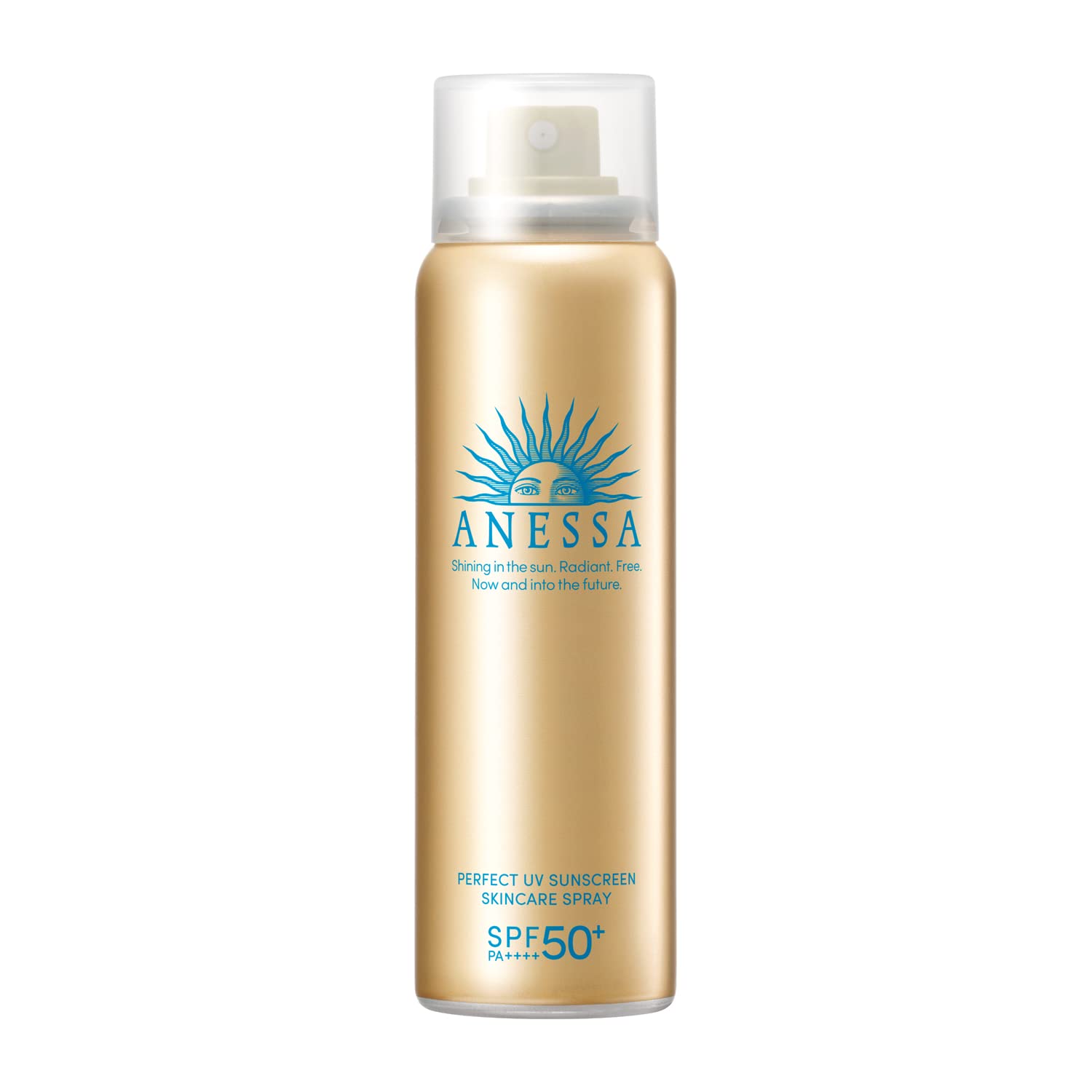
Anessa Perfect UV Sunscreen Skincare Spray SPF50+ PA++++ is convenient for reapplication over makeup without disturbing it. Can also be used on hair for UV protection. The downside of all sprays is that it’s hard to ensure even, adequate coverage on initial application.
Skin Aqua Super Moisture UV Mist SPF50+ PA++++ is a mist style spray that’s finer than most spray sunscreens. Good for a midday refresh.
Sticks
Shiseido Clear Sunscreen Stick SPF50+ is the most popular Japanese sunscreen stick. Compact, no mess, easy to throw in a bag. The clear formula leaves no white cast and layers over makeup. Shiseido’s WetForce technology means it strengthens when exposed to water or sweat. Best for targeted reapplication on high exposure areas like nose, cheeks, and ears.

How to Choose: Quick Decision Guide
Start with your skin type:
Oily or combination skin → Milk (matte finish, oil control) or Gel (lightweight, won’t add shine). Avoid cream formats.
Dry skin → Essence (hydrating, skin like finish) or Cream (richest moisture). Avoid milks unless specifically formulated for dry skin (like Curel UV Milk).
Sensitive skin → Look for alcohol free, fragrance free options in any format. Best bets: Anessa Perfect UV Sunscreen Mild Milk SPF50+ PA++++, Curel UV Protection Milk SPF50+ PA+++, D Program Allerbarrier Essence N SPF50+ PA+++, Minon UV Mild Milk SPF50+ PA++++. Full sensitive skin guide.
Normal skin → Lucky you. Any format works. Start with an essence for the most universally pleasant experience.
Then consider your use case:
Daily commute and office → Essence or Gel. Light, comfortable for all day wear, layers well under makeup.
Outdoor sports, beach, hiking → Milk. Strongest water and sweat resistance. Anessa Milk is the go to.
Under makeup → Essence (most invisible) or Tone Up (adds subtle color correction). Best picks for under makeup.
Body application → Gel in a large pump bottle. Nivea Water Gel or Skin Aqua Gel in 140g+ sizes give the best coverage per dollar.
Minimalist routine → Cream or Day Cream format that replaces your moisturizer step.
Reapplication on the go → Stick or Spray over your base SPF.
Climate matters too:
Hot and humid → Gel or Milk. Gels feel cool and light. Milks control oil and resist sweat.
Cold and dry → Cream or Essence. You want the extra hydration these formats provide.
Air conditioned office all day → Essence. Comfortable, not too drying, not too heavy.
Can You Layer Formats? Reapplication Tips
You don’t need to use the same format for initial application and reapplication. In fact, mixing formats is a common approach in Japan.
A typical strategy: apply a gel or essence as your morning base, then reapply with a spray or stick over makeup throughout the day. The spray refreshes coverage without smudging foundation, and the stick targets high exposure areas like the nose bridge and cheekbones.
If you’re reapplying the same format, remember that you need about 1/4 teaspoon (roughly a two finger length strip) for face coverage. Most people don’t apply enough on the first application, so reapplication is partly about topping up inadequate initial coverage.
For heavy outdoor days, some people apply a milk in the morning for strong base protection, then reapply with the same milk or a spray every two hours. The key is that reapplication matters more than which specific format you choose for it.
One thing to avoid: don’t layer a heavy cream over a gel or essence midday. The textures don’t play well together and can cause pilling. Stick to lighter formats for reapplication over existing sunscreen.
FAQ
What’s the actual difference between a gel and an essence?
Gels have a slightly thicker, bouncier, more “jelly like” texture. Essences are thinner, more watery, and absorb faster. In practice, the line between them is blurry and some products labeled “gel” feel more like essences and vice versa. The bigger difference is between gel/essence (both lightweight) and milk (matte, shake to use).
Do I need to double cleanse to remove Japanese sunscreen?
It depends on the format. Most gels and essences wash off with regular cleanser. Waterproof milks (especially Anessa) usually need an oil cleanser or cleansing balm to fully remove. Check whether the product says “soap off” on the packaging. If it does, regular cleanser is fine.
Which format gives the strongest UV protection?
The format itself doesn’t determine protection strength. An SPF50+ PA++++ gel protects just as well as an SPF50+ PA++++ milk on initial application. The difference is staying power. Milks maintain their protection better through sweat, friction, and water exposure. So for real world protection during activity, milks win. For sitting at a desk, they’re all equivalent.
Can I use a Japanese sunscreen gel or essence as my moisturizer?
Some people with oily skin do skip moisturizer and use a hydrating gel or essence sunscreen as their last skincare step. It works if the formula is moisturizing enough for your skin. But for most people, especially those with normal to dry skin, a separate moisturizer underneath gives better results. Building a full routine.
Are tone up sunscreens protective, or are they just tinted moisturizers?
They’re real sunscreens. Products like Skin Aqua Tone Up UV Essence SPF50+/PA++++ have the same SPF50+ PA++++ rating as their non tinted versions. The color pigments are added on top of the UV filter system, not instead of it. Just make sure you’re applying enough (the standard 1/4 teaspoon for face) rather than sheering it out like a tinted moisturizer.