Japanese beauty explained
How to Choose a Japanese Sunscreen for Your Skin Type
Quick Takeaway
- Start with format, not brand. Gels and watery essences suit oily skin. Milks work for normal and combo skin. Creams and rich essences are better for dry skin.
- Sensitive skin needs specific ingredients, not just gentle marketing. Look for alcohol free formulas, mineral or hybrid filters, and ceramide or centella additions. Curel, Minon, and d-program specialize here.
- SPF50+/PA++++ is standard in Japan. You don’t need to hunt for high protection. Nearly every Japanese sunscreen at the drugstore hits the maximum rating.
- Alcohol isn’t automatically bad. It helps sunscreens dry fast and feel invisible, which matters for oily skin. Skip it only if your skin reacts to it.
- Waterproof milk sunscreens need oil cleansing to remove. If you don’t double cleanse, pick a gel or essence that washes off with regular cleanser.
Japanese drugstore shelves have more sunscreen options than anywhere else in the world. Gels, milks, essences, creams, sprays, sticks, tone ups. Every texture you can imagine, all at SPF50+ PA++++, most under $15.
That variety is the appeal. It’s also the problem. When there are thirty options and they all claim the same UV protection rating, picking the right one comes down to format, finish, and how well it plays with your skin type.
This guide walks you through that decision. Not another list of “the 10 best” with a paragraph each. Instead: a framework for choosing, organized by what your skin needs.
If you want a deep dive on what gel, milk, and essence textures are, read Japanese Sunscreen Types: Gel vs Milk vs Essence vs Cream first. This article assumes you know the basics and focuses on matching format to skin type.
How Japanese Sunscreen Formats Work (Quick Recap)
Before getting into skin types, here’s the cheat sheet on what each format does:
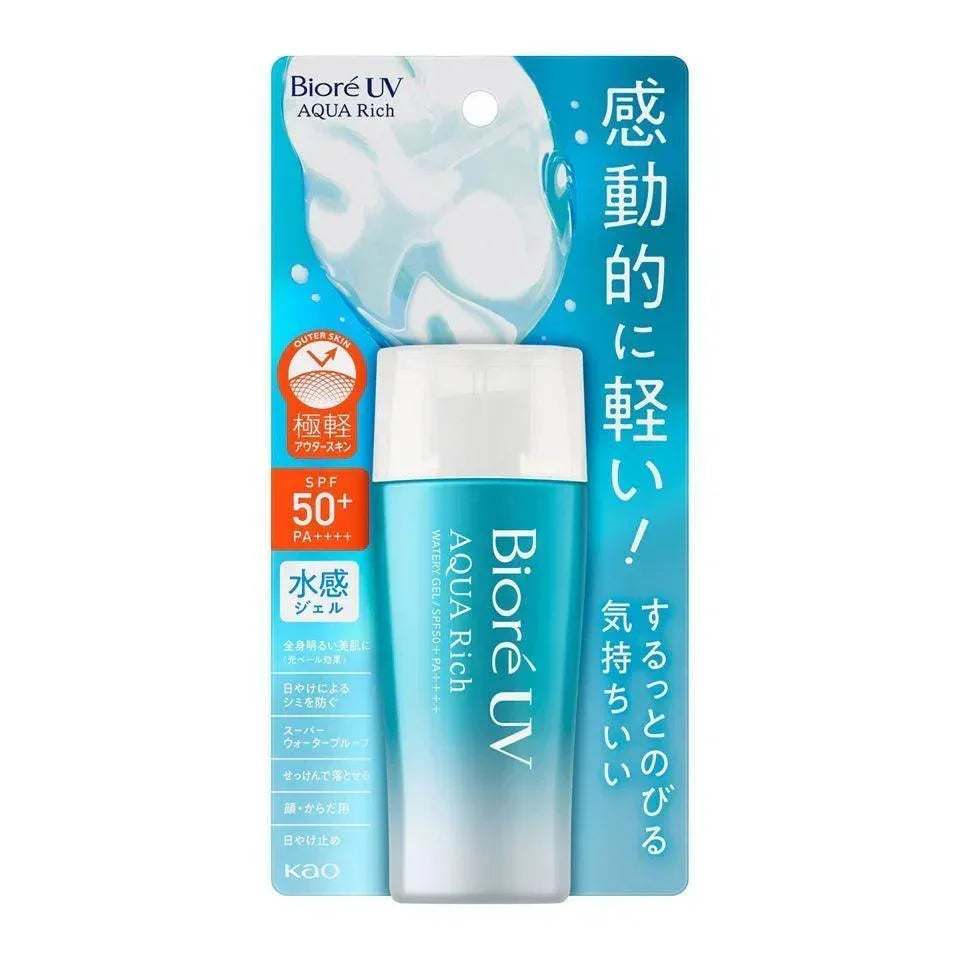
Gel sunscreens are lightweight, watery, and absorb fast. They tend to leave a fresh, slightly dewy finish. Great for layering, comfortable in humidity. Examples: Biore UV Aqua Rich Watery Gel, Skin Aqua UV Super Moisture Gel.
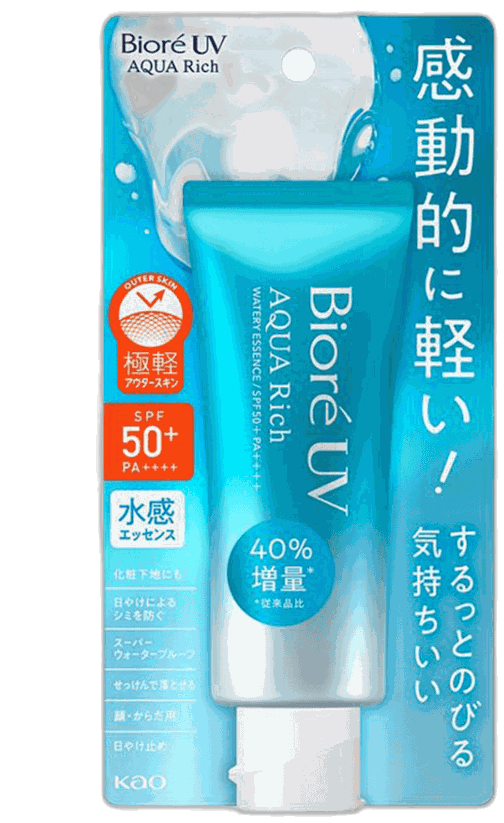
Essence sunscreens have a similar weight to gels but with a slightly more serum like texture. They spread thin and sink in fast. Examples: Biore UV Aqua Rich Watery Essence, KOSE Suncut UV Perfect Essence.
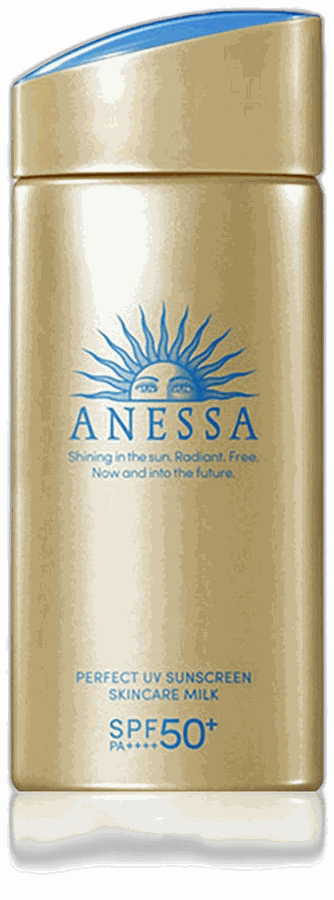
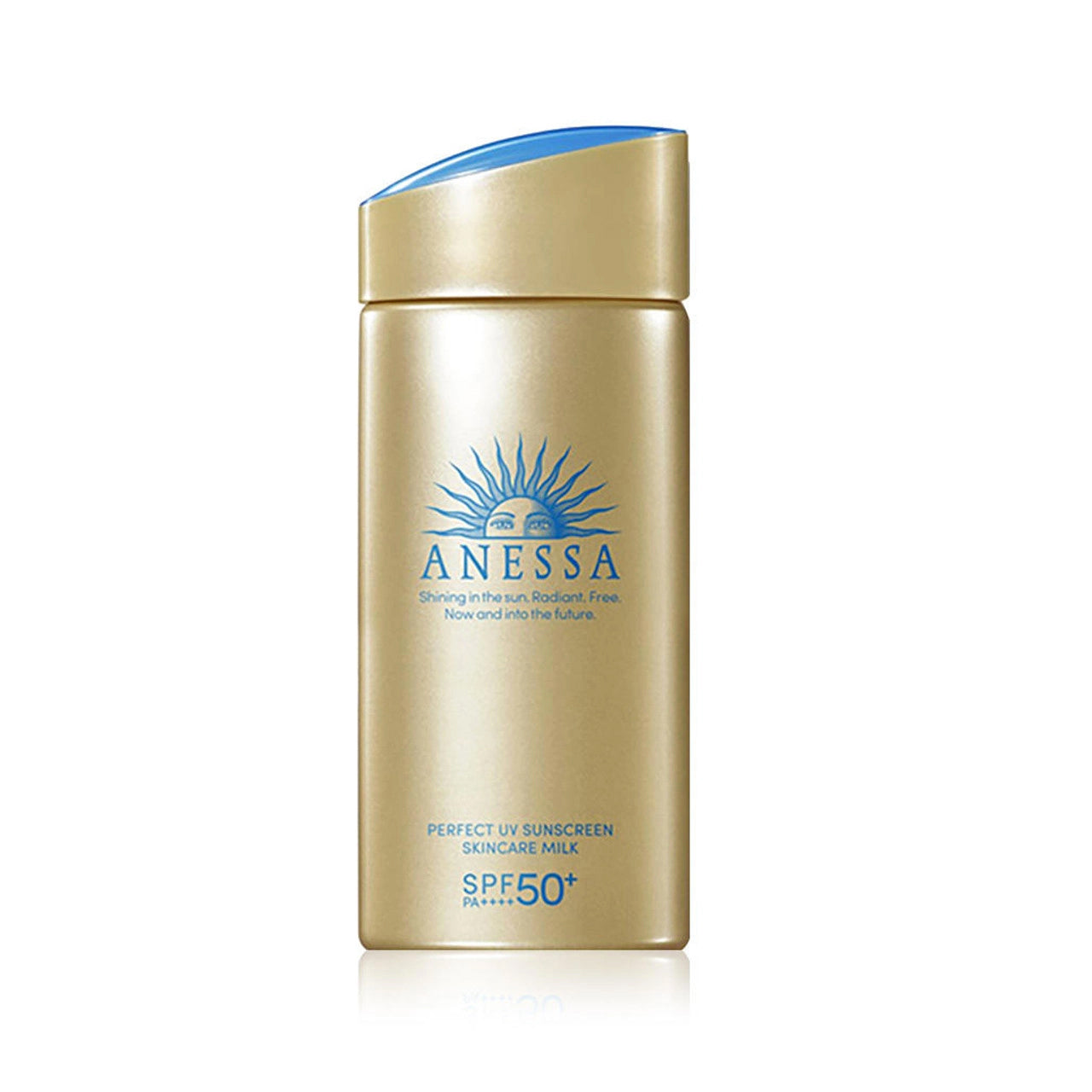
Milk sunscreens are emulsions you shake before use. They dry down to a matte or semi matte finish and tend to be the most waterproof format. Examples: Anessa Perfect UV Sunscreen Skincare Milk (see Anessa Milk vs Gel vs Mild for help choosing), Skin Aqua UV Super Moisture Milk.
Cream sunscreens are richer, more moisturizing, and often double as day creams. They take longer to absorb but add hydration. Example: Biore UV Aqua Rich Airy Hold Cream.
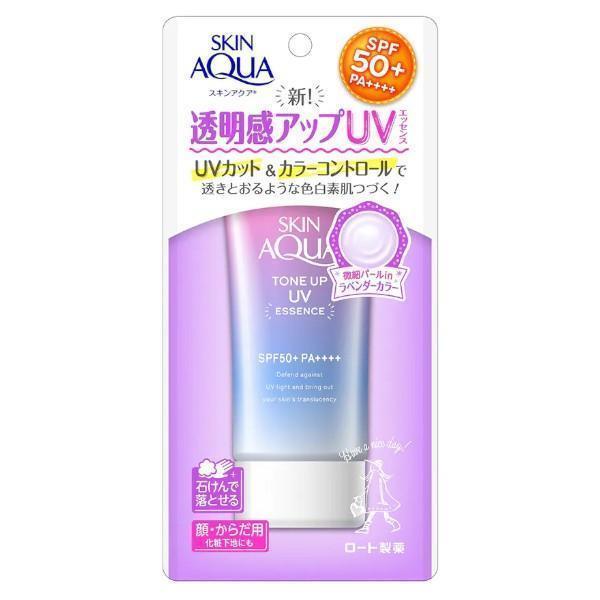
Tone up sunscreens add a color correcting tint (usually lavender, mint, or beige) on top of UV protection. They function as a makeup base. Example: Skin Aqua Tone Up UV Essence.
Now, which format for which skin.
Oily and Acne Prone Skin
Best formats: Gel, watery essence, matte milk
Oily skin needs a sunscreen that absorbs fast, controls shine, and doesn’t clog pores. Japanese gels and essences excel here because they use alcohol and lightweight emulsifiers to create that “disappearing” effect on application.
What to look for:
- Fast drying, non greasy finish
- Alcohol is fine here (it helps with oil control and faster absorption)
- Avoid heavy creams or anything that says “moist” or “hydrating” in the name
Top picks for oily skin:
Biore UV Aqua Rich Watery Essence is the default recommendation for a reason. It goes on like water, dries to a smooth semi matte finish, and layers well under makeup. Contains alcohol, which keeps the texture light. The Japanese version (not the US reformulation) uses newer UV filters including Tinosorb S for strong broad spectrum protection.
Anessa Perfect UV Sunscreen Skincare Milk dries down to a powdery matte finish that controls oil all day. It’s also one of the most water and sweat resistant Japanese sunscreens available, making it a good pick if you’re active. You need an oil cleanser to remove it.
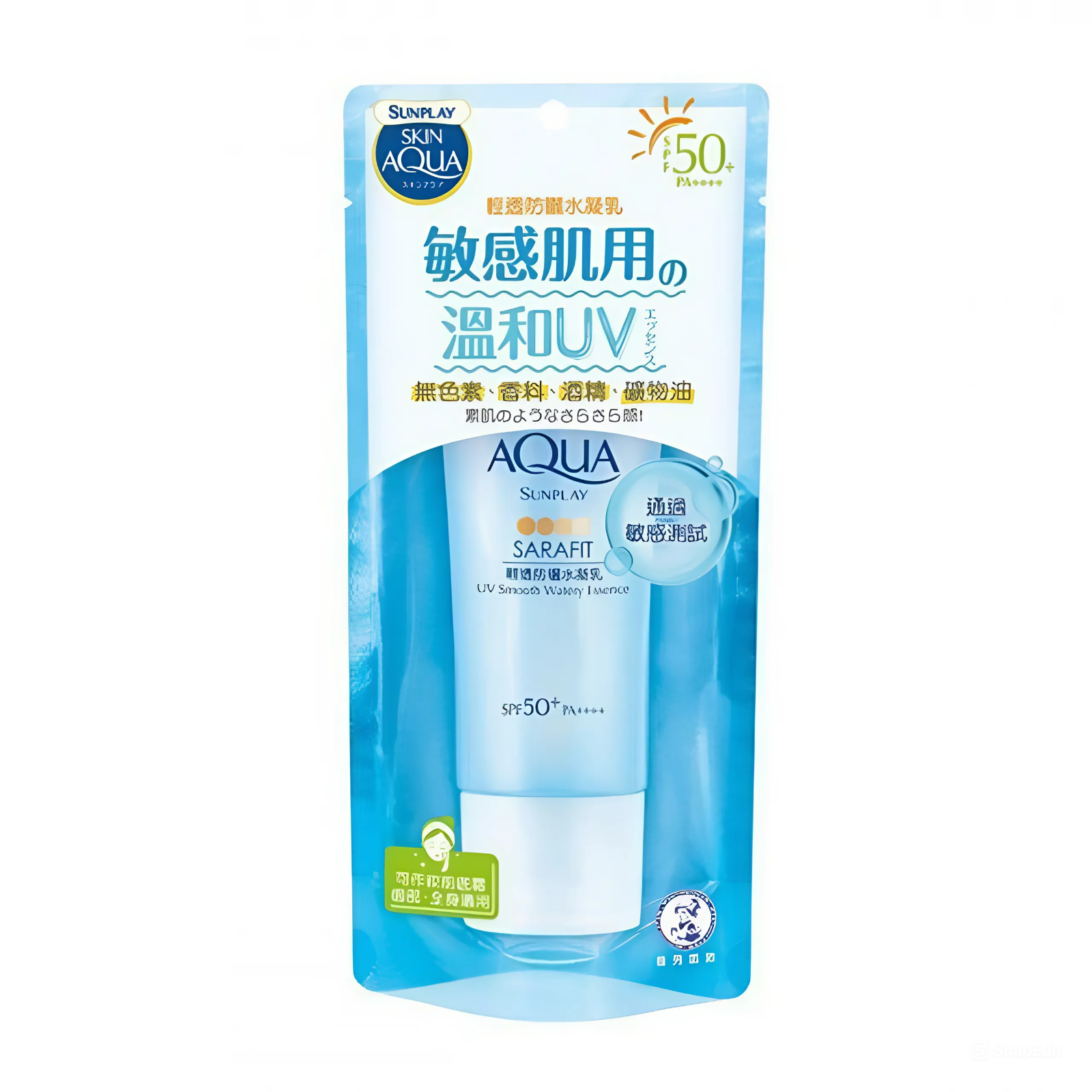
Skin Aqua Sarafit UV Smooth Watery Essence is designed specifically for oil control. “Sarafit” translates roughly to “smooth fit,” and the formula lives up to it with a dry touch finish. Budget friendly option.
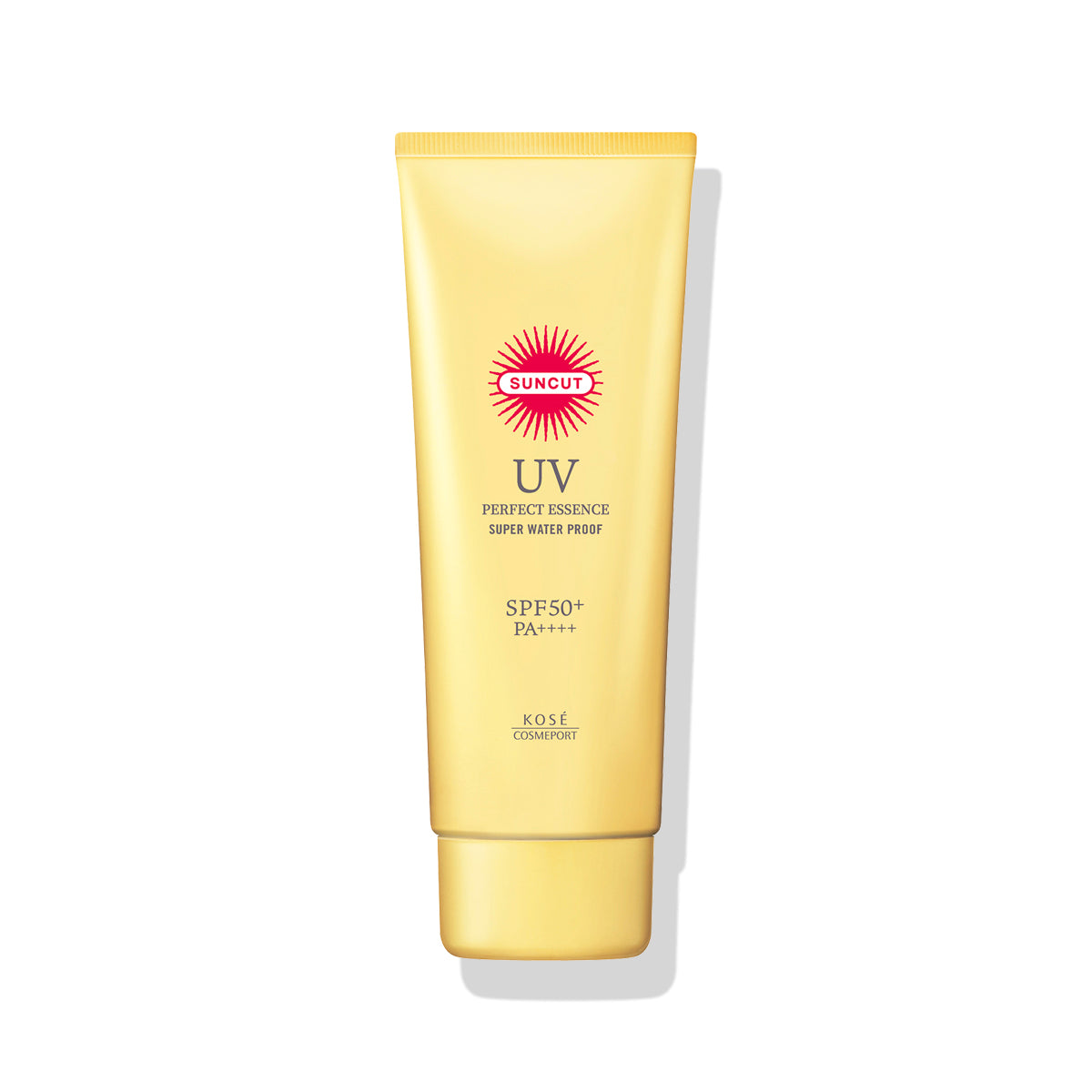
KOSE Suncut UV Perfect Essence offers strong protection at a lower price point than Biore or Anessa. Lightweight gel essence texture that dries quickly without residue.

For a full oily skin sunscreen roundup, see Best Japanese Sunscreen for Oily Skin.
Dry Skin
Best formats: Hydrating gel, rich essence, cream
Dry skin needs a sunscreen that adds moisture instead of stripping it. Many Japanese gel sunscreens contain hyaluronic acid and other humectants that pull double duty as both UV protection and hydration.
What to look for:
- “Moisture” or “hydrating” in the name (these formulas tend to deliver)
- Hyaluronic acid, ceramides, or collagen in the ingredient list
- Alcohol free formulas if your skin feels tight or flaky (alcohol can be drying on already dry skin)
Top picks for dry skin:
Skin Aqua UV Super Moisture Gel is the budget favorite for dry skin. The gel texture is packed with moisture and leaves a dewy, hydrated finish. Available in a large pump bottle format, which also makes it practical for body application.
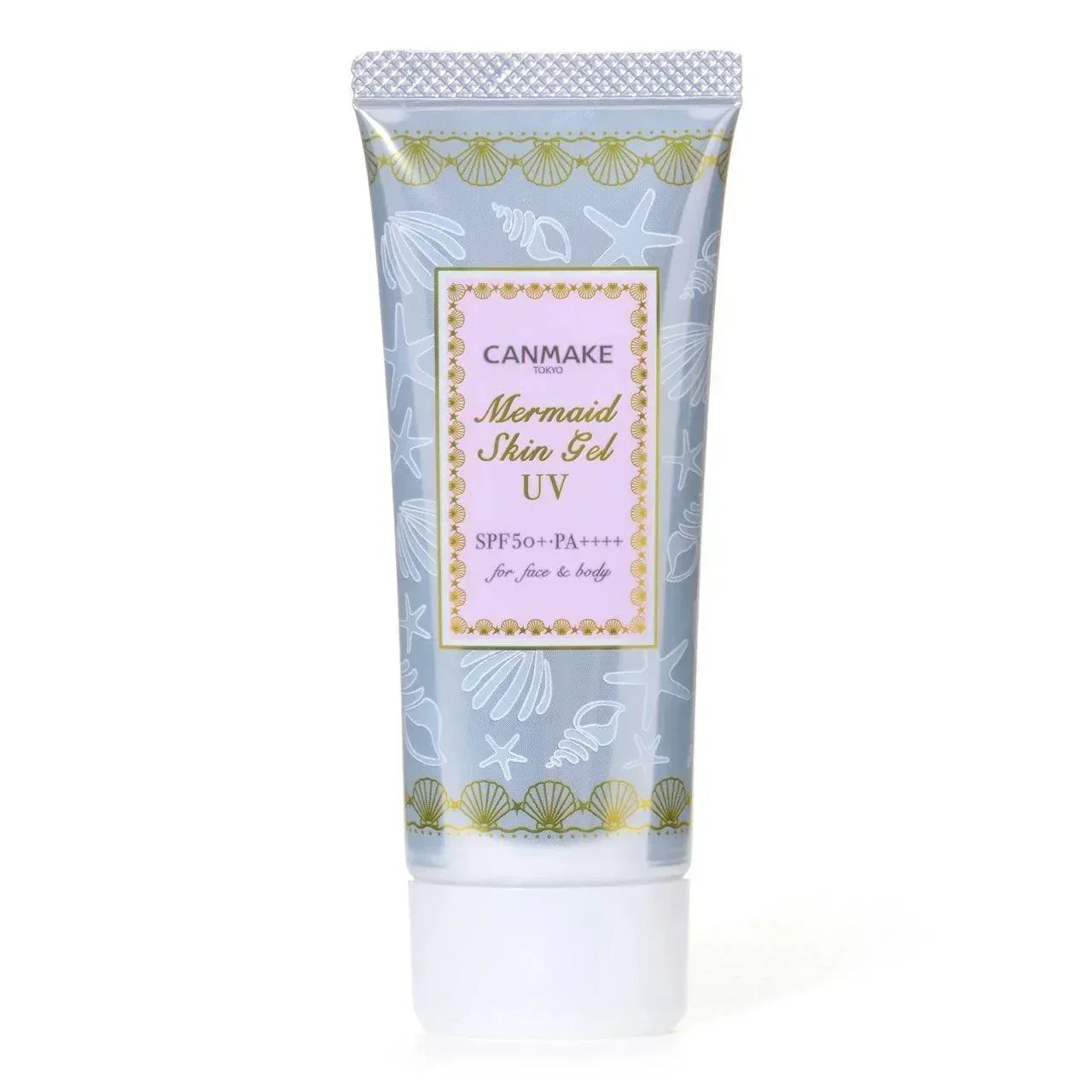
Canmake Mermaid Skin Gel UV is alcohol free with a glowy, skin like finish. It works as both sunscreen and primer, and the lighter texture means it doesn’t feel heavy even in layers. One of the most recommended options for dry and sensitive skin in online communities.
Biore UV Aqua Rich Airy Hold Cream launched in 2026 as a richer alternative to the classic Watery Essence. The cream format gives more hydration while maintaining a comfortable, non greasy feel. Good for dry skin that finds gels and essences too lightweight.
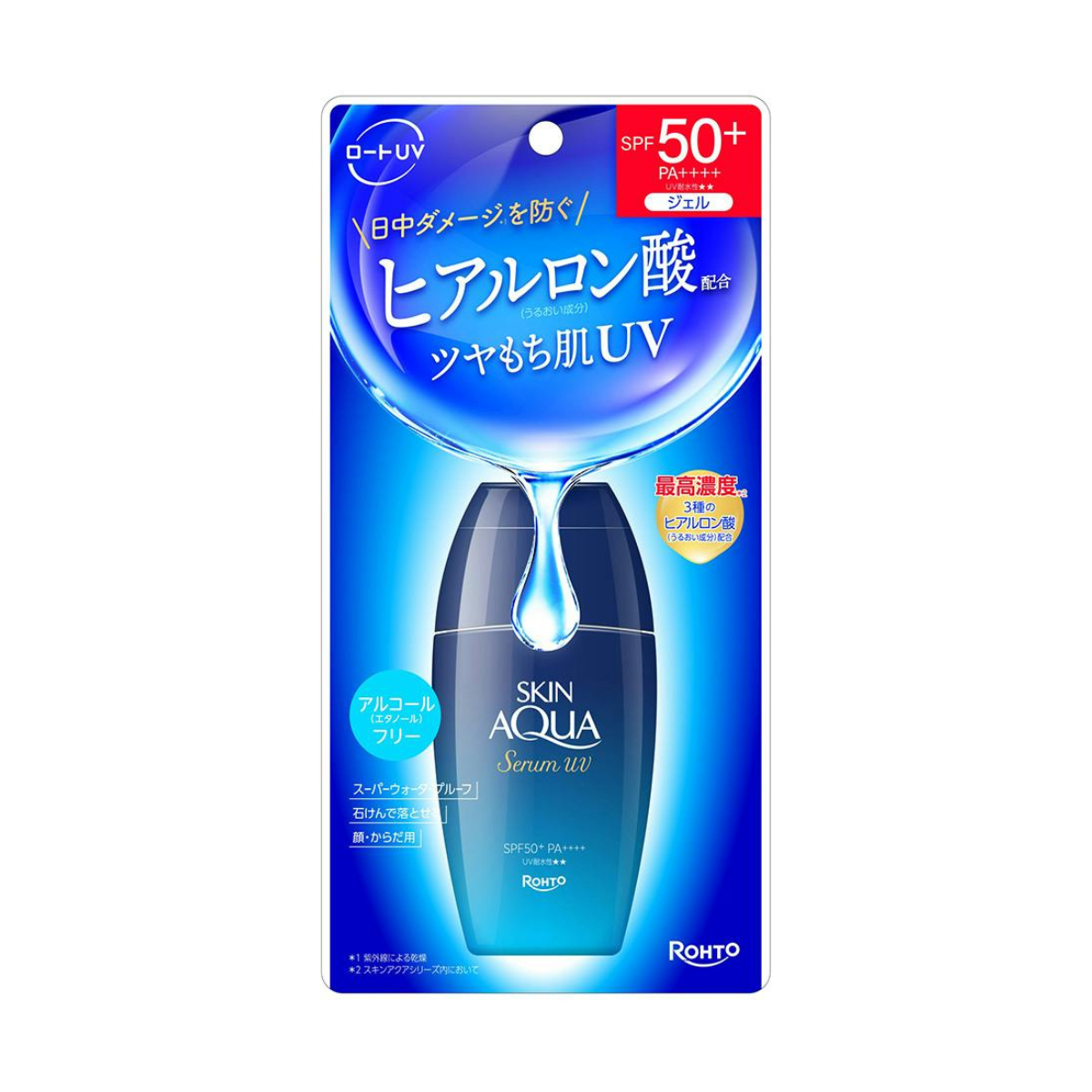
Skin Aqua Serum UV is a newer formula with a serum like texture that deposits moisture while protecting. Contains multiple types of hyaluronic acid. Feels like applying a hydrating serum rather than sunscreen.
Verdio UV Moisture Gel is another alcohol free option with a gentle, hydrating formula. It contains centella asiatica (cica) and comes in a large pump bottle format, making it practical for face and body use on dry, easily irritated skin.

For more options, see Best Japanese Sunscreen for Dry Skin.
Sensitive Skin
Best formats: Mineral milk, gentle hybrid essence, alcohol free gel
Sensitive skin sunscreen shopping is about what’s NOT in the formula as much as what is. The good news: Japan has several brands that specialize in sensitive skin formulations, and they take it seriously. These aren’t just regular sunscreens with “gentle” on the label.
What to look for:
- Alcohol free
- Fragrance free
- Mineral (zinc oxide/titanium dioxide) or hybrid filters
- Ceramides, cica, or other barrier supporting ingredients
- “Medicated” (薬用) designation, which means the formula contains regulated active ingredients
Top picks for sensitive skin:
Curel Intensive Moisture Care Skin Repair UV Serum combines UV protection with pseudo ceramide technology. Curel was created by Kao specifically for sensitive and dry skin, and their sunscreen reflects that. Gentle enough for reactive, barrier compromised skin.
D Program Allerbarrier Essence N is designed for skin that reacts to environmental stressors: pollen, dust, pollution, temperature changes. The “allerbarrier” technology creates a protective veil over skin. Developed by Shiseido based on decades of sensitive skin research.
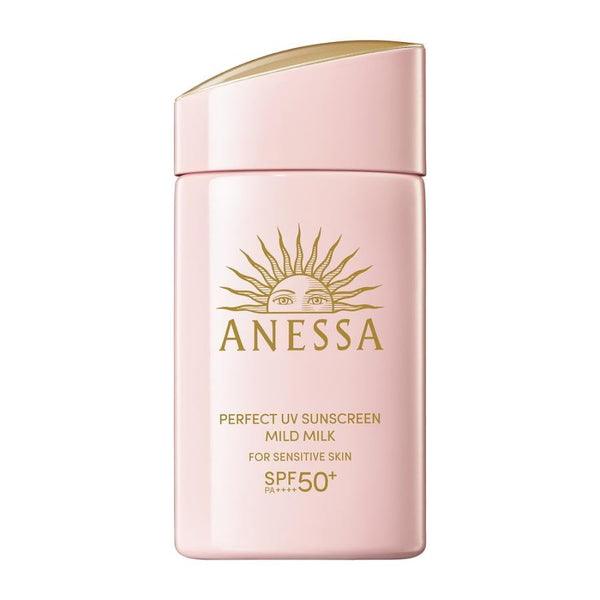
Anessa Perfect UV Sunscreen Mild Milk SPF50+ PA++++ is the sensitive skin version of Anessa’s famous milk formula. It uses the same strong UV protection but strips out alcohol and fragrance. Still water resistant.
Minon UV Mild Milk is amino acid based (Minon’s specialty), fragrance free, and formulated for skin that reacts to most conventional sunscreens. Uses only physical UV filters (zinc oxide and titanium dioxide), making it one of the gentlest options available.
Reihaku Hatomugi UV Milky Gel uses Job’s Tears (hatomugi) extract for soothing. Fragrance free, lightweight, and a good budget sensitive skin option.
For a deeper dive, see Best Japanese Sunscreens for Sensitive Skin.
Combination Skin
Best formats: Lightweight milk, balanced essence
Combination skin is the trickiest because you need oil control on the T zone without drying out the cheeks. The key is finding a sunscreen with a balanced finish: not matte enough to emphasize dry patches, not dewy enough to turn your forehead into a mirror.
What to look for:
- Semi matte or natural finish (not extreme matte, not dewy)
- Lightweight enough that it doesn’t feel heavy on dry areas
- Consider using two different sunscreens: a mattifying one on the T zone and a hydrating one on cheeks
Top picks for combination skin:
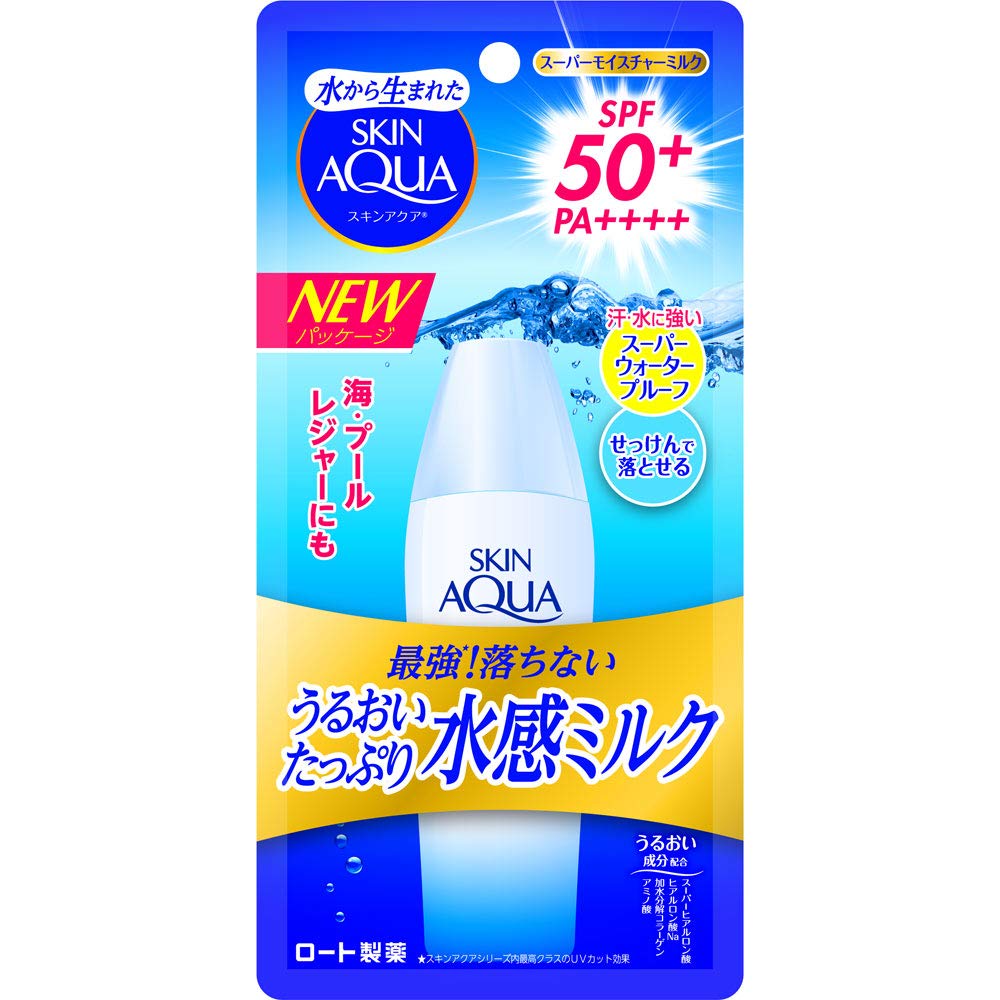
Skin Aqua UV Super Moisture Milk has a lightweight finish that works across different skin zones. It’s a frequent recommendation in online skincare communities for combo skin: alcohol free, fragrance free, and it sits well on both oily and dry areas.
Biore UV Aqua Rich Watery Essence also works here. Its semi matte finish controls oil without clinging to dry patches. If you find it slightly drying on cheeks, layer a hydrating toner underneath.
Nivea UV Deep Protect & Care Gel offers a middle ground: protective and slightly moisturizing without being heavy. The gel format absorbs fast but doesn’t strip moisture.
Melano CC Vitamin C Deep Day Care UV Lotion pulls double duty by combining vitamin C with UV protection. The lotion texture is lightweight and works well for combo skin that also wants to address dullness or uneven tone.
Mature Skin
Best formats: Rich cream, moisturizing milk, treatment sunscreen
After 40, sunscreen stops being just about protection and starts being part of your treatment routine. Japanese brands understand this, which is why several formulas combine UV filters with anti aging actives like retinol, collagen, and brightening ingredients.
What to look for:
- Moisturizing base that doesn’t settle into fine lines
- Anti aging ingredients (retinol, niacinamide, collagen)
- No matte finish (matte sunscreens emphasize wrinkles and texture)
- Dewy or skin like finish
Top picks for mature skin:
ORBIS Wrinkle Bright UV Protector is a standout: SPF50+ PA++++ with wrinkle care and brightening ingredients in one product. It functions as a day cream and sunscreen combined, which simplifies the morning routine.
Biore UV Aqua Rich Airy Hold Cream has a richer texture that gives more hydration than typical Japanese sunscreens. The cream format sits well on mature skin without emphasizing texture.
FAS The Black Day Cream is a men’s line product, but the formula is unisex and impressive: SPF50+ PA++++ in a day cream format with a natural finish. Worth considering if you want sun protection in a single moisturizer step.
Shiseido Elixir Day Care Revolution (by Shiseido) is another treatment sunscreen option that combines collagen science with UV protection.


For Sports, Beach, and Outdoor Activities
Best format: Waterproof milk
If you’re swimming, hiking, sweating, or spending extended time outdoors, you need a waterproof milk formula. These are designed to form a film on the skin that resists water and friction.
What to look for:
- “Super waterproof” or friction proof claims
- Milk format (shake before use)
- Reapply every 2 hours regardless of waterproof claims
Top picks:
Anessa Perfect UV Sunscreen Skincare Milk is the go-to sport sunscreen in Japan. The “Auto Booster” technology is designed to strengthen the UV protective veil when exposed to heat, sweat, and water. This is what lifeguards and outdoor workers in Japan reach for.
Biore UV Athlizm Skin Protect Essence is formulated specifically for athletics. Strong adhesion to sweaty skin with high friction resistance.
Allie Chrono Beauty Color Tuning UV from Kanebo offers strong water resistance with a tone up effect if you want some color correction during outdoor activities.

Remember: Waterproof sunscreens need oil cleansing to remove properly. Regular face wash won’t cut it. See How to Double Cleanse for the method.
For Under Makeup
Best formats: Tone up essence, primer type gel
If your sunscreen doubles as your makeup base, the finish matters as much as the formula. Japanese tone up sunscreens solve this by combining UV protection with color correcting pigments.
What to look for:
- Smooth, even finish that doesn’t pill under foundation
- Tone correcting tint if you want to skip color corrector
- Lightweight enough that it doesn’t add bulk under layers of makeup
Top picks:
Skin Aqua Tone Up UV Essence comes in multiple shades: lavender for brightening, Skin Aqua Tone Up UV Essence Mint for redness, Skin Aqua Tone Up UV Essence Latte Beige for natural warmth. Each provides SPF50+ PA++++ with a makeup base finish.
Canmake Mermaid Skin Gel UV acts as a primer and sunscreen in one. The dewy finish gives skin a healthy glow that works well under light or medium coverage foundation.
Biore UV Aqua Rich Watery Essence is a classic under makeup pick. The fast absorbing formula means no wait time before applying foundation, and it doesn’t interfere with makeup adherence.
For a full guide, see Best Japanese Sunscreen Under Makeup.
For Full Body Coverage
Best formats: Large pump bottle gel, spray
Body sunscreen is about volume and ease of application. You need a format that covers large areas quickly without feeling sticky or leaving white residue.
What to look for:
- Large format packaging (pump bottles, 140ml+ sizes)
- Gel texture for easy spreading
- Affordable per ml (you’ll go through body sunscreen fast)
Top picks:
NIVEA SUN Protect Super Water Gel comes in a 140g pump bottle designed for full body application. It’s one of the most affordable large format options and applies like a lightweight moisturizer. Note: it’s PA+++ (not PA++++), which is still solid protection for daily body use.
Biore UV Aqua Rich Watery Gel is available in a 90ml tube that works for both face and body. The watery gel texture spreads easily over arms and legs without the heavy, sticky feel of Western body sunscreens.
Skin Aqua UV Super Moisture Gel also comes in a pump bottle format and is one of the most popular body sunscreens in Japan. Hydrating, affordable, and absorbs fast.
For more, see Best Japanese Body Sunscreens.
The Decision Framework
Still not sure? Here’s a quick path:
Step 1: What’s your main concern?
- Oil control → gel or matte milk
- Hydration → moisture gel or cream
- Sensitivity → mineral milk or barrier essence
- Anti aging → treatment cream sunscreen
- Waterproofing → milk (shake type)
- Makeup base → tone up essence
Step 2: Do you react to alcohol?
- Yes → choose alcohol free formulas (Canmake Mermaid, Skin Aqua Milk, Curel, Minon, d-program)
- No → any format is fine
Step 3: Do you double cleanse?
- Yes → any sunscreen works, including waterproof milks
- No → stick to gels and essences that wash off with regular cleanser
Step 4: Face only, or body too?
- Face only → any size works
- Body too → grab a pump bottle or large tube (Nivea Water Gel, Skin Aqua Gel)
Ingredients to Watch For (and Avoid)
UV filters: Japanese sunscreens use filters that aren’t available in many Western countries. Tinosorb S (bemotrizinol), Uvinul A Plus, and Uvinul T 150 provide strong broad spectrum protection with good cosmetic elegance. For more on the safety and regulatory picture, see Are Japanese Sunscreens Safe?.
Alcohol (ethanol): Listed as “alcohol” or “ethanol” near the top of ingredients. Helps with fast drying and lightweight feel. Fine for most skin types but can be irritating for sensitized or very dry skin.
Fragrance: Some Japanese sunscreens add light fragrance. If your skin reacts to fragrance, check the ingredient list for “fragrance” or “parfum.” Brands like Curel, Minon, and d-program are consistently fragrance free.
Ceramides and hyaluronic acid: Increasingly common in Japanese sunscreens, especially from Curel and Hada Labo. These add skincare benefits on top of UV protection.
FAQ
Is PA++++ always better than PA+++?
PA++++ indicates the highest UVA protection rating available in Japan’s measurement system. For daily use, PA++++ is ideal. PA+++ is still good protection and may be acceptable for low UV days or brief outdoor exposure. Most modern Japanese sunscreens are PA++++ by default.
Do I need to reapply Japanese sunscreen every two hours?
Yes. No sunscreen, regardless of SPF or waterproof claims, lasts all day. Reapply every two hours of sun exposure, or after swimming, sweating, or toweling off. For reapplication over makeup, see How to Reapply Sunscreen Over Makeup.
Why does the Japanese version of Biore sunscreen feel different from the US version?
They’re different formulas. The Japanese version uses UV filters like Tinosorb S that aren’t FDA approved, giving it a lighter, more elegant texture. The US version is reformulated with FDA approved filters and has a different feel. For more on this, see Biore UV Aqua Rich Ingredients and Safety.
Can I use Japanese sunscreen if I have dark skin?
Yes. Most Japanese gel and essence sunscreens leave zero white cast because they use chemical UV filters rather than physical/mineral ones. Mineral milks (especially those with zinc oxide or titanium dioxide) may leave a white cast on darker skin tones. For specific recommendations, see Japanese Skincare for Dark Skin Tones.
What’s the difference between “watery gel” and “watery essence”?
Both are lightweight, but gels tend to be slightly thicker and more hydrating, while essences are thinner and absorb faster. Gels work well for dry to normal skin; essences work well for oily to normal skin. For the full breakdown, see Japanese Sunscreen Types: Gel vs Milk vs Essence.