Japanese beauty explained
PA++++ vs Broad Spectrum: Why Sunscreen Labels Are So Confusing
You’d think sunscreen protection would be straightforward. It’s not. Different countries use different systems to measure and label UVA protection, and the differences actually matter for your skin.
If you’ve ever wondered what PA++++ means on a Japanese sunscreen, why US sunscreens just say “Broad Spectrum,” and whether those are the same thing: they’re not.
What Each Label Means
SPF (Used Everywhere)
SPF measures UVB protection (the rays that cause sunburn). This one is universal. SPF 30 blocks ~97% of UVB. SPF 50 blocks ~98%. Every country uses SPF.
SPF does not measure UVA protection. This is the critical gap.
PA (Used in Japan, Korea, and Parts of Asia)
PA measures UVA protection on a scale:
| Rating | Protection Level | UVAPF |
|---|---|---|
| PA+ | Some | 2 to 3 |
| PA++ | Moderate | 4 to 7 |
| PA+++ | High | 8 to 15 |
| PA++++ | Extremely high | 16+ |
PA++++ is the highest grade. It tells you the sunscreen provides very strong UVA protection. Most popular Japanese sunscreens carry PA++++.
Broad Spectrum (Used in the US)
The FDA requires a sunscreen to pass a critical wavelength test (370nm) to claim “Broad Spectrum.” If it passes, the label says “Broad Spectrum.” If it doesn’t, no claim.
The problem: Broad Spectrum is pass/fail. A sunscreen that barely passes the test and one with outstanding UVA protection both display the same “Broad Spectrum” label. There’s no scale, no gradation, no way to compare.
PPD (Used in Europe)
PPD (Persistent Pigment Darkening) measures UVA protection as a ratio, similar to how SPF measures UVB. PPD 16 means you can tolerate 16 times more UVA exposure before skin darkens.
European regulations recommend that a sunscreen’s UVA protection (PPD) be at least 1/3 of its SPF. So an SPF 50 sunscreen should have a PPD of at least ~17.
PA++++ roughly corresponds to PPD 16+.
Why This Matters
UVA rays are responsible for:
- ~80% of visible skin aging (wrinkles, sagging, texture changes)
- Dark spots and hyperpigmentation
- Deeper skin damage than UVB
- Contribution to skin cancer
UVA penetrates clouds, windows, and goes deeper into the skin than UVB. You’re exposed to UVA year round, even on overcast days, even indoors near windows.
Knowing the level of UVA protection, not just that some exists, is important for anyone serious about preventing aging and pigmentation.
PA++++ vs Broad Spectrum: Direct Comparison
| PA++++ | Broad Spectrum (US) | |
|---|---|---|
| What it measures | UVA protection level | Whether UVA protection meets minimum threshold |
| Scale | 4 levels (+ to ++++) | Pass/fail |
| Precision | Tells you how much protection | Tells you protection exists |
| Minimum bar | UVAPF 16+ for PA++++ | Critical wavelength ≥370nm |
| Can you compare products? | Yes | No (all say the same thing) |
A PA++++ sunscreen could be anywhere from UVAPF 16 to UVAPF 50+. A “Broad Spectrum” US sunscreen could be anywhere from barely adequate to excellent. The difference is that PA tells you the range.
Is Broad Spectrum Bad?
No. A Broad Spectrum SPF 50 sunscreen provides meaningful UVA protection. The issue is transparency, not protection. You just don’t know how much UVA protection you’re getting compared to another Broad Spectrum product.
Some US brands publish their PPD or UVAPF data voluntarily (EltaMD does this for some products). But it’s not required on the label.
Related: What Does PA++++ Mean? · Japanese vs American Sunscreen · Best Japanese Sunscreen
FAQ
Is PA++++ the same as Broad Spectrum?
No. PA++++ guarantees a high level of UVA protection (UVAPF 16+). Broad Spectrum only guarantees that some UVA protection exists, without specifying how much. A Broad Spectrum sunscreen could have UVA protection equivalent to PA++ or PA++++. The label doesn’t tell you.
Is PA++++ the highest rating?
Yes. PA++++ is the maximum in the Japanese system. Some sunscreens exceed UVAPF 16 significantly, but the label caps at PA++++. There is no PA+++++.
How does PPD relate to PA?
PA++++ corresponds roughly to PPD 16+. Both measure UVA protection. PA uses grades (+ to ++++), PPD uses a number. European sunscreens show PPD, Asian sunscreens show PA.
Do US sunscreens protect against UVA at all?
Yes, if labeled “Broad Spectrum.” The protection exists. The problem is labeling precision, not protection itself. Some US sunscreens have excellent UVA protection; you just can’t tell from the packaging.
Why doesn’t the US use PA or PPD?
The FDA has its own testing methodology and hasn’t adopted the PA or PPD systems. Updating US sunscreen regulations has been extremely slow. Most dermatologists and industry professionals acknowledge this as a regulatory lag.
Which Japanese sunscreens are PA++++?
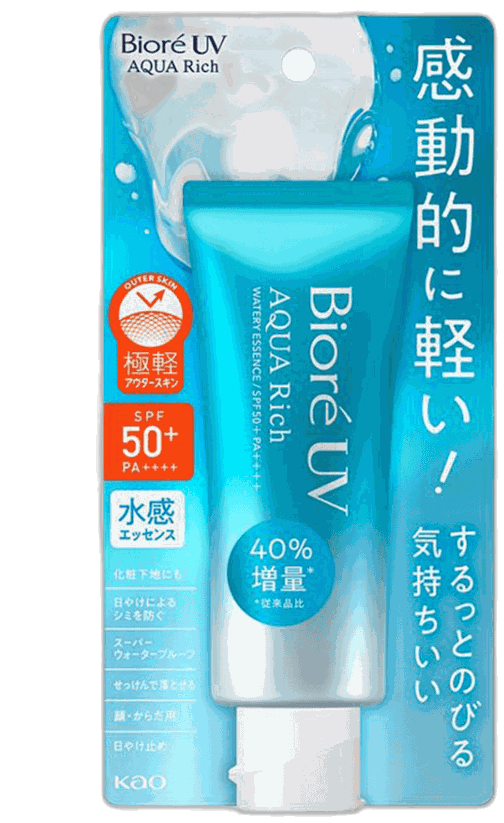
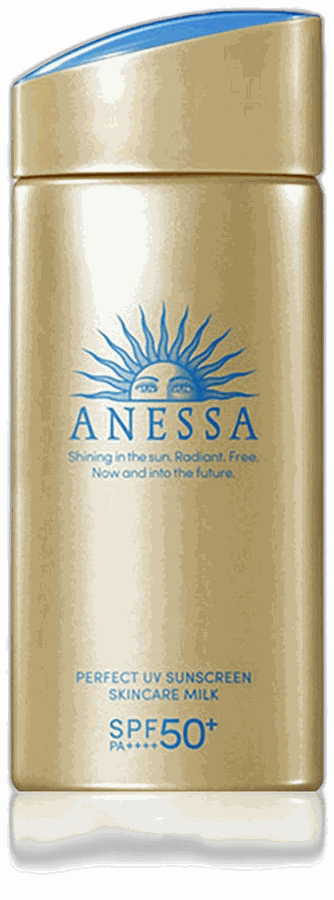
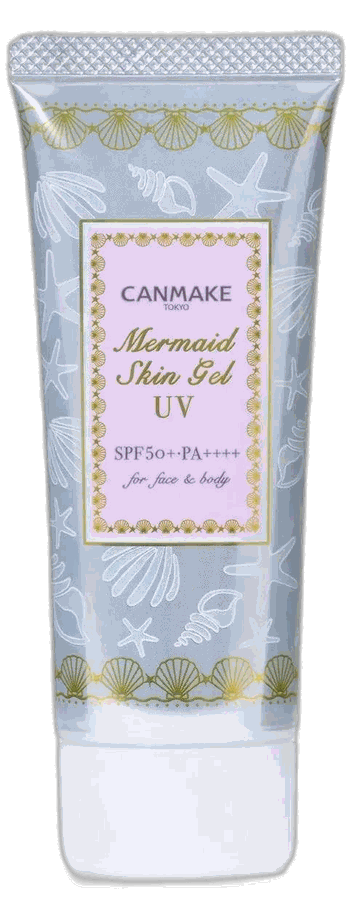
Nearly all popular Japanese sunscreens carry PA++++, including Biore UV Aqua Rich, Anessa Perfect UV Milk, Canmake Mermaid Skin Gel UV, and Skin Aqua Tone Up UV Essence. See the Japanese sunscreen guide for the full list.