Japanese beauty explained
Japanese Skincare for Combination Skin: Products That Balance Oily and Dry Zones
Combination skin is the most common skin type, but most skincare advice treats it like an afterthought. The usual recommendation is to find a middle ground product that’s “not too heavy, not too light.” That doesn’t work when your forehead is shiny by noon and your cheeks feel tight after cleansing.
Japanese skincare takes a different approach. Instead of finding one product that does everything, the layering philosophy lets you treat different zones of your face with different levels of hydration. A lightweight lotion across the whole face, extra moisture on the cheeks, a mattifying sunscreen on the T zone. You’re building a routine that adapts to your skin, not forcing your skin to adapt to one product.
This guide covers a full routine for combination skin, with specific product recommendations at each step and tips for adjusting between your oily and dry zones.
What Makes Combination Skin Different
Combination skin has two distinct zones with opposite needs. The T zone (forehead, nose, and chin) produces excess oil, often leading to enlarged pores, shine, and occasional breakouts. The cheeks, jawline, and areas around the eyes tend to be dry or normal, sometimes feeling tight or flaky, especially after cleansing.
The challenge is that most skincare products are formulated for one skin type. A rich cream that rescues dry cheeks makes the T zone greasy. A mattifying moisturizer that controls shine leaves dry patches even drier. Combination skin needs zone specific care, not a single product compromise.
A few things worth knowing about combination skin:
It shifts with the seasons. In summer, the oily zones get oilier and the dry zones may normalize. In winter, the dry zones get drier and even the T zone might feel a bit dehydrated underneath the oil. Your routine should shift too. For seasonal tips, see our spring transition guide.
Dehydration and oiliness aren’t opposites. An oily T zone can still be dehydrated. When skin lacks water (not oil), it sometimes compensates by producing more sebum. This is why stripping cleansers and skipping moisturizer often backfire for combination skin.
The goal isn’t eliminating oil. Sebum protects your skin. The goal is balancing hydration so your dry areas are comfortable and your oily areas aren’t overproducing.
Why Japanese Skincare Works for Combination Skin
The Japanese skincare approach has a few built in advantages for combination skin:
Layered hydration lets you modulate by zone. The standard J beauty routine starts with a watery lotion (toner), then optional serums, then a moisturizer. You can apply each layer evenly across your face but add extra passes on dry areas and skip heavy layers on oily zones. For more on how Japanese lotions work, see our guide to Japanese lotions.
Lightweight textures are the norm. Japanese moisturizers lean toward gels, milky emulsions, and lightweight creams rather than thick, occlusive formulas. These formats hydrate without smothering oily areas.
Gentle cleansing preserves balance. Double cleansing (oil cleanser followed by a foaming wash) removes sunscreen and excess oil without stripping the moisture barrier. This matters for combination skin because harsh cleansers cause rebound oiliness in the T zone and more dryness on the cheeks.
Sunscreens that feel like nothing. Japanese SPF formulas are famously lightweight. Many have matte or semi matte finishes that work on the T zone without drying out the rest of your face.
Morning Routine for Combination Skin
Keep mornings simple. Your skin produces less oil overnight, and the priority is hydration and sun protection rather than treatment.
Step 1: Gentle Cleanser
You don’t need a heavy duty cleanser in the morning. A mild foaming wash removes overnight oil without stripping moisture from your drier zones.
Freeplus Moist Care Lotion deserves a mention as a brand overall, but for cleansing, Freeplus Mild Soap A is a gentle amino acid based formula that cleans without disrupting the barrier. It’s one of the milder options on our best Japanese face wash list and leaves skin feeling soft rather than tight.
Freeplus (Kanebo)
0 retailersSee retailers →
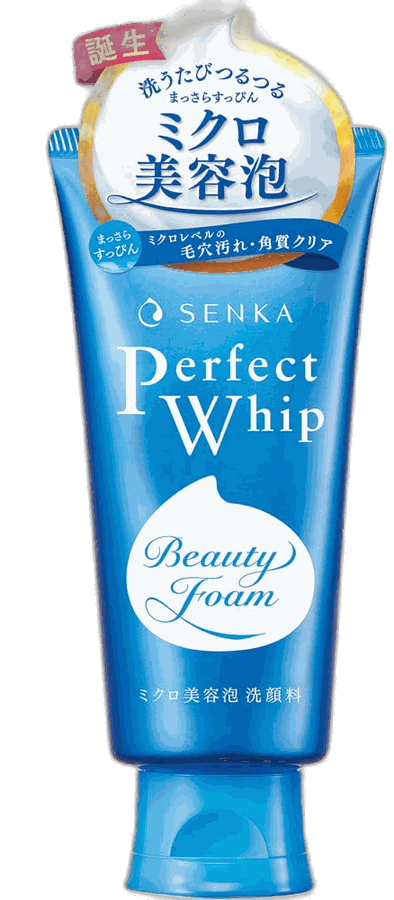
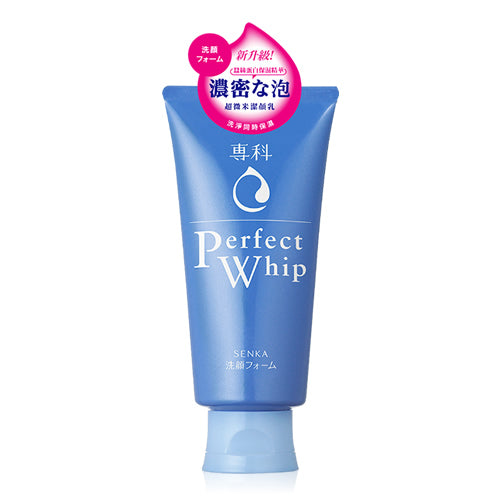
Shiseido Senka Perfect Whip is a more affordable option that creates a dense foam. It does a good job of removing morning oil from the T zone. Some people with very dry cheeks find it slightly stripping, so if your dry zones lean more toward sensitive, the Freeplus is the safer pick.
Senka
10 retailersSee retailers →
Step 2: Hydrating Lotion
This is the most important step for combination skin. Japanese “lotion” is a watery toner that delivers hydration without heaviness. Apply it across your whole face, then pat an extra layer onto your drier areas.
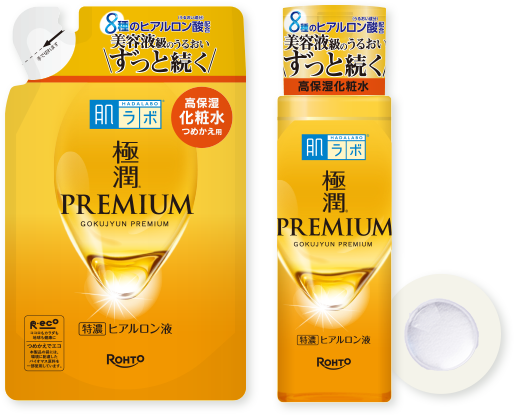
Hada Labo Gokujyun Premium Lotion uses seven types of hyaluronic acid to pull moisture into the skin. It’s a thick, viscous liquid that absorbs quickly and leaves skin plump without any oiliness. For combination skin, one layer on the T zone and two on the cheeks strikes a good balance. The full Hada Labo lineup is covered in our Hada Labo guide, and for a breakdown of which version to choose, see our Premium vs Moist vs Light comparison.
Hada Labo
11 retailersSee retailers →
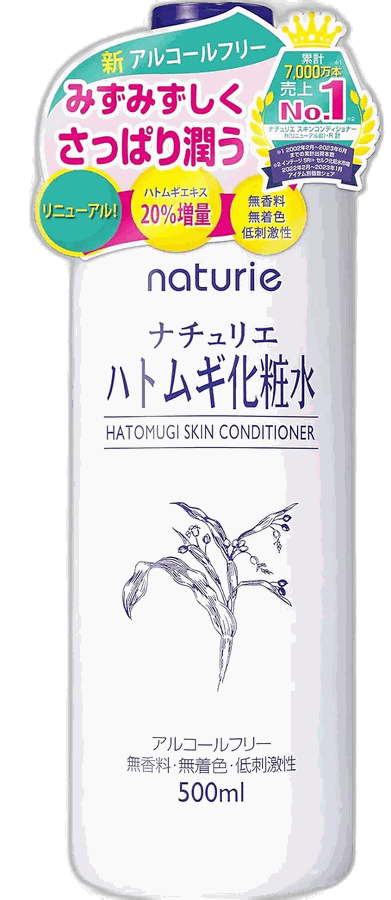
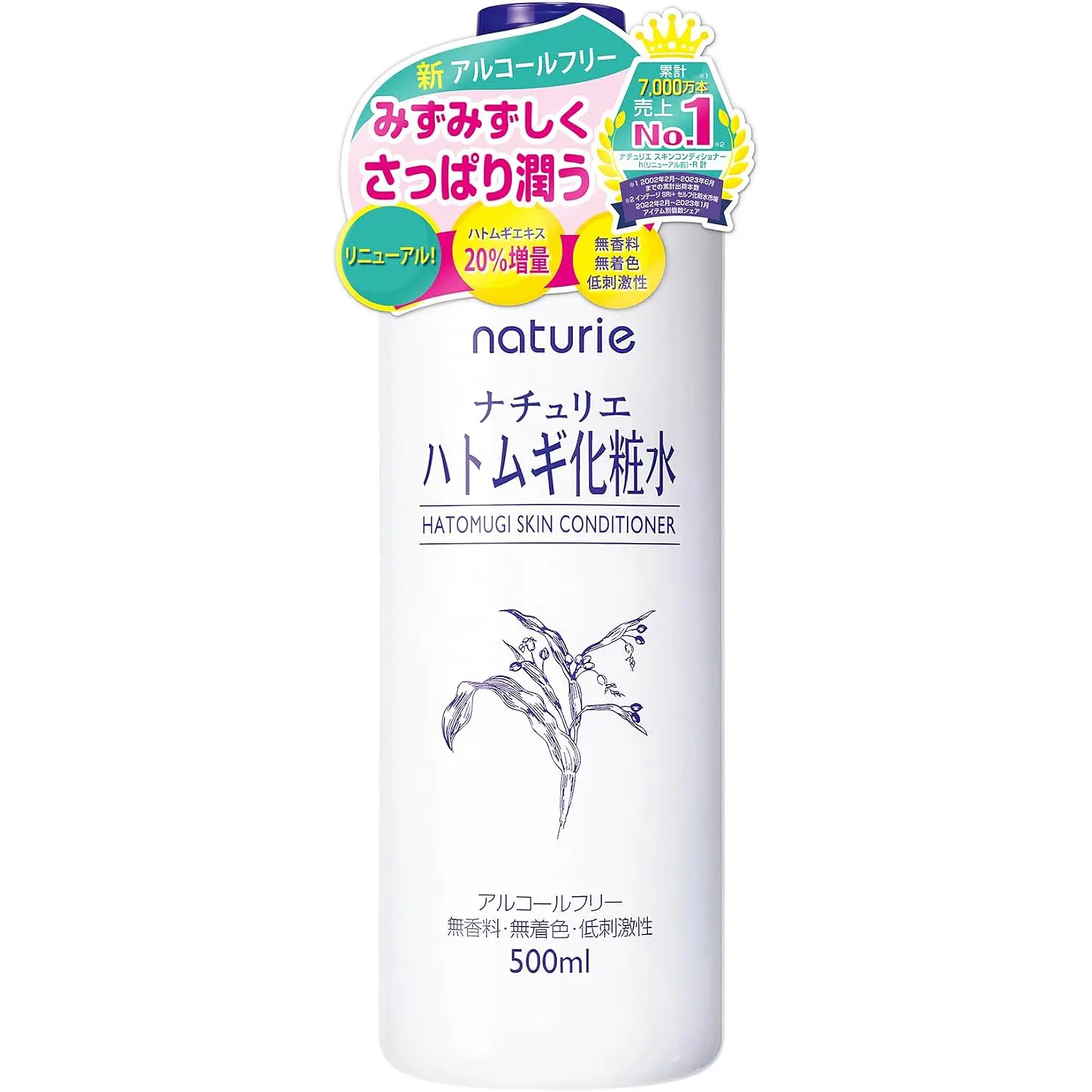
Naturie Hatomugi Skin Conditioner takes the opposite approach. It’s extremely lightweight and watery, made with job’s tears (hatomugi) extract. If you find the Hada Labo Premium too rich for your oily zones, this is a great alternative. The 500ml bottle also makes it easy to use generously. Many people use it as a multi layer toner, pressing several thin layers in for gradual hydration.
Naturie
12 retailersSee retailers →
Freeplus Moist Care Lotion is another option for those with combination skin that leans sensitive. It’s fragrance free and formulated to maintain moisture without irritation. If sensitivity is your primary concern, our Japanese skincare for sensitive skin guide has a full routine breakdown.
Freeplus (Kanebo)
1 retailerSee retailers →
Step 3: Lightweight Moisturizer (Optional by Zone)
This is where zone based care matters most. Your T zone may not need a moisturizer on top of the lotion step, especially in warmer months. Your cheeks probably do.
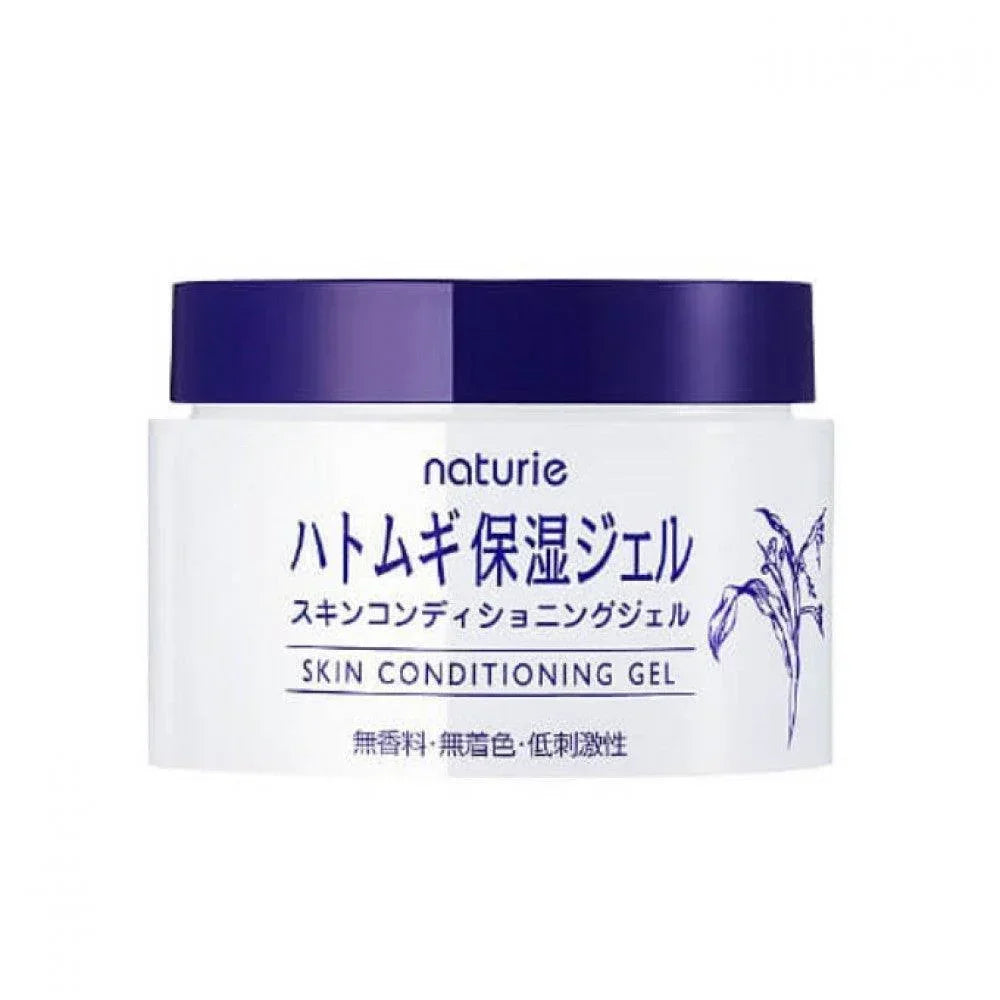
Naturie Hatomugi Skin Conditioning Gel is a lightweight gel moisturizer that works across the whole face without feeling heavy on oily areas. It absorbs fast and layers well under sunscreen. This is one of those products that the r/AsianBeauty community consistently recommends for combination skin because it doesn’t overdo it.
Naturie
10 retailersSee retailers →
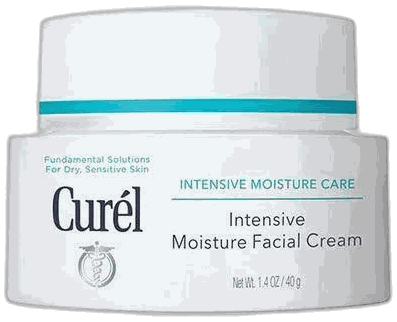
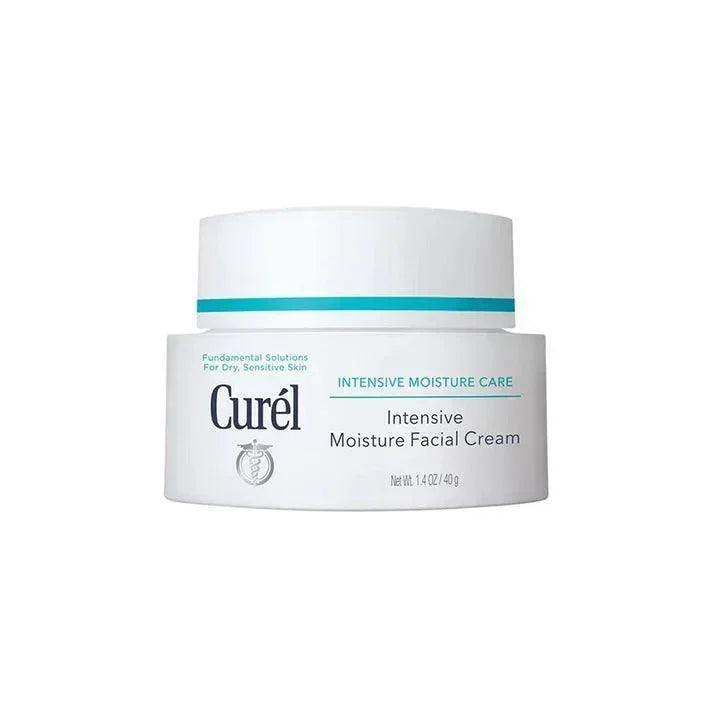
For your drier zones, Curel Intensive Moisture Facial Cream provides ceramide based barrier repair without heavy oils. Apply it only where your skin feels tight or dry (usually cheeks and jawline) and skip the T zone. For more on the Curel range, see our Curel guide.
Curel
6 retailersSee retailers →
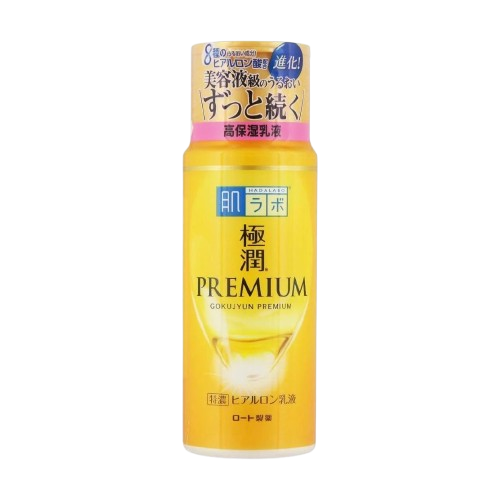
Hada Labo Gokujyun Premium Milky Lotion is a middle ground option. It’s a light emulsion (thicker than a toner but thinner than a cream) that provides enough moisture for dry areas without overwhelming oily zones. Great as an all over moisturizer if you want to keep things simple.
Hada Labo
4 retailersSee retailers →
Step 4: Sunscreen
Sunscreen is nonnegotiable, but for combination skin, the texture matters. You want something that controls shine on the T zone without drying out the cheeks.
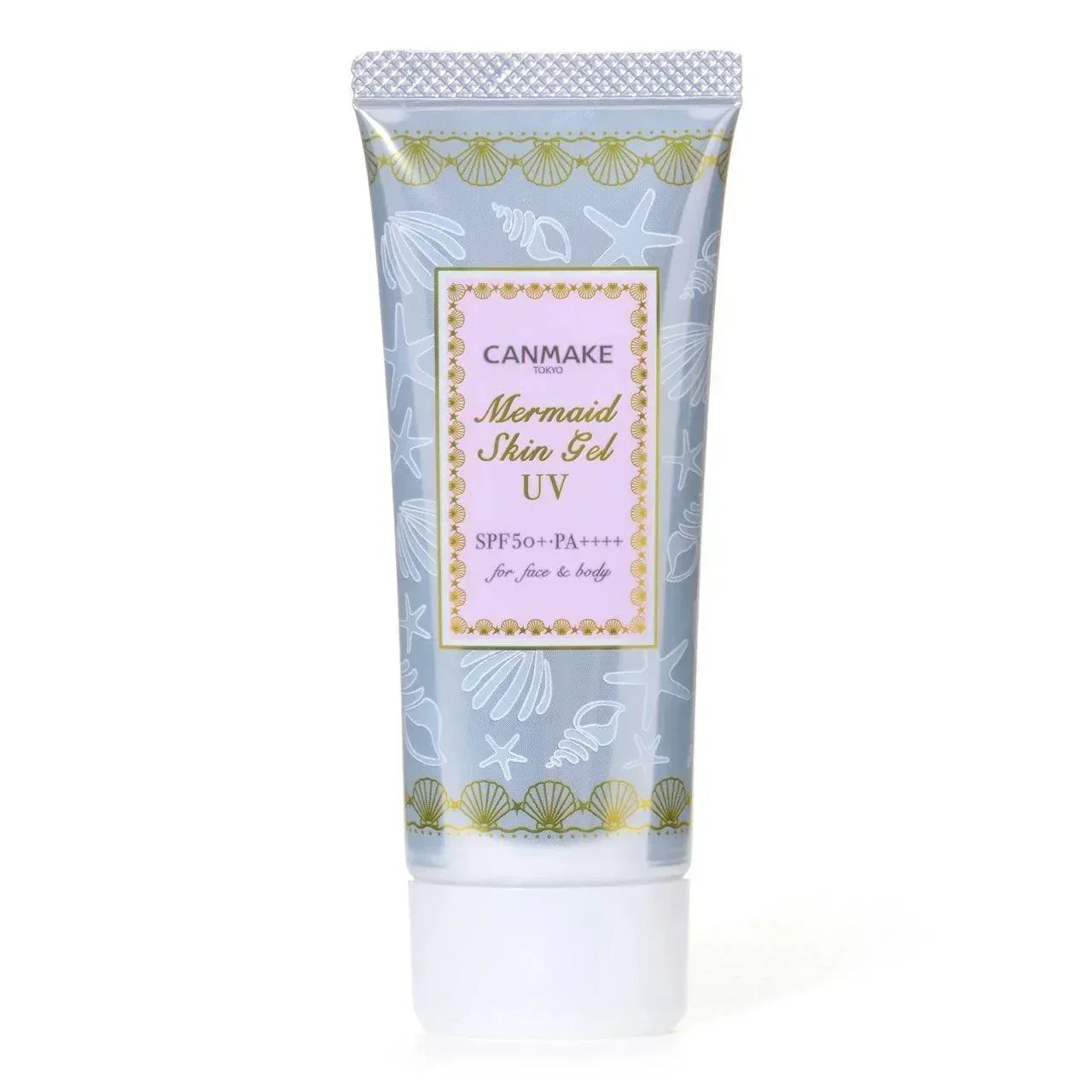
Canmake Mermaid Skin Gel UV SPF50+/PA++++ is one of the most popular Japanese sunscreens for combination and oily skin. It goes on as a lightweight gel, dries semi matte, and works as a makeup primer. It doesn’t feel heavy or greasy on the T zone but isn’t so matte that it emphasizes dry patches on the cheeks. For a full review, see our Canmake Mermaid Skin Gel review. The rest of the Canmake range is in our Canmake guide.
Canmake
8 retailersSee retailers →
Biore UV Aqua Rich Watery Essence SPF50+/PA++++ (Japanese Version) is another strong choice. It has a watery, almost serum like texture that absorbs instantly. It leans slightly more hydrating than the Canmake, which can be a plus if your dry zones are prominent. Note that the Japanese and US formulations are different. The full Biore sunscreen range is covered in our Biore guide.

Biore
10 retailersSee retailers →
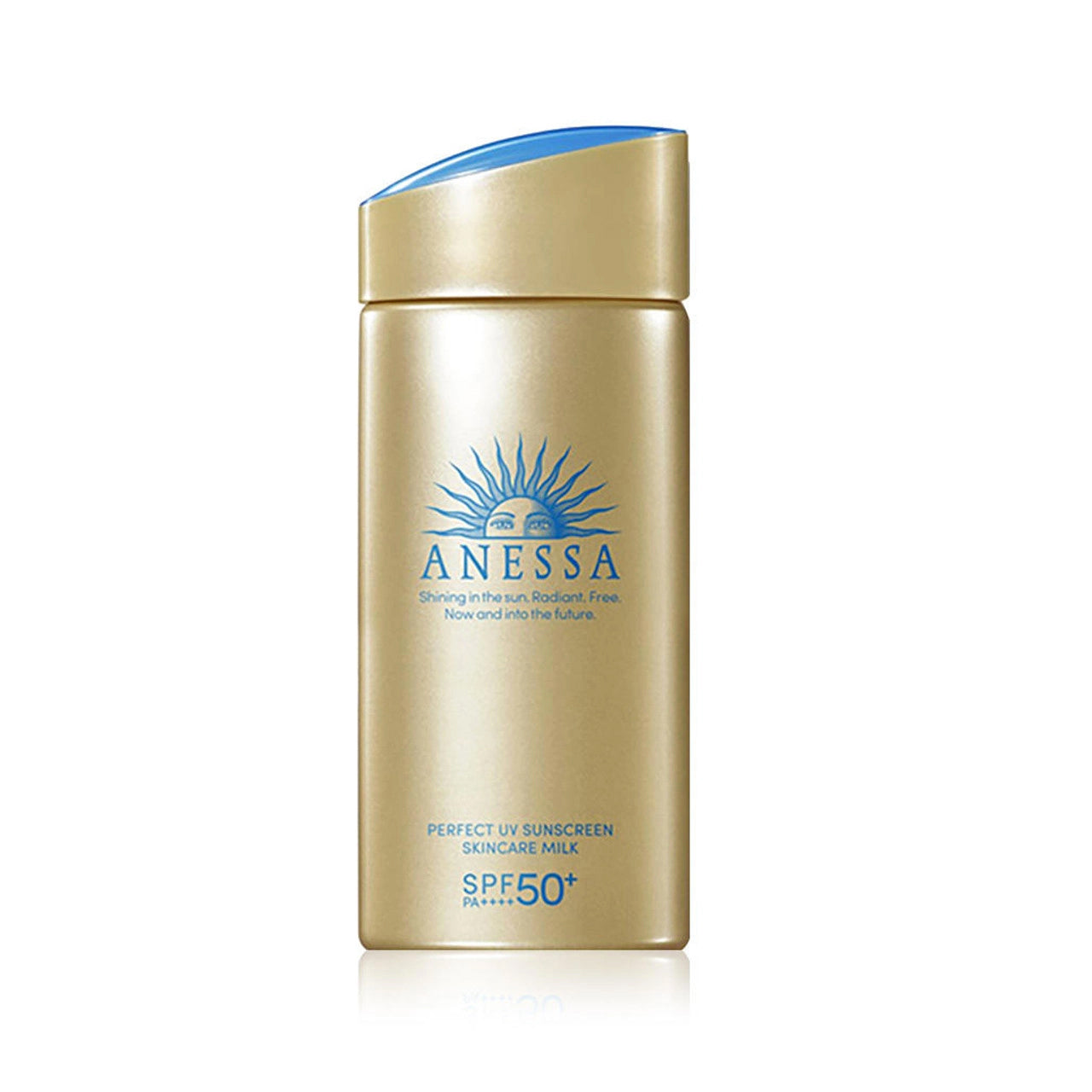
Anessa Perfect UV Sunscreen Skincare Milk SPF50+/PA++++ is the premium option. It has a fluid, milk like texture and offers the strongest UV protection of the three. It sits somewhere between matte and dewy, making it versatile for combination skin. For more, see our Anessa guide or the Anessa vs Biore comparison.
Anessa
10 retailersSee retailers →
Evening Routine for Combination Skin
Evenings are for removing the day (sunscreen, oil, pollution) and adding treatment and repair products.
Step 1: Oil Cleanser (Double Cleansing)
Oil dissolves oil. An oil cleanser breaks down sunscreen, makeup, and excess sebum better than a foaming cleanser alone. Massage it into dry skin, emulsify with water, and rinse.
Kose Softymo Speedy Cleansing Oil is a drugstore favorite that emulsifies quickly and rinses clean without residue. It gets sunscreen off efficiently without leaving a greasy film. For combination skin, the Speedy version is better than the Deep version because it’s lighter and rinses faster.

Kose
11 retailersSee retailers →
DHC Deep Cleansing Oil is a classic. It’s olive oil based, thorough at dissolving everything, and has decades of community trust behind it. It’s slightly richer than the Kose Softymo, so if your T zone is very oily, you might prefer the Kose. If your skin leans more toward the dry side of combination, DHC works well.

DHC
12 retailersSee retailers →
Step 2: Foaming Cleanser
Follow the oil cleanser with a gentle foaming wash to remove any remaining residue.
Curel Sebum Trouble Care Foaming Wash is designed for oily and combination skin. It dispenses as a pre foamed mousse and uses Curel’s ceramide technology to clean without disrupting the moisture barrier. It’s particularly good for combination skin because it removes excess oil without over drying. See the Curel vs CeraVe comparison for how it stacks up.
Curel
1 retailerSee retailers →
Step 3: Hydrating Lotion
Same approach as morning. Watery lotion across the whole face, extra layers on dry areas.
Naturie Hatomugi Skin Conditioner works well here again. In the evening, you can be more generous with layers since you’re not worried about sunscreen application on top.
For combination skin that leans dry, you can also add the Hada Labo Gokujyun Premium Lotion in the evening for deeper hydration. The thicker viscosity delivers more moisture to dry zones without heavy texture, and evening application means you don’t need to worry about how it layers under sunscreen.
Step 4: Treatment Serum (Targeted)
This is another zone specific step. Use treatment products where you need them.
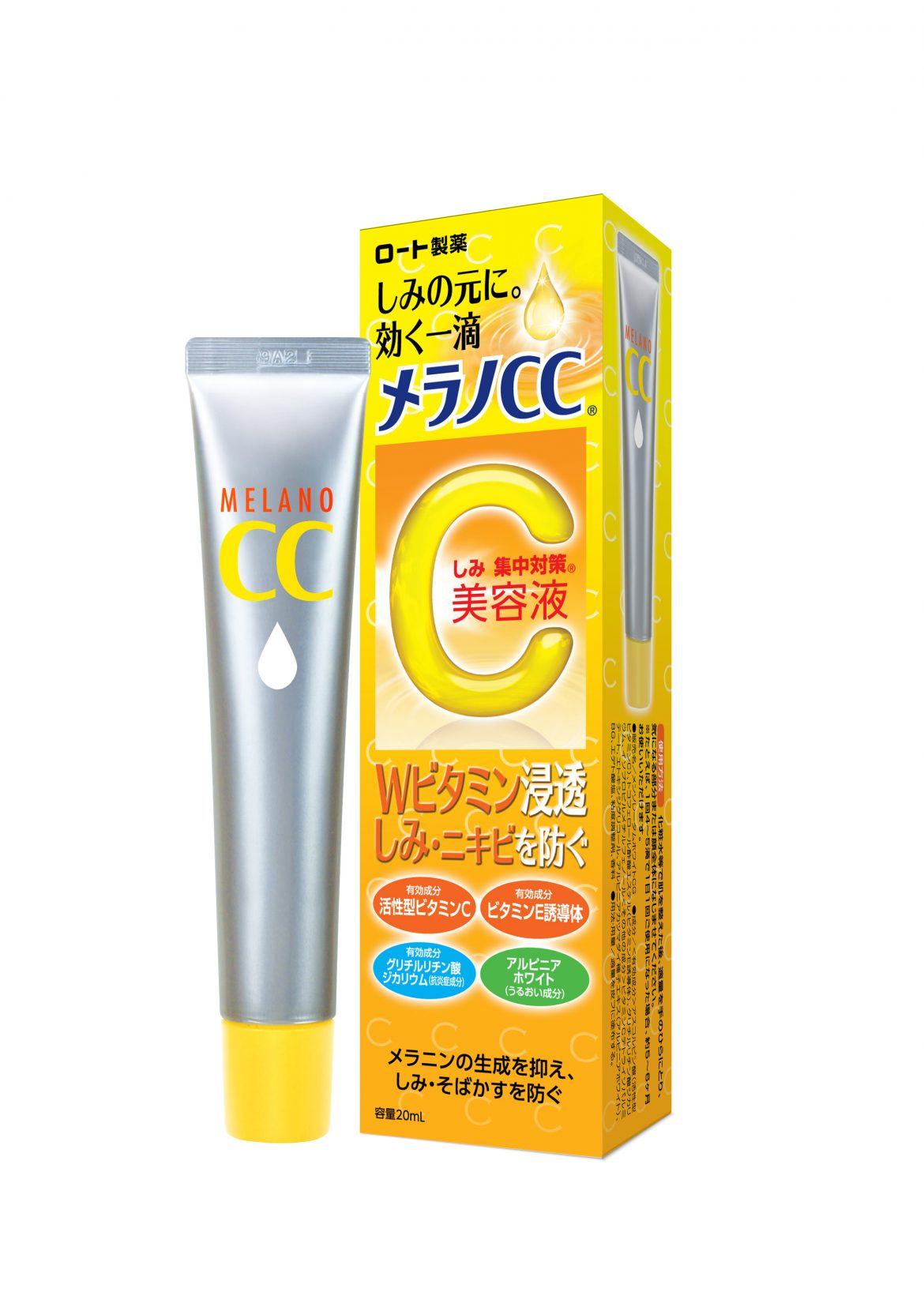
For the T zone: Melano CC Intensive Measures Essence is a vitamin C serum that targets dark spots, post acne marks, and uneven texture. It comes in a dropper tube that makes it easy to apply just to the areas that need it (usually the T zone and any hyperpigmentation spots). Vitamin C also helps control oil and brighten skin. For the full product line, see our Melano CC complete guide, and for a comparison with other brightening options, see Hada Labo Shirojyun vs Melano CC.
Rohto
3 retailersSee retailers →
For dry zones: Curel Moisture Facial Lotion Enrich is a richer version of the standard Curel facial lotion, formulated with pseudo ceramides to strengthen the moisture barrier on dry, depleted skin. Apply it to cheeks and around the eyes where your skin needs extra support.
Curel
0 retailersSee retailers →
Step 5: Moisturizer
Same zone based approach as morning, but you can use slightly richer products in the evening since you’re not layering sunscreen on top.
Curel Intensive Moisture Facial Cream on dry areas. Naturie Hatomugi Skin Conditioning Gel on oily areas, or skip the T zone moisturizer entirely if your lotion and serum provide enough.
Weekly Treatments
Sheet Masks
Lululun Precious Green Balance Face Mask is the all rounder in the Precious range, formulated for overall skin health and glow. It works well for combination skin because it supports the moisture barrier without being too heavy for oily zones. These are great for a weekly hydration boost when your skin feels off. The Lululun daily mask format makes them affordable enough for regular use.

Lululun
2 retailersSee retailers →
Brightening
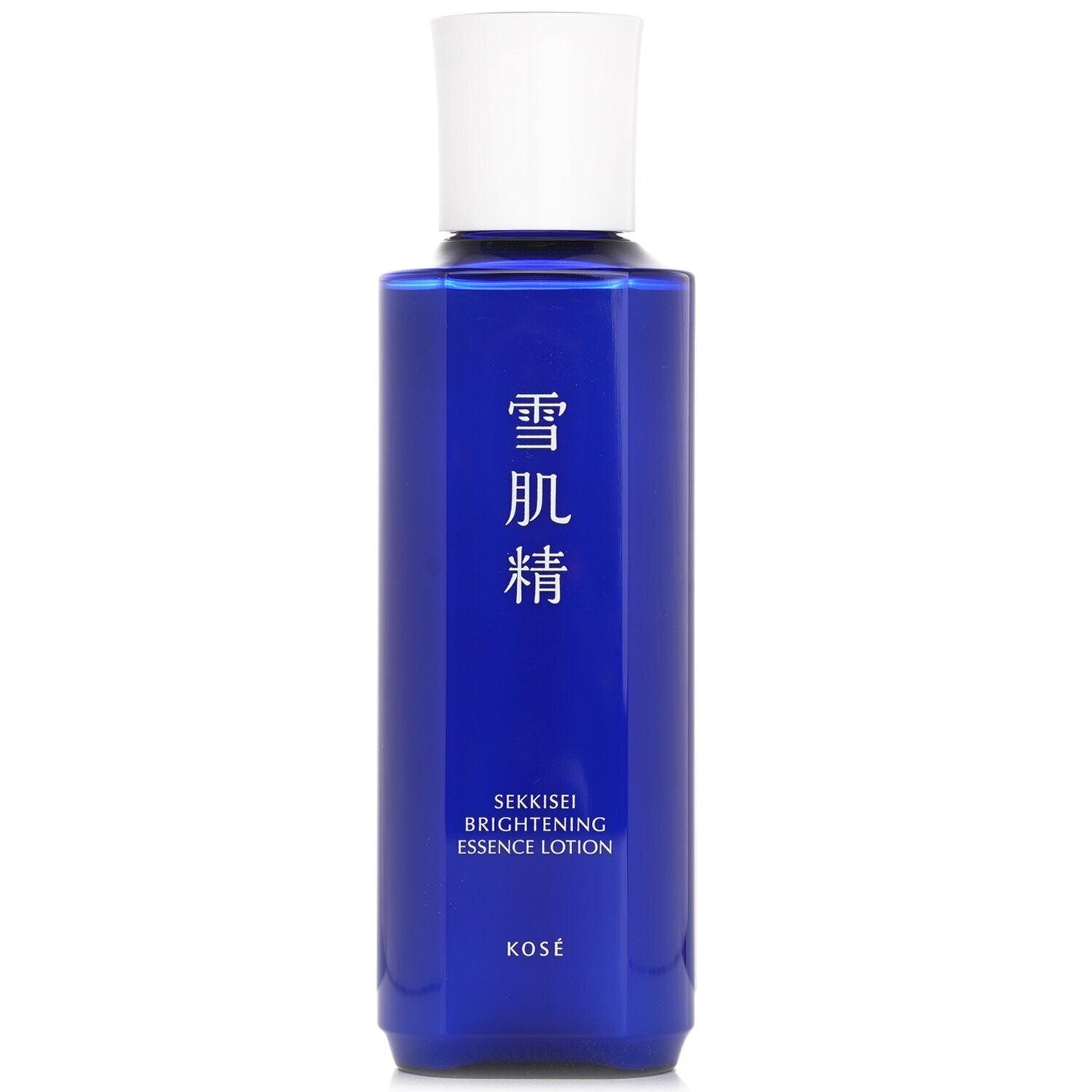
Sekkisei Brightening Essence Lotion from Kose contains traditional Japanese botanical extracts (Coix seed, angelica, melothria) and targets dullness and uneven tone. It has a slightly astringent feel that’s refreshing on the T zone. Note that it contains alcohol, so if your dry zones are sensitive, apply it more sparingly there or use it only on the T zone.
Kose
1 retailerSee retailers →
Common Mistakes with Combination Skin
Using the same amount of product everywhere. The whole point of a combination skin routine is zone based application. Use more moisturizer on cheeks, less on the T zone. Use mattifying products on the T zone, skip them on dry areas. This doesn’t have to be complicated. It can be as simple as an extra pat of lotion on the cheeks.
Over cleansing the T zone. When your forehead and nose are oily, it’s tempting to scrub or use harsh cleansers. This damages the moisture barrier and triggers more oil production, not less. Gentle cleansing (even for oily zones) leads to better oil balance over time.
Skipping moisturizer because parts of your face are oily. Even the oily zones benefit from lightweight hydration. A gel moisturizer or the lotion step alone is usually enough for the T zone. Skipping moisture entirely can lead to dehydrated skin that produces more oil to compensate.
Switching your entire routine with the seasons instead of adjusting. You don’t need a completely different set of products for summer and winter. Adjust the layers. In summer, maybe skip the cream moisturizer on the T zone. In winter, add an extra layer of lotion to your cheeks. Small tweaks, not overhauls. For a full guide on seasonal adjustments, see our morning vs night routine guide.
Using heavy Western moisturizers and expecting them to work everywhere. Traditional Western moisturizers tend to be one texture fits all. A thick cream that feels great on dry cheeks will congest oily pores. The Japanese layering approach, with lighter products applied in multiple thin layers, gives you much more control.
FAQ
Is combination skin the same as normal skin?
Not quite. Normal skin is relatively balanced across the face with minimal oiliness or dryness. Combination skin has distinctly different zones: typically an oily T zone and dry or normal cheeks. The key difference is that combination skin needs zone specific care, while normal skin can usually get away with one set of products used evenly.
Can combination skin become oily or dry over time?
Yes. Skin type can shift with age, hormones, climate, and lifestyle changes. Many people who had oily skin in their teens develop combination skin in their 20s and 30s as oil production decreases in some areas but not others. Monitoring your skin and adjusting your routine is more useful than committing to a fixed skin type label.
How do I know if my oily T zone is dehydrated?
If your T zone is oily but also feels tight after cleansing, or if you notice flakiness under the oil, that’s dehydration. Dehydrated skin lacks water, which is different from oily skin producing excess sebum. They can happen simultaneously. A hydrating toner like Hada Labo Gokujyun Premium Lotion can help address the dehydration underneath the oiliness.
Should I use different products on different parts of my face?
Yes, and this is the biggest advantage of a combination skin routine. You don’t need two separate routines, just adjust how you apply. More layers of lotion on dry areas, lighter moisturizer (or none) on the T zone, treatments targeted where they’re needed. The Japanese layering approach makes this easy because the products are lightweight enough to layer without feeling heavy.
How is a Japanese routine different from a Korean one for combination skin?
Both emphasize hydration and layering, but Japanese routines tend to use fewer steps with simpler formulations. Korean skincare often includes more active ingredients and treatment steps (essences, ampoules, sleeping masks). For combination skin specifically, the Japanese emphasis on lightweight lotions and gel textures can feel more natural since you’re adding less overall product to already variable skin. For a broader comparison, see our beginners guide to Japanese skincare.