Japanese beauty explained
How to Transition Your Japanese Skincare Routine for Spring
If your skin feels different in March than it did in January, that is not your imagination. Temperature, humidity, and UV levels shift significantly between winter and spring in most parts of the US, and the heavy creams and rich emulsions that kept your skin comfortable through December start to feel suffocating by April.
The general timing: start when daytime temperatures consistently hit the mid 50s to 60s and your current moisturizer sits on top of your skin rather than absorbing. For most US regions, that’s early to mid March. Warmer climates (Southern California, Florida, Texas) may need to start as early as February.
One thing worth knowing upfront: pollen and temperature swings during this window can temporarily weaken your skin barrier. If products that normally feel fine start stinging or causing redness, that’s the barrier talking. Simplify to cleanser, toner, moisturizer, and sunscreen until it passes (usually one to two weeks), then reintroduce actives gradually.
This guide covers what to swap, what to keep, and which Japanese products work for the transition. You can also use our routine builder to get product recommendations matched to your skin type and the current season.
Why Your Skin Changes in Spring
Three things shift at once:
Humidity rises. Winter air in the US averages 20 to 30% indoor humidity. By April, outdoor humidity climbs to 50 to 70% in most regions. Your skin holds onto moisture more easily in humid air, which means the heavy, sealing creams that saved you in winter start to feel like too much.
UV index jumps. The UV index in March is roughly double what it was in December across most US cities. By April, it reaches levels that cause sunburn in under 30 minutes of unprotected exposure. If you’ve been skipping sunscreen in winter (or using SPF 30), spring is when that habit becomes a problem.
Pollen and allergens spike. Pollen can trigger skin sensitivity, redness, and barrier disruption even in people without seasonal allergies. When the barrier is weakened, products that normally feel fine (vitamin C, retinol, exfoliants) can suddenly sting or cause redness.
The result: you need lighter moisture, stronger UV protection, and potentially gentler actives during the transition window (roughly March through May).
What to Swap: Heavy Cream to Gel Cream
The single biggest change for spring is switching your moisturizer from a rich cream to a gel cream. Japanese gel creams hydrate with lightweight ingredients like hyaluronic acid, soy extracts, and collagen instead of thick, heavy formulas that sit on the skin.
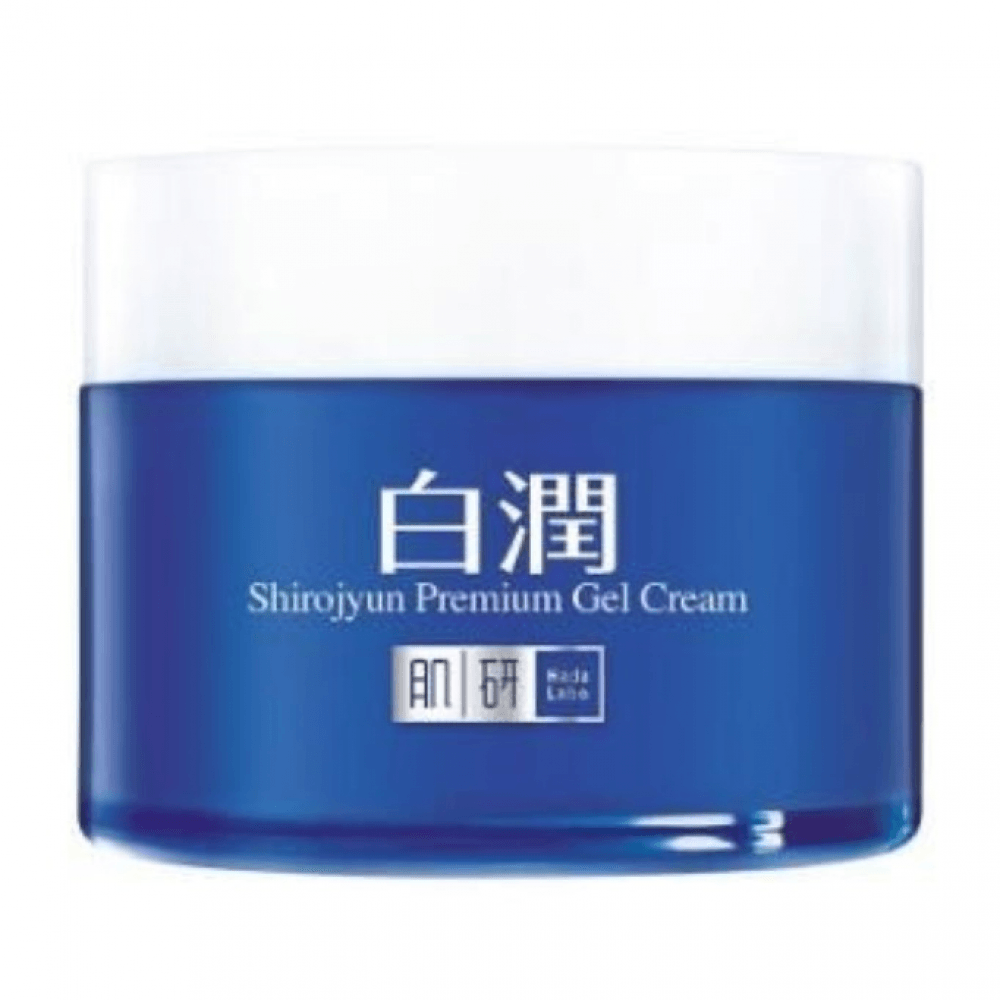
Hada Labo Shirojyun Premium Gel Cream
The Hada Labo Shirojyun Premium Gel Cream is a solid spring option if you want brightening benefits alongside lightweight moisture. It has a brightening ingredient (tranexamic acid) for tone evening and hyaluronic acid for hydration without heaviness. The texture is a true gel cream: bouncy, absorbs in under a minute, and layers well under sunscreen.
Hada Labo
0 retailersSee retailers →
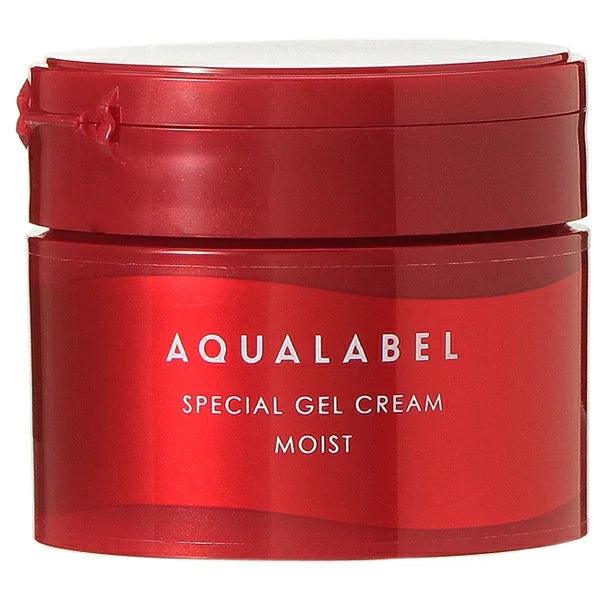
Aqualabel Special Gel Cream (Moist)
Aqualabel Special Gel Cream (Moist) is Shiseido’s drugstore line answer to the all in one moisturizer. It functions as a toner, emulsion, cream, mask, and serum in one step. For spring, the appeal is simplicity: fewer layers mean less heaviness on the skin. The “Moist” version is appropriate for normal to dry skin transitioning out of winter. If your skin runs oily by April, consider switching to the “Oil In” or lighter variant later.
Aqualabel
4 retailersSee retailers →
Sana Soy Milk Moisture Gel Cream Moist
The Sana Soy Milk Moisture 6 In 1 Gel Cream Moist is another all in one option with a slightly different ingredient philosophy. Soy extract helps plump and firm the skin, and the formula includes ceramides for barrier support. This is a good pick if your skin tends to get reactive during seasonal changes, since the soy and ceramide combination supports barrier function without adding weight.
Sana
1 retailerSee retailers →
For a broader comparison of Japanese moisturizers across different textures and skin types, see the full moisturizer guide.
What to Swap: Rich Cleanser to Enzyme Powder Wash
Winter cleansing tends to be gentle and minimal. Spring calls for slightly more cleansing power to handle increased oil and daily sunscreen removal, but without going so harsh that your skin feels stripped.
Enzyme powder washes thread this needle well. The enzymes dissolve dead skin cells and excess oil at the surface, providing mild exfoliation with each wash without harsh scrubbing.
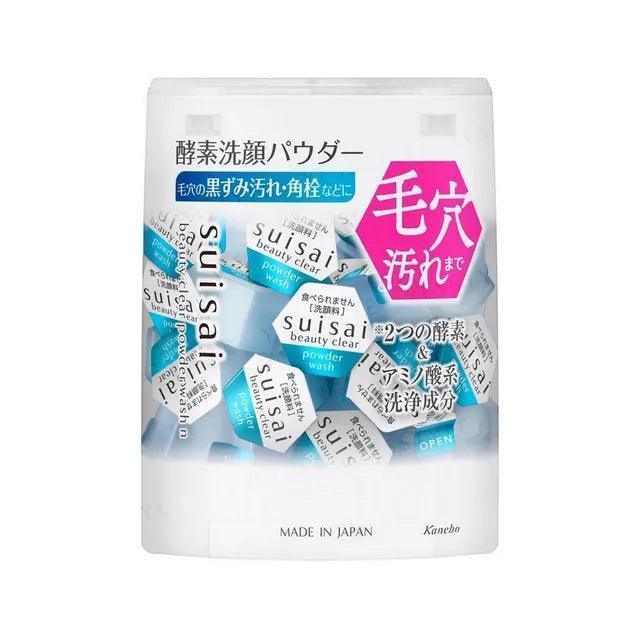
Kanebo Suisai Beauty Clear Powder Wash
Kanebo Suisai Beauty Clear Powder Wash is the benchmark product in this category. Each capsule contains a single dose of powder that you activate with water. The enzymes dissolve surface buildup without physical scrubbing. Using it two to three times per week during the transition period helps prevent the clogged pores that often appear when humidity rises but your routine has not caught up.
Kanebo
5 retailersSee retailers →
Other enzyme powder washes worth considering:
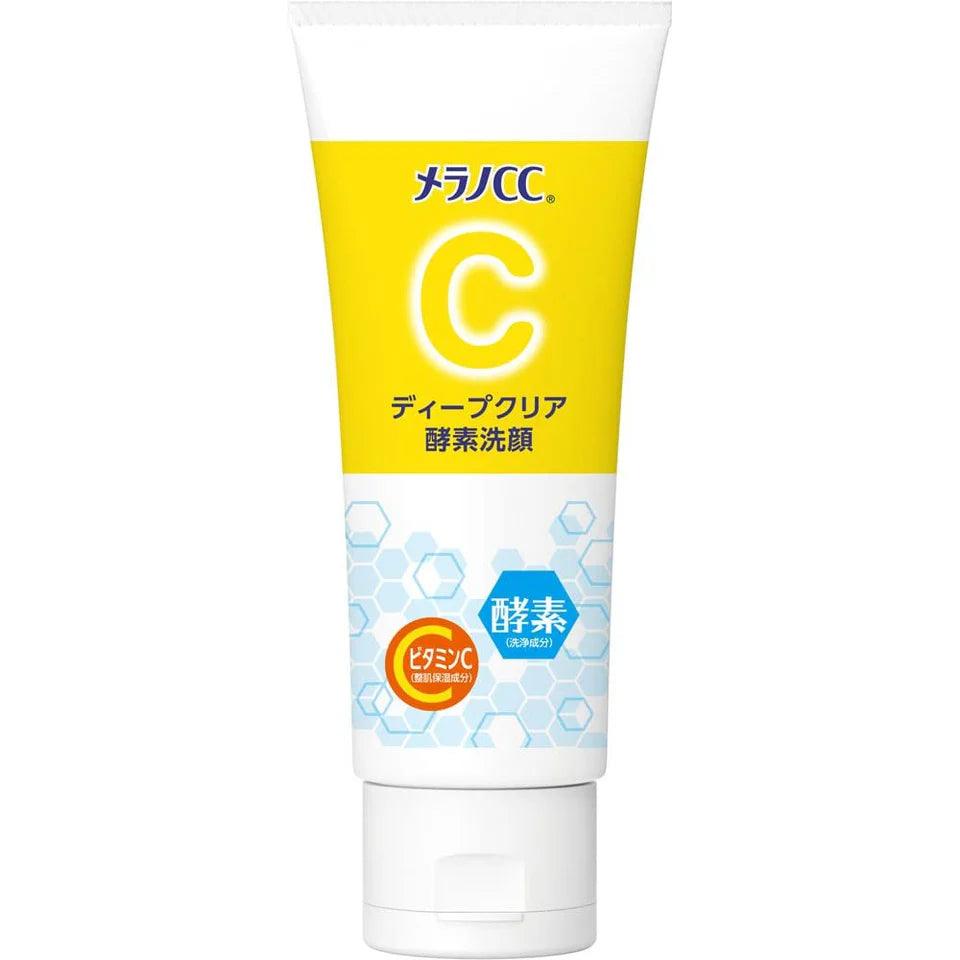
The Obagi C Enzyme Face Wash Powder adds vitamin C to the enzyme formula, while the Melano CC Deep Clear Enzyme Face Wash does the same at a lower price point. Both work like Suisai but add brightening on top. For a full comparison, see the enzyme powder cleanser guide.
What to Upgrade: Sunscreen
This is non negotiable for spring. If you were using a lower SPF or skipping sunscreen on overcast winter days, March is when UV exposure becomes significant enough to cause cumulative damage.
Japanese sunscreens are popular for daily wear because the formulations tend to be thin, non greasy, with minimal white cast, and compatible with makeup. Two options cover most needs.
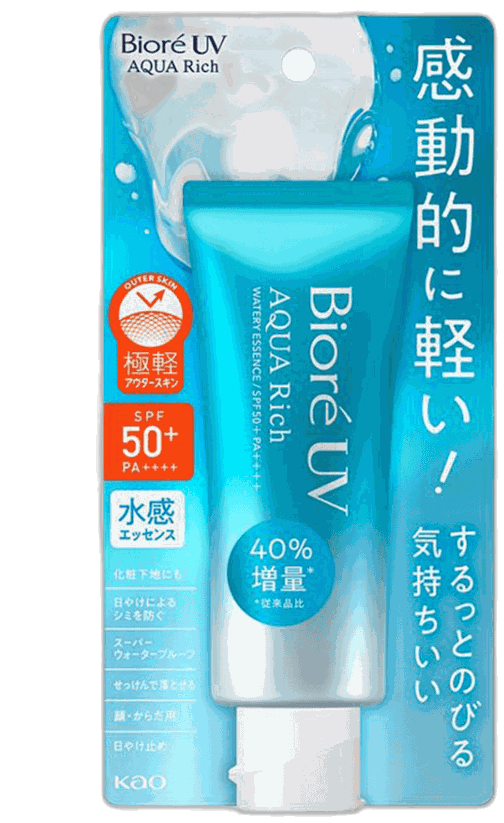
Biore UV Aqua Rich Watery Essence
Biore UV Aqua Rich Watery Essence SPF50+/PA++++ is the default recommendation for a reason. The texture is closer to a lightweight serum than a traditional sunscreen. It applies clear, dries matte within seconds, and works well as a makeup primer. For spring specifically, the watery texture means no added heaviness on top of your lighter moisturizer.
Make sure you are using the Japanese version. The US formulation uses different UV filters and has a noticeably different texture. See the JP vs US formula comparison for details.

Biore
10 retailersSee retailers →
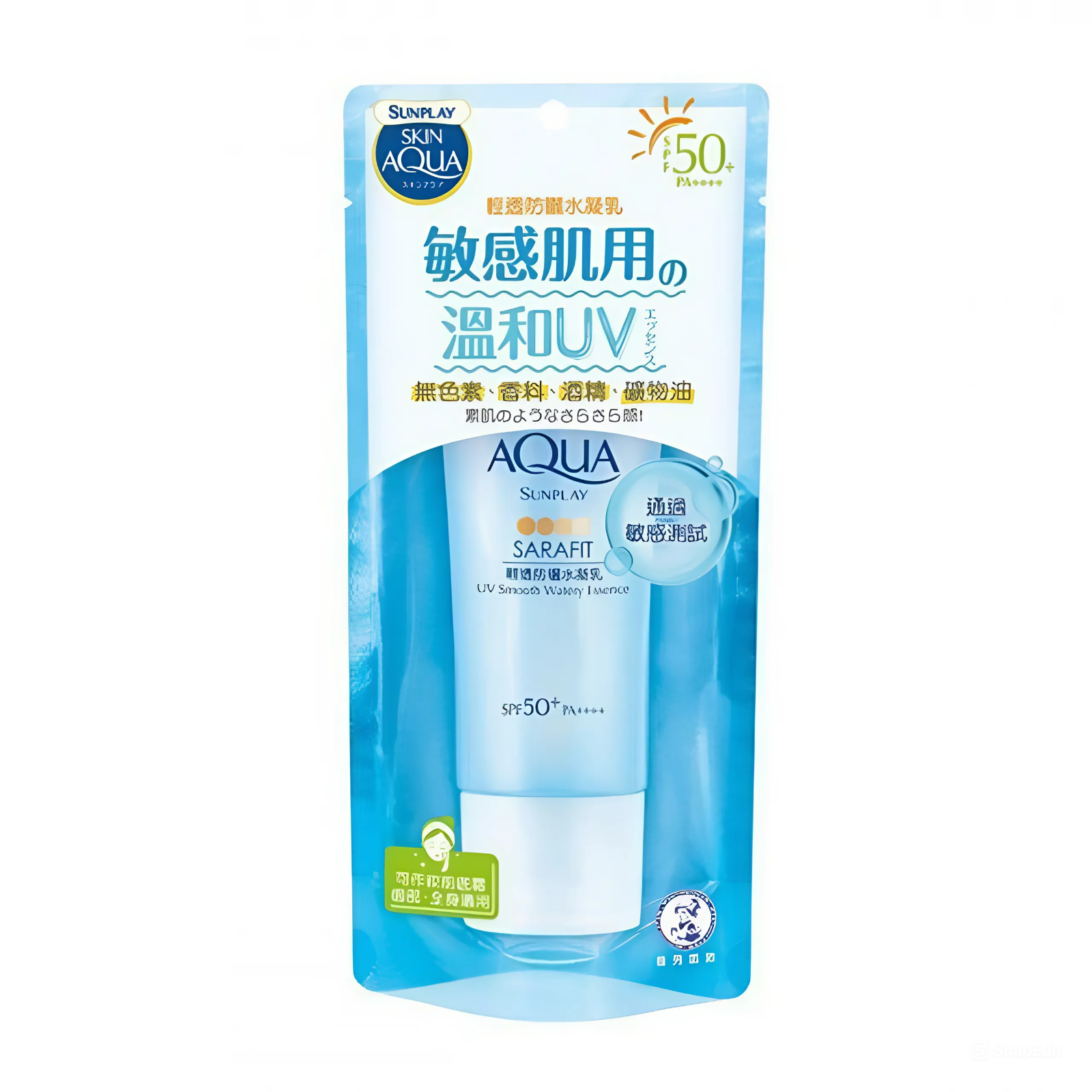
Skin Aqua Sarafit UV Essence
Skin Aqua Sarafit UV Smooth Watery Essence SPF50+ is a strong alternative if Biore feels slightly too dewy for your preference. The “Sarafit” (sara = smooth/dry in Japanese) formula is designed to control oil and leave a powder like finish. This is particularly useful in late spring when humidity pushes sebum production higher.
Rohto
1 retailerSee retailers →
For a full comparison of Japanese sunscreen options, including water resistance ratings and ingredient breakdowns, see the best Japanese sunscreen guide and the Skin Aqua vs Biore comparison.
What to Keep: Hydrating Toners
One category that should not change much between seasons is hydrating toners (called “lotions” in Japanese skincare terminology). These watery, hydrating layers absorb quickly regardless of humidity and provide the base moisture that both winter and spring routines need.
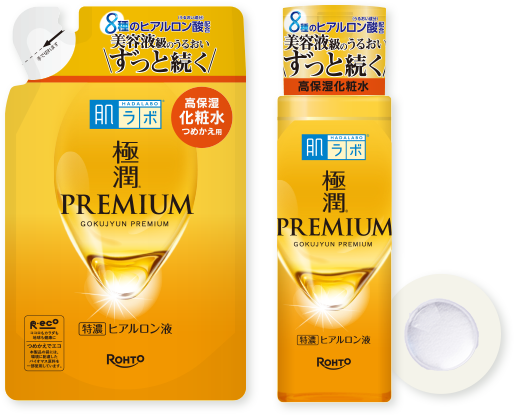
Hada Labo Gokujyun Premium Lotion
The Hada Labo Gokujyun Premium Lotion is a rich hydrating toner that works under heavy winter creams and lightweight spring gel creams equally well. No reason to change it. Read the full Hada Labo guide for the complete product range.
Hada Labo
11 retailersSee retailers →
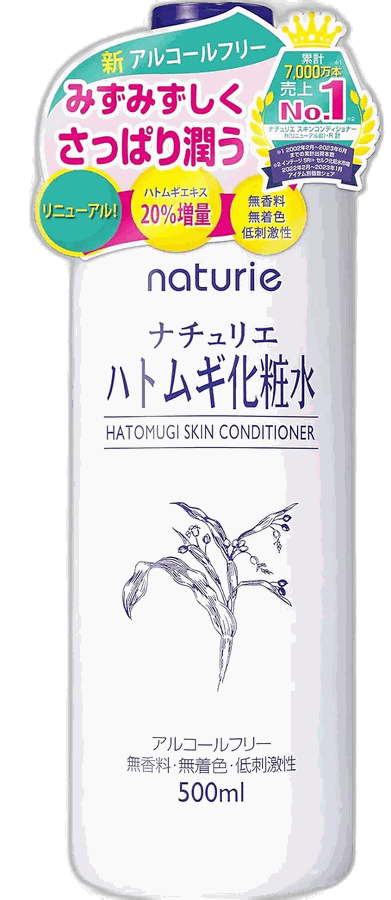
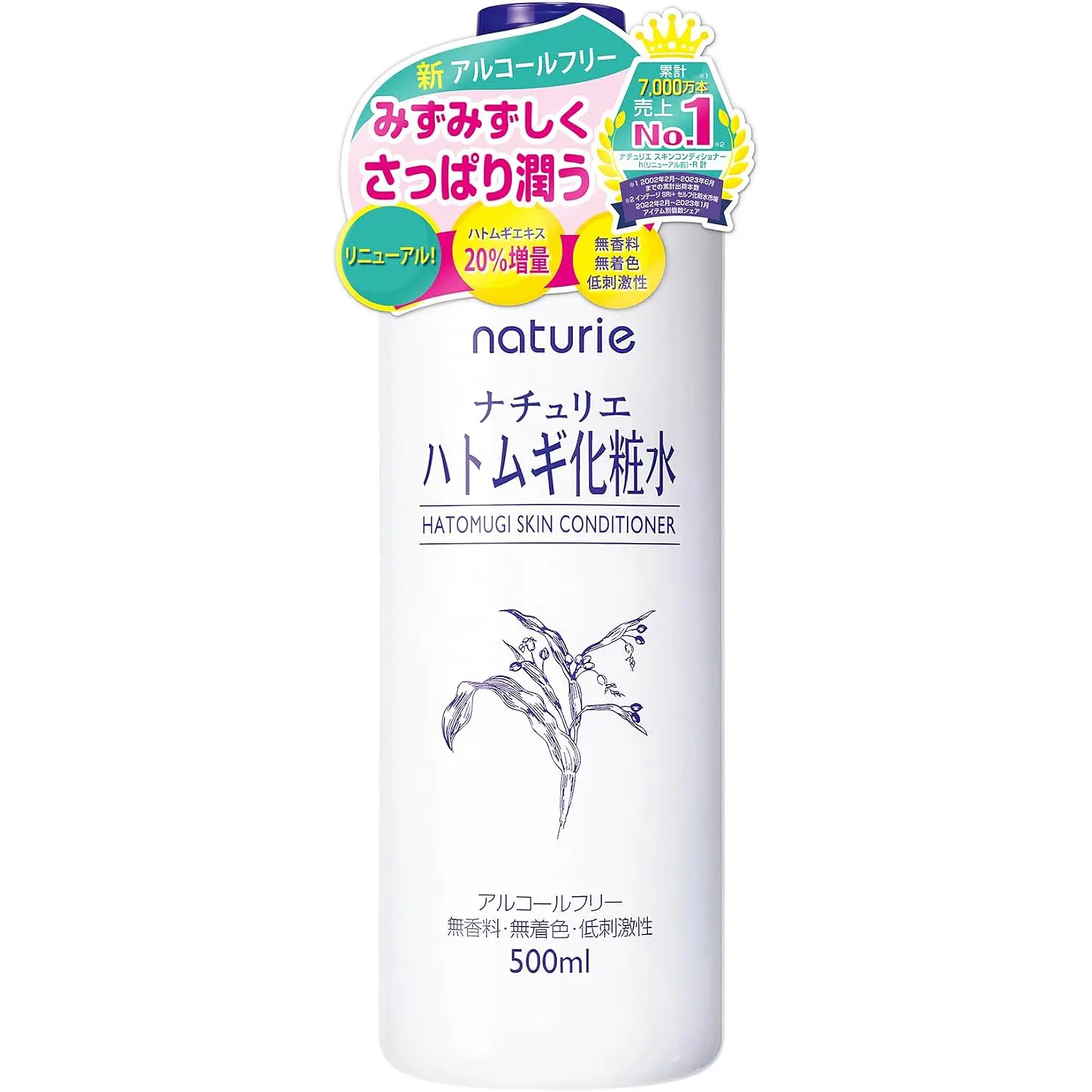
Naturie Hatomugi Skin Conditioner
Naturie Hatomugi Skin Conditioner is the budget option that also works year round. The 500ml bottle lasts months, and the lightweight, almost water like texture means it never feels heavy regardless of season. Some people use it as a toner, others soak cotton pads for a quick mask. Either way, it stays in the routine. See the Naturie Hatomugi guide for usage tips.
Naturie
12 retailersSee retailers →
What to Keep: Targeted Serums
Vitamin C serums work year round. The only thing to watch: if pollen season is making your skin more reactive, you might need to dial back frequency temporarily.
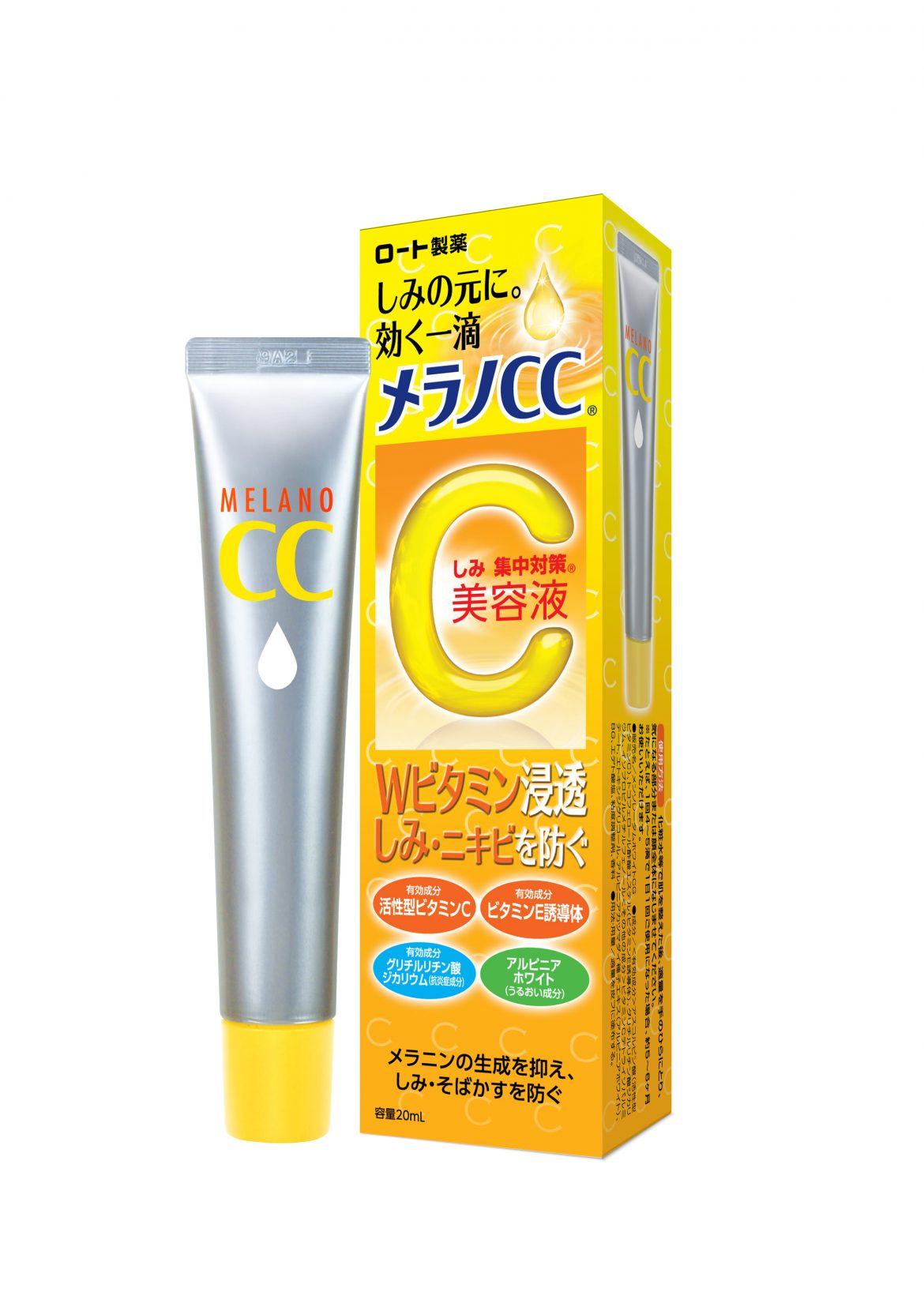
Melano CC Essence
Melano CC Intensive Measures Essence is a lightweight vitamin C serum that works in every season. If you notice increased irritation during pollen season, reduce to every other day rather than dropping it entirely.
Rohto
3 retailersSee retailers →
For a deep dive into this product and how it compares to other vitamin C options, see the Melano CC complete guide.
Spring Routine: Putting It Together
Here is a sample morning routine for the winter to spring transition:
- Cleanser: Kanebo Suisai Powder Wash (2 to 3 times per week) or your regular gentle cleanser on other days
- Toner: Hada Labo Gokujyun Premium Lotion (2 to 3 layers, patted in)
- Serum: Melano CC Essence (if using)
- Moisturizer: Hada Labo Shirojyun Premium Gel Cream or Sana Soy Milk Gel Cream
- Sunscreen: Biore UV Aqua Rich Watery Essence or Skin Aqua Sarafit UV Essence
Evening routine stays simpler: double cleanse (oil cleanser + gentle foaming wash), toner, serum if desired, and gel cream. No sunscreen needed at night.
When to Make the Switch
Do not change everything at once. A gradual transition over two to three weeks works better:
Week 1: Swap your moisturizer from cream to gel cream. Keep everything else the same. This is the single change that makes the biggest difference in how your skin feels.
Week 2: Introduce the enzyme powder wash one to two times per week. Observe how your skin responds. If no irritation, increase to two to three times.
Week 3: Upgrade your sunscreen if you were using something lighter. By this point, UV levels are high enough that SPF50+/PA++++ is appropriate for daily use.
This staggered approach lets you identify what works and what causes reactions, instead of changing five products at once and not knowing which one your skin objects to.
FAQ
Can I use my winter moisturizer at night and a gel cream during the day?
Yes. This is a common transitional approach. Using a richer cream at night when your skin repairs itself and a lighter gel cream during the day under sunscreen is practical and avoids wasting product. Many people maintain this split year round.
Do I need to change my cleanser for spring?
Not necessarily your primary cleanser, but adding an enzyme powder wash a few times per week helps manage the increased sebum and dead skin cell buildup that comes with rising humidity. Your regular gentle cleanser remains fine for daily use.
Is Japanese sunscreen enough for spring UV exposure?
Japanese sunscreens rated SPF50+/PA++++ provide strong UVA and UVB protection that meets or exceeds what most dermatologists recommend for daily use. The PA++++ rating indicates the highest level of UVA protection. The key is application amount: use roughly a quarter teaspoon (1.25ml) for your face. See the PA rating explainer for more details.
What if my skin gets more sensitive during spring?
Pollen and temperature fluctuations can temporarily weaken the barrier. Simplify to cleanser, toner, moisturizer, and sunscreen only. Drop actives until the sensitivity passes (usually one to two weeks). Products with ceramides, like the Curel Intensive Moisture Cream, can help during this period. See the Curel guide for more options, or our dedicated pollen season skincare guide for products specifically designed to protect against airborne irritants.