Japanese beauty explained
Best Enzyme Powder Cleansers: Suisai, Obagi, FANCL (2026)
Enzyme powder cleansers are one of Japan’s most distinctive skincare formats. Fine powder that you shake into wet hands, lather, and wash with. The enzymes stay stable in dry form and only activate when they hit water, which means they’re more effective than the same ingredients sitting in a liquid formula for months.
Kanebo’s Suisai powder wash is one of the top selling skincare products in Japan, and the format is starting to gain traction internationally too.
This guide covers the five best Japanese enzyme powder cleansers, how the enzymes work, how to use them properly, and where to find them.
What Are Enzyme Powder Cleansers?
A dry powder (or single use capsule of powder) that you mix with water to create a foam. The format is almost exclusively Japanese. Japan’s hot, humid summers make pore care a top priority, and enzyme powders solved a real formulation problem: enzymes degrade in liquid over time, but stay potent in dry form until the moment you add water. That’s why the category took off in Japan and is now gaining attention internationally through the J beauty community.
Most enzyme powder cleansers are meant for use two to three times per week, not daily. They’re an exfoliation step, not a replacement for your everyday Japanese face wash (though some gentler formulas like FANCL’s work daily).
The Three Enzymes You’ll See
Protease breaks down keratin, the protein that makes up dead skin cells. When dead keratin builds up, it clogs pores, creates dullness, and causes that rough texture on the nose and chin. Protease dissolves this without physical scrubbing.
Lipase breaks down sebum and oils. Especially useful for sebaceous filaments (those tiny gray dots on the nose that fill back up every few days). Lipase dissolves the lipid plugs inside pores.
Papain, derived from papaya, is a broader, gentler enzyme. Often used in formulas meant for sensitive skin.
Enzymes vs Acids
Traditional exfoliants use AHAs or BHAs to change the skin’s pH and dissolve bonds between cells. Enzymes work differently: they target specific proteins and lipids without altering pH. That’s why enzyme cleansers rarely cause the stinging, redness, or purging that acid exfoliants sometimes trigger.
The tradeoff: enzymes are less potent for deep exfoliation. If you have severe texture or stubborn clogged pores, chemical exfoliants may be more effective. For routine maintenance and a smoother, brighter complexion, enzymes are easier to tolerate. Enzyme powders are one piece of a broader Japanese approach to pore care that also includes oil cleansing, clay packs, and pore blurring powders. For the full picture, see the Japanese pore care guide.
The 5 Best Japanese Enzyme Powder Cleansers
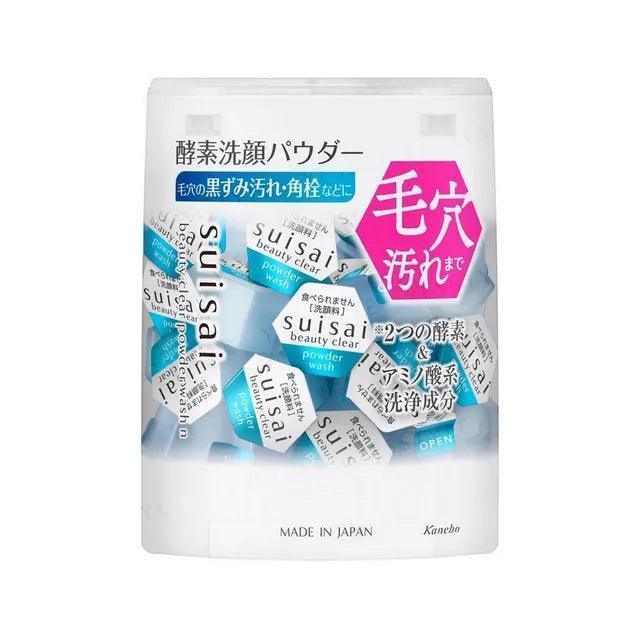
Kanebo Suisai Beauty Clear Powder Wash
The most popular enzyme powder cleanser in Japan, period. Kanebo’s Suisai Beauty Clear Powder comes in individual single use capsules, each containing a pre measured dose of powder. Twist open a capsule, shake the powder into wet hands, lather, and wash.
The formula combines protease and lipase enzymes with amino acid surfactants. The dual enzyme approach targets both dead skin protein and sebum simultaneously, which is why Suisai is especially effective for blackheads and clogged pores.
The individual capsule format is convenient for travel and keeps each dose sealed until use. The capsules are tiny, about the size of a vitamin pill. One box contains 32 capsules, which lasts roughly two to three months at the recommended frequency of two to three times per week.
Suisai is the entry point for most people trying Japanese enzyme powder cleansers. It’s the one most frequently recommended on r/AsianBeauty and Japanese beauty forums. For a full breakdown of every Suisai variant (blue, gold, black, CICA, and fruit), see our Suisai powder wash review.
Skin types: Normal to oily. May be too active for very dry or sensitive skin with frequent use.
Kanebo
5 retailersSee retailers →
Obagi C Enzyme Face Wash Powder
Obagi (Rohto’s prestige dermatologist developed skincare line) takes the enzyme powder concept and adds vitamin C. The formula combines enzyme exfoliation with ascorbic acid, so you’re getting pore clearing and brightening in one step.
Like Suisai, Obagi C comes in individual capsules (30 per box). The texture and lathering experience are similar, but the foam feels slightly denser. The vitamin C component is stable in powder form and activates when mixed with water, the same stability principle that makes the enzyme format effective.
This is the premium option in the category. It costs more per capsule than Suisai, but the combined enzyme plus vitamin C approach makes it a good choice if brightening is a priority alongside pore care.
See the Obagi Japan guide for more on the full Obagi C line.
Skin types: Normal to oily. The vitamin C can cause mild tingling on sensitive skin.
Obagi
0 retailersSee retailers →
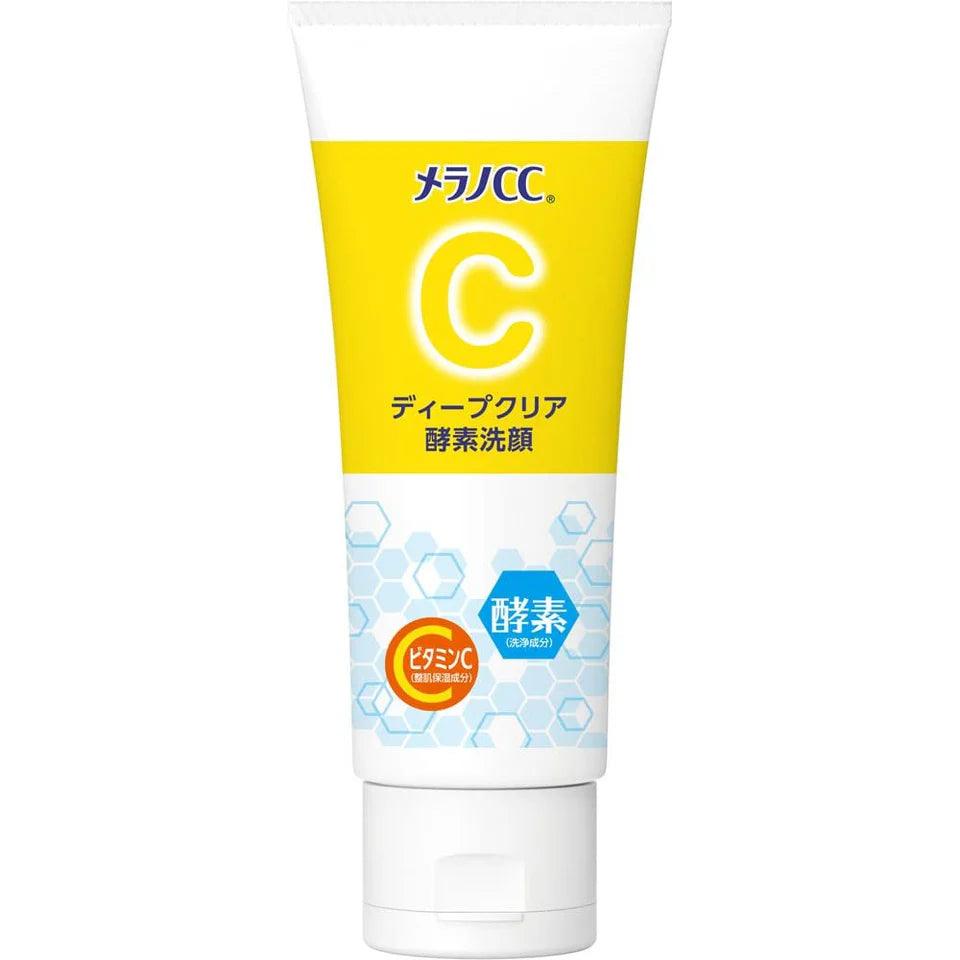
Melano CC Deep Clear Enzyme Face Wash
The budget friendly option from Rohto’s Melano CC line. Unlike Suisai and Obagi, this comes in a tube rather than individual capsules. You squeeze out the powder and add water. The tube format is less precise than capsules (you eyeball the amount) but significantly cheaper per use.
The formula focuses on enzyme exfoliation paired with the Melano CC line’s vitamin C focus. It works well as a morning cleanser a few times per week, or as the second step in a double cleanse when you want some extra exfoliation. The powder to foam transition is slightly different from the capsule format products: because the powder is packed in a tube, it can feel a touch clumpier before you work it into a lather.
If you’re already using Melano CC Essence, this cleanser slots right into the same routine. The formats complement each other as part of a vitamin C focused regimen.
Skin types: All types. The tube format makes it easy to control the amount, so sensitive skin can use a smaller dose.
Rohto
1 retailerSee retailers →
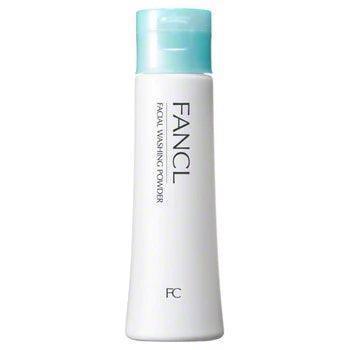
FANCL Facial Washing Powder
FANCL builds its entire brand around preservative free formulations, and this washing powder is one of the products that put them on the map. The powder format is inherently preservative free because there’s no water in the formula for bacteria to grow in. That aligns perfectly with FANCL’s philosophy.
The formula is gentler than Suisai or Obagi. FANCL uses a milder enzyme blend designed for daily use rather than weekly exfoliation. The foam is dense and creamy, and most users report zero tightness or dryness after rinsing.
This is the best option for sensitive skin. If other enzyme powders feel too strong or leave your skin dry, FANCL’s version offers the convenience and format benefits of powder cleansing without the intensity. It’s also a good starting point if you’ve never tried the format before.
See the FANCL guide for more on the brand’s preservative free approach, including how their packaging extends product freshness.
Skin types: All types, including sensitive. One of the few enzyme powders gentle enough for daily use.
FANCL
1 retailerSee retailers →
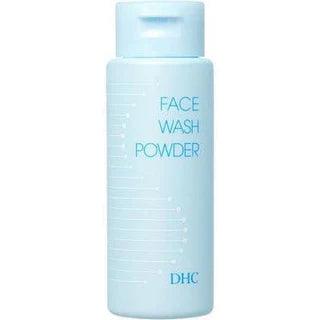
DHC Face Wash Powder
DHC, best known for their Deep Cleansing Oil, makes a powder wash focused on gentle enzymatic cleansing. The formula is designed to clean without stripping, making it one of the least drying options in the category.
The powder comes in a small bottle (50g) rather than individual capsules. You tap out the amount you need into wet hands. This is less precise than capsules but more economical. A single bottle lasts a long time because you need very little powder per wash.
DHC’s version is one of the most comfortable enzyme powder cleansers on this list. It leaves a less tight feeling after rinsing compared to Suisai or Obagi.
See the DHC vs Shu Uemura vs Attenir vs FANCL comparison for how DHC’s approach to cleansing compares to other Japanese brands.
Skin types: Normal to dry. A good pick if you want enzyme benefits without any drying effect.
DHC
2 retailersSee retailers →
Quick Comparison
| Product | Format | Key Enzymes | Best For | Frequency | Lasts |
|---|---|---|---|---|---|
| Suisai Beauty Clear Powder Wash | Individual capsules (32) | Protease + Lipase | Blackheads, clogged pores | 2 to 3x/week | ~2 to 3 months |
| Obagi C Enzyme Wash | Individual capsules (30) | Enzymes + Vitamin C | Pores + brightening | 2 to 3x/week | ~2 to 3 months |
| Melano CC Enzyme Face Wash | Tube (130g) | Enzymes + Vitamin C | Budget enzyme cleansing | 2 to 3x/week | ~3 to 4 months |
| FANCL Facial Washing Powder | Bottle | Mild enzymes | Sensitive skin, daily use | Daily or 2 to 3x/week | ~2 to 3 months |
| DHC Face Wash Powder | Bottle (50g) | Enzymes + Collagen | Dry skin, gentle exfoliation | 2 to 3x/week | ~2 to 3 months |
How to Use Enzyme Powder Cleansers
The technique matters more than with regular face washes. Getting it wrong can mean either wasted product or irritation.
Step by Step
-
Wet your hands thoroughly. The powder needs water to activate. Dry or barely damp hands will create clumps instead of foam.
-
Dispense the powder. For capsules, twist open and shake the powder into your palm. For bottles/tubes, use about a marble sized amount.
-
Add a small splash of water to the powder in your palm. Don’t hold your hands under running water. You want just enough to start foaming.
-
Lather for 10 to 15 seconds in your palms before touching your face. This step is critical. The enzymes need to activate in the foam, not on your skin directly. Applying dry or barely dissolved powder to your face can cause irritation.
-
Apply the foam to your face and massage gently for 30 to 60 seconds. Focus on areas with blackheads or texture (nose, chin, forehead).
-
Rinse thoroughly with lukewarm water. Pat dry.
Tips for Better Results
Don’t use hot water. Enzymes have an optimal temperature range. Lukewarm water activates them best. Hot water can denature the enzymes, making them less effective.
Start with once a week if you’ve never used enzyme cleansers before. Some people jump to three times a week and experience mild irritation or dryness. Build up gradually.
Use on bare skin. Enzyme powder cleansers work best as the first or only cleanse, not on top of an oil cleanser. If you double cleanse, use the enzyme wash as your second cleanse or on its own in the morning.
Store in a dry place. Moisture is the enemy of powder cleansers. If humidity gets into the bottle or capsule container, the powder can clump and the enzymes start degrading. Keep the lid tight and store outside the shower.
Frequently Asked Questions
Can enzyme powder cleansers replace chemical exfoliants?
For mild texture and routine pore maintenance, yes. Enzyme cleansers provide gentle exfoliation that’s sufficient for most people. For deeper concerns like persistent acne, hyperpigmentation, or significant sun damage, chemical exfoliants (AHA, BHA) are more potent. Some people use both: enzyme cleanser two to three times per week and a chemical exfoliant once a week, on different days.
Are enzyme powder cleansers safe for sensitive skin?
Most are. FANCL’s Facial Washing Powder is specifically designed for sensitive skin and is gentle enough for daily use. Suisai and Obagi are more active and may cause mild dryness on sensitive skin if overused. The key is frequency: start once a week and see how your skin responds before increasing.
Can you use enzyme powder cleansers with retinol?
Yes, but be mindful of your skin’s total exfoliation load. Both retinol and enzyme cleansers increase cell turnover. If you’re using a retinol product nightly, limit enzyme cleansing to once or twice a week and monitor for irritation. On retinol nights, a gentle non enzyme cleanser is a safer choice.