Japanese beauty explained
Kanebo Suisai Beauty Clear Powder Wash Review: Types, How to Use, and Is It Worth It?
Quick Takeaway
- Two enzymes do the heavy lifting. Protease breaks down protein (dead skin cells) and lipase breaks down sebum. They stay stable in powder form and only activate when you add water, which is the whole point of the format.
- Five variants, one winner for most people. The original blue capsules are the versatile pick. Gold adds oils for dry skin, Black adds charcoal for oily skin, CICA soothes acne prone skin, and the fruit variant balances oil and moisture.
- Best used 2 to 3 times per week to start. Kanebo says daily use is fine, but most people get the best results easing in. Over exfoliation is easy to do if you go straight to every day.
- More active than FANCL, gentler than Obagi. Among Japanese powder cleansers, Suisai sits in the middle. FANCL is a non enzyme powder wash for sensitive skin, and Obagi adds vitamin C for more intensity. If you want enzymatic exfoliation without the strongest actives, Suisai is the one to try.
- Widely available outside Japan. Easier to find than most Japanese enzyme powder cleansers.
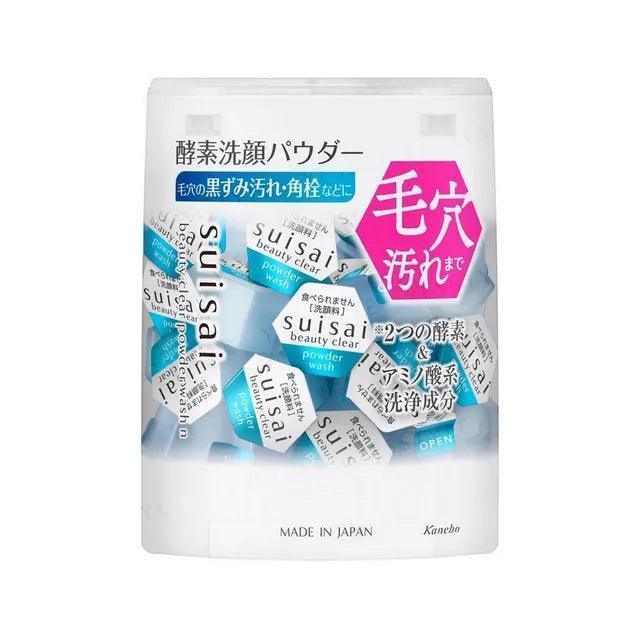
The Kanebo Suisai Beauty Clear Powder Wash is one of the best selling skincare products in Japan. It has won multiple @cosme awards, sits in nearly every Japanese drugstore, and gets recommended constantly on r/AsianBeauty. The individually wrapped capsules are almost iconic at this point.
But the lineup has expanded well beyond the original blue capsules, and the differences between variants matter depending on your skin type. This review breaks down the full Suisai powder wash range, how enzyme powder cleansing works, and whether it deserves a spot in your routine.
Kanebo
5 retailersSee retailers →
How Enzyme Powder Washes Work
Enzyme powder washes use biological enzymes to exfoliate instead of physical scrub particles or chemical acids. The two enzymes in every Suisai variant are:
Protease breaks down keratin, the protein that makes up dead skin cells. When old keratin builds up on the skin surface, it causes dullness, roughness, and can clog pores. Protease dissolves these bonds so the dead cells wash away cleanly.
Lipase breaks down triglycerides, the fatty compounds in sebum. Excess sebum that oxidizes in pores becomes the dark plugs people call blackheads. Lipase helps dissolve sebum buildup without stripping the skin’s natural oils entirely.
The reason these come in powder form is stability. Both protease and lipase lose effectiveness when stored in water. Kanebo developed a proprietary dry stabilization process to keep the enzymes potent until the moment you add water and activate them. A liquid cleanser with the same enzymes would degrade on the shelf within weeks.
The formula includes amino acid surfactants (sodium lauroyl glutamate and sodium myristoyl glutamate) alongside sodium cocoyl isethionate, which together create a gentler cleansing base than the sulfate surfactants in most Western cleansers. There is also silk powder for texture, sodium hyaluronate for moisture retention, and carrageenan as a foaming stabilizer.
Every Suisai Powder Wash Variant Explained
Kanebo currently makes five versions of the Beauty Clear Powder Wash. The core enzyme duo (protease + lipase) and amino acid surfactant base are the same across all of them. What changes is the supporting ingredients.
Original (Blue Capsules)
The standard. Blue capsules with aqua moisture ingredients: ethyl glucoside and sodium hyaluronate for light hydration. No fragrance. Contains methylparaben as a preservative.
Best for: Normal to combination skin. The all rounder that works for most people. If you have never tried enzyme powder cleansing, start here.
Price: ¥900 for 15 capsules, ¥1,980 for 32 capsules (roughly $6 to $14 outside Japan)
Gold Capsules
The dry skin variant. Same enzymes, but adds sunflower seed oil and avocado oil for moisture replenishment, plus squalane and glycyrrhiza glabra (licorice) root extract for soothing. Includes maltitol as a humectant for added moisture. Paraben free, fragrance free (uses sodium benzoate as preservative instead).
Best for: Dry or dehydrated skin that wants enzyme exfoliation without any tightness afterward. The oils compensate for the sebum removal.
Price: ¥1,980 for 32 capsules
Black Capsules
The oily skin variant. Adds charcoal powder and Moroccan rhassoul clay for extra sebum absorption on top of the enzyme action. Originally launched as a limited edition and may not be permanently available.
Best for: Oily skin, especially if you deal with visible blackheads or sebum plugs. The charcoal and clay add physical adsorption to the enzymatic breakdown. Also marketed as suitable for men.
Price: ¥1,980 for 32 capsules
CICA Capsules
The newer acne and sensitivity focused variant. Adds centella asiatica (cica) leaf and stem extract for calming, plus cellulose and corn starch as gentle physical exfoliation aids. Designed for skin that gets both breakouts and irritation.
Best for: Acne prone skin that is also reactive. The cica helps soothe while the enzymes clear pore congestion.
Price: ¥1,980 for 32 capsules
Fruit/Beauty Capsules
Adds peach juice, pomegranate extract, raspberry extract, and jojoba seed oil. Designed to balance oil production while maintaining moisture. Includes a sebum absorbing powder component.
Best for: Combination skin that fluctuates between oily and dry zones. The fruit extracts provide antioxidants while jojoba oil mimics the skin’s natural sebum.
Price: ¥1,980 for 32 capsules
Which Suisai Should You Pick?
| Variant | Added Ingredients | Best Skin Type | Key Benefit |
|---|---|---|---|
| Original (Blue) | Hyaluronic acid, ethyl glucoside | Normal, combination | Balanced exfoliation |
| Gold | Sunflower oil, avocado oil, squalane | Dry, dehydrated | Moisture retention |
| Black | Charcoal, rhassoul clay | Oily | Extra sebum absorption |
| CICA | Centella asiatica, cellulose | Acne prone, sensitive | Calming + clearing |
| Fruit | Peach, pomegranate, jojoba oil | Combination | Oil balance |
If you can only buy one, get the original blue. It works across the widest range of skin types and is the most widely available outside Japan. The gold and black variants are worth seeking out if you clearly fall into the dry or oily camps.
How to Use Suisai Powder Wash
-
Wet your hands and face first. This is important because you need the water to activate the enzymes. Dry application does nothing.
-
Empty one capsule into your palm. One full capsule is the correct dose. Do not try to use half.
-
Add a small amount of warm water. Not cold, not hot. Lukewarm water activates the enzymes most effectively. Add water gradually.
-
Lather by working air into the mixture. Use your fingers to whip the powder into a dense, fluffy foam. A foaming net speeds this up significantly and creates a better lather. The foam should be thick enough to cushion your skin from friction.
-
Massage onto your face for about 30 seconds. Gentle circular motions, avoiding the eye area. Do not scrub. The enzymes do the work, not pressure.
-
Rinse thoroughly for at least 30 seconds. Enzyme residue left on the skin can cause irritation. Rinse until the water runs completely clear.
Frequency
Kanebo says daily use is fine for the original variant, and most Japanese users do use it daily. But if you are new to enzyme exfoliation or have sensitive skin, start with 2 to 3 times per week and increase based on how your skin responds.
Signs you are using it too often: tightness after washing, redness, increased sensitivity to other products, or a “squeaky clean” feeling. Back off if any of these appear.
Pairing Tips
- Use as your second cleanser in a double cleansing routine. An oil cleanser handles makeup and sunscreen, then Suisai handles dead skin cells and pore congestion.
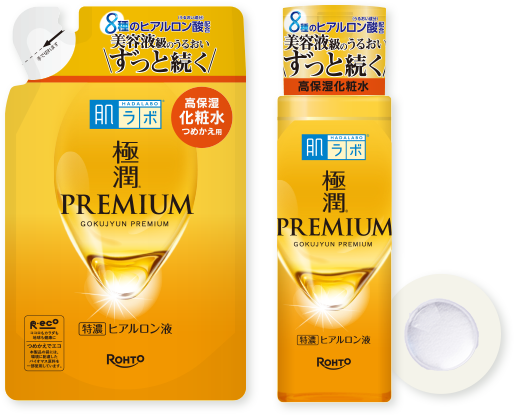
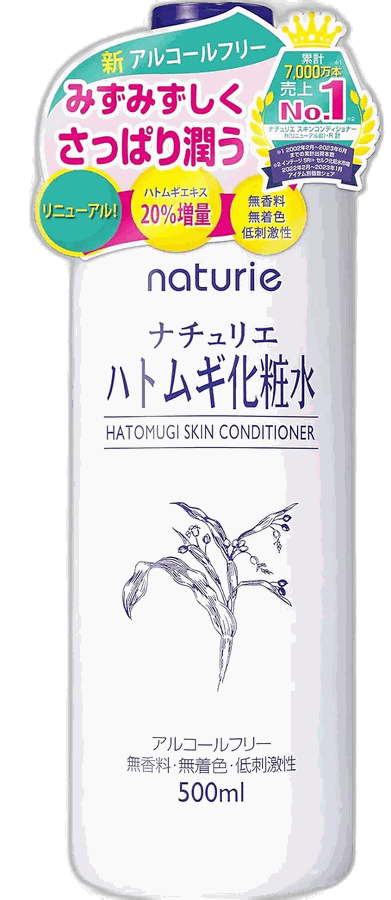
- Follow with a hydrating toner immediately after. Hada Labo Gokujyun Premium Lotion or Naturie Hatomugi Skin Conditioner both work well.
- Skip other exfoliants (AHAs, BHAs, retinol) on the days you use Suisai. Doubling up on exfoliation is the fastest way to wreck your barrier.
Key Ingredients Breakdown
Protease (プロテアーゼ): Protein dissolving enzyme. Targets keratin in dead skin cells. The primary active that makes enzyme powder washes different from regular cleansers.
Lipase (リパーゼ): Fat dissolving enzyme. Targets sebum buildup in pores. Works synergistically with protease: one clears the protein matrix, the other clears the oil trapped within it.
Sodium Lauroyl Glutamate / Sodium Myristoyl Glutamate: Amino acid based surfactants derived from glutamic acid. These contribute to the foam and cleansing action alongside sodium cocoyl isethionate, a mild synthetic surfactant. Together, they create a gentler cleansing experience than the sodium lauryl sulfate (SLS) or sodium laureth sulfate (SLES) found in most drugstore cleansers.
Sodium Hyaluronate: Hyaluronic acid salt. Helps retain moisture during cleansing so the skin does not feel stripped afterward. Present in the original, black, and CICA variants.
Silk Powder: Adds a smooth, silky slip to the lather texture. Also has mild moisture absorbing properties.
Carrageenan: Seaweed derived thickener that stabilizes the foam structure, helping it stay dense and cushiony rather than thin and runny.
Suisai vs FANCL vs Obagi: How It Compares
Three Japanese enzyme powder cleansers dominate the category. Here is how they stack up:
FANCL Facial Washing Powder
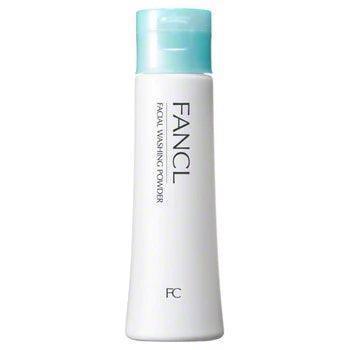
FANCL takes the gentle approach. Preservative free, fragrance free, and formulated for daily use on sensitive skin. It is a powder format cleanser but does not contain protease or lipase enzymes, relying instead on amino acid surfactants for a mild cleansing action. The trade off is less effective pore clearing and exfoliation compared to Suisai’s enzymatic approach. If Suisai ever feels too intense, FANCL is the step down.
FANCL
1 retailerSee retailers →
Obagi C Enzyme Face Wash Powder
Obagi goes harder. Adds vitamin C (ascorbic acid) to the enzyme formula, targeting both exfoliation and brightening. The combination is more potent but also more irritating. Some users report stinging, especially on compromised skin. Best for resilient skin types who want maximum pore clearing and radiance. Not ideal for beginners.
Obagi
0 retailersSee retailers →
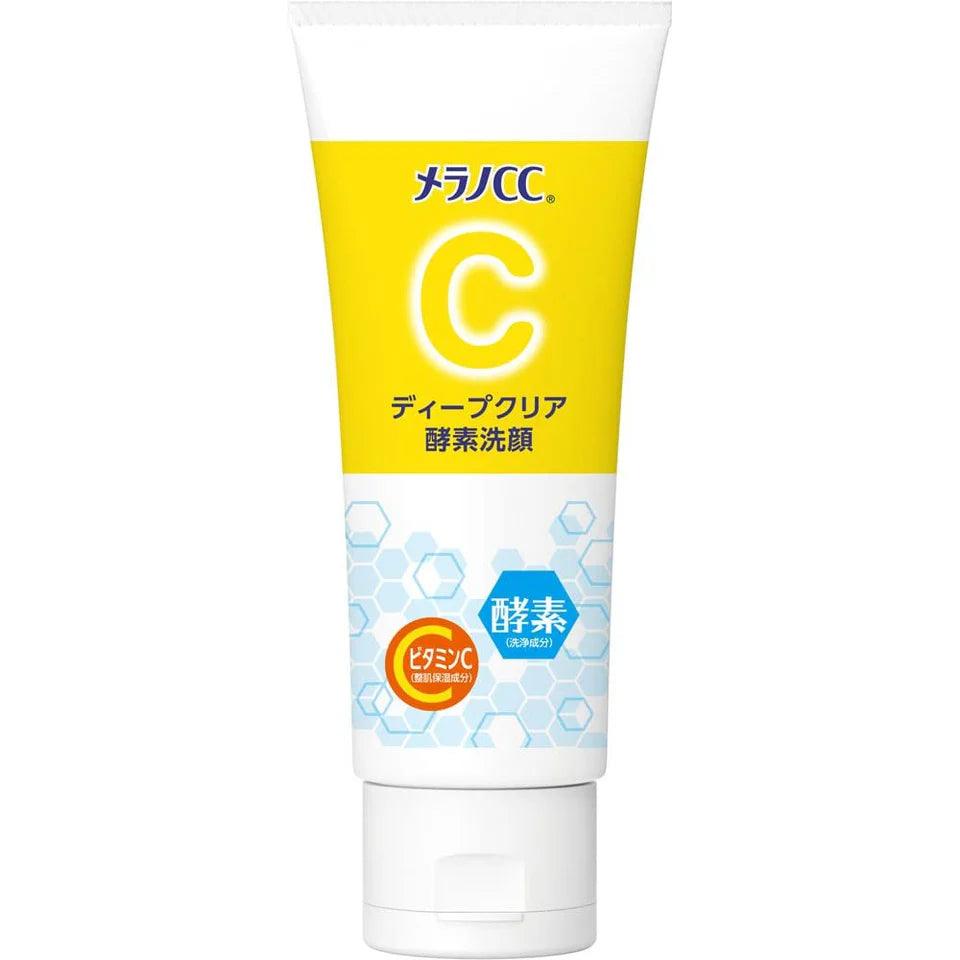
Melano CC Deep Clear Enzyme Face Wash
Rohto’s entry combines enzymes with vitamin C derivatives and clay. Positioned as a brightening cleanser with pore clearing benefits. A good option if you want mild vitamin C exposure during cleansing, but the enzyme action is less pronounced than Suisai’s dedicated formula.
Rohto
1 retailerSee retailers →
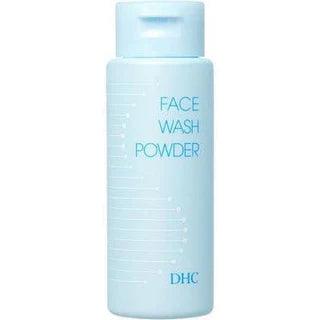
DHC Face Wash Powder
DHC’s powder cleanser uses a simpler formula focused on gentle daily cleansing. Less targeted at pore clearing than Suisai. Works better as an everyday gentle wash than a dedicated exfoliating treatment.
DHC
2 retailersSee retailers →
How They Rank
For most people, the order is:
- Suisai. Best balance of efficacy and gentleness. The dual enzyme formula (protease + lipase) is more thorough than single enzyme options. Wide variant selection for different skin types.
- FANCL. Best for sensitive skin or daily gentle use. No enzymes, preservative free, gentlest in the group.
- Obagi. Best for resilient skin wanting maximum exfoliation + brightening. Most potent but most irritating.
- Melano CC. Best for adding brightening to your cleansing step. Enzymes are secondary to the vitamin C.
- DHC. Best as a daily gentle powder wash. Least exfoliating of the group.
Other notable enzyme powder cleansers worth knowing about: Minon Amino Moist Clear Wash Powder (ultra gentle, for highly sensitive skin), Orbis Powder Wash Plus (from the POLA group, popular in Japan), and Tosowoong Enzyme Powder Wash (Korean alternative that shows up frequently in r/AsianBeauty discussions).
For the luxury market, Tatcha The Rice Polish Classic is a foaming enzyme powder available at Sephora, but the price point is dramatically higher for a similar concept.
Who Should (and Should Not) Use Suisai
Good candidates
- Dull, rough textured skin. If your skin feels bumpy or looks flat even after moisturizing, dead cell buildup is likely the cause. Enzyme exfoliation addresses this directly.
- Blackhead and sebum plug prone skin. The lipase enzyme specifically targets the sebum component of clogged pores.
- People who find physical scrubs too harsh. Enzyme exfoliation dissolves rather than scrubs, which means no micro tears.
- Makeup wearers who feel like their skin never fully cleans. Enzyme cleansing as a second cleanse step removes the residue that oil cleansing alone misses.
Skip it if
- Your skin barrier is currently damaged. Flaking, stinging when applying products, or persistent redness all mean your barrier needs repair, not exfoliation. Use a gentle non enzyme cleanser until your barrier recovers.
- You are already using strong actives daily. Tretinoin, high percentage AHAs, or prescription retinoids are already providing chemical exfoliation. Adding enzyme cleansing on top risks over exfoliation.
- You have a diagnosed skin condition like rosacea or eczema. Consult a dermatologist before adding any exfoliating product.
Where to Buy
Kanebo Suisai Beauty Clear Powder Wash is available from several retailers outside Japan, making it one of the easier Japanese enzyme powder cleansers to find. The original blue and sometimes the gold variant are most commonly stocked. Black, CICA, and fruit variants may require importing from Japan directly or checking specialty Japanese beauty retailers.
The 32 capsule box is better value per capsule than the 15 count. At typical pricing, you are looking at roughly $0.40 to $0.60 per wash, which is comparable to other premium Japanese enzyme cleansers.
FAQ
How often should I use Suisai powder wash?
Start with 2 to 3 times per week. Kanebo says daily use is fine, and many Japanese users do use it every day. But introduce it gradually and watch how your skin responds. If you notice tightness, irritation, or increased sensitivity, reduce frequency.
Can I use Suisai with tretinoin or retinol?
Use caution. Both tretinoin and enzyme exfoliation increase skin cell turnover. Using them together, especially on the same day, can lead to over exfoliation and barrier damage. If you use tretinoin, limit Suisai to once or twice a week on non tret days, and monitor for irritation.
What is the difference between Suisai blue, gold, and black?
Blue (original) is the balanced option for most skin types. Gold adds sunflower and avocado oils for dry skin that needs moisture during cleansing. Black adds charcoal and clay for oily skin that needs extra sebum absorption. Same enzyme base in all three.
Is Suisai better than FANCL powder wash?
Different tools for different needs. Suisai uses two enzymes (protease + lipase) for active exfoliation and pore clearing. FANCL is a powder format cleanser without enzymes, relying on amino acid surfactants for gentle cleansing. Suisai is more effective for exfoliation and congestion; FANCL is gentler and better suited for sensitive or easily irritated skin.
How do I store the capsules?
Keep the box sealed and store in a cool, dry place away from moisture. The whole point of the capsule format is keeping the enzymes dry until use. Do not store in a steamy bathroom. If capsules feel damp or clumped before opening, the enzymes may have already activated and lost potency.