Japanese beauty explained
Japanese Skincare for Pores: How to Minimize and Unclog
Pore care in Japan is its own category. Walk into any Japanese drugstore and you will find entire shelves dedicated to it: enzyme powder cleansers, clay wash off packs, pore tightening lotions, sebum dissolving gels, and finishing powders that blur pores on contact. These are not niche products. They are staples.
The difference from most Western approaches comes down to philosophy. Instead of one product that claims to “fix” pores, Japanese skincare treats pore care as a process: dissolve what is clogging them, clean them gently, tighten the surrounding skin, and then minimize their appearance on the surface. Each step has dedicated products designed specifically for it.
This guide breaks down that process, covers the product types unique to Japanese pore care, and recommends specific products for each step.
Why Japanese Pore Care Takes a Different Approach
First, a quick reality check: pore size is largely genetic. You cannot permanently shrink pores. What you can do is keep them clear so they look smaller, prevent them from stretching further, and minimize their appearance with the right finishing products.
Japanese skincare brands understood this early. Rather than marketing a single “pore minimizer” product, they developed specialized formulas for each stage of pore maintenance. The result is an entire ecosystem of products that work together.
The logic follows a simple sequence:
Remove (dissolve sebum plugs and dead skin) → Cleanse (wash away residue without stripping) → Tighten (firm the skin around pores) → Blur (smooth the surface for a refined finish)
Most Japanese pore routines touch at least two or three of these steps. Some products handle multiple stages at once, but the concept of treating pore care as a process rather than a single product purchase is what sets this approach apart.
Types of Japanese Pore Products
Japan has developed several product categories for pore care that either do not exist in Western skincare or exist in very different forms.
Enzyme Powder Cleansers
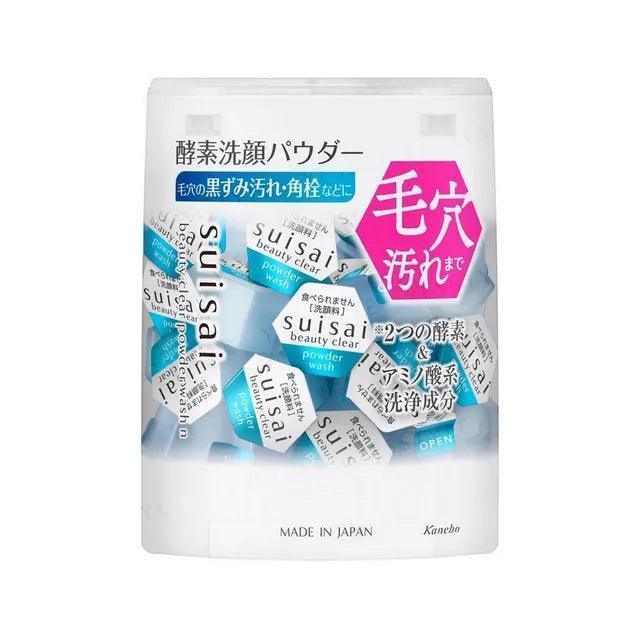
These are fine powders, usually sold in individual capsules or a shared container, that you mix with water to create a foam. The enzymes (typically protease, lipase, or papain) break down the protein and oil plugs inside pores without physical scrubbing.
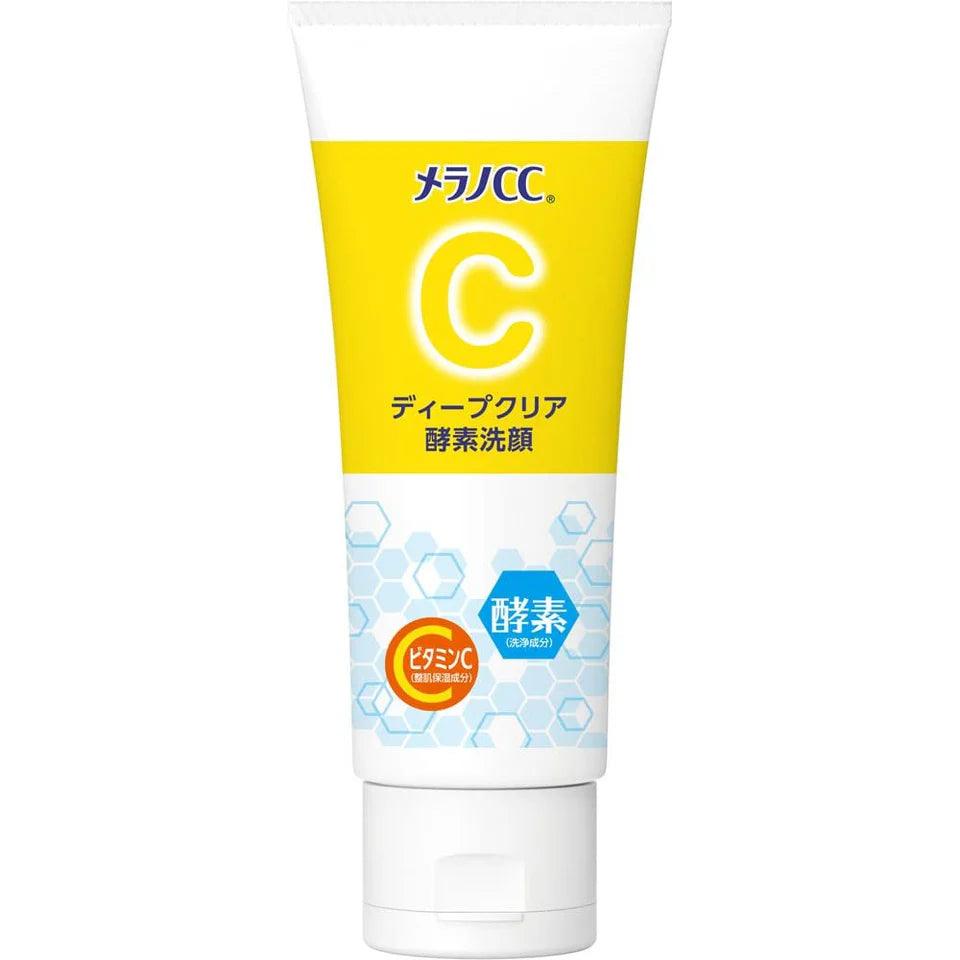
This category is one of the most distinctive in Japanese skincare. The capsule format keeps the enzymes stable until you activate them with water. Popular options include Kanebo Suisai Beauty Clear Powder Wash (covered in detail in our Suisai review), Obagi C Enzyme Face Wash Powder, and Melano CC Deep Clear Enzyme Face Wash. For a deeper comparison of these three and others, see the full enzyme powder cleanser guide.
Most people use enzyme powder cleansers one to three times per week rather than daily, since the enzymatic action is more intensive than a regular face wash.
Clay Packs and Wash Off Masks
Clay based formulas draw out impurities from pores through absorption. Japanese clay packs tend to be gentler than their Western counterparts, often incorporating moisturizing ingredients like rice bran, hyaluronic acid, or plant extracts to prevent the tight, stripped feeling that clay masks are known for.
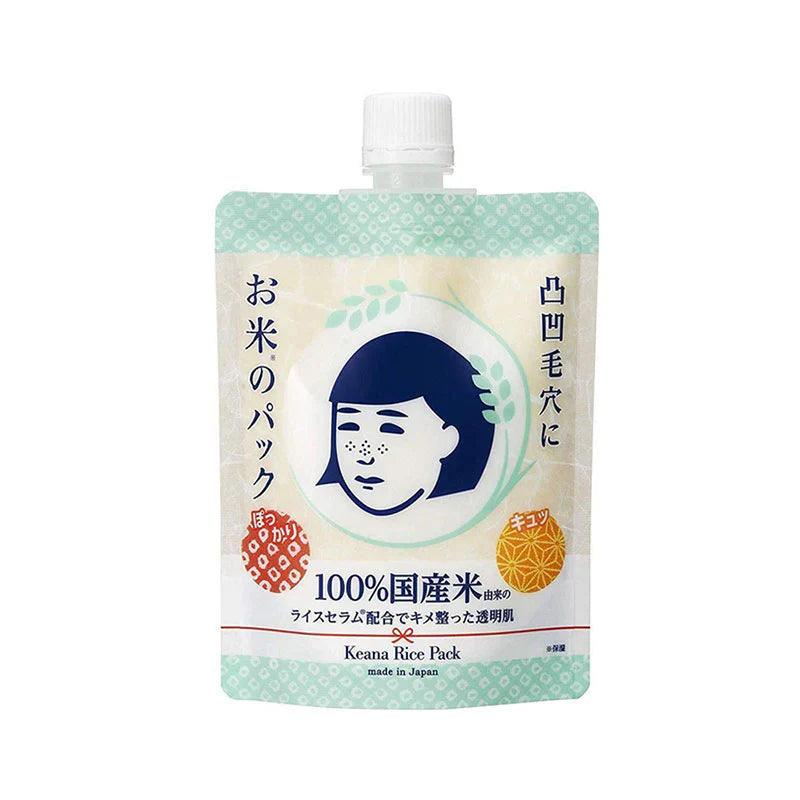
The Keana Nadeshiko Keana Rice Pack is probably the most well known example. It uses a blend of rice ferment filtrate, rice bran oil, and rice ceramide, so it softens and conditions skin while leaving it feeling smooth rather than dry. For everything you need to know about this product, see the full Keana Rice Pack review.
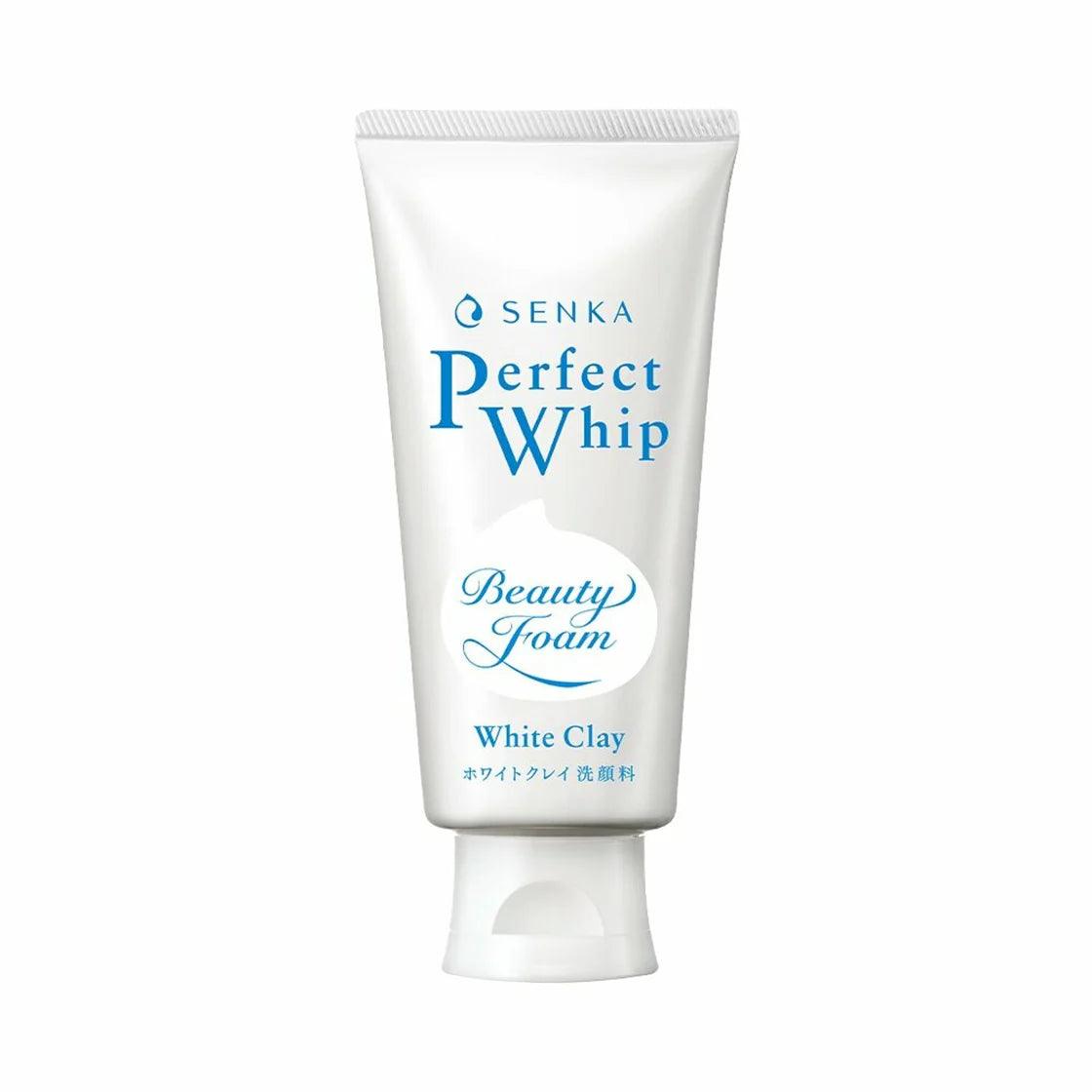
Senka Perfect Whip White Clay Pore Cleanser takes a different approach by building white clay directly into a daily foaming cleanser, so you get mild pore clearing action without adding an extra step to your routine.
Keana Nadeshiko (Ishizawa Lab)
3 retailersSee retailers →
Pore Strips and Nose Packs
Pore strips are controversial. They can physically pull out sebaceous filaments and blackheads, but they do not prevent them from coming back and can irritate skin if used too often. Japanese brands like Biore have refined the format with options like the Biore Pore Pack for Nose & Parts, which comes in shapes designed for nose creases, and Biore Pore Pack Black with charcoal.
If you use pore strips at all, treat them as an occasional deep clean (once a week at most) rather than a regular routine step. Following up with a toner or serum that addresses sebum production will give longer lasting results than the strip alone.
Pore Primers and Finishing Powders
This is where Japanese pore care gets creative. Rather than just treating pores from a skincare angle, Japanese brands also developed cosmetic products that physically fill and blur pore appearance.
SANA Pore Putty The Block Powder is a pressed powder designed specifically to sit over pores and create a smooth, matte surface. It works as a finishing step after skincare or over sunscreen for a pore blurring effect without heavy foundation.
Sana
1 retailerSee retailers →
Naturie Hatomugi Skin Conditioning Gel is not marketed as a pore product specifically, but its lightweight, oil free gel texture makes it a favorite for people with enlarged pores who need hydration without congestion. It absorbs cleanly and creates a smooth base.
Pore Tightening Lotions and Toners
Japanese “lotions” (which are watery toners) designed for pore care focus on astringent and skin firming ingredients. These go on after cleansing to tighten the skin around pores and control oil throughout the day.
VC100 Essence Lotion Pore Refining Toner - 150ml from Dr.Ci:Labo uses vitamin C derivatives to both refine pore appearance and brighten skin. Witch hazel based toners and those containing rice ferment filtrate are also popular in this category.
Oil Cleansers for Sebum Dissolution
Oil cleansing is fundamental to Japanese pore care because oil dissolves oil. Using a cleansing oil as the first step of a double cleanse breaks down the sebum plugs that make pores look enlarged. See our best Japanese cleansing oil guide for a full comparison of options.
FANCL Mild Pore Cleansing Oil Black & Smooth was formulated specifically for pore concerns. It contains charcoal powder and a blend of oils designed to dissolve sebum plugs and blackheads. For general oil cleansing, DHC Deep Cleansing Oil and Shu Uemura Ultime8∞ Sublime Beauty Cleansing Oil are both proven options (see the full Shu Uemura guide for their complete lineup).
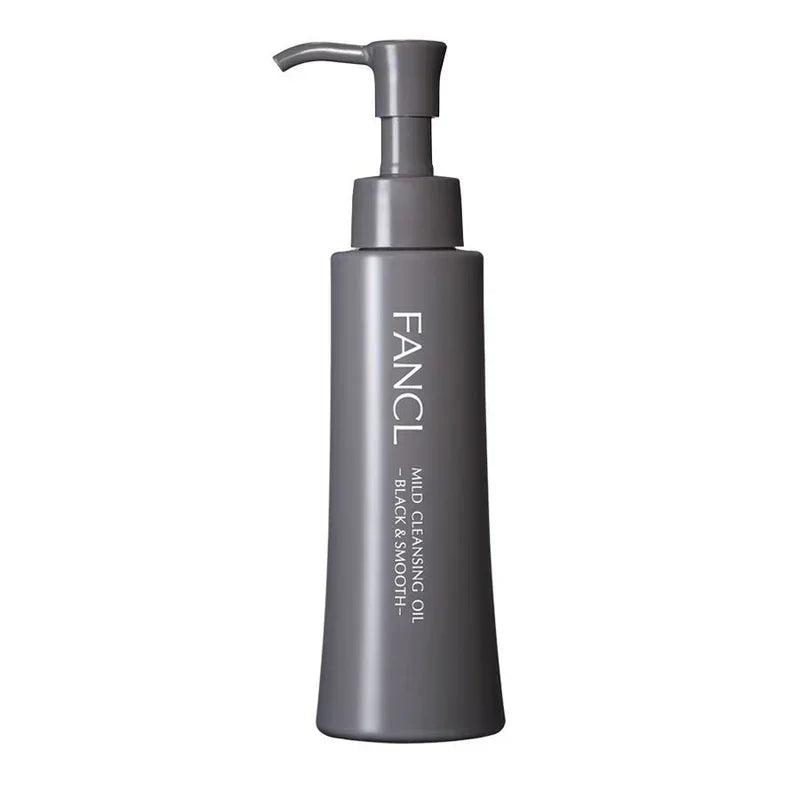
FANCL
1 retailerSee retailers →
DUO The Cleansing Balm 5-in-1 Aging Care is a balm to oil format that melts on contact and works similarly to liquid oil cleansers for dissolving pore congestion.
Exfoliating Gels (Peeling Gels)
Peeling gels are a Japanese and Korean staple. You apply the gel to dry skin, massage gently, and it rolls up into little balls that lift away dead skin cells. They are gentler than physical scrubs and less intense than chemical peels.
Cure Natural Aqua Gel is the category leader. It uses activated hydrogen water rather than acids or abrasives, making it suitable for sensitive skin. The Rosette Gommage series is another popular option in Japanese drugstores, though it uses AHA for a slightly more active exfoliation.
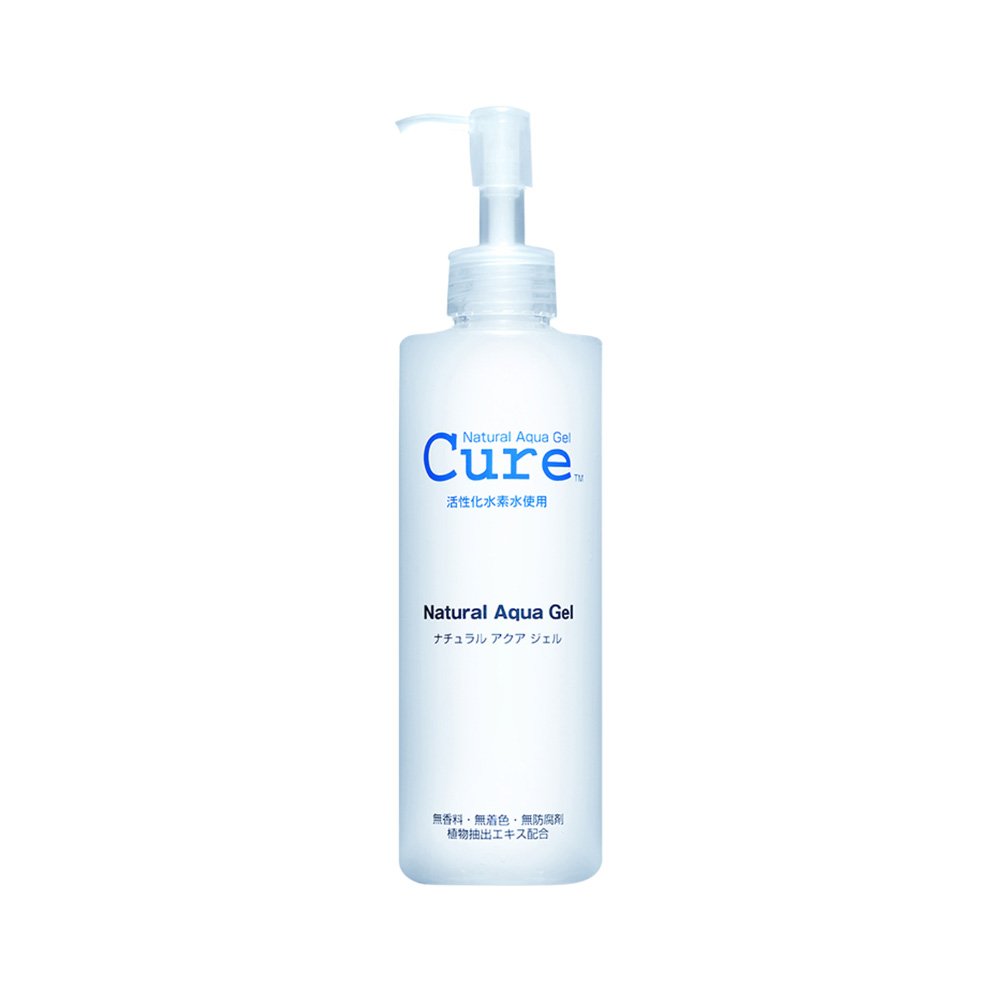
Cure
3 retailersSee retailers →
Best Products by Pore Care Step
Step 1: Dissolve (Oil Cleansing)
For targeted pore clearing, FANCL Mild Pore Cleansing Oil Black & Smooth is the specialist pick. Massage it into dry skin for at least 60 seconds, focusing on areas with visible pore congestion (nose, chin, inner cheeks). The charcoal helps draw out deeper impurities.
For an everyday oil cleanse that also keeps pores clear, DHC Deep Cleansing Oil is gentle enough for nightly use and effective at removing sunscreen and makeup residue that contributes to clogged pores.
Step 2: Cleanse (Enzyme or Clay Wash)
Use an enzyme powder cleanser two to three times per week as your second cleanse. Kanebo Suisai Beauty Clear Powder Wash is the gentlest of the popular options, while Obagi C Enzyme Face Wash Powder adds vitamin C for brightening alongside the enzymatic action.
On other days, Keana Nadeshiko Face Foam Cleanser or Senka Perfect Whip White Clay Pore Cleanser work well as daily cleansers with mild pore clearing benefits.
Step 3: Treat (Masks and Packs)
Once or twice a week, a wash off mask gives pores a deeper clean. The Keana Nadeshiko Keana Rice Pack is the standout here. Apply a thick layer, wait five to ten minutes, and rinse. The rice bran draws out impurities while the ferment filtrate softens skin.
For sheet mask fans, Kose Clear Turn Pore Mask 7 Pieces and Keana Nadeshiko Rice Mask both target pore tightening. The Kose version uses rice fermentation liquid and centella asiatica extract, while the Keana Nadeshiko mask focuses on rice ferment filtrate for a softening, pore refining effect. We’ve covered this product in depth in our Keana Nadeshiko Rice Pack review. For more mask options, see our best Japanese sheet masks guide.
Step 4: Finish (Blur and Protect)
During the day, SANA Pore Putty The Block Powder over sunscreen creates an instantly smooth, pore blurred finish without makeup. For those who prefer a moisturizer that doubles as pore prep, Naturie Hatomugi Skin Conditioning Gel layers well under sunscreen and does not contribute to congestion.
Building a Japanese Pore Care Routine
You do not need every product listed above. A focused routine hitting two or three steps will make a noticeable difference. Here is what a practical weekly schedule looks like:
Daily (AM)
- Gentle foaming cleanser (or enzyme powder cleanser 2 to 3 mornings per week)
- Hydrating toner
- Lightweight moisturizer
- Sunscreen
- Optional: pore blurring powder
Daily (PM)
- Oil cleanser (massage 60+ seconds on pore prone areas)
- Foaming cleanser
- Toner
- Moisturizer
Weekly Treatments (1 to 2 times per week)
- Clay or rice pack (like Keana Nadeshiko Keana Rice Pack)
- Or pore focused sheet mask (like Keana Nadeshiko Rice Mask)
- Optional: peeling gel (like Cure Natural Aqua Gel)
The most important daily habit for pore care is thorough oil cleansing at night. Sebum, sunscreen, and environmental debris accumulate in pores throughout the day, and a 60 second oil massage is the most effective way to dissolve it all before your water based cleanser finishes the job.
Consistency matters more than intensity. A simple routine done every day will outperform an aggressive weekly treatment.
Pore Myths Worth Skipping
“Pores open and close with hot and cold water.” They do not. Pores are not muscles. Warm water can help soften sebum, making it easier to cleanse, but your pores are not opening and closing based on water temperature.
“You can permanently shrink pores.” Pore size is genetic. What you can change is how visible they appear. Keeping them clear, maintaining skin elasticity, and using blurring products all reduce the appearance of pores without changing their physical size.
“Pore strips solve the problem.” Pore strips remove surface level plugs but do not address the underlying cause. The sebaceous filaments will refill within a day or two. Enzymatic cleansing and oil dissolution address the root issue more effectively.
“Oily skin means you should skip moisturizer.” Dehydrated skin produces more oil to compensate, which makes pore congestion worse. Lightweight, non comedogenic moisturizers (gel types are popular in Japan for this reason) keep skin balanced without adding to the problem.
“Scrubbing harder clears pores faster.” Physical scrubbing can damage the skin around pores, causing inflammation that makes them appear even larger. Enzymatic and chemical approaches dissolve pore contents without mechanical irritation.
FAQ
What Japanese product is best for blackheads on the nose?
For daily maintenance, an oil cleanser like FANCL Mild Pore Cleansing Oil Black & Smooth massaged into the nose area for 60 seconds dissolves the sebum plugs that form blackheads. For a weekly deep clean, the Keana Nadeshiko Keana Rice Pack or an enzyme powder cleanser like Kanebo Suisai Beauty Clear Powder Wash targets the protein component of blackheads.
How often should I use enzyme powder cleansers?
Two to three times per week for most skin types. If your skin is sensitive, start with once a week and increase if your skin tolerates it well. These cleansers are more active than regular face washes, so daily use can be over exfoliating for some people.
Can I use multiple pore products at once?
Yes, but layer them logically. Oil cleanser first, then foaming cleanser, then toner. Do not stack multiple active treatments (like an enzyme cleanser plus a clay mask plus a peeling gel) in the same routine. Pick one treatment product per session and alternate throughout the week.
Can I get a full pore care routine?
Yes. Our routine builder creates a personalized routine with pore minimizing products at each step.
Do Japanese pore products work on all skin types?
The multi step approach works for all skin types, but product choices should vary. Oily skin benefits most from enzyme cleansers and clay packs. Dry skin should lean toward gentler options like rice based masks and oil cleansing, and follow up with a hydrating toner. Sensitive skin should start with the mildest enzyme powder (like Kanebo Suisai Beauty Clear Powder Wash) and avoid pore strips entirely.
Is the Keana Nadeshiko line worth trying?
Ishizawa Lab’s Keana Nadeshiko line is one of the most popular pore care lines in Japan for good reason. The rice pack and rice mask both use rice ferment filtrate, which is a well studied skin conditioning ingredient. They are affordable, gentle, and widely available outside Japan. For a full overview of the brand and its other products, see the Ishizawa Lab & Keana Nadeshiko brand guide.