Japanese beauty explained
Keana Nadeshiko Rice Pack: Review, How to Use, and Is It Worth the Hype?
The Keana Nadeshiko Rice Pack has been popping up everywhere. TikTok videos showing “before and after” pores, Reddit threads in r/AsianBeauty calling it a staple, and Japan travel haul posts where it shows up in every single bag. It’s a wash off rice mask made by Ishizawa Lab, and the pitch is simple: apply it for five minutes, rinse, and your pores look visibly smaller.
But does it hold up to the hype? Here’s what the product does, what’s in it, who it works best for, and where to find it outside Japan.
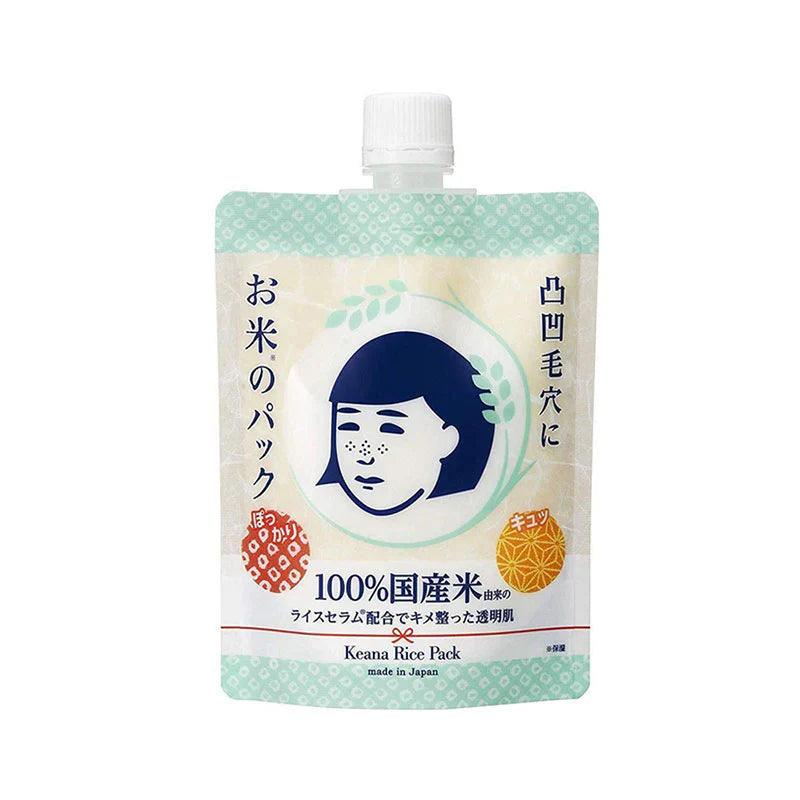
Keana Nadeshiko (Ishizawa Lab)
3 retailersSee retailers →
Choosing between the two rice masks? Rice Pack vs Rice Mask explains the wash off cream and sheet mask formats.
What Is the Keana Nadeshiko Rice Pack?
The Keana Nadeshiko Rice Pack is a wash off face mask from Ishizawa Lab’s Keana Nadeshiko line. “Keana” means pore in Japanese, and the entire line is built around pore care. The Rice Pack specifically uses rice ferment filtrate (sake) as its star ingredient.
It comes in a 170g tub, and the texture sits somewhere between a thick lotion and a gel. You apply a layer to clean skin, wait five minutes, then rinse. The effect is a temporary tightening and smoothing of pores, with a noticeable soft, plumped finish right after use.
Ishizawa Lab positions this as an everyday mask, not a once a week treatment. The short application time and gentle formula are designed for regular use, which is a bit different from most masks that require a bigger time commitment.
Ingredients Breakdown
The core formula is built around a few key ingredients:
Rice ferment filtrate is the headliner. Rice fermented extracts have been used in Japanese skincare for centuries (the sake brewery workers with famously smooth hands are the go to example). The Kikumasamune Sake Lotion is another popular product built around this ingredient. Modern research supports that rice ferment filtrate contains amino acids, organic acids, and vitamins that help with hydration and skin texture. It’s the same family of ingredients that brands like SK-II have built entire lines around, though the formulation and concentration here are different.
Rice bran oil adds emollient moisture. It’s rich in vitamin E and fatty acids, and it helps soften the skin surface. This is part of why the mask leaves skin feeling noticeably smooth rather than tight.
Rice bran sphingoglycolipid (rice ceramide) is a skin conditioning lipid that helps reinforce the moisture barrier. This is what gives the mask its smoothing, plumping finish beyond just surface hydration.
Rice bran extract rounds out the rice trio, adding vitamins and antioxidants from the bran itself. There’s also artichoke leaf extract, which contains cynarin and has some evidence for helping tighten the appearance of pores.
The formula doesn’t contain any harsh physical exfoliants or strong chemical actives. There’s no salicylic acid, no AHAs, no retinol. This is a hydrating, pore tightening mask, not a treatment mask. The “pore minimizing” effect comes from plumping and smoothing the skin surface, not from unclogging pores at a deeper level.
One thing worth noting: the ingredient list is relatively short and clean. There’s no added fragrance (no parfum in the INCI list). It does contain methylparaben and propylparaben as preservatives, which most people tolerate fine but worth knowing if you specifically avoid parabens.
How to Use the Keana Rice Pack
The manufacturer instructions are straightforward:
- Cleanse your face first. The mask works on clean, dry or slightly damp skin.
- Apply a generous layer across your entire face, avoiding the eye and lip area. Use about a coin sized amount.
- Wait five minutes. You’ll feel a mild tightening sensation as it dries slightly.
- Rinse thoroughly with lukewarm water. No need to scrub. It comes off easily.
- Follow with your regular skincare routine. Toner, serum, moisturizer as usual.
Most users in the Japanese beauty community use it two to three times per week. Some use it daily, especially before events or makeup application, since the smoothing effect creates a nice base.
A few tips that come up frequently in community discussions:
Don’t leave it on longer than five minutes hoping for stronger results. The formula isn’t designed for extended contact time, and you won’t get additional benefit.
It layers well before makeup. The smoothing, pore blurring effect makes it popular as a pre makeup step. Give your skin a minute after rinsing before applying primer or foundation.
Store it sealed in a cool place. The rice based formula can degrade if left open in a humid bathroom for months.
Who the Keana Rice Pack Works For
This is where honest reporting matters, because the results aren’t universal.
Best results for: Normal to dry skin types tend to see the biggest payoff. The hydrating, plumping action smooths out the appearance of pores and gives that “glass skin” softness that the product is known for. If your main concern is rough texture or skin that looks dull and tired, this is where the Rice Pack shines.
Mixed results for: Oily and combination skin types report more inconsistent outcomes. Some oily skin users find that it helps temporarily, but the smoothing effect doesn’t last as long because excess sebum production fills pores back up within hours. Community discussions on Reddit and @cosme reflect this split. The product has strong reviews overall, but a recurring theme in lower ratings is “didn’t do much for my oily skin.”
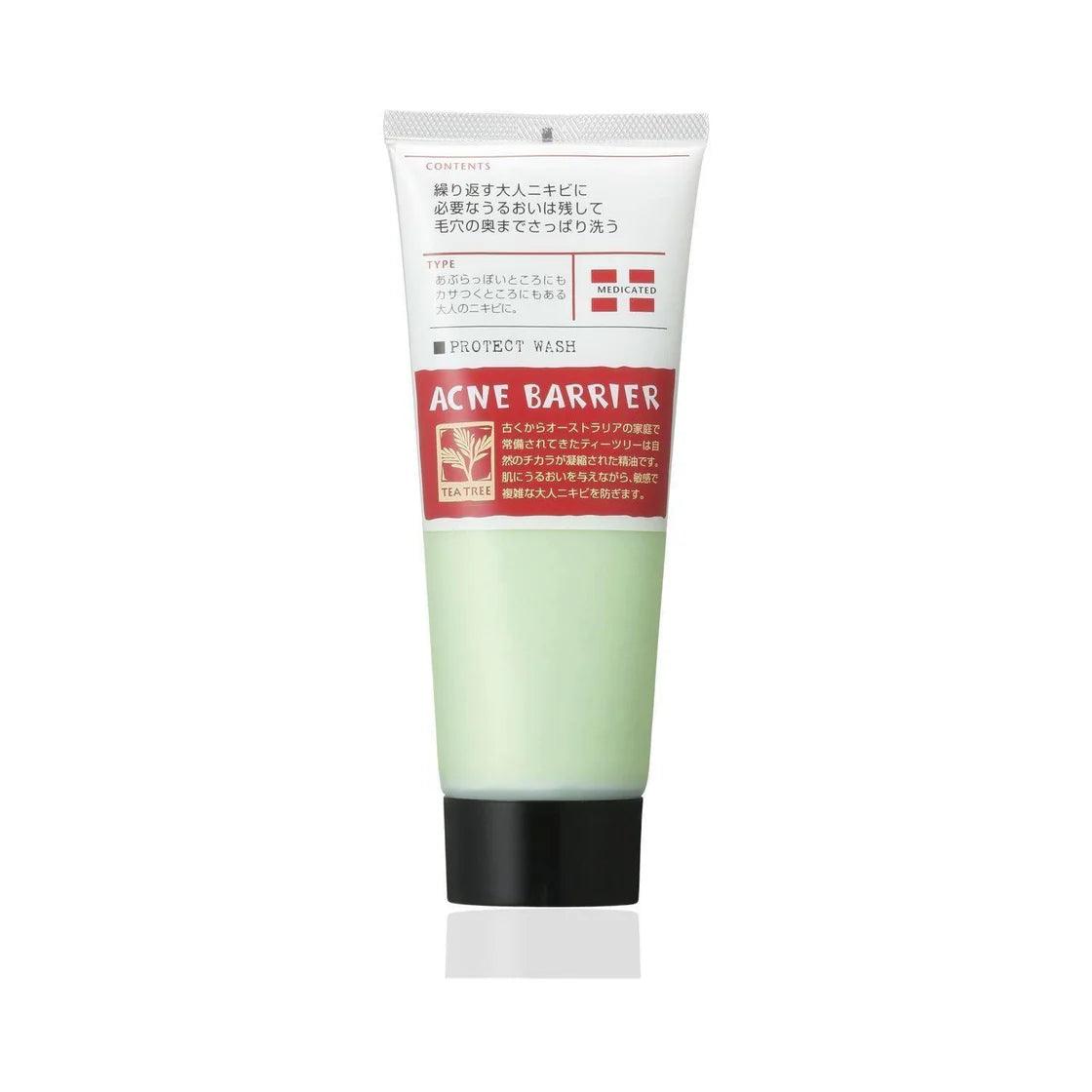
Not the right product for: If your primary concern is blackheads, sebaceous filaments, or acne, this mask won’t address those issues. It doesn’t contain any exfoliating acids or pore clearing ingredients. For active breakouts, a product like the Ishizawa Lab Acne Barrier Protect Face Wash is designed for that purpose. For blackheads and sebaceous filaments, you’d want a BHA or oil cleansing method.
Sensitive skin: The gentle formula means most sensitive skin users tolerate it well. It’s one of the things that makes it popular. But as with any product, patch test first if you’re reactive.
What Real Users Are Saying
Aggregating across @cosme (Japan’s largest beauty review platform), Reddit’s r/AsianBeauty, and TikTok reviews, a few consistent themes emerge:
What people love:
- The immediate smoothing effect. “My skin feels like mochi” is a description that shows up constantly. (Curious about the mochi skin trend? It is one of Japan’s biggest beauty ideals.)
- How gentle it is. No stinging, no irritation, no redness after use.
- The short five minute application time. It fits into a busy routine without asking for much.
- The light, pleasant rice scent (some describe it as “sake like”).
What people are less enthusiastic about:
- The effect is temporary. The pore smoothing lasts a few hours, not permanently. This is normal for any hydrating mask, but some buyers expect a more lasting change.
- The tub packaging isn’t the most hygienic for a product you’re dipping fingers into regularly. Some users decant it or use a small spatula.
- For oily skin, the results can be underwhelming compared to the hype.
The overall consensus is positive, especially in the Japanese beauty community where it consistently ranks as a top pore care mask on @cosme. But it’s important to have realistic expectations: this is a hydrating, smoothing mask, not a pore eraser.
Where to Buy the Keana Rice Pack Outside Japan
The Keana Nadeshiko Rice Pack is available through retailers that carry Japanese beauty products. You can see every verified retailer carrying it on our product page, which is kept up to date as availability changes.
For the full list of trusted retailers that ship Japanese beauty to the US, check our guide on where to buy Japanese skincare outside Japan.
A note on authenticity: because this is a popular product, it does show up from third party sellers on various marketplaces. If you’re concerned about getting an authentic product, buying from a dedicated Japanese beauty retailer is the safest route. Our guide on whether Japanese skincare on Amazon is fake covers this topic in detail.
Alternatives: Other Keana Nadeshiko Pore Care Products
If you’re interested in the Rice Pack, the rest of the Keana Nadeshiko line from Ishizawa Lab is worth knowing about. Each product targets pores from a different angle:
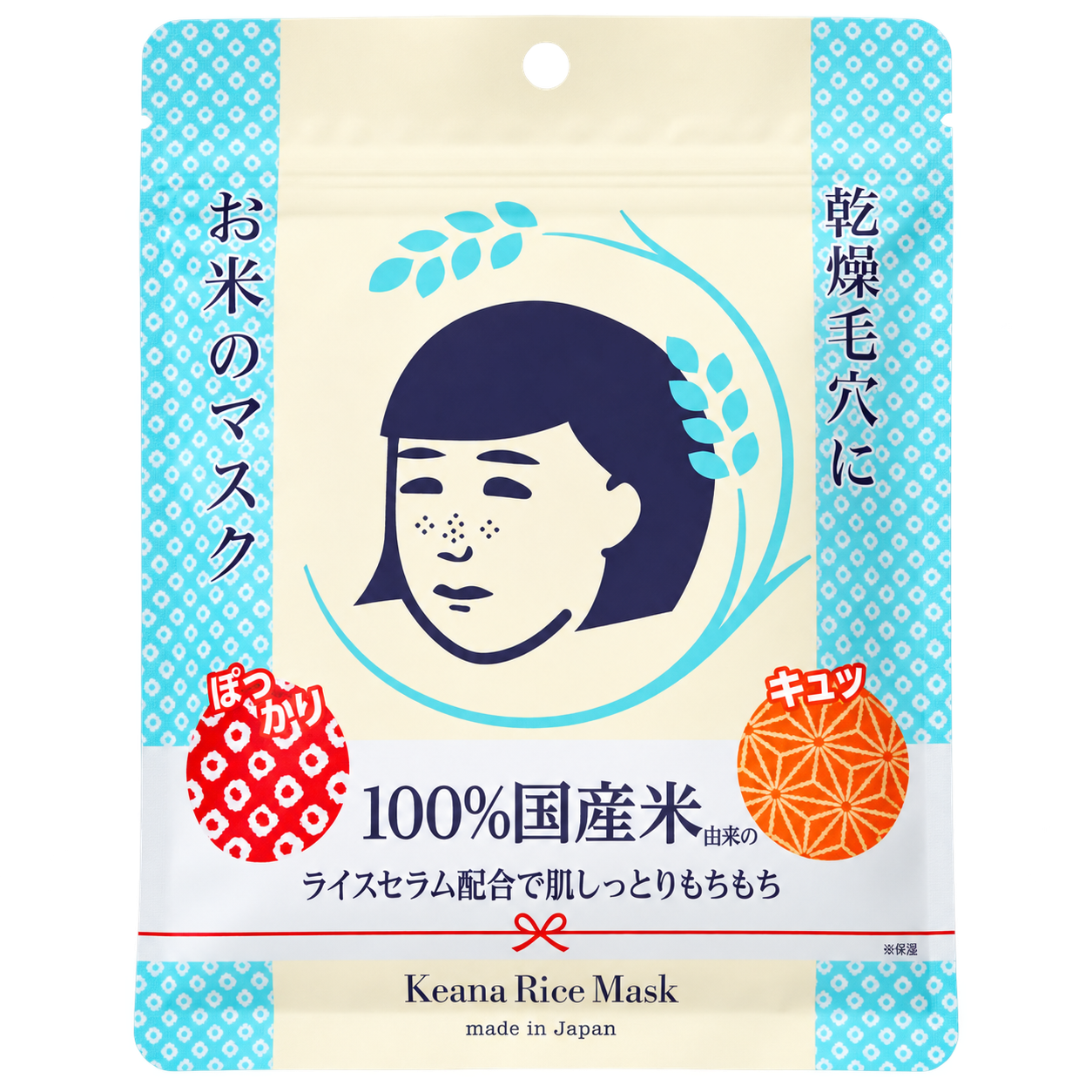
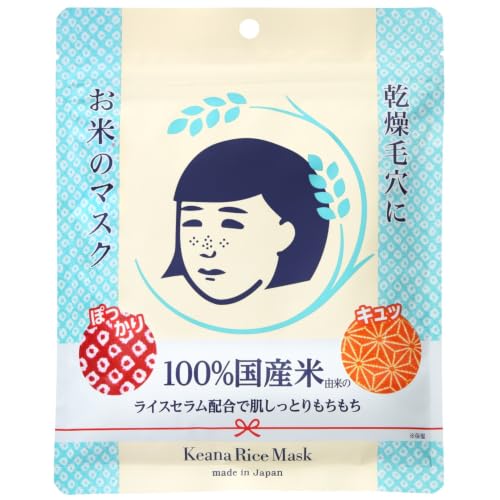
Keana Nadeshiko Rice Mask is a sheet mask version that uses a similar rice based formula. It comes in a pack of 10 and is a good option if you prefer the convenience of sheet masks over wash off types. The ingredients overlap with the Rice Pack, so the smoothing and hydrating effects are comparable.
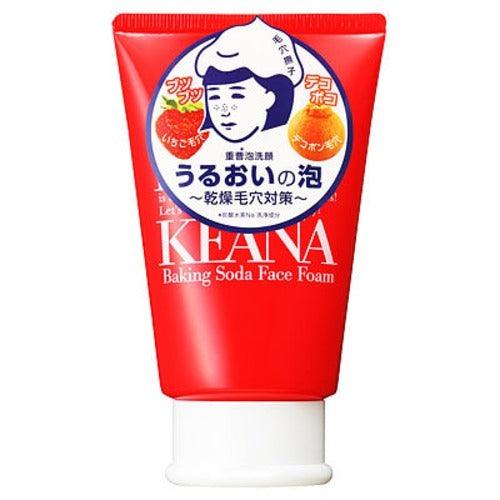
Keana Nadeshiko Face Foam is a baking soda foaming cleanser designed for pore care. The approach here is different from the Rice Pack. Instead of hydrating and plumping, the Face Foam uses baking soda to help dissolve sebum and debris in pores. Better suited for oily skin types who want a cleanser that addresses pore congestion directly.
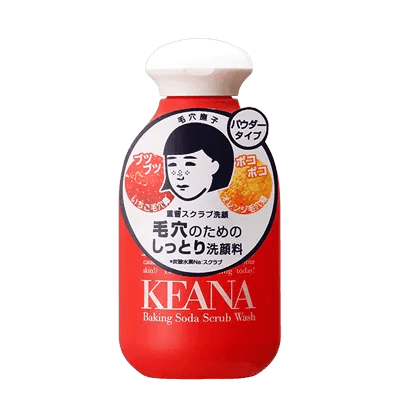
Keana Nadeshiko Face Scrub takes the pore cleaning approach further with physical exfoliation via baking soda scrub particles. Use this one a few times per week at most. Good for removing flaky skin and surface buildup, but too much scrubbing can irritate.
For a complete routine, some users pair the Rice Pack with the Face Foam: cleanse with the foam to clear pores, then apply the Rice Pack to smooth and hydrate. The two products complement each other well. For the full breakdown of every Ishizawa Lab line, including Acne Barrier and their sun care range, see our Ishizawa Lab & Keana Nadeshiko brand guide.
FAQ
Does the Keana Rice Pack shrink pores permanently?
No. The pore minimizing effect is temporary. It works by hydrating and plumping the skin around pores, which makes them appear smaller for several hours. Regular use keeps the effect going, but it’s not a structural change to pore size. Pore size is largely determined by genetics and sebum production. For a complete look at how Japanese skincare approaches pore care (including the Rice Pack’s role), see the Japanese pore care guide.
How often should I use it?
Two to three times per week is the most common recommendation. Daily use is fine for most skin types since the formula is gentle, but there’s no significant advantage to using it every day versus a few times per week.
Can I use it with other active ingredients like retinol or AHAs?
Yes. Because the Rice Pack doesn’t contain any exfoliating acids or strong actives, it’s safe to use alongside other treatments. Apply your actives (retinol, vitamin C, AHAs) as part of your normal routine after rinsing the mask off. The hydrating effect can actually help buffer some of the dryness that actives cause.
Is it the same as SK-II Facial Treatment Essence?
They share a common ingredient category (rice ferment filtrate / Pitera), but the formulations, concentrations, and product types are very different. SK-II is a leave on essence designed for daily use with a patented fermentation process. The Keana Rice Pack is a wash off mask with a shorter contact time. For a detailed breakdown, see our SK-II Facial Treatment Essence review. They’re in completely different price brackets too.
What’s the shelf life once opened?
Ishizawa Lab recommends using it within six months of opening. Store it sealed between uses and keep it away from direct sunlight and high humidity for best results.