Japanese beauty explained
What is Mochi Skin? How to Get Japan's Bouncy Skin Trend with J Beauty Products
Press your fingertip into a piece of freshly made mochi. It springs back, soft and smooth, with no crease left behind. That is exactly what mochi skin looks like on your face: plump, bouncy, and impossibly soft, with a healthy glow that comes from deep hydration rather than highlighter or shimmer.
In Japan, mochi hada (餅肌) has been the gold standard for beautiful skin long before it became a TikTok trend. The term translates to “mochi skin” and describes a complexion that feels elastic and supple when you touch it. Think less “I woke up like this” filter and more “my skin is so hydrated it bounces.”
What Makes Mochi Skin Different from Glass Skin
Mochi skin and glass skin get lumped together constantly, but they are two separate beauty ideals from two different skincare cultures.
Glass skin comes from Korean beauty. The goal is a complexion that looks luminous, reflective, and almost transparent, like a pane of glass. It is primarily visual. You want your skin to catch light, appear poreless, and look dewy to the point of being wet. Achieving it usually involves a longer routine with multiple serums, essences, and finishing products designed to maximize shine.
Mochi skin comes from Japanese beauty. The goal is a complexion that feels soft, bouncy, and elastic, like a piece of mochi. It is primarily tactile. The surface should look smooth and healthy, but the real test is what happens when you press it. Does it spring back? Does it feel plush? That bounce comes from genuine hydration and a strong moisture barrier, not from layering dewy products on top.
The routines reflect the difference too. Glass skin often involves 10+ steps to build luminosity. Mochi skin leans on fewer steps, with an emphasis on layering lightweight hydrating toners (called lotions in Japan) and patting them in gently. The focus is barrier health and sustained moisture, not a specific finish.
Neither is better. They are just different goals. If you want skin that looks lit from within, glass skin is your target. If you want skin that feels like a cloud when you touch it, mochi skin is what you are after.
The Mochi Skin Routine: 5 Steps to Bouncy, Plump Skin
The mochi skin routine is shorter than you might expect. Each step serves a specific purpose: remove buildup, flood with hydration, seal the moisture in. No extra steps, no filler products.
Step 1: Double Cleanse (PM Only)
A clean base matters, but stripping your skin defeats the purpose. Double cleansing with a gentle oil cleanser followed by a low pH foaming wash removes sunscreen and makeup without disrupting the moisture barrier.
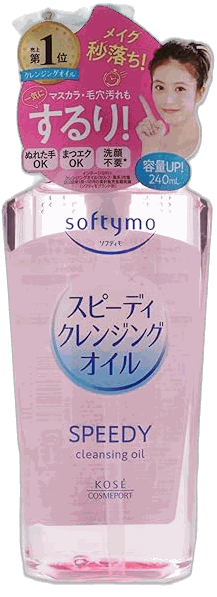
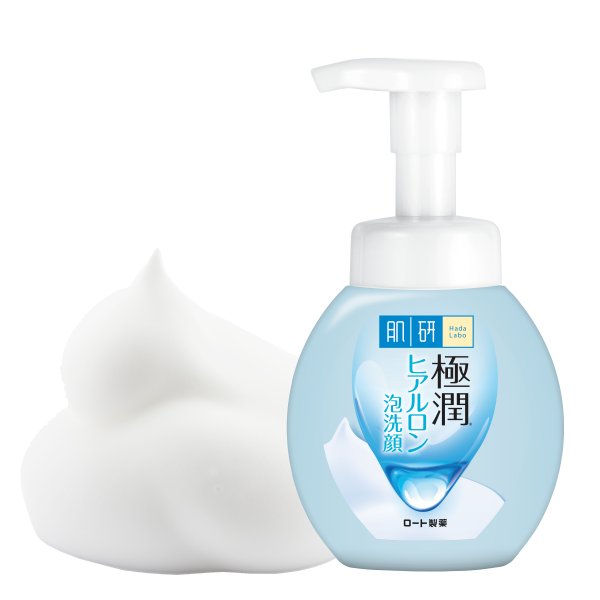
Start with an oil cleanser like Kose Softymo Speedy Cleansing Oil or DHC Deep Cleansing Oil on dry skin. Massage for about 30 seconds, rinse, then follow with a foaming cleanser like Hada Labo Gokujyun Hyaluronic Acid Foaming Cleanser. Your skin should feel clean but never tight or squeaky afterward.


In the morning, most people can skip the oil cleanser and just use a gentle foaming wash or even rinse with water. ### Step 2: Hydrating Lotion (The Key Step)
This is where mochi skin is built. In Japanese skincare, “lotion” means a watery, hydrating toner, not a thick cream. The technique is to apply multiple thin layers, patting each one into the skin until it feels plump and slightly cool to the touch.
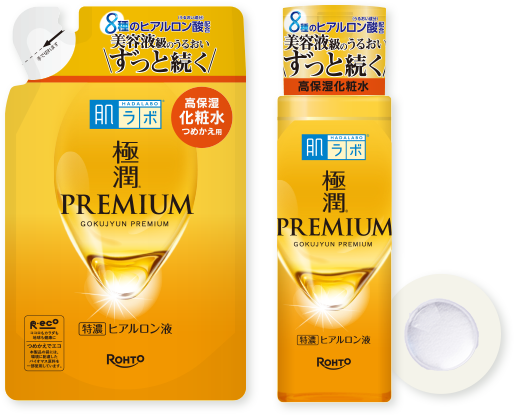
Hada Labo Gokujyun Premium Lotion is the benchmark for this step. It contains multiple types of hyaluronic acid that pull moisture into the skin and hold it there. Pour a small amount into your palms, press it gently into your face (no rubbing, no cotton pad), wait a few seconds, and repeat 2 to 5 times. The skin should feel bouncy and hydrated but not sticky.
For a budget option, Cezanne Skin Conditioner High Moist works well for layering. It is lightweight enough to apply several coats without feeling heavy. Kiku-Masamune Sake Brewing Skin Care Lotion High Moist is another favorite, especially if you like fermented ingredients. It contains sake ferment filtrate and ceramides, both of which support the moisture barrier.

For more on the layering technique, see How to Use Japanese Lotion Toner.
Step 3: Essence or Serum
An essence adds another layer of active hydration and supports skin elasticity. This is where ingredients like fermented extracts and soy isoflavones shine.
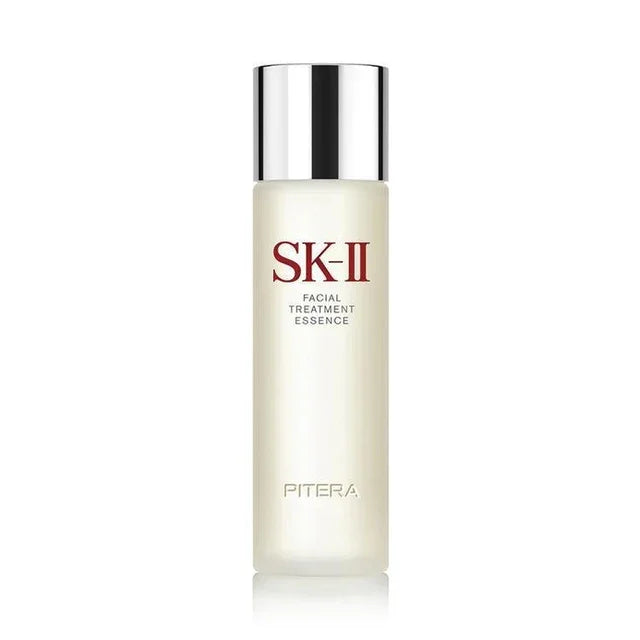
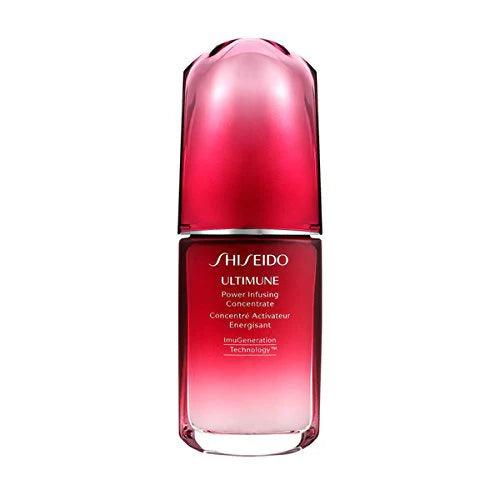
SK-II Facial Treatment Essence (Pitera Essence) is the luxury choice. Its galactomyces ferment filtrate (Pitera) is a concentrated blend of vitamins, amino acids, and organic acids that support skin texture and clarity. Shiseido Ultimune Power Infusing Concentrate III takes a different approach, using reishi mushroom extract and Iris florentina root extract to support the skin’s resilience.
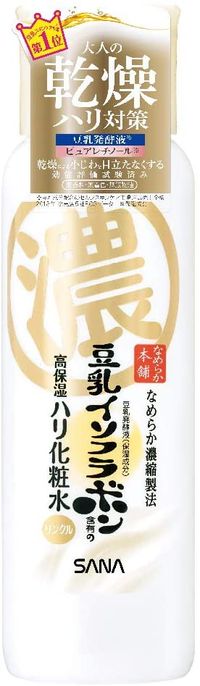
For a more accessible option, Sana Nameraka Honpo Extra Moist Lotion delivers soy isoflavones (a plant estrogen analog) that help keep skin plump and soft. Soy has a long history in Japanese beauty for its softening effects on skin texture.
Step 4: Moisturizer or Emulsion
The moisturizer seals in all the hydration from the previous steps. For mochi skin, you want something that locks in moisture without feeling heavy or greasy. Japanese skincare tends toward lightweight emulsions and gel creams that protect the barrier without suffocating the skin.
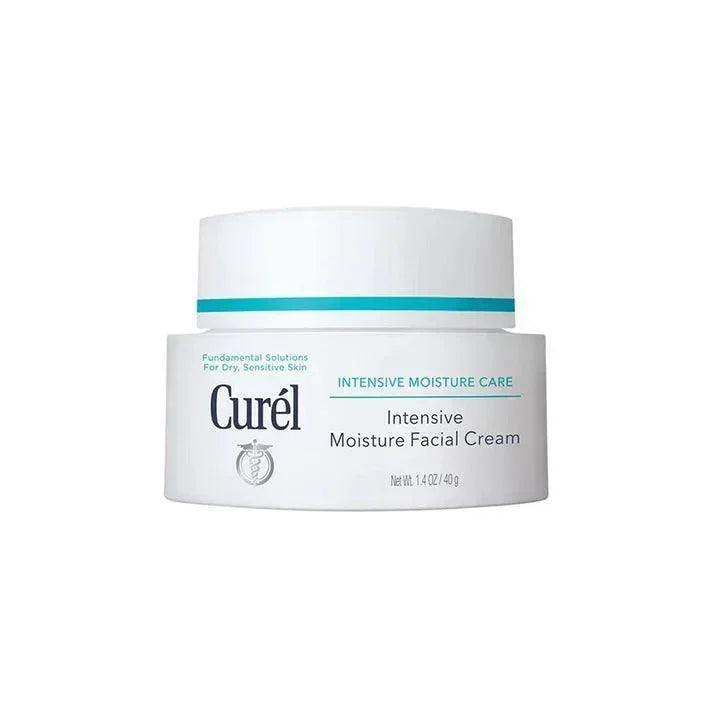
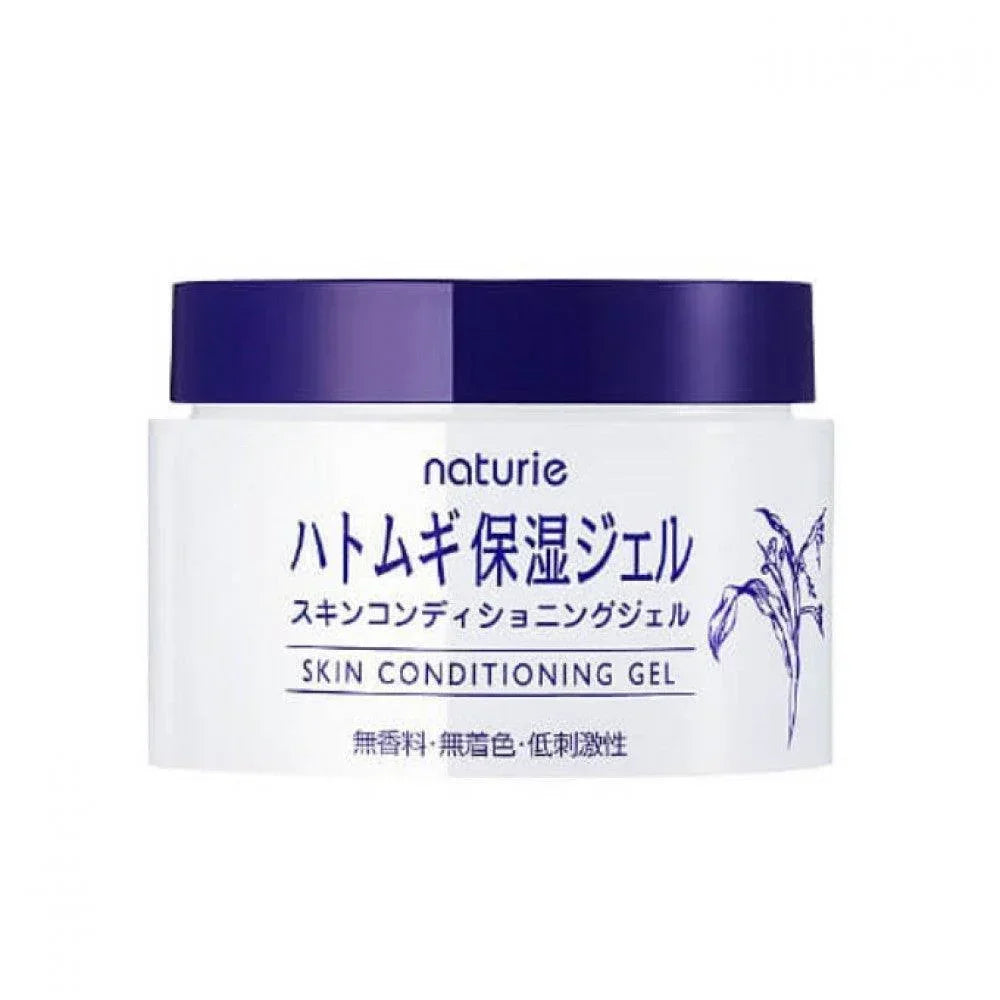
Curel Intensive Moisture Facial Cream is formulated with pseudo ceramides that support the skin’s own moisture barrier. It absorbs quickly and leaves skin feeling soft rather than coated. For a lighter option, Naturie Hatomugi Skin Conditioning Gel is a simple gel moisturizer made with hatomugi (Job’s tears) extract. It is popular in Japan as both a daily moisturizer and a sleeping pack.
Sana Nameraka Honpo Wrinkle Gel Cream N doubles as a moisturizer and a texture refiner thanks to its soy isoflavone and retinol blend.
For a deeper dive into Japanese moisturizers, check Best Japanese Moisturizer.
Step 5: Sheet Mask (2 to 3 Times a Week)
Sheet masks are the fast track to mochi skin. A good mask floods the skin with essence and gives ingredients time to absorb without evaporating. Use one after your toner step, before moisturizer, 2 to 3 times per week.
Lululun Pure Everys Pink Face Mask is designed for daily use and focuses on moisture and skin softening. Each box comes with multiple masks, so the per use cost is low. Lululun masks are a Japanese drugstore staple for a reason: simple formulas, good fit, and consistent hydration. See our Lululun mask guide for a breakdown of every variant.

Lululun
2 retailersSee retailers →
Best Products for Mochi Skin by Concern
Dry, Tight Skin That Needs More Bounce
Focus on hyaluronic acid layering and ceramide support:
- Hada Labo Gokujyun Premium Lotion (hydrating toner, 2 to 5 layers)
- Curel Intensive Moisture Facial Cream (ceramide barrier repair)
- Lululun Pure Everys Pink Face Mask (moisture boost)
Oily or Combination Skin That Still Wants Softness
Lightweight gel textures hydrate without adding shine:
- Cezanne Skin Conditioner High Moist (light toner for layering)
- Naturie Hatomugi Skin Conditioning Gel (oil free gel moisturizer)
- Hada Labo Gokujyun Hyaluronic Acid Foaming Cleanser (gentle cleanse without stripping)
Dull Skin That Needs Glow and Texture Help
Fermented and soy ingredients brighten and smooth:
- Kiku-Masamune Sake Brewing Skin Care Lotion High Moist (sake ferment + ceramides)
- SK-II Facial Treatment Essence (Pitera Essence) (galactomyces ferment)
- Sana Nameraka Honpo Extra Moist Lotion (soy isoflavones)
Budget Friendly Mochi Skin Starter Kit
You can build a solid mochi skin routine without spending much:
- Kose Softymo Speedy Cleansing Oil (oil cleanser)
- Cezanne Skin Conditioner High Moist (hydrating toner)
- Naturie Hatomugi Skin Conditioning Gel (moisturizer)
All three are Japanese drugstore products and widely available outside Japan.
Tips from Japanese Beauty Culture
Pat, never rub. The way you apply products matters as much as the products themselves. Japanese skincare emphasizes pressing or patting products into the skin with your palms rather than rubbing or swiping with cotton pads. This reduces friction, improves absorption, and preserves the skin’s surface integrity.
Warm your hands first. Before pressing a toner or serum into your skin, rub your palms together for a few seconds. The slight warmth helps products absorb more evenly and makes the pressing technique feel more like a mini facial than a chore.
Layer, do not pile. Mochi skin comes from stacking thin layers of hydration, not from applying one thick layer of cream. Each layer should feel almost fully absorbed before you add the next. If product sits on top of your skin without sinking in, you have applied too much.
Be consistent, not aggressive. Mochi skin is a long term result of daily hydration habits, not something you achieve in one evening. Japanese skincare philosophy leans toward gentle, daily maintenance over strong actives and quick fixes. If your skin feels balanced and comfortable every day, the bounce follows.
Do not skip the toner step. In Western routines, toner is often treated as optional. In Japanese routines, the hydrating lotion/toner step is the foundation of everything. It is the single most important step for mochi skin. For more on why, read How to Use Japanese Lotion Toner.
Frequently Asked Questions
Is mochi skin the same as glass skin?
No. Glass skin is a Korean beauty ideal focused on luminous, reflective skin that looks almost transparent. Mochi skin is a Japanese beauty ideal focused on soft, bouncy, elastic skin that feels plush when you touch it. Glass skin is about how skin looks. Mochi skin is about how skin feels.
Can you get mochi skin with oily skin?
Yes. Mochi skin is about hydration, not oil production. Oily skin can still lack water content in the deeper layers. Using lightweight, water based hydrators like Cezanne Skin Conditioner High Moist and Naturie Hatomugi Skin Conditioning Gel adds bounce without extra shine.
How long does it take to see mochi skin results?
Most people notice softer, more supple skin within a week or two of consistent hydrating toner layering. The full bouncy, elastic texture typically develops over 4 to 6 weeks of a consistent routine, especially when paired with ceramide and barrier supporting products.
What ingredients are most important for mochi skin?
Hyaluronic acid (for hydration layering), ceramides (for barrier support and moisture retention), fermented ingredients like sake or galactomyces (for skin texture and glow), and soy isoflavones (for softening and elasticity). You do not need all of them. A good hydrating toner and a ceramide moisturizer cover the essentials.
Do I need to buy Japanese products for mochi skin?
Not necessarily, but Japanese skincare products are specifically formulated for this kind of hydration layering approach. Japanese lotions (watery toners) are designed to be applied in multiple thin layers, which is the core technique behind mochi skin. Many non Japanese toners are formulated with alcohol or astringents and serve a different purpose. For product options, see the full guide to Japanese Toners.