Japanese beauty explained
Best Japanese Skincare for Oily Skin: A Complete Routine Guide
If you have oily skin, Japanese skincare can feel like it wasn’t made for you. Most J beauty content focuses on hydration, dewiness, and plumping moisture into dry skin. Scroll through product recommendations and you’ll see words like “moist,” “rich,” and “premium” everywhere.
Here’s the thing: Japanese skincare philosophy aligns well with what oily skin needs. The emphasis on lightweight, layered hydration and gentle cleansing is exactly the approach that helps oily skin produce less excess sebum over time, not more. The trick is knowing which products to reach for and which to skip.
This guide breaks down a full morning and evening routine using Japanese products that work for oily and combination skin, with specific product picks at each step. If your skin is more of a mix (oily T zone but dry cheeks), see our combination skin routine guide for zone specific tips.
Why Japanese Skincare Works for Oily Skin
Japanese skincare’s core philosophy centers on maintaining the skin’s natural balance through gentle, hydrating products. For oily skin, this translates to a few key principles:
Lightweight textures are the default. Japanese lotions (watery toners, not creams), gel creams, and milky emulsions deliver hydration without heavy occlusive layers. Your skin gets what it needs without feeling weighed down.
Sebum control through hydration, not removal. When your skin is properly hydrated, it produces less excess oil. Many Japanese products use hyaluronic acid, ceramides, and other humectants that pull moisture in without adding oiliness.
Gentle cleansing preserves the barrier. Japanese cleansers, especially foaming types, tend to be formulated at skin friendly pH levels. They remove excess sebum and sunscreen without the tight, squeaky feeling that leads to rebound oiliness.
Sun protection that doesn’t clog pores. Japanese sunscreens are famously lightweight. Many have matte or semi matte finishes that help with oil control throughout the day. (Men dealing with oily skin specifically may also want to check our Japanese skincare for men guide, which covers oil control picks in the context of a simplified routine.)
Morning Routine for Oily Skin
A morning routine for oily skin should be simple: cleanse, hydrate lightly, protect from UV. Three to four steps, not seven.
Step 1: Gentle Foaming Cleanser
Skip the water only rinse. Oily skin accumulates sebum overnight, and a light foaming wash in the morning makes a noticeable difference in how your skin feels (and how well your sunscreen sits) for the rest of the day.
Curel Sebum Trouble Care Foaming Wash comes out as a pre foamed mousse, so you’re not tugging at your skin to build lather. It’s formulated specifically for oily and combination skin, using ceramide care technology to clean without disrupting the moisture barrier. The pump dispenser keeps things fast and consistent. For more on the Curel lineup, see our Curel guide.
Curel
1 retailerSee retailers →
Hada Labo Gokujyun Super Hyaluronic Foaming Wash is another strong option. It uses hyaluronic acid in the cleanser itself, so your skin feels clean but not stripped. Available in both pump foam and tube formats.
Hada Labo
1 retailerSee retailers →
Step 2: Lightweight Hydrating Lotion
In Japanese skincare, “lotion” means a watery toner, not a thick cream. This is the hydration step that oily skin benefits from most. A thin layer of a hydrating lotion gives your skin the moisture it needs so it doesn’t overcompensate with oil production.
Hada Labo Gokujyun Hyaluronic Lotion Moist is the go to for a reason. It contains multiple types of hyaluronic acid and has a lightweight, slightly viscous texture that absorbs quickly. For oily skin, one thin layer is plenty. If even the Moist version feels like too much, look for the Light version (same line, blue label). Our Japanese toner guide covers more options if you want to compare.

Hada Labo
7 retailersSee retailers →
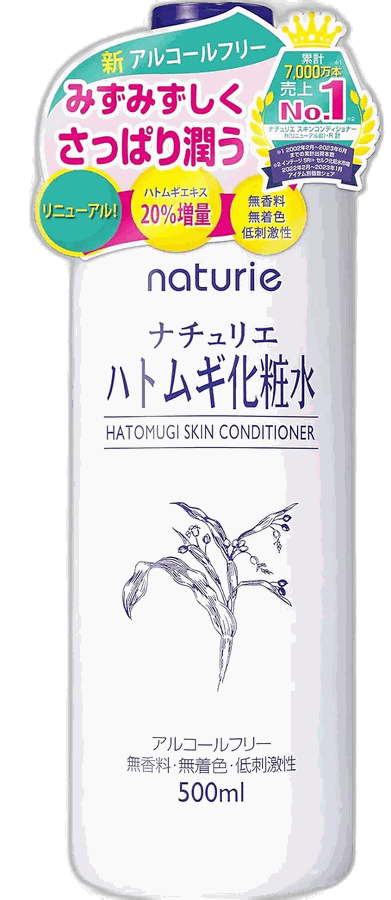
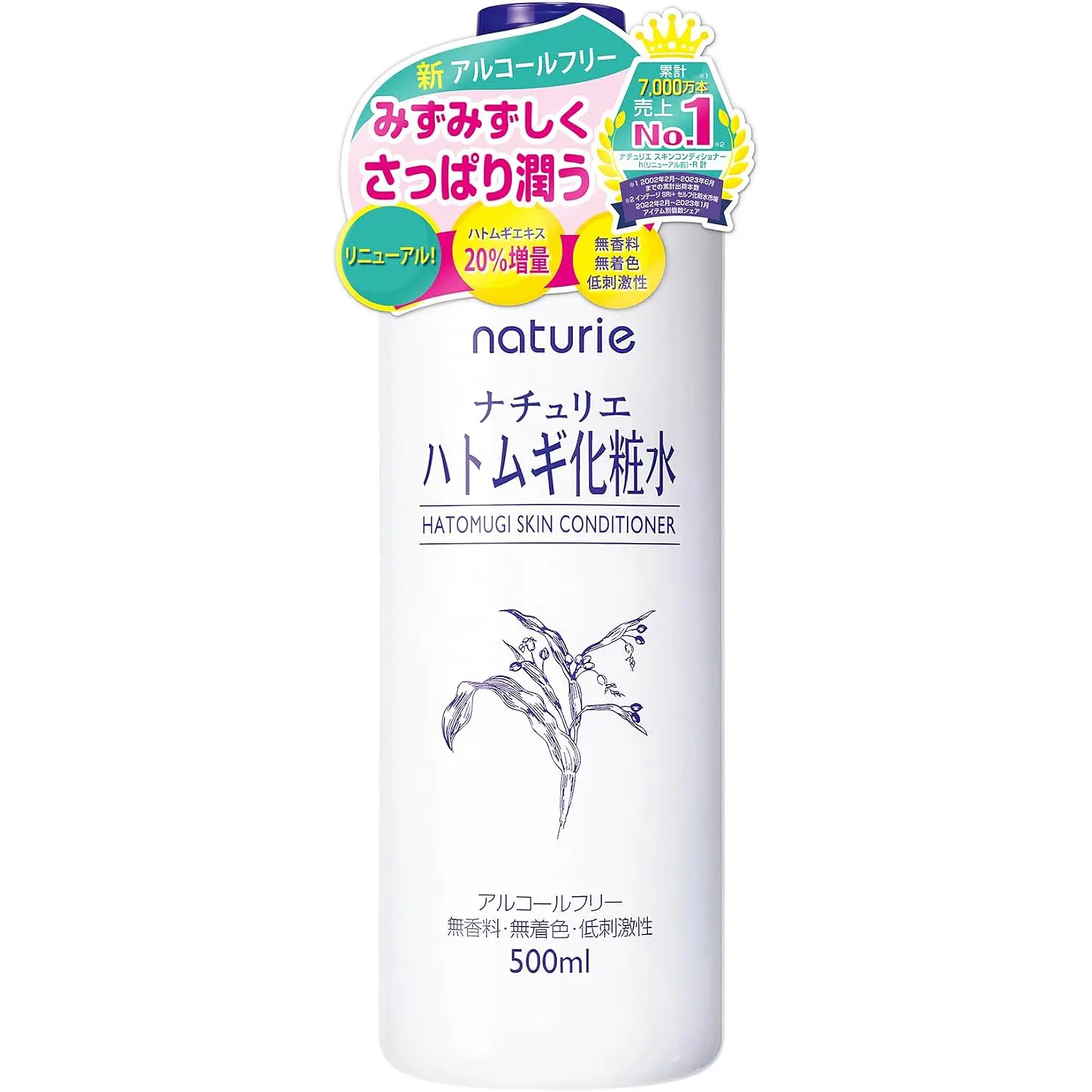
Naturie Hatomugi Skin Conditioner is a budget friendly alternative that works beautifully for oily skin. The texture is almost like water, it absorbs instantly, and the hatomugi (Job’s tears) extract has mild brightening and soothing properties. You can use it generously without worrying about heaviness.
Naturie
12 retailersSee retailers →
Step 3: Sunscreen (Your Most Important Step)
This is where Japanese products stand out for oily skin. Many Japanese sunscreens have cosmetically elegant textures that dry down matte or semi matte, essentially doubling as your mattifying step.
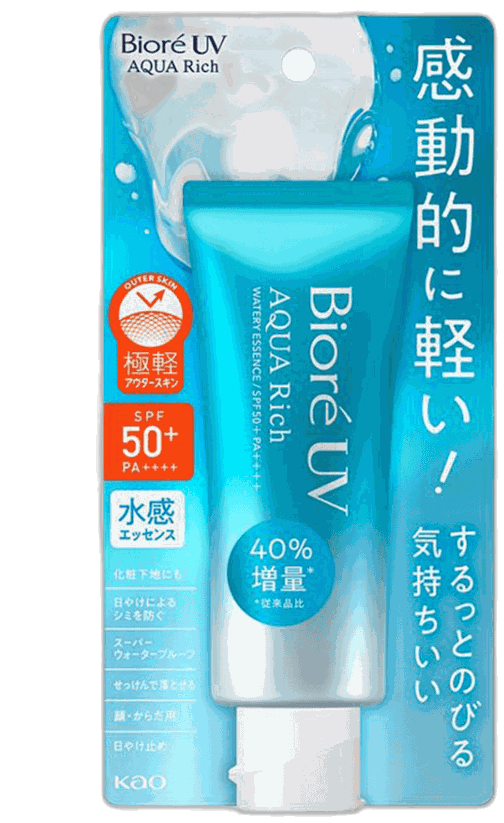
Biore UV Aqua Rich Watery Essence SPF50+/PA++++ (Japanese Version) is one of the most popular Japanese sunscreens worldwide, and for good reason. It has a lightweight, watery texture that absorbs fast and leaves a non greasy finish. The Japanese formula (not the US version) uses newer UV filters and tends to sit better under makeup.
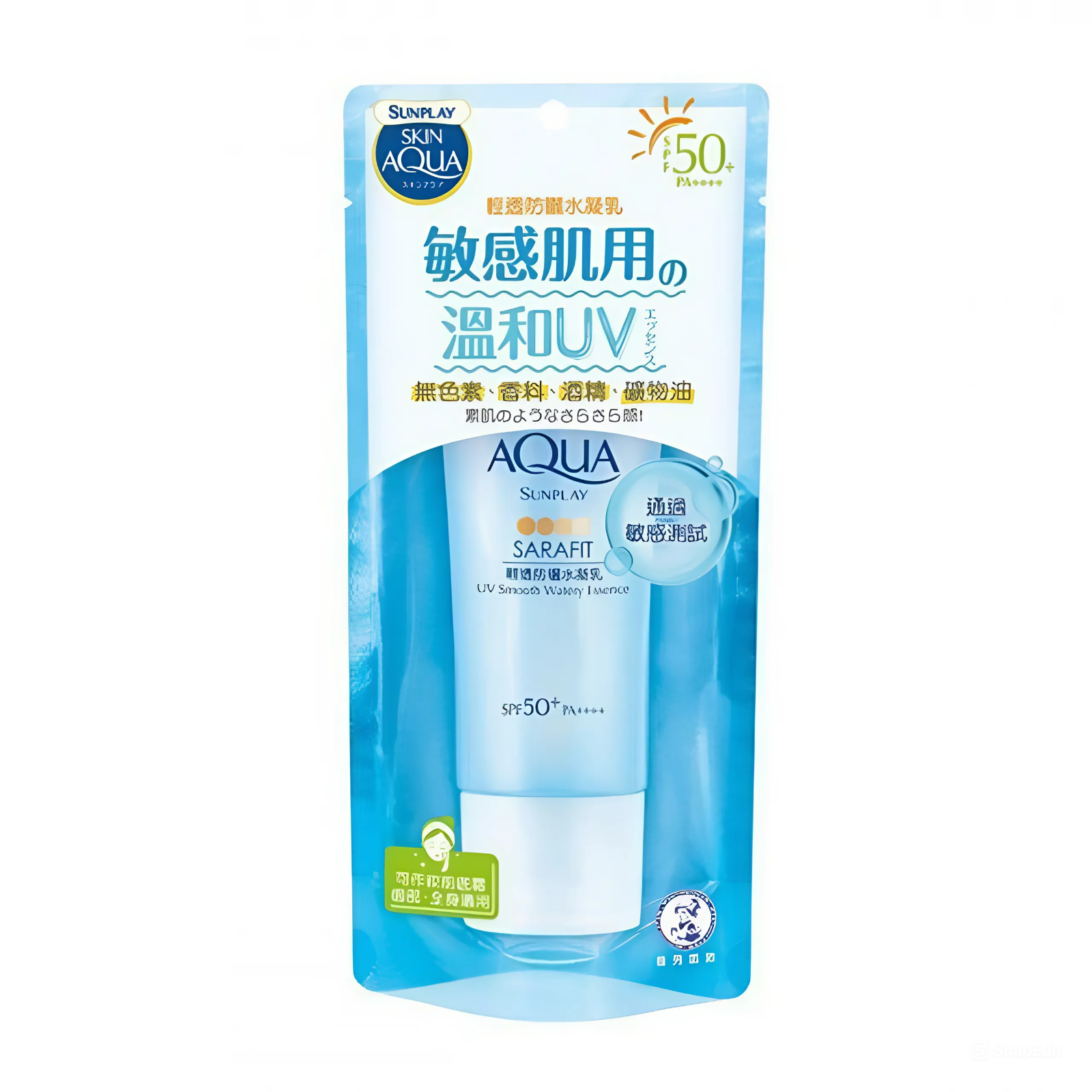
Skin Aqua Sarafit UV Smooth Watery Essence SPF50+ is designed specifically for oily skin. “Sarafit” roughly translates to “smooth fit,” and the formula lives up to it. It dries down with a noticeably matte finish that helps control shine throughout the day.
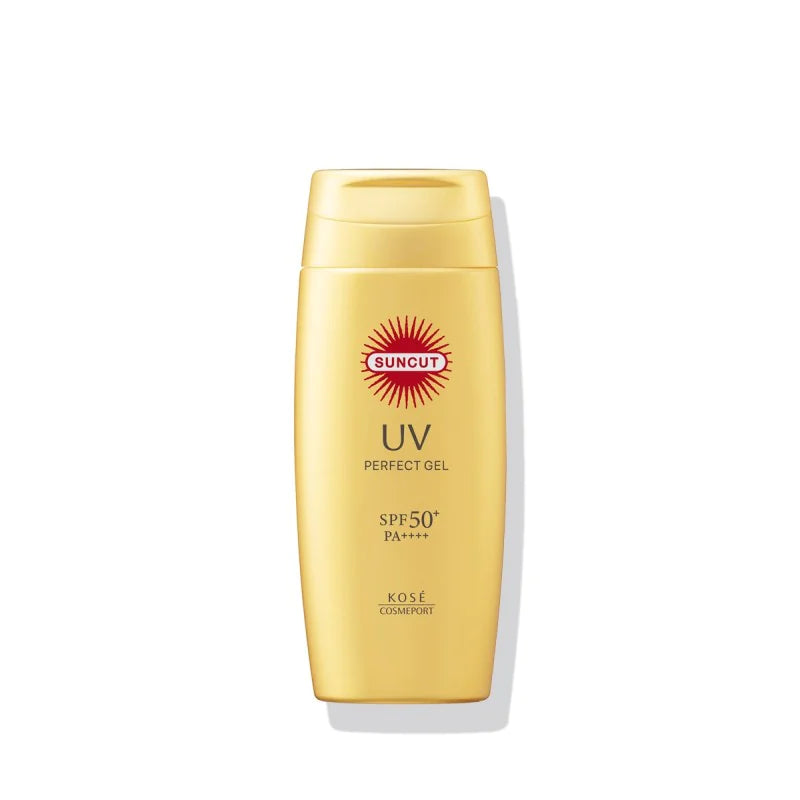
Kose Suncut Perfect UV Protect Gel SPF50+ offers high protection in a gel texture that’s lightweight and sets with a semi matte finish. The larger tube sizes make it easy to apply the full recommended amount without feeling like you’re wasting an expensive product.
Canmake Mermaid Skin Gel UV (see our full review) has a devoted following on Reddit for oily skin. It doubles as a makeup primer with a smooth, non greasy finish that controls shine well into the afternoon. The gel texture feels like nothing on skin and layers beautifully under foundation or powder.
Anessa Perfect UV Sunscreen Milk is the premium pick. Anessa’s UV protection technology strengthens when exposed to heat and moisture, which is ideal if you’re active or in humid climates. The milk texture dries down fast with a natural finish that doesn’t emphasize pores.

For more sunscreen comparisons, check out our best Japanese sunscreen roundup or the Biore vs Skin Aqua breakdown.
A note on moisturizer in the morning: If your sunscreen is hydrating enough (and most Japanese sunscreens are), you can skip a separate moisturizer in the AM. The lotion step plus sunscreen provides sufficient moisture for most oily skin types. If you live in a very dry climate and feel like you need more, a thin layer of a gel cream before sunscreen works, but for most people it’s unnecessary.
Evening Routine for Oily Skin
The evening routine is where you do the real work: removing sunscreen, treating specific concerns, and giving your skin time to repair overnight.
Step 1: Oil Cleanser (Yes, Even for Oily Skin)
This is where a lot of oily skin people hesitate. Using oil on oily skin sounds counterintuitive, but oil cleansers are the most effective way to break down sunscreen, makeup, and the day’s accumulated sebum. The key: they emulsify with water and rinse completely clean, leaving nothing behind.
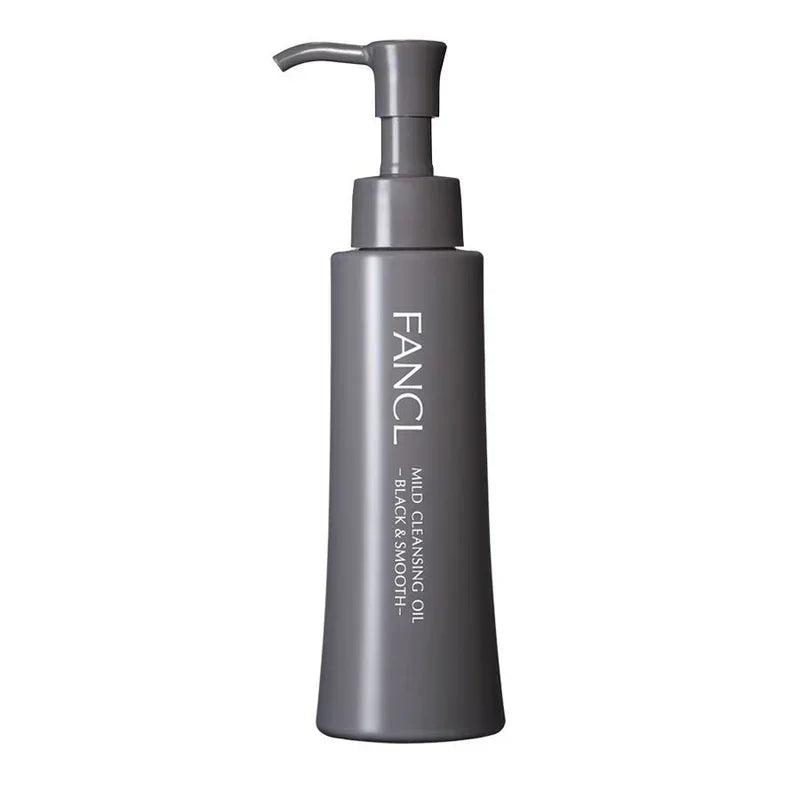
FANCL Mild Pore Cleansing Oil Black & Smooth is specifically formulated for oily and clog prone skin. The “Black” version contains charcoal to help draw out pore buildup, and it rinses cleaner than most oil cleansers. No fragrance, no preservatives.
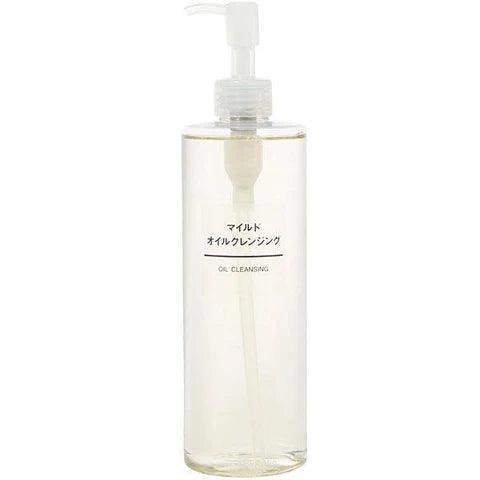
Muji Oil Cleansing Mild is a simpler option that gets the job done without any fuss. Lightweight, rinses clean, and the price point makes it easy to use generously.
Kose Softymo Speedy Cleansing Oil lives up to its name. It emulsifies and rinses faster than most oil cleansers, which oily skin types tend to prefer because there’s less time for that “oil sitting on my face” feeling. It cuts through sunscreen effectively and leaves no residue.
DHC Deep Cleansing Oil is the classic that introduced many people to double cleansing. Olive oil based, it dissolves everything and rinses away without residue. It’s slightly richer than the other two options, so if your skin runs very oily, FANCL, Muji, or Kose Softymo might be a better fit. For more options, see our best Japanese cleansing oil guide.

Step 2: Foaming Cleanser
Follow the oil cleanser with a gentle foaming wash to remove any remaining residue. You can use the same cleanser from your morning routine. This double cleansing method ensures your skin is truly clean without being stripped.
Step 3: Hydrating Lotion
Same approach as morning. One layer of your lightweight lotion on damp skin. In the evening, this preps your skin to absorb any treatment products that follow.
Step 4: Treatment (Optional)
Not everyone needs a treatment step, but if you’re dealing with post acne marks, dullness, or uneven texture, this is where you address it.
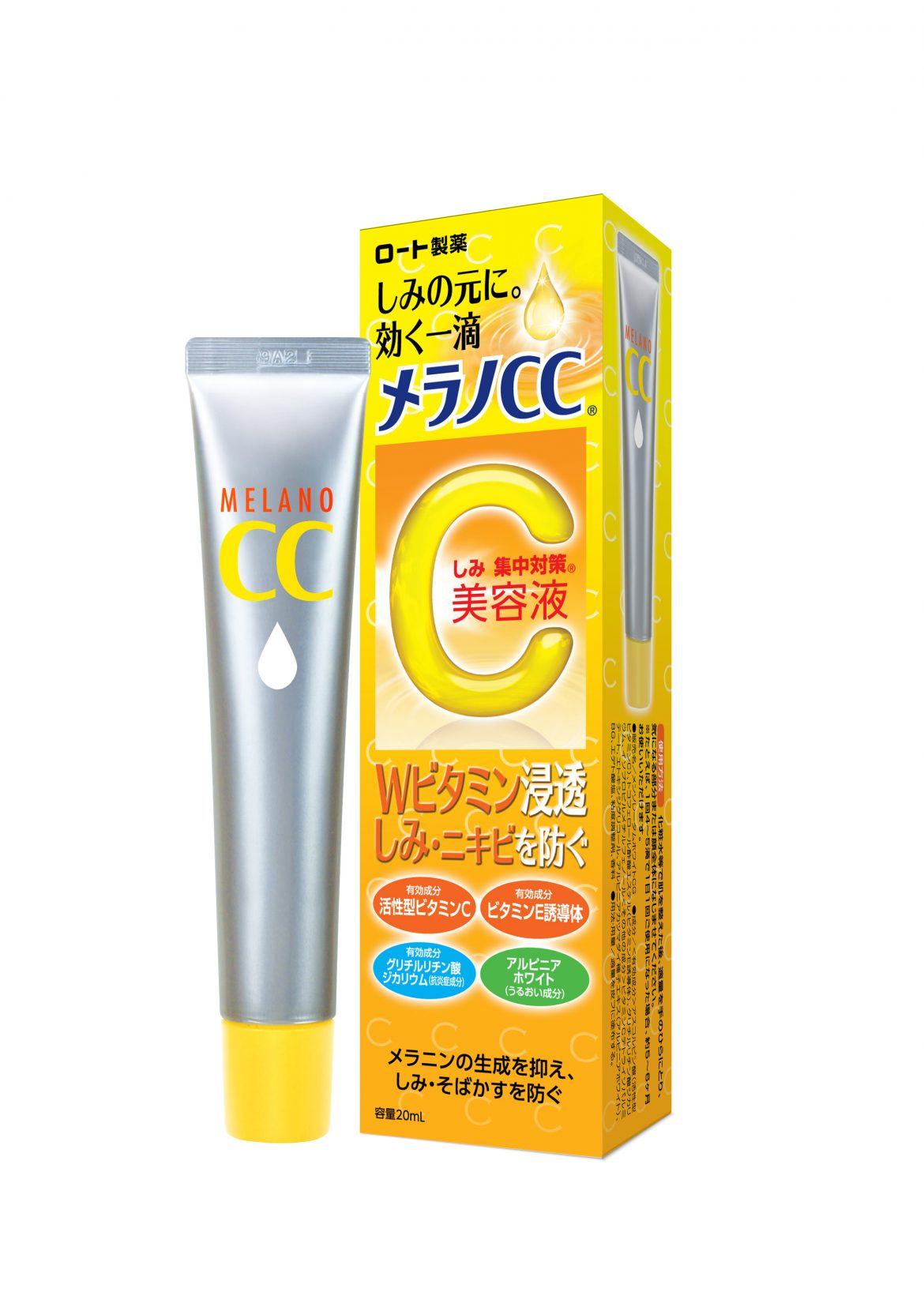
Melano CC Intensive Measures Essence is a vitamin C serum that targets dark spots and hyperpigmentation. The tube design keeps the vitamin C stable, and the texture is lightweight and oily skin friendly. Apply a few drops after your lotion. Dermatologists generally recommend using vitamin C in the morning, where it works synergistically with sunscreen to boost UV protection. You can use it in the evening too, but if you only apply it once a day, morning is the better choice. Our Melano CC guide covers the full line if you want to explore further.
Rohto
3 retailersSee retailers →
Step 5: Light Moisturizer
In the evening, you may want a light moisturizer to seal in your hydration and treatments. For oily skin, gel and water based formulas are your best bet.
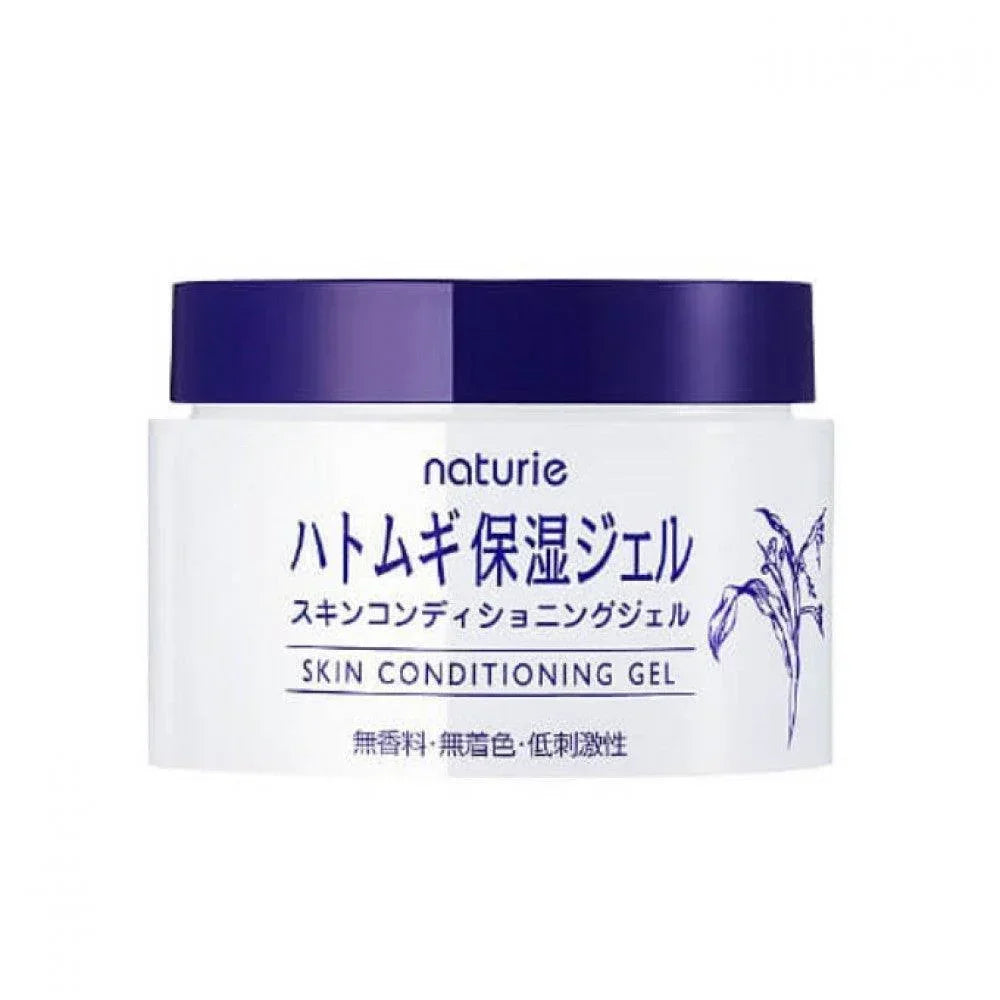
Naturie Hatomugi Skin Conditioning Gel is a crowd favorite for oily skin. It’s essentially a lightweight gel moisturizer with a cooling, watery texture that absorbs completely. No sticky residue, no heaviness. The large jar makes it practically impossible to run out.
Hada Labo Gokujyun Water Gel provides a bit more hydration than the Naturie gel while still keeping things lightweight. It uses hyaluronic acid to hold moisture in the skin without any occlusive heaviness.
Hada Labo Shirojyun Premium Milky Lotion is a lightweight emulsion that adds gentle hydration with a brightening benefit from tranexamic acid. It absorbs quickly and doesn’t leave any greasy residue, making it a good option if you want a moisturizing step that also addresses dullness or uneven tone.
Melano CC Brightening Gel pulls double duty as an evening moisturizer and vitamin C treatment. The gel texture is light enough for oily skin, and the brightening ingredients help with post acne marks and dullness overnight. If you’re already using Melano CC Essence in your treatment step, this gel lets you extend the vitamin C benefits into your moisturizer.
For more moisturizer options, see our best Japanese moisturizer roundup.
Common Mistakes With Japanese Skincare on Oily Skin
Using the “Premium” or “Rich” versions of everything. Many Japanese product lines offer multiple versions ranging from light to rich. The Hada Labo Gokujyun line, for example, has Light, Moist, and Premium formulas. If you have oily skin, start with the Light or Moist versions. The Premium lotion (gold bottle) has a much thicker, more viscous texture that can feel heavy on oily skin, especially in humid weather.
Layering too many hydrating steps. The Japanese skincare “layer everything” approach can backfire on oily skin. You don’t need a lotion, an essence, a serum, and a cream. One hydrating lotion and one light moisturizer (or no moisturizer, if your sunscreen covers it) is enough for most oily skin types.
Skipping sunscreen because it feels heavy. If your previous sunscreens felt greasy, you haven’t found the right one yet. Many Japanese sunscreens have notably lightweight, matte finishing textures that work well for oily skin. Try one of the options listed above before giving up on daily SPF.
Using harsh clay masks or pore strips too often. Products like clay masks have their place, but using them daily or even multiple times a week can trigger the same rebound oiliness as over cleansing. Once a week is plenty.
Expecting instant results. Oily skin that’s been over stripped and over treated needs time to rebalance. When you switch to a gentler, hydration focused routine, your skin might feel oilier for the first week or two as it adjusts. Give it at least three to four weeks before judging.
Building Your Routine: Where to Start
If you’re new to Japanese skincare, don’t buy everything at once. Start with two products: a gentle foaming cleanser and a lightweight sunscreen. These two steps alone will make a visible difference for oily skin.
Once those are working for you, add a hydrating lotion. Then, if you want to optimize further, introduce an oil cleanser for your evening routine. Build slowly, test one product at a time, and pay attention to how your skin responds.
The products in this guide are widely available outside Japan through specialty J beauty retailers, and many are carried by larger retailers as well. Check the individual product pages for current availability and pricing.
Want a quick starting point? Build a custom routine for oily skin with our routine builder.
FAQ
Do I need a moisturizer if I have oily skin?
It depends on the season and your skin’s behavior. In the morning, many oily skin types do fine with just a hydrating lotion and sunscreen. In the evening, a lightweight gel moisturizer can help seal in hydration without adding heaviness. If your skin feels comfortable without a separate moisturizer, you can skip it.
Can I use oil cleansers if my skin is very oily?
Yes. Oil cleansers emulsify with water and rinse away completely. They’re the most effective way to remove sunscreen and daily buildup. The “oil dissolves oil” principle helps clear out excess sebum from pores. Just make sure to follow with a foaming cleanser to get everything off.
What’s the difference between Japanese and US formula Biore sunscreens?
The Japanese formula uses different UV filters (including Tinosorb S/bemotrizinol and other newer chemical filters) that tend to feel lighter and more cosmetically elegant. The US formula has historically been limited by FDA sunscreen regulations that restricted which UV filters could be used, though the FDA proposed approving bemotrizinol in late 2025. Both versions provide protection, but the Japanese version generally has a better texture for oily skin.
How do I know if a product is too heavy for my oily skin?
If a product leaves a visible sheen, feels tacky after five minutes, or causes your sunscreen to pill or slide around, it’s too heavy. Oily skin does best with products that absorb fully within a minute or two. When in doubt, go for products labeled “light,” “gel,” or “watery” rather than “moist,” “rich,” or “premium.”
Should I change my routine between summer and winter?
Most oily skin types can keep the same basic routine year round, but you might adjust how much product you use. In summer or humid weather, one thin layer of hydrating lotion may be enough. In winter or dry climates, you might add a gel moisturizer or use a slightly more hydrating lotion. The structure stays the same; the weight of the products shifts slightly.