Japanese beauty explained
How to Layer Japanese Skincare Products: The Complete Guide
Quick Takeaway
- Layer thin to thick. Water based products go first, oil based products go last. This is the single most important rule in Japanese skincare layering.
- The core AM order is: cleanser → lotion (toner) → essence → serum (vitamin C works best in the morning) → emulsion or cream → sunscreen. Skip the oil cleanser in the morning.
- The core PM order is: oil cleanser → foam cleanser → lotion → essence → serum → emulsion → cream. Not every step is required every night.
- Pat, don’t rub. Japanese skincare emphasizes pressing products into the skin with your palms or fingertips. Rubbing creates friction and wastes product.
- You don’t need every step. A 3 step routine (cleanser, lotion, sunscreen) works. Add steps as your skin needs them.
Japanese skincare layering confuses a lot of people, and for good reason. The product names don’t translate the way you’d expect. “Lotion” means toner. “Milk” means lightweight moisturizer. “Essence” could mean three different things depending on the brand. And the routine has more steps than most Western skincare lineups.
But the underlying logic is simple: apply products from thinnest to thickest consistency, water based before oil based. Each layer hydrates or treats the skin, and the next layer seals it in. That’s it.
This guide walks through every step in order, explains which ones you can skip, and recommends specific products for each step. If you already know what Japanese product types mean, this shows you how to put them together.
Why Layering Order Matters
The thin to thick principle isn’t arbitrary. Water based products (lotions, essences, serums) tend to have lighter, more fluid textures that absorb quickly. Oil based products (emulsions, creams) are thicker and form a protective layer on the skin’s surface.
If you apply a heavy cream first, the water based lotion you put on top has a harder time absorbing through that occlusive layer. Flip the order, and each layer absorbs properly before the next one seals it in.
Japanese skincare brands design their product lines around this layering logic. Hada Labo’s lineup, for example, goes: cleansing oil → foaming wash → lotion → essence → milky lotion → cream. Each product is formulated to work with the previous step, building hydration from the inside out.
The Full Layering Order
Here’s the complete Japanese skincare routine, broken into AM and PM. You don’t need every step. Think of this as a menu, not a checklist.
Morning Routine (AM)
Step 1: Cleanser A gentle wash to remove overnight oil and any residue from PM products. You don’t need to double cleanse in the morning since there’s no sunscreen or makeup to dissolve.
Good options:
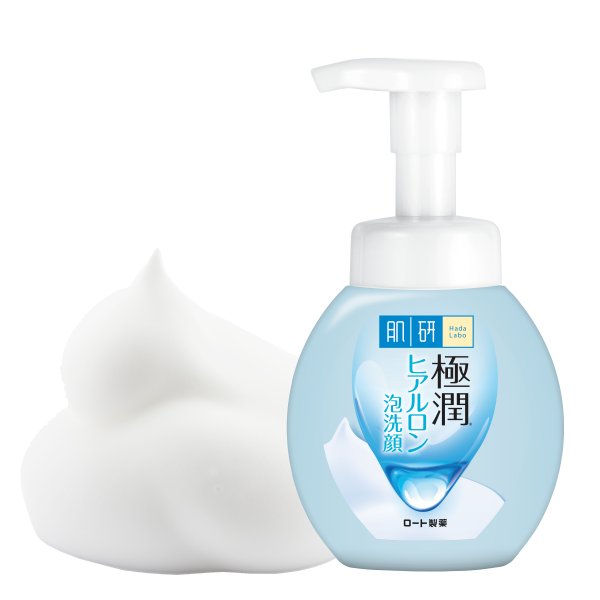
- Hada Labo Gokujyun Hyaluronic Acid Foaming Cleanser for a low pH, hydrating wash
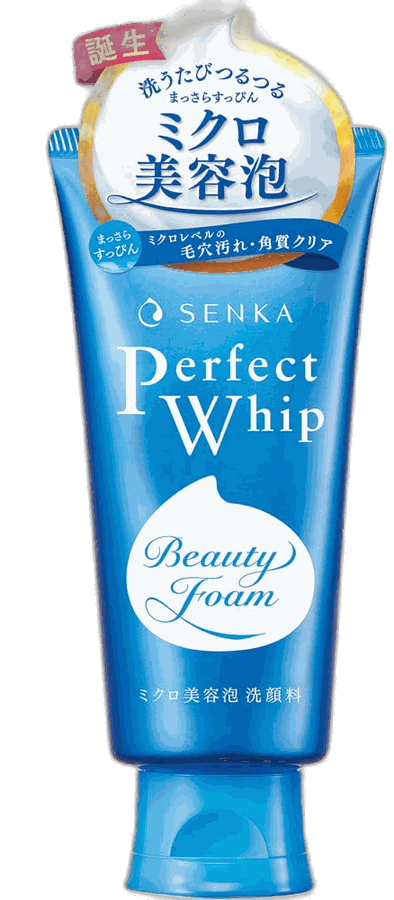
- Senka Perfect Whip for a budget foaming cleanser (rinses cleanly, slightly higher pH)
Some people skip the morning cleanser entirely and just rinse with water. If your skin doesn’t feel oily or congested when you wake up, water alone is fine.
Step 2: Lotion (toner) This is the step that trips up most Western buyers. In Japanese skincare, “lotion” is a watery hydrating toner, not a thick moisturizer. It goes on right after cleansing to rehydrate the skin and prepare it to absorb everything that follows.
Apply to slightly damp skin. Pour a coin sized amount into your palms, press them against your face, and hold for a few seconds. Repeat 2 to 3 times for deeper hydration (a technique Japanese skincare calls “layering the lotion”).
Top picks:
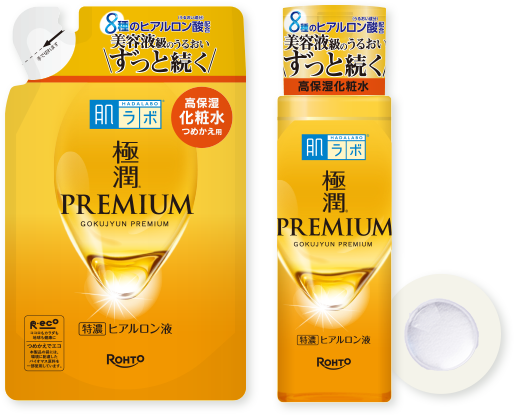
- Hada Labo Gokujyun Premium Lotion is the default recommendation. Multiple types of hyaluronic acid in a watery formula that layers well.
- Kikumasamune Sake Brewing Skin Care Lotion High Moist works well if you want ceramides and amino acids along with hydration. The 500ml bottle lasts months.
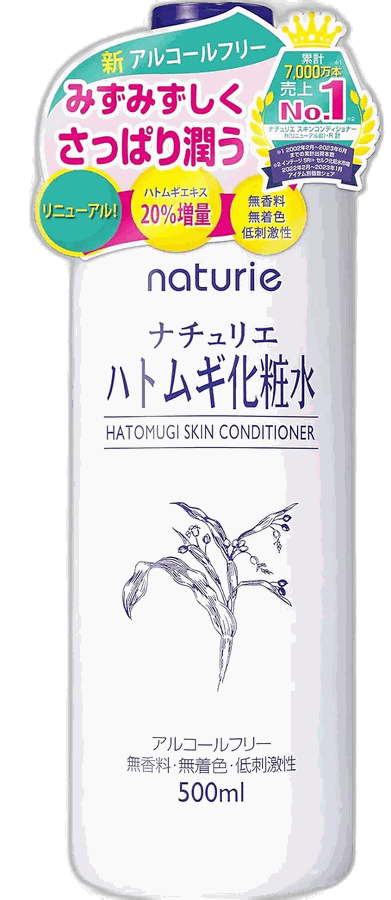
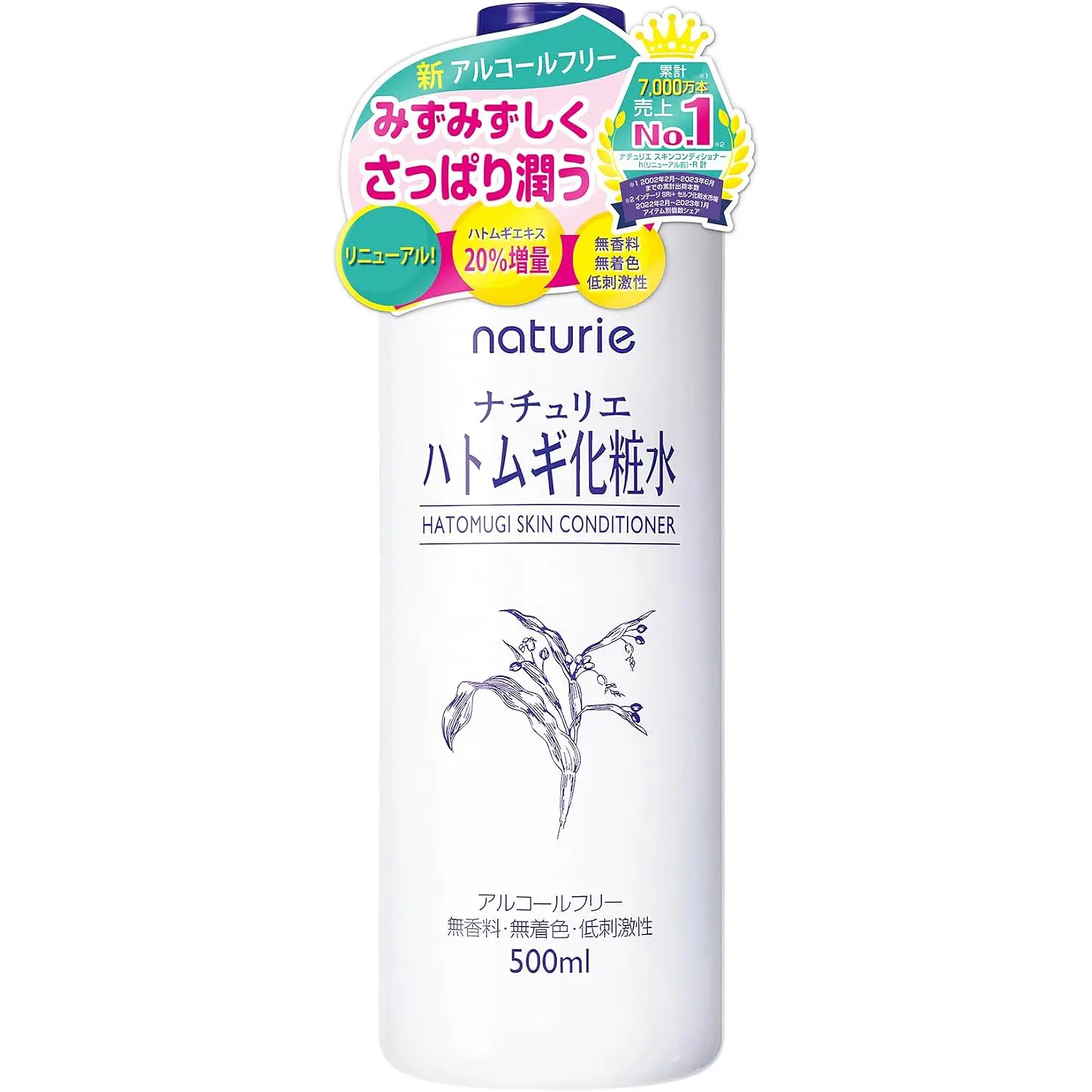
- Naturie Hatomugi Skin Conditioner is the budget option. Lightweight and gentle, good for oily skin or as a first lotion if you’re layering two.

For more detail on this step, see How to Use Japanese Lotion (Toner).
Step 3: Essence (optional) An essence is thinner than a serum but thicker than a lotion. It adds a concentrated layer of active ingredients without heavy texture. Not everyone needs this step, but it fills the gap between hydration (lotion) and treatment (serum).
If you only use one:
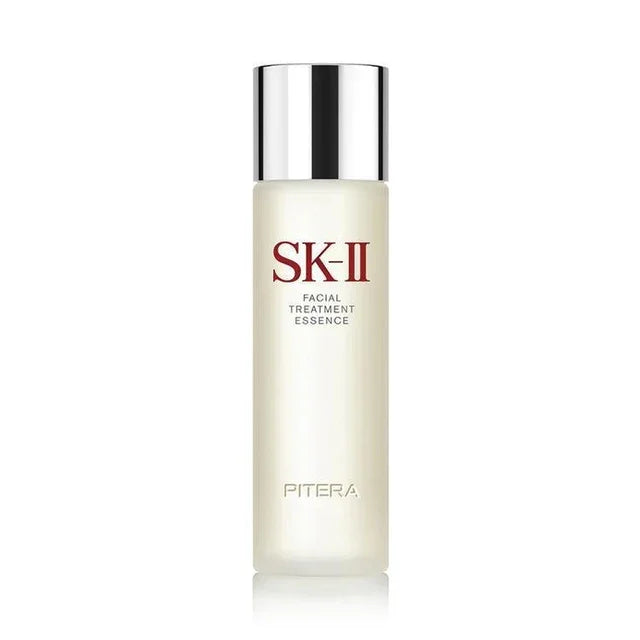
- SK-II Facial Treatment Essence (Pitera Essence) is the iconic choice. Fermented Pitera targets texture, radiance, and firmness. It’s expensive, but nothing else in J beauty works quite the same way.
- Hada Labo Gokujyun Premium Hyaluronic Acid Essence is the affordable option. Adds another layer of hyaluronic acid hydration before your moisturizer.
- TAKAMI Skin Peel is a softening essence that works as a pre lotion step (apply before your lotion, not after). It’s a gentle exfoliant, not a traditional peel despite the name.
Step 4: Serum (optional) If you use a vitamin C serum, morning is the best time for it. Vitamin C is an antioxidant that works with sunscreen to boost UV defense throughout the day, which is why dermatologists overwhelmingly recommend it as an AM step. Apply after your lotion or essence, before your moisturizer.
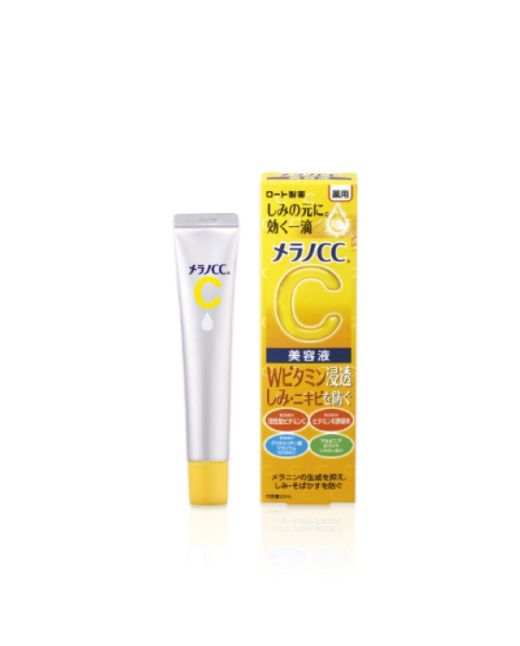
- Melano CC Premium Brightening Essence works well as a morning vitamin C step. A few drops on dark spots or all over.
Step 5: Emulsion or cream This is your moisturizer. Japanese skincare offers two textures:
- Emulsion/milk: Lightweight, fluid moisturizer. Good for oily or combination skin, or for mornings when you want something light under sunscreen.
- Cream: Richer, heavier. Better for dry skin or nighttime.
In the morning, most people choose emulsion over cream since it layers better under sunscreen.
Options:
- Hada Labo Gokujyun Premium Milky Lotion is a lightweight emulsion that seals in the lotion layers without feeling heavy.
- Curel Intensive Moisture Facial Cream works for dry or sensitive skin that needs more barrier support, even in the morning.
Step 6: Sunscreen The final and most important AM step. Japanese sunscreens are lightweight enough to work as the last layer without disrupting everything underneath.
- Biore UV Aqua Rich Watery Essence SPF50+/PA++++ is the classic. Watery texture, no white cast, dries to a smooth finish.
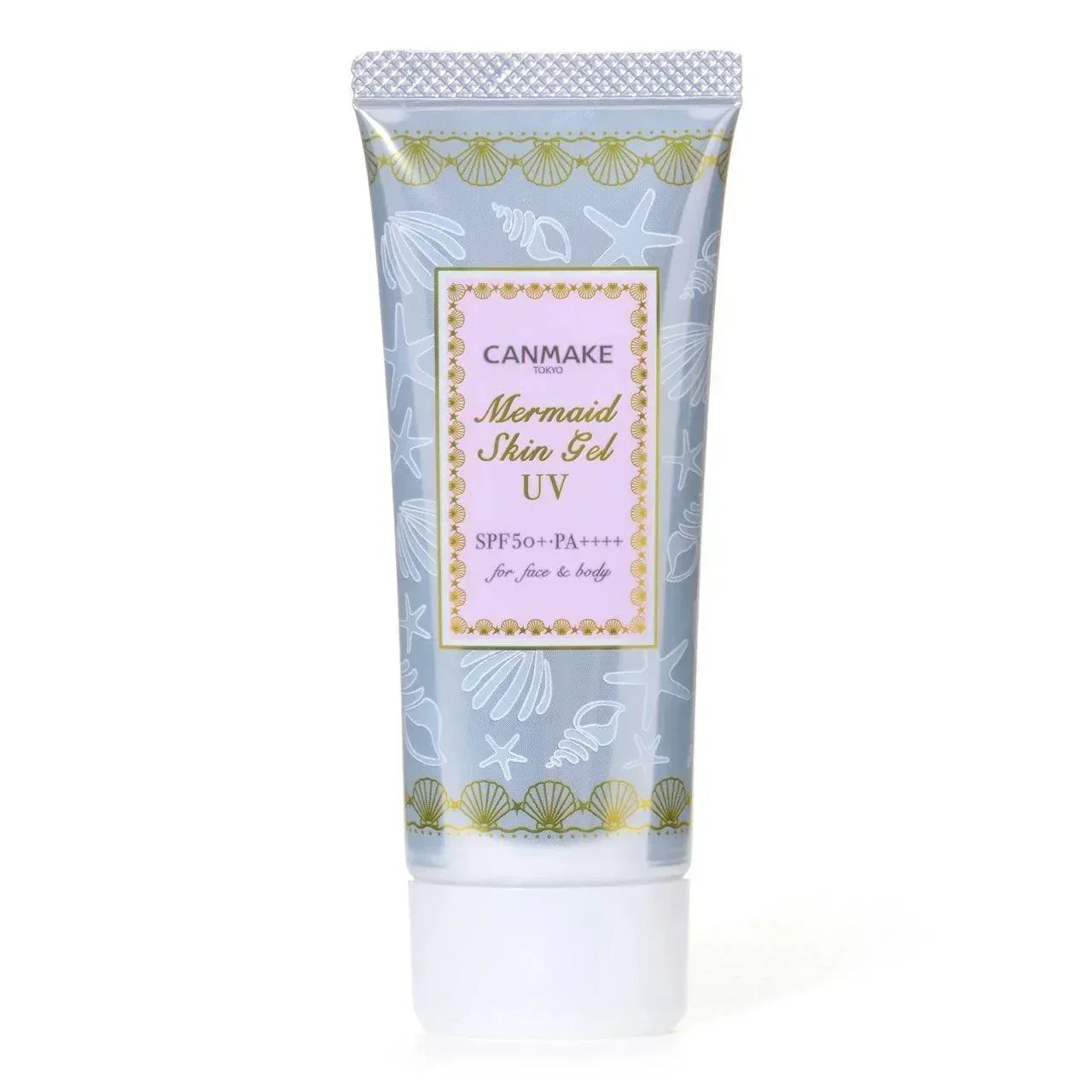
- Canmake Mermaid Skin Gel UV SPF50+/PA++++ is alcohol free and slightly dewy. Good for dry or sensitive skin.
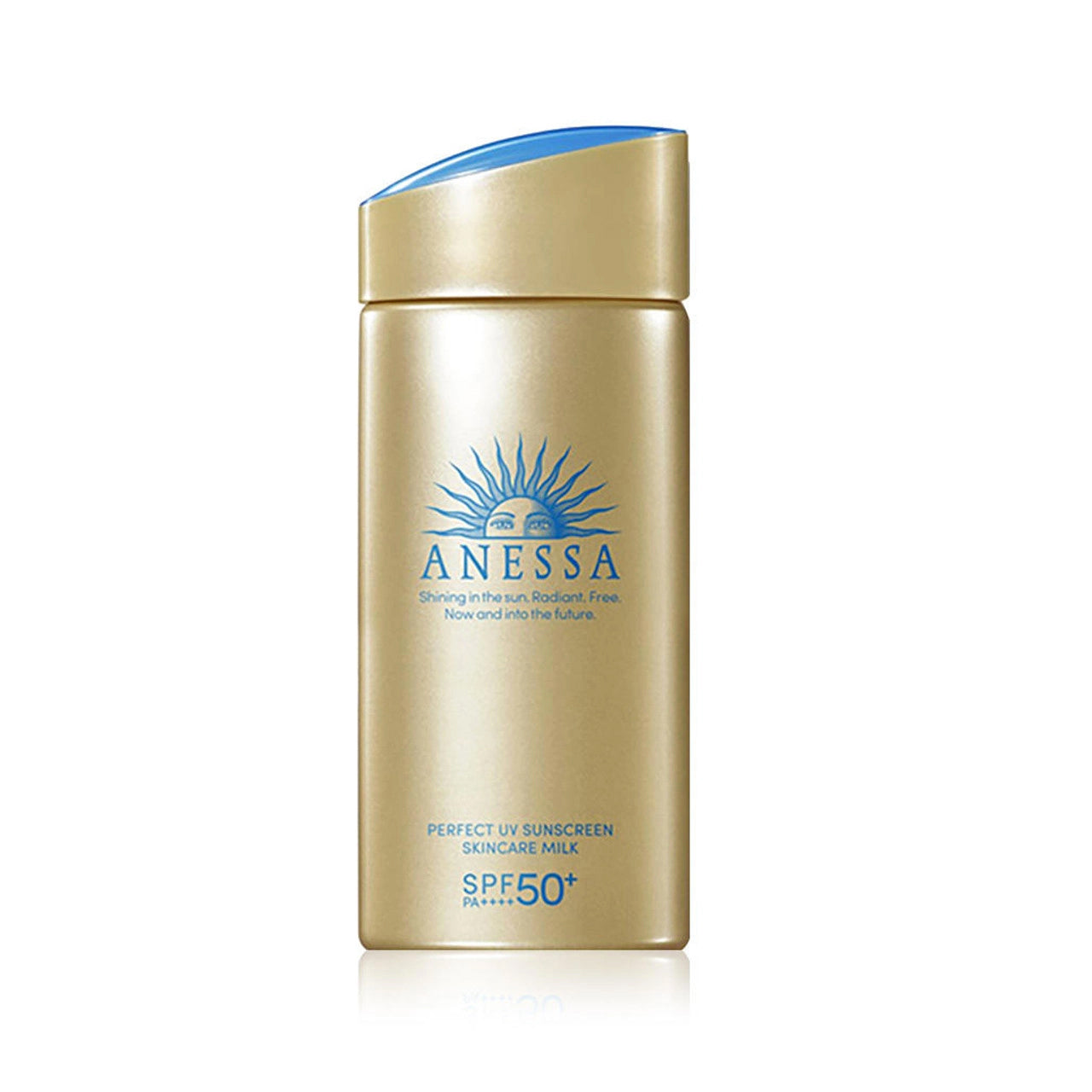
- Anessa Perfect UV Sunscreen Skincare Milk SPF50+/PA++++ is the premium option for high UV environments. Shake before use, dries matte.

For a deeper comparison of Japanese sunscreen textures (gel vs milk vs essence), see Japanese Sunscreen Types Explained.
Evening Routine (PM)
The PM routine is longer because it starts with double cleansing and adds treatment steps. You still follow the thin to thick principle.
Step 1: Oil cleanser This is the first cleanse. Oil dissolves oil, which means it breaks down sunscreen, makeup, and excess sebum far more effectively than a foam or gel cleanser alone. Apply to dry skin, massage for 30 to 60 seconds, add water to emulsify (the oil turns milky), then rinse.
This step is essential if you wear sunscreen daily, which you should be.
Options:
- DHC Deep Cleansing Oil is the classic with an 8 ingredient formula. Olive oil based, gentle, rinses clean.
- Kose Softymo Speedy Cleansing Oil is the budget pick. Thinner texture, faster emulsification.
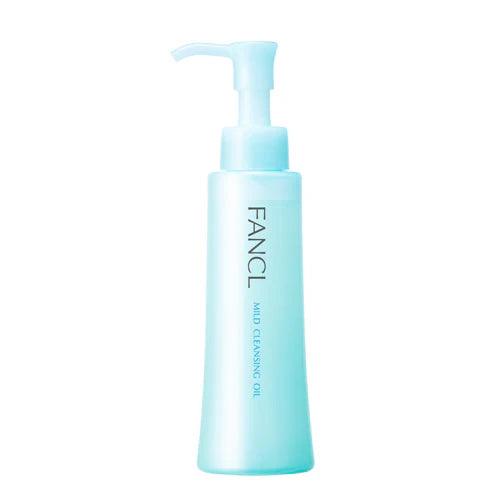
- FANCL Mild Cleansing Oil is preservative free, good for reactive skin.
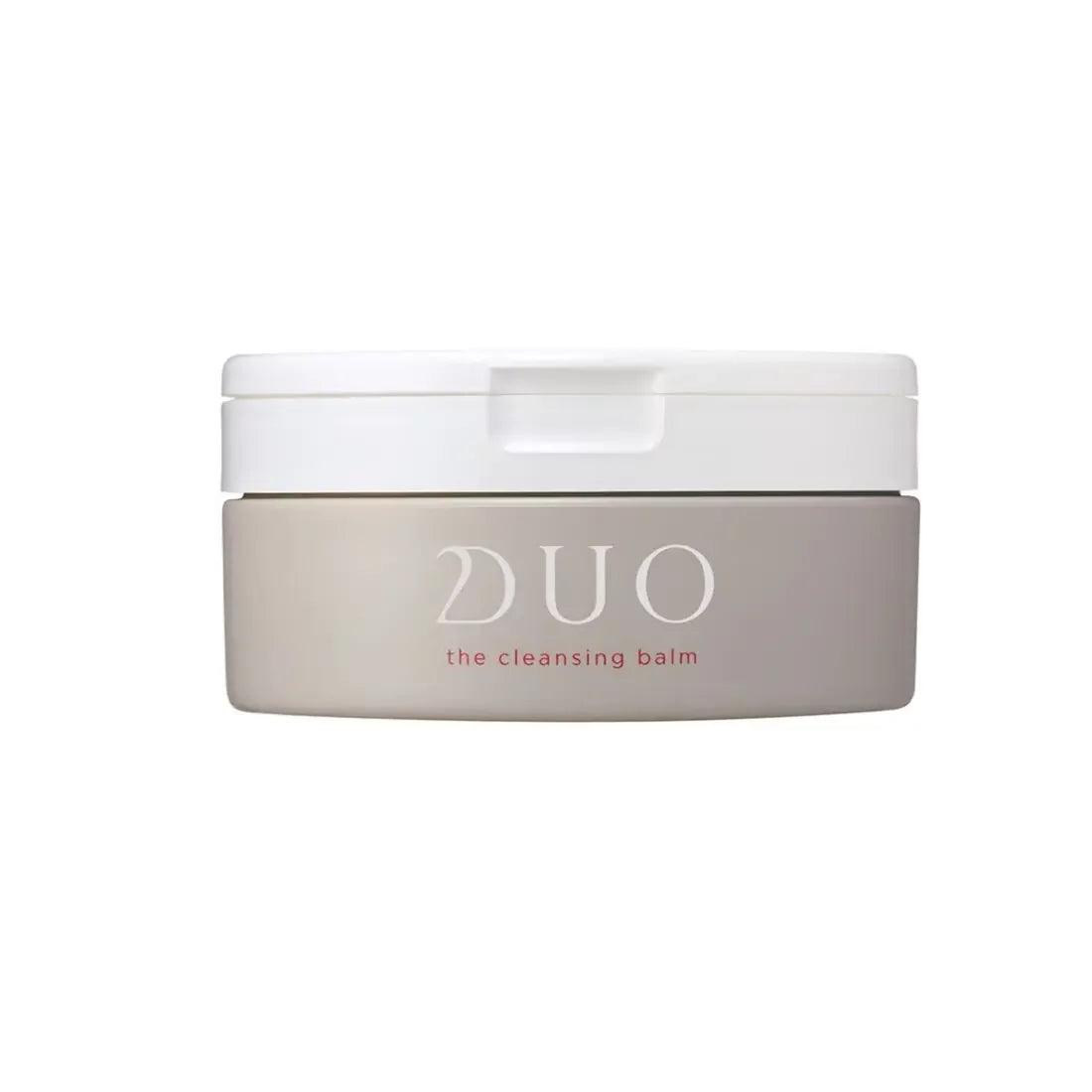
- DUO The Cleansing Balm 5-in-1 Aging Care is a balm format if you prefer something you can control more precisely.


For a full guide on this technique, see How to Double Cleanse: The Japanese Method.
Step 2: Foam or gel cleanser The second cleanse removes any remaining residue and water soluble impurities that the oil cleanser missed. Use a small amount, lather in your hands, and wash gently.
- Hada Labo Gokujyun Hyaluronic Acid Foaming Cleanser comes out as a ready made foam from the pump bottle. Low pH, doesn’t strip.
- Senka Perfect Whip creates a dense whipped foam. A bit higher pH but rinses cleanly.
Step 3: Lotion (toner) Same as the morning step. Pour, press, hold. This rehydrates the skin after cleansing, which is especially important at night since cleansers can leave skin feeling tight.
The same products work here: Hada Labo Gokujyun Premium Lotion, Kikumasamune Sake Brewing Skin Care Lotion High Moist, or Naturie Hatomugi Skin Conditioner.
Step 4: Essence (optional) Same principle as the morning. If you use an essence, this is where it goes.
SK-II Facial Treatment Essence (Pitera Essence) and Hada Labo Gokujyun Premium Hyaluronic Acid Essence both work well at night.
Step 5: Serum or treatment (optional) This is where active ingredients go: retinol, brightening agents, repair serums. Serums are more concentrated than essences and target specific concerns. If you use vitamin C, the morning routine is a better fit (see AM Step 4 above). PM is the time for retinol and repair focused treatments.
- Melano CC Premium Brightening Essence targets dark spots with pure Ascorbic Acid and three vitamin C derivatives. Can be used PM too, but you’ll get more benefit from it in the morning paired with sunscreen.
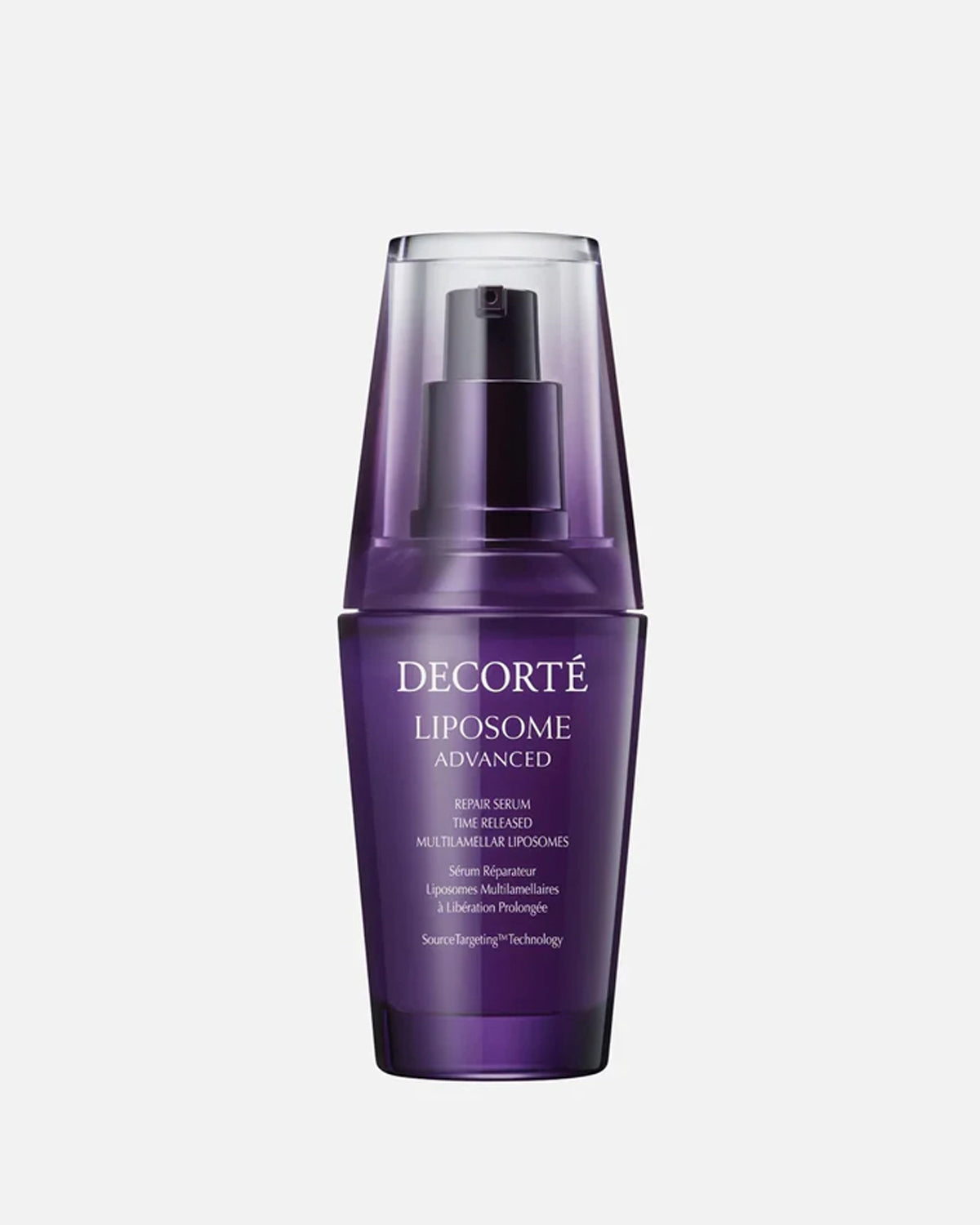
- Decorté Liposome Advanced Repair Serum is a luxury booster serum with multi layered liposome technology. Some people use this before their lotion as a “pre serum” step. Check the brand’s usage directions.
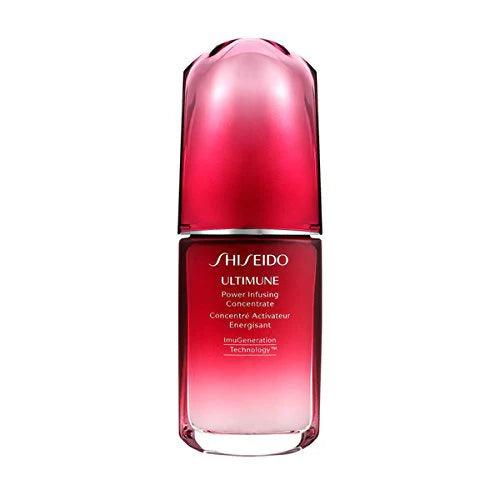
- Shiseido Ultimune Power Infusing Concentrate III is another pre serum booster that strengthens the skin’s defenses. Apply before lotion if you follow Shiseido’s recommended order.
A note on boosters like Decorté Liposome and Shiseido Ultimune: these are designed to go before your lotion, not after. They’re the exception to the normal layering order. Think of them as a primer for your skincare.
Step 6: Emulsion or milk (optional) If you use both a lightweight emulsion and a heavier cream, the emulsion goes first. It adds a layer of moisture without being too occlusive.
- Hada Labo Gokujyun Premium Milky Lotion works as a lightweight middle layer between serum and cream.
- Albion Exage Moist Advance Milk II is an example of the “emulsion first” philosophy that Albion is famous for. In Albion’s system, the milky emulsion goes before the lotion, flipping the standard order. This is brand specific and not how most J beauty routines work.
Step 7: Cream The final seal. Cream locks in everything underneath and provides an occlusive barrier while you sleep.
- Curel Intensive Moisture Facial Cream is the go to for sensitive or barrier compromised skin. Pseudo ceramides help repair while you sleep.
- Hada Labo Gokujyun Premium Cream is a rich hyaluronic acid cream that works well on top of the Hada Labo lotion layers.
- Soy Milk Moisture Cream NC from Sana is a budget friendly option with soy isoflavones.
Not everyone needs a cream. If your emulsion feels like enough moisture, skip this step. People with oily skin often stop at the emulsion.
Common Layering Mistakes
Rubbing instead of pressing. Japanese skincare emphasizes “hand press” application. Pour the product into your palms, press them flat against your face, and hold for a few seconds. This generates gentle warmth that helps absorption. Rubbing creates friction and can irritate the skin.
Skipping the lotion step. Western routines don’t have an equivalent of the Japanese lotion. It looks like water, so people assume it doesn’t do much. In Japanese skincare, the lotion is the foundation of the whole routine. Every layer that follows absorbs better because the lotion saturated the skin with water first.
Applying too much per layer. More product doesn’t mean more hydration. Thin, even layers absorb better than thick globs. Use a coin sized amount of lotion, a pea sized amount of serum, and build up gradually.
Mixing the order of oil and water products. If you put a heavy cream on before your essence, the essence can’t get through. The exception is booster serums (like Decorté Liposome or Shiseido Ultimune) that are specifically designed to go first.
Waiting too long between steps. You don’t need to wait 5 minutes between each product. Apply the next step while the previous one is still slightly damp (not dripping wet). The moisture helps the next layer spread and absorb.
The Minimalist Version: 3 Steps That Work
If a 7 step routine sounds like too much, start here:
AM: Cleanser → Lotion → Sunscreen Wash your face, hydrate with Hada Labo Gokujyun Premium Lotion, apply Biore UV Aqua Rich Watery Essence SPF50+/PA++++. Done. Three products, two minutes.
PM: Oil Cleanser → Foam Cleanser → Lotion → Moisturizer Double cleanse with Kose Softymo Speedy Cleansing Oil and Hada Labo Gokujyun Hyaluronic Acid Foaming Cleanser, hydrate with lotion, then seal with Curel Intensive Moisture Facial Cream or Hada Labo Gokujyun Premium Milky Lotion.
This covers the essentials: clean skin, hydration, moisture barrier, and sun protection. You can add essence, serum, or extra cream steps later if you want to target specific concerns like dullness, dark spots, or fine lines.
How Each Step Connects
Here’s a quick reference for why each layer exists:
| Step | What It Does | Consistency | Required? |
|---|---|---|---|
| Oil cleanser (PM only) | Dissolves sunscreen, makeup, sebum | Oil | Yes (PM) |
| Foam cleanser | Removes water soluble impurities | Foam | Yes |
| Lotion (toner) | Hydrates, preps skin for absorption | Water | Yes |
| Essence | Concentrated hydration or treatment | Light liquid | Optional |
| Serum | Targeted treatment (vitamin C AM, retinol PM) | Medium liquid | Optional |
| Emulsion/milk | Lightweight moisture, seals in hydration | Light cream | Pick one |
| Cream | Rich moisture, occlusive barrier | Heavy cream | Pick one |
| Sunscreen (AM only) | UV protection | Varies | Yes (AM) |
“Pick one” for emulsion and cream means you probably don’t need both. Oily skin types usually stop at emulsion. Dry skin types might skip emulsion and go straight to cream. Using both is fine in winter or if your skin is very dry.
FAQ
Do I need to use every step?
No. The 3 step routine (cleanser, lotion, sunscreen) is a complete Japanese skincare routine. The additional steps exist for specific concerns: essence adds hydration or treatment, serum delivers actives, emulsion and cream seal everything in. Start simple and add steps when your skin tells you it needs something more.
Can I mix Japanese products with Western products?
Yes. The layering order doesn’t change based on where the product was made. A Western serum goes in the serum step. A Western moisturizer goes in the cream step. The thin to thick principle applies to everything.
How long should I wait between layers?
Not long. Let each layer absorb for about 10 to 15 seconds (long enough to feel slightly tacky but not wet), then apply the next one. You don’t need to set a timer or wait minutes between steps. The exception is active treatments like retinol or vitamin C, where some people prefer to wait a minute or two.
What’s the difference between essence and serum?
Essences are generally thinner and focus on overall skin health (hydration, texture, radiance). Serums are thicker and target specific concerns (dark spots, wrinkles, pores). In practice, many Japanese products blur this line. The key is consistency: apply the thinner one first.
Is the Albion “emulsion first” method better?
Albion recommends applying their milky emulsion before the lotion step, which reverses the standard order. This is specific to Albion’s formulation and how their products interact. It’s not wrong, but it’s not the default Japanese routine either. If you use Albion products, follow their recommended order. For everything else, stick with lotion before emulsion.